Source Rechargeable Portable Car Fan for Car, Outdoor, Household
Find 30 options for a Rechargeable Portable Car Fan suitable for vehicles, outdoor activities, and household use. Compare specifications like voltage, blade size, and material to select the right unit for your needs; compare the available evidence and request quotations based on your requirements.
Updated
Key considerations
Products List
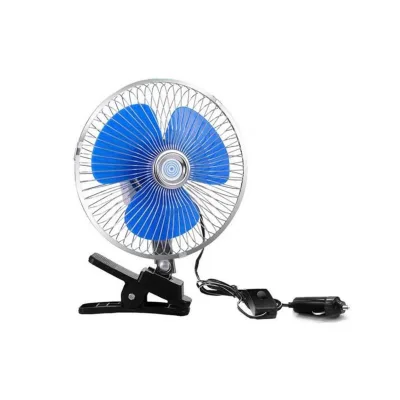
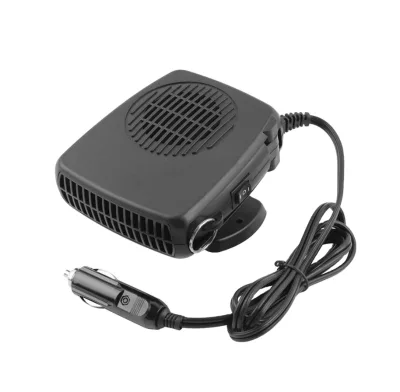
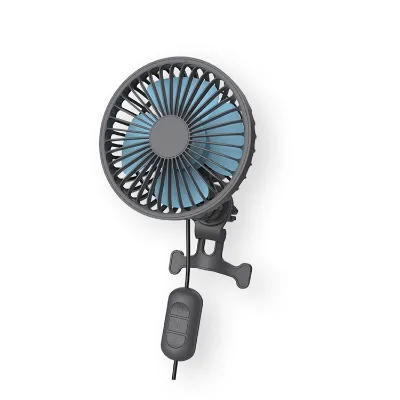


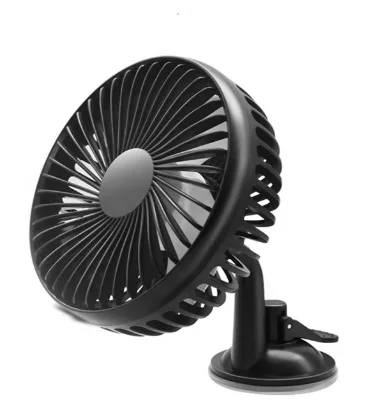

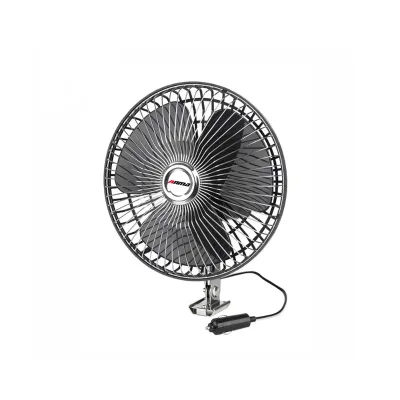
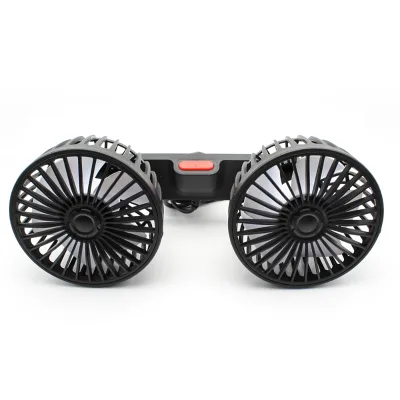
DC12V 24V Car Fan Oscillating Portable Auto Car Fan 10 Inch Mini Car Fan
$3.40 - $3.65
MOQ: 2000 pieces


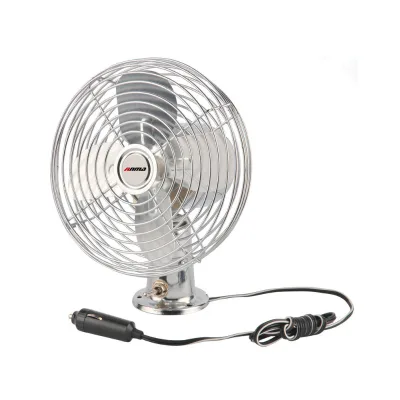
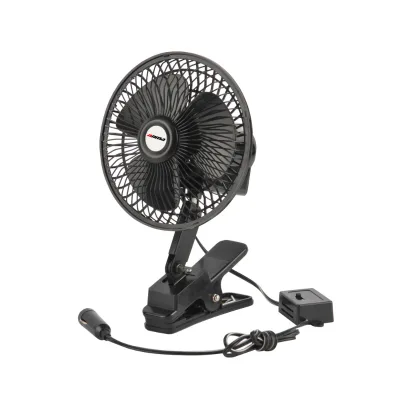


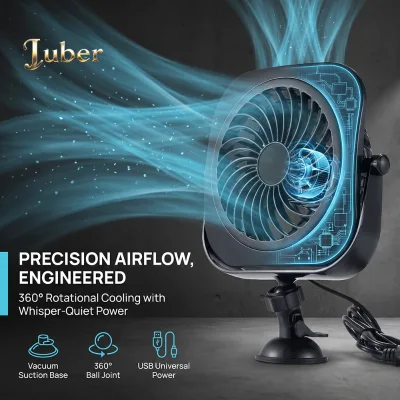








Comprehensive Sourcing Guide
Rechargeable Portable Car Fan Sourcing Guide
Sourcing rechargeable portable car fans requires careful evaluation of power sources, mounting mechanisms, and airflow efficiency to ensure compatibility with various vehicle types. Buyers must distinguish between USB-powered units and those with integrated battery packs, as this distinction dictates charging convenience and operational independence. The market offers diverse options ranging from simple clip-on desk fans to more robust dashboard-mounted units with adjustable angles. Understanding these mechanical differences is critical for selecting a product that meets specific ergonomic and functional requirements for drivers and passengers alike.
Procurement decisions should also account for noise levels, durability, and ease of cleaning, which directly impact customer satisfaction in the automotive accessory sector. Many modern designs emphasize quiet operation and eco-friendly materials to appeal to environmentally conscious consumers. Additionally, the ability to customize branding and packaging allows retailers to differentiate their offerings in a competitive marketplace. Buyers need to verify supply chain reliability and lead times to ensure consistent inventory levels, especially during peak travel seasons when demand for cooling solutions typically surges.
Product Scope and Observed Listing Signals
The current market landscape includes a variety of portable car fans with distinct specifications, such as the AUTOPERKS CF-1184, which features a 6-inch blade and operates on 12V power. Another notable model, the CF2002, is marketed as a heating and cooling fan with a turbo mute feature, highlighting the dual-functionality available in some product lines. These listings indicate a broad scope that encompasses both cooling and heating applications, with blade sizes and power inputs varying significantly across different models. Buyers should observe these variations to understand the range of capabilities available from different manufacturers.
Observed listing signals also reveal important details about packaging and customization options, such as the availability of color boxes, blister packs, and custom logo printing. The presence of OEM services suggests that many suppliers are equipped to handle private label orders, which is essential for brands looking to establish a unique market presence. Furthermore, the mention of specific materials like metal, plastic, ABS, and PP provides insight into the build quality and durability of the products. These signals help buyers assess the potential for product differentiation and the level of customization support they can expect from their suppliers.
Technical Specifications to Verify
When evaluating technical specifications, buyers must prioritize voltage compatibility and power source options to ensure seamless integration with vehicle electrical systems. Models like the FS14 operate on 5V via USB or vehicle power supply, offering flexibility for different charging scenarios. It is crucial to verify the wind speed settings, control methods, and plug types, as these factors influence user experience and convenience. Additionally, checking the dimensions and weight of the fan ensures it fits comfortably within the vehicle without obstructing visibility or taking up excessive space.
Battery capacity and rotary vane quantity are also key technical aspects that affect performance and longevity. While some listings indicate a battery capacity of 0 mAh, suggesting reliance on direct power sources, others may offer rechargeable options for greater portability. Buyers should confirm the number of blades or vanes, as this impacts airflow efficiency and noise generation. Verifying these specifications against actual product samples or detailed datasheets is essential to avoid discrepancies between advertised features and real-world performance, ensuring that the selected product meets the intended operational requirements.
Compliance and Safety Documentation
Compliance with international standards is a critical component of sourcing portable car fans, particularly regarding electrical safety and material quality. Certifications such as ISO9001:2008 indicate that manufacturers adhere to established quality management systems, which can be a strong indicator of consistent product quality. Buyers should request valid certification documents to verify that the supplier’s production processes meet these rigorous standards. This documentation not only assures compliance but also enhances the credibility of the product in regulated markets, reducing the risk of legal issues or product recalls.
In addition to quality certifications, buyers must ensure that the materials used in the fan’s construction are safe and durable. The use of ABS and PP plastics, for instance, offers a balance of strength and lightweight properties, but it is important to confirm that these materials are free from harmful substances. Safety features such as overheat protection and stable mounting mechanisms should also be verified to prevent accidents during use. By prioritizing compliance and safety documentation, buyers can mitigate risks and ensure that the products they source are reliable and suitable for consumer use.
Cost Drivers and Commercial Terms
Cost drivers for portable car fans include material costs, manufacturing complexity, and customization requirements, all of which influence the final unit price. The observed price range of $0.91 to $18.8 USD reflects the diversity in product features and quality levels, with higher prices typically associated with advanced features like heating functions or premium materials. Buyers should analyze these cost factors to determine the most cost-effective options that still meet their quality and performance standards. Understanding the relationship between price and features helps in making informed purchasing decisions that align with budget constraints.
Commercial terms such as MOQ, payment methods, and lead times are equally important in shaping the procurement strategy. With MOQs ranging from 1 to 3500 pieces, buyers can choose suppliers that accommodate their order volume needs. Payment terms like T/T and L/C offer flexibility, while lead times of 15-20 days require careful planning to avoid stockouts. Buyers should negotiate these terms to secure favorable conditions, ensuring that the supply chain remains efficient and responsive to market demands. Clear communication of these terms helps in establishing a transparent and mutually beneficial business relationship.
Supplier Qualification and Quality Control
Supplier qualification involves assessing the manufacturer’s production capabilities, quality control processes, and after-sales service support. Suppliers with a supply ability of 10,000 pieces per month, for example, demonstrate the capacity to handle large orders, which is essential for meeting high demand. Buyers should verify the supplier’s track record in delivering consistent quality and adhering to agreed-upon specifications. Additionally, checking for free spare parts services and warranty provisions, such as a 1-year warranty, provides assurance of long-term support and reliability.
Quality control measures should be rigorously evaluated to ensure that the products meet the required standards. Buyers should request samples to test performance, durability, and ease of use before committing to large orders. Implementing pre-shipment inspections can help identify any defects or discrepancies early in the process. By prioritizing supplier qualification and quality control, buyers can minimize the risk of receiving substandard products and ensure that their customers receive high-quality, reliable portable car fans. This proactive approach strengthens the brand’s reputation and fosters customer loyalty.
Long-Term Procurement Checks
Long-term procurement checks involve monitoring supplier performance, market trends, and product feedback to ensure continuous improvement and relevance. Buyers should regularly review supplier delivery times, product quality, and responsiveness to issues to maintain a reliable supply chain. Staying informed about emerging technologies and design trends in the portable car fan market allows buyers to adapt their product offerings to meet changing consumer preferences. This ongoing evaluation helps in identifying opportunities for innovation and differentiation, keeping the product line competitive and appealing.
Additionally, maintaining open communication with suppliers and customers facilitates the collection of valuable feedback and insights. This information can be used to refine product specifications, improve manufacturing processes, and enhance customer satisfaction. Buyers should also consider the environmental impact of their sourcing decisions, opting for eco-friendly materials and sustainable practices where possible. By focusing on long-term procurement checks, buyers can build a resilient and adaptable supply chain that supports sustained business growth and success in the dynamic automotive accessory market.
FAQs
What is the typical MOQ for portable car fans?
The typical MOQ for portable car fans is 300 to 500 pieces. This range allows buyers to secure inventory while managing initial costs. Some suppliers may offer samples for quality verification before committing to larger bulk orders. Buyers should confirm specific MOQ requirements with manufacturers to ensure alignment with their procurement volume needs.
Can I customize the logo on these car fans?
Yes, you can customize the logo on these car fans. Most manufacturers support OEM services and accept client logos for branding purposes. This customization helps businesses establish their brand identity in the market. Buyers should provide high-resolution logo files and discuss placement options with the supplier to ensure professional results.
What certifications do these portable car fans have?
These portable car fans typically hold ISO9001:2008 certification. This certification indicates that the manufacturer follows established quality management standards. While specific product certifications like CE may vary, the ISO9001 standard ensures consistent production quality. Buyers should request current certification documents to verify compliance with their regional regulatory requirements.
How long is the delivery time for these fans?
The standard delivery time for these fans is 15 to 20 days. This timeframe applies after order confirmation and payment receipt. Lead times may vary based on order volume and production scheduling. Buyers should plan their inventory replenishment accordingly and communicate any urgent deadlines to the supplier to explore expedited options.
What is the voltage requirement for these car fans?
These car fans operate on 12V or 5V power sources. The 12V models are designed for direct vehicle power supply, while 5V models often use USB or Type-C connections. This versatility allows use in cars, outdoors, or households. Buyers should verify the voltage compatibility with their intended power source before placing orders.
Where are these portable car fans manufactured?
These portable car fans are manufactured in Zhejiang and Guangdong, China. These regions are known for robust manufacturing capabilities and supply chain efficiency. Buyers can expect competitive pricing and reliable production capacity from factories in these locations. Origin details help buyers assess logistics costs and supplier proximity for shipping purposes.