Source LED Display Bladeless Standing Fan for Home, Office, Retail
Source the LED Display Bladeless Standing Fan from 30 verified listings. Compare mechanical and remote control options, 40W to 65W power ratings, and various certifications like CE and ROHS for household and commercial applications; compare the available evidence and request quotations based on your requirements.
Updated
Key considerations
Products List


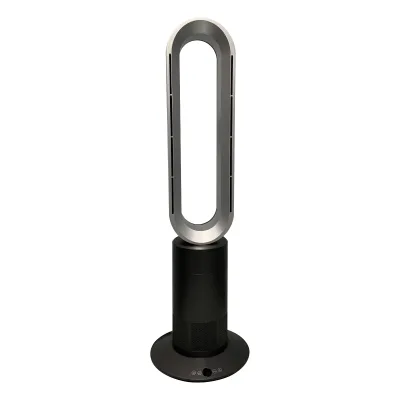


$11.00 - $13.00
MOQ: 1000 Pieces

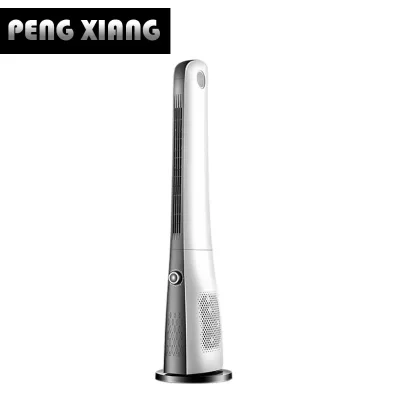

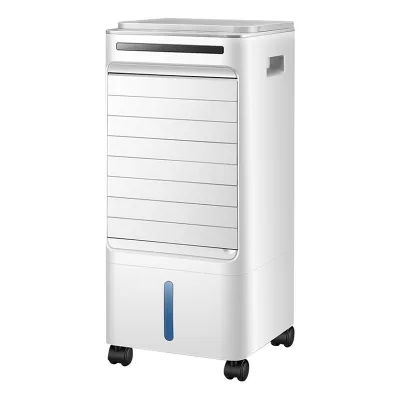
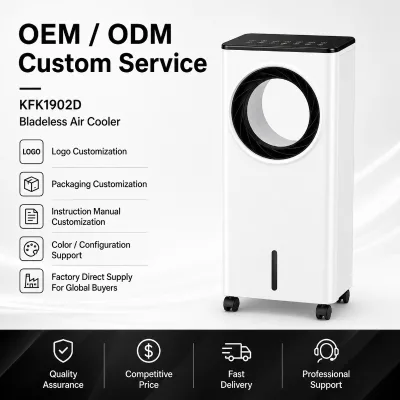
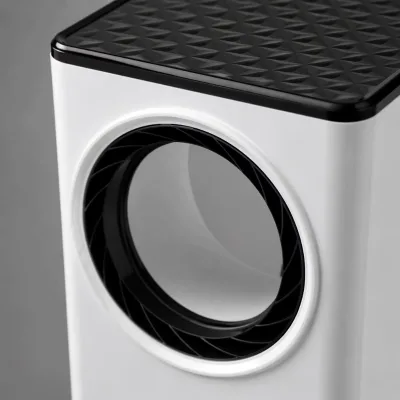
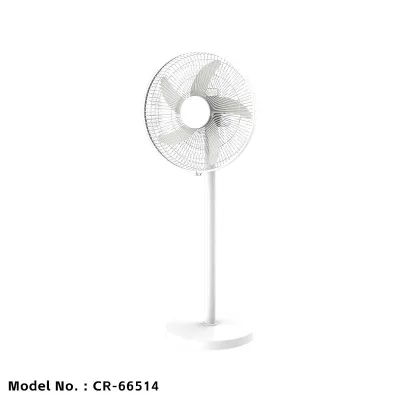
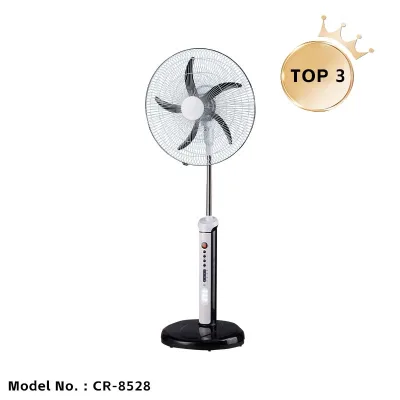
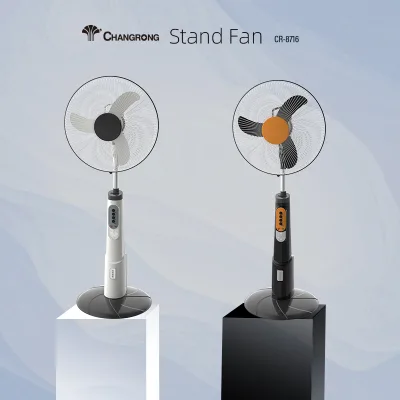
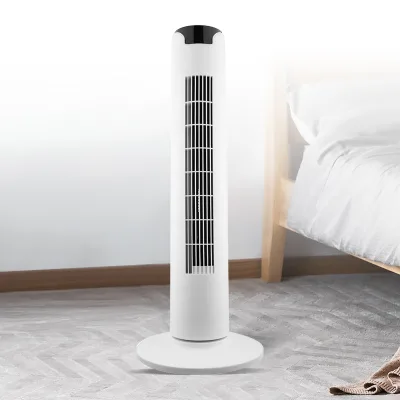
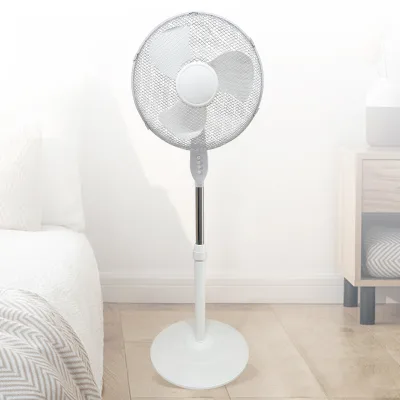
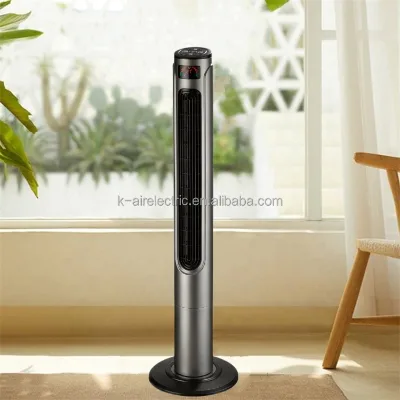
K-Air 46 Inch Electric Oscillation 120 Cm Standing Bladeless Tower Fan
$22.50 - $25.50
MOQ: 1000 pieces


$8.20 - $8.80
MOQ: 1000 Pieces
Comprehensive Sourcing Guide
LED Display Bladeless Standing Fan Sourcing Guide
Procuring a bladeless standing fan with integrated display capabilities requires careful alignment of technical specifications with commercial realities. The current market offers a diverse range of pedestal fans, many of which feature mechanical controls and low noise profiles suitable for household environments. Buyers must distinguish between standard bladeless models and those with advanced digital interfaces, as the latter often involve higher complexity in both manufacturing and supply chain logistics.
This guide focuses on verifying critical attributes such as motor composition, power consumption, and certification status. Observed listings indicate a wide price range and varying minimum order quantities, reflecting the heterogeneity of the supplier base. Understanding these variables is essential for negotiating favorable terms and ensuring that the final product meets both functional requirements and safety standards for the target market.
Product Scope and Observed Listing Signals
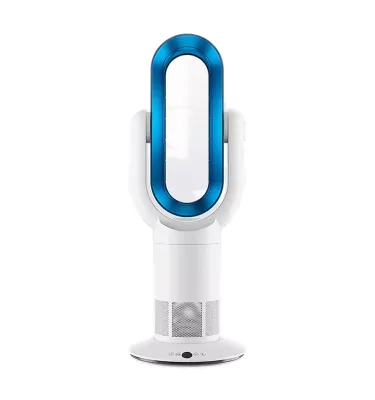
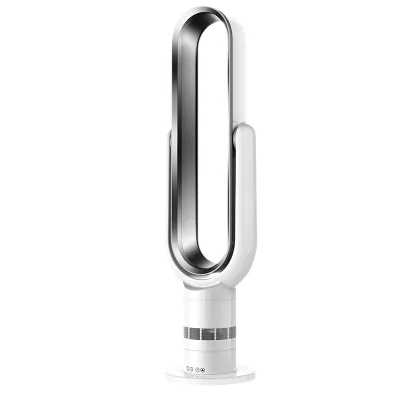
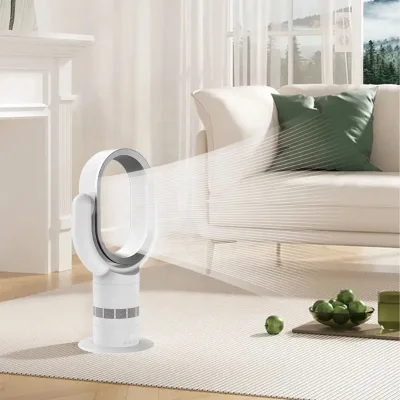
The observed product landscape includes various pedestal fans with distinct material compositions, such as plastic combined with aluminum or copper motors. These units typically operate at low power levels, ranging from 40W to 65W, and offer multiple speed settings to accommodate different user preferences. The absence of remote controls in some models contrasts with others that include this feature, highlighting the need for precise specification matching during the sourcing process.
Color options generally span black, white, and silver, with some suppliers offering customization to meet specific branding needs. Packaging varies from single-piece cartons to gift boxes, influencing logistics costs and retail presentation. Buyers should note that while some listings mention timer functions, others do not, requiring explicit confirmation of feature availability to avoid discrepancies between ordered and delivered goods.
Technical Specifications to Verify
Motor construction is a primary technical differentiator, with options including plastic-aluminum or plastic-copper configurations. These materials impact durability, heat dissipation, and overall acoustic performance, making them critical factors in quality assessment. Additionally, the presence or absence of a timer function, such as a 9.5-hour setting, affects user convenience and should be explicitly verified against procurement requirements.
Power ratings and speed settings must align with energy efficiency goals and performance expectations. Models with three-speed settings are common, but buyers should confirm the exact control method, whether mechanical knob or digital interface. Verification of physical dimensions and weight, such as a net weight of 2.1kg, ensures compatibility with storage and shipping constraints, particularly for bulk orders.
Compliance and Safety Documentation
Certification requirements vary significantly across suppliers, with some products holding CB, CE, and ROHS marks, while others may only possess CE certification. Buyers must ensure that all imported units meet the regulatory standards of their destination market, as non-compliant products can face customs delays or legal penalties. The presence of additional certifications like GS indicates a higher level of safety testing, which may be preferable for premium market segments.
Documentation should also include detailed test reports and material safety data sheets to verify the absence of hazardous substances. Suppliers should provide clear evidence of compliance with electrical safety standards, particularly for devices operating at standard household voltages. Maintaining a robust audit trail of these documents is essential for risk mitigation and long-term supplier relationship management.
Cost Drivers and Commercial Terms
Pricing in this category exhibits a broad range, influenced by factors such as motor type, certification level, and customization options. Minimum order quantities can vary from small batches to large industrial volumes, affecting unit economics and inventory management strategies. Buyers should analyze the total cost of ownership, including shipping, duties, and potential returns, rather than focusing solely on the initial purchase price.
Lead times are another critical commercial term, with some suppliers indicating delivery within 25-30 days. This timeframe can impact supply chain resilience and ability to meet seasonal demand peaks. Negotiating flexible payment terms and clear penalty clauses for delays can help mitigate risks associated with production variability and logistical disruptions in the global supply chain.
Supplier Qualification and Quality Control
Supplier qualification should begin with a thorough review of manufacturing capabilities and quality management systems. Factories producing bladeless fans with integrated displays must demonstrate proficiency in both mechanical assembly and electronic integration. Buyers should request samples to evaluate build quality, noise levels, and the reliability of any digital components before committing to large orders.
Quality control protocols must include incoming material inspections, in-process checks, and final product testing. Suppliers should provide detailed inspection reports and allow for third-party audits to verify compliance with agreed-upon specifications. Establishing clear acceptance criteria and rejection procedures ensures that only products meeting quality standards enter the supply chain, reducing the risk of customer dissatisfaction and returns.
Long-Term Procurement Checks
Long-term success depends on continuous monitoring of supplier performance and product reliability. Buyers should track key metrics such as defect rates, delivery punctuality, and responsiveness to issues. Regular communication and periodic reviews help maintain alignment between buyer expectations and supplier capabilities, fostering a collaborative partnership that can adapt to changing market conditions.
Sustainability and after-sales support are also critical considerations for long-term procurement. Suppliers should offer comprehensive warranty terms, typically one year, and provide accessible technical support for troubleshooting. Evaluating the supplier’s commitment to environmental standards and their ability to provide spare parts ensures that the product remains viable and supported throughout its lifecycle, protecting the buyer’s investment and brand reputation.
FAQs
What power options are available for bladeless standing fans?
Power ratings vary by model, with options including 40W, 50W, and 65W configurations. These electric fans support household applications and feature mechanical knob controls. Buyers can select specific wattage based on cooling needs and energy efficiency requirements for their intended use case.
Can I customize the color and packaging of these fans?
Yes, customization is available for colors such as black, white, silver, and grey silver. Packaging options include gift boxes, solid cartons, or standard LCL/FCL shipping. Buyers can request specific base types like round or cross bases to match their brand identity and market preferences.
What certifications do these bladeless fans hold?
Certifications include CB, CE, ROHS, and GS depending on the specific model. These standards ensure compliance with international safety and environmental regulations. Buyers should verify the exact certification list for their target market to ensure regulatory approval and smooth customs clearance for imported goods.
What is the typical lead time for production?
The lead time is typically within 25-30 days for production. This timeframe allows for manufacturing and quality checks before shipment. Buyers should plan their inventory accordingly, considering that lead times may vary slightly based on order volume and specific customization requirements requested by the client.
What speed settings and timer functions are included?
Most models offer 3 speed settings with natural, sleepy, and normal breeze modes. Timer functions vary, with some models featuring a 9.5-hour timer while others lack a timer entirely. Buyers should check the specific product model to confirm the exact timer duration and control method available.
Where are these fans manufactured and shipped from?
These fans originate from Guangdong, China, and are shipped via LCL or FCL methods. The manufacturing location ensures access to established supply chains for plastic and metal components. Buyers should account for shipping logistics and import duties when calculating the total landed cost for their specific destination.