Waterproof Contemporary Sun Umbrella Base Suppliers and Manufacturers
Source Waterproof Contemporary Sun Umbrella Base from 24 verified suppliers in China. Compare OEM/ODM capabilities, ISO 9001 certifications, response times, and pricing to find the right partner. Request quotes today; review the available evidence before requesting comparable quotations from suitable candidates.
Updated
Suppliers List

Ningbo Yilong Outdoor Products Co., Ltd.
- Verified by TUVRHEINLAND
- Manufacturer/Factory
- China Zhejiang
- Lead time0 days
- Avg. response≤ 14h
Main productsAluminium Foldable Gazebo, Aluminium Umbrella, Wooden Umbrella, Beach Umbrella, Swing Chair, Steel Gazebo, Outdoor Furniture, Campling, Chair, Table
Main marketsSouth America,Eastern Europe,Mid East,North America,Southeast Asia,Eastern Asia,Oceania,Western Europe,Africa

Qingdao Merid Machinery Co., Ltd
- Verified by CTI
- Combined
- China Shandong
- Lead time15 days
- Avg. response≤ 3h
Main productsMachining Part, Sheet Metal Fabrication, Mounting Bracket, Precast Lifting Parts, Metal Hardware, CNC Maching Part, Stamping Parts, Welding Parts, CNC Maching Parts
Main marketsDomestic,Europe,Australia,North America
Hengshui Lihao Import And Export Trading Co., Ltd.
- Trading Company
- Hebei, China
- Lead time15 days
- Avg. response≤ 4h
Main productsMen's clothing,Women's clothing,Underwear,watch,socks
Main marketsNorth America(50.00%), Eastern Europe(10.00%), Southeast Asia(9.00%), Western Europe(5.00%), South America(5.00%), Africa(4.00%), Eastern Asia(4.00%), Mid East(4.00%), Oceania(4.00%), Domestic Market(1.00%), South Asia(1.00%), Southern Europe(1.00%), Northern Europe(1.00%), Central America(1.00%)
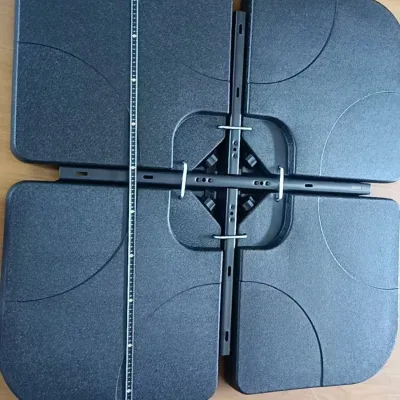
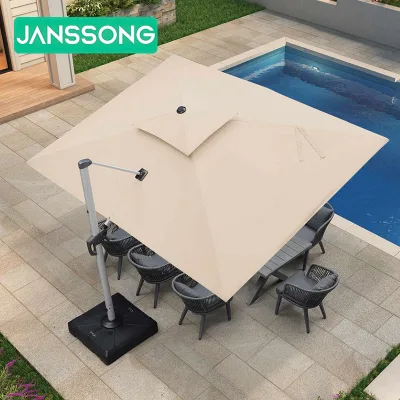
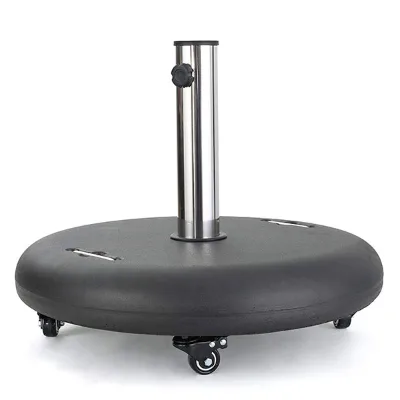
Professional Manufacturer Sun Shade Patio Outdoor Umbrella Base Parasol Patio Umbrella Base
$24.30 - $24.55
MOQ: 2 pieces
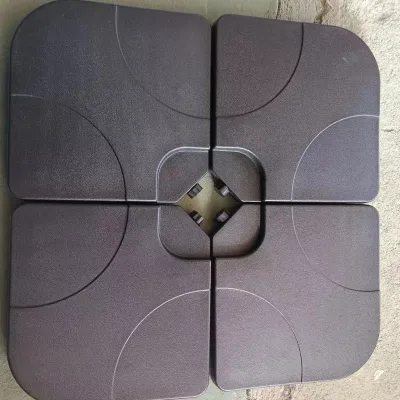
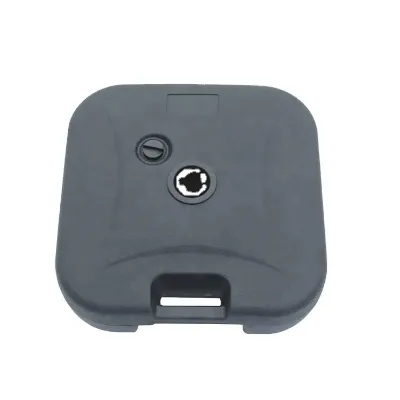
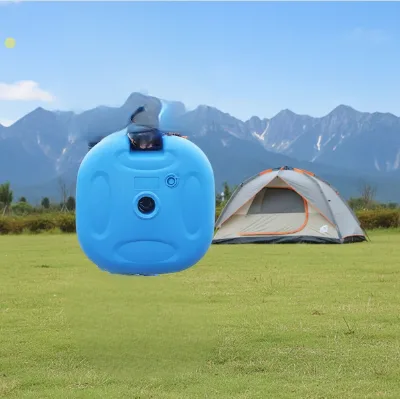
Black Injection Base 4pcs Water tank Parasol Umbrella Base for Outdoor Use Patio Garden Furniture
$24.30 - $24.55
MOQ: 2 pieces
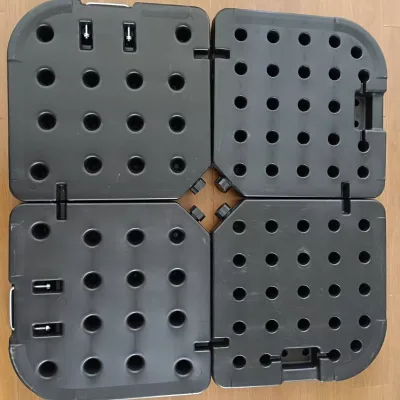
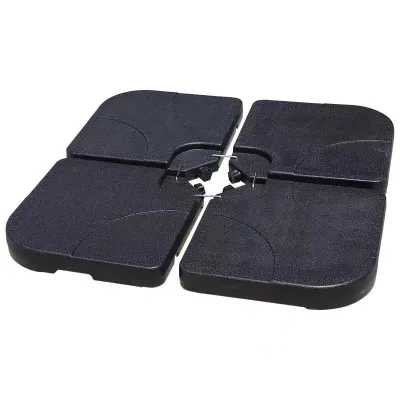
4Pcs Square Water Umbrella Base Cantilever Umbrella Stand Offset Patio Parasol Base
$24.30 - $24.55
MOQ: 2 pieces
$9.41 - $67.23
MOQ: 10 Minimum
Thump Agri and Horti Tech (Shanghai) Co., Ltd.
- Trading Company
- Shanghai, China
- Lead time20 days
- Avg. response≤ 2h
Main productsplastic plant pot,dutch bucket,ebb and flow,duct fans,Trim tray
Main marketsEastern Europe(19.00%), North America(18.00%), South America(15.00%), Southeast Asia(10.00%), Central America(9.00%), Northern Europe(6.00%), Western Europe(5.00%), Southern Europe(5.00%), South Asia(4.00%), Eastern Asia(3.00%), Africa(2.00%), Mid East(2.00%), Oceania(2.00%)
Ningbo Homful Import And Export Co., Ltd.
- Manufacturer, Trading Company
- Lead time旺季: "1 - 300":90,"> 300":"To be negotiated", 淡季: "1 - 300":90,"> 300":"To be negotiated"
- Avg. response≤ 4h
Main productsRV Accessories, Marine Accessories, Protective Covers, Outdoor Products
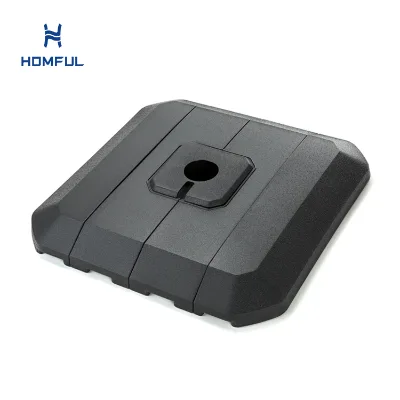
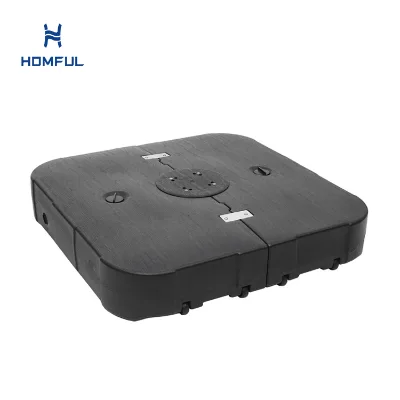
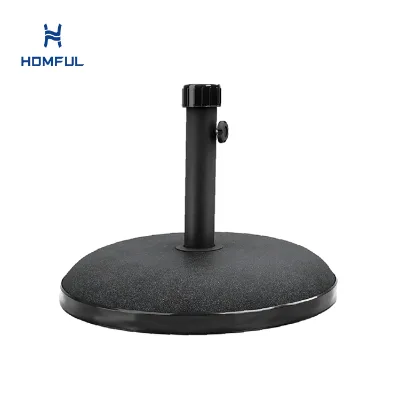
Heavy Duty Resin Free Standing Umbrella Base Concrete Parasol Base Umbrella Base
$6.91
MOQ: 1000 pieces
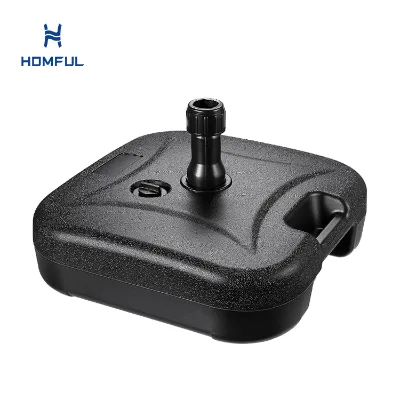
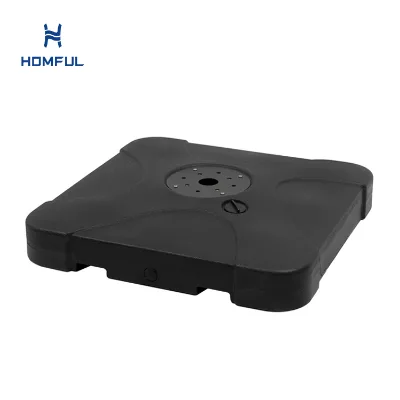
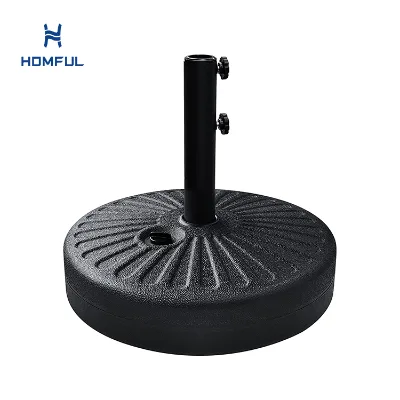
Garden Fillabled Umbrella Base Stand Round Plastic Patio Umbrella Cantilever Bases Umbrella Base
$6.23 - $6.90
MOQ: 1000 pieces
Linhai Fenghui Home Furnishing Co., Ltd.
- Verified by Intertek
- Manufacturer, Trading Company
- Lead time45 days
- Avg. response≤ 5h
Main productsOutdoor Umbrella, Gazebos, Sun Loungers, Garden Dining Sets, Garden Sofa
Main marketsWestern Europe(20%), North America(15%), South America(15%)
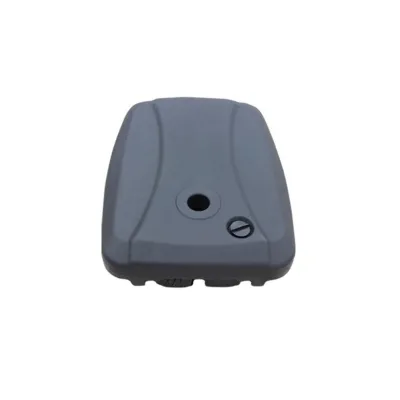
$14.4946 - $16.5649
MOQ: 200 pieces
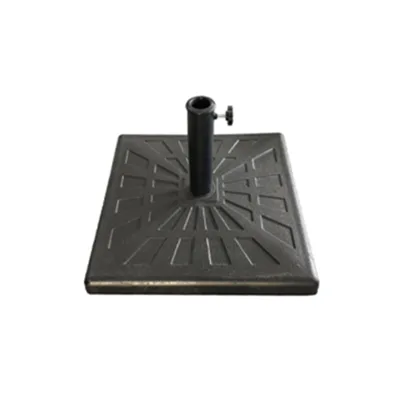
Hot Sale Manufacture Beach Parasols Base Garden Umbrella Sombrillas De Playa Patio Umbrella Base
$6.7305 - $9.3176
MOQ: 2 pieces
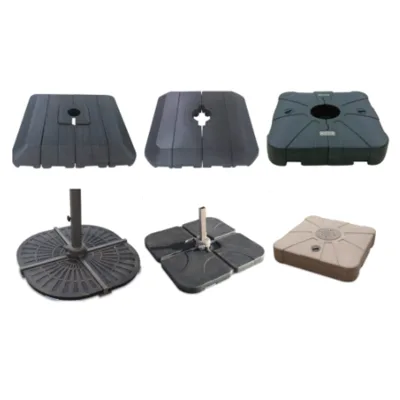
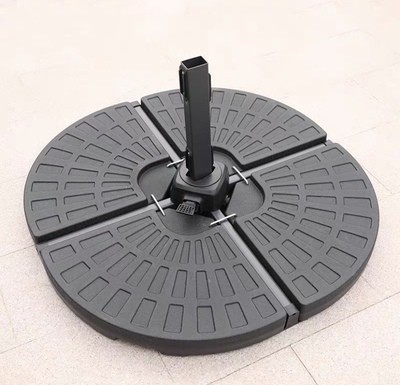
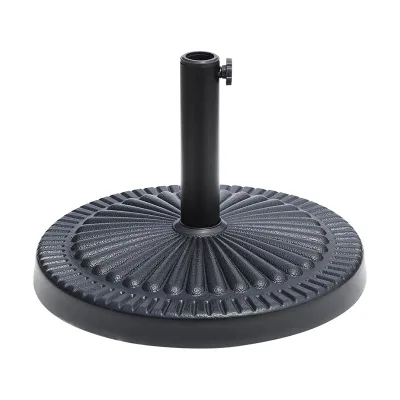
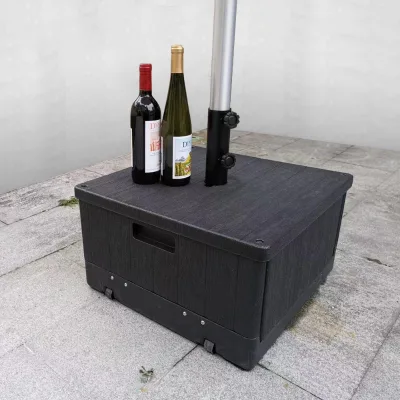
Circular Sector Resin Umbrella Base Water Tank/marble/cast Iron 150kg Huge Parasol Base
$14.00 - $65.00
MOQ: 1 Minimum
Foshan Huayuxi Furniture Co., Ltd.
- Verified by SGS Group
- Manufacturer, Trading Company
- Lead time30 days
- Avg. response≤ 2h
Main productsOutdoor Sofa Set/Sun Lounger/Living Room Sofa Set/Bedroom Set/Dining Set
Main marketsNorth America(35%), South America(15%), Western Europe(15%)
Ningbo Danlong Leisure Products Co., Ltd.
- Manufacturer
- Zhejiang, China
- Lead time30 days
- Avg. response≤ 7h
Main productsHammocks,Hammock Chair,Patio Umbrella,Swing,Gazebo
Main marketsNorth America(35.00%), Western Europe(19.00%), Mid East(8.00%), Eastern Europe(8.00%), Eastern Asia(5.00%), Southeast Asia(5.00%), South America(5.00%), Africa(5.00%), Oceania(4.00%), Northern Europe(2.00%), Domestic Market(1.00%), South Asia(1.00%), Southern Europe(1.00%), Central America(1.00%)
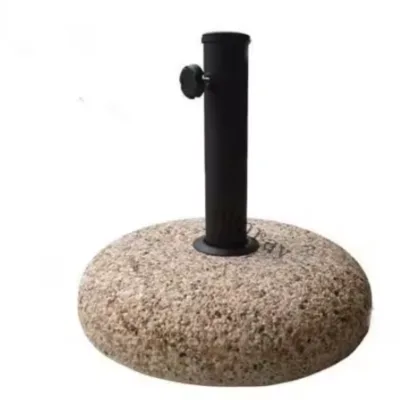
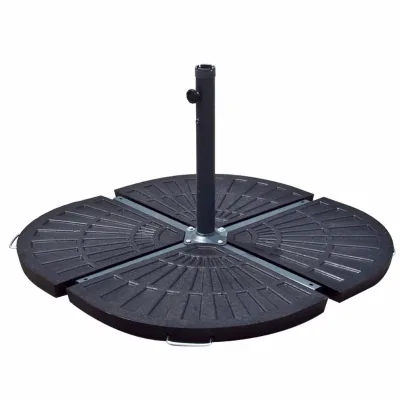
MOQ: 100
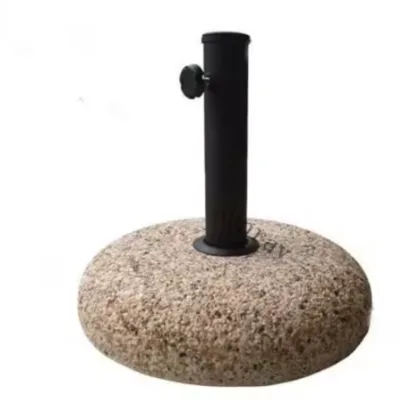
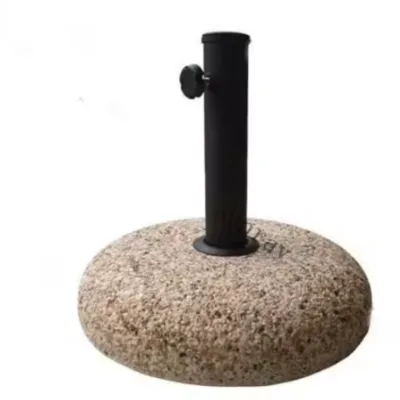
Hangzhou Cheers Technology Co., Limited
- Verified by SGS Group
- Manufacturer, Trading Company
- Lead time35 days
- Avg. response≤ 2h
Main productsPlastic Folding Tables and Chairs, Outdoor Storage, Greenhouse, Patio Furniture Set, Patio Umbrella & Base
Main marketsWestern Europe(40%), North America(20%), Eastern Europe(10%)
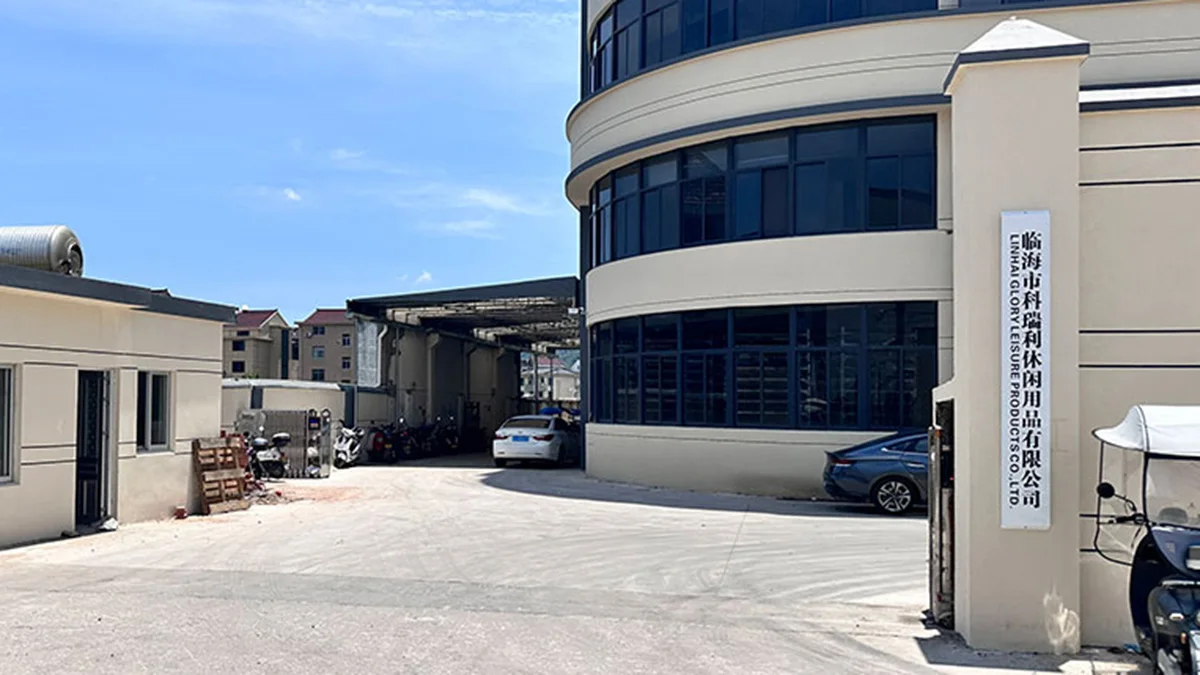
Linhai Glory Leisure Products Co., Ltd.
- Manufacturer, Trading Company
- Zhejiang, China
- Lead time30 days
- Avg. response≤ 3h
Main productsumbrella,gazebo,swing chair,garden furniture,camping chair
Main marketsSoutheast Asia(35.00%), Western Europe(35.00%), Eastern Europe(15.00%), South America(5.00%), Eastern Asia(5.00%), Mid East(5.00%)
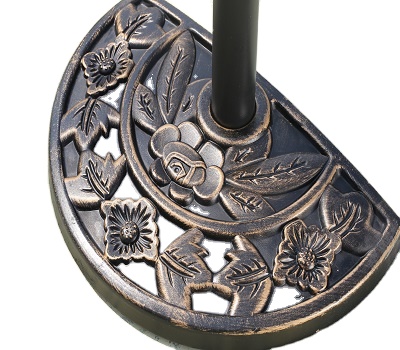
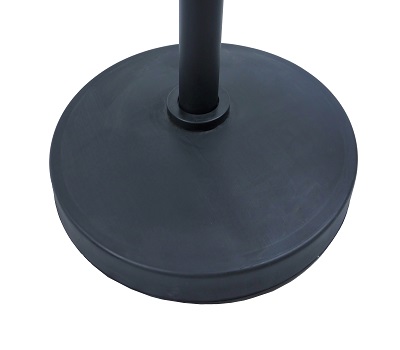
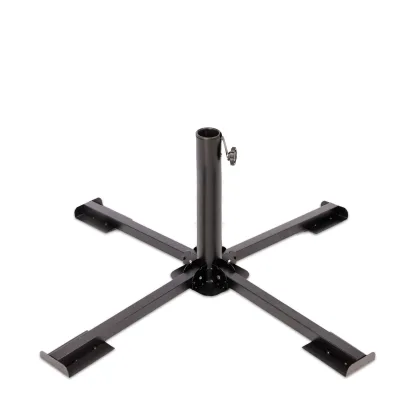
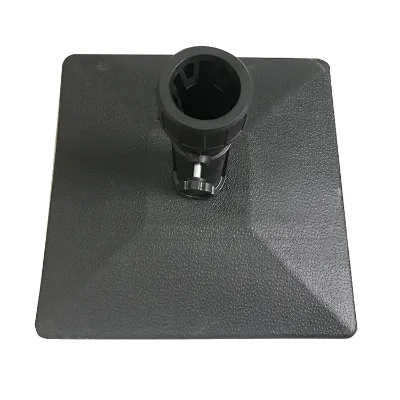
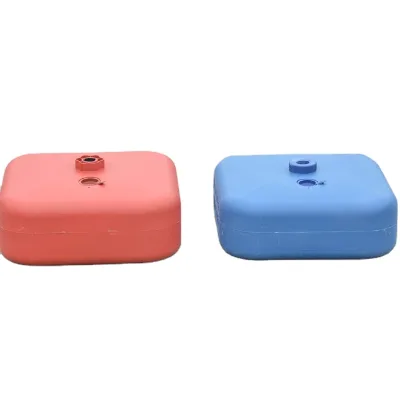
Hot Selling 57*11*47cm Outdoor Garden Patio Heavy Weatherproof Square Umbrella Base
$5.60 - $6.00
MOQ: 50 pieces
Heshan City Gedu Outdoor Products Co., Ltd.
- Manufacturer, Trading Company
- Guangdong Province, China
- Lead time0 days
- Avg. response≤ 1h
Main productsTrade show tent,Beach umbrella,Advertising umbrella,Sun Umbrella,Folding tent
Main marketsDomestic Market(30.00%), North America(10.00%), Southeast Asia(10.00%), Mid East(8.00%), Africa(8.00%), South America(8.00%), South Asia(8.00%), Central America(5.00%), Northern Europe(3.00%), Eastern Europe(2.00%), Oceania(2.00%), Southern Europe(2.00%), Western Europe(2.00%), Eastern Asia(2.00%)

Hangzhou Fortune Eco Products Co Ltd
- Verified by SGS
- Trading Company
- China Zhejiang
- Lead time23 days
- Avg. response≤ 23h
Main productsSleeping Bags
Main marketsEast Asia(Japan/ South Korea),Europe,North America

Outdoor Parasol Summer Garden Patio Umbrella Waterproof Sun Protection with Base
$23.50 - $26.00
MOQ: 500 Pieces

Patio Garden Umbrella Waterproof Strong Umbrella for Garden Use Bases for Outdoor
$23.50 - $26.00
MOQ: 500 Pieces
Linhai Beautyhouse Arts And Crafts Co., Ltd.
- Verified by TüVRheinland
- Trading Company
- Lead time30 days
- Avg. response≤ 2h
Main productsPergola, Gazebo, Patio Umbrellas, Garden Sofas, Sun Loungers
Main marketsNorth America(60%), Western Europe(25%), South America(10%)
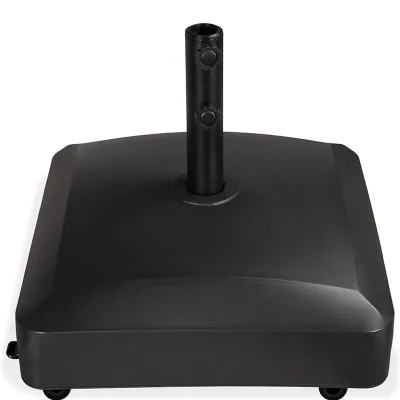
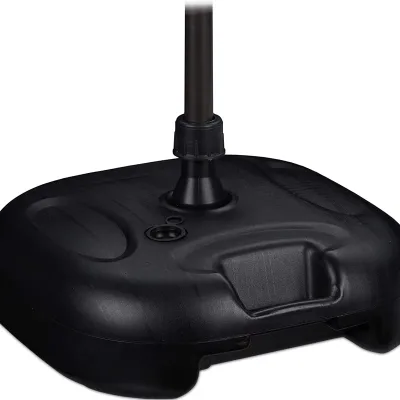
22L Sun Umbrella Base with Pulley Water Injection Sand Plastic Courtyard Middle Column Umbrella Base
$12.00 - $15.00
MOQ: 300 Minimum
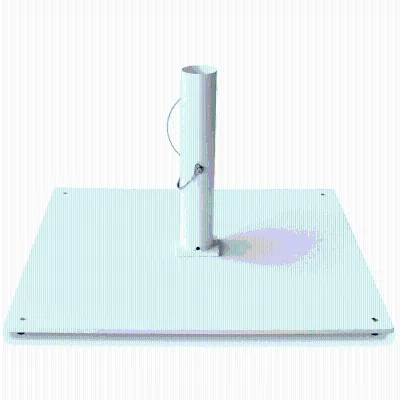

Shaoxing Damei Outdoor Products Co., Ltd.
- Manufacturer, Trading Company
- Zhejiang, China
- Lead time0 days
- Avg. response≤ 7h
Main productsUmbrella,Tent,Mat,Beach chair,Parasol base
Main marketsNorth America(40.00%), Africa(30.00%), Southern Europe(15.00%), Southeast Asia(10.00%), Oceania(5.00%)

Heshan Xindonghua Umbrella Factory
- Verified by BV
- Manufacturer/Factory
- China Guangdong
- Lead time23 days
- Avg. response≤ 2h
Main productsUmbrellas, Folding Tents, Golf Umbrellas, Beach Umbrellas, Folding Umbrellas, Straight Umbrellas, Marquees, Garden Umbrellas, Umbrella Base, Gazebos
Main marketsSouth America,Eastern Europe,Mid East,North America,Southeast Asia,Eastern Asia,Oceania,Western Europe,Africa

Hangzhou Cheers Technology Co., Limited
- Verified by TUVRHEINLAND
- Trading Company
- China Zhejiang
- Lead time45 days
- Avg. response≤ 3h
Main productsOutdoor Furniture, Garden Products, Adirondack Chair, Plastic Folding Table
Main marketsSouth America,Southeast Asia/ Mideast,East Asia(Japan/ South Korea),Europe,Australia,North America


$4.30 - $5.00
MOQ: 956 Pieces


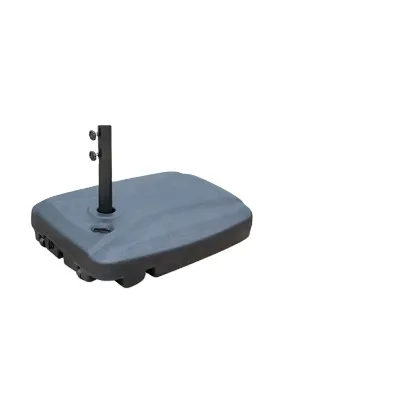
Factory Direct Outdoor Water Filled Cantilever Umbrella Base with Wheels
$12.00 - $17.50
MOQ: 100 Pieces

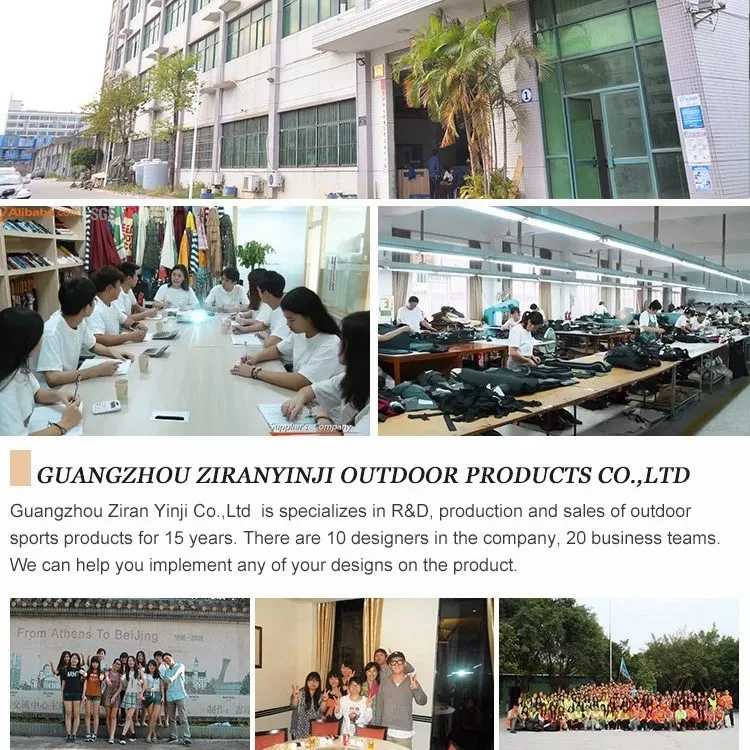
Guangzhou Greenmark Import And Export Co., Ltd.
- Manufacturer, Trading Company
- Guangdong, China
- Lead time30 days
- Avg. response≤ 2h
Main productsBeach Umbrella/Beach Chair/Beach Tent/Beach Towel/Beach Mat
Main marketsNorth America(23.00%), Oceania(22.00%), Eastern Asia(12.00%), Western Europe(11.00%), Mid East(6.00%), Southeast Asia(6.00%), Mid East(6.00%), Southeast Asia(6.00%), Eastern Europe(5.00%), South Asia(4.00%), South America(2.00%), Southern Europe(2.00%), Central America(2.00%), Northern Europe(2.00%), Africa(2.00%), Domestic Market(1.00%), Domestic Market(1.00%)
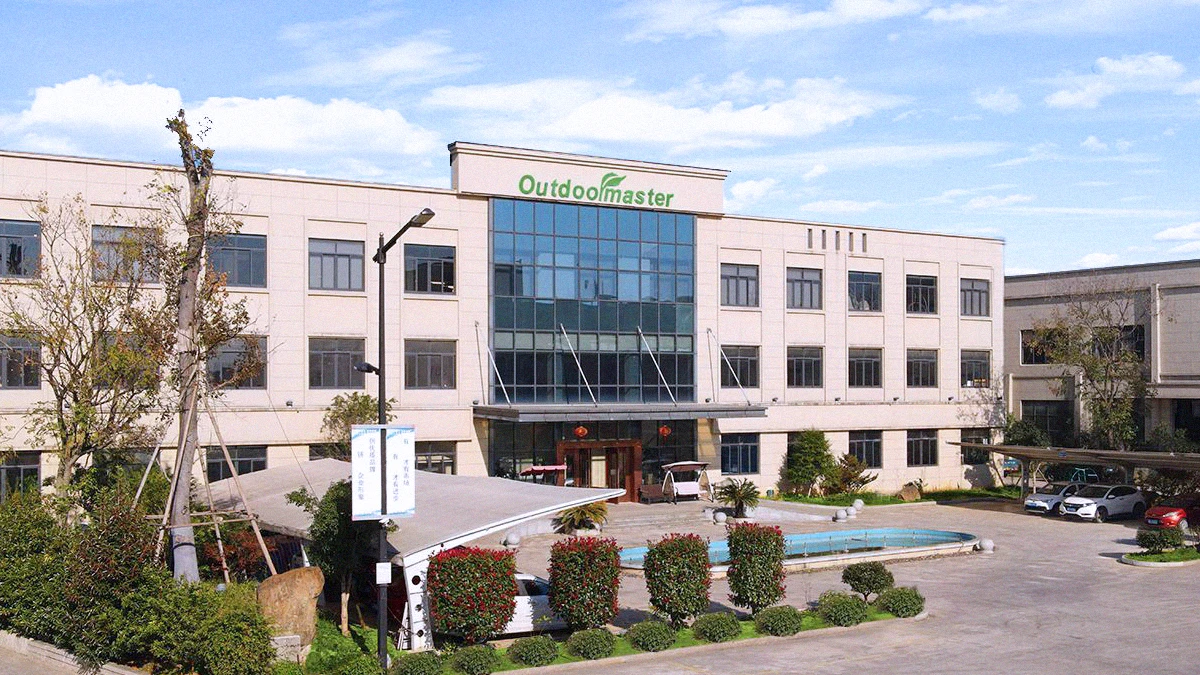
Ningbo Prime Import&Export Co., Ltd.
- Manufacturer, Trading Company
- Zhejiang, China
- Lead time30 days
- Avg. response≤ 7h
Main productsHammocks,Beach Chair,Patio Umbrella,Gazebo,Wicker Furniture
Main marketsNorth America(45.00%), Western Europe(20.00%), South America(10.00%), Eastern Europe(5.00%), Eastern Asia(5.00%), Mid East(5.00%), Oceania(5.00%), Southern Europe(2.00%), Northern Europe(2.00%), South Asia(1.00%)

Foshan Dasi Metal Technology Co., Ltd.
- Verified by SGS
- Combined
- China Guangdong
- Lead time15 days
- Avg. response≤ 3h
Main productsFlag & Banner, Beach Flags, Backdrop, Tents, Promotion Table, Pop up Wall, a Frame Banner, Beach Flagpole, Beach Flagbase, Display Accessories
Main marketsDomestic,Europe

Guangdong Liuchi Trading Co., Ltd.
- Trading Company
- China Guangdong
- Lead time15 days
- Avg. response≤ 2h
Main productsOutdoor Umbrella, Outdoor Parasol, Outdoor Roman Umbrella, Outdoor Furniture, Outdoor Sun Lounger, Outdoor Rattan Furniture, Patio Umbrella, Patio Parasol, Patio Furniture, Beach Furniture
Main marketsSoutheast Asia/ Mideast,Europe

Foshan Yocean Home Furniture Co., Ltd.
- Verified by CTI
- Combined
- China Guangdong
- Lead time45 days
- Avg. response≤ 1h
Main productsOutdoor Furniture, Garden Furniture, PE Rattan Furniture, Patiofurniture, Furniture, Outdoor Sofa, Wicker Furniture, Hotel Furniture, Restaurant Furniture, Construction Furniture
Main marketsSouth America,Southeast Asia/ Mideast,Domestic,Europe,North America
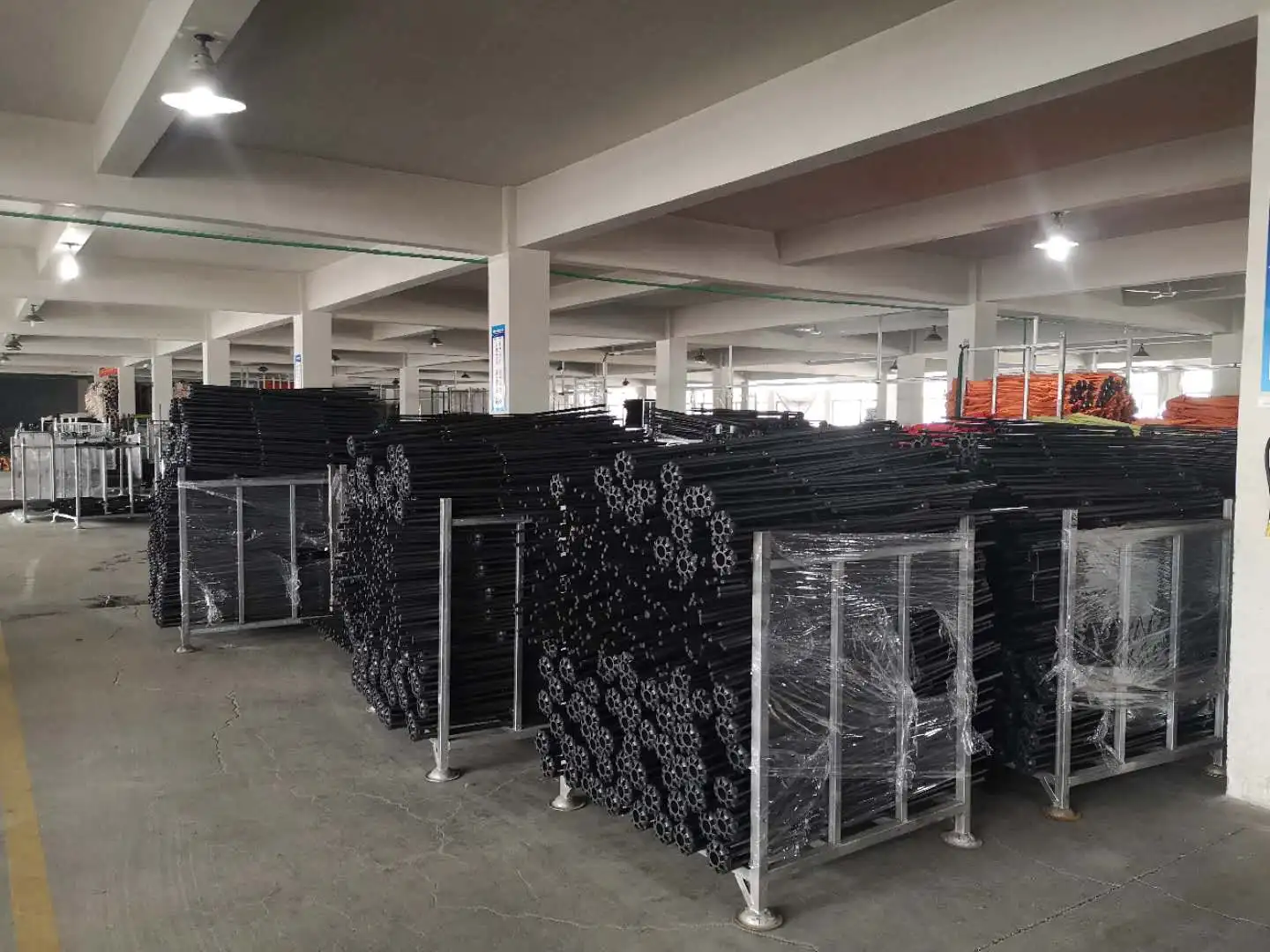
Linhai Bluebay Leisure Products Co., Ltd.
- Manufacturer, Trading Company
- Zhejiang, China
- Lead time50 days
- Avg. response≤ 12h
Main productsUMBRELLA,GAZEBO,UMBRELLA BASE,SWING,TABLE
Main marketsNorthern Europe(20.00%), Central America(20.00%), Southern Europe(10.00%), South America(10.00%), North America(10.00%), Western Europe(10.00%), Eastern Europe(10.00%), Domestic Market(4.00%), Eastern Asia(1.00%), South Asia(1.00%), Mid East(1.00%), Oceania(1.00%), Africa(1.00%), Southeast Asia(1.00%)
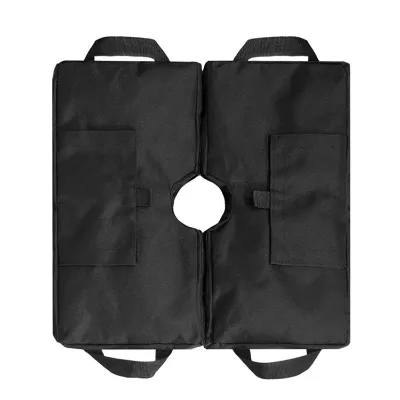
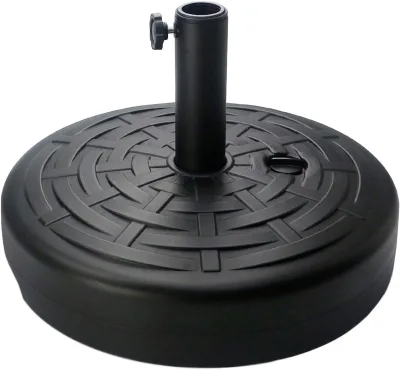
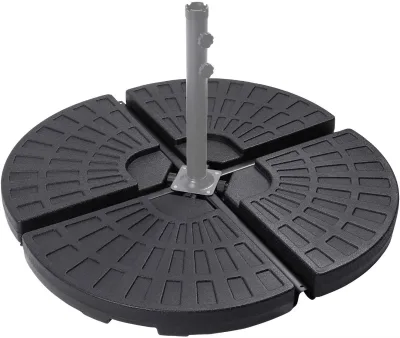
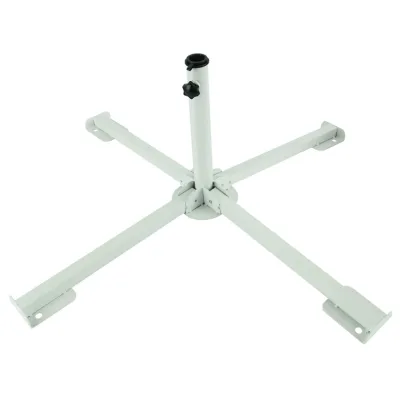
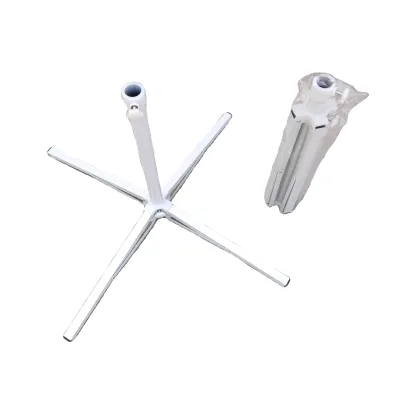
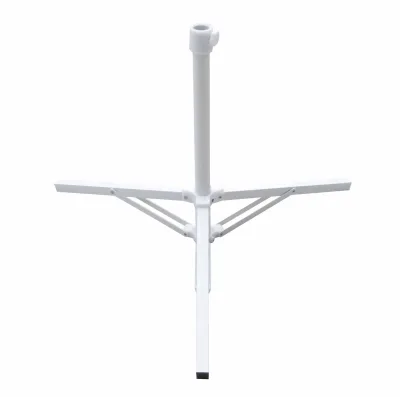
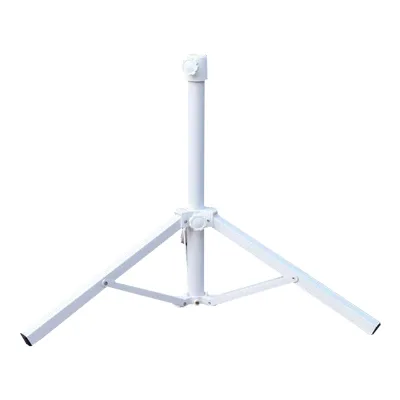
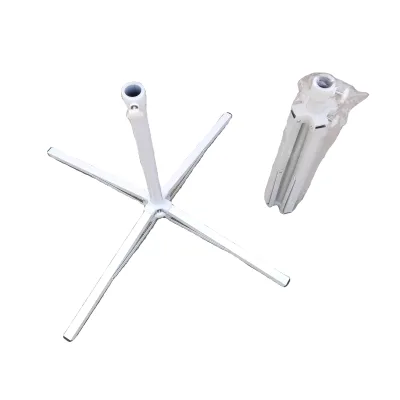
Promotional Folding Metal Cross Umbrella Base With Four Feet for parasol use
$5.1411 - $7.1979
MOQ: 200 sets
Foshan Yaai Furniture Co., Ltd.
- Trading Company
- Lead time旺季: "1 - 500":14,"501 - 1000":19,"1001 - 1500":25,"> 1500":"To be negotiated", 淡季: "1 - 500":14,"501 - 1000":19,"1001 - 1500":25,"> 1500":"To be negotiated"
- Avg. response≤ 6h
Main productsFurniture, Living Room Sets, Dining Room Sets, Sofa, Bed

Shenzhen OCT Leisure Products Co., Ltd.
- Trading Company,Manufacturer/Factory,Group Corporation
- China Guangdong
- Lead time23 days
- Avg. response≤ 21h
Main productsBeach Umbrella, Bodyboard, Golf Umbrella, Folding Gazebo, Assembly Gazebo, Outdoor Umbrella, Surfboard, Skim Board, Gazebo, Boogie Board
Main marketsSouth America,Eastern Europe,Mid East,North America,Southeast Asia,Eastern Asia,Oceania,Western Europe,Africa








Comprehensive Sourcing Guide
Waterproof Contemporary Sun Umbrella Base Supplier Concentration and Factory Types
The current supplier landscape for waterproof contemporary sun umbrella bases reveals a distinct geographic and operational split that buyers must navigate carefully. Evidence indicates that manufacturers are concentrated in specific industrial provinces, with Zhejiang and Shandong emerging as key hubs for this category. Suppliers located in Zhejiang, China, often operate as dedicated manufacturers or factories, focusing heavily on outdoor furniture components such as aluminium gazebos, steel structures, and various umbrella bases. These entities typically possess the infrastructure to handle both OEM and ODM requests, allowing for significant customization in materials and designs. In contrast, suppliers in Shandong, China, may present as combined entities that blend manufacturing capabilities with trading services. These combined firms often specialize in precision machining, sheet metal fabrication, and heavy-duty steel components, which are critical for robust umbrella base structures. Understanding this distinction is vital because a factory in Zhejiang might offer more streamlined production for plastic or composite bases, while a combined firm in Shandong might provide superior engineering for heavy-gauge steel or aluminum alloy bases that require complex welding and surface treatment processes.
Identifying the correct factory type directly impacts the quality and consistency of the Waterproof Contemporary Sun Umbrella Base you receive. When evaluating suppliers, it is essential to look beyond the general product listing and examine the specific company type and main products listed. A supplier listing "Aluminium Foldable Gazebo" and "Wooden Umbrella" as main products likely has a mature supply chain for lightweight, consumer-facing outdoor furniture, whereas a supplier listing "Machining Part," "Sheet Metal Fabrication," and "Stamping Parts" is better suited for industrial-grade or high-load bearing umbrella bases. The presence of OEM and ODM capabilities in the supplier profile suggests flexibility in adapting to your specific design requirements, whether you need a circular marble base or a square aluminum stand. Buyers should verify if the supplier’s primary focus aligns with their specific material needs, as a mismatch between the supplier’s core competency and your product specification can lead to quality inconsistencies. Furthermore, the concentration of these suppliers in established manufacturing clusters means that logistics and supply chain efficiency are often optimized, but it also means that competition is high, requiring buyers to dig deeper into the supplier’s actual production capacity rather than relying solely on their catalog breadth.
How to Verify Waterproof Contemporary Sun Umbrella Base Suppliers
Verification is the cornerstone of mitigating risk when sourcing waterproof contemporary sun umbrella bases from international markets. The first step in this process is to scrutinize the verification badges and third-party audit reports associated with each supplier. For instance, some suppliers display verification from TÜV Rheinland, a globally recognized testing and certification body, which indicates that the facility has undergone rigorous inspections regarding quality management systems and production capabilities. Other suppliers may hold verification from CTI, another reputable inspection agency. These badges are not merely decorative; they serve as a preliminary filter to ensure that the supplier has met specific operational standards. However, buyers should not rely solely on these badges. It is crucial to cross-reference the verification status with the supplier’s claimed certifications, such as ISO 9001 or BSCI. A supplier claiming ISO 9001 certification should be able to provide a valid certificate number and expiration date. If the evidence shows a supplier has ISO 9000 or ISO 9001 system certifications, this suggests a standardized approach to quality control, which is particularly important for products like umbrella bases that must withstand environmental stress and heavy loads.
Beyond certifications, buyers must actively verify the supplier’s responsiveness and transparency through direct engagement. The response time metric provides a quantitative measure of how quickly a supplier communicates, which is a strong indicator of their operational efficiency and customer service commitment. For example, a supplier with a response time of approximately 2.47 hours demonstrates a high level of availability and readiness to address inquiries, whereas a slower response time may indicate a less agile organization. Buyers should initiate contact with multiple suppliers to compare their communication styles, technical knowledge, and willingness to provide detailed product specifications. Additionally, verifying the supplier’s establishment year and company history can provide insights into their stability and experience in the market. While specific establishment years may not always be prominently displayed, the longevity of their presence on B2B platforms and the depth of their product catalog can serve as proxies for experience. Buyers should also request recent factory audit reports or video tours to visually confirm the production environment, ensuring that the claimed manufacturing capabilities match the actual facilities. This multi-layered verification approach helps build a reliable supplier base and reduces the likelihood of encountering fraudulent or underperforming partners.
What to Compare Across Waterproof Contemporary Sun Umbrella Base Suppliers
When evaluating potential partners for waterproof contemporary sun umbrella bases, buyers must conduct a detailed comparison of key operational and commercial metrics. One of the most critical factors is the Minimum Order Quantity (MOQ), which varies significantly across suppliers and directly impacts your inventory management and cash flow. For example, some suppliers may require an MOQ of 200 units for standard plastic or composite bases, while others might offer lower MOQs of 5 units for custom or heavy-duty metal bases. This disparity allows buyers to choose suppliers that align with their order volume and testing needs. Additionally, the price range for these products can fluctuate based on material composition, customization options, and order size. Prices for basic umbrella bases may start as low as $5.50, while more complex, heavy-duty, or customized models can range up to $30.00 or more. Buyers should compare these price points against the specified material quality, such as stainless steel poles, marble bases, or galvanized steel, to ensure they are getting fair value. It is also important to note that prices may be fixed for certain models, indicating standardized production, while others may be negotiable based on volume.
Another crucial aspect of comparison is the lead time and the supplier’s capacity for customization. Lead times indicate how long it takes from order placement to shipment, with some suppliers offering rapid turnaround times of around 15 days, while others may have longer production cycles. This metric is vital for planning your supply chain and meeting customer demand. Furthermore, the supplier’s ability to handle OEM and ODM requests should be assessed. Suppliers that explicitly list OEM and ODM capabilities are better equipped to handle custom designs, branding, and specific material requirements. Buyers should also compare the product attributes, such as shape, color, and pole material, to ensure they match their design specifications. For instance, some bases are circular and fixed, while others are square and adjustable. The availability of customization, such as powder coating or specific finish colors, can also differentiate suppliers. By systematically comparing these dimensions, buyers can identify suppliers that offer the best balance of cost, quality, and flexibility, ensuring that their sourcing strategy is both efficient and effective.
Common Waterproof Contemporary Sun Umbrella Base Sourcing Risks
Sourcing waterproof contemporary sun umbrella bases from international suppliers introduces several risks that buyers must proactively manage to ensure product integrity and supply chain stability. One significant risk is the discrepancy between the claimed material quality and the actual product received. For example, a supplier may advertise a base made of high-grade stainless steel or durable plastic, but the actual product might use inferior materials that degrade quickly under UV exposure or heavy loads. This risk is particularly prevalent when buyers rely solely on product images and descriptions without requesting physical samples or third-party testing reports. Another risk is the inconsistency in manufacturing standards, especially when dealing with suppliers who offer both OEM and ODM services. If a supplier lacks robust quality control processes, variations in dimensions, weight, and finish can occur between batches, leading to customer dissatisfaction and potential returns. Buyers should be wary of suppliers who do not provide detailed product specifications, such as exact dimensions, weight, and material composition, as this lack of transparency can mask underlying quality issues.
Logistical and communication risks also pose significant challenges in the sourcing process. Delays in production or shipping can disrupt your inventory levels and impact your ability to meet customer demand. Suppliers with longer lead times or poor communication practices may fail to keep you informed about production status, leading to unexpected delays. Additionally, there is a risk of intellectual property infringement if you are working with a supplier on a custom design. Without proper legal agreements and confidentiality clauses, your unique designs could be copied or sold to competitors. Buyers should also be cautious of suppliers who do not offer escrow services or secure payment terms, as this increases the financial risk of fraud or non-delivery. Furthermore, the lack of standardized certifications across suppliers can make it difficult to verify compliance with international safety and quality standards. Buyers must actively mitigate these risks by conducting thorough due diligence, requesting samples, verifying certifications, and establishing clear communication channels with their suppliers.
Waterproof Contemporary Sun Umbrella Base Regional Sourcing and Logistics
The geographic location of suppliers plays a pivotal role in determining logistics costs, lead times, and overall supply chain efficiency for waterproof contemporary sun umbrella bases. Suppliers located in Zhejiang, China, are often positioned within established manufacturing clusters that specialize in outdoor furniture and related accessories. This concentration allows for efficient sourcing of raw materials and components, such as aluminum, steel, and plastic, which are essential for producing umbrella bases. The proximity to ports and logistics hubs in Zhejiang can facilitate faster shipping times and lower freight costs, particularly for buyers in North America and Europe. On the other hand, suppliers in Shandong, China, are often located in industrial regions known for heavy manufacturing and metal fabrication. This region’s expertise in sheet metal processing and machining can be advantageous for sourcing heavy-duty steel or aluminum bases that require precise engineering and robust construction. Buyers should consider the specific logistical advantages of each region when selecting suppliers, as the location can impact the overall cost and speed of delivery.
Logistics planning must also account for the weight and dimensions of the umbrella bases, which can significantly affect shipping costs. For instance, marble or cement-filled bases are heavy and may incur higher freight charges compared to lightweight plastic or aluminum models. Buyers should work closely with their suppliers to optimize packaging and palletization to minimize shipping volume and weight. Additionally, the choice of shipping method, whether by sea or air, will depend on the urgency of the order and the budget constraints. Sea freight is generally more cost-effective for large volumes but has longer transit times, while air freight is faster but more expensive. Buyers should also consider the impact of regional trade policies and tariffs on their sourcing decisions. For example, certain regions may have favorable trade agreements that reduce import duties, making suppliers in those areas more attractive. By carefully evaluating the logistical implications of each supplier’s location, buyers can optimize their supply chain and reduce overall procurement costs.
Waterproof Contemporary Sun Umbrella Base Commercial Terms and Order Planning
Effective commercial terms and order planning are essential for successful sourcing of waterproof contemporary sun umbrella bases. Buyers must negotiate clear payment terms, such as using escrow services to protect their funds until the goods are received and verified. This is particularly important when dealing with new suppliers or large orders, as it mitigates the risk of fraud or non-delivery. Additionally, buyers should establish clear delivery schedules and penalties for delays to ensure that the supplier adheres to the agreed-upon lead times. For example, if a supplier has a lead time of 15 days, buyers should plan their inventory replenishment accordingly to avoid stockouts. It is also crucial to define the quality acceptance criteria in the purchase agreement, including specific tolerances for dimensions, weight, and material composition. This ensures that the products received meet your specifications and reduces the likelihood of disputes.
Order planning should also consider the scalability of the supplier’s production capacity. Buyers should assess whether the supplier can handle increased order volumes without compromising quality or lead times. This is particularly important for businesses that anticipate growth or seasonal spikes in demand. Additionally, buyers should explore the possibility of
FAQs
What materials are used for contemporary umbrella bases?
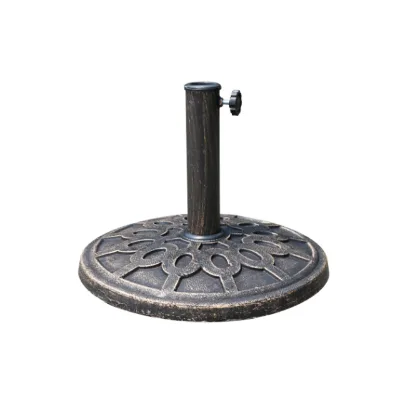
Suppliers offer bases made from marble, plastic, cement, and steel. Marble options provide a fixed circular shape with stainless steel poles. Steel bases often feature galvanization for rust resistance. Plastic and cement composites are also available for adjustable height requirements. Buyers should verify the specific material composition for their intended outdoor application.
What is the minimum order quantity for these bases?
Minimum order quantities vary significantly by supplier and product type. Some manufacturers require a minimum of 200 units for standard plastic or marble bases. Others accept orders as low as 5 units for custom metal or heavy-duty designs. Buyers must check the specific MOQ for each model to ensure it aligns with their procurement volume.
How long does production take for these orders?
Lead times depend on the supplier and location. One manufacturer in Shandong reports a lead time of 15 days for machining and fabrication parts. Other suppliers in Zhejiang list a lead time of zero, which may indicate stock availability or immediate dispatch. Buyers should confirm the exact production schedule with the supplier before placing an order.
Are these bases customizable for specific designs?
Yes, customization is widely available across the supplier base. Manufacturers offer OEM and ODM services for various designs. Buyers can request custom colors, shapes, and pole materials. Some suppliers provide powder coating and galvanization options. Customization allows for tailored solutions that meet specific aesthetic or functional requirements for outdoor furniture.
What certifications do these suppliers hold?
Suppliers hold various system certifications including ISO 9000, ISO 9001, and BSCI. Product-specific certifications like ISO and CE are also available for certain steel bases. Verification services such as TÜV Rheinland and CTI confirm supplier reliability. Buyers should request valid certificates to ensure compliance with international quality and safety standards.
What is the price range for these bases?
Prices range from approximately $5.50 to $30.00 per unit. Basic plastic or cement bases start around $5.50 to $8.50. Steel or heavy-duty metal bases cost between $19.00 and $30.00. The final price depends on material, customization, and order volume. Buyers should compare quotes from multiple suppliers to find the best value for their specific needs.