Portable Folding Step Stool Suppliers and Manufacturers
Source Portable Folding Step Stool options from 24 verified suppliers. Compare key dimensions including lead times, MOQs, response speeds, and certifications like BSCI and ISO 9001. Filter by location and production capacity to identify suitable partners for your procurement needs.
Updated
Suppliers List

Dongguan Oumeng Houseware Products Co., Ltd.
- Manufacturer/Factory
- China Guangdong
- Lead time23 days
- Avg. response≤ 2h
Main productsBento Lunch Box, Kids Tableware Set, Water Bottle, Lunch Bag, Storage Box, Malamin Product, Food Jar, Pick Spoon, Bento
Main marketsSouth America,Eastern Europe,Mid East,North America,Southeast Asia,Eastern Asia,Oceania,Western Europe,Africa

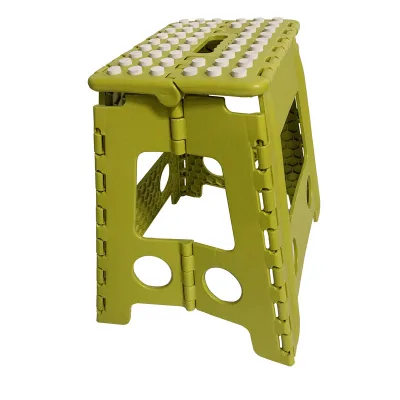
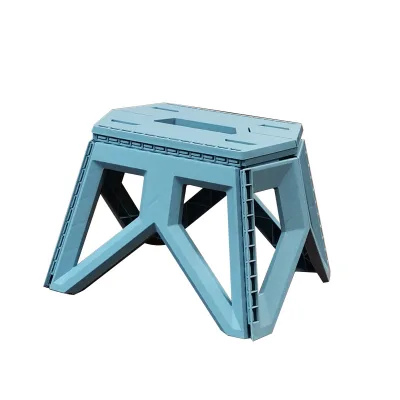
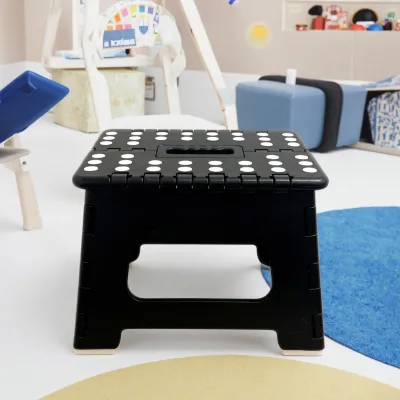
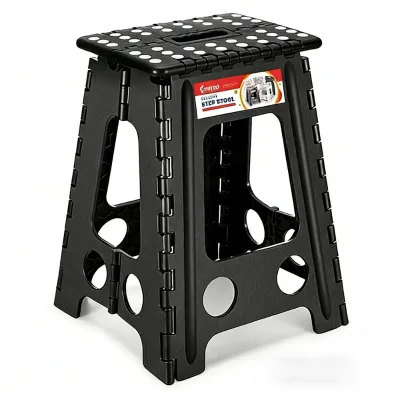
Aohea Portable Folding Stool Kitchen Step Stools Plastic Folding Step Stool
$2.80 - $3.00
MOQ: 3000 Pieces



Ningbo Bright Commodity Co., Ltd.
- Trading Company
- Zhengjiang, China
- Lead time30 days
- Avg. response≤ 9h
Main productsfood container,Refrigerator Organizer
Main marketsNorth America(50.00%), Northern Europe(20.00%), Western Europe(20.00%), Eastern Asia(5.00%), South America(5.00%)

Nanjing Toutru Trading Co., Ltd.
- Trading Company,Manufacturer/Factory
- China Jiangsu
- Lead time45 days
- Avg. response≤ 18h
Main productsHand Tool
Main marketsSouth America,Eastern Europe,Western Europe,Africa

Ningbo Coooko Imp. & Exp. Co., Ltd.
- Verified by TUVRHEINLAND
- Trading Company
- China Zhejiang
- Lead time45 days
- Avg. response≤ 10h
Main productsBaby Mirror, Potty Training, Baby Car Mirror, Stroller Hook, Portable Potty, Step Stool, Car Headrest Pillow, Faucet Extender, Spout Cover, Makeup Kits
Main marketsEastern Europe,Mid East,North America

Xiamen Anzhiyan Industrial and Trade Co., Ltd.
- Verified by TUVRHEINLAND
- Trading Company,Manufacturer/Factory
- China Fujian
- Lead time0 days
- Avg. response≤ 19h
Main productsMetal Bed, Iron Bed, Metal Chair, Bookshelf


High-Quality Plastic Folding Stool Folding Stool Portable Folding Foot Stool
$12.00 - $20.00
MOQ: 100 Pieces
Yongkang Beiqin Industry And Trade Co., Ltd.
- Verified by SGS Group
- Manufacturer, Trading Company
- Lead time20 days
- Avg. response≤ 4h
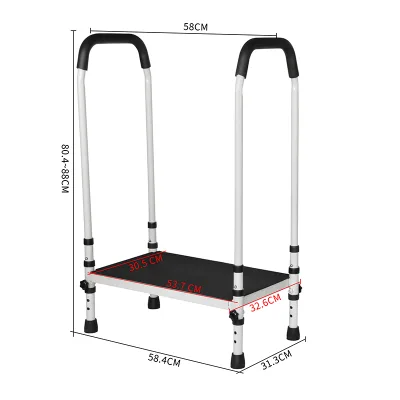
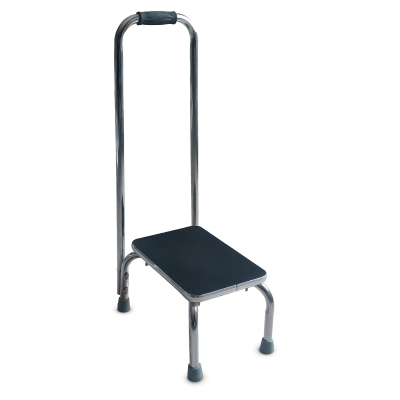
Main productsCommode Chair / Shower Chair / Walker / Safety Rails / Rollator, Knee Scooter/ Cane / Crutch / Step Stool / Shower Bench
Main marketsNorth America(18%), Central America(12%), Western Europe(12%)
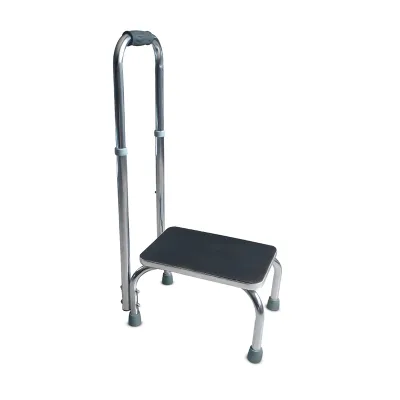
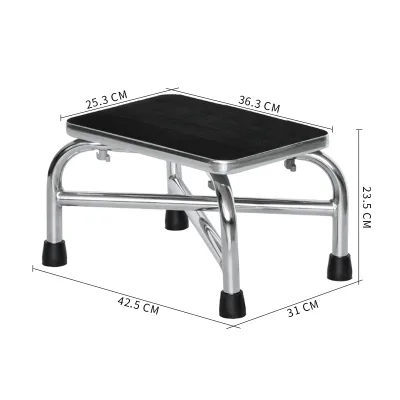
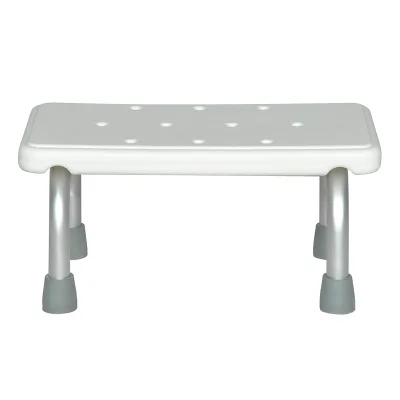
$7.9709 - $8.6869
MOQ: 10 pieces
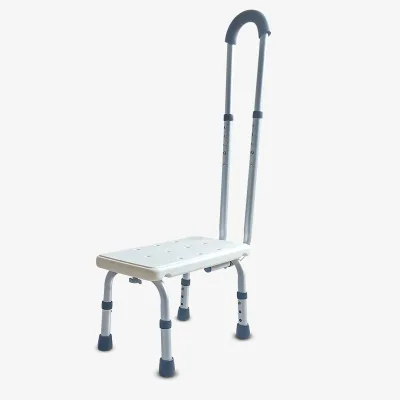
BQ603B Bed Step Stool for Kid and Adults Kick Step Stool Bath Room Step Aluminium Bath Chair
$12.7734 - $13.1824
MOQ: 100 pieces
Cao County Luguoban Wood Industry Co., Ltd.
- Verified by SGS Group
- Manufacturer, Trading Company
- Lead time30 days
- Avg. response≤ 2h
Main productsChildrens bookshelf,Crib,Childrens storage cabinet,Furniture,Childrens furniture
Main marketsNorth America(50%), Western Europe(30%), Southeast Asia(10%)
Ningbo Bafuluo International Trading Co., Ltd.
- Manufacturer, Trading Company
- Zhejiang, China
- Lead time45 days
- Avg. response≤ 10h
Main productsfoldable trolley,foldable crate,foldable basket,plastic crate,storage box
Main marketsSoutheast Asia(50.00%), South America(20.00%), Northern Europe(10.00%), Central America(10.00%), North America(10.00%)

- Verified by BV
- Trading Company
- China Zhejiang
- Lead time30 days
- Avg. response≤ 12h
Main productsHousehold Products, Recreation& Game Products, Outdoor Products, Garden Products, Pet Products, Car Products, Daily Use Products
Main marketsSouth America,Africa,Southeast Asia/ Mideast,East Asia(Japan/ South Korea),Europe,Australia,North America

Portable Lightweight Textured Grip Surface Black Anti-Skid Stepping Step Folding Stool
$2.00 - $5.00
MOQ: 1 Pieces

Custom Design Home Sturdy Foot Stool Step Folding Stool with 9 Inch Height for Kids
$2.00 - $5.00
MOQ: 1 Pieces

9inch Non Slip Collapsible Plastic Stepping Folding Stool Suitable for Indoor and Outdoor Use
$2.00 - $5.00
MOQ: 1 Pieces

Shijiazhuang Aofeite Imp & Exp Co., Ltd.
- Manufacturer, Trading Company
- Lead time旺季: "1 - 100":31,"> 100":"To be negotiated", 淡季: "1 - 100":31,"> 100":"To be negotiated"
- Avg. response≤ 2h
Main productsKnee Brace, Lumbar Support Belt
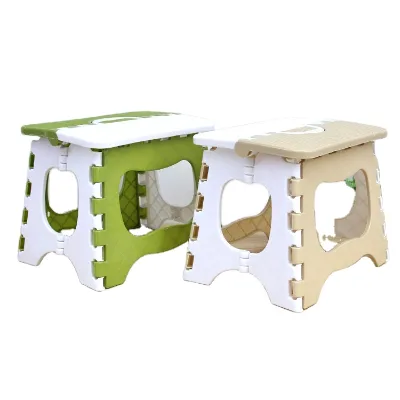
Hot Sale Folding Step Stool Portable Plastic Relax Chair Heavy Duty Step Stools for Adults
$0.88 - $1.58
MOQ: 50 pieces
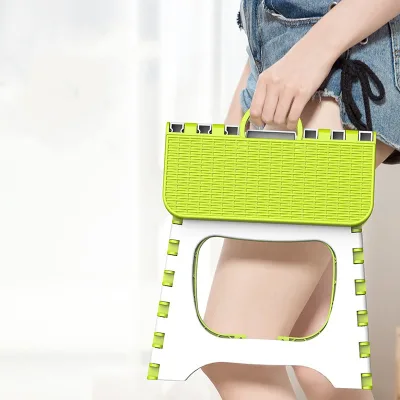
Folding Step Stool Portable Plastic Non Slip Small Chair for Kitchen Bathroom Bedroom
$0.88 - $1.58
MOQ: 50 Minimum
Shanghai Join Forces Industry Co., Ltd.
- Manufacturer, Trading Company
- Shanghai, China
- Lead time5 days
- Avg. response≤ 4h
Main productsSafety vest,convex mirror,safety helmet,speed bump,wheel stopper
Main marketsWestern Europe(25.00%), North America(25.00%), Eastern Asia(15.00%), Mid East(8.00%), Eastern Europe(8.00%), South America(7.00%), Southeast Asia(5.00%), Southern Europe(2.00%), Domestic Market(1.00%), South Asia(1.00%), Oceania(1.00%), Northern Europe(1.00%), Central America(1.00%)

- Manufacturer
- China Zhejiang
- Lead time0 days
- Avg. response≤ 4h
Main productsLadder, Multi-Purpose Ladder, Telescopic Ladder, Householder Ladder, Work Platfrom, Scaffolding Ladder, Multi-Functional Ladder, Steel Ladder, Aluminum Ladder, Step Ladder

Hebei Qisheng Metal Products Co., Ltd.
- Verified by SGS
- Combined
- China Hebei
- Lead time15 days
- Avg. response≤ 5h
Main productsScaffolding, Forwork, Construction, Frame, Buiding Materials, Steel Prop, Hardware, Fastener, Ladder, Tool
Main marketsDomestic

4 Adjustable Legs Portable Aluminum Scaffolding Folding Step Stool for Stairs
$18.50 - $22.00
MOQ: 50 Pieces

Single Pole Support Small Portable Aluminum Foldable Scaffolding Step Stool
$18.50 - $22.00
MOQ: 50 Pieces

Steel Pipe Double Support Folding Portable Scaffolding Step Ladder Stool
$26.00 - $28.00
MOQ: 100 Pieces


Taizhou Bebone Imp. & Exp. Co., Ltd.
- Trading Company
- Zhejiang, China
- Lead time45 days
- Avg. response≤ 5h
Main productsPlastic Living Room Sets, Kid's Furniture Sets, Plastic Stool, Storage Basket, Laundry Basket
Main marketsEastern Asia(30.00%), North America(20.00%), Western Europe(20.00%), Southeast Asia(15.00%), Mid East(10.00%), Northern Europe(5.00%)
Foshan Rongfu Medical Equipment Co., Ltd.
- Manufacturer
- Guangdong, China
- Lead time20 days
- Avg. response≤ 15h
Main productsShower chair,Hospital bed,Bath seat,walking stick,Grab bars
Main marketsWestern Europe(20.00%), Oceania(15.00%), Domestic Market(10.00%), Northern Europe(8.00%), Southeast Asia(8.00%), Southern Europe(7.00%), Eastern Europe(7.00%), South America(5.00%), South Asia(5.00%), Africa(5.00%), Mid East(3.00%), Eastern Asia(3.00%), Central America(2.00%), North America(2.00%)
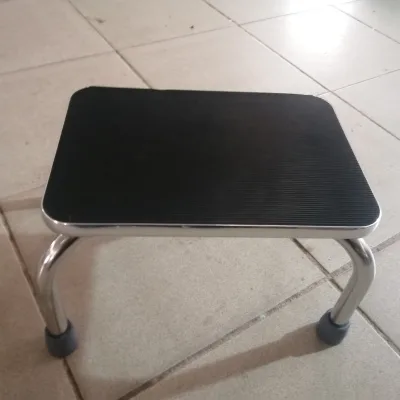
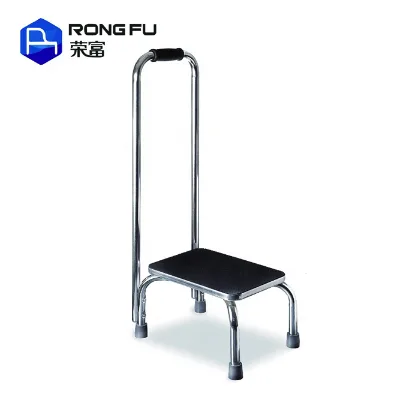
Portable Stainless Steel Ladder Step Stool With Handle for Adults and Seniors
$11.20 - $25.00
MOQ: 300
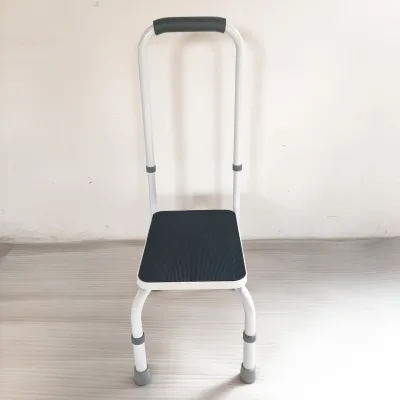
Powder Coated Step Stool with Handle and Non Skid Rubber Height Adjustable
$11.256 - $15.3485
MOQ: 100 pieces

Hunan Hua-Alu Machinery Technology Co., Ltd.
- Verified by TUVRHEINLAND
- Combined
- China Hunan
- Lead time60 days
- Avg. response≤ 22h
Main productsAluminium Step Ladder, Aluminum Work Platforms, Aluminum Pallets, Aluminum Fence, Aluminum Structure, Aircraft Docking, Helicopter Docking, Aluminum Maintenance Platforms
Main marketsSoutheast Asia/ Mideast,East Asia(Japan/ South Korea),Europe,Australia,North America
Hebei Longheng Medical Equipment Co., Ltd.
- Verified by SGS Group
- Manufacturer, Trading Company
- Lead time25 days
- Avg. response≤ 2h
Main productsHospital Beds, Walking Sticks, Commode Chairs, Walkers, Sport Safety
Main marketsSouth Asia(40%), North America(30%), Central America(20%)
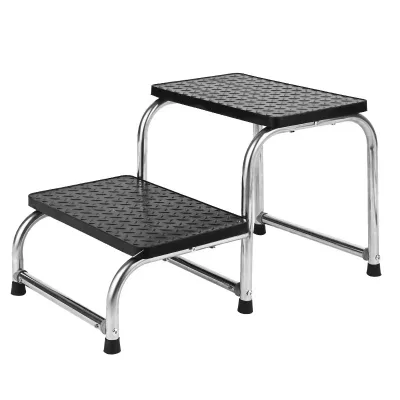
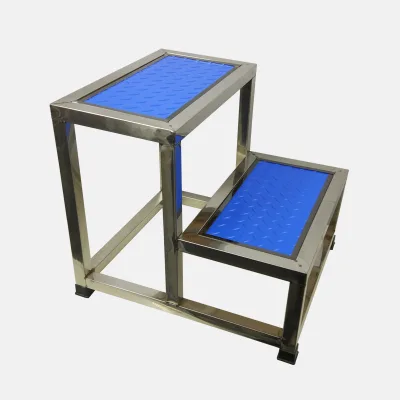
$13.4475 - $18.385
MOQ: 1 Minimum

Suzhou Highbright Enterprise Limited
- Combined
- China Jiangsu
- Lead time30 days
- Avg. response≤ 5h
Main productsShopping Trolley, Shopping Cart, Gondola Shelf, Display Shelf, Shop Fittings, Store Fixtures, Roll Container, Shopping Basket, Checkout Counter, Swing Gate
Main marketsSouth America,Africa,Southeast Asia/ Mideast,East Asia(Japan/ South Korea),Europe,Australia,North America
Hangzhou Landsing Smart Furniture Technology Co., Ltd.
- Verified by Intertek
- Trading Company
- Lead time35 days
- Avg. response≤ 1h
Main productsBeach Chair, Folding Chair, Folding Table, Outdoor Furniture, Beach Umbrella
Main marketsNorth America(30%), Western Europe(30%), South America(20%)
Guangzhou Sinfoo Plastic Co., Ltd.
- Manufacturer, Trading Company
- Lead time旺季: "1 - 5000":30,"> 5000":"To be negotiated", 淡季: "1 - 5000":30,"> 5000":"To be negotiated"
- Avg. response≤ 4h
Main productsFolding Stool, Garbage Bag, Pet Poop Bag, Hanger, Storage Box
Fujian Maoyuan Houseware Co., Ltd.
- Verified by Intertek
- Manufacturer, Trading Company
- Lead time40 days
- Avg. response≤ 5h
Main productsBamboo And Wood Organizer, Cutting Board, Serving Tray, Holder and Rack
Main marketsNorth America(70%), Western Europe(20%), Oceania(5%)
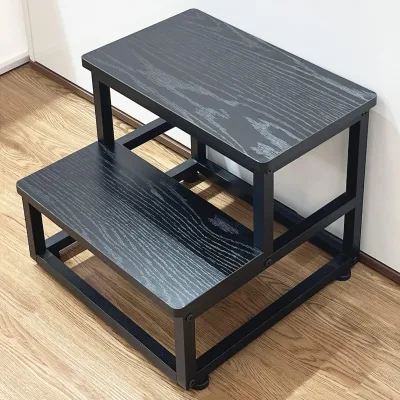
Multi-Purpose Wood Step Stool with Metal Frame, Portable Heavy Duty Platform Stool
$8.209 - $10.2613
MOQ: 500 pieces
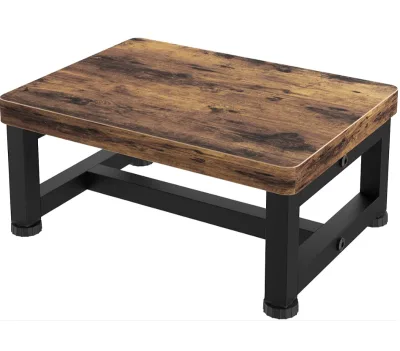
$8.3109 - $10.3886
MOQ: 500 pieces

Jiangsu Miaohong Environmental Protection New Material Co., Ltd.
- Verified by BV
- Combined
- China Jiangsu
- Lead time15 days
- Avg. response≤ 7h
Main productsSponge, Cleaning Sponge, Kitchen Sponge, Dishcloth, Magic Sponge
Main marketsSouth America,Southeast Asia/ Mideast,Domestic,Europe,North America
Chaozhou Yazhiyi Medical Device Co., Ltd.
- Manufacturer, Trading Company
- Guangdong, China
- Lead time10 days
- Avg. response≤ 1h
Main productsMedical equipment,Medical trolley,Medical furniture,medical apparatus and instruments,furniture
Main marketsSoutheast Asia(35.00%), Africa(25.00%), Mid East(23.00%), Southern Europe(9.00%), South Asia(8.00%)
Suzhou Innovation Packaging Materials Co., Ltd.
- Verified by Intertek
- Trading Company
- Lead time15 days
- Avg. response≤ 3h
Main productsPlastic Containers, Household Containers, Outdoor Containers, Folding Containers
Main marketsOceania(35%), North America(30%), South America(8%)
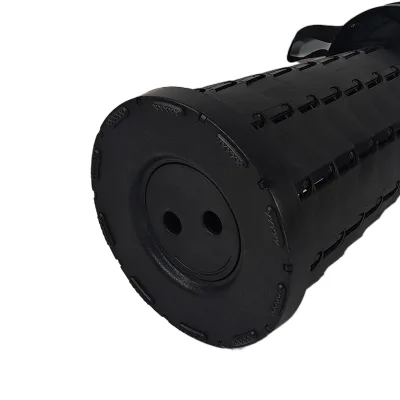
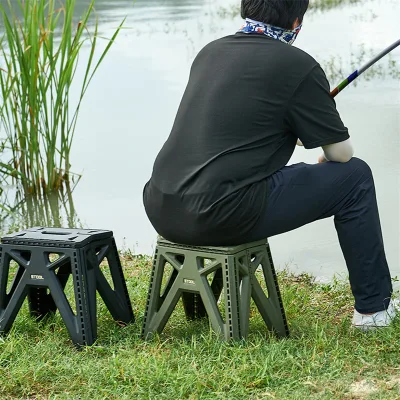
Factory hot sales modern design Sturdy Portable plastic stool for outdoor
$0.90 - $2.88
MOQ: 500 pieces








Comprehensive Sourcing Guide
Portable Folding Step Stool Supplier Concentration and Factory Types
The supplier results for the Portable Folding Step Stool category show a concentration in eastern and southern China, with Guangdong and Jiangsu provinces appearing as sourcing locations, alongside a listing tied to Zhengjiang. Buyers should treat this as a signal rather than a complete map: the category sits at the intersection of plastic housewares, baby and potty-training products, and light hand tools, so relevant factories may also surface under home storage, kitchenware, or hardware classifications. When no cluster is verified for a specific search, buyers should map clusters themselves by filtering supplier results by province, comparing where multiple suppliers of similar molded-plastic stools cluster, and cross-checking with industry directories before planning a factory-visit trip.
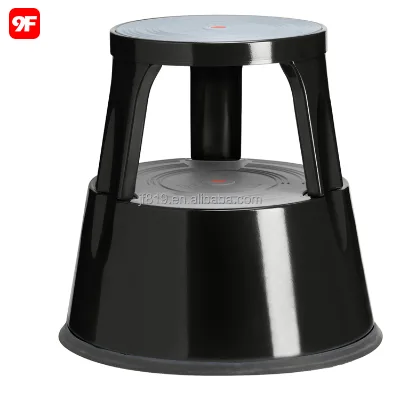
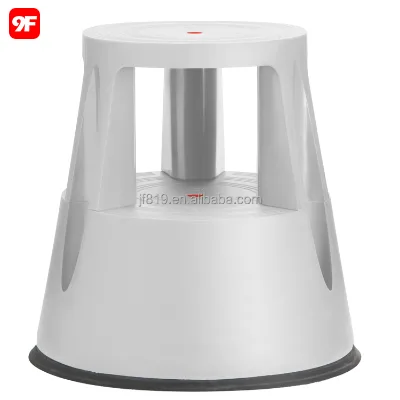
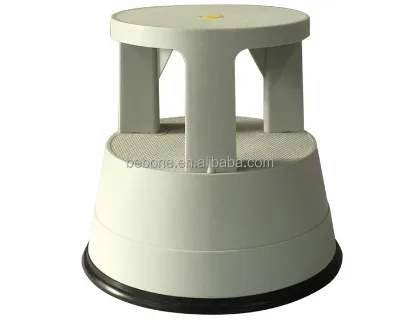
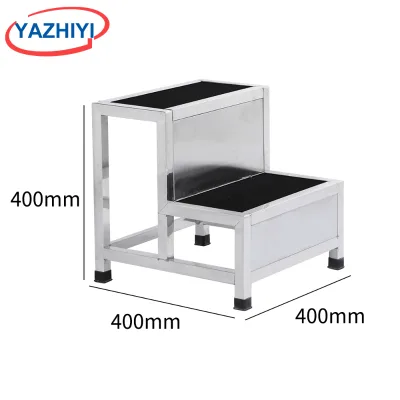
Supplier types in these results split between manufacturers and trading companies. One Guangdong-based manufacturer lists a main-product range of bento lunch boxes, kids tableware, water bottles, and storage boxes, with folding step stools as an adjacent molded-plastic item, and operates under its own brand plus OEM and ODM capacity. A trading company based in Zhengjiang lists food containers and refrigerator organizers as main products, meaning the step stool is likely sourced from partner factories rather than made in-house. A Jiangsu supplier combines both roles, describing itself as a trading company and manufacturer with hand tools as its core line, and lists a two-step steel folding stool. Each structure affects pricing, customization depth, and quality-control access differently.
How to Verify Portable Folding Step Stool Suppliers
Verification starts with separating the entity that answers your inquiry from the entity that operates the molding line. Ask for the business license and check whether the registered scope matches plastic housewares manufacturing, then confirm which certifications the factory holds itself. In the current results, one manufacturer displays system certifications including BSCI, ISO 9001, and SEDEX; those are meaningful signals for social compliance and quality management, but buyers must confirm the certificate numbers, expiry dates, and that the audit covered the actual stool production site rather than a sister business. A supplier with no displayed system certification is not automatically disqualified, but it warrants a third-party audit before any sizable order.
Practical verification steps for this category include requesting recent production photos or video calls from the workshop, asking which of the listed step stool models are made in-house versus bought in, and testing whether the quoted loading capacity is supported by internal test documentation. One supplier in the results lists a 150 kg loading rating with a five-year warranty on a steel two-step model; ask for the test basis behind such claims, since load ratings on step stools directly affect user safety and liability. Also verify response behavior against the displayed response time: suppliers in these results range from under two hours to nearly eighteen hours, so send the same technical question to each candidate and measure the substance and speed of the reply as a live check.
What to Compare Across Portable Folding Step Stool Suppliers
Build a comparison sheet with the attributes that actually differ in this category. Lead time is a clear differentiator in the current results: the Guangdong manufacturer displays roughly 23 days, the Zhengjiang trading company around 30 days, and the Jiangsu supplier about 45 days. For a replenishment program, that spread can determine whether a supplier is viable at all. Response speed matters for problem resolution during production, not just for the first quote; compare the displayed response times alongside how quickly and specifically suppliers answer a sample inquiry. Establishment year and company type, where displayed, help distinguish a stable factory from a newly formed intermediary.
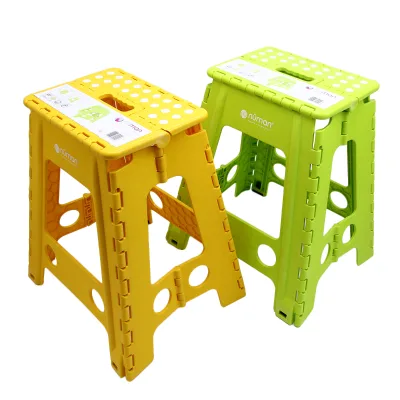
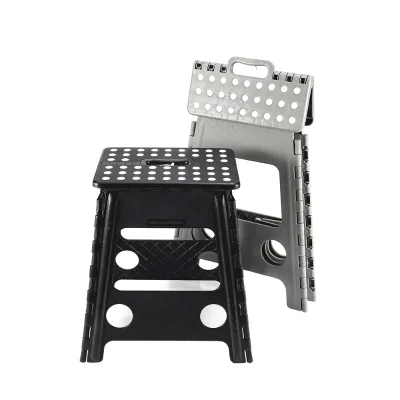
Then compare commercial and product dimensions side by side. The plastic folding stools in these results show MOQs of 3,000 pieces at one manufacturer versus 500 pieces at the trading company, with unit prices ranging from roughly $2.80 to $4.40 depending on model and size, so a buyer must weigh order size flexibility against price. Note that not every supplier displays every attribute: some listings omit MOQ, price, or certification data entirely, which itself is a comparison point. Also weigh main-product fit — a stool from a housewares specialist may carry better molding expertise than one from a hand-tool catalog — plus customization availability, which two of the three listed suppliers explicitly offer through OEM and ODM arrangements or customizable logos and colors.
Common Portable Folding Step Stool Sourcing Risks
The most common risk in this category is mismatch between the listed product and the actual supplier. A trading company listing food containers as main products may quote a folding stool confidently but have no control over the molding factory, leading to quality drift between the sample and bulk production. Related to this is the sample-to-bulk gap: plastic stools are sensitive to mold condition, regrind ratio, and cooling time, and a buyer who approves an early hand sample may receive mass production with weaker hinges, rougher edges, or reduced load capacity. Lock the approval sample, material specification, and weight tolerance before the deposit.
Safety and compliance risks follow closely. Step stools are climbed on, so slip-resistance, hinge locking, and stated load ratings are functional claims, and one listed product prominently markets anti-slip features for seniors and children; buyers should ask what testing supports those claims rather than accepting marketing copy. Watch for data errors in listings themselves — one result shows an item weight of "0.92g," an obvious typo — which signals weak listing quality control and warrants extra diligence. Other recurring risks include MOQ pressure pushing buyers into oversized first orders, unclear ownership of tooling and molds for customized designs, warranty terms that are hard to enforce across borders, and production slot conflicts when a multi-product supplier prioritizes its core lines over an adjacent item like a step stool.
Portable Folding Step Stool Regional Sourcing and Logistics
Regional choice shapes both product characteristics and logistics. The verified locations in these results — Guangdong, Jiangsu, and Zhengjiang — offer different practical profiles: Guangdong sits within a dense southern export cluster with deep molded-plastic supply chains and strong container frequency, while Jiangsu and the surrounding Yangtze delta area offer proximity to major eastern ports and a broader hardware base, consistent with the steel step stool listing there. Buyers should not assume these patterns hold universally; instead, confirm each candidate's registered address, actual factory address, and nearest loading port, since a Zhengjiang-registered trading company may physically ship through a larger nearby port.
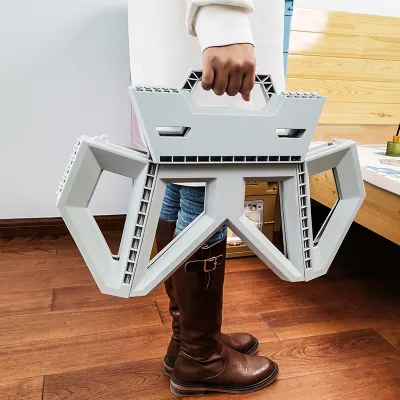
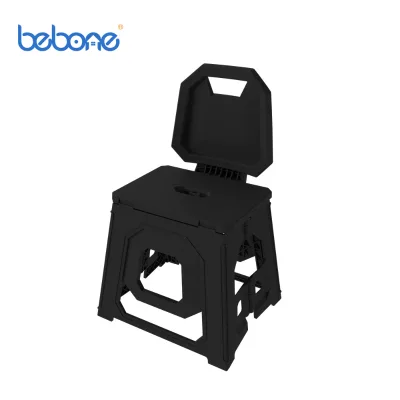
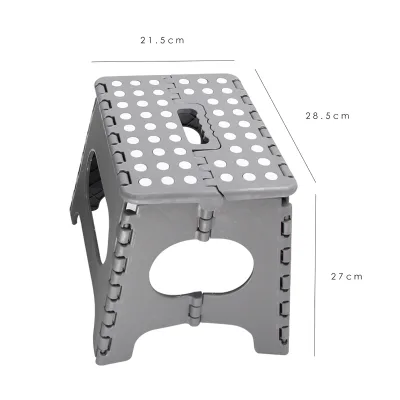
Logistics planning for this category starts with volumetrics. Folding step stools are lightweight but bulky relative to their weight, so container utilization depends on whether units ship folded flat and nested. One listed item shows a single package size of 5 x 5 x 5 cm in folded form, while a larger model shows 46 x 36 x 11 cm — a dramatic difference that directly affects freight cost per piece. Ask every supplier for folded and unfolded dimensions, nesting configuration, and carton counts per container, then model the freight before comparing unit prices. Also confirm whether packaging is retail-ready or bulk, since potty-training-oriented listings imply retail packaging requirements. Standard ocean freight with a pre-shipment inspection booked at the factory is the sensible default; air freight is rarely economic for molded plastic goods.
Portable Folding Step Stool Commercial Terms and Order Planning
Commercial terms in the observed results give buyers concrete anchors for negotiation. Quoted unit prices run from about $2.80 to $3.00 for one plastic folding stool model and $4.20 to $4.40 for a larger version, with a trading-company listing at $3.05; MOQs span 500 to 3,000 pieces. Use these as reference points but re-quote everything: prices in listings are usually indicative, valid briefly, and based on unspecified quantity and trade terms. When negotiating, specify the Incoterm, currency, validity period, and whether packaging, logo customization, or color variants change the price. Trading companies sometimes beat factory MOQs by consolidating orders, which explains the 500-piece listing.
Order planning should sequence risk reduction. Place a pilot order at or near the supplier's stated MOQ — not below it, which invites shortcuts — with an approved sample, a written specification covering material, load rating, dimensions, and packaging, and a pre-shipment inspection before balance payment. One supplier's listing references warranty and after-sales periods on a steel model; put any warranty promise in the contract with a defined claim mechanism, since verbal five-year warranties are unenforceable in practice. Confirm the displayed lead time — 23, 30, or 45 days in these results — as a contractual delivery window with a late-delivery remedy, and reconfirm production slot timing during peak season. For customized OEM/ODM designs, agree in writing who owns the mold and whether tooling fees apply, and plan reorder cycles so the tooling investment amortizes across at least two orders.
FAQs
What is the typical lead time for portable folding step stools?
Lead times vary by supplier, ranging from 23 to 45 days based on order volume and customization needs. Some manufacturers in Guangdong offer faster production at 23 days, while others in Jiangsu may require up to 45 days for complex orders.
What are the minimum order quantities for these stools?
Minimum order quantities differ significantly across suppliers, with some requiring as few as 500 pieces while others demand 3000 units. Buyers should verify specific MOQs with each vendor to ensure alignment with their procurement volume and budget constraints.
Which materials are commonly used for portable folding step stools?
Most portable folding step stools are constructed from durable plastic or steel to ensure stability and longevity. Plastic models often weigh between 0.92g and 1.46g, while steel variants can support loads up to 150kg for heavy-duty indoor or outdoor applications.
Do suppliers offer customization options for branding and design?
Yes, many manufacturers provide customization services including logo printing and color selection to meet specific brand requirements. Customization is available for both plastic and steel models, allowing buyers to tailor product dimensions, styles, and packaging to their unique market needs.
What certifications do the manufacturers hold for quality assurance?
Reputable manufacturers often hold certifications such as BSCI, ISO 9001, and SEDEX to demonstrate compliance with international standards. These credentials ensure that production processes meet rigorous safety and ethical guidelines, providing buyers with confidence in product quality and supplier reliability.
How quickly do suppliers typically respond to inquiries?
Response times vary among suppliers, with some replying within 1.83 hours while others may take up to 17.83 hours. Faster response times often indicate higher operational efficiency, so buyers should prioritize vendors with quick reply rates for smoother communication during the sourcing process.
What is the price range for portable folding step stools?
Prices generally range from 2.80 to 4.40 USD per unit depending on material, size, and customization features. Plastic models typically fall between 2.80 and 3.05 USD, while specialized steel or larger variants may cost up to 4.40 USD per piece.