Waterproof Cordless Hair Trimmer Suppliers and Manufacturers
Explore 12 verified options for Waterproof Cordless Hair Trimmer suppliers in China. Compare response times, lead times, MOQs, and product specifications like charging methods and power ratings. Contact suppliers directly to request samples and confirm customization availability; review the available evidence before requesting comparable quotations from suitable candidates.
Suppliers List

Shanghai Prime Technology Co., Ltd.
- Verified by SGS
- Trading Company
- China Shanghai
- Lead time45 days
- Avg. response≤ 3h
Main productsCoffee Machine Bread Machine, Blender Food Processor Juicer, Air Fryer Hair Dryer Ect.
Main marketsSouth America,Eastern Europe,Mid East,North America,Southeast Asia,Eastern Asia,Oceania,Western Europe,Africa

Wenzhou Hexi Electronic Technology Co., Ltd.
- Verified by SGS
- Combined
- China Zhejiang
- Lead time23 days
- Avg. response≤ 7h
Main productsNeck and Back Massager, Massage Gun, Massage Pillow, Foot Massager, Beauty& Personal Care, Water Flosser, Eye Massager, Electric Toothbrush, Hair Curler, Knee Massager
Main marketsAfrica,Southeast Asia/ Mideast,Europe


Electric Clippere Cordless Waterproof Hair Cutting Machine Professional Hair Trimmer for Men
$12.00 - $14.00
Moq: 100


Changsha Fusheng Electronic Technology Co., Ltd.
- Trading Company
- China Hunan
- Lead time15 days
- Avg. response≤ 2h
Main productsElectronic Product
Main marketsSoutheast Asia/ Mideast,Europe,North America

Wenzhou Boyo Electric Appliance Co., Ltd.
- Verified by BV
- Manufacturer/Factory
- China Zhejiang
- Lead time45 days
- Avg. response≤ 14h
Main productsHair Straightener, Hair Curler, Men's Shaver, Lady Epilator/Rozar, Callus Remover, Hair Dryer, Hair Clipper/Trimmer, Facial Cleansing Brush, Hot Air Brush, Oil Diffuser
Main marketsSouth America,Eastern Europe,Mid East,North America,Southeast Asia,Eastern Asia,Oceania,Western Europe,Africa


USB Electric Rechargeable LCD Display Cordless Portable Hair Clipper Hair Trimmer
$4.48 - $5.48
Moq: 1000


Guangzhou Umei Technology Co., Ltd
- Verified by SGS
- Manufacturer/Factory
- China Guangdong
- Lead time15 days
- Avg. response≤ 3h
Main productsHair Straightener, Hair Dryer, Hair Curler, Hair Clipper, Photo Booth Vending Machine, Cotton Candy Vending Machine, Popcorn Vending Machine, Vending Machine, Ice Cream Vending Machine, 360 Photo Booth
Main marketsSouth America,Eastern Europe,Mid East,North America,Southeast Asia,Eastern Asia,Western Europe


Waterproof Cordless Cutter Body Face Hair Trimmer Multifunctional Electric Hair Clippers
$5.40 - $8.80
Moq: 1000

Professional USB Rechargeable Hair Clipper Electric Cordless Beard Trimmer for Men
$5.40 - $8.80
Moq: 1000

Professional OEM Cheap Electric Salon Cordless Trimer Rechargeable Hair Clipper Trimmer Men
$11.00 - $14.99
Moq: 1000

Low Noise Rechargeable Cordless Close Cutting Professional Cordless Men Hair Trimmer
$14.50 - $15.00
Moq: 500


Changsha Pandaman Technology Co., Ltd.
- Trading Company
- China Hunan
- Lead time30 days
- Avg. response≤ 18h
Main productsSheep Clipper, Horse Clipper, Pet Clipper, Pet Dryer, Pet Grooming Table, Pet Bathtub, Pet Products, Equstrian Products, Animal Husbandry, Powerbank
Main marketsSouth America,Europe,Australia,North America

Yueqing Fiy Electric Co., Ltd.
- Verified by TUVRHEINLAND
- Combined
- China Zhejiang
- Lead time23 days
- Avg. response≤ 7h
Main productsIndustry Socket, Industry Plug, Solar String Light, Christmas Decoration, Solar Light, Christmas Lights, Solar LED Light, LED Strip Light, Industry Switch, Tools Switch
Main marketsSoutheast Asia/ Mideast,Domestic,Europe,North America

Men's Digital Electric Hair Clipper, USB Rechargeable Cordless Low-Noise Hair Trimmer
$5.83 - $6.09
Moq: 2000


Jiangxi Huyidao Industrial Co., Ltd.
- Verified by TUVRHEINLAND
- Combined
- China Jiangxi
- Lead time23 days
- Avg. response≤ 9h
Main productsDisposable Razor, Razor, Safety Razor, Shave Foam, Razor Blade, Men Razor, Double Edge Blade, Changeable Razor, System Razor, Palstic
Main marketsSouth America,Africa,Southeast Asia/ Mideast,Europe,North America

- Verified by SGS
- Trading Company
- China Zhejiang
- Lead time15 days
- Avg. response≤ 13h
Main productsFan, Heater Fan, Air Fryer, Toaster, Rice Cooker, Vacuum Cleaner, Coffee Machine, Hairdressing Appliance, Electric Toothbrush, Steam Iron
Main marketsEurope,Australia

Ningbo Mingni Import And Export Co., Ltd.
- Verified by SGS
- Manufacturer/Factory
- China Zhejiang
- Lead time23 days
- Avg. response≤ 3h
Main productsWindow Handle, Door Handle, Hinge, Gas Cooker Knob, Oven Knob, Name Plate, Cabinet Handle, Bathroom Hardware, Auto Parts
Main marketsSouth America,Eastern Europe,North America,Western Europe

Hot Selling Rechargeable Hair Clipper Cordless Electric Hair Trimmer for Mens
$12.00 - $15.00
Moq: 100

Cordless Professional Salon Private Label Beard Hair Trimmer Electric Hair Clipper
$8.00 - $10.00
Moq: 100

Guangdong Yilian Digital Industry Co., Ltd.
- Manufacturer, Trading Company
- Guangdong, China
- Lead time30 days
- Avg. response≤ 23h
Main productsMobile Charger,Data Cable,Sports,Others,TWS
Main marketsSouth America(40.0%), South Asia(10.0%), Western Europe(10.0%), Eastern Asia(10.0%), Mid East(10.0%), Africa(10.0%), Southeast Asia(10.0%)
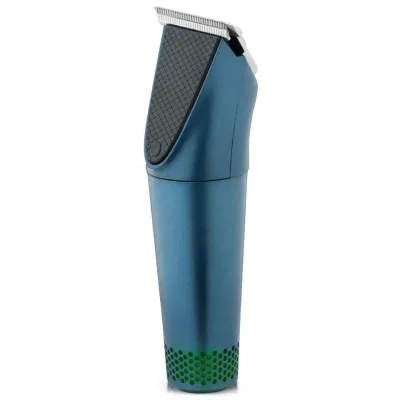
High Quality Rechargeable Hair Trimmer Hair Clipper
$0.37 - $0.50
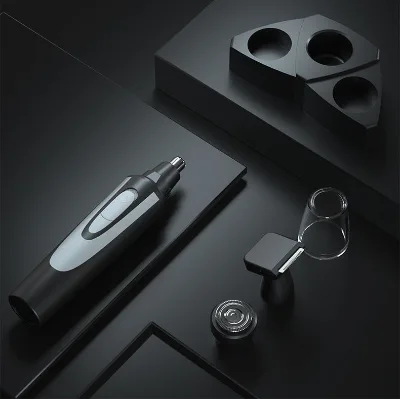
$0.25 - $0.27

Kingsun Baby Products Co., Ltd.
- Verified by TUVRHEINLAND
- Trading Company,Manufacturer/Factory
- China Guangdong
- Lead time23 days
- Avg. response≤ 5h
Main productsBaby Bottle, Nipple, Pacifier, Breast Pump, Teethers, Baby Water Bottle, Nasal Aspirator, Baby Dinner Set, Baby Products, Feeding Accessories
Main marketsSouth America,Eastern Europe,Mid East,North America,Southeast Asia,Oceania,Western Europe,Africa


Comprehensive Sourcing Guide
Waterproof Cordless Hair Trimmer Supplier Concentration and Factory Types
The current supplier landscape for waterproof cordless hair trimmers reveals a distinct geographic concentration within China, specifically highlighting manufacturing hubs in Shanghai, Zhejiang, and Hunan. These regions serve as primary centers for the production of personal care appliances, including the specific niche of electric hair trimmers and clippers. Buyers evaluating potential partners should note that the available results indicate a mix of company types, ranging from dedicated trading companies to combined entities that may offer broader product portfolios. For instance, one observed supplier in Shanghai is identified as a trading company, while another in Zhejiang operates as a combined entity with a diverse main product range that includes neck massagers, beauty devices, and personal care items. This variation in business structure is critical for buyers to understand, as trading companies often facilitate access to multiple factories, whereas combined entities might have more integrated supply chains for related electronics. The presence of suppliers in Hunan further diversifies the sourcing options, with some focusing primarily on electronic products. Understanding this geographic and structural distribution allows buyers to tailor their outreach strategies, whether they seek direct factory engagement or the logistical flexibility provided by trading intermediaries. The concentration in these specific Chinese provinces suggests established industrial clusters for small home appliances, which can influence lead times and shipping logistics. Buyers should verify the exact nature of the supplier’s operations, as the label "combined" or "trading" can significantly impact communication efficiency and quality control processes.
When assessing factory types, it is essential to look beyond the general location and examine the specific capabilities listed for each entity. The data shows that many suppliers offer both OEM and ODM services, indicating a capacity for custom design and manufacturing rather than just off-the-shelf sales. This is particularly relevant for buyers looking to brand their own waterproof cordless hair trimmers or modify existing designs for specific market needs. The main products listed for some suppliers extend beyond hair trimmers to include blenders, air fryers, and other home appliances, which may suggest a broader manufacturing expertise in small electronics. However, for those seeking specialized personal care equipment, suppliers with a focused product line, such as those listing hair clippers and trimmers as primary items, might offer deeper technical knowledge. The verification status of suppliers also varies, with some holding SGS verification, which provides an additional layer of confidence regarding their operational standards. Buyers should prioritize suppliers whose company type aligns with their procurement strategy, whether that involves high-volume customization or rapid sourcing of standard items. The diversity in company types and locations means that buyers have multiple avenues to explore, but they must carefully evaluate each option based on their specific requirements for quality, customization, and supply chain reliability.
How to Verify Waterproof Cordless Hair Trimmer Suppliers
Verifying the credibility and operational capacity of Waterproof Cordless Hair Trimmer suppliers requires a multi-faceted approach that goes beyond simple profile reviews. One of the primary indicators of supplier reliability is the verification status provided by third-party inspection agencies. In the current results, some suppliers are marked as verified by SGS, a globally recognized inspection and certification company. This verification suggests that the supplier has undergone certain audits regarding their business legitimacy and operational practices. However, buyers should not assume that all suppliers have undergone such rigorous checks, as some may lack this specific credential. It is crucial to request proof of any claimed certifications or verification badges directly from the supplier. Additionally, the response time listed for suppliers can serve as a preliminary indicator of their customer service quality. For example, response times vary significantly, with some suppliers responding within 1.71 hours while others take up to 6.58 hours. A faster response time often correlates with better communication channels and a more responsive sales team, which is vital for resolving issues during the sourcing process. Buyers should consider this metric when shortlisting potential partners, as delayed responses can hinder project timelines and complicate negotiations.
Beyond verification badges and response speeds, buyers should scrutinize the detailed product attributes and specifications provided by the suppliers. The product evidence shows a wide range of specifications, including power supply types, charging methods, and material compositions. For instance, some trimmers are specified as USB rechargeable with Type-C charging, while others may have different power requirements. Buyers should ensure that the technical specifications align with their target market’s standards and preferences. It is also important to verify the customization options available, such as logo printing, packaging design, and color variations. The product attributes indicate that customization is available for many items, but the extent of this customization should be clarified with the supplier. Furthermore, buyers should inquire about the manufacturing process and quality control measures in place. While some suppliers list their main products and company types, they may not provide detailed information about their production lines or quality assurance protocols. Requesting samples and conducting independent quality checks can provide valuable insights into the actual product quality. Buyers should also verify the origin of the products, as some listings specify China as the origin, which can impact shipping costs and lead times. By combining verification of credentials, assessment of communication efficiency, and detailed technical evaluation, buyers can make more informed decisions when selecting suppliers for waterproof cordless hair trimmers.
What to Compare Across Waterproof Cordless Hair Trimmer Suppliers
When comparing suppliers for waterproof cordless hair trimmers, several key dimensions must be evaluated to ensure the best value and fit for your business. One of the most critical factors is the lead time, which indicates how long it takes for the supplier to fulfill an order. The observed lead times vary, with some suppliers offering a lead time of 15 days, while others may require up to 45 days. This difference can significantly impact your inventory management and ability to meet customer demand. Buyers should align their order planning with the supplier’s lead time capabilities, especially if they have tight deadlines or seasonal peaks. Another important factor is the Minimum Order Quantity (MOQ), which determines the smallest batch size a supplier is willing to produce. The data shows a range of MOQs, from as low as 100 units to 500 units or more. For startups or those testing the market, suppliers with lower MOQs may be more attractive, while larger buyers might benefit from economies of scale offered by suppliers with higher MOQs. Comparing these two metrics allows buyers to balance speed and cost effectively, ensuring that their procurement strategy supports their business goals.
In addition to lead times and MOQs, buyers should compare the price ranges and customization options offered by different suppliers. The price data indicates a wide variation, with some products ranging from $5.45 to $7.95, while others may cost between $13.25 and $24.98. This price disparity can reflect differences in product quality, features, and brand positioning. Buyers should assess whether the higher-priced items offer superior materials, such as stainless steel blades, or additional features like LCD displays and waterproof ratings. Customization options are also a key differentiator, with some suppliers offering standard packaging and others providing customized gift boxes or branding services. The ability to customize products can be crucial for building a unique brand identity in competitive markets. Furthermore, buyers should consider the supplier’s main product focus, as those specializing in personal care appliances may offer more specialized expertise and support. By systematically comparing lead times, MOQs, prices, and customization capabilities, buyers can identify suppliers that best match their specific requirements and strategic objectives. This comparative analysis helps in making data-driven decisions that optimize cost, quality, and supply chain efficiency.
Common Waterproof Cordless Hair Trimmer Sourcing Risks
Sourcing waterproof cordless hair trimmers from international suppliers involves several inherent risks that buyers must proactively manage to ensure a smooth procurement process. One significant risk is the variability in product quality and specifications. The product evidence shows a wide range of attributes, from battery capacity and charging methods to blade materials and waterproof ratings. Buyers must ensure that the products they order meet the specific standards required by their target market, such as electrical safety certifications and durability tests. Failure to verify these details can lead to product failures, customer complaints, and potential legal issues. Another risk is the discrepancy between the supplier’s claimed capabilities and their actual performance. For instance, while some suppliers list OEM and ODM services, the actual implementation of these services may vary in quality and timeliness. Buyers should conduct thorough due diligence, including requesting samples and conducting factory audits if possible, to mitigate these risks. Additionally, the reliance on third-party logistics and shipping can introduce delays and damage risks, especially for electronic products that are sensitive to handling.
Communication barriers and cultural differences can also pose challenges when sourcing from suppliers in different regions. The response times observed in the data highlight the importance of clear and timely communication. Slow or unclear communication can lead to misunderstandings regarding product specifications, order details, and shipping instructions. Buyers should establish clear communication protocols and ensure that all critical information is documented in writing. Furthermore, the risk of intellectual property infringement is a concern, particularly when working with suppliers who offer customization services. Buyers should protect their designs and branding by using non-disclosure agreements and ensuring that the supplier does not share their designs with other clients. Another risk is the potential for hidden costs, such as shipping fees, customs duties, and taxes, which can impact the total cost of ownership. Buyers should obtain detailed quotes that include all associated costs to avoid unexpected expenses. By identifying and addressing these common risks through careful planning, verification, and contract management, buyers can minimize disruptions and ensure a successful sourcing experience for waterproof cordless hair trimmers.
Waterproof Cordless Hair Trimmer Regional Sourcing and Logistics
The geographic location of suppliers plays a crucial role in determining logistics costs, lead times, and overall supply chain efficiency for waterproof cordless hair trimmers. The current results indicate that suppliers are primarily located in China, with specific concentrations in Shanghai, Zhejiang, and Hunan. These regions are well-established industrial hubs for small home appliances and electronics, offering advantages in terms of manufacturing infrastructure and supplier density. Sourcing from Shanghai, for example, may provide access to a well-developed port infrastructure, facilitating efficient export logistics. Similarly, suppliers in Zhejiang and Hunan benefit from proximity to major manufacturing clusters, which can reduce production lead times and transportation costs. Buyers should consider the logistical implications of sourcing from these regions, including the availability of shipping routes and the efficiency of local customs clearance processes. Understanding the regional strengths and logistical capabilities of each location can help buyers optimize their supply chain and reduce overall costs.
Logistics planning also involves considering the shipping methods and transit times associated with different regions. For instance, air freight may be faster but more expensive, while sea freight offers cost savings but longer transit times. Buyers should evaluate the trade-offs between speed and cost based on their inventory needs and market demand. Additionally, the packaging and handling of electronic products like hair trimmers require special attention to prevent damage during transit. Suppliers should provide adequate packaging solutions, such as shock-absorbing materials and waterproof packaging, to protect the products during shipping. Buyers should also verify the supplier’s experience with international shipping and their ability to handle export documentation and compliance requirements. By carefully assessing the regional sourcing options and logistical considerations, buyers can develop a robust supply chain strategy that minimizes risks and ensures timely delivery of waterproof cordless hair trimmers to their customers. This strategic approach to logistics can enhance competitiveness and customer satisfaction in the global market.
Waterproof Cordless Hair Trimmer Commercial Terms and Order Planning
Effective commercial terms and order planning are essential for successful procurement of waterproof cordless hair trimmers, ensuring that both buyers and suppliers align on expectations and responsibilities. Payment terms are a critical component of these agreements, with options ranging from advance payments to letters of credit or escrow services. Buyers should negotiate terms that protect their financial interests while providing the supplier with sufficient security to proceed with production.
FAQs
What is the price range for waterproof cordless hair trimmers?
Prices typically range from $5.45 to $24.98 depending on the model and features. Basic trimmers start around $5.45, while professional wet-dry clippers can reach $24.98. Buyers should check specific product listings for exact pricing based on customization and order volume.
What is the minimum order quantity for these products?
Minimum order quantities vary by supplier and product type. Some suppliers require a minimum of 100 units, while others set the threshold at 500 units. Buyers must verify the specific MOQ for each model before placing an order to ensure it meets their procurement needs.
How long does production and delivery take?
Lead times generally range from 15 to 45 days depending on the supplier and order complexity. Some manufacturers offer faster turnaround times of 15 days, while others may require up to 45 days for production. Buyers should confirm the exact lead time with the supplier.
Are these trimmers suitable for both men and women?
Yes, many models are designed for unisex use, while others are specifically targeted at men or women. Some products feature unisex gender classifications, while others specify female or male suitability. Buyers should review product attributes to ensure the trimmer matches their intended user demographic.
What charging methods are supported by these devices?
Most waterproof cordless hair trimmers support USB or Type-C charging methods. Some models specify Type-C charging with a charging time of about two hours. Buyers should check the power supply and charging specifications to ensure compatibility with their existing charging infrastructure.
Can suppliers offer OEM or ODM services?
Yes, many suppliers provide both OEM and ODM capabilities for customization. Buyers can request custom packaging, logos, or product designs. It is advisable to confirm the specific customization options and any associated costs or minimum order requirements with the supplier before proceeding.
Where are these suppliers located?
Suppliers are primarily located in China, with specific presence in Shanghai, Zhejiang, and Hunan provinces. Buyers can filter results by these locations to find manufacturers closer to their logistics hubs. Verifying the exact supplier location helps in assessing shipping costs and lead times.