Waterproof UV Resistant Camping Tent Suppliers and Manufacturers
Source 30 verified suppliers for Waterproof UV Resistant Camping Tent options. Compare dimensions, lead times, and certifications like ISO9001:2015. Review product specs and request quotes directly from manufacturers in China Jiangsu and Shandong; review the available evidence before requesting comparable quotations from suitable candidates.
Updated
Suppliers List

Shanghai Cuckoo Outdoor Products Co., Ltd.
- Verified by TUVRHEINLAND
- Combined
- China Jiangsu
- Lead time30 days
- Avg. response≤ 4h
Main productsInflatable Tent, Camping Tent, Inflatable Camping Tent, Outdoor Tent, Family Inflatable Tent, Family Tent, Rooftop Tent, Family Camping Tent, Air Tent, Outdoor Inflatable Tent
Main marketsSoutheast Asia/ Mideast,East Asia(Japan/ South Korea)

Qingdao Otia Industry and Trade Co., Ltd.
- Verified by SGS
- Trading Company,Manufacturer/Factory
- China Shandong
- Lead time105 days
- Avg. response≤ 5h
Main productsFolding Wagon, Garden Cart, Shopping Cart, Wheel Barrow, Aluminum Storage Box, Wheels
Main marketsSouth America,Eastern Europe,Mid East,Eastern Asia,Western Europe,Africa


Ultra Light Automatic Camping Tent Thickened Rainproof UV Protection Outdoor
$8.30 - $8.60
MOQ: 500 Pieces
Henan Quye Outdoor Products CO., LTD.
- Verified by Intertek
- Manufacturer, Trading Company
- Lead time50 days
- Avg. response≤ 3h
Main productsAutomatic Pop-Up Tent, Inflatable Tent, Lightweight, Disaster Relief Tent, Tunnel Tent
Main marketsEastern Asia(50%), Domestic Market(23%), North America(4%)
Changzhou Ruizhan Travel Product Co., Ltd.
- Verified by SGS Group
- Manufacturer, Trading Company
- Lead time40 days
- Avg. response≤ 1h
Main productsTents, Sleeping Bags, Picnic Mats, Outdoor Tables and Chairs
Main marketsEastern Europe(30%), Western Europe(20%), Northern Europe(20%)

Tangshan Yongfa Tent Manufacturing Co., Ltd.
- Verified by SGS
- Combined
- China Hebei
- Lead time15 days
- Avg. response≤ 3h
Main marketsEurope
Shanghai Carfro Industry And Trade Co.,ltd
- Trading Company
- Shanghai, China
- Lead time15 days
- Avg. response≤ 10h
Main productsvacuum cleaner,car air compressor
Main marketsSouth America(25.00%), North America(25.00%), Southeast Asia(20.00%), Eastern Europe(20.00%), Western Europe(5.00%), Africa(5.00%)
Xiamen Marvelous Outdoor Technology Co., Ltd.
- Verified by TüVRheinland
- Trading Company
- Lead time14 days
- Avg. response≤ 2h
Main productsRoof Top Tent, Dome Tent, Camping Tent, Outdoor Tent, Inflatable Tent
Main marketsEastern Europe(60%), Oceania(20%), North America(10%)
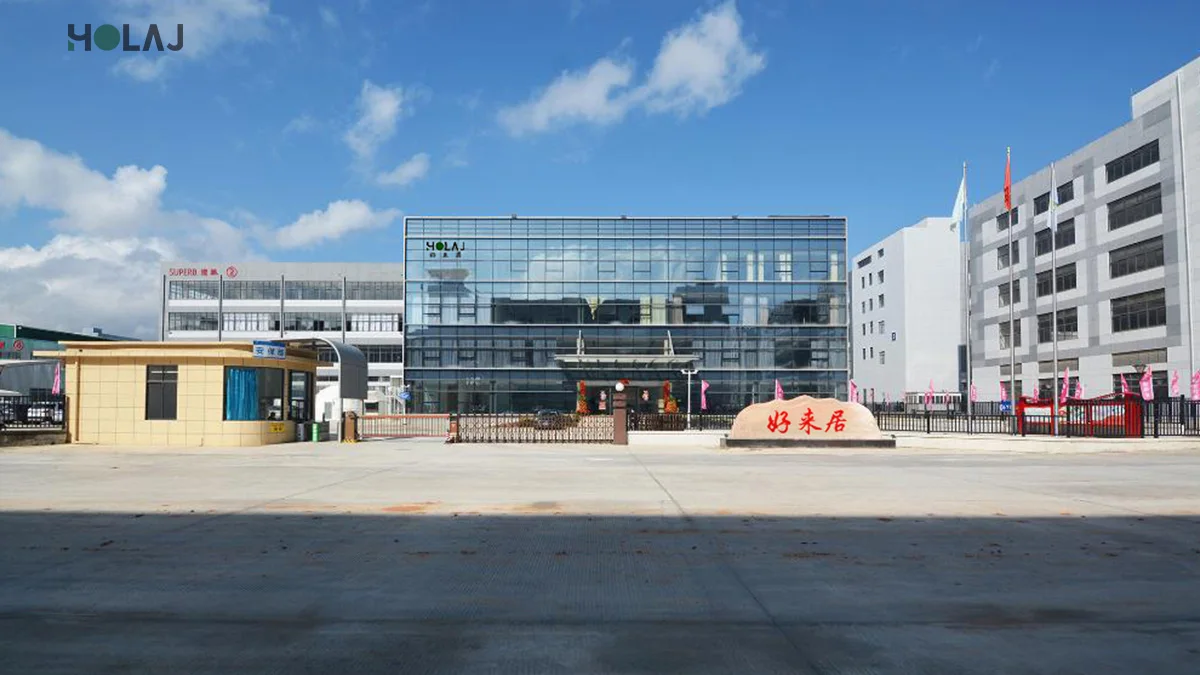
Foshan Haolaiju Metal Structure House Co., Ltd.
- Manufacturer
- Guangdong, China
- Lead time30 days
- Avg. response≤ 11h
Main productsSafari tent,Glamping tent,Aluminum house,OutdoorTent,Luxury house
Main marketsAfrica(40.00%), North America(30.00%), Mid East(15.00%), Southeast Asia(15.00%)

- Verified by SGS
- Trading Company
- China Zhejiang
- Lead time15 days
- Avg. response≤ 14h
Main productsTents, BBQ Grill, Folding Table and Chair, Cooler Bag, Outdoor Lamp, Beach Mat, Picnic Blanket, Sleeping Bag, Water Bottle, Hammock
Main marketsEurope,Australia


All-Round Protection Waterproof Windproof Double Layer Outdoor Breathable Camping Tent
$14.50 - $14.70
MOQ: 70 Pieces

Hiking Set up Quickly Lightweight Aluminum Pole Backpacking Windproof Waterproof Camping Tent
$19.10 - $19.30
MOQ: 50 Pieces

Windproof Waterproof Uvprotection 4 Season Luxury Outdoor Camping Waterproof Bell Tent
$162.00 - $164.00
MOQ: 6 Pieces

Shijiazhuang Daya E-Commerce Co., Ltd.
- Trading Company
- Hebei, China
- Lead time7 days
- Avg. response≤ 4h
Main productsGlamping Tent,Inflatable Tent,Bell Tent,Dome Tent,Star awning
Main marketsWestern Europe(12.00%), Domestic Market(10.00%), North America(10.00%), South Asia(10.00%), Southeast Asia(10.00%), Eastern Europe(10.00%), South America(10.00%), Southern Europe(5.00%), Northern Europe(5.00%), Mid East(5.00%), Oceania(5.00%), Eastern Asia(5.00%), Africa(2.00%), Central America(1.00%)

Hebei New Sight Outdoor Products Co., Ltd.
- Verified by SGS
- Combined
- China Hebei
- Lead time23 days
- Avg. response≤ 5h
Main productspop up tent
Main marketsEurope

Waterproof Tent Outdoor Camping Heavy Duty Tents for Events Tent Frame
$133.00 - $166.00
MOQ: 1 Pieces

Folding Tents Heavy Duty Waterproof Tent Outdoor Camping Pop up Camping Tents
$44.00 - $55.00
MOQ: 1 Pieces


Tent Camping Outdoor Waterproof Canopy Tents for Events Folding Tents Heavy Duty
$47.00 - $58.75
MOQ: 10 Pieces

Nanjing Kango Outdoor Products Co., Ltd.
- Verified by TüVRheinland
- Trading Company
- Lead time20 days
- Avg. response≤ 3h
Main productsCombat Uniform, Tactical Rucksack, Camping Bed, Raincoat, Camouflage Sleeping Bag
Main marketsNorth America(35%), Mid East(30%), Western Europe(20%)
Shanghai Mountains and Rivers Industry and Trade Co., Ltd.
- Trading Company
- Shanghai, China
- Lead time60 days
- Avg. response≤ 2h
Main productstent,sleeping bag,picnic rug,self inflatable mat,hammock
Main marketsNorth America(40.00%), Northern Europe(10.00%), Western Europe(10.00%), South Asia(10.00%), Southern Europe(10.00%), Eastern Europe(10.00%), Mid East(5.00%), Africa(5.00%)
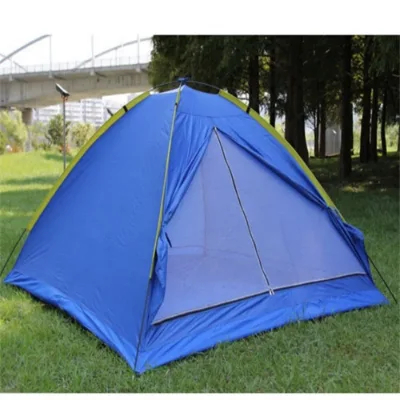
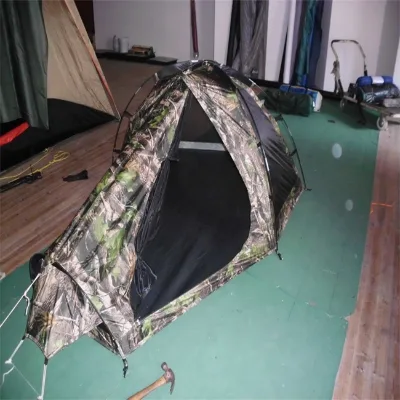
Factory Sale Customized Waterproof Geodesic Camping Tent With Pvc Wall
$9.00 - $200.00
MOQ: 200 Minimum
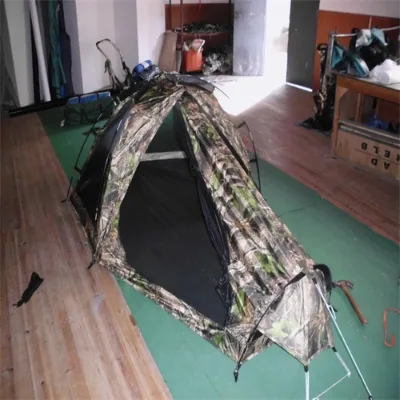
Outdoor Automatic Transparent Anti-storm Large Camping Tent For Family 5-8 People
$4.50 - $85.00
MOQ: 500 Minimum
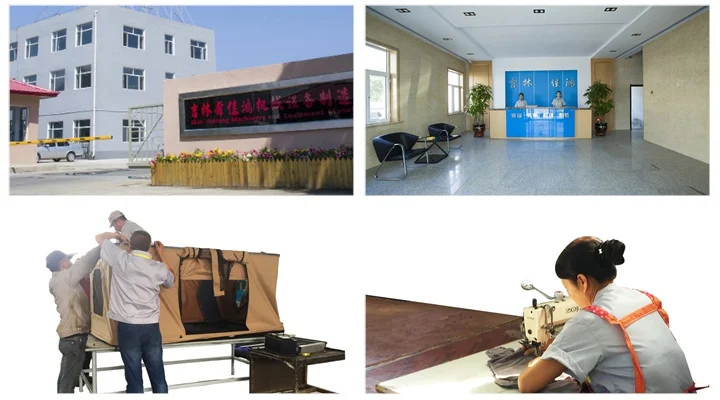
DAC (Shenzhen) Technology Co., Ltd
- Manufacturer, Trading Company
- Guang Dong, China
- Lead time15 days
- Avg. response≤ 5h
Main productsTents,Roof Top Tent,Roof Rack,Awning tent,Air Heater
Main marketsWestern Europe(20.00%), North America(15.00%), Oceania(15.00%), Eastern Asia(11.00%), Domestic Market(10.00%), Northern Europe(5.00%), Southeast Asia(5.00%), South Asia(5.00%), Southern Europe(5.00%), Eastern Europe(3.00%), South America(3.00%), Mid East(3.00%)
Henan Aimei Outdoor Products Co., Ltd.
- Verified by SGS Group
- Trading Company
- Lead time25 days
- Avg. response≤ 3h
Main productsTent & Shelter, Camping Sleeping Gear, Camping Furniture, Camping Cart & Storage Box, Camping Kitchen Ware
Main marketsNorth America(30%), Western Europe(30%), Eastern Europe(20%)
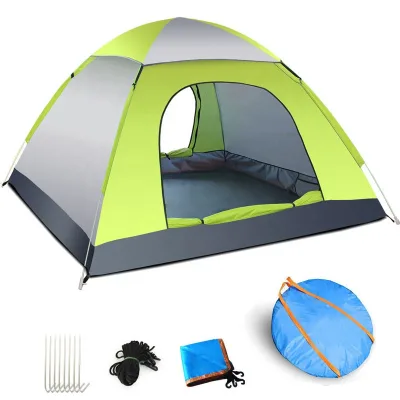
$4.6122 - $7.9931
MOQ: 10 pieces
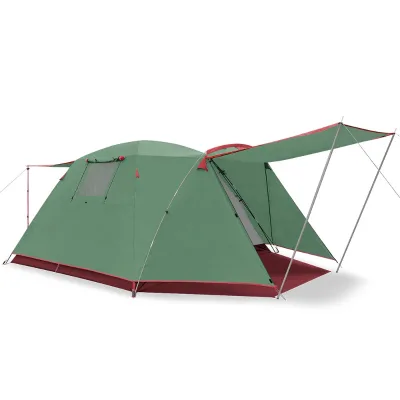
$49.80 - $58.60
MOQ: 2 pieces

- Verified by SGS
- Combined
- China Hebei
- Lead time15 days
- Avg. response≤ 2h
Main productsInflatable Tent/Camping Tent/Outdoor Tent, Relief Tent/Event Tent/Tarpaulin/Cavas Tent
Main marketsDomestic,Europe

Starry (Xiamen) Outdoor Equipment Technology Co., Ltd.
- Verified by SGS
- Trading Company
- China Fujian
- Lead time15 days
- Avg. response≤ 2h
Main productsCamping Tent, Inflatable Tent, Beach Tent, Ice Fishing Tent, Shower Tent, Car Roof Tent, Relief Tent, Camping Chair and Table, Gazebo, Inflatable Mattress
Main marketsEurope,North America


4 Season Double Layer Waterproof Camping Outdoor Tent Easy Set up Lightweight Portable Camping Tent
$25.01 - $26.65
MOQ: 100 Pieces

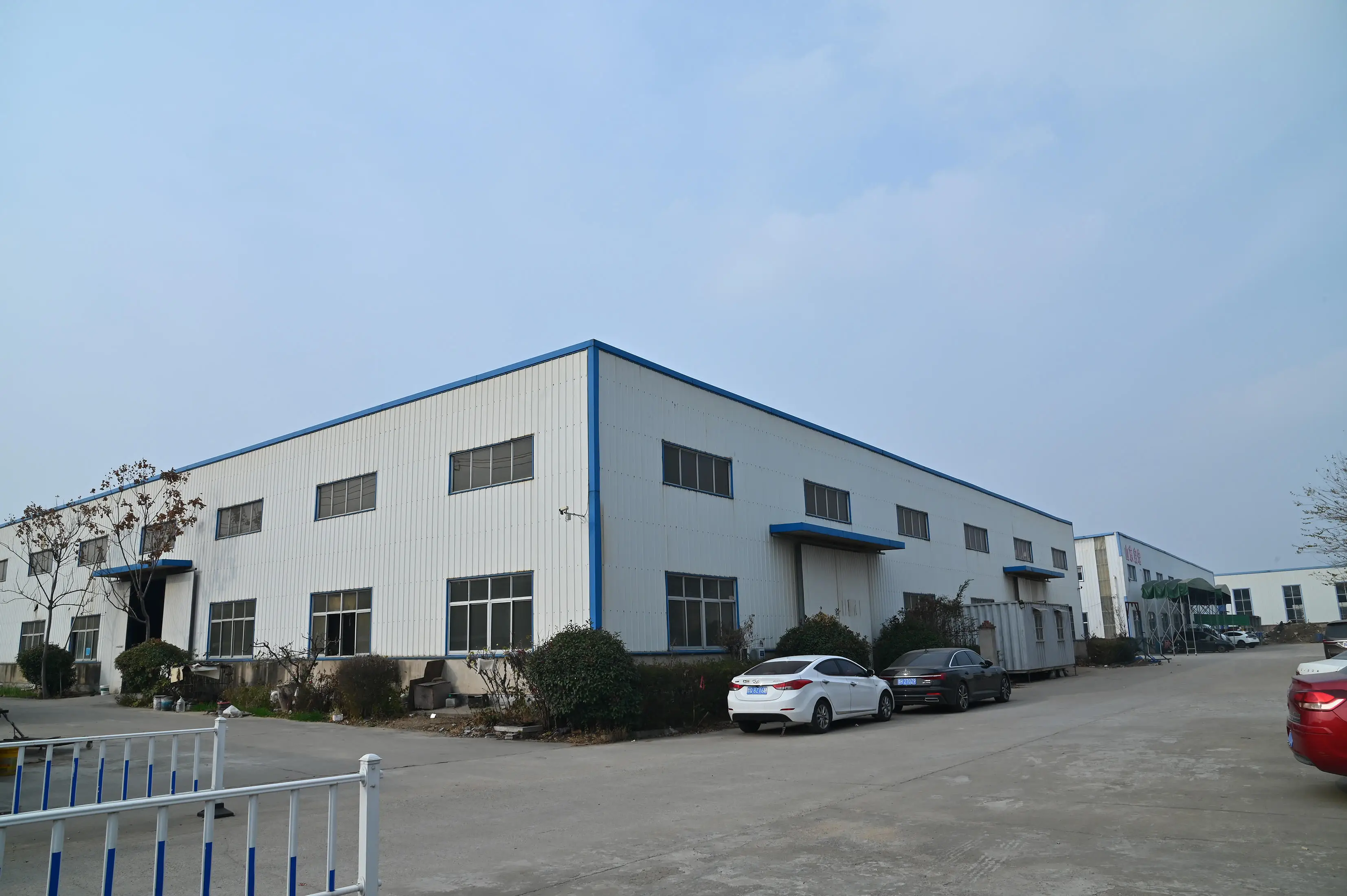
Jiangsu Himron International Trade Co., LTD.
- Manufacturer, Trading Company
- jiangsu, China
- Lead time20 days
- Avg. response≤ 9h
Main productsDisaster Relief Tent,Inflatable Emergency Tent,Tactical tent,Camping tent
Main marketsNorth America(40.00%), Eastern Europe(15.00%), Domestic Market(10.00%), Northern Europe(7.00%), Central America(6.00%), Southeast Asia(5.00%), South Asia(5.00%), Mid East(3.00%), Eastern Asia(2.00%), Southern Europe(2.00%), Western Europe(2.00%), South America(1.00%), Oceania(1.00%), Africa(1.00%)
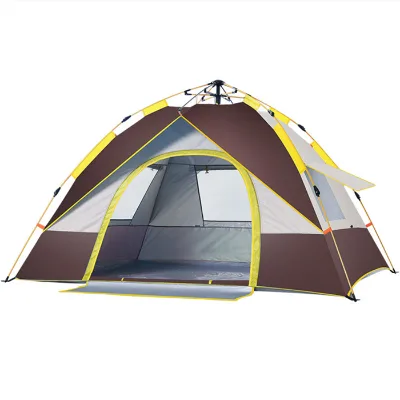
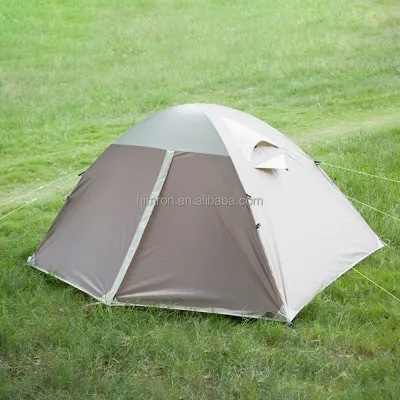
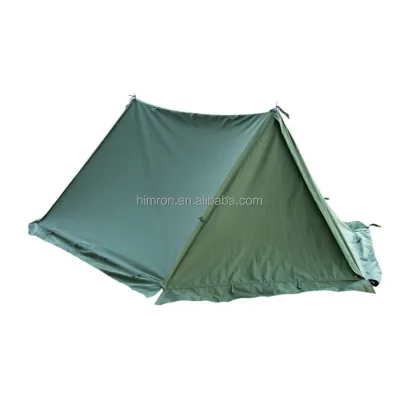
3-4 Person Outdoor Camping Tent Automatic Tent Spring-loaded Quick-open Sunproof Camping Tent
$9.90 - $14.50
MOQ: 20 pieces
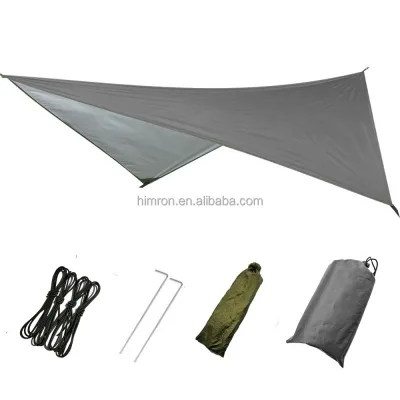
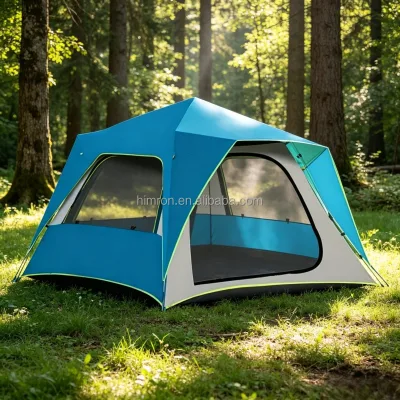
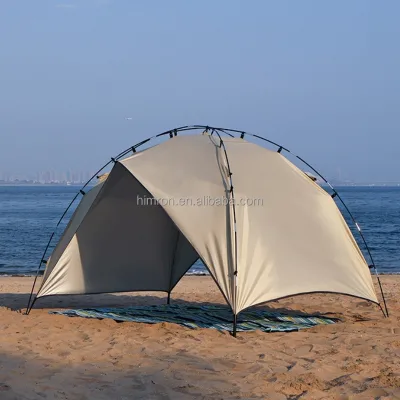

Jiangsu Green Fabric Co., Ltd.
- Verified by BV
- Combined
- China Jiangsu
- Lead time15 days
- Avg. response≤ 25h
Main productsTarpaulins, Banners, Mesh, Textile, Fabric, Awning Fabric, Tent Fabric, Banner Standard, Flame, Sun Shades
Main marketsDomestic

Chengde Junqiang Equipment Clothing Co., Ltd.
- Manufacturer, Trading Company
- Hebei, China
- Lead time20 days
- Avg. response≤ 3h
Main productstent,sleep bag,camping bed,refugee tent,relief tent
Main marketsDomestic Market(25.00%), North America(10.00%), Central America(10.00%), Eastern Europe(10.00%), South America(10.00%), Southern Europe(5.00%), Southeast Asia(5.00%), Western Europe(5.00%), South Asia(5.00%), Mid East(5.00%), Oceania(5.00%), Northern Europe(2.50%), Eastern Asia(2.00%), Africa(0.50%)

Tangshan Nuoyida Trading Co., Ltd
- Verified by TUVRHEINLAND
- Trading Company
- China Hebei
- Lead time15 days
- Avg. response≤ 2h
Main marketsDomestic


Tent for Winter Outdoor Camping for Family Hiking and Disaster Relief Sales
$120.00 - $330.00
MOQ: 1 Pieces

Shaanxi Saifusite Mechanical Electrical Equipment Co., Ltd.
- Verified by SGS
- Trading Company
- China Shaanxi
- Lead time15 days
- Avg. response≤ 2h
Main productsStrand Jack, Rock Splitter, Mud Pump, Rebar Bending Machine, Anchor Wedge, Rock Breaker, Yb Pump, Lifting Jack, DTH Drilling Rig
Main marketsOthers(foreignTradeCapacity.exportBusinessCapacityMarketOther)


Large Waterproof Camping Tent Multi Person Family Outdoor Shelter Tent
$16.00 - $20.00
MOQ: 1 Square Meters

China Xinxing Shanghai Import and Export Co., Ltd.
- Verified by TUVRHEINLAND
- Trading Company
- China Shanghai
- Lead time15 days
- Avg. response≤ 7h
Main productsAnti-Riot Suit
Main marketsSouth America,Africa,Southeast Asia/ Mideast,Europe
Jiaxing Haideng Import and Export Co., Ltd.
- Manufacturer, Trading Company
- Zhejiang, China
- Lead time45 days
- Avg. response≤ 2h
Main productsGazebo,Pet clothes
Main marketsNorth America(57.00%), Western Europe(43.00%)

Hubei Jinlong New Materials Company Limited by Shares
- Verified by CTI
- Combined
- China Hubei
- Lead time23 days
- Avg. response≤ 2h
Main productsPVC Flex Banner, PVC Tarpaulin, Tent & Membrane Fabric, Airtight Fabric, Drop Stitch Fabric, Flexible Water Tank, TPU Fabric, Finished Products, Inflatable Products, PVC Flooring Roll
Main marketsDomestic

Hot Sell Outdoor PVC Pop-up Camping Tent Four-Season Quick Setup UV-Resistant Portable
$95.00 - $135.00
MOQ: 10 Sets

Dongguan Lusen Innovation Technology Co., Ltd.
- Trading Company
- Guangdong, China
- Lead time7 days
- Avg. response≤ 3h
Main productsOutdoor goods,Pet outdoors,Recreational goods,kitchenware,Fishing tool
Main marketsNorth America(42.00%), Eastern Europe(27.00%), South America(21.00%), Western Europe(10.00%)
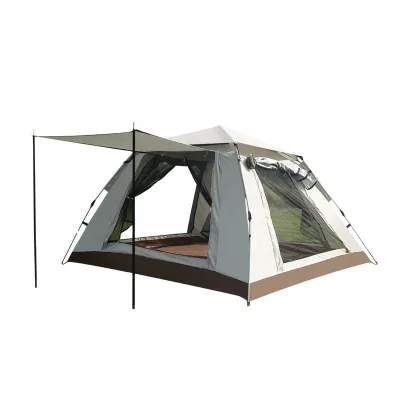
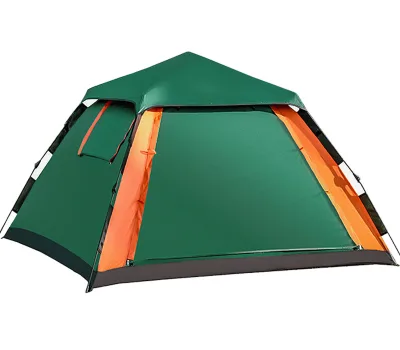
2-4 Person Portable & Quick - Open Rainproof Camping Tent for Fishing & Outdoor Adventures
$28.19 - $142.89
MOQ: 3 Minimum
Nantong Better Sports&fitness Co., Ltd.
- Verified by TüVRheinland
- Trading Company
- Lead time30 days
- Avg. response≤ 4h
Main productsYoga & Pilates, Massage & Relaxation, Exercise Cardio Series, Functional Series, Strength Equipment
Main marketsSoutheast Asia(27%), Western Europe(16%), North America(11%)

Xiamen Topindus Group Co., Ltd.
- Verified by SGS
- Manufacturer/Factory
- China Fujian
- Lead time15 days
- Avg. response≤ 3h
Main productsSteel Structure Building, K & T Type Prefab House, Expandable Container House, Flat Pack Container House, Detachable Container House, Foldable Container House, Space Capsule House, Apple Cabin House, Triangle House, Portable Toilet
Main marketsSouth America,Eastern Europe,Mid East,North America,Southeast Asia,Eastern Asia,Oceania,Western Europe,Africa

Ningbo Explorer Tour Goods Co., Ltd.
- Verified by CTI
- Manufacturer/Factory
- China Zhejiang
- Lead time90 days
- Avg. response≤ 4h
Main productsCamping Tent, Hiking & Mountaineering Tent, Air Mats, Sleeping Bag, Hammocks
Main marketsSouth America,North America,Eastern Asia,Oceania,Western Europe


Double-layer rainproof and sunproof thickened camping tent, portable for outdoors
$67.86
MOQ: 300 Pieces


- Verified by CTI
- Combined
- China Fujian
- Lead time30 days
- Avg. response≤ 6h
Main productsRoof Top Tent, Outdoor Tent, Camping Lantern, Solar Light, Car Tent
Main marketsSouth America,Southeast Asia/ Mideast,East Asia(Japan/ South Korea),Domestic,Europe,Australia,North America





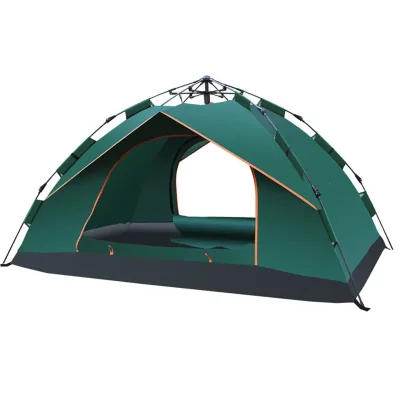
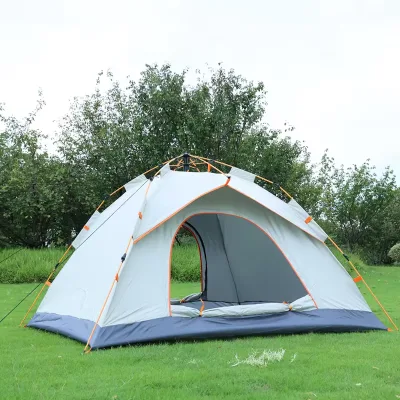
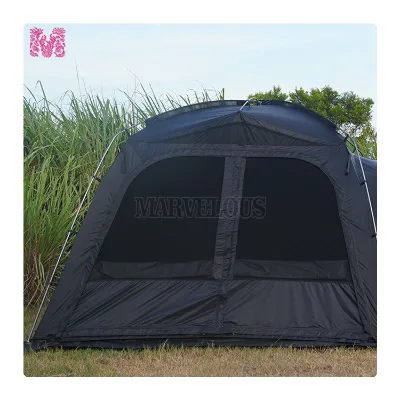
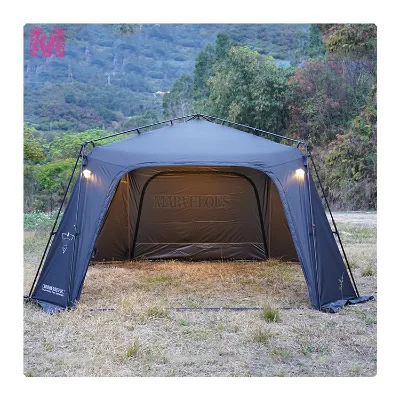






Comprehensive Sourcing Guide
Waterproof UV Resistant Camping Tent Supplier Concentration and Factory Types
The current supplier landscape for waterproof and UV-resistant camping tents reveals a distinct concentration of manufacturing capabilities within specific Chinese provinces, primarily Jiangsu and Shandong. Suppliers located in Jiangsu often present as combined entities that blend manufacturing with trading functions, offering a wide array of inflatable and traditional tent structures. These facilities frequently highlight OEM capabilities, allowing buyers to customize product specifications while maintaining access to established production lines. The presence of ISO9001:2015 certification among these Jiangsu-based suppliers indicates a baseline commitment to quality management systems, which is crucial for producing durable outdoor gear. Buyers evaluating this region should note that these suppliers often specialize in heavy-duty, windproof, and rainproof models, suggesting a focus on robust construction methods suitable for harsh weather conditions. The combination of factory and trading company structures in this cluster allows for flexible order sizes and rapid prototyping, catering to both large-scale commercial buyers and smaller niche retailers seeking specialized tent designs.
In contrast, suppliers based in Shandong often operate as distinct trading companies or manufacturer-factory hybrids with a broader product portfolio that includes garden carts and storage solutions alongside camping tents. This diversification suggests a supply chain that leverages existing logistics and manufacturing infrastructure for multiple outdoor and utility products. These Shandong-based entities frequently hold BSCI and ISO 9000 certifications, providing additional layers of social and quality assurance for international buyers. The verification status from SGS for these suppliers adds another layer of credibility, indicating that third-party inspections are part of their operational standard. While the Jiangsu cluster appears more focused on specialized tent innovation, the Shandong cluster offers a different value proposition through its verified trading capabilities and broader industrial experience. Buyers should consider how these different factory types align with their specific needs for customization, volume, and compliance, as the structural differences between a pure manufacturer and a trading company can significantly impact communication efficiency and supply chain transparency.
How to Verify Waterproof UV Resistant Camping Tent Suppliers
Verifying the authenticity and capability of suppliers requires a multi-layered approach that goes beyond simple profile reviews. Buyers should prioritize suppliers who display third-party verification badges, such as those from TÜV Rheinland or SGS, as these indicate that independent auditors have assessed the company’s business legitimacy and operational standards. For instance, the presence of TÜV Rheinland verification on certain Jiangsu suppliers suggests a rigorous assessment of their manufacturing processes and quality control measures. Similarly, SGS verification for Shandong-based suppliers confirms their compliance with international trade standards. These badges are not merely decorative; they represent a snapshot of the supplier’s current operational health and adherence to agreed-upon protocols. Buyers must cross-reference these verification statuses with the supplier’s claimed certifications, such as ISO9001:2015 or BSCI, to ensure consistency. A supplier claiming ISO certification should be able to provide valid documentation, and the verification badge serves as a preliminary filter to identify those who have already undergone significant scrutiny.
Beyond verification badges, buyers should assess the responsiveness and transparency of the supplier’s communication channels. Response times, such as the 3.34-hour average observed for some Jiangsu suppliers, serve as a critical indicator of operational efficiency and customer service quality. A rapid response time often correlates with a well-organized internal team capable of handling complex inquiries and custom orders efficiently. Conversely, slower response times, like the 4.03 hours noted for some Shandong suppliers, may indicate a different operational pace or a higher volume of inquiries that could impact project timelines. Buyers should also examine the detailed product attributes provided, such as fabric materials (e.g., Waterproof Polyester-Cotton Fabric or 420d Oxford Cloth) and frame constructions (e.g., Reinforced PVC Air Beam or Ultralight TPU Air Beam). These specific technical details demonstrate a supplier’s expertise and willingness to provide transparent information. Requesting samples or detailed technical sheets can further validate these claims, ensuring that the supplier’s stated capabilities match the actual product quality and performance standards required for waterproof and UV-resistant camping tents.
What to Compare Across Waterproof UV Resistant Camping Tent Suppliers
When evaluating multiple suppliers, buyers must systematically compare key operational metrics to determine the best fit for their specific business needs. Lead time is a critical factor, with observed ranges varying significantly between suppliers. For example, some Jiangsu suppliers offer a lead time of 30 days, which is suitable for buyers requiring faster turnaround times for seasonal inventory. In contrast, Shandong suppliers may have lead times extending up to 105 days, which requires more advanced planning and inventory management. Buyers should align these lead times with their sales forecasts and storage capabilities to avoid stockouts or excessive holding costs. Additionally, Minimum Order Quantities (MOQ) vary widely, with some suppliers requiring as few as 50 units while others demand 300 or more. This disparity allows buyers to choose suppliers that match their order volume, whether they are testing a new market with small batches or committing to large-scale distribution. Comparing these metrics side-by-side helps in identifying suppliers that offer the best balance of speed, volume flexibility, and cost efficiency.
Price and customization options are equally important dimensions for comparison. The price range for camping tents can vary from approximately $66.85 to over $654.93, depending on the model, materials, and features. Buyers should analyze the price-to-feature ratio, considering factors such as fabric quality, waterproof ratings, and structural integrity. For instance, tents made with Waterproof Polyester-Cotton Fabric or reinforced air beams may command higher prices but offer superior durability and performance. Customization availability is another key differentiator, with many suppliers offering OEM and ODM services. Buyers should assess the extent of customization allowed, such as changes to fabric color, logo placement, or structural dimensions. Suppliers that explicitly state "Customization: Available" and provide detailed specifications for custom orders are often more flexible and responsive to unique buyer requirements. By comparing these factors, buyers can identify suppliers that not only meet their technical specifications but also offer competitive pricing and flexible terms that align with their overall business strategy.
Common Waterproof UV Resistant Camping Tent Sourcing Risks
One of the primary risks in sourcing camping tents is the discrepancy between advertised specifications and actual product performance, particularly regarding waterproofing and UV resistance. Buyers must be cautious of vague marketing terms and demand specific technical data, such as hydrostatic head ratings for waterproof fabrics or UV protection factors for materials. The reliance on terms like "Waterproof" without supporting test results can lead to quality issues in the field. Additionally, the complexity of inflatable tent structures introduces risks related to air beam integrity and pump compatibility. Suppliers using different air column thicknesses or materials, such as TPU versus PVC, may have varying durability profiles that are not immediately apparent from product descriptions. Buyers should request detailed material specifications and, if possible, conduct independent testing to verify these claims. Failure to do so can result in high return rates and damage to brand reputation, especially if tents fail during adverse weather conditions.
Another significant risk is the variability in supplier reliability and communication, which can disrupt supply chain stability. Differences in response times and lead times, as observed between different regional suppliers, can lead to logistical challenges if not managed properly. For example, a supplier with a 105-day lead time may not be suitable for last-minute orders, while a supplier with a 30-day lead time might struggle to meet large volume demands. Buyers must establish clear communication protocols and contingency plans to mitigate these risks. Furthermore, the lack of standardized certification across all suppliers can create compliance issues, especially for buyers targeting markets with strict regulatory requirements. While some suppliers hold ISO or BSCI certifications, others may not, requiring buyers to perform additional due diligence. Ensuring that all products meet international safety and quality standards is essential to avoid legal liabilities and ensure customer satisfaction. Proactive risk management, including regular audits and clear contractual terms, is crucial for maintaining a resilient supply chain.
Waterproof UV Resistant Camping Tent Regional Sourcing and Logistics
Sourcing from different regions in China offers distinct logistical advantages and challenges that buyers must consider when planning their supply chain. Suppliers in Jiangsu, often located in industrial hubs, benefit from well-developed infrastructure and proximity to major ports, which can facilitate faster shipping and lower logistics costs. The concentration of combined factory-trading companies in this region allows for efficient consolidation of orders, reducing the complexity of managing multiple suppliers. Buyers sourcing from Jiangsu can leverage this density to negotiate better freight rates and streamline customs clearance processes. Additionally, the presence of ISO9001:2015 certified facilities suggests a mature manufacturing ecosystem that supports consistent quality and reliable production schedules. This regional advantage is particularly beneficial for buyers who prioritize speed and consistency in their supply chain, as the established infrastructure reduces the risk of delays and disruptions.
In contrast, suppliers in Shandong, while also well-connected, may offer different logistical dynamics due to their broader product portfolios and trading company structures. The presence of SGS-verified suppliers in this region indicates a strong focus on international trade compliance, which can simplify export procedures. However, the longer lead times observed in some Shandong suppliers may require buyers to plan their inventory more carefully and maintain higher safety stocks. The diversification of products, including garden carts and storage boxes, suggests that these suppliers may have flexible production lines that can be adjusted based on demand. Buyers should evaluate the total landed cost, including shipping, duties, and handling fees, when comparing regional options. Understanding the logistical nuances of each region allows buyers to optimize their supply chain for cost, speed, and reliability. By aligning their sourcing strategy with the specific strengths of each region, buyers can enhance their operational efficiency and competitive advantage in the market.
Waterproof UV Resistant Camping Tent Commercial Terms and Order Planning
Effective order planning requires a thorough understanding of the commercial terms offered by suppliers, including payment structures, warranty policies, and after-sales support. Buyers should negotiate clear terms regarding sample costs, which are often refundable upon placing a bulk order, and establish expectations for quality assurance inspections before shipment. The availability of repair kits and spare parts, as noted in some product attributes, is a critical factor for long-term customer satisfaction and should be included in the initial order. Suppliers that provide comprehensive packing lists, including pumps, pegs, and carry bags, add value by reducing the need for buyers to source additional accessories separately. Buyers must also consider the implications of customization on commercial terms, as custom orders may have non-refundable sample fees or stricter cancellation policies. Understanding these terms upfront helps in budgeting accurately and avoiding unexpected costs.
Furthermore, buyers should align their order planning with the supplier’s production capacity and lead times to ensure timely delivery. For suppliers with a 30-day lead time, buyers can plan for quicker restocking cycles, while those with 105-day lead times require more advanced forecasting. The MOQ requirements also play a significant role in order planning, as higher MOQs may necessitate larger capital outlays and storage space. Buyers should evaluate their sales channels and demand patterns to determine the optimal order size that balances inventory costs with service levels. Additionally, considering the supplier’s response time can help in managing communication and resolving issues promptly. By integrating these commercial and logistical factors into their order planning process, buyers can create a robust supply chain strategy that minimizes risk and maximizes efficiency. This holistic approach ensures that the sourcing process supports the overall business objectives and customer expectations.
FAQs
What is the price range for waterproof inflatable camping tents?
Prices for waterproof inflatable camping tents typically range from approximately $66.85 to $654.93 per unit. The final cost depends on specific features, fabric materials, and customization options. Buyers should review detailed product specifications to understand the value provided at different price points.
What is the minimum order quantity for these tents?
Minimum order quantities vary by supplier and product model. Some suppliers require a minimum of 50 units, while others may set the threshold at 100 or 300 units. Buyers should check the specific MOQ listed for each product to ensure it aligns with their procurement volume.
How long does production take for custom orders?
Lead times for production generally range from 30 to 105 days depending on the supplier and order complexity. Some manufacturers offer faster turnaround times for standard items, while custom OEM or ODM orders may require additional time for design approval and material sourcing.
Are these tents certified for quality and safety?
Many suppliers hold ISO9001:2015 or ISO 9001 certifications, ensuring consistent quality management systems. Additionally, some suppliers undergo verification by recognized agencies like TÜV Rheinland or SGS. Buyers should request valid certificates to confirm compliance with international standards before placing large orders.
What materials are used for waterproofing these tents?
Common materials include waterproof polyester-cotton fabric, waterproof Oxford fabric, and 420d Oxford cloth. These materials are often coated with silver or treated for enhanced water resistance. The frames typically use reinforced PVC air beams or ultralight TPU air beams for durability and weather resistance.
Can I customize the design and branding of the tent?
Yes, customization is available for many models. Suppliers offer OEM and ODM services, allowing buyers to customize colors, logos, and dimensions. Some products support custom capacity and style adjustments. Buyers should confirm customization options and any associated costs with the supplier before finalizing the order.