White Cylinder Tissue Box Suppliers and Manufacturers
Compare 30 verified suppliers offering white cylinder tissue boxes with varying lead times, MOQs, and certifications like ISO9001. Review response times and customization options to select the right partner for your needs; review the available evidence before requesting comparable quotations from suitable candidates.
Updated
Suppliers List

- Verified by SGS
- Combined
- China Jiangsu
- Lead time23 days
- Avg. response≤ 3h
Main productsGlass Smoking Pipe
Main marketsSouth America,Domestic,Europe,Australia,North America


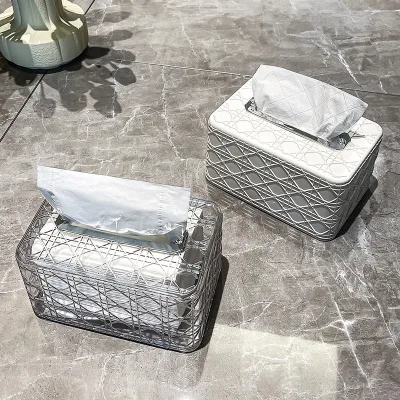
Glass Tissue Box Paper Towel Box Facial Tissue Box Remote Control Storage.
$3.00 - $4.00
MOQ: 50 Pieces
Qingdao Dongfang Jiarui Int'l Co., Ltd.
- Verified by SGS Group
- Trading Company
- Lead time30 days
- Avg. response≤ 2h
Main productsToilet Paper, Napkin Paper, Hand Towel Paper, Toilet Seat Paper Covers, Facial Tissue
Main marketsNorth America(39%), Western Europe(14%), Oceania(11%)
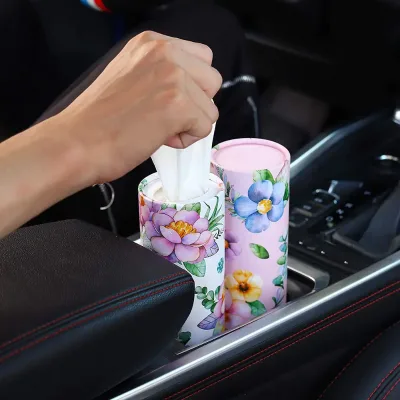
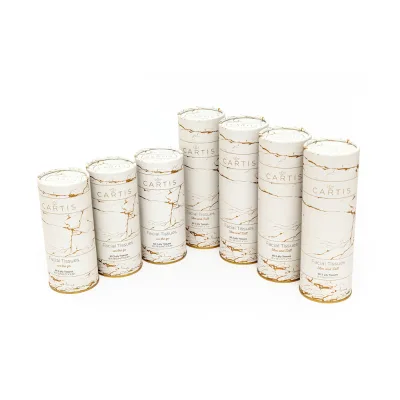
Automotive Center Stack Type Tissue Box for Car Cylinder Box Cotton Facial Tissue
$0.1979 - $0.2084
MOQ: 1000 boxes
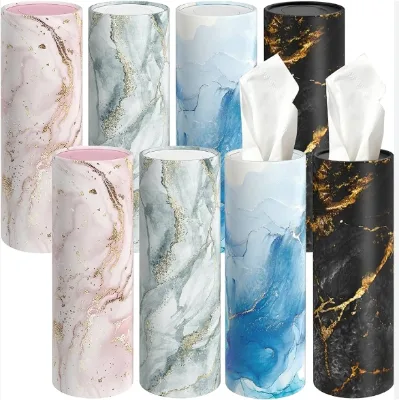
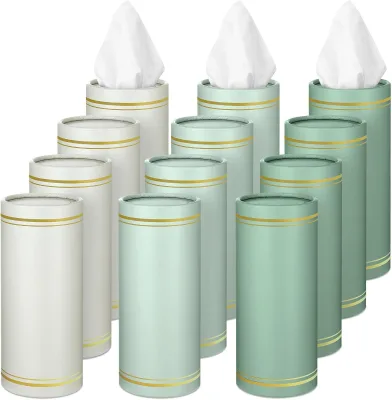
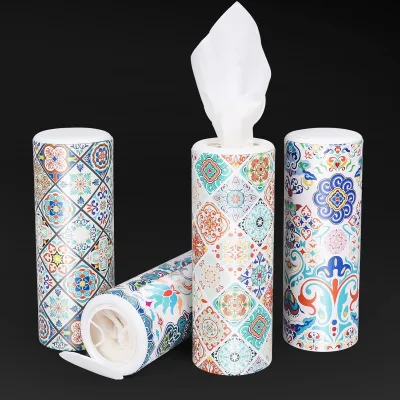
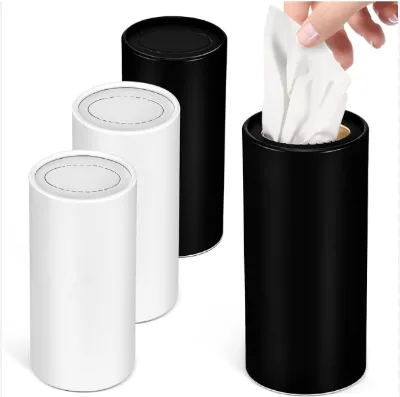
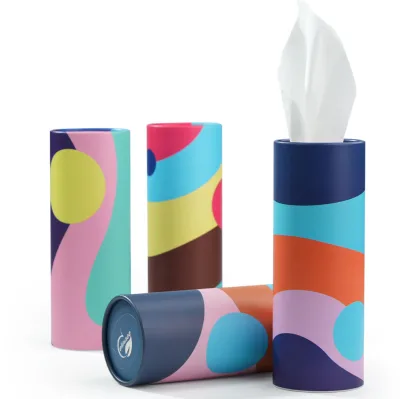
$0.19 - $0.20
MOQ: 1000 sheets

Quanzhou Yaosheng Paper Products Co., Ltd.
- Verified by TUVRHEINLAND
- Combined
- China Fujian
- Lead time30 days
- Avg. response≤ 9h
Main productsToilet Paper, Facial Tissue, Paper Towel, Wet Wipe, Baby Diaper, Sanitary Pad, Paper Napkin, Adult Diaper
Main marketsAfrica,Southeast Asia/ Mideast,Europe


$0.28 - $0.30
MOQ: 40000 Pieces

Dongguan Joshee Care Industrial Co., Ltd.
- Trading Company
- China Guangdong
- Lead time0 days
- Avg. response≤ 2h
Main productsPaper Tissue

Xiamen F-Orchid Technology Co., Ltd.
- Verified by TUVRHEINLAND
- Trading Company
- China Fujian
- Lead time30 days
- Avg. response≤ 6h
Main productsStore Fixtures & Display Racks, Fitness Equipment & Sports Goods, Handicrafts, LED Boxes & Logo Signs, Treadmill, Retail Display, Furniture, Recumbent Bike, Elliptical Bike, Fitness Bike
Main marketsNorth America

Fujian Hoyee Household Items Co., Ltd.
- Verified by BV
- Manufacturer/Factory
- China Fujian
- Lead time0 days
- Avg. response≤ 7h
Main productsBamboo Products, Cutting Board, Bathtub Caddy, Bath Mat, Bath Towel Rack, Shoes Rack, Office Organizer, Desk Organizer, Cheese Board, Serving Tray
- Manufacturer, Trading Company
- Zhejiang, China
- Lead time30 days
- Avg. response≤ 3h
Main productswooden tea box,wooden perfume box,wooden chocolate box,wooden wine box,wooden coin box
Main marketsNorth America(30.00%), Mid East(20.00%), Western Europe(15.00%), Central America(6.00%), Southeast Asia(6.00%), Eastern Asia(5.00%), Eastern Europe(5.00%), Oceania(5.00%), Africa(3.00%), Northern Europe(3.00%), South America(2.00%)

Shanghai Woods Packaging Co., Ltd.
- Verified by CTI
- Combined
- China Shanghai
- Lead time15 days
- Avg. response≤ 10h
Main productsGift Box, Paper Box, Carton Box, Pizza Box, Paper Gift Box, Carton Cardboard Box
Main marketsAustralia,North America
Cao County Grandview Arts & Crafts Co., Ltd.
- Manufacturer, Trading Company
- Shandong, China
- Lead time20 days
- Avg. response≤ 4h
Main productskitchen knife rack,wooden trash bin,wooden frames,kitchen wall shelf,bathroom storage rack
Main marketsNorth America(35.00%), Western Europe(13.00%), South Asia(10.00%), Eastern Europe(7.00%), Mid East(7.00%), Southern Europe(5.00%), Domestic Market(5.00%), Eastern Asia(5.00%), Southeast Asia(5.00%), Northern Europe(4.00%), Oceania(2.00%), Africa(2.00%)
- Trading Company
- Zhejiang, China
- Lead time10 days
- Avg. response≤ 1h
Main productsspray pump,lotion pump,cosmetic jar,airless bottle,cosmetic container
Main marketsNorth America(40.00%), South Asia(15.00%), Northern Europe(10.00%), Western Europe(10.00%), Eastern Asia(10.00%), Mid East(10.00%), Africa(5.00%)
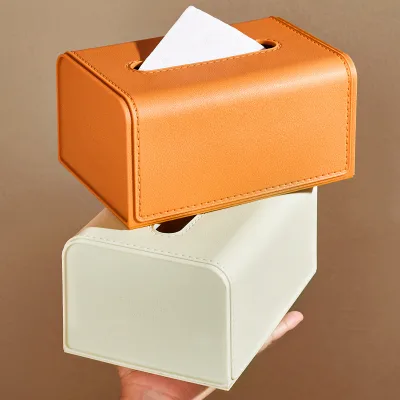
$1.4211 - $1.8108
MOQ: 100 Minimum

Shanghai Anma Industry Co., Ltd.
- Trading Company
- China Shanghai
- Lead time30 days
- Avg. response≤ 6h
Main productsCar Accessories, Car Spare Parts, Car Tools, Car Interior Accessories, Car Exterior Accessories, Car Electrical Accessories, Car Lights, Car Mirror, Car Emergency Kits, Car Care Products
Main marketsSouth America,Others(foreignTradeCapacity.exportBusinessCapacityMarketOther),Southeast Asia/ Mideast,Europe,North America

LION PROMOTIONAL GIFT CO., LIMITED
- Verified by TUVRHEINLAND
- Trading Company
- China Zhejiang
- Lead time30 days
- Avg. response≤ 25h
Main productsPromotional Gifts, Giveaways, Advertising Gift, Premium Items, Publicity Material, Freebie Items, Marketing Gifts, Campaign Gifts, Promotional Products, China Gifts Supplier
Main marketsAfrica,Europe,North America
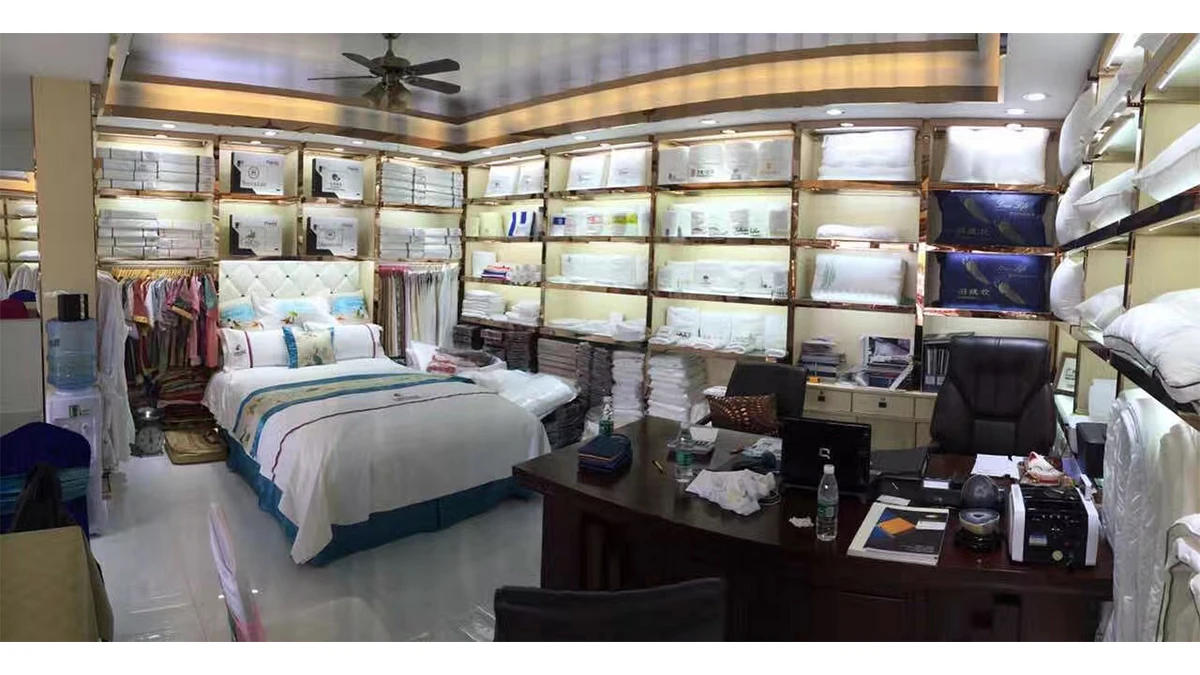
Guangzhou Juntu Hotel Supplies Co., Ltd.
- Manufacturer, Trading Company, Buying Office
- Guangdong, China
- Lead time15 days
- Avg. response≤ 10h
Main productshotel linen,hotel cosmetics products,leatherware,lobby supplies,guestroom products
Main marketsDomestic Market(41.70%), Southeast Asia(18.70%), Mid East(12.30%), Africa(8.20%), Eastern Asia(6.20%), Western Europe(5.40%), South Asia(5.20%), Eastern Europe(2.30%)
- Verified by Intertek
- Trading Company
- Lead time45 days
- Avg. response≤ 3h
Main productsPlastic Hanger, Rotating Turntable Organizers, Plastic Storage Boxes, Folding Stool, Food Storage & Container
Main marketsNorth America(28%), Eastern Asia(23%), Western Europe(18%)

Foshan Languo Chuangyijia Technology Co., Ltd.
- Verified by BV
- Combined
- China Guangdong
- Lead time15 days
- Avg. response≤ 10h
Main productsAcrylic, Custom Acrylic Box, Plastic Basket, Phto Frame, Pop Clips, Floor Display Stand, Plastic Brochure Holder, Custom Sign Holder, Shelf Data Strips, PVC Data Strips
Main marketsSouth America,Africa,Southeast Asia/ Mideast,East Asia(Japan/ South Korea),Domestic,Europe,Australia,North America

Xiamen Le Young Imp. & Exp. Co., Ltd
- Verified by BV
- Trading Company,Manufacturer/Factory
- China Fujian
- Lead time23 days
- Avg. response≤ 4h
Main productsLeather Folder, Trave Wallet, Leather Notebook, Leather Compendium, Leather Portfolio, Leather Diary, Leather Journal, Hotel Supply, Leather Card Holder, Leather Wallet
Main marketsSouth America,Eastern Europe,Mid East,North America,Southeast Asia,Eastern Asia,Oceania,Western Europe,Africa
Hangzhou Qunle Packaging Co., Ltd.
- Verified by SGS Group
- Manufacturer, Trading Company
- Lead time0 days
- Avg. response≤ 3h
Main productsCylinder Paper Can, Paper Tube, Tissue, Sealing machine for Paper can, Tin Products
Main marketsDomestic Market(28%), Western Europe(23%), Oceania(20%)

Easton Hotel Supplies Co., Ltd.
- Verified by TUVRHEINLAND
- Trading Company
- China Guangdong
- Lead time15 days
- Avg. response≤ 3h
Main productsHotel Accessories, Hotel Amenity, Hotel Supplies, Wall Mounted Hair Dryer, Magnifying Mirror, Ironing Board, Welcome Tray, Wooden Hanger, Digital Safe, Luggage Rack
Main marketsSoutheast Asia/ Mideast
Ningbo Aggpo Import And Export Co., Ltd.
- Verified by SGS Group
- Trading Company
- Lead time5 days
- Avg. response≤ 5h
Main productsHousehold daily goods, Consumer goods, Pet goods, Sports goods, Hardware goods
Main marketsNorth America(30%), South America(30%), Western Europe(25%)
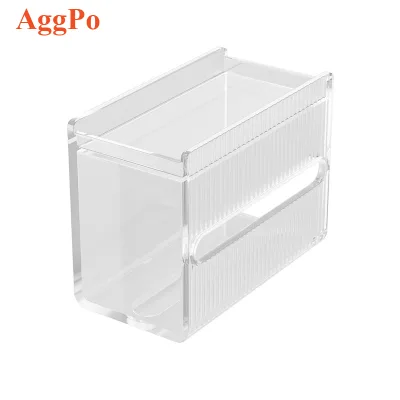
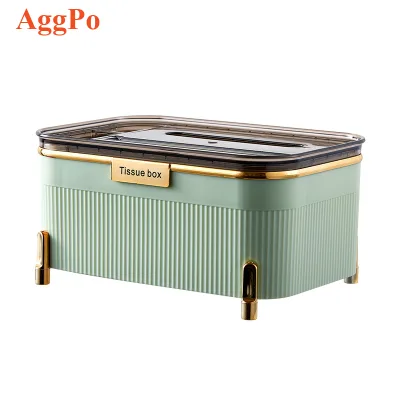
$2.6083 - $2.6907
MOQ: 100 pieces
Shenzhen Global Hotel Supplies Co., Ltd.
- Trading Company
- Lead time旺季: "1 - 3000":25,"> 3000":"To be negotiated", 淡季: "1 - 3000":25,"> 3000":"To be negotiated"
- Avg. response≤ 2h
Main productsHotel Amenities Set, Hotel Banquet Furniture, Bathroom Accessories, Hotel Disposable Supplies, Bath Towel Set
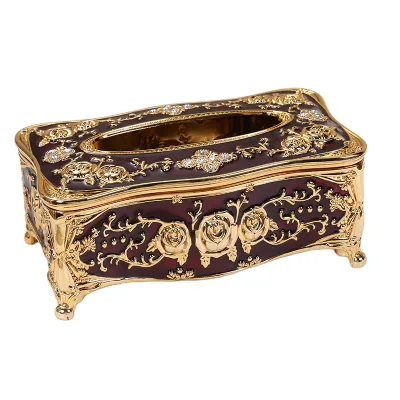
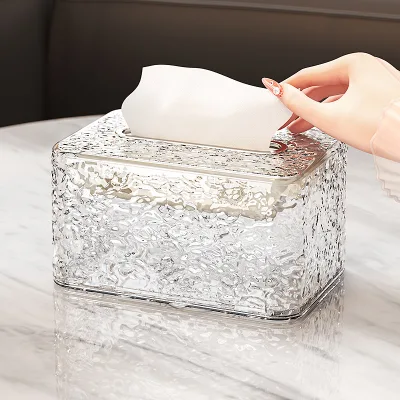
Hot Selling Multiple Sizes Detachable Tissue Box Plastic Toilet Paper Storage Box
$0.8289 - $1.6069
MOQ: 30 pieces
Guangdong Chuangdian Intelligent Technology Co., Ltd.
- Manufacturer, Trading Company
- Lead time旺季: "1 - 500":35,"501 - 5000":30,"> 5000":"To be negotiated", 淡季: "1 - 500":35,"501 - 5000":30,"> 5000":"To be negotiated"
- Avg. response≤ 1h
Main productsSoap Dispenser, Paper Dispenser, Hand Dryer, Hair Dryer, Trash Can
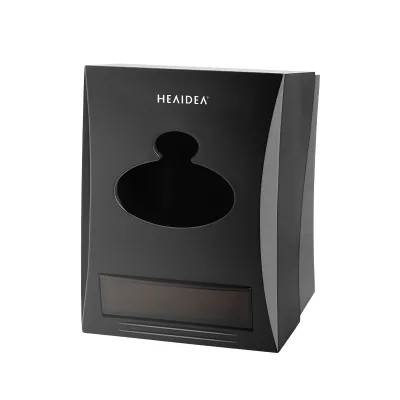
$1.9757 - $2.5618
MOQ: 200 pieces
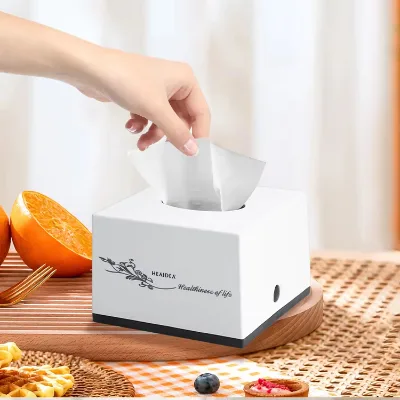
$0.9818 - $1.3191
MOQ: 200 pieces
Ningbo Partner Leisure Products Co., Ltd.
- Trading Company
- Zhejiang, China
- Lead time0 days
- Avg. response≤ 8h
Main productspet supplies,cooker,kitchen accessories,egg incubator,storage box
Main marketsNorth America(80.00%), South America(15.00%), Eastern Europe(5.00%)
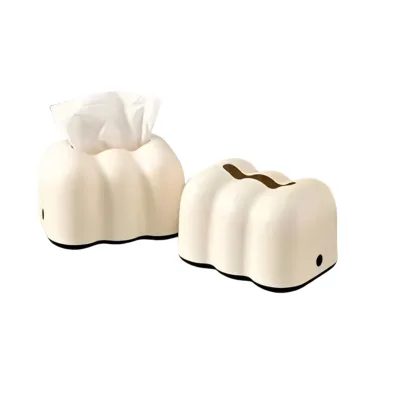
$1.8438 - $1.8648
MOQ: 500 pieces

- Trading Company,Manufacturer/Factory
- China Guangdong
- Lead time23 days
- Avg. response≤ 11h
Main productsHotel Amenity, Hotel Supplies, Hair Dryer, Ironing Board, Safe Box, Ice Bucket, Magnifying Mirror, Luggage Rack, Waste Bin, Electric Kettle
Main marketsSouth America,Eastern Europe,Mid East,North America,Southeast Asia,Eastern Asia,Oceania,Western Europe,Africa
Shenzhen Mantimelong Electronic Co., Ltd.
- Manufacturer, Trading Company
- Guangdong, China
- Lead time3 days
- Avg. response≤ 10h
Main productsBALL PEN,STATIONERY,HOUSEHOLD SUNDRIES,PEN
Main marketsNorthern Europe(25.00%), South America(20.00%), Mid East(13.00%), Western Europe(10.00%), North America(10.00%), Eastern Europe(8.00%), Oceania(5.00%), Eastern Asia(5.00%), Southeast Asia(4.00%)
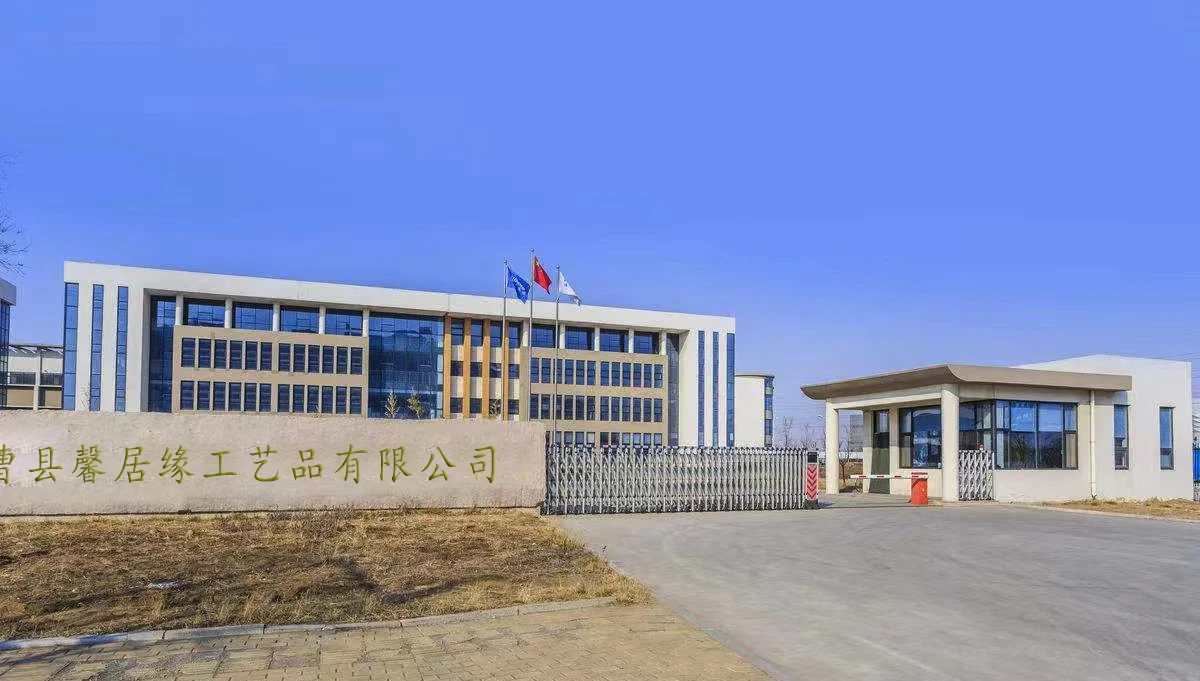
Caoxian Xinjuyuan Arts Crafts Co., Ltd.
- Manufacturer, Trading Company
- Shandong, China
- Lead time30 days
- Avg. response≤ 2h
Main productsWoodwork,weaving,bamboo,wood cork,arts and crafts
Main marketsNorth America(40.00%), Eastern Europe(20.00%), South America(20.00%), Domestic Market(10.00%), Eastern Asia(10.00%)
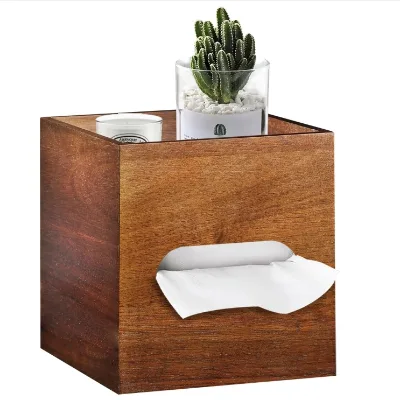
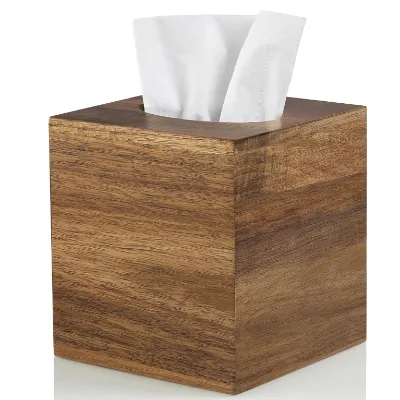
High Quality Hot Selling Acacia Wood Multi-purpose Modern Design Bathroom Tissue Box
$6.50 - $7.20
MOQ: 200
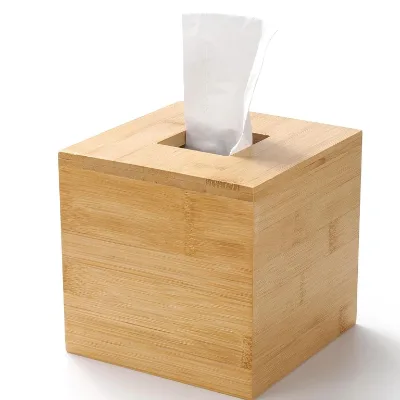
Ningbo Toprank Imp. & Exp. Co., Ltd.
- Verified by Intertek
- Trading Company
- Lead time30 days
- Avg. response≤ 5h
Main productsPlastic Storage Box, Food Storage and Containers, Storage Rack, Cosmetics Storage, Coffee Table
Main marketsEastern Europe(35%), North America(30%), South America(20%)

Wenzhou Cathylin International Trade Co., Ltd.
- Verified by TUVRHEINLAND
- Trading Company
- China Zhejiang
- Lead time15 days
- Avg. response≤ 5h
Main productsFlatware, Cutlery, Kitchen Tools, Tableware, Cookware, Bakeware, Drinkware
Main marketsNorth America

Ningbo Fulei Metal Products Co., Ltd.
- Verified by BV
- Combined
- China Zhejiang
- Lead time30 days
- Avg. response≤ 2h
Main productsFeeder, Sheet Metal, Bracket, Library Cart, Bookend, Cable Tray, HVAC System, Pig Equipment, Chicken Equipment, Tissue Box Holder
Main marketsDomestic

- Trading Company
- China Guangxi
- Lead time15 days
- Avg. response≤ 14h
Main productsHanger, Wooden Hanger, Clothes Hanger, Coat Hanger, Velvet Hanger, Plastic Hanger, Wood Hanger, Hotel Hanger, Metal Hanger, Luxurious Hanger
Main marketsSoutheast Asia/ Mideast,Europe,North America

Guangzhou Unique Hotel Supplies Co., Ltd.
- Verified by CTI
- Trading Company,Manufacturer/Factory
- China Guangdong
- Lead time15 days
- Avg. response≤ 6h
Main productsServing Tray, Ice Bucket, Gn Pan, Kitchenware, Water /Beer Cup, Plastic Products, Pitchers/Kettles, Food Plate Cover, Bowls, Organizer and Holder
Main marketsSouth America,Eastern Europe,Mid East,North America,Southeast Asia,Eastern Asia,Africa




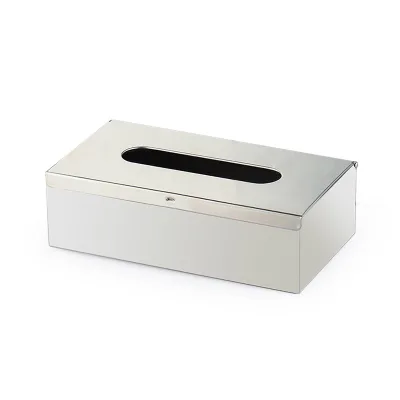


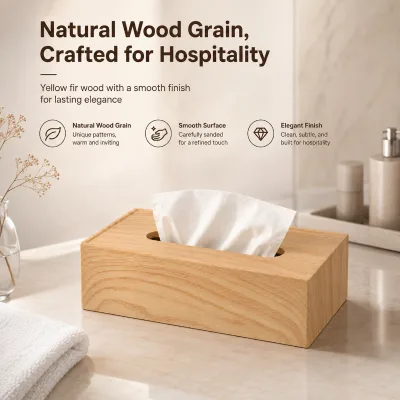
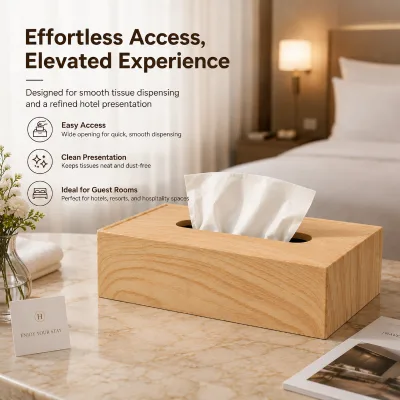
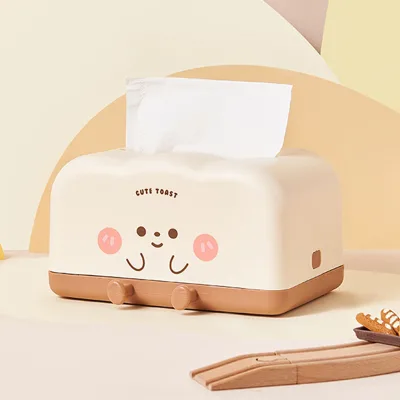


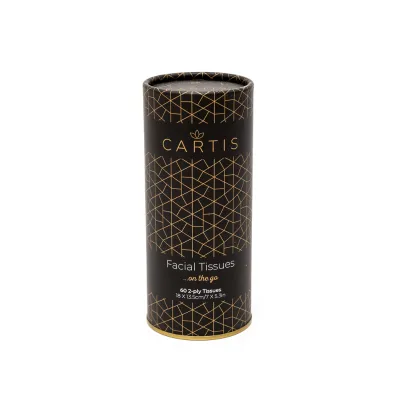


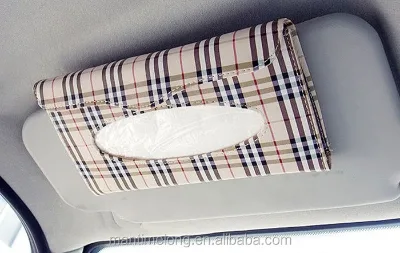
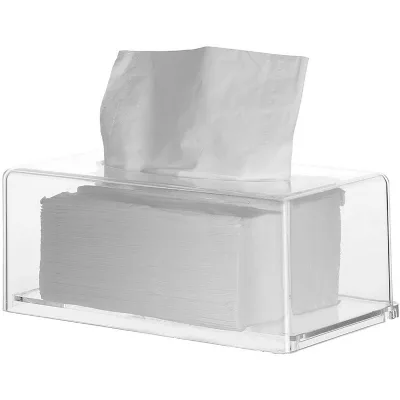
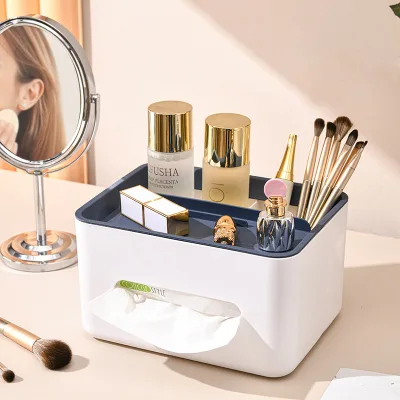


Comprehensive Sourcing Guide
White Cylinder Tissue Box Supplier Concentration and Factory Types
The current supplier landscape for white cylinder tissue boxes reveals a distinct split between manufacturing capabilities and trading operations, which significantly impacts sourcing strategy. Data indicates that suppliers are primarily located in China, with specific manufacturing hubs identified in Jiangsu and Shandong provinces. Jiangsu-based entities often present as combined companies, suggesting a hybrid model that may offer both production oversight and direct sales channels. In contrast, Shandong appears to be a major center for paper product manufacturing, evidenced by products originating from this region with specific brand names like "elinnee." This geographic concentration allows buyers to potentially consolidate shipments or visit factories in these specific areas, reducing logistical complexity. However, the presence of trading companies alongside manufacturers means that buyers must carefully distinguish between the actual factory and the intermediary. Trading companies, while offering broader product ranges and flexible order sizes, may add layers to the supply chain that affect pricing transparency and direct communication with production lines. Understanding this structural divide is crucial for determining whether a buyer seeks direct factory pricing or the flexibility of a trading partner.
Factory types vary significantly in their operational focus, ranging from pure manufacturers to combined entities capable of both OEM and ODM services. Some suppliers explicitly list capabilities such as sample processing, graphic processing, and light customization, indicating a readiness to adapt to specific buyer requirements without requiring massive initial tooling investments. Others focus on high-volume standard production, such as automotive center stack type tissue boxes or round cylinder tubes for car cup holders. The distinction is vital because combined companies might offer faster response times due to integrated sales and production teams, whereas pure trading companies might struggle with technical queries about paper density or embossing patterns. Buyers should assess whether the supplier’s company type aligns with their need for technical support versus simple transactional efficiency. For instance, a buyer requiring custom logo printing on 2-ply travel tissue boxes might benefit from a supplier with explicit graphic processing capabilities, while a buyer seeking standard white cylinder boxes might prioritize a trading company’s ability to aggregate inventory from multiple factories.
How to Verify White Cylinder Tissue Box Suppliers
Verification is a critical step in mitigating risk when sourcing white cylinder tissue boxes, as the market contains both verified manufacturers and unvetted trading entities. Buyers should prioritize suppliers who display third-party verification badges, such as SGS or SGS Group, which provide an additional layer of trust regarding the supplier’s legitimacy and operational stability. These verifications often confirm that the company exists, operates from the claimed location, and meets certain baseline business standards. However, verification alone does not guarantee product quality or production capacity. Buyers must cross-reference these badges with other data points, such as the supplier’s response time and historical performance metrics. A supplier with a low response time, such as under three hours, often indicates a more active and responsive sales team, which is crucial for resolving issues during the sampling or production phases. Conversely, a slow response time might signal a lack of dedicated staff or a high volume of unmanaged inquiries, which could lead to delays in communication and order processing.
Beyond basic verification, buyers should scrutinize the specific certifications and standards claimed by the supplier, particularly for products intended for specific markets or applications. For example, suppliers offering paper-based tissue products may hold ISO 9001 for quality management, ISO 14001 for environmental management, or FSC certification for sustainable sourcing. These certifications are particularly relevant for buyers in regions with strict environmental regulations or corporate sustainability goals. Additionally, product-specific certifications, such as ISO 9001 listed on individual product pages, can indicate a commitment to consistent quality control. Buyers should request copies of these certificates and verify their validity through the issuing body if necessary. It is also important to check if the supplier’s claimed capabilities, such as OEM or ODM services, are supported by evidence of past work or detailed product specifications. For instance, a supplier claiming custom logo printing should provide clear examples of their printing techniques, such as heat-transfer printing, and specify the number of colors supported. This due diligence ensures that the supplier’s claims are substantiated by verifiable data rather than marketing language.
What to Compare Across White Cylinder Tissue Box Suppliers
When evaluating multiple suppliers for white cylinder tissue boxes, buyers must compare key operational metrics to identify the most suitable partner for their specific needs. Lead time is a primary differentiator, with some suppliers offering production times as short as 23 days, while others may require up to 30 days or more. This difference can significantly impact inventory planning and market launch schedules, especially for time-sensitive promotional items or automotive accessories. Buyers should also compare the Minimum Order Quantity (MOQ) requirements, which can range from 50 units for certain decorative tissue boxes to 1,000 units for custom-printed automotive cylinders. Lower MOQs are advantageous for testing new markets or small-batch orders, while higher MOQs often correlate with better unit pricing. Additionally, response time serves as a proxy for supplier reliability and customer service quality. Suppliers with response times under three hours are generally more responsive to urgent queries and changes, which is crucial for maintaining smooth supply chain operations.
Price and customization options are equally critical factors in supplier comparison. Unit prices for white cylinder tissue boxes can vary based on material quality, layer count, and printing complexity. For example, 2-ply travel tissue boxes may have different price points compared to 3-ply automotive tissues, even if the cylinder format is similar. Buyers should request detailed quotes that break down costs for materials, printing, and packaging to understand the true cost structure. Customization capabilities, such as the ability to print 1-6 colors or apply heat-transfer logos, should be evaluated against the supplier’s flexibility and cost implications. Some suppliers offer gift box packaging or customized packages, which can add value for retail-oriented buyers. Furthermore, buyers should compare the range of main products offered by each supplier. A supplier specializing in toilet paper and napkins might offer better expertise in paper quality and density, while a supplier focusing on home and garden items might excel in aesthetic design and packaging. Aligning the supplier’s core competencies with the buyer’s product requirements ensures higher quality and better service.
Common White Cylinder Tissue Box Sourcing Risks
Sourcing white cylinder tissue boxes involves several inherent risks that buyers must proactively manage to ensure a successful procurement process. One significant risk is the discrepancy between claimed product specifications and actual delivered goods, particularly regarding paper density, layer count, and embossing patterns. For instance, a supplier might claim a density of 13.5 gsm, but the actual product may vary, affecting the perceived quality and softness of the tissue. Buyers should mitigate this risk by requesting physical samples before placing bulk orders, allowing them to verify the material quality and printing accuracy. Another risk is the potential for delays in production or shipping, which can disrupt supply chains and lead to stockouts. This is particularly relevant for suppliers with longer lead times or those located in regions prone to logistical bottlenecks. Buyers should establish clear communication channels and request regular production updates to monitor progress and address any potential delays early.
Intellectual property and branding risks are also prevalent, especially when ordering custom-printed tissue boxes with unique logos or designs. Suppliers may lack robust confidentiality agreements or quality control measures, leading to unauthorized reproduction of designs or substandard printing quality. Buyers should ensure that contracts include strict confidentiality clauses and specify penalties for non-compliance. Additionally, the risk of receiving products that do not meet regulatory standards in the destination market is a concern, particularly for products intended for automotive or personal care use. Buyers must verify that the supplier’s products comply with relevant safety and environmental regulations, such as FSC certification for sustainable sourcing or specific material safety standards. Finally, the risk of price fluctuations due to raw material costs, such as wood pulp, can impact the final cost of the order. Buyers should consider locking in prices through long-term contracts or including price adjustment clauses in their agreements to manage this volatility.
White Cylinder Tissue Box Regional Sourcing and Logistics
Regional sourcing strategies for white cylinder tissue boxes are heavily influenced by the geographic concentration of suppliers in China, particularly in Jiangsu and Shandong provinces. Jiangsu-based suppliers, often operating as combined companies, may offer advantages in terms of integrated logistics and access to major ports, facilitating efficient export operations. Shandong, on the other hand, is a hub for paper manufacturing, providing buyers with access to a wide range of paper-based products, including toilet paper, napkins, and facial tissues. This concentration allows buyers to potentially consolidate orders from multiple product categories, reducing shipping costs and simplifying logistics management. However, buyers must also consider the logistical implications of sourcing from these regions, including transit times, customs clearance procedures, and potential tariffs. Understanding the local infrastructure and supply chain dynamics can help buyers optimize their logistics strategy and minimize delays.
Logistics planning should also account for the specific packaging requirements of white cylinder tissue boxes, which can vary based on the product type and buyer preferences. For example, automotive cylinder boxes may require compact packaging to maximize container space, while retail-oriented tissue boxes may need gift box packaging that increases volume. Buyers should work closely with suppliers to determine the most efficient packing methods, such as polybag and carton combinations, to reduce shipping costs and minimize damage during transit. Additionally, buyers should consider the environmental impact of packaging materials, especially if they are targeting markets with strict sustainability regulations. Suppliers offering eco-friendly packaging options, such as recycled cardboard or biodegradable materials, can help buyers meet these requirements. Finally, buyers should evaluate the supplier’s experience with international shipping and their ability to handle documentation, such as commercial invoices and packing lists, to ensure smooth customs clearance and timely delivery to the destination market.
White Cylinder Tissue Box Commercial Terms and Order Planning
Commercial terms and order planning are essential components of a successful sourcing strategy for white cylinder tissue boxes, requiring careful attention to payment structures, delivery schedules, and quality assurance protocols. Buyers should negotiate clear payment terms, such as partial upfront payments and balance upon shipment, to balance risk and cash flow. It is also important to specify the Incoterms, such as FOB or CIF, to define the responsibilities of both parties regarding shipping and insurance. Order planning should include detailed specifications for each product, including dimensions, material composition, printing requirements, and packaging preferences, to avoid misunderstandings and ensure that the final product meets the buyer’s expectations. Buyers should also establish a timeline for sampling, production, and delivery, allowing for buffer periods to address any potential issues that may arise during the process.
Quality assurance is a critical aspect of order planning, particularly for products with specific performance requirements, such as automotive tissue boxes that must fit precisely into center stacks. Buyers should define clear quality standards, including acceptable tolerances for dimensions, printing alignment, and paper density, and include these standards in the purchase agreement. Regular inspections, either through third-party agencies or internal teams, can help ensure that the products meet these standards before shipment. Additionally, buyers should plan for post-delivery support, including procedures for handling defective goods or resolving disputes. Establishing a clear communication protocol for addressing issues can help maintain a positive relationship with the supplier and ensure that any problems are resolved quickly and efficiently. By carefully planning commercial terms and order processes, buyers can minimize risks and ensure a smooth sourcing experience for white cylinder tissue boxes.
FAQs
What is the price range for white cylinder tissue boxes?
Prices for white cylinder tissue boxes typically range from $0.18 to $5.00 per unit depending on material and customization. Basic travel tissues start around $0.18, while decorative glass or rigid cardboard options can reach $5.00. Buyers should verify specific pricing based on order volume and design requirements.
What is the minimum order quantity for these products?
Minimum order quantities vary significantly by product type. Standard travel tissues often require a minimum of 1000 units, whereas decorative tissue boxes may have a lower MOQ of 50 units. Buyers must check specific product listings to confirm the exact minimum order quantity required for their desired item.
How long does production take for custom orders?
Production lead times generally range from 23 to 30 days for custom orders. This timeframe allows for sample processing, graphic processing, and customized production on demand. Buyers should confirm exact lead times with suppliers, as rush orders or complex customizations may affect the final delivery schedule.
Are these tissue boxes available with custom logos?
Yes, custom logo printing is widely available for cylinder tissue boxes. Suppliers offer options such as heat-transfer printing and custom print designs on various materials. Buyers can request specific logo placements and colors, ensuring brand visibility. Customization is typically available for both travel tissues and decorative box holders.
What certifications do these suppliers hold?
Suppliers often hold ISO9001, ISO14001, ISO 9001, ISO45001, and FSC certifications. These credentials indicate adherence to quality management, environmental standards, and responsible sourcing practices. Buyers seeking verified suppliers can look for SGS verification to ensure product reliability and compliance with international standards for hygiene and safety.
Where are these suppliers located?
Suppliers for white cylinder tissue boxes are primarily located in China, specifically in regions like Jiangsu, Hebei, and Shandong. These areas are known for manufacturing diverse tissue products, from automotive center stack types to decorative home accessories. Buyers can filter results by location to find suppliers closer to their shipping preferences.