White Cloud Ceiling Light Suppliers and Manufacturers
Source White Cloud Ceiling Light from 29 verified manufacturers in Guangdong, China. Compare key dimensions including MOQ, lead times, response times, certifications, and pricing to identify suitable partners for your project needs; review the available evidence before requesting comparable quotations from suitable candidates.
Updated
Suppliers List
Zhongshan Masuper Lighting Co., Ltd.
- Manufacturer
- Guangdong, China
- Lead time5 days
- Avg. response≤ 4h
Main productsModern Custom Lighting,Sculptural Chandeliers,Hotel Project Lighting,Villa Staircase Lights,Commercial Lighting Solutions
Main marketsNorth America(53.00%), Western Europe(15.00%), Mid East(10.00%), Northern Europe(6.00%), South America(6.00%), Africa(5.00%), Eastern Europe(5.00%)
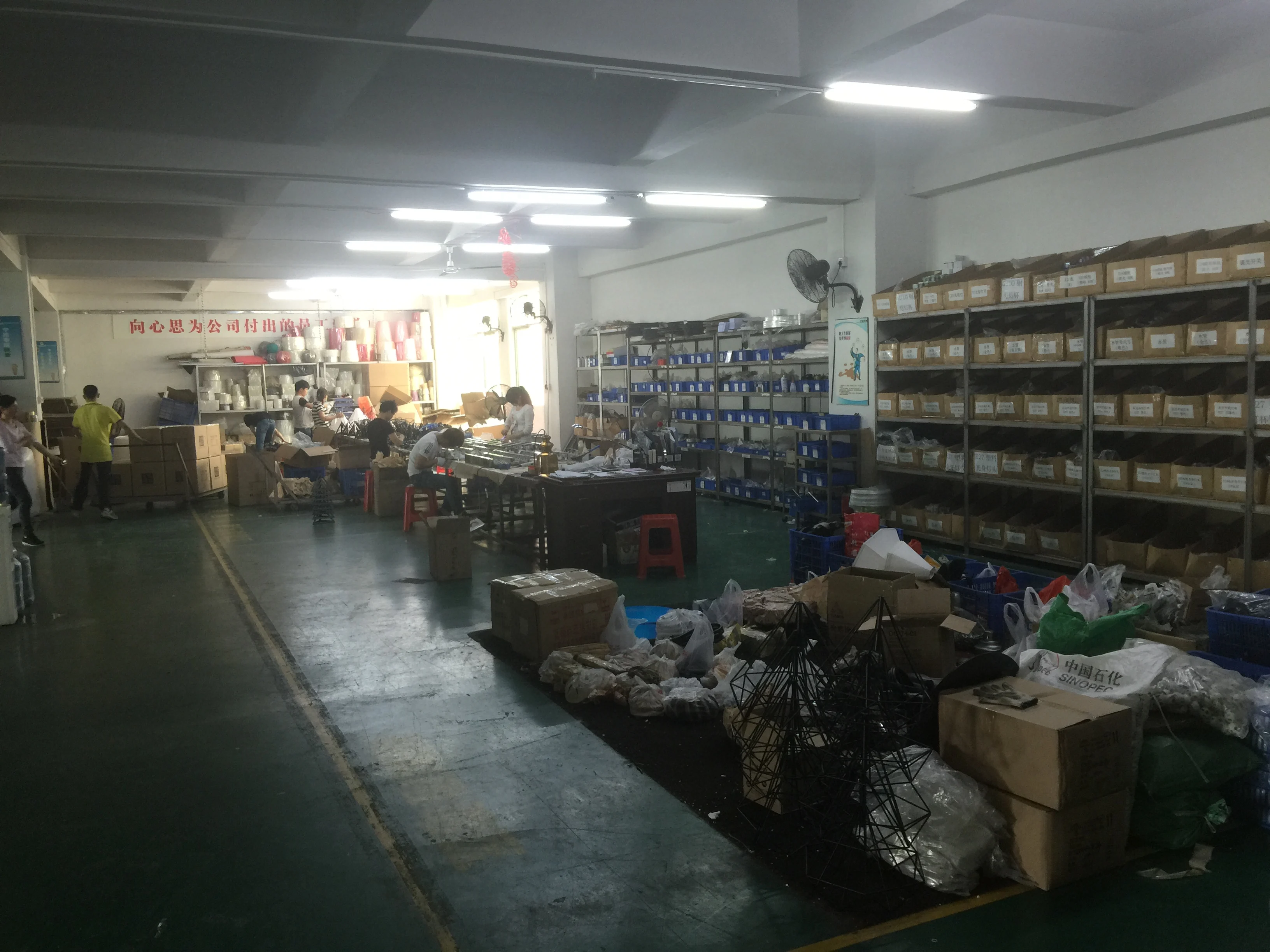
Zhongshan Genmi Lighting Technology Co., Ltd.
- Manufacturer
- Guangdong, China
- Lead time30 days
- Avg. response≤ 1h
Main productspendant light,ceiling light,wall light,table light,floor light
Main marketsNorth America(20.00%), Eastern Europe(10.00%), Mid East(10.00%), South America(10.00%), Domestic Market(5.00%), Southeast Asia(5.00%), South Asia(5.00%), Southern Europe(5.00%), Northern Europe(5.00%), Central America(5.00%), Western Europe(5.00%), Eastern Asia(5.00%), Oceania(5.00%), Africa(5.00%)
Linyi Zhaohong Photoelectric Technology Co.. Ltd.
- Verified by SGS Group
- Trading Company
- Shandong, China
- Lead time30 days
- Avg. response≤ 3h
Main productsLED Lighting Products, Home Folding Desk Study Desk, Flower Mud, Outdoor Artificial Lawn, Home Decoration Crafts Artificial Plants
Main marketsEastern Asia(50%), Southeast Asia(20%), North America(8%)

- Manufacturer
- China Guangdong
- Lead time15 days
- Avg. response≤ 6h
Main productsChandelier, Crystal Chandelier, Ceiling Light, Pendant Light, Wall Light, Table Light, Floor Light, Modern Chandelier, LED Chandelier, Pendant Lamp
Main marketsEurope,North America
Changsha Jpungsun Sci & Tech Co., Ltd.
- Verified by Intertek
- Trading Company
- Lead time7 days
- Avg. response≤ 2h
Main productsFan Lights, Pendant Lights, Wall Lights, Pool Lights, Down Lights
Main marketsNorth America(20%), South America(20%), Central America(20%)

Shenzhen BBier Lighting Co., Ltd.
- Verified by BV
- Combined
- China Guangdong
- Lead time15 days
- Avg. response≤ 4h
Main productsE40/E27 LED Corn Lights, E40/E27 LED Garden Lights, E40/E27 LED High Bay Lights, Parking Lot LED Retrofit Kits, LED Wall Pack Lights, LED Canopy Lights, LED Gas Station Lights, LED Shoebox Street Lights, 360deg LED Tube Lights, 210deg LED Tube Lights
Main marketsSouth America,Africa,Southeast Asia/ Mideast,East Asia(Japan/ South Korea),Europe,Australia,North America


Customized Sky Artificial Skylight 60W Surface Wall Ceiling Blue Sky Cloud LED Ceiling Panel Light
$66.80 - $95.20
MOQ: 2 Pieces

Artificial Skylight Blue Sky Ceiling Lamp LED Skylight Ceiling Panel Light
$109.00 - $129.00
MOQ: 1 Pieces


LED Panel Light Factory Cloud blue Sky LED Artificial Skylight Panel False Ceiling LED Light
$88.00 - $102.00
MOQ: 2 Pieces

Artificial Skylight LED Blue Sky Design Recessed Panel Ceiling LED Light
$459.00 - $500.00
MOQ: 1 Pieces
Shenzhen Xin Hengstar Technology Co., Ltd.
- Trading Company
- Guangdong, China
- Lead time15 days
- Avg. response≤ 4h
Main productsLED Street Light,LED Flood Light,LED Solar Light,LED Wall Light,LED Downlight
Main marketsWestern Europe(40.00%), Eastern Europe(15.00%), Southern Europe(10.00%), North America(10.00%), Oceania(10.00%), South America(10.00%), Northern Europe(5.00%)
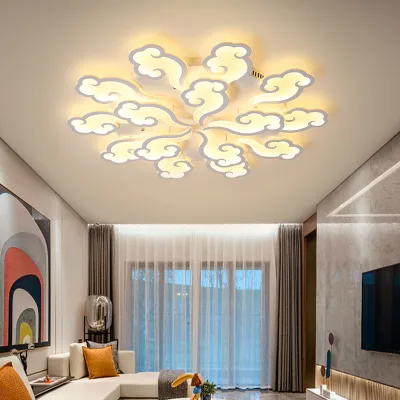
$51.8338 - $62.0771
MOQ: 2 pieces
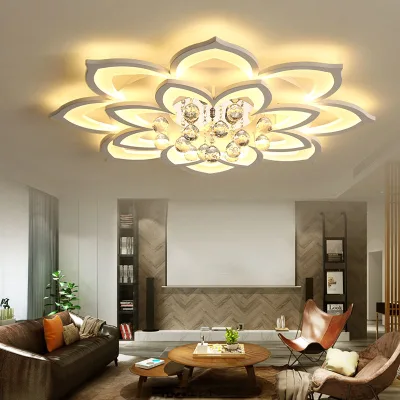
$77.2324 - $77.7507
MOQ: 2 pieces

Zhongshan Chaolang Lighting Co., Ltd.
- Verified by SGS
- Combined
- China Guangdong
- Lead time30 days
- Avg. response≤ 1h
Main marketsEurope


Modern Dual Color LED Ceiling Light with Multi-Head Design for Living Rooms
$20.00 - $25.00
MOQ: 100 Pieces

Modern Dual Color Multi-Head LED Ceiling Light for Stylish Living Rooms
$20.00 - $25.00
MOQ: 100 Pieces


Durable Round LED Ceiling Light for Living Room and Restaurant with CE
$10.00 - $15.00
MOQ: 100 Pieces
Guangdong Winway Electrical Appliance Co., Ltd.
- Verified by Intertek
- Trading Company
- Lead time20 days
- Avg. response≤ 2h
Main productsLED Ceiling Light, LED Panel Light, LED Track Light, LED Downlight, LED Linear Pendant Light
Main marketsEastern Europe(18%), Mid East(15%), Southeast Asia(12%)
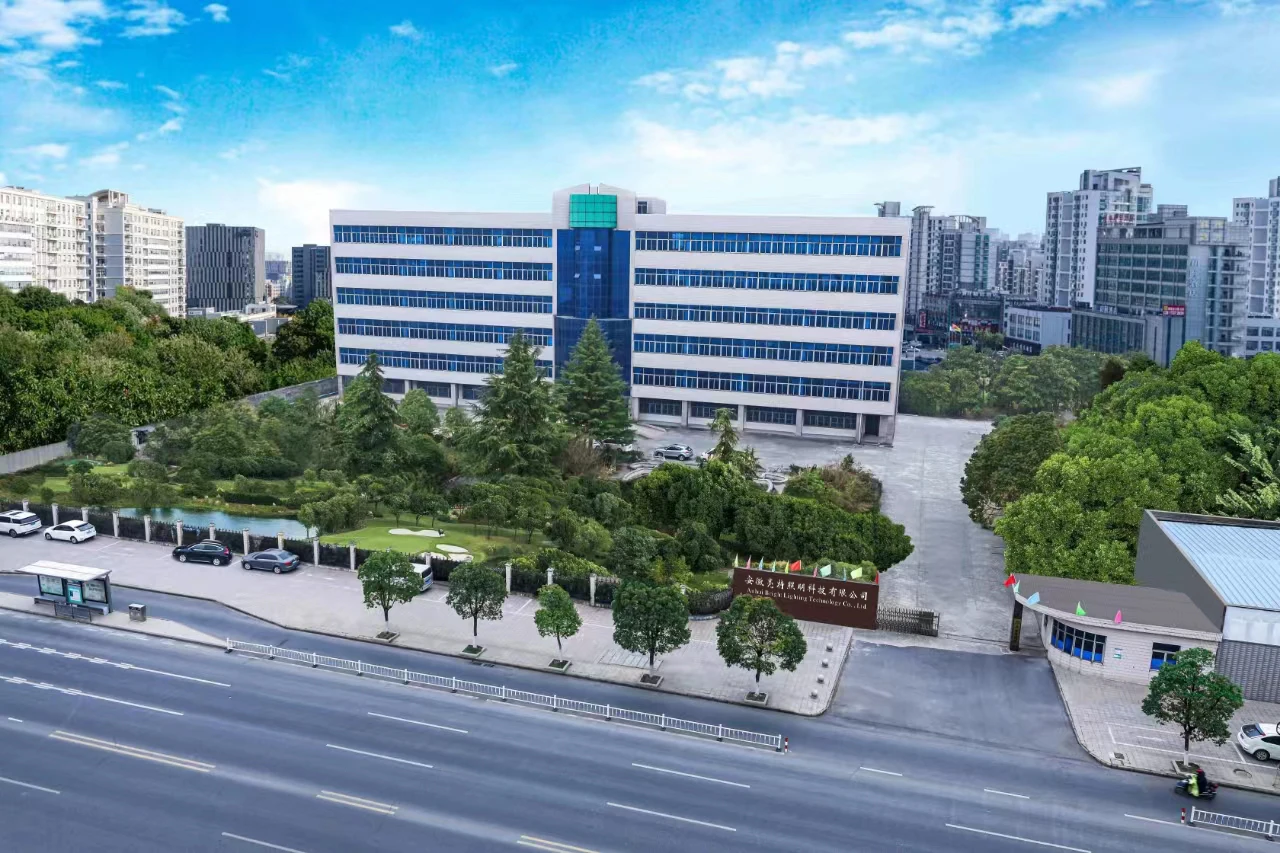
Anhui Lights Lighting Technology Ltd.
- Manufacturer
- Anhui, China
- Lead time7 days
- Avg. response≤ 2h
Main productsIndoor Lighting,Outdoor Lighting,Smart Lighting,Decorative & Home Lights,Commercial & Project Lighting
Main marketsNorth America(30.00%), Northern Europe(15.00%), Western Europe(10.00%), Eastern Asia(8.00%), Southeast Asia(7.00%), Central America(5.00%), South Asia(5.00%), Africa(5.00%), Mid East(5.00%), Southern Europe(4.00%), Eastern Europe(4.00%), South America(2.00%)
Zhejiang Cajoroy Optoelectronic Technology Co., Ltd.
- Verified by SGS Group
- Manufacturer, Trading Company
- Lead time15 days
- Avg. response≤ 3h
Main productsLed Solar Street Light, Led Stage Light, Led Ceiling Light, Led Panel Light, Led Flood Light
Main marketsNorth America(50%), Western Europe(30%), Mid East(10%)

Shanghai Marya Pharmaceutical Engineering & Project Co., Ltd.
- Verified by TUVRHEINLAND
- Combined
- China Shanghai
- Lead time45 days
- Avg. response≤ 4h
Main productsPharmaceutical Engineering, Pharmaceutical Filling Machine, Pharmaceutical Filling Line, Cleanroom, Cleanroom Project, Cleanroom HVAC System, Injection Filling Machine, Powder/Liquid Vial Filling Line, Syringe Filling Machine, Pfs Filling Machine
Main marketsSouth America,Australia

YUEQING GUANGTAI IMPORT & EXPORT CO., LTD.
- Verified by CTI
- Trading Company,Manufacturer/Factory
- China Zhejiang
- Lead time23 days
- Avg. response≤ 8h
Main productsDistribution Board, Meter Socket, Load Center, Electrical Accessories, Tools, Hardware
Main marketsSouth America,Eastern Europe,Mid East,North America,Southeast Asia,Eastern Asia,Oceania,Western Europe,Africa

Zhongshan Huangchuang Smart Household Technology Co., Ltd.
- Combined
- China Guangdong
- Lead time15 days
- Avg. response≤ 5h
Main productsFan Light, Fan Ceiling Light, Ceiling Fan, Ceiling Fan Lights, Remot Control Ceil Fan, Fan with LED Light, Indoor Light, LED Ceiling Fans, LED Ceiling Fan with Light, Ceiling Fan Whit Light
Main marketsSouth America,Africa,Southeast Asia/ Mideast,East Asia(Japan/ South Korea),Domestic,Europe,Australia,North America
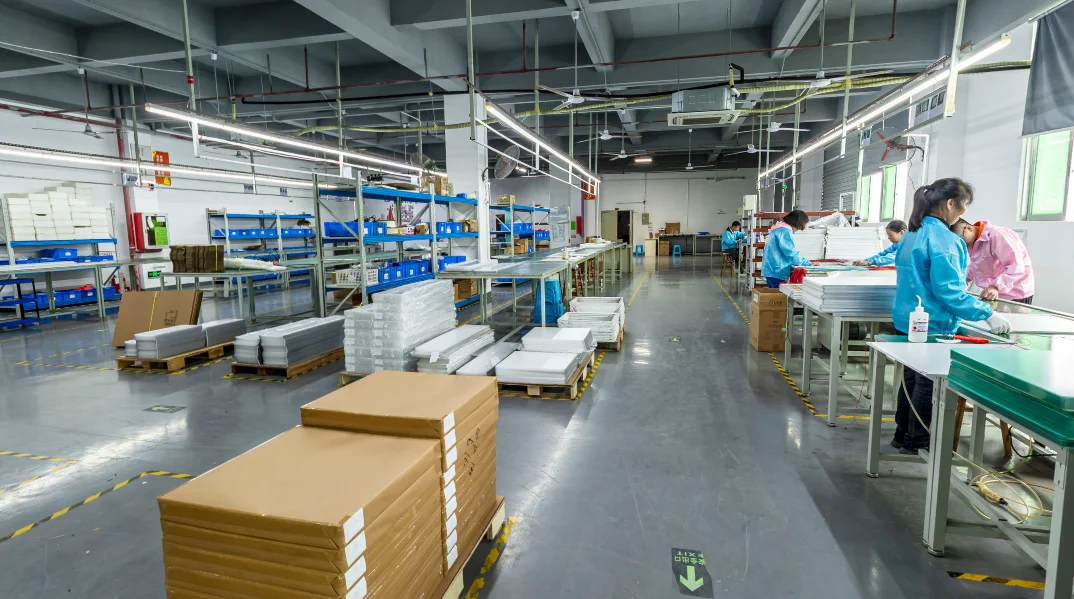
Guangdong Nice Lighting Technology Co., Ltd.
- Manufacturer, Trading Company
- Guangdong, China
- Lead time7 days
- Avg. response≤ 1h
Main productsLED Downlights, LED Spot Lights, LED Track Lights
Main marketsNorth America(30.00%), Mid East(20.00%), Eastern Europe(15.00%), Southern Europe(10.00%), Northern Europe(10.00%), South America(5.00%), Western Europe(5.00%), Southeast Asia(5.00%)
Zhongshan Haofeng Lighting Decoration Factory
- Manufacturer, Trading Company
- Guangdong, China
- Lead time15 days
- Avg. response≤ 5h
Main productsLinear Light,surface downlights,spotlights,Track spotlights,Office panel lights
Main marketsDomestic Market(50.00%), Southeast Asia(10.00%), North America(10.00%), Western Europe(8.00%), Southern Europe(3.00%), Africa(3.00%), Eastern Asia(3.00%), South Asia(2.00%), Mid East(2.00%), Eastern Europe(2.00%), Northern Europe(2.00%), Central America(2.00%), South America(2.00%), Oceania(1.00%)

Shenzhen Enrich Lighting Co., Ltd.
- Trading Company,Manufacturer/Factory,Group Corporation,Other
- China Guangdong
- Lead time23 days
- Avg. response≤ 9h
Main productsLED Linear Light, LED Ceiling Light, Modern LED Pendant Lamp, LED Circular Chandeliers Light, LED Curved Profile Lighting, LED Curved Profile Light, LED Ring Suspended Light, LED Circular Suspended Light, LED Aluminium Profile Light, LED Ring Chandeliers Light
Main marketsSouth America,Eastern Europe,Mid East,North America,Southeast Asia,Eastern Asia,Oceania,Western Europe,Africa

Zhongshan Tpstarlite Lighting CO., LTD.
- Verified by TUVRHEINLAND
- Combined
- China Guangdong
- Lead time30 days
- Avg. response≤ 6h
Main productsChandelier Lamp, Modern Lamp, Crystal Lamp, Pendant Lamp, Wall Lamp, Ceiling Lamp, Mirror Lamp, Floor Lamp & Table Lamp, Crystal Chandelier Light, Lighting
Main marketsOthers(foreignTradeCapacity.exportBusinessCapacityMarketOther),Southeast Asia/ Mideast

Hubei LiBaiChang Technology Co., Ltd.
- Verified by CTI
- Manufacturer/Factory
- China Hubei
- Lead time15 days
- Avg. response≤ 2h
Main productsSolar Home System, Outdoor Lighting, Emergency Products, Solar Aerator Pump, Solar Panel, Commercial Lighting Light, Solar Inverter, Indoor Light, Solar Fan, Solar Insect Killer Light
Main marketsSouth America,Eastern Europe,Mid East,North America,Southeast Asia,Eastern Asia,Oceania,Western Europe,Africa
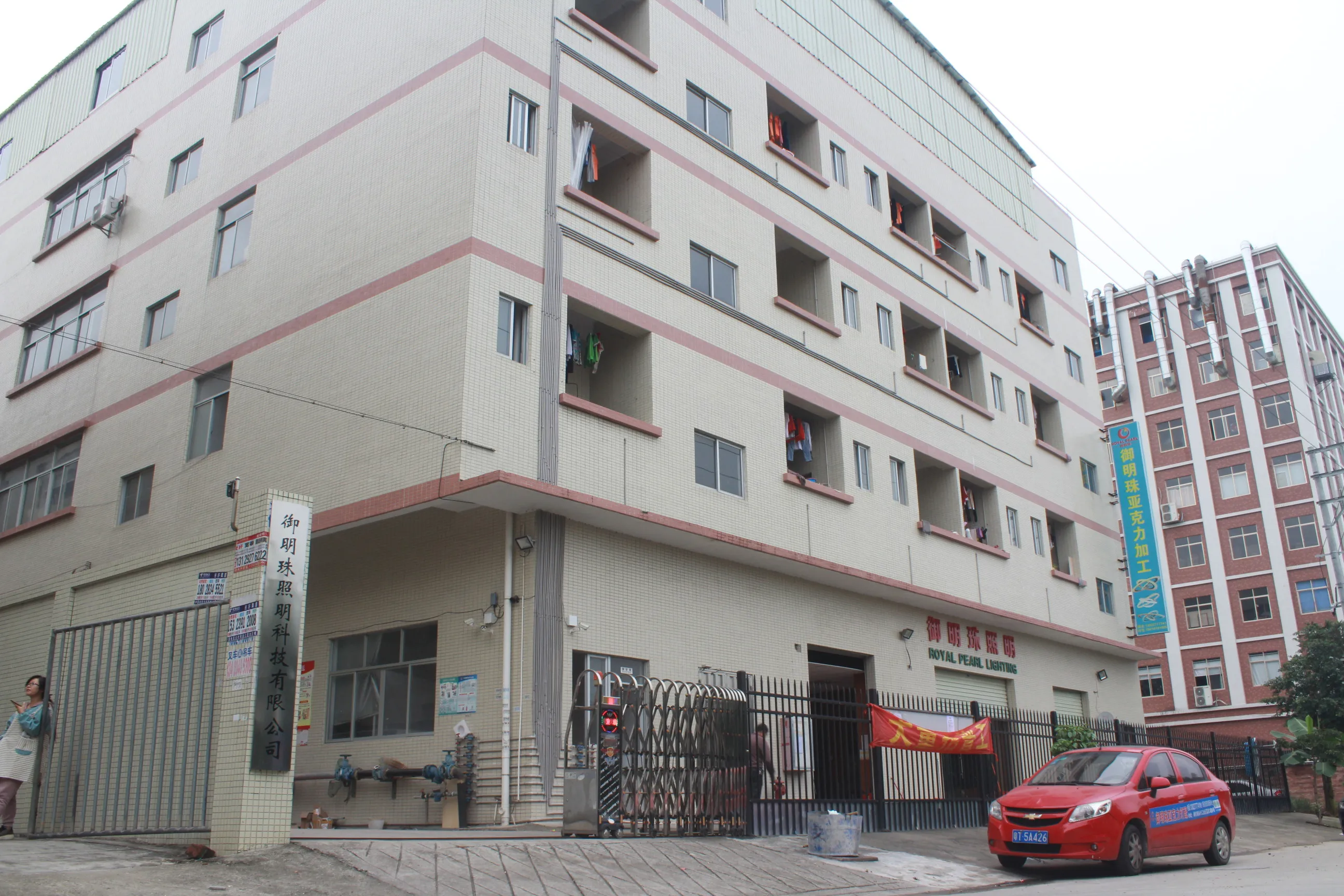
Zhongshan Kunyi Home Lighting Technology Co., Ltd.
- Manufacturer, Trading Company
- Guangdong Province, China
- Lead time45 days
- Avg. response≤ 15h
Main productspendant light,ceiling light,wall light,table light,floor light
Main marketsNorth America(50.00%), Central America(10.00%), Western Europe(10.00%), Mid East(10.00%), Eastern Europe(10.00%), South America(10.00%)
Zhongshan BeauLighting Technology Co.,Ltd
- Manufacturer, Trading Company
- Guangdong, China
- Lead time30 days
- Avg. response≤ 3h
Main productsCrystal Chandelier,Custom light,Outdoor lighting fixtures,wall lamp,ceiling light
Main marketsSoutheast Asia(25.00%), North America(20.00%), Africa(10.00%), Northern Europe(10.00%), Mid East(10.00%), Central America(5.00%), South Asia(5.00%), South America(5.00%), Southern Europe(5.00%), Eastern Asia(3.00%), Western Europe(1.00%), Eastern Europe(1.00%)
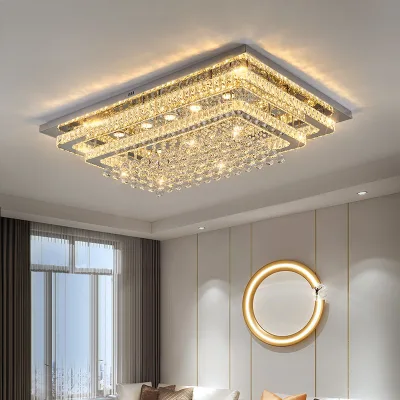
High Quality Modern Indoor Home Decorative Lighting square Led Crystal Ceiling Light
$45.00 - $240.00
MOQ: 2 Minimum
Zhongshan Hayvis Lighting Co., Ltd.
- Verified by Intertek
- Manufacturer, Trading Company
- Lead time30 days
- Avg. response≤ 5h
Main productsCeiling Light, Ceiling Fan Light, Chandelier, Floor Lamp, Table Lamp
Main marketsEastern Europe(36%), Western Europe(34%), North America(12%)

How Bright Electronics Limited
- Trading Company
- China Guangdong
- Lead time23 days
- Avg. response≤ 3h
Main productsWall Lamp, Ceiling Lamp, Pendant Lamp, Spot Light, Down Light, Track Light
Main marketsSouth America,Africa,Southeast Asia/ Mideast,East Asia(Japan/ South Korea),Europe,Australia,North America

Zhongshan Jurong Lighting company limited
- Manufacturer/Factory
- China Guangdong
- Lead time23 days
- Avg. response≤ 5h
Main productsLED Tri-Proof Batten Lights, LED Ceiling Lights, Vapor Tight Lights, T12 Tube Lights, T8 Tube Lights, T6 Tube Lights, T5 Tube Lights, Emergency Lights
Main marketsSouth America,Eastern Europe,North America,Southeast Asia,Eastern Asia,Oceania,Western Europe,Africa

Zhongshan Fansen Lighting CO., LTD.
- Verified by CTI
- Combined
- China Guangdong
- Lead time30 days
- Avg. response≤ 3h
Main productsLED Light, LED Downlight, LED Tracklight, LED Spotlight, LED Linearlight
Main marketsSoutheast Asia/ Mideast,Domestic
Zhongshan Hongji Lighting Co., Ltd.
- Manufacturer, Trading Company
- Guangdong, China
- Lead time15 days
- Avg. response≤ 2h
Main productspendant light,Plant Growth Light,ceiling lamp,Garden Lights,chandeliers crystal light
Main marketsWestern Europe(20.00%), North America(15.00%), Southeast Asia(12.00%), Northern Europe(10.00%), South America(10.00%), Mid East(10.00%), South Asia(10.00%), Southern Europe(8.00%), Africa(5.00%)

Zhongshan Ocean Smart Lighting Co., Ltd
- Verified by BV
- Combined
- China Guangdong
- Lead time15 days
- Avg. response≤ 4h
Main productsChandelier, Crystal Chandelier, Pendant Light, Table Light, Floor Lamp, Ceiling Light, Wall Light, Lighting, Hotel Lighting, Energy-Saving Lamp
Main marketsSouth America,Africa,Others(foreignTradeCapacity.exportBusinessCapacityMarketOther),Southeast Asia/ Mideast,Europe,Australia,North America
- Trading Company
- China Guangdong
- Lead time120 days
- Avg. response≤ 16h
Main productsScent Machine, Humidifier, Aroma Diffuser Machine, Fragrance, Essential Oil
Main marketsSouth America,Eastern Europe,Mid East,North America,Southeast Asia,Eastern Asia,Oceania,Western Europe
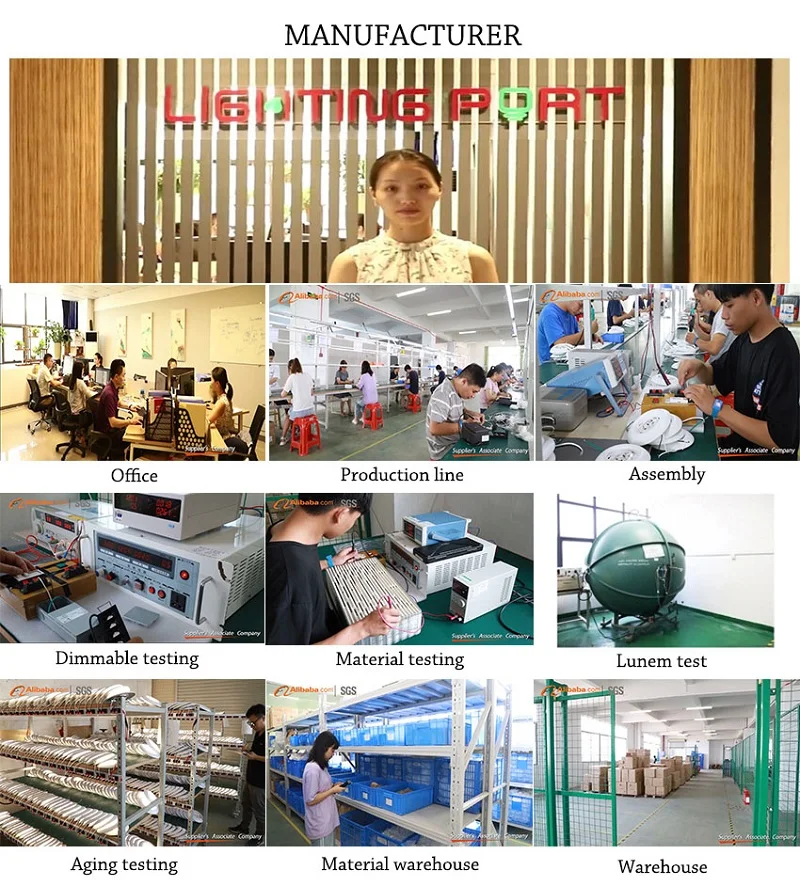
Shenzhen Blossom Lighting Co., Limited
- Manufacturer, Trading Company
- Guangdong, China
- Lead time30 days
- Avg. response≤ 2h
Main productsCeiling Light, Wall Mount Light, Recessed Down Light, Ceiling Fan, Bath Fan
Main marketsNorth America(84.00%), South America(2.00%), Oceania(2.00%), Western Europe(2.00%), Southern Europe(2.00%), Eastern Asia(2.00%), Northern Europe(2.00%), Eastern Europe(2.00%), Southeast Asia(2.00%)
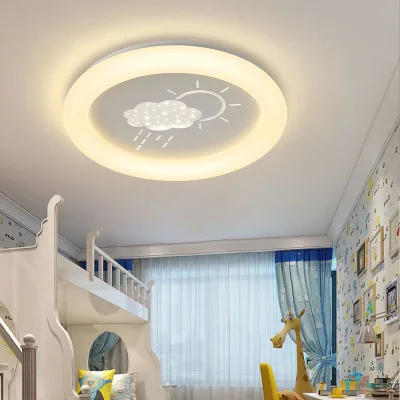
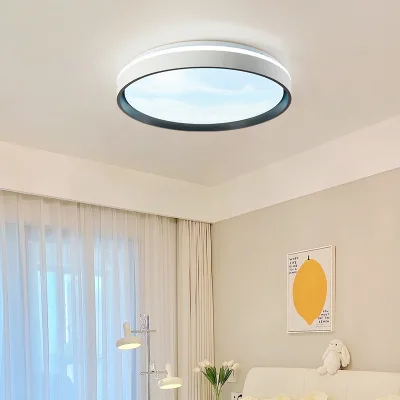
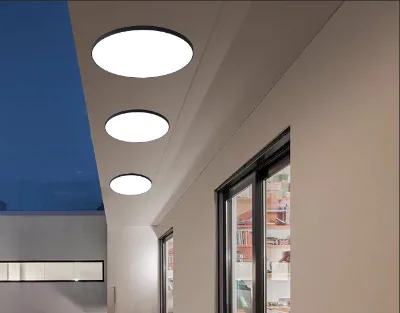
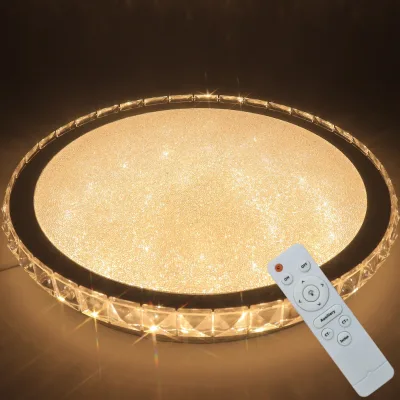


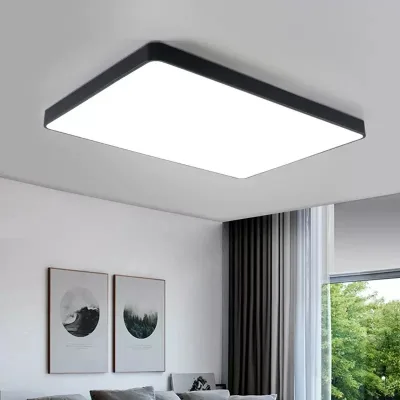
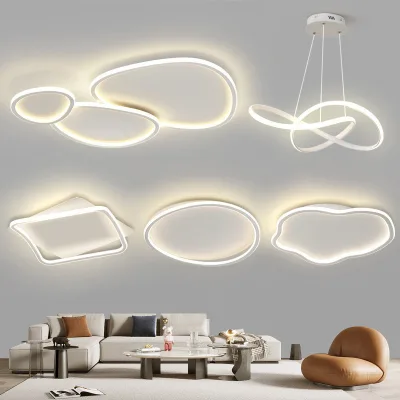
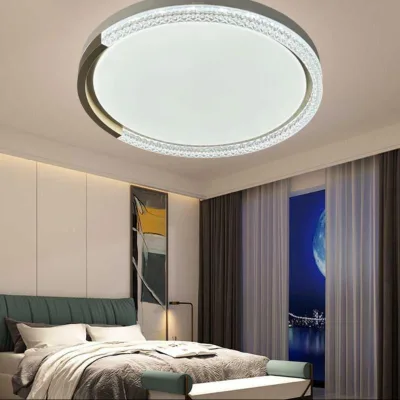
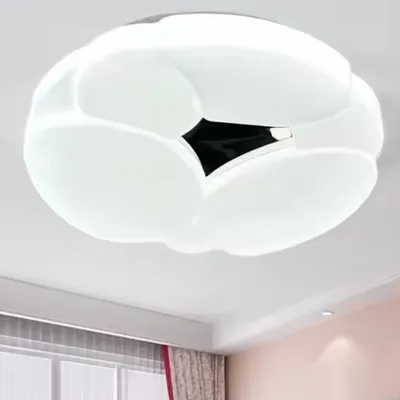
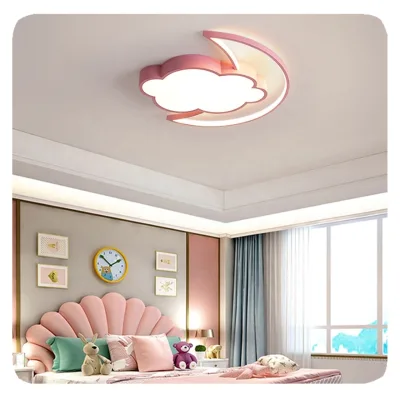
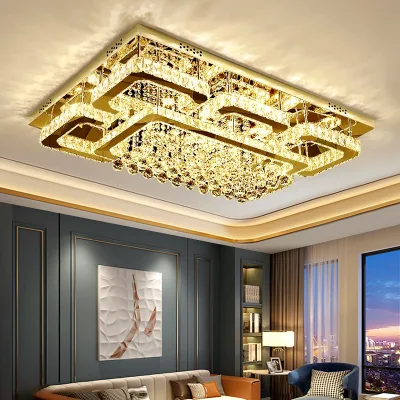
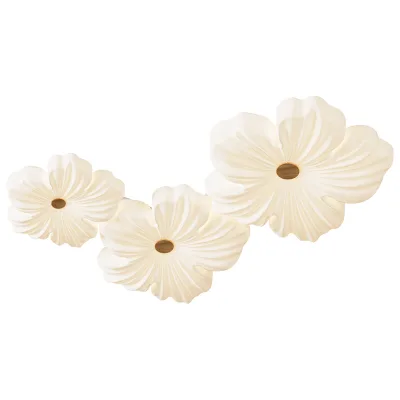
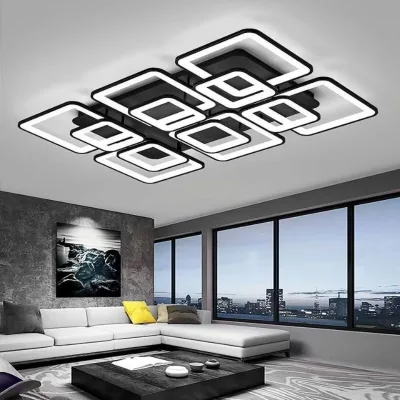




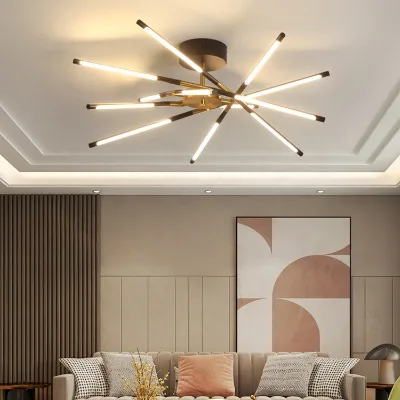
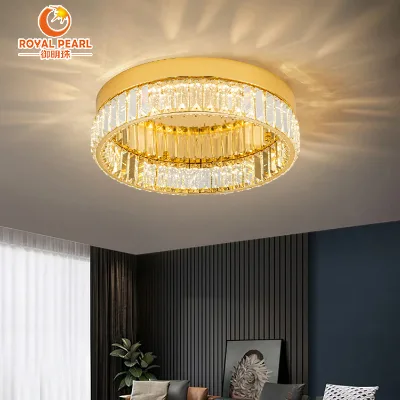
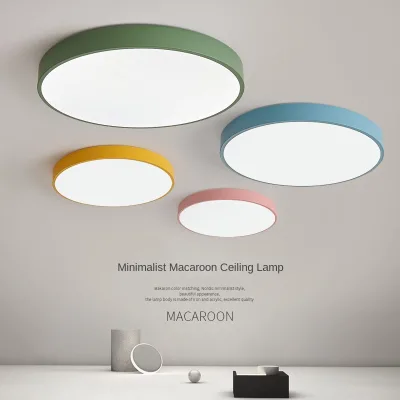
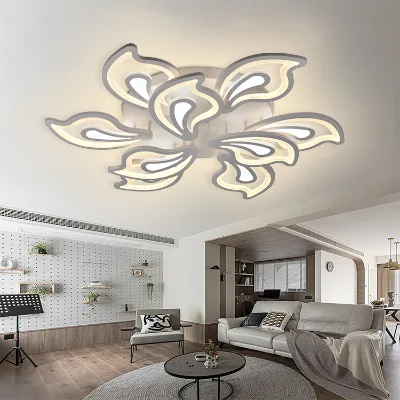


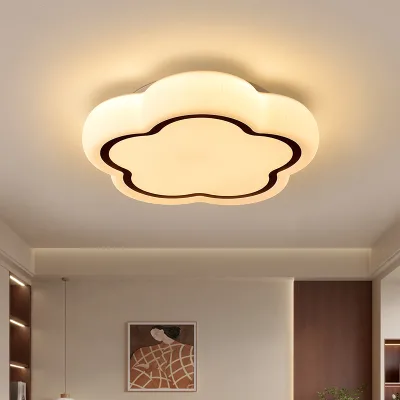
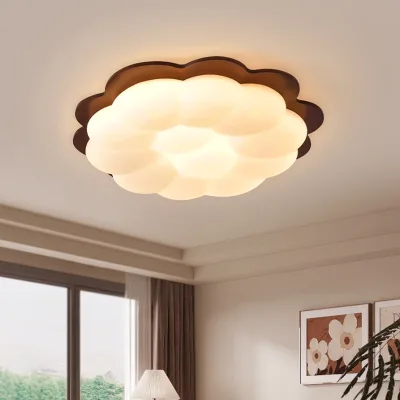
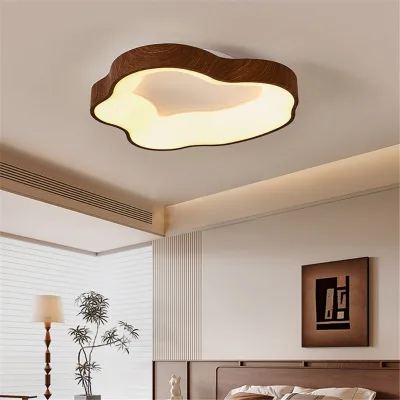


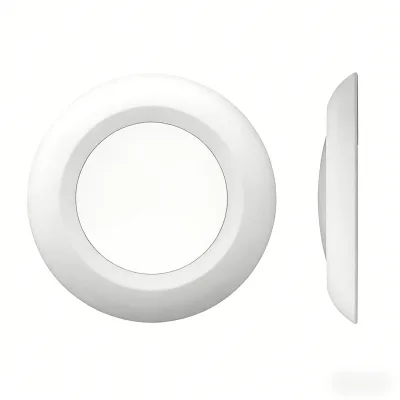
Comprehensive Sourcing Guide
White Cloud Ceiling Light Supplier Concentration and Factory Types
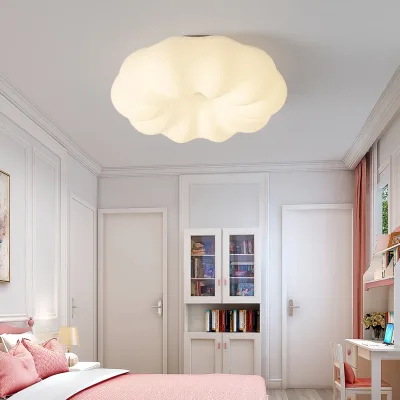
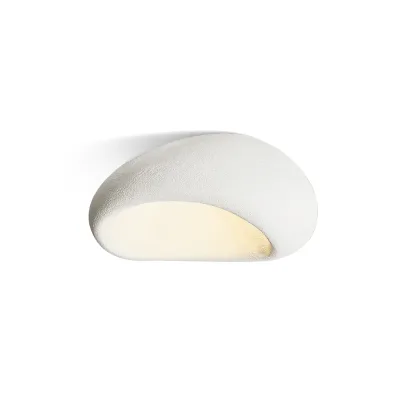
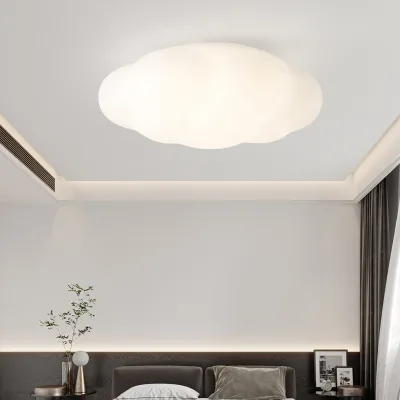
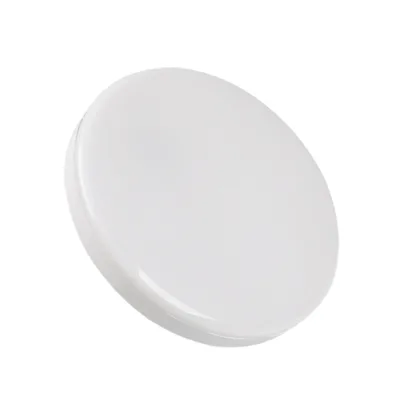
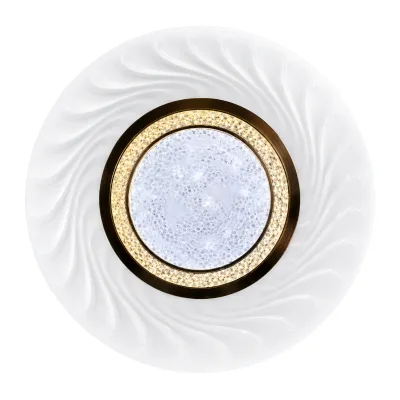
Buyers searching for white cloud ceiling lights will encounter suppliers based in Guangdong, China, which the current results identify as the place of origin for several listed models. This matters because Guangdong is widely recognized as a major lighting manufacturing province, and a supplier located there is more likely to work with established component vendors, mold makers, and finishing workshops than an isolated trading office. That said, location alone does not tell you whether you are dealing with a manufacturer or a trading company. The results do show at least one supplier explicitly labeled as a manufacturer, with main products spanning modern custom lighting, sculptural chandeliers, hotel project lighting, villa staircase lights, and commercial lighting solutions.
Product breadth is a useful signal. A supplier whose catalog covers pendant, ceiling, wall, table, and floor lights is typically operating as a full-range lighting factory, while one listing only decorative cloud-shaped items may be a specialized workshop or a trader sourcing from one. When reviewing profiles, look at the relationship between the declared company type, the product range, and the stated place of origin. If a supplier profile gives no origin or type information, treat that as a gap to close through direct questioning rather than an assumption. Ask for photographs of the production floor, the molding or fabrication area for the diffuser material, and the assembly line, since cloud-shaped diffusers require shaping processes that differ from standard flat-panel ceiling fixtures.
How to Verify White Cloud Ceiling Light Suppliers
Verification should begin with documentation that can be cross-checked. In the current results, listed products carry CE RoHS certification references, which is a meaningful starting point for European destination markets, but a certificate reference on a listing page is not proof. Ask the supplier for the actual certificate document, confirm the testing laboratory named on it, and check that the certificate covers the specific model you intend to order rather than a similar earlier version. For the United States or other markets, ask what additional safety testing the fixture has undergone, since a decorative diffuser over an LED module can affect thermal performance and must be evaluated as a complete unit.
Second, verify claims through samples and questions that require specific answers. Request a sample of the exact model and inspect the diffuser material for uniformity, seam quality, and color consistency, since cloudy white shades show casting or molding flaws easily. Confirm rated electrical parameters against what appears on the listing: some models specify 110–240V input, others AC 85–265V, and a mismatch with your market's supply is a basic but common failure. Ask which LED module or lamp source is used, since some units are integrated LED while others take an E27 bulb, and the replaceable version changes long-term maintenance for your customers. Finally, verify the supplier's business license, factory address, and whether the entity responding to you is the same entity that will appear on the invoice and shipping documents.
What to Compare Across White Cloud Ceiling Light Suppliers
Build a comparison grid using the attributes suppliers actually display, without assuming every profile shows every field. Useful dimensions from the current results include lead time, which varies dramatically between suppliers: one lists a five-unit lead time figure while another lists thirty days, a gap that will determine whether the supplier can support a launch deadline or only a routine replenishment cycle. Response time is another displayed attribute, with observed figures of one hour and four hours; faster responses usually correlate with stronger export-team staffing, but test it yourself before committing. Location, company type, and main product lines complete the basic profile comparison.
Then compare product-level data, which is where the real differences appear. Current listings show MOQs of 20 pieces per model, with minimum prices ranging from roughly 57.60 to 81.00 per unit depending on the model, so per-unit cost differences between suppliers may be modest while specification differences are large. Compare wattage (36W/72W appears on one model), color temperature ranges (3000K fixed versus 3000–6000K adjustable), color rendering index (80 versus 95), rated lifespan (30,000 versus 50,000 hours), and materials such as metal with PE or high-density polystyrene diffusers. Also note whether dimming is supported, since at least one listed model explicitly does not support dimmers. Weight and packing dimensions affect freight cost, so compare those figures per carton, not per unit alone.
Common White Cloud Ceiling Light Sourcing Risks
The most common risk in this category is diffuser quality inconsistency. Cloud-shaped shades made from PE or polystyrene can vary in wall thickness, opacity, and surface texture between production batches, and a slightly yellowed or streaky diffuser is immediately visible when the light is on. Order golden samples, seal them, and require pre-shipment inspection against those samples. A second risk is thermal management: decorative enclosed shapes trap heat more than open fixtures, so verify that the listed lifespan figure, whether 30,000 or 50,000 hours, was measured on the complete assembled fixture rather than the bare LED module alone.
Specification drift is another recurring problem. Listings in this category show fixed CCT and adjustable CCT versions, integrated LED and E27 bulb versions, and dimmable and non-dimmable versions, sometimes from the same supplier. Confirm in writing which exact configuration your purchase order covers, referencing the model number shown on the listing. Certification risk follows: CE RoHS appears on some listed products but not necessarily every product from every supplier, so never assume coverage extends to a sibling model. Commercial risks include thin warranties on decorative items; one listed product carries a two-year warranty, which you should treat as a negotiation baseline, not a ceiling. Finally, watch for sample policies that do not transfer to production, and confirm whether free samples are offered, since at least one supplier explicitly does not provide them.
White Cloud Ceiling Light Regional Sourcing and Logistics
All supplier locations identified in the current results are in Guangdong, China, which simplifies logistics planning because fixtures can move from factory to the province's major seaports within short inland transit. Sea freight is the default for ceiling lights at this weight class; listed models weigh around three to four kilograms each with carton dimensions such as 40x40x23 cm or 55x50x30 cm per batch, so a 20-piece order occupies meaningful volume and air freight becomes expensive. At least one listing explicitly states that both sea and air shipping are supported, which gives you flexibility for urgent top-up orders. Confirm whether quotes are FOB the local port or include inland haulage.
Packaging deserves specific attention because diffusers are fragile. Listed packing configurations show one piece per carton with foam plus carton protection, which is the right structure, but you should specify drop-test expectations and carton compression requirements for container stacking. Consolidation is practical here: cloud ceiling lights pair naturally with pendant, wall, and floor lights from suppliers whose catalogs cover all of those lines, allowing mixed-container loading. Plan for lead time variability; the observed range of roughly five to thirty days reflects stock position and production scheduling, so ask whether the quoted lead time applies to the first order or repeat orders, and whether peak-season capacity constraints apply. Clarify incoterms, container-loading assistance, and who arranges export customs documentation before deposit payment.
White Cloud Ceiling Light Commercial Terms and Order Planning
Order planning in this category starts from the MOQ. Observed listings show 20-piece minimums per model, with some selling units structured as multiples of 20, which means you cannot simply add a few units to a mixed order. Decide early whether you will order one model at 20 pieces or consolidate volume across two or three cloud-light variants to reach a better price tier. Current minimum prices span roughly 57.60 to 81.00, so request tiered quotations at 20, 100, and 500 pieces and compare the per-unit drop curve between suppliers rather than accepting the first-quote price. Confirm what the quoted price includes: lamp source, driver, mounting hardware, and retail packaging.
Payment and dispute terms should be settled in writing before production. Use escrow or third-party inspection arrangements where available, since the results show escrow as a displayable supplier attribute on some profiles but not all. Specify payment milestones tied to verifiable events such as production completion and passed inspection, and confirm the warranty duration offered; two years appears on one listed model and should be matched or improved for commercial projects. For project buyers, note that at least one supplier offers lighting and circuitry design, light drawing, project installation, and project lighting design services, which changes the commercial conversation from unit pricing to bundled scope. Finally, plan reorders: record model numbers, exact configurations, packaging details, and lead-time commitments so repeat orders match the approved sample.
FAQs
What is the typical MOQ for cloud ceiling lights?
The minimum order quantity is generally 20 pieces for most standard models. This baseline allows buyers to test product quality without committing to large inventory volumes. Suppliers often structure pricing tiers based on this initial batch size to accommodate small business needs.
Which certifications are standard for these lighting fixtures?
Most manufacturers provide CE and RoHS certifications for their cloud ceiling lights. These documents confirm compliance with European safety and environmental standards. Buyers should request these certificates to ensure the electrical components meet international regulatory requirements for safe installation.
What is the expected lead time for production?
Production lead times vary significantly, ranging from 5 days for some items to 30 days for others. This difference depends on the specific model complexity and current factory workload. Buyers should confirm the exact timeline with the supplier before placing orders.
What materials are used in cloud ceiling light construction?
Common materials include metal frames combined with PE or high-density polystyrene covers. Some models also utilize PVC for specific design elements. These materials provide durability while maintaining the lightweight, cloud-like aesthetic required for modern interior design applications.
What is the typical price range for these lights?
Prices generally range from approximately 57.60 to 81.00 per unit. This range reflects variations in size, material quality, and included features like dimming capabilities. Buyers should compare specific product attributes to determine the best value for their budget.
What is the lifespan of the LED components?
The LED lifespan is typically rated at 30,000 to 50,000 hours. This duration ensures long-term reliability for residential and commercial installations. Buyers should verify the specific hour rating for each model to ensure it meets their usage expectations.