ISO CE Post Tensioning Anchorage Suppliers and Manufacturers
Source ISO CE Post Tensioning Anchorage from 17 verified suppliers in China. Compare lead times, MOQs, and certifications like ISO 9001 and CE. Review product specs and request quotes today; review the available evidence before requesting comparable quotations from suitable candidates.
Updated
Suppliers List

Zhengzhou Lead Equipment Co., Ltd.
- Verified by SGS
- Combined
- China Henan
- Lead time15 days
- Avg. response≤ 1h
Main productsShotcrete Machine, Grout Pump, Peristaltic Hose Pump, Foam Concrete Machine, Concrete Pump, Mortar Pump, Prestressed Anchor, Gunite Machine, Dosing Pump, Filter Press
Main marketsDomestic,Europe

Tianjin Qiangbang Industrial Co., Ltd.
- Manufacturer/Factory
- China Tianjin
- Lead time23 days
- Avg. response≤ 4h
Main productsPre-Stressed Steel Strand, Post-Tensioned Steel Cable, Pre-Stressed Steel Wire, PC Steel Wire, Pre-Stressed Anchorage Anchor and Wedge, Post-Tensioning Accessories, Spring Steel Flat Bar, Spring Steel, Flat Steel Bar
Main marketsSouth America,Mid East,Southeast Asia,Eastern Asia,Oceania,Western Europe

Ningbo Xlin Post Tensioning Co., Ltd.
- Verified by SGS
- Trading Company,Manufacturer/Factory,Group Corporation
- China Zhejiang
- Lead time45 days
- Avg. response≤ 1h
Main productsPost Tension Anchorage, Flat Anchorage, Mono Anchor, Wedges, Stapler Guns and Nails, Building Material, Racing Parts, Hydraulic Fittings, Metal Parts, Machine Equipments
Main marketsSouth America,Eastern Europe,Mid East,North America,Southeast Asia,Eastern Asia,Oceania,Western Europe,Africa

Anchorage Prestressed Constructions Stressing Anchorage Post Tension Flat Anchor for Buildings
$1.00 - $1.50
MOQ: 1000 Pieces

Anchorage Plate Prestressed Anchor Plate Post Tension Accessories Flat Anchorage
$5.00 - $7.00
MOQ: 100 Pieces


Certified Prestressed Anchor Structural Post Tension Accessories Flat Anchorage
$10.50 - $12.00
MOQ: 100 Pieces

ISO Certified Bridge and Building Projects Post Tensioning Flat Arc Anchorage
$2.00 - $10.00
MOQ: 100 Pieces

Shaanxi Zhongtuo Mine Equipment Co., Ltd.
- Verified by BV
- Manufacturer/Factory
- China Shaanxi
- Lead time15 days
- Avg. response≤ 4h
Main productsSolar Panel Cleaning Machine, Solar Panel Cleaning Equipment, Solar Panel Cleaning System, Rock Splitter, Strand Tension Jack, Rebar Bending Machine, Piston Rock Splitter, Spraying Machine, DTH Drilling Rig, Yb Ceramic Plunger Pump
Main marketsSouth America,Eastern Europe,Mid East,North America,Southeast Asia,Eastern Asia,Oceania,Western Europe,Africa


China Post Tensioning Wedge Anchors for Post Tension Construction Building
$0.90 - $7.00
MOQ: 1 Pieces

Post Tensioned Anchors Multiholes Round Wedge Anchorage Post Tension Anchor
$0.90 - $7.00
MOQ: 1 Pieces

Prestressed Tension Device for Fixed-End Anchorage Strand Group Anchor Post Tension Anchorage
$0.90 - $7.00
MOQ: 1 Pieces


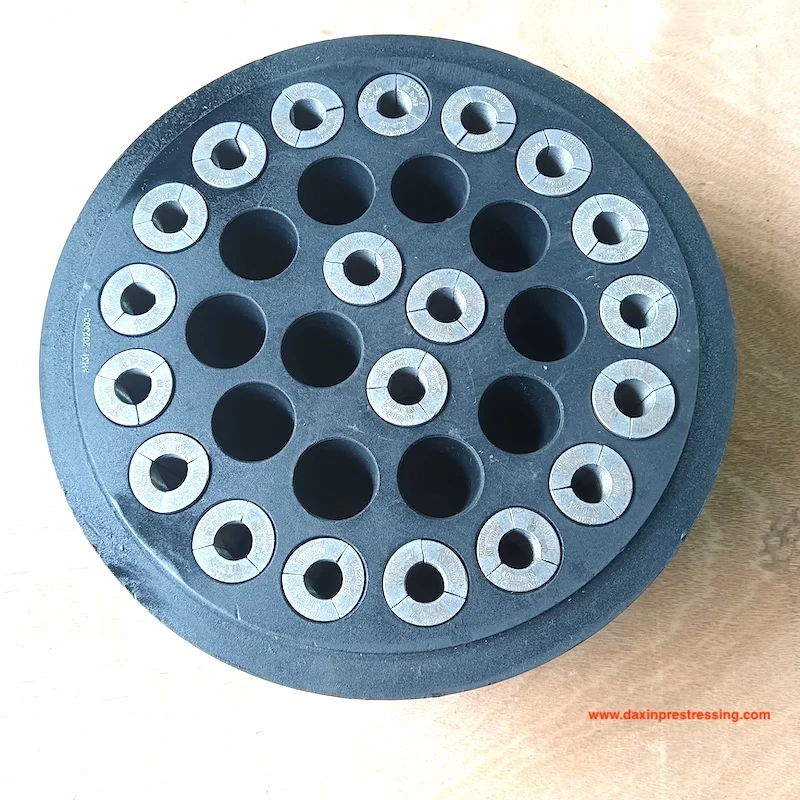
Daxin Prestressed Technique Co., Ltd.
- Trading Company
- Tianjin, China
- Lead time7 days
- Avg. response≤ 7h
Main productsBridge stayed cable,post tension anchor,stayed cable hanger,prestressed concrete anchor,suspension bridge cable hanger
Main marketsSouth America(35.00%), Southeast Asia(30.00%), Mid East(10.00%), Domestic Market(10.00%), North America(5.00%), Northern Europe(5.00%), Central America(5.00%)
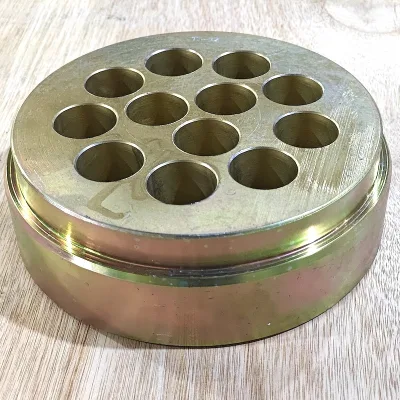
12t15 Prestressed Anchor Post Tension Spacer for Anchorage Prestress Steel Anchor
$20.5506 - $25.6878
MOQ: 10 Minimum
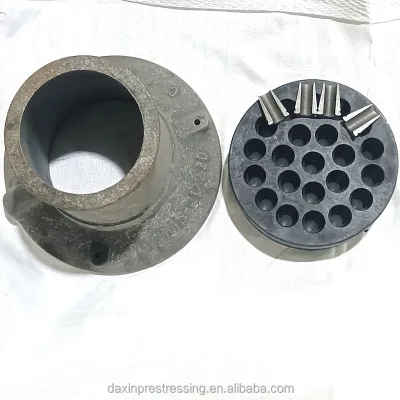
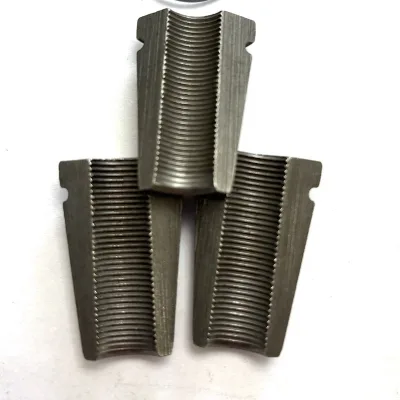
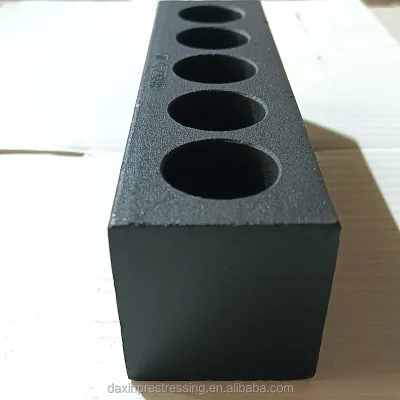
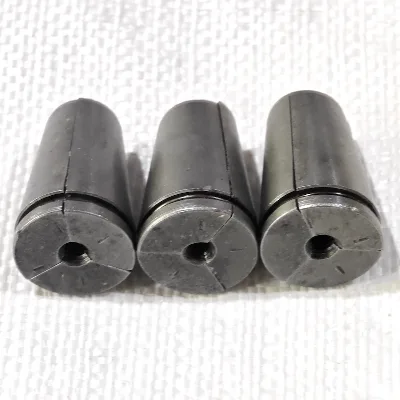
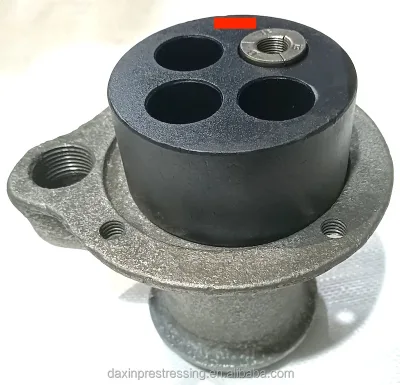
Stressing Post Tensioning Complete Set Four Holes Anchorages with Accessories
$6.6617 - $8.7097
MOQ: 10 Minimum
Liuzhou Lingqiao Prestressed Machinery Co., Ltd.
- Manufacturer, Trading Company
- Guangxi, China
- Lead time1 days
- Avg. response≤ 2h
Main productsHollow Hydraulic Jack,Lifting Jack,Mono Stressing Jack,Hydraulic pump,Steel Wire Cable
Main marketsDomestic Market(93.00%), Southeast Asia(3.00%), South America(1.00%), Southern Europe(1.00%), Western Europe(1.00%), Oceania(1.00%)
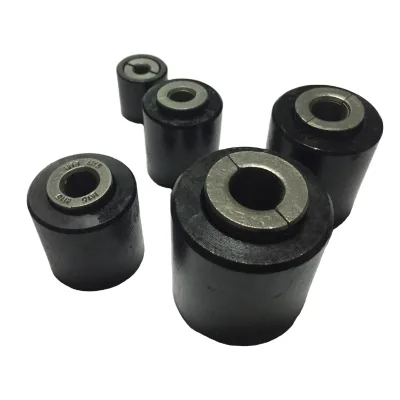
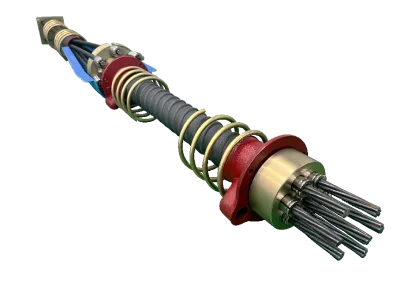
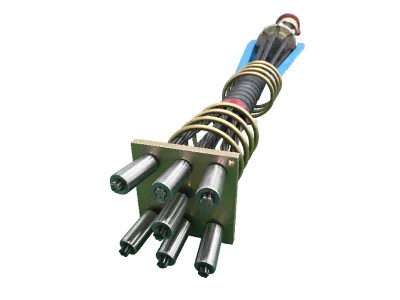
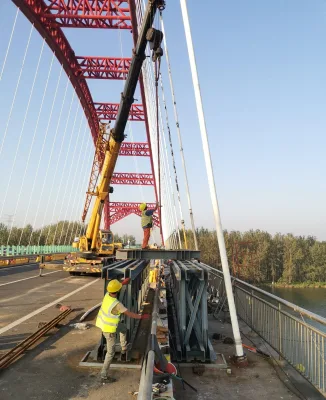
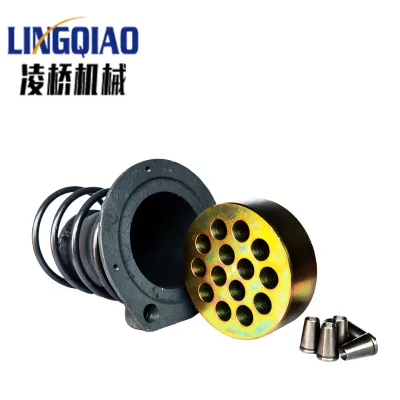
Lingqiao Factory Prestressed Bridge Cable Extrusion Anchoring Steel Strand Cable Anchorage
$1866.4724 - $2110.5239
MOQ: 5 tons
Liuzhou Xuanqiao Prestressing Force Machinery Co., Ltd.
- Manufacturer
- Guangxi, China
- Lead time15 days
- Avg. response≤ 3h
Main productsAnchor, Jacks, Hydraulic Pruners, Intelligent Tensioning Machine, Intelligent Pulp Press
Main marketsSoutheast Asia(40.00%), North America(25.00%), Western Europe(25.00%), South America(10.00%)
EXA International Trading (Tianjin) Co., Ltd.
- Trading Company
- Tianjin, China
- Lead time15 days
- Avg. response≤ 6h
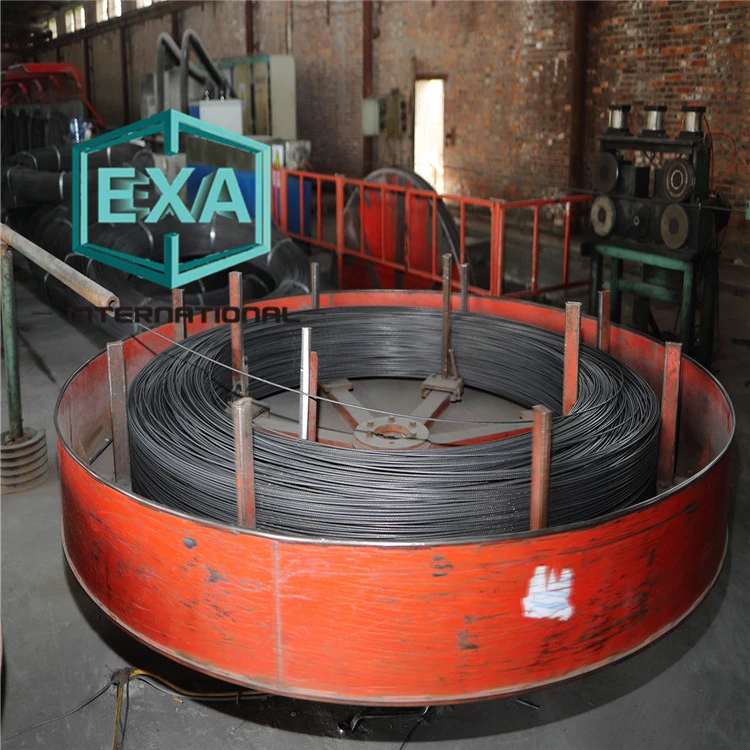
Main productspc strand,pre-stressing steel wire strands,pc steel strand,ht wire,prestressed concrete steel wires
Main marketsMid East(15.00%), Southeast Asia(15.00%), Africa(15.00%), Eastern Asia(10.00%), Northern Europe(9.00%), Eastern Europe(6.00%), South America(6.00%), Oceania(6.00%), South Asia(5.00%), Southern Europe(5.00%), Western Europe(5.00%), Domestic Market(1.00%), North America(1.00%), Central America(1.00%)
Hengshui Yundong Rubber Products Co., Ltd
- Verified by SGS Group
- Manufacturer, Trading Company
- Lead time15 days
- Avg. response≤ 2h
Main productsRubber Bearing, Rubber Pad, Rubber Water Stop, Pot Bearing, Expansion Joint
Main marketsSouth Asia(50%), Domestic Market(30%), Central America(10%)
$1.0278 - $102.6765
MOQ: 1 Minimum
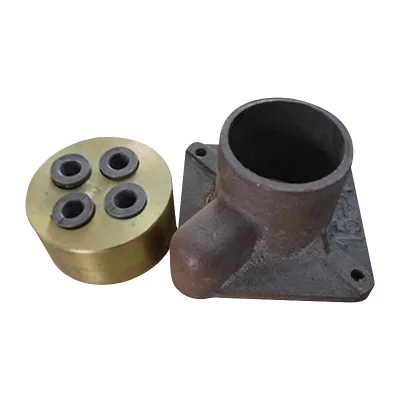

Shaanxi Saifusite Mechanical Electrical Equipment Co., Ltd.
- Verified by SGS
- Trading Company
- China Shaanxi
- Lead time15 days
- Avg. response≤ 2h
Main productsStrand Jack, Rock Splitter, Mud Pump, Rebar Bending Machine, Anchor Wedge, Rock Breaker, Yb Pump, Lifting Jack, DTH Drilling Rig
Main marketsOthers(foreignTradeCapacity.exportBusinessCapacityMarketOther)

Post Tensioned Anchors Multiholes Round Wedge Anchorage Post Tension Anchor
$10.00 - $12.00
MOQ: 1 Pieces


Pofessionarl Prestressed Construction Round Post Tension Anchorage Anchor
$10.00 - $12.00
MOQ: 1 Pieces

High-Strength Mono Strand Post Tension Round Anchorage System for Bridges
$10.00 - $12.00
MOQ: 1 Pieces

- Verified by TUVRHEINLAND
- Combined
- China Hebei
- Lead time30 days
- Avg. response≤ 8h
Main productsFormwork, Scaffolding, Ringlock Scaffolding  , Euro Symons Form
Main marketsSouth America,Africa,Southeast Asia/ Mideast,East Asia(Japan/ South Korea),Domestic,Europe,Australia,North America

Post Tension Anchor 20crmnti Wedge Post Tension for Prestressed Anchorage System
$0.33 - $0.97
MOQ: 10000 Pieces


Casted Iron Post Tension Arc Flat Anchor for Prestressed Anchorage System
$5.50 - $8.90
MOQ: 2000 Pieces


Guangxi Xiruier Intelligent Technology Co., Ltd.
- Verified by SGS
- Manufacturer/Factory
- China Guangxi
- Lead time23 days
- Avg. response≤ 1h
Main productsSolar Panel Cleaning Robot, Rock Splitter, Ceramic Plunger Pump, Prestressed Jack
Main marketsSouth America,Eastern Europe,Mid East,Southeast Asia,Western Europe

Post Tension Anchor12.7mm Tension Strand Multi Prestressing Round Anchorage
$2.00 - $22.00
MOQ: 1 Pieces


Durable Post Tension Flat Anchor System 12.7/15.24mm Unbonded Monostrand Anchorage
$0.50 - $1.80
MOQ: 1 Sets


Ningbo Supreme Machinery Co., Ltd.
- Verified by SGS
- Manufacturer/Factory
- China Zhejiang
- Lead time30 days
- Avg. response≤ 13h
Main productsIron Sand Casting Part, Ductile Iron Casting Part, Gray Iron Casting Part, Stainless Steel Casting Part, Precision Investment Casting Part, Carbon Steel Casting Part, Lost Wax Casting Part, Grey Iron Casting Part
Main marketsSouth America,Eastern Europe,Mid East,North America,Southeast Asia,Eastern Asia,Oceania,Western Europe,Africa

Yuanxian High Tech Materials Trading (Tianjin) Co., Ltd.
- Verified by BV
- Trading Company,Manufacturer/Factory
- China Tianjin
- Lead time15 days
- Avg. response≤ 3h
Main productsUltrafiltration Membrane, RO Membrane, Water Treatment Equipment, PC Strand, PC Wire, Anchorages
Main marketsSouth America,Eastern Europe,Mid East,North America,Southeast Asia,Eastern Asia,Oceania,Western Europe,Africa


Custom Post-Tensioned Anchorage Multi-Strand PC Steel Strand Circular Anchorage Construction
$1.50 - $2.00
MOQ: 10 Pieces

$1.50 - $5.00
MOQ: 10 Pieces

Post-Tensioned Anchorage Multi-Strand PC Steel Strand Circular Anchorage Construction
$1.50 - $2.00
MOQ: 10 Pieces
Henan Shuanggong Machinery Co., Ltd.
- Manufacturer, Trading Company
- Henan, China
- Lead time5 days
- Avg. response≤ 2h
Main productsIntelligent Grouting Machine, Oil Pump, Hydraulic Jack, Concrete Pump, Intelligent Tensioning Machine
Main marketsSoutheast Asia(20.00%), Eastern Asia(19.00%), Africa(18.00%), Eastern Europe(15.00%), Mid East(12.00%), North America(10.00%), South America(6.00%)
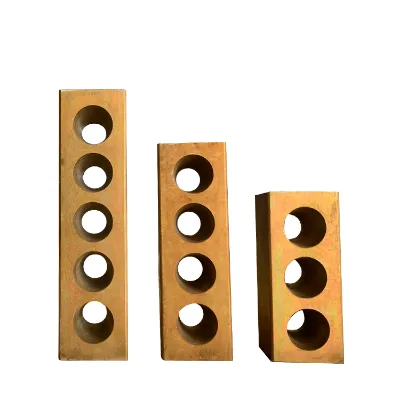
Customized Prestressed System Flat Anchorage Arc Anchorage Type Slab Good Flat Anchorage
$3.0818 - $6.1725
MOQ: 5 Minimum
Post Tension 12.7 PC Strand 15.24 Cable Wire Rectangle Prestressed Anchorage for Concrete Structure
$2.99 - $5.99
MOQ: 5 Minimum

Tianjin Wasungen Metal Products Co., Ltd.
- Verified by TUVRHEINLAND
- Combined
- China Tianjin
- Lead time15 days
- Avg. response≤ 2h
Main productsPC Strand, PC Wire, Medium/Low Carbon Steel Wire, Hot Dipped Gal. PC Strand, Epoxy Coated PC Strand, Gal. Guy Strand, Anchorages Devices, Steel Pipes, Flexible Supports for Solar Energy
Main marketsAfrica,Southeast Asia/ Mideast,East Asia(Japan/ South Korea),Domestic

China Anchorage Specialist Prestressed Post Tension Round Anchorage for Bridge Construction
$1.80 - $5.60
MOQ: 1 Pieces

Best Quality Post Tensioning Round Prestressed Anchorage System for Prestressed
$1.80 - $5.60
MOQ: 1 Pieces

Rizhao Fenghua Scaffoldings Co., Ltd.
- Verified by BV
- Combined
- China Shandong
- Lead time45 days
- Avg. response≤ 13h
Main productsScaffolding, Scaffold, Forging, Formwork, Scaffold Couplers, Swivel Coupler, Frame System, Hand Tools, Scaffold Plank
Main marketsSouth America,East Asia(Japan/ South Korea),Europe,North America


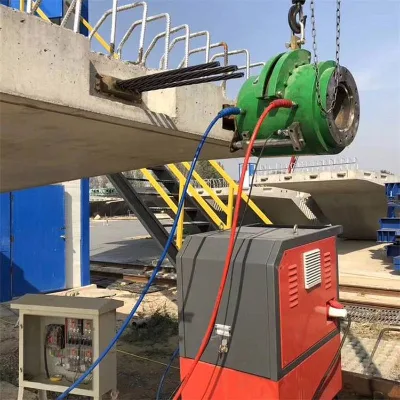
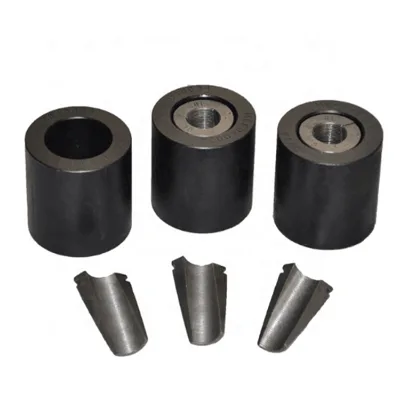
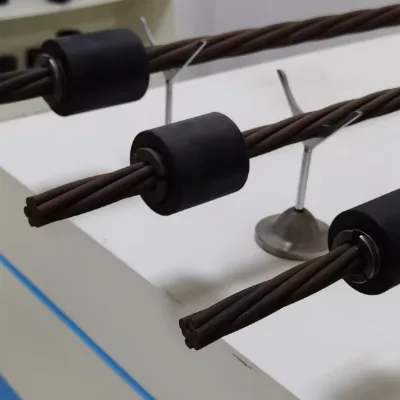
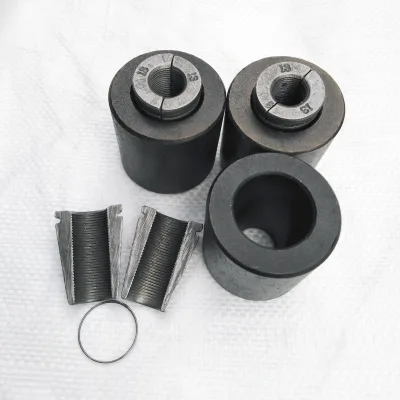


Comprehensive Sourcing Guide
ISO CE Post Tensioning Anchorage Supplier Concentration and Factory Types
The current supplier landscape for post-tensioning anchorage systems shows a distinct concentration of manufacturing activity within specific Chinese provinces, with Henan and Tianjin emerging as primary hubs for this specialized construction hardware. Fact-based observations indicate that suppliers in Henan often operate as combined entities offering a broad range of concrete machinery alongside anchorage products, while Tianjin-based facilities frequently identify as dedicated manufacturers or factories specializing in pre-stressed steel strands and anchorage accessories. This geographic clustering suggests that buyers seeking high-volume production capabilities may find more direct factory access in Tianjin, whereas Henan suppliers might offer a wider variety of related construction equipment under a single corporate umbrella.
When evaluating the company types within this sector, it is critical to distinguish between combined trading entities and pure manufacturing operations, as this distinction directly impacts quality control and customization flexibility. The available data reveals that some suppliers in this space possess ODM and OEM capacities, allowing for significant product customization such as specific anchorage system configurations or hardness requirements, while others may focus on standard export packaging and established models. Buyers should verify whether a supplier's primary business model aligns with their specific project needs, noting that combined companies might leverage broader supply chains for ancillary products, whereas dedicated manufacturers often maintain tighter control over the metallurgical processes required for high-strength steel components.
How to Verify ISO CE Post Tensioning Anchorage Suppliers
Verification of supplier credentials for post-tensioning anchorage requires a rigorous examination of system certifications and third-party verification status, as the structural integrity of these components is paramount for bridge and building safety. While some product listings explicitly display CE and ISO9001:2008 certificates, other entries may only list ISO certification without specific year designations, necessitating a direct request for the full certificate documentation to confirm validity and scope. Buyers must also scrutinize the verification status provided by the platform, such as SGS verification, which serves as an independent indicator of the supplier's operational legitimacy, though this should be treated as a preliminary check rather than a substitute for on-site audits or detailed product testing.
Beyond static certifications, the responsiveness and operational transparency of a supplier offer critical insights into their reliability and potential for long-term partnership. Response times recorded in the system, ranging from rapid replies to slower intervals, can serve as a proxy for the efficiency of their sales and technical support teams, which is vital when addressing complex engineering queries regarding anchor hardness or wedge types. Buyers should prioritize suppliers who demonstrate clear communication channels and provide detailed product attributes, such as specific material grades like 40cr/45# steel or precise hardness ranges like HRC54-64, as these details indicate a deeper technical understanding and a commitment to providing accurate, verifiable information rather than generic marketing claims.
What to Compare Across ISO CE Post Tensioning Anchorage Suppliers
Comparing suppliers in this category requires a multi-dimensional analysis of lead times, minimum order quantities, and pricing structures to ensure alignment with project schedules and budget constraints. Lead times observed in the current results vary significantly, with some suppliers indicating a 15-day production window while others suggest a 23-day timeline, a difference that can critically impact project milestones for large-scale infrastructure developments. Additionally, minimum order quantities (MOQ) present another variable, with some listings requiring a minimum of 100 units while others offer flexibility with an MOQ of just one unit, allowing buyers to assess whether a supplier can accommodate both pilot orders and bulk procurement needs without excessive financial barriers.
Pricing and customization capabilities further differentiate suppliers, as the cost per unit can fluctuate based on the specific model, diameter, and surface treatment required for the application. Current data shows price points ranging from as low as 1.00 to 10.00 per unit, depending on the complexity of the anchorage system, such as single-hole versus multi-hole configurations or the inclusion of specialized wedges. Buyers must also evaluate the extent of customization available, noting that some suppliers explicitly state that anchorage systems can be customized to specific requirements, while others may offer limited variations in color, such as galvanized finishes, or standard packing methods. A thorough comparison should weigh these factors against the supplier's established capacity for ODM and OEM services to determine the best value proposition for the specific engineering requirements.
Common ISO CE Post Tensioning Anchorage Sourcing Risks
One of the primary risks in sourcing post-tensioning anchorage involves the potential discrepancy between advertised certifications and actual product compliance, particularly regarding the specific ISO standards and hardness tolerances required for structural safety. While product attributes may list certifications like CE and ISO, the absence of a unified system certification across all suppliers in the search results highlights the need for buyers to independently verify that the specific batch of anchors meets the rigorous standards of the project's location and engineering specifications. Relying solely on the product listing's claim of "CE and ISO" without requesting the actual test reports or third-party validation can lead to the procurement of components that fail to meet the necessary safety margins for high-stress applications like bridges and railways.
Another significant risk pertains to the consistency of material quality and the reliability of the supply chain, especially when dealing with suppliers who offer a wide array of unrelated products alongside anchorage systems. Suppliers with a "Combined" company type may have less specialized focus on the metallurgical processes required for high-strength steel, potentially leading to variations in anchor hardness or wedge performance that could compromise the post-tensioning system. Buyers must be vigilant about the origin of the steel, ensuring that materials like 40cr/45# are sourced from reputable mills and that the manufacturing process includes strict quality control measures to prevent defects that could result in catastrophic failure under load.
ISO CE Post Tensioning Anchorage Regional Sourcing and Logistics
Regional sourcing strategies for post-tensioning anchorage must account for the logistical advantages and challenges associated with the primary manufacturing hubs of Henan and Tianjin, as these locations dictate shipping routes and delivery timelines. Suppliers in Tianjin, being a major port city, often have established logistics networks for exporting heavy steel products, which can facilitate smoother international shipping and potentially reduce transit times for buyers in Europe or the Americas. In contrast, suppliers in Henan, while offering a diverse range of construction machinery, may require different logistical planning to ensure that heavy anchorage blocks and wedges are packed securely in fumigated wooden cases or standard export packaging to prevent damage during transit.
The packaging standards specified by suppliers play a crucial role in the safety and efficiency of the logistics process, with variations ranging from carton packing for smaller components to fumigated wooden cases for larger shipments. Buyers should verify that the packaging details align with the specific requirements of their destination country, particularly regarding fumigation certificates for wooden cases, which are often mandatory for import clearance. Additionally, the choice of packaging can influence the overall cost of the order, as standard export packaging may be more economical for bulk shipments, while specialized packing for fragile or high-value components may incur additional charges that need to be factored into the total landed cost calculation.
ISO CE Post Tensioning Anchorage Commercial Terms and Order Planning
Commercial terms for post-tensioning anchorage orders must be carefully negotiated to address the specific needs of large-scale construction projects, including payment security, delivery schedules, and after-sales support. The availability of escrow services or other payment protection mechanisms should be confirmed, as these provide a safety net for buyers in case of non-delivery or quality disputes, ensuring that funds are only released once the goods meet the agreed-upon specifications. Buyers should also clarify the terms regarding customization, as some suppliers may charge additional fees for non-standard anchorage systems or specific hardness requirements, which can significantly impact the final cost and timeline of the order.
Order planning for this category requires a detailed understanding of the production capacity and lead times of the selected supplier to avoid delays in the construction schedule. With lead times ranging from 15 to 23 days, buyers must factor in the time required for manufacturing, quality inspection, and international shipping when creating their project timeline. It is also essential to establish clear communication protocols for tracking the order status and addressing any potential issues that may arise during production, such as material shortages or quality deviations. By maintaining a proactive approach to order management and ensuring that all commercial terms are clearly defined in the contract, buyers can mitigate risks and ensure a smooth procurement process for their post-tensioning anchorage needs.
FAQs
What certifications do post tensioning anchorage suppliers hold?
Suppliers in China offer ISO and CE certifications for their anchorage systems. Some products specifically list CE and ISO9001:2008 compliance. Tianjin-based manufacturers often provide ISO certification for their post-tensioning accessories. Buyers should verify specific certificate details for each order to ensure they meet local construction standards and regulatory requirements.
What is the typical lead time for anchorage orders?
Lead times vary by supplier location and production capacity. Suppliers in Henan typically report a lead time of 15 days. Manufacturers in Tianjin often require 23 days for production and shipping. These timelines depend on order volume and customization needs. Buyers should confirm exact delivery schedules with the supplier before placing the order.
What are the minimum order quantities for anchorage products?
Minimum order quantities depend on the specific product type and supplier. Some anchorage items require a minimum of 100 units. Other post-tensioning accessories may have a minimum order quantity of just 1 unit. Buyers should check the specific MOQ for each product model to plan their procurement strategy effectively.
What is the price range for post tensioning anchorage?
Prices for anchorage products range from $1 to $10 per unit. Basic anchorage components start at $1, while specialized connectors cost around $10. Tool anchorage and flat anchorage systems are priced at $3 and $5 respectively. Prices vary based on material, hardness, and customization requirements.
Where are post tensioning anchorage suppliers located?
Major suppliers are located in China, specifically in Henan and Tianjin provinces. Henan-based companies offer combined services including OEM and ODM capabilities. Tianjin manufacturers specialize in pre-stressed steel strands and post-tensioning accessories. Buyers can source directly from these regions for competitive pricing and reliable supply chains.
What response times can buyers expect from suppliers?
Response times vary significantly among suppliers. Some suppliers respond within 0.24 hours, indicating very fast communication. Others may take up to 3.38 hours to reply. Fast response times are crucial for urgent construction projects. Buyers should prioritize suppliers with quick response rates for better project coordination.
What customization options are available for anchorage systems?
Customization is widely available for post tensioning anchorage systems. Suppliers offer custom anchorage designs based on buyer requirements. Options include single or multi-hole configurations and various diameters. Surface treatments and specific hardness levels can also be customized. Buyers should specify their exact needs to receive tailored solutions.