Galvanized Carbon Steel Self-Tapping Screw Suppliers and Manufacturers
Source galvanized carbon steel self-tapping screw from 32 verified suppliers in China. Compare response times, lead times, certifications, and pricing to find the right partner. Contact suppliers directly to request quotes and samples; review the available evidence before requesting comparable quotations from suitable candidates.
Updated
Suppliers List

Zhejiang Unit Hardware Products Co.,Ltd
- Verified by TUVRHEINLAND
- Manufacturer/Factory
- China Zhejiang
- Lead time90 days
- Avg. response≤ 7h
Main productsStainless Steel Self Drilling Screw, Stainless Steel Self Tapping Screw, Stainless Steel Bolt and Nut, Brass Hex Bolt and Nut, Brass Machine Screw, Brass Self Tapping Screw, Brass Wood Screw, Brass Flat Washer, Stainless Steel Machine Screw, Rivet Nuts
Main marketsSouth America,Eastern Europe,Mid East,North America,Southeast Asia,Oceania,Africa


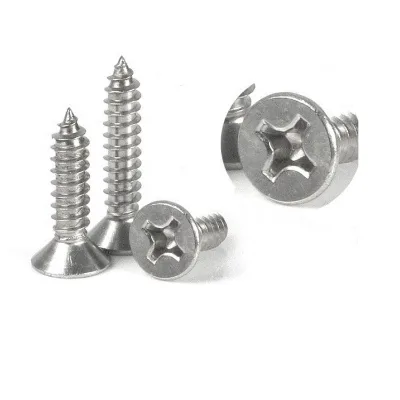
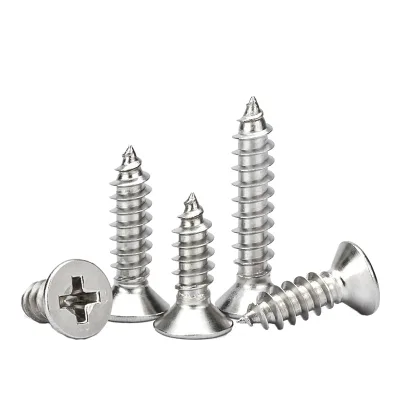
Stainless Steel Flat Head Self Tapping Screw Cross Flat Tail Self Tapping Screws
$0.002 - $0.0035
MOQ: 50000 Pieces


Yangzhou Worskey Import & Export Co., Ltd.
- Verified by BV
- Trading Company
- China Jiangsu
- Lead time23 days
- Avg. response≤ 4h
Main productsScrews, Nails, Bolt, Nuts, Anchors, Wahser, Nail Making Machine
Main marketsSouth America,Eastern Europe,Mid East,North America,Southeast Asia,Western Europe,Africa


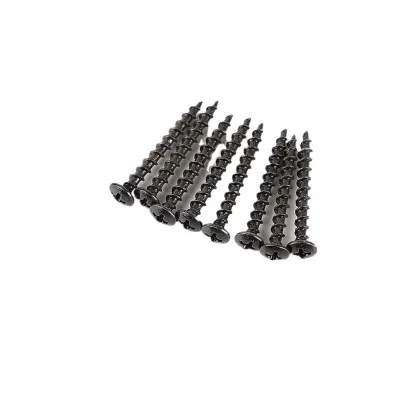
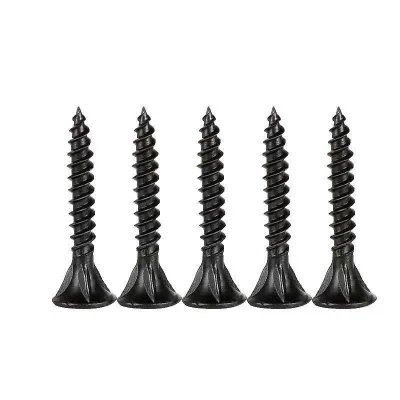
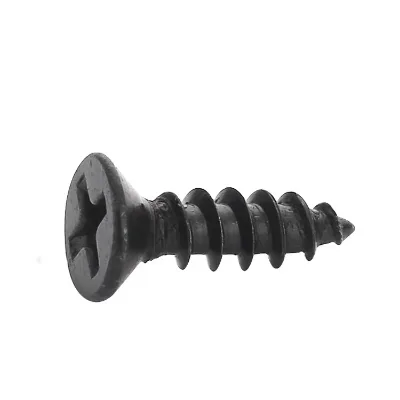
Bugle Self-Tapping Screw Black Phosphated Self Tapping Chipboard Screw
$1400.00 - $1500.00
MOQ: 3 Tons

Xiamen Changchun Import & Export Co., Ltd.
- Trading Company,Manufacturer/Factory
- China Fujian
- Lead time60 days
- Avg. response≤ 4h
Main productsBolt, Nut, CNC Machining Parts, CNC Turning Part, Milling Cutter, Self-Tapping Screw, Non-Standard Screw, Machnical Screw, Combination Screw
Main marketsSouth America,Eastern Europe,Mid East,North America,Southeast Asia,Eastern Asia,Oceania,Western Europe,Africa


$0.0075 - $0.015
MOQ: 5000 Pieces

Handan Haoqiang Fasteners Manufacturing Co., Ltd.
- Verified by SGS
- Combined
- China Hebei
- Lead time30 days
- Avg. response≤ 7h
Main productsHex Bolt, Hex Nut, Flange Nut, Flange Bolt, High Strength Bolt, ASTM/ANSI, Bolt and Nut, Spring Washer, Flat Washer, Screws
Main marketsSouth America,Africa,Southeast Asia/ Mideast


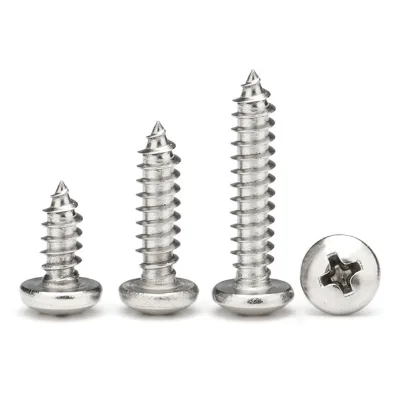
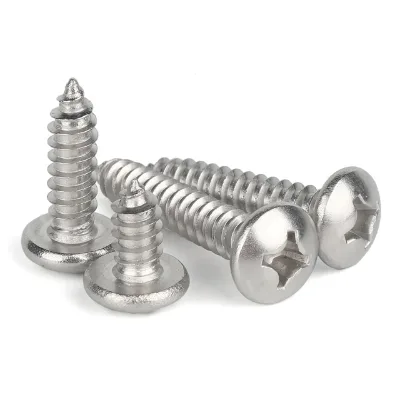
Fastener DIN968 Carbon Steel Stainless Steel 304 Round Head Self-Tapping Screw
$0.01 - $0.05
MOQ: 1000 Pieces

Zinc Plated Countersunk Flat Head Phillip Drive Thread Self Drilling Screw
$0.01 - $0.10
MOQ: 1 Pieces

Jiaxing Goshen Hardware Co., Ltd.
- Trading Company,Manufacturer/Factory
- China Zhejiang
- Lead time23 days
- Avg. response≤ 4h
Main productsFasteners, Bolts, Nuts, Screws, Stainless Steel Screw, Threaded Rod, Stainless Steel Bolt, Customized Bolt, Washer, Carriage Bolt
Main marketsSouth America,Eastern Europe,Mid East,North America,Southeast Asia,Eastern Asia,Oceania,Western Europe,Africa
Hebei Anka Fastener Manufacturing Co., Ltd.
- Verified by TüVRheinland
- Manufacturer, Trading Company
- Lead time15 days
- Avg. response≤ 2h
Main productsFlange Bolt, Hex Bolt, Hex Nut, Wedge Anchor, Drywall Screw
Main marketsMid East(40%), Southeast Asia(20%), South America(10%)

EnPro Industries (Wuxi) Co., Ltd.
- Verified by SGS
- Manufacturer/Factory
- China Jiangsu
- Lead time15 days
- Avg. response≤ 8h
Main productsBolt, Screw, Nut, Washer, Anchor, Rivet, Pin, Shackle, Carabiner
Main marketsSouth America,Eastern Europe,Mid East,North America,Southeast Asia,Eastern Asia,Oceania,Western Europe,Africa


$0.005 - $0.008
MOQ: 1 Pieces

Factory Price Best Quality Carbon Steel Self Tapping Screw DIN7971/DIN7972/DIN7973
$0.005 - $0.008
MOQ: 1 Pieces

Tianjin Xinruifeng Fastener Manufacturing Co., Ltd
- Verified by SGS
- Manufacturer/Factory
- China Tianjin
- Lead time45 days
- Avg. response≤ 9h
Main productsScrew, Fastener, Self-Drilling Screw, Coil Nail, Blind Rivet, Drywall Screw, Roofing Screw, Gypsum Screw
Main marketsSouth America,Eastern Europe,Mid East,North America,Southeast Asia,Eastern Asia,Oceania,Western Europe,Africa


Hardness Steel Zinc Plated Countersunk Head Chipboard Screw Self Tapping Screw
$6.00 - $14.00
MOQ: 1 kg


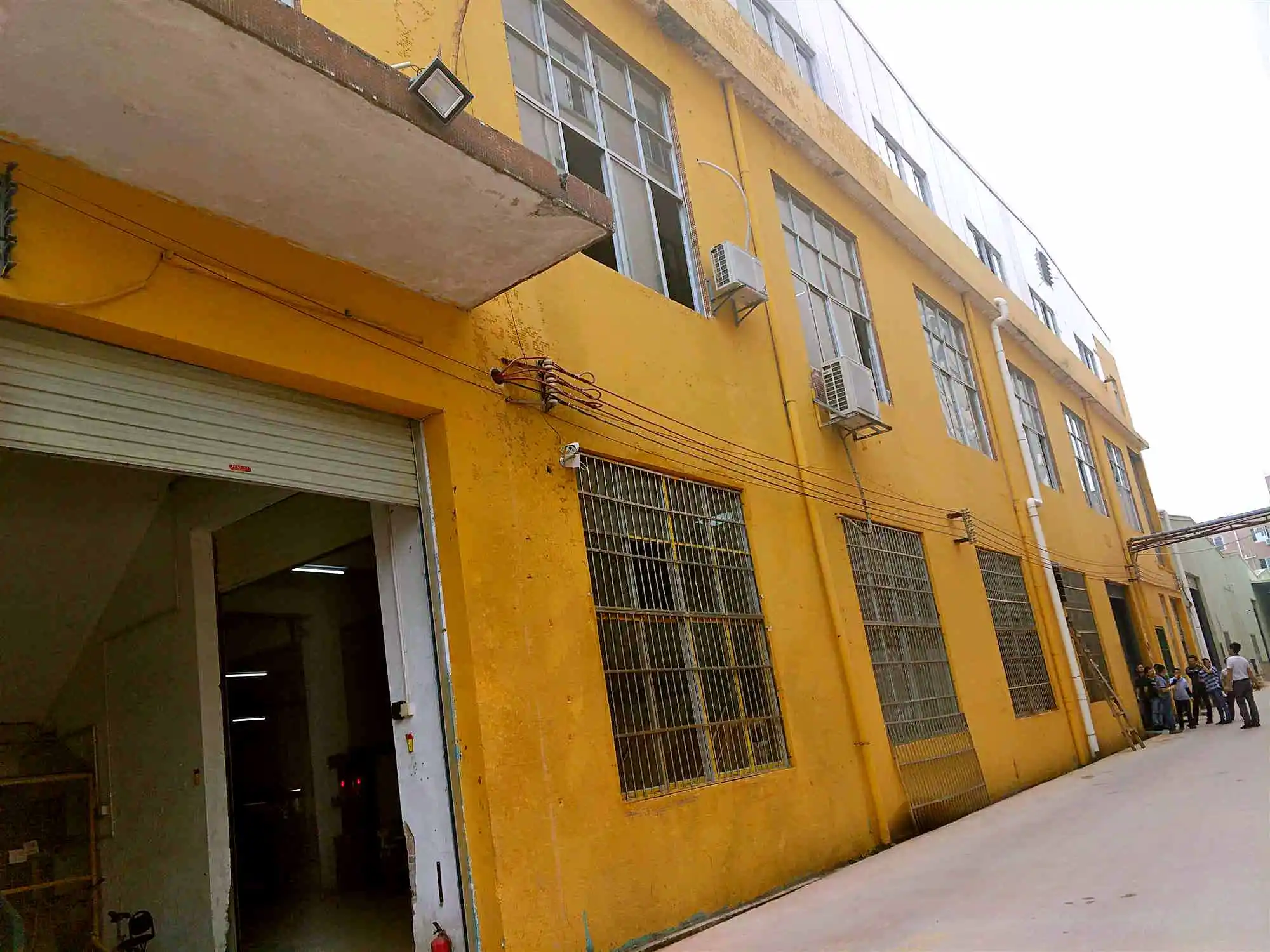
Dongguan Shengxiang Hardware Trading Co., Ltd.
- Manufacturer, Trading Company
- Guangdong, China
- Lead time15 days
- Avg. response≤ 3h
Main productsmetal products,stamping metal,auto parts,metal plastic accessories,hardware products
Main marketsDomestic Market(20.00%), Western Europe(16.50%), Central America(10.00%), North America(10.00%), Southern Europe(10.00%), Northern Europe(10.00%), Oceania(5.00%), South America(5.00%), Southeast Asia(5.00%), Eastern Europe(5.00%), South Asia(1.00%), Eastern Asia(1.00%), Mid East(1.00%), Africa(0.50%)
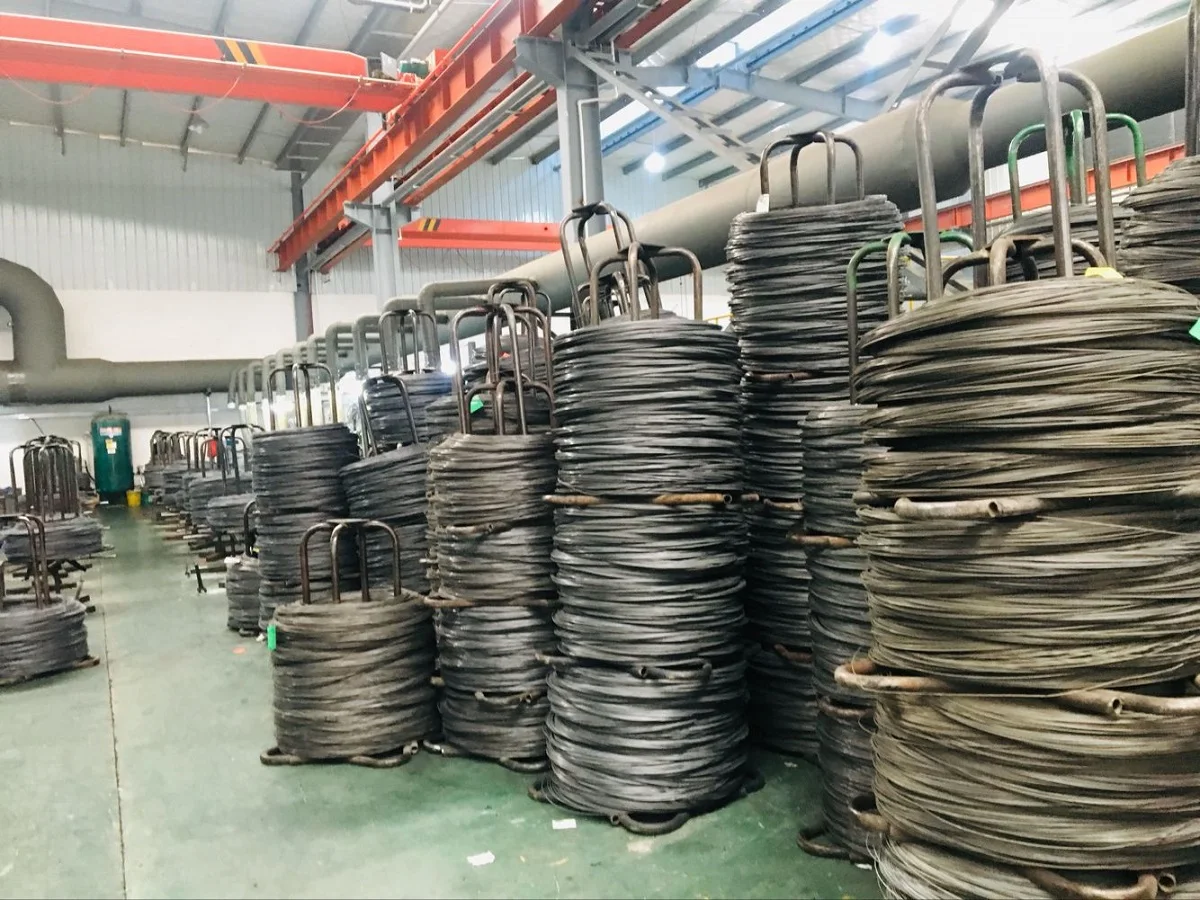
Zhejiang Dehong Machinery Co., Ltd
- Trading Company
- Zhejiang, China
- Lead time20 days
- Avg. response≤ 3h
Main productsscrews,Nuts,Bolts,clamps,washers
Main marketsEastern Europe(60.00%), Domestic Market(30.00%), North America(2.00%), Western Europe(2.00%)
Xianning Longfuquan Electronics Co., Ltd.
- Manufacturer
- Hubei, China
- Lead time0 days
- Avg. response≤ 4h
Main productsscrew,nut,bolt,stamping parts,Turning parts
Main marketsDomestic Market(45.00%), Africa(20.00%), Mid East(15.00%), Southeast Asia(15.00%), North America(5.00%)

Yibang Machinery Technology (Handan) Co., Ltd
- Verified by TUVRHEINLAND
- Combined
- China Hebei
- Lead time15 days
- Avg. response≤ 22h
Main marketsSoutheast Asia/ Mideast,Domestic


Drive Countersunk Chipboard Screw Zinc Plated Self Tapping Ground Screws
$0.02 - $0.05
MOQ: 1000 Pieces


Shanghai Monsun Technology Co., Ltd.
- Verified by SGS
- Trading Company
- China Shanghai
- Lead time30 days
- Avg. response≤ 1h
Main productsDrywall Screw, Chipboard Screw, Wood Screw, Self Tapping Screw, Self Drilling Screw, Deck Screw, Particleboard Screw, Gypsum Screw, Stainless Steel Screw, Sheet Metal Screw
Main marketsSouth America,Europe,Australia,North America
Hebei Fujinrui Metal Products Co., Ltd.
- Manufacturer, Trading Company
- Hebei, China
- Lead time0 days
- Avg. response≤ 2h
Main productsBolts, Screws, Washers, Nuts, Anchors
Main marketsAfrica(30.00%), North America(10.00%), Southeast Asia(10.00%), South Asia(10.00%), Mid East(10.00%), Domestic Market(5.00%), Eastern Asia(5.00%), South America(5.00%), Northern Europe(5.00%), Western Europe(2.50%), Eastern Europe(2.50%), Southern Europe(2.50%), Oceania(2.50%)
Taicang Jukairui Fasteners Co., Ltd.
- Verified by Intertek
- Manufacturer, Trading Company
- Lead time0 days
- Avg. response≤ 2h
Main productsHex Flange Head Long Screw, Hex Head Long Screw, Hex Socket Head Long Screw, Hex Flange Head Concrete Anchor Bolt, Self-tapping Long Screw
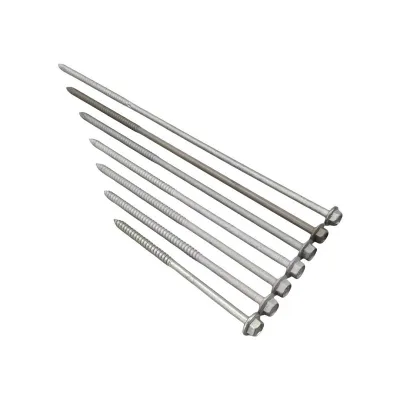
Wholesale Self drilling and self tapping screws concrete self tapping anchor bolts drill tail nail
$0.0615 - $0.1025
MOQ: 100 pieces
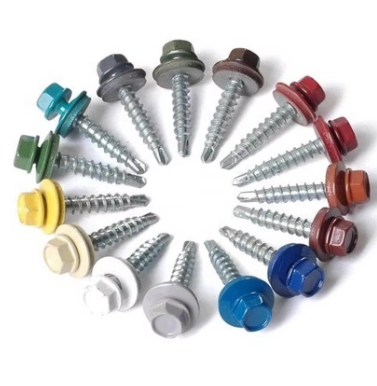
Carbon Steel ST5.5 Metal Color Painted Hex Flange/cross Pan Head Self Tapping Screws
$0.01 - $0.03
MOQ: 1000

Guangdong Taiyuanfeng Metal Products Co., Ltd.
- Verified by BV
- Combined
- China Guangdong
- Lead time15 days
- Avg. response≤ 3h
Main productsScrews, Bolts, Rivets, Nuts, Pins, CNC Parts, Stamping Parts, Non-Standard Screws, Wrench, Nails
Main marketsDomestic


Custom Self Tapping Step Screws Color Galvanized Phillips Pan Flat Head Screws
$0.01 - $0.03
MOQ: 10000 Pieces

Customized Hexagon Socket Flat Head Screw Bronze Plating Self Tapping Threaded Shoulder Screws
$0.01 - $0.03
MOQ: 10000 Pieces

Dongguan Liqiang Hardware Industry Limited Company
- Manufacturer, Trading Company
- Guangdong, China
- Lead time0 days
- Avg. response≤ 3h
Main productsScrews,Nuts,Washers,Rivets,Pins
Main marketsDomestic Market(78.00%), South America(6.00%), North America(5.00%), Eastern Asia(3.00%), Central America(2.00%), South Asia(2.00%), Southeast Asia(2.00%), Southern Europe(1.00%), Mid East(1.00%)
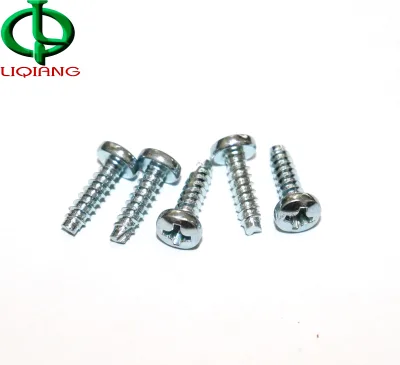
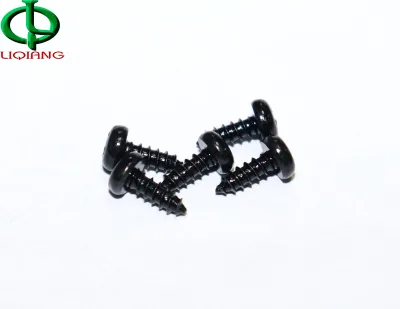
Zinc Plated Self-tapping Screw M2.0X6.0
$0.01 - $0.02
Dongguan Liweite Hardware Co., Ltd.
- Manufacturer, Trading Company
- Guangdong, China
- Lead time10 days
- Avg. response≤ 1h
Main productsBlind Rivets,Rivet nut,Screws,Pneumatic rivet gun,Nuts
Main marketsNorth America(35.00%), Western Europe(25.00%), Southeast Asia(20.00%), Oceania(20.00%)

Ningbo Yongbiao Fastener Co., Ltd
- Verified by SGS
- Combined
- China Zhejiang
- Lead time23 days
- Avg. response≤ 2h
Main productsFastener, Screw, Harware
Main marketsDomestic

Zinc Coated Cross Head Bugle Screws - Carbon Steel Self-Drilling Design
$0.02 - $0.20
MOQ: 100000 Pieces

Jiangsu Jinrui Metal Products Co., Ltd.
- Verified by TüVRheinland
- Manufacturer, Trading Company
- Lead time25 days
- Avg. response≤ 2h
Main productsBolt, Nut, Stud Bolt, Threaded Rod, Screw
Main marketsDomestic Market(54%), North America(16%), Western Europe(10%)

Guangzhou 247 International Co., Ltd
- Verified by SGS
- Trading Company,Manufacturer/Factory
- China Guangdong
- Lead time23 days
- Avg. response≤ 12h
Main productsIron Nails, Screws, Welding Rods, Iron Wire, Welding Wires, Wire Mesh, Safety Products, Welding Gloves, Fastener, Labour Protection Tools
Main marketsSouth America,Eastern Europe,Mid East,North America,Southeast Asia,Eastern Asia,Oceania,Western Europe,Africa

- Verified by BV
- Manufacturer/Factory
- China Zhejiang
- Lead time45 days
- Avg. response≤ 6h
Main productsHex Bolts, Timber Bolts, Hex Washer Head Bolts, Hex Nuts, Lock Nuts, Flat Washer, Hex Wood Screw, Screw Eye, Threaded Rods, Carriage Bolts
Main marketsSouth America,Eastern Europe,Mid East,North America,Southeast Asia,Eastern Asia,Oceania,Western Europe,Africa

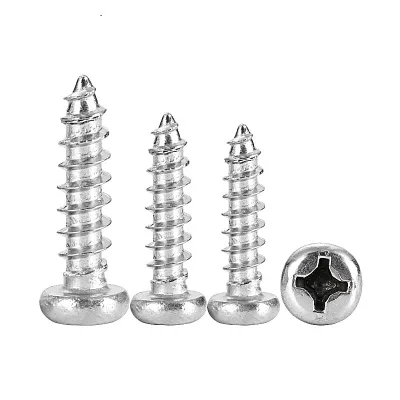
ISO 7049 Carbon Steel Blackening Cross Recessed Pan Head Self Tapping Screw
$1000.00
MOQ: 10000 Pieces


$0.03 - $0.20
MOQ: 10000 Pieces

Ningbo Anbor Hardware Co., Ltd.
- Verified by BV
- Trading Company,Manufacturer/Factory
- China Zhejiang
- Lead time23 days
- Avg. response≤ 3h
Main productsRoofing Screw, Drywall Screw, Thread Rod/B7 Thread Rod, Blind Rivet, Anchors, Bolts, Nuts/2h Hex Nut, Washers, Stainless Steel Fasteners, Stampings
Main marketsSouth America,Eastern Europe,Mid East,North America,Southeast Asia,Eastern Asia,Oceania,Western Europe,Africa

$0.01 - $0.10
MOQ: 1000 Pieces


OEM ODM Standard DIN ISO JIS Length 4mm-25mm M2-M8 Pan Framing Head Self Tapping Screw
$0.001 - $0.05
MOQ: 1000 Pieces

A2-70 Galvanised Metal Hexagon Stainless Steel Pan Head Self Drilling Screw
$0.001 - $0.05
MOQ: 1000 Pieces
Foshan Zhongjin Likang Hardware Co., Ltd.
- Verified by TüVRheinland
- Manufacturer, Trading Company
- Lead time0 days
- Avg. response≤ 1h
Main productsHardware Products, Bolt, Screw, Nut, Washer
Main marketsSoutheast Asia(15%), North America(10%), Mid East(10%)

Dongguan Gorun Hardware Products Factory
- Verified by SGS
- Combined
- China Guangdong
- Lead time15 days
- Avg. response≤ 8h
Main productsSelf-Driing Screw, Self-Tapping Screw, Custom Screw, Pan Head Screw, Fasteners Screws, Roofing Screw, Torx Screw, Stainless Steel Screw, China Screw, Drywall Screw
Main marketsDomestic

Factory Price Self -Tapping Screw Hex Head Screw with ISO 9001 Certification
$0.01 - $0.15
MOQ: 1 Pieces

Esms Self-Tapping Screw - Own Brand Solutions with Competitive Pricing
$0.005 - $0.05
MOQ: 10000 Pieces
Guangzhou Fast Precise Hardware Co., Ltd.
- Manufacturer, Trading Company
- Guangdong, China
- Lead time30 days
- Avg. response≤ 8h
Main productsScrew/Bolt
Main marketsDomestic Market(71.00%), Western Europe(15.00%), North America(5.00%), Eastern Europe(3.00%), Oceania(2.00%), Mid East(2.00%), Southeast Asia(2.00%)
Handan Jinzhongke Equipment Technology Co., Ltd.
- Manufacturer, Trading Company
- Hebei, China
- Lead time0 days
- Avg. response≤ 8h
Main productsNuts,Bolts,Anchors,Screws,Washers
Main marketsNorth America(10.00%), South America(10.00%), Eastern Europe(10.00%), Southeast Asia(10.00%), Africa(10.00%), Oceania(10.00%), Mid East(10.00%), Eastern Asia(10.00%), Western Europe(10.00%), South Asia(10.00%)
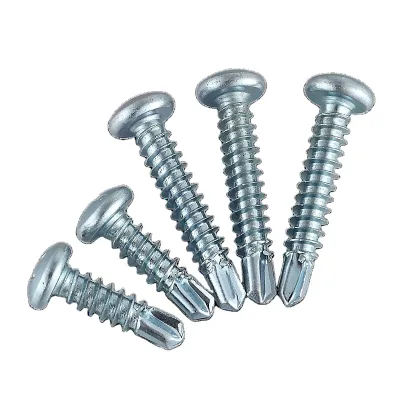
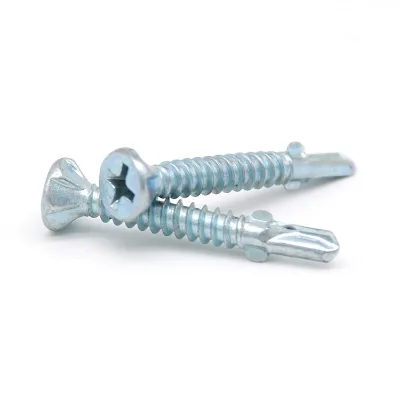
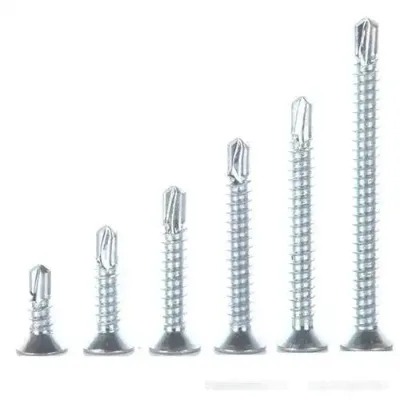
$0.10 - $0.15
MOQ: 50 pieces
Qingdao Jeekuu Hardware Products Co., Ltd.
- Verified by Intertek
- Trading Company
- Lead time30 days
- Avg. response≤ 2h
Main productsBolts and Nuts, Washers, Tapping Screws, Screws, Non-standard
Main marketsNorth America(40%), South Asia(30%), Eastern Europe(15%)
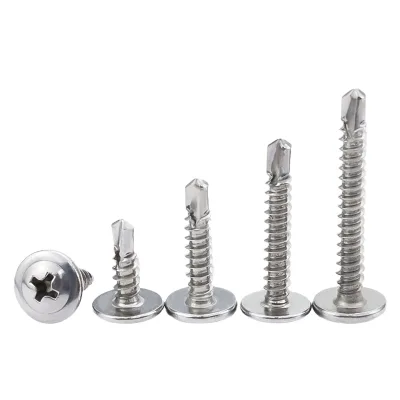
Wholesale High Quality Cross-round Head Self-drilling and m 8 Self-drilling Screw
$0.0205 - $0.0717
MOQ: 1000 pieces
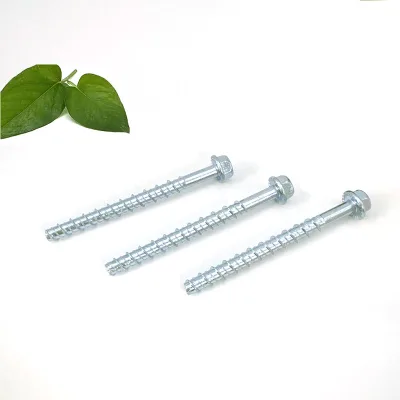
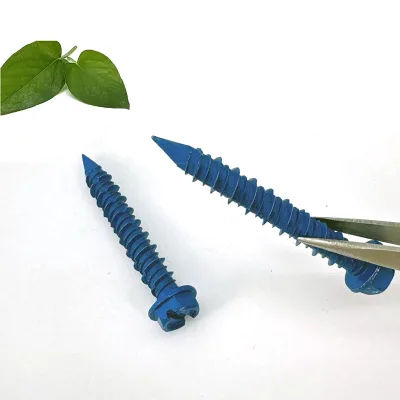
Blue Self-Tapping 304 Stainless Steel Cement Screws Inch Pan Head High and Low Teeth
$0.02 - $0.07
MOQ: 1000
Dongguan Guxiang Metalwork Co., Ltd.
- Manufacturer, Trading Company
- Guangdong, China
- Lead time15 days
- Avg. response≤ 5h
Main productsScrew,Bolt,Washer,Nut,Wrench
Main marketsDomestic Market(65.00%), Western Europe(13.00%), North America(10.00%), Southeast Asia(5.00%), South Asia(3.00%), South America(2.00%), Eastern Europe(1.00%), Northern Europe(1.00%)

Hebei Yunchang Fastener Manufacturing Co., Ltd.
- Verified by SGS
- Manufacturer
- China Hebei
- Lead time15 days
- Avg. response≤ 11h
Main productsFastener, Hex Bolt, Foundation Bolt, Embedded Bolts, Hex Nut, Flange Nut, Allen Socket Bolt, High-Strength Bolt, Washer, Threaded Rods
Main marketsDomestic

DIN7504 Carbon Steel Zinc Plated Galvanized Phillips Flat Head Self Drilling Screw
$0.02 - $0.06
MOQ: 2000 Pieces

Customized DIN7504K Stainless Steel Hexagonal Head Self Tapping Flange Screws
$0.02 - $0.06
MOQ: 2000 Pieces

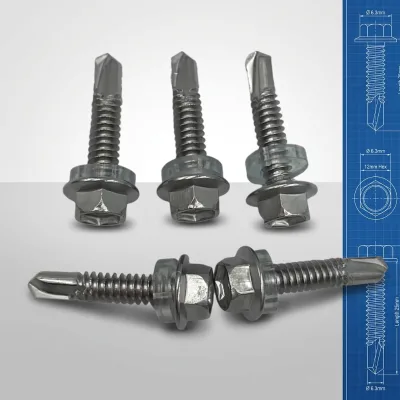
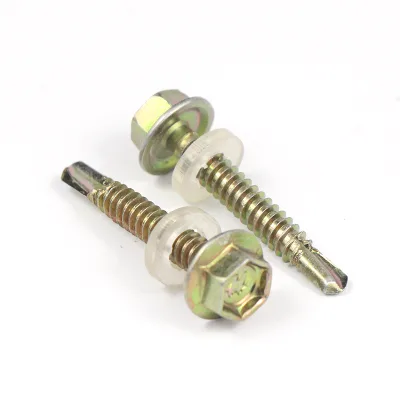
Special Steel High Quality Hex Head Self Drilling Screw with Rubber Washer
$0.02 - $0.06
MOQ: 2000 Pieces

Handan Moen Import and Export Trading Co., Ltd.
- Verified by SGS
- Combined
- China Hebei
- Lead time30 days
- Avg. response≤ 4h
Main productsSteel Wire Rope Clamp, Nut and Bolt, Fasteners Manufacturing, Thread Rod, Sleeve Anchor with Hex Flange Nuts, Flange Bolt, Carriage Bolt, Screws, U-Bolt, Drop in Anchor
Main marketsEurope


Factory Wholesale Self-Tapping Screws M3-M64 Drywall Anchor Hollow Wall Anchor
$0.10 - $0.15
MOQ: 1000 kg

- Trading Company
- Hong Kong S.A.R.
- Lead time25 days
- Avg. response≤ 6h
Main productsfastener,screws,bolts,nuts,washers
Main marketsNorth America(30.00%), South America(20.00%), Africa(10.00%), Southeast Asia(10.00%)


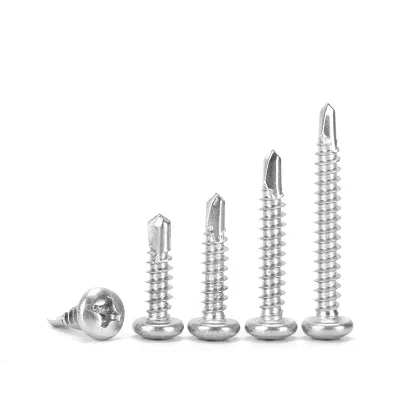
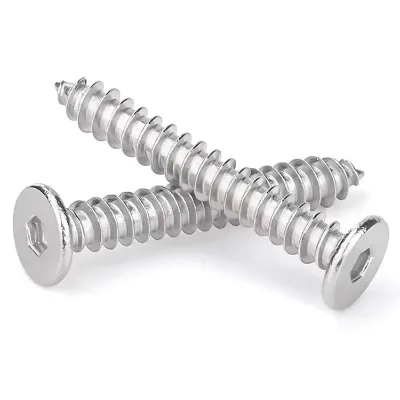
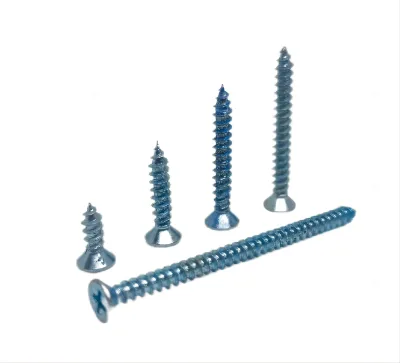


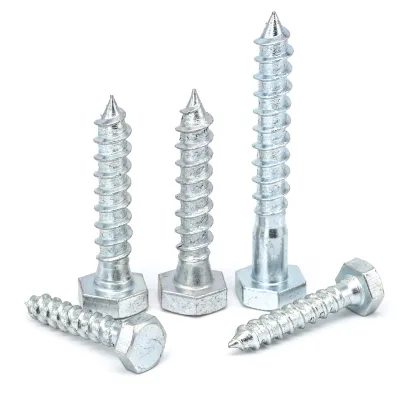


Comprehensive Sourcing Guide
Galvanized Carbon Steel Self-Tapping Screw Supplier Concentration and Factory Types
The current supplier landscape for galvanized carbon steel self-tapping screws reveals a distinct concentration of manufacturing activity within specific Chinese provinces, with Zhejiang and Jiangsu emerging as primary hubs for production. Fact-based observations indicate that manufacturers in Zhejiang focus heavily on stainless steel fasteners but also list self-tapping screws within their broader product portfolios, often utilizing OEM and ODM capabilities under their own brands. In contrast, suppliers located in Jiangsu are identified as trading companies that aggregate products like galvanized carbon steel screws, nails, and bolts, suggesting a different operational model where sourcing is managed through a trading entity rather than direct factory ownership. This geographic split implies that buyers seeking direct factory pricing may need to target specific manufacturing clusters, while those prioritizing a wider range of hardware types might find trading companies in other regions more suitable for consolidated orders.
Company types vary significantly across the available results, ranging from pure manufacturers and factories to trading companies that may also operate as manufacturers. The data shows that some entities hold dual classifications, acting as both a trading company and a manufacturer, which can complicate the assessment of their true production capacity and pricing structure. For instance, one observed supplier in Fujian is listed as a trading company and manufacturer, offering CNC machining parts alongside self-tapping screws, indicating a diversified production line that may not be specialized solely in fasteners. When evaluating potential partners, buyers must distinguish between a facility that owns the production line and one that merely facilitates the transaction, as this distinction directly impacts lead times, quality control protocols, and the ability to customize specifications like thread pitch or head style for specific industrial applications.
How to Verify Galvanized Carbon Steel Self-Tapping Screw Suppliers
Verification of supplier credentials is a critical step that relies on specific third-party audit results and system certifications rather than general claims. The available data highlights that certain suppliers have undergone rigorous verification processes by recognized bodies such as TÜV Rheinland and Bureau Veritas (BV), providing a tangible layer of trust regarding their business legitimacy and operational stability. Additionally, system certifications like ISO 9001, ISO 9000, and ISO 14001 are frequently cited, indicating that these facilities adhere to international quality management standards. However, buyers should not assume every supplier possesses these credentials; instead, they must actively request and validate specific certification documents to ensure the supplier's quality management system covers the specific manufacturing processes required for galvanized carbon steel products.
Beyond certifications, the verification of a supplier's response time and operational history offers insight into their reliability and customer service capabilities. Observed response times vary, with some suppliers demonstrating a rapid response capability of approximately 3.30 hours, while others may take longer, potentially indicating differences in staffing or operational efficiency. A supplier with a verified status from a major inspection agency combined with a fast response time suggests a mature operation capable of handling urgent inquiries and complex orders. Buyers should prioritize suppliers who can provide clear evidence of their verification status and demonstrate consistent communication speeds, as these factors are strong indicators of a supplier's ability to manage the nuances of international trade and resolve issues before they escalate into supply chain disruptions.
What to Compare Across Galvanized Carbon Steel Self-Tapping Screw Suppliers
When comparing potential partners, buyers must analyze key operational metrics such as lead time, minimum order quantity (MOQ), and response speed to determine the best fit for their specific procurement needs. The data reveals significant variance in lead times, with some suppliers indicating a standard production window of 90 days, while others offer much faster turnaround times of around 23 days. Similarly, MOQs fluctuate widely, ranging from small batch orders of 100 pieces to substantial volume requirements of 100,000 pieces, which directly influences the feasibility of sourcing for different order sizes. A supplier with a low MOQ and short lead time might be ideal for prototyping or urgent small-scale projects, whereas a high-volume manufacturer with a longer lead time may be necessary for large-scale industrial deployments where cost efficiency is paramount.
Product specifications and customization capabilities also serve as vital comparison points when selecting a supplier for galvanized carbon steel self-tapping screws. Available product evidence shows that some manufacturers offer extensive customization options, including various head styles, drive types, and surface treatments like zinc plating or black phosphating, while others may limit their offerings to standard configurations. Standards compliance is another critical factor, with suppliers citing adherence to international standards such as DIN, ANSI, BSW, and JIS, ensuring that the fasteners meet specific engineering requirements. Buyers should carefully review the product attributes listed by each supplier to ensure compatibility with their existing assembly lines and to confirm that the supplier can deliver the precise mechanical properties and finishes required for their application.
Common Galvanized Carbon Steel Self-Tapping Screw Sourcing Risks
One of the primary risks in sourcing galvanized carbon steel self-tapping screws involves the potential mismatch between advertised product attributes and actual manufacturing capabilities. While some suppliers list a wide array of products including stainless steel and brass fasteners alongside carbon steel options, this diversity can sometimes indicate a lack of specialized focus, potentially leading to inconsistencies in the galvanization process or material quality. Buyers must be vigilant in verifying that the specific grade of carbon steel and the thickness of the zinc coating meet the required corrosion resistance standards, as generic listings may not guarantee the performance needed for harsh environments. Relying solely on broad product categories without detailed technical validation can result in receiving fasteners that fail under stress or degrade prematurely in service.
Another significant risk relates to the discrepancy between quoted prices and the actual cost of production, particularly when dealing with suppliers who have high minimum order quantities. The observed price ranges for similar products can vary drastically, with some listings showing prices as low as $0.002 per unit while others are significantly higher, often influenced by the MOQ and the complexity of the customization requested. Suppliers with very low prices may be operating on thin margins that could compromise quality control or lead to hidden costs in shipping and tariffs. Furthermore, the reliance on trading companies rather than direct manufacturers can introduce additional layers of markup and communication delays, increasing the risk of misunderstandings regarding specifications and delivery schedules, which can ultimately disrupt the buyer's production timeline.
Galvanized Carbon Steel Self-Tapping Screw Regional Sourcing and Logistics
Regional sourcing strategies must account for the specific geographic locations of suppliers to optimize logistics and minimize shipping costs. The available data indicates that a significant portion of the supplier base is concentrated in Zhejiang and Jiangsu provinces in China, regions known for their robust manufacturing infrastructure and access to major ports. Sourcing from these hubs can offer logistical advantages due to established supply chains and frequent shipping routes to international markets. However, buyers should also consider suppliers in other regions like Fujian, which may offer different logistical benefits depending on the destination of the goods. Understanding the specific location of the factory allows buyers to better estimate transit times and calculate the total landed cost, including freight and insurance, which are critical components of the overall procurement budget.
Logistics planning also involves understanding the packaging standards and shipping methods employed by different suppliers to ensure product integrity during transit. Product evidence suggests that suppliers utilize various packaging methods, ranging from bulk shipments to individual boxes, cartons, and pallets, each with different implications for handling and storage. Some suppliers offer customized packing solutions, while others adhere to standard industry practices. Buyers should verify the packaging details to ensure that the fasteners are protected against moisture and physical damage, especially given the galvanized coating's sensitivity to environmental conditions. Coordinating with the supplier on packaging requirements early in the process can prevent damage during transit and streamline the receiving and inventory management processes at the destination.
Galvanized Carbon Steel Self-Tapping Screw Commercial Terms and Order Planning
Commercial terms and order planning are essential components of a successful procurement strategy, requiring careful attention to payment structures, delivery schedules, and contractual obligations. The data indicates that suppliers may have varying lead times, ranging from 23 to 90 days, which necessitates precise planning to align production schedules with project deadlines. Buyers should establish clear communication channels to confirm production timelines and request regular updates to mitigate the risk of delays. Additionally, understanding the supplier's capacity for OEM and ODM services is crucial for custom orders, as it determines the flexibility to modify designs or specifications to meet unique requirements without compromising the production schedule.
Payment terms and minimum order quantities also play a pivotal role in order planning and financial management. With MOQs ranging from 100 to 100,000 pieces, buyers must assess their inventory needs and cash flow to determine the most cost-effective order size. Suppliers with lower MOQs may offer more flexibility for smaller projects, while those with higher MOQs might provide better unit pricing for large-scale operations. Buyers should negotiate terms that balance cost efficiency with risk management, ensuring that the supplier is committed to delivering the agreed-upon quality and quantity within the specified timeframe. Establishing a clear understanding of these commercial terms before placing an order helps prevent disputes and ensures a smooth transaction process from initial inquiry to final delivery.
FAQs
What is the price range for galvanized carbon steel self-tapping screws?
Prices for galvanized carbon steel self-tapping screws typically range from $0.98 to $1.56 per unit. This pricing reflects standard market rates for bulk orders. Buyers should verify specific costs based on quantity and customization needs. Minimum order quantities often start at 100 pieces, making these screws accessible for various project scales.
What certifications are available for these fasteners?
Manufacturers often provide ISO, RoHS, and CE certifications for stainless steel variants. For carbon steel options, ISO and RoHS standards are commonly cited. These certifications ensure compliance with international quality and safety regulations. Buyers should request specific documentation to verify that the products meet their project requirements and local regulatory standards.
What is the typical lead time for orders?
Lead times vary significantly by supplier type and location. Some manufacturers report lead times of up to 90 days, while trading companies may offer faster turnaround times around 23 days. Buyers should confirm specific delivery schedules with their chosen supplier. Factors like customization and order volume can also impact the final production and shipping timeline.
Where are these screws typically manufactured?
These fasteners are primarily manufactured in China, with key production hubs in Zhejiang, Jiangsu, and Fujian provinces. Zhejiang is known for stainless steel variants, while Jiangsu and Fujian host both trading companies and factories. Buyers can source directly from these regions to ensure authenticity and potentially reduce logistics costs for international shipments.
What surface treatments are available for these screws?
Common surface treatments include galvanized, zinc-plated, black phosphated, and plain finishes. Some suppliers also offer bronze, rainbow, or nickel plating options. These treatments enhance corrosion resistance and aesthetic appeal. Buyers should select finishes based on their specific environmental conditions and application requirements to ensure long-term durability and performance.
What is the minimum order quantity for these screws?
Minimum order quantities vary widely, ranging from 100 pieces to 100,000 pieces depending on the product type. Standard galvanized screws may have lower MOQs, while specialized stainless steel variants often require higher volumes. Buyers should check specific product listings for exact MOQs. Bulk orders typically offer better pricing and more flexible shipping options.