Titanium Hex Head Race Flange Suppliers and Manufacturers
Source Titanium Hex Head Race Flange components from 20 verified suppliers in Shaanxi, China. Compare lead times, MOQs, and certifications like ISO 9001 to identify suitable manufacturers for your specific fastener requirements; review the available evidence before requesting comparable quotations from suitable candidates.
Updated
Suppliers List
Baoji Hanz Metal Material Co., Ltd.
- Verified by TüVRheinland
- Manufacturer, Trading Company
- Lead time20 days
- Avg. response≤ 3h
Main productsTungsten And Alloys, Molybdenum And Alloys, Tantalum And Alloys, Nickel And Alloys, Titanium And Alloys
Main marketsNorth America(25%), Western Europe(20%), Eastern Asia(15%)
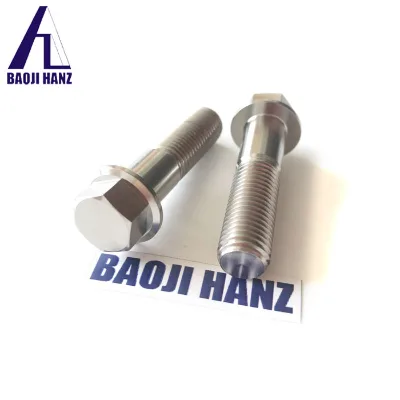
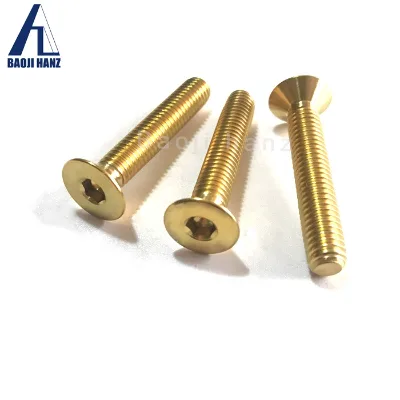
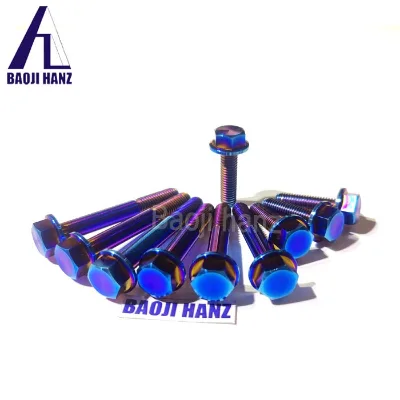
$0.60 - $2.90

SHAANXI RUIYANG IMPORT EXPORT CO., LTD.
- Verified by TUVRHEINLAND
- Trading Company,Manufacturer/Factory
- China Shaanxi
- Lead time23 days
- Avg. response≤ 5h
Main productsSteel Pipe, Stainless Steel, Steel Wire Rope, Stainless Steel Bar, Aluminium, Anchor Bolt, Marine Hardware, Reformer Tube, Bolts and Nuts, Centrifugal Cast Tube
Main marketsSouth America,Eastern Europe,Mid East,North America,Southeast Asia,Eastern Asia,Oceania,Western Europe,Africa

Zhejiang Ruizhao Technology Co., Ltd.
- Verified by TUVRHEINLAND
- Combined
- China Zhejiang
- Lead time30 days
- Avg. response≤ 10h
Main productsFlange Bolt, Socket Screw, Press Screw, Step Screw, Wheel Nut, Wheel Bolt, Flange Nut, Circlip, Clip Nut, Automotive Fasteners
Main marketsSoutheast Asia/ Mideast,Europe
Baoji Qiyuexin Metal Material Co., Ltd.
- Manufacturer, Trading Company
- Shaanxi, China
- Lead time30 days
- Avg. response≤ 3h
Main productstitanium vavle,titanium flange,titanium pipe fittings,titanium machined parts,titanium materials
Main marketsEastern Europe(35.00%), Southern Europe(30.00%), Western Europe(20.00%), Northern Europe(10.00%), North America(5.00%)
Baoji Fuxingrong Titanium Products Co., Ltd.
- Trading Company
- Shaanxi, China
- Lead time20 days
- Avg. response≤ 2h
Main productsTitanium bolts,Titanium screw,titanium nut,titanium parts,Titanium spring
Main marketsNorth America(40.00%), Southeast Asia(30.00%), Oceania(10.00%), Northern Europe(5.00%), Southern Europe(5.00%), Eastern Europe(5.00%), Western Europe(4.00%), Mid East(1.00%)
Handan Haosheng Fastener Co., Ltd.
- Verified by Intertek
- Manufacturer, Trading Company
- Lead time30 days
- Avg. response≤ 6h
Main productsBolts, Nuts, Chipboard Screw, Drywall Screw, Anchor Bolts
Main marketsDomestic Market(62%), Eastern Europe(11%), Western Europe(8%)

- Verified by TUVRHEINLAND
- Manufacturer/Factory
- China Shaanxi
- Lead time38 days
- Avg. response≤ 2h
Main productsDial Indicators, Micrometers, Calipers, Thickness Gauges, Bore Gauges, Depth Gauges, Height Gauges, Bevel Protractors, Oil Pipe Thread Instruments, CNC Lathe
Main marketsSouth America,Eastern Europe,North America,Western Europe,Africa

Motorcycle Screws Grade5 Titanium Hex Flange Bolt Drilled Dual Drive Race Spec
$1.36 - $1.50
MOQ: 300 Pieces

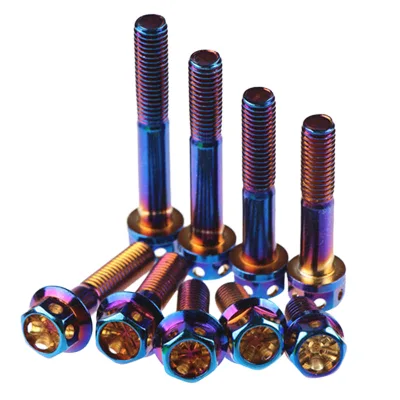
Factory Customization Titanium Bolt Hex Head Race Flange Drilled Lock Safety Wire Motorcycle Bolts
$1.56 - $1.68
MOQ: 300 Pieces

Factory Customization Titanium Bolt Hex Head Race Flange Drilled Lock Safety Wire Motorcycle Screws
$1.56 - $1.68
MOQ: 300 Pieces
Baoji City Changsheng Titanium Co., Ltd.
- Manufacturer, Trading Company
- Shaanxi, China
- Lead time15 days
- Avg. response≤ 9h
Main productsTitanium and titaniun alloy tube,TiNi alloy product,Titanium Anode,Titanium porous filter,Titanium CNC
Main marketsWestern Europe(20.00%), Domestic Market(15.00%), North America(15.00%), Eastern Asia(10.00%), Eastern Europe(10.00%), Northern Europe(10.00%), Southeast Asia(7.00%), South Asia(5.00%), Mid East(5.00%), Oceania(3.00%)
- Manufacturer, Trading Company
- Shaanxi, China
- Lead time20 days
- Avg. response≤ 7h
Main productsTitanium,Zirconium,Niobium,Chromium,Nickel
Main marketsNorth America(50.00%), Domestic Market(30.00%), Western Europe(16.00%), Eastern Europe(2.00%), Northern Europe(2.00%)

Shaanxi Ruifuxiang Industry And Trade Co., Ltd.
- Manufacturer, Trading Company
- Shaanxi Province, China
- Lead time30 days
- Avg. response≤ 1h
Main productstitanium fastener,titanium plate,titanium wire,titanium anode,titanium bar
Main marketsNorth America(20.00%), South America(15.00%), Mid East(10.00%), South Asia(10.00%), Southeast Asia(10.00%), Central America(10.00%), Domestic Market(5.00%), Africa(5.00%), Northern Europe(5.00%), Eastern Europe(5.00%), Eastern Asia(5.00%)
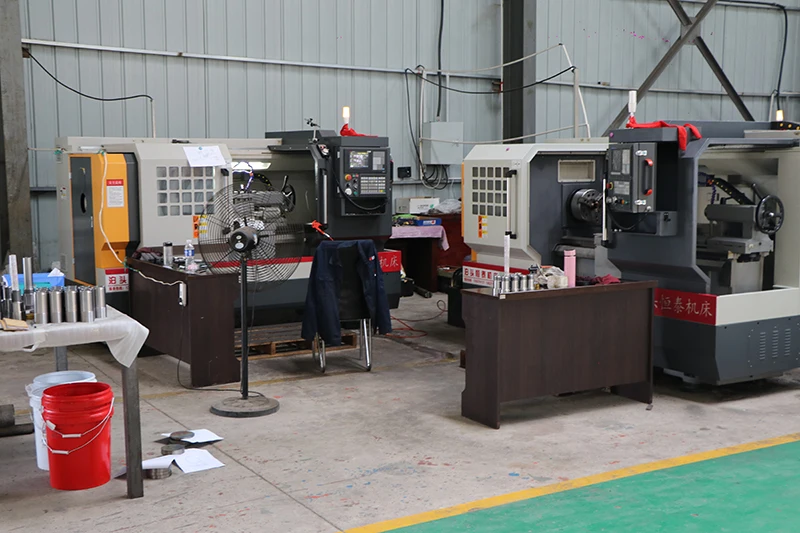
Baoji Bairuite Machinery Technology Co., Ltd.
- Manufacturer, Trading Company
- Shaanxi, China
- Lead time30 days
- Avg. response≤ 1h
Main productsTitanium Fasteners,Titanium EDC,Titanium CNC Custom Parts,Titanium Bicycle Parts,Titanium Auto Parts
Main marketsNorth America(50.00%), Western Europe(25.00%), Southeast Asia(10.00%), South America(5.00%), Eastern Asia(5.00%), Oceania(5.00%)

- Verified by TUVRHEINLAND
- Trading Company
- China Jiangsu
- Lead time15 days
- Avg. response≤ 1h
Main productsHex Bolts Screws Nuts Washers Thread Rods, Non-Standard Metal Parts
Main marketsSouth America,North America
Baoji Pengyuan Nonferrous Metal Co., Ltd.
- Verified by SGS Group
- Manufacturer, Trading Company
- Lead time7 days
- Avg. response≤ 2h
Main productsTitanium Fastener, Titanium Bolt, Titanium Nut, Titanium Customized Parts, Titanium Bar
Main marketsNorth America(30%), Southeast Asia(30%), Western Europe(20%)
Baoji Titanics Metal Processing Co., Ltd.
- Manufacturer, Trading Company
- Shaanxi, China
- Lead time15 days
- Avg. response≤ 5h
Main productsTitanium fasteners,Titanium standard room,Motorcycle modification screws,Titanium bicycle screws,Automotive wheel hub screws
Main marketsSoutheast Asia(50.00%), Mid East(10.00%), Central America(10.00%), Domestic Market(10.00%), North America(1.00%)
Baoji Boze Metal Products Co., Ltd.
- Verified by Intertek
- Manufacturer, Trading Company
- Lead time5 days
- Avg. response≤ 2h
Main productsTitanium Motorcycle Parts, Titanium Fasteners, Titanium Sports And Entertainment Accessories, Titanium Customized Parts, Titanium Materials
Main marketsNorth America(30%), Western Europe(30%), Oceania(20%)
Handan Bangna Trading Co., Ltd.
- Trading Company
- Hebei, China
- Lead time31 days
- Avg. response≤ 1h
Main productsscaffolding,fasteners,shor prop,steel support,steel tube
Main marketsMid East(30.00%), Africa(30.00%), Southeast Asia(20.00%), South Asia(10.00%), Eastern Asia(10.00%)
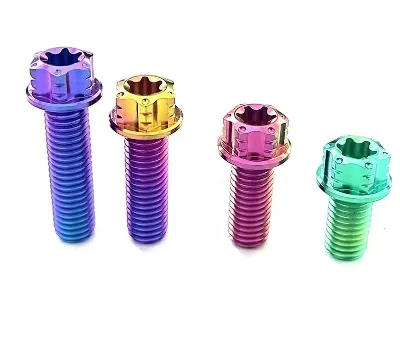
$0.4105 - $0.9243
MOQ: 100 pieces
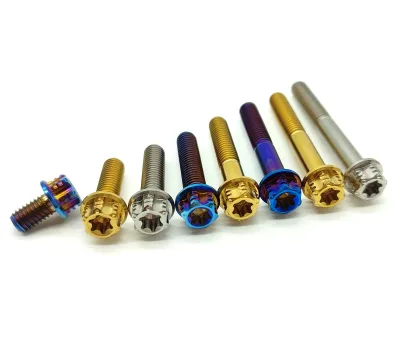
Titanium Alloy Hexagon Flange Bolts TC4 M5 M6 M8 M10 Sizes Steel Material with Plain Finish
$0.4434 - $1.1729
MOQ: 10 pieces
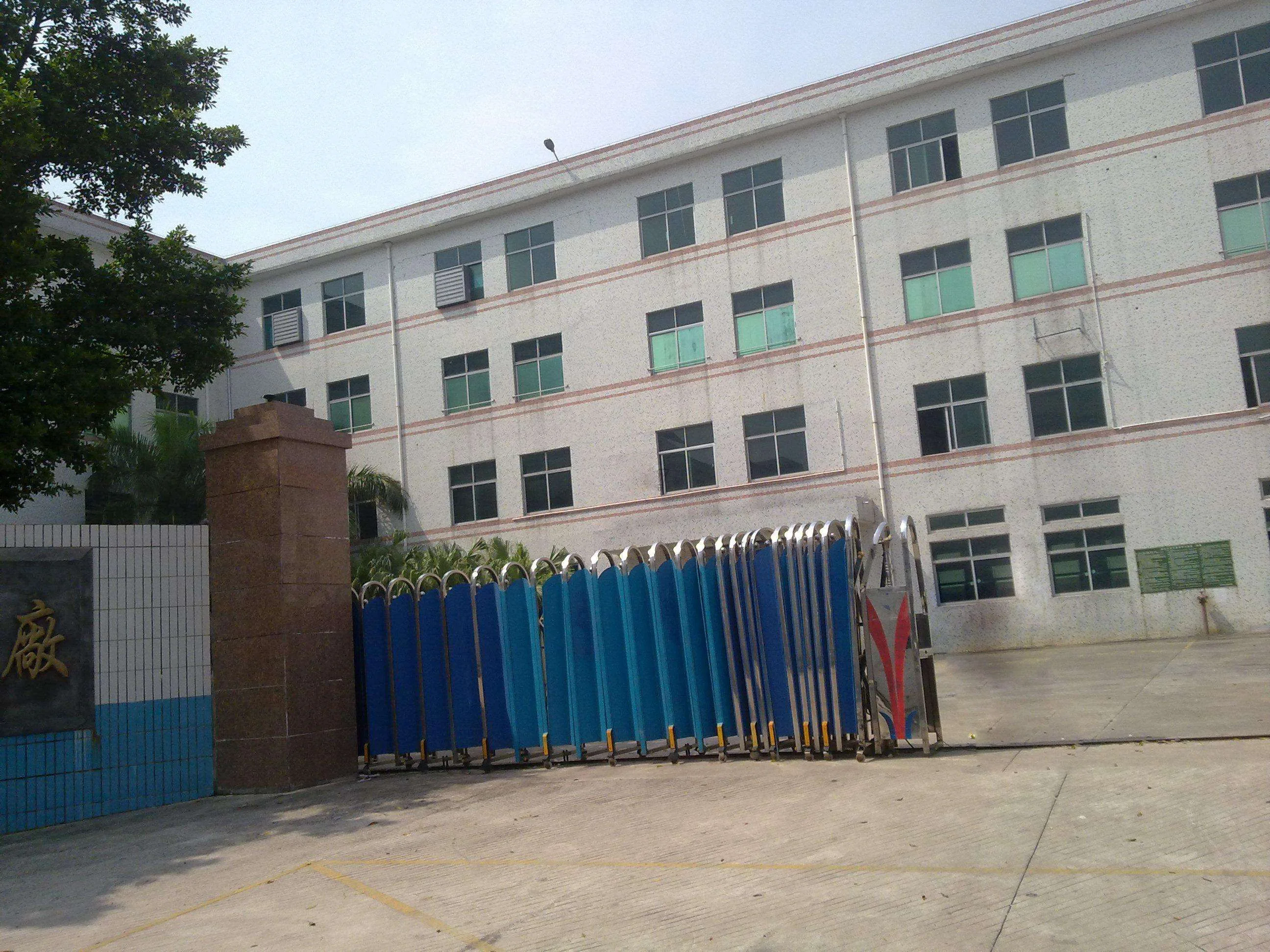
Baoji New Century Trade Co., Ltd.
- Trading Company
- Shaanxi, China
- Lead time35 days
- Avg. response≤ 2h
Main productstitanium screw,titanium bolt,titanium machined parts,Titanium CNC parts,custom titanium parts
Main marketsNorth America(55.00%), Western Europe(9.00%), Mid East(7.00%), Northern Europe(6.00%), Southeast Asia(5.00%), Eastern Asia(4.00%), South Asia(3.00%), Southern Europe(3.00%), Domestic Market(3.00%), Eastern Europe(3.00%), Oceania(2.00%)
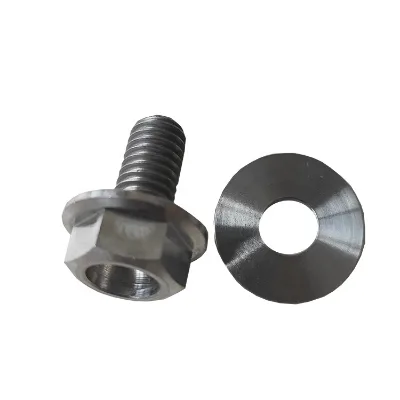
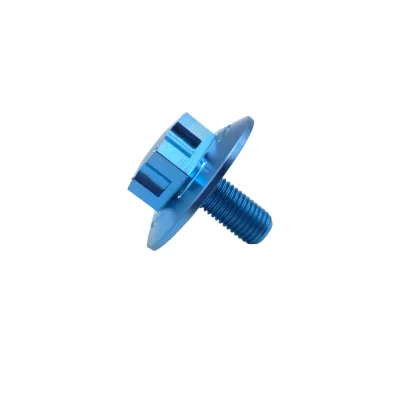
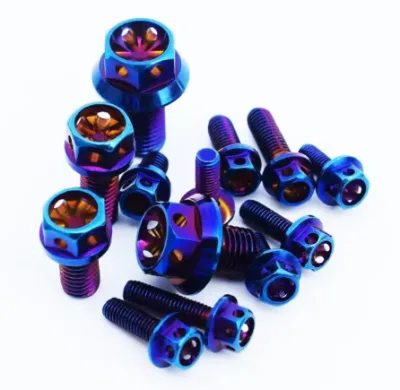
Customization Hollow M6 Gr5 Titanium Flange Head Bolt with Washer for Motorcycle or Car
$1.15 - $1.75
MOQ: 200 pieces
Wisine Fasteners And Metal Import And Export Co., Ltd.
- Manufacturer, Trading Company
- Guangdong, China
- Lead time15 days
- Avg. response≤ 5h
Main productsStone Cladding Fixing Systems,Stainless Steel Fasteners,Nickel-Based Alloy Fasteners,Glass Railing & Stair Handrail Hardware
Main marketsSoutheast Asia(15.00%), Eastern Asia(10.00%), Mid East(10.00%), Central America(10.00%), North America(10.00%), Eastern Europe(10.00%), South Asia(10.00%), Southern Europe(5.00%), Northern Europe(5.00%), Africa(5.00%), South America(5.00%), Domestic Market(3.00%), Western Europe(2.00%)

Jiaxing Sini Fastener Co., Ltd.
- Verified by TUVRHEINLAND
- Combined
- China Zhejiang
- Lead time30 days
- Avg. response≤ 16h
Main productsBolt, Nut, Carriage Bolt, Hex Lag Screw, Flange Bolt, Hex Bolt
Main marketsNorth America
Handan Deteng Fastener Co., Ltd.
- Verified by TüVRheinland
- Manufacturer, Trading Company
- Lead time20 days
- Avg. response≤ 1h
Main productsNut, Bolt, Inner Wall Gecko, Flat Washer, Tooth Bar
Main marketsDomestic Market(50%), Africa(16%), Mid East(13%)


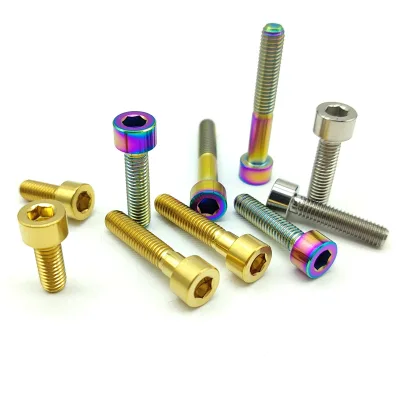
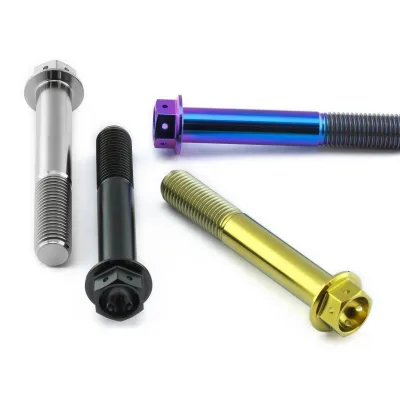
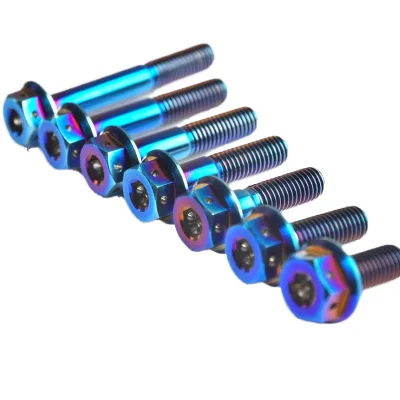
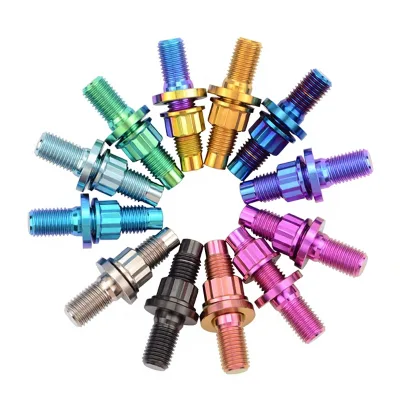




Comprehensive Sourcing Guide
Titanium Hex Head Race Flange Supplier Concentration and Factory Types
Suppliers listing Titanium Hex Head Race Flange style bolts and fasteners in current results cluster around Shaanxi, China, which appears as the stated place of origin on multiple titanium bolt listings, including GR5 titanium alloy hex flange head screws and Ti6Al4V flange bolts. This is consistent with the region's recognized role in titanium processing. When you cannot confirm a cluster from evidence, build your own picture: filter fastener searches by material (titanium or titanium alloy), grade (such as Grade 5 Ti6Al4V), and product type (hex flange bolts), then look at where verified suppliers state their origin and whether their main product lines center on titanium and its alloys rather than general hardware.
Company types vary meaningfully across results. Some suppliers present as manufacturers or manufacturer/factories, while others operate as trading companies, and some combine both roles. Manufacturer-type suppliers of titanium fasteners often list broader titanium portfolios — tungsten, molybdenum, tantalum, nickel, and titanium alloys — which signals direct material access. Trading companies may list wider catalogs spanning steel pipe, stainless steel, wire rope, and marine hardware, which can mean subcontracted production. Neither model is inherently better, but for a race-grade titanium flange bolt, factory-direct sourcing shortens the feedback loop on alloy certification, thread machining, and anodized finish quality. Ask each candidate to state its role explicitly and to describe who performs the machining, threading, and surface anodizing.
How to Verify Titanium Hex Head Race Flange Suppliers
Start with third-party verification status. Results show suppliers verified by TÜV Rheinland, which indicates an on-site or documented assessment by an independent inspection body rather than self-reported claims. Verification does not certify product quality, but it does confirm the company exists at a stated location with a real operation. Beyond the platform badge, request the supplier's system certifications directly: one trading company/manufacturer in current results lists BSCI plus ISO 9000, ISO 9001, ISO 14000, and ISO 14001 credentials. A quality management certificate matters most for titanium fasteners because thread consistency and alloy traceability depend on process control, not inspection after the fact.
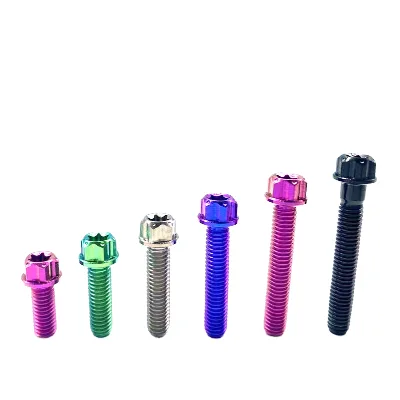
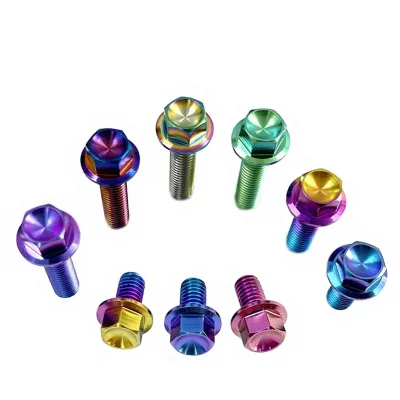
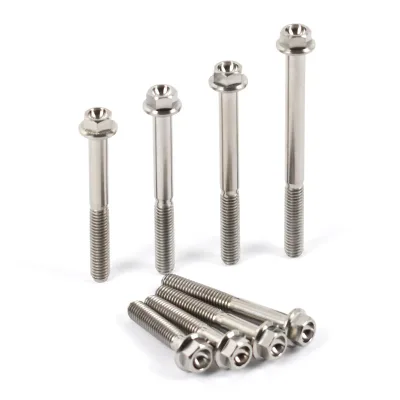
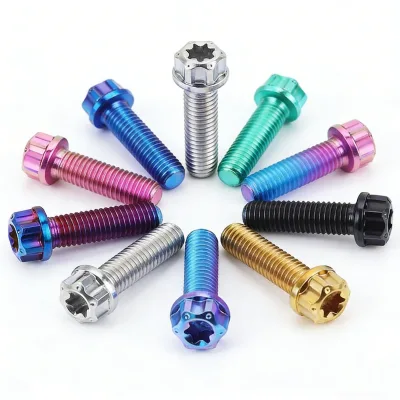
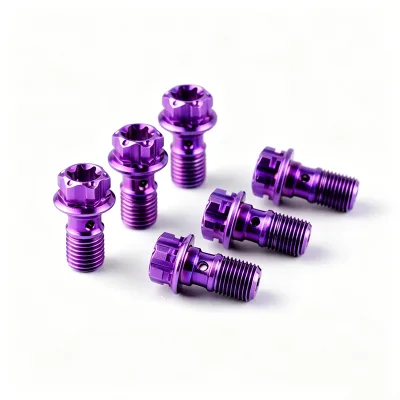
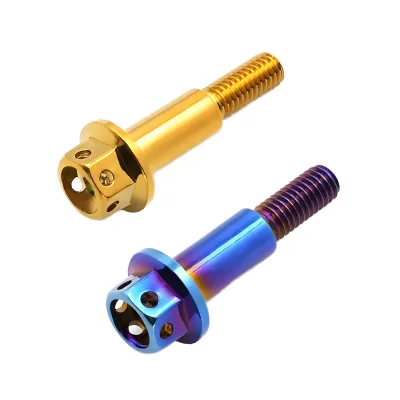
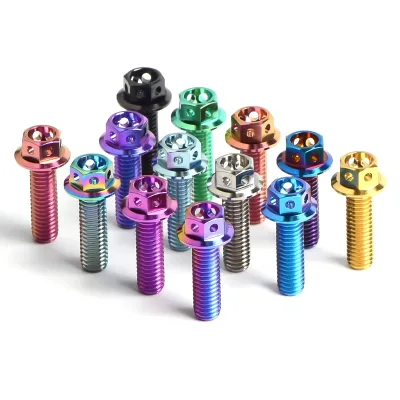
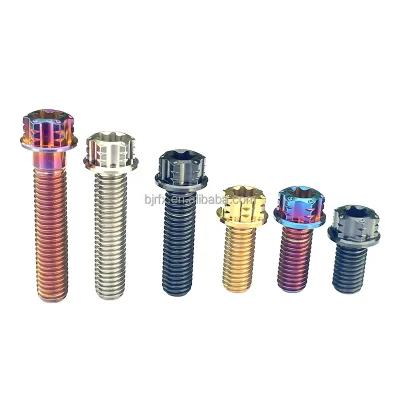
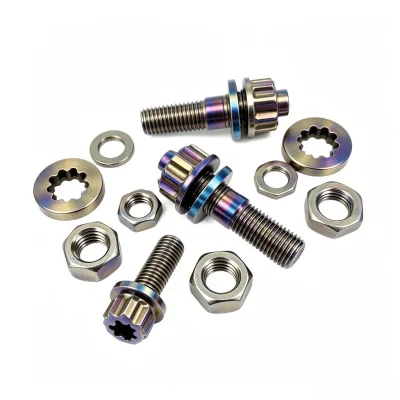
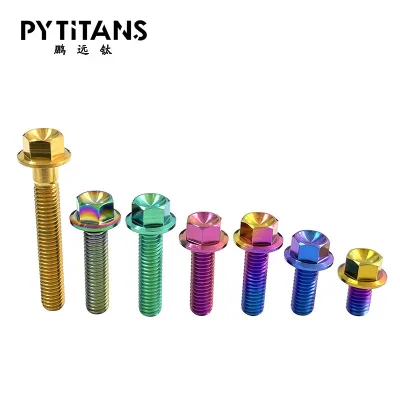
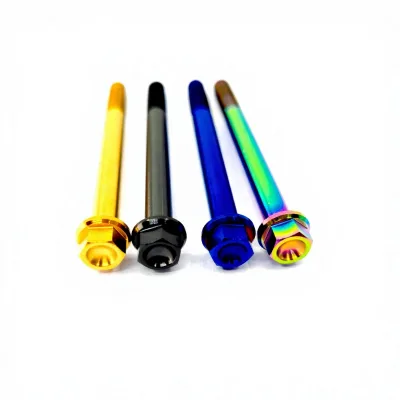
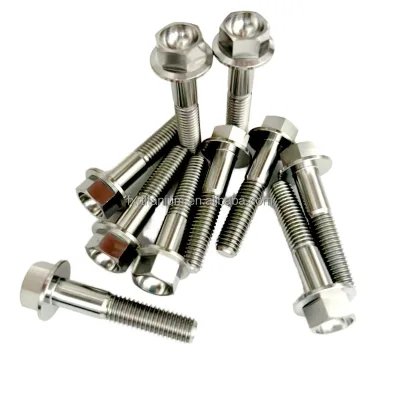
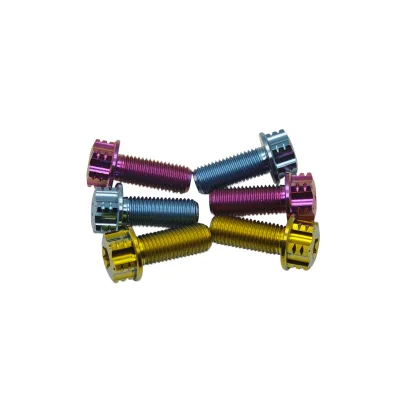
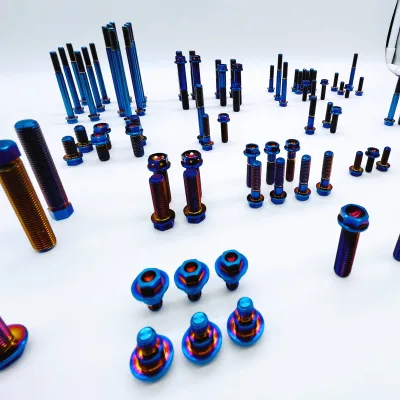
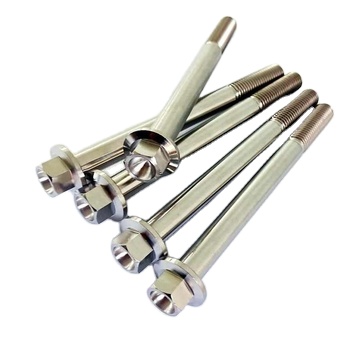
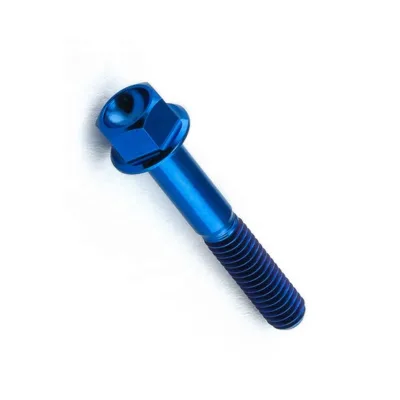
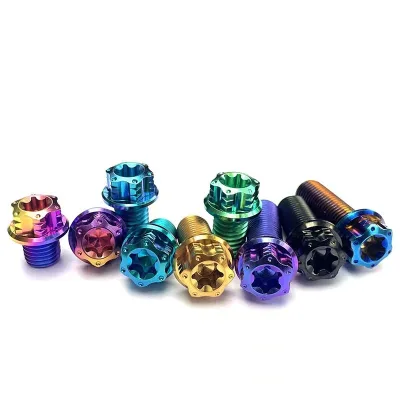
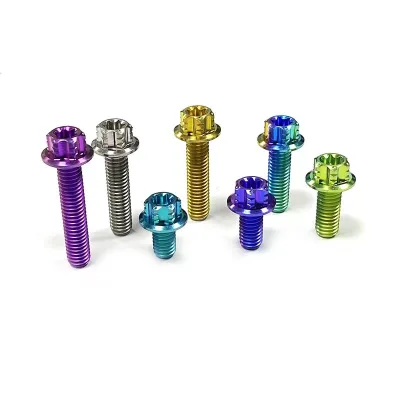
Next, verify capability claims against the product evidence each supplier publishes. Strong listings for titanium hex flange bolts specify the alloy grade (GR5 / Ti6Al4V), applicable standards (DIN 6921, DIN 921, DIN 933, ISO 7380 are cited in one listing), thread types (UNC, UNF, or requested threads), size ranges (M3–M36 with lengths 6–300mm in one case), and surface treatment options such as anodizing in gold, blue, black, or rainbow colors. Vague listings that omit grade and standard deserve skepticism. Also test responsiveness directly: current results show stated response times of roughly three to under five hours, but you should send a technical question — for example, about tensile strength or anodizing thickness on a specific size — and measure how quickly and how specifically the supplier answers before committing.
What to Compare Across Titanium Hex Head Race Flange Suppliers
Build a comparison table using attributes suppliers actually display, without assuming every supplier shows every field. Useful dimensions from current results include: lead time (one supplier states around 20 days, another around 23 days for standard orders); stated response time (roughly three hours versus roughly five hours across two suppliers); minimum order quantity (100 pieces appears on multiple titanium bolt listings); price ranges (roughly USD 0.60–1.00 per piece on one OEM customized GR5 hex flange listing, and USD 0.80–1.60 on a Ti6Al4V flange screw listing); customization support (explicitly offered on several listings, including sample availability); and company type and verification status. Location matters too: suppliers stating Shaanxi origin sit inside a titanium processing base, which can affect both price and material authenticity.
Also compare the depth of specialization. One supplier's main products center on titanium, molybdenum, tantalum, nickel, and tungsten alloys — a metals-focused profile — while another lists stainless steel, anchor bolts, and marine hardware alongside bolts and nuts, a broader hardware profile. For race applications where weight, strength, and corrosion resistance are the point, the metals-focused supplier is more likely to control alloy sourcing and offer material certificates. Check whether R&D or engineering capacity is stated: sample processing, graphic processing, and customized on-demand production are listed by one supplier, and OEM/ODM support by another. Finally, weigh whether the displayed MOQ of 100 pieces fits your pilot order before scaling to larger race-season volumes.
Common Titanium Hex Head Race Flange Sourcing Risks
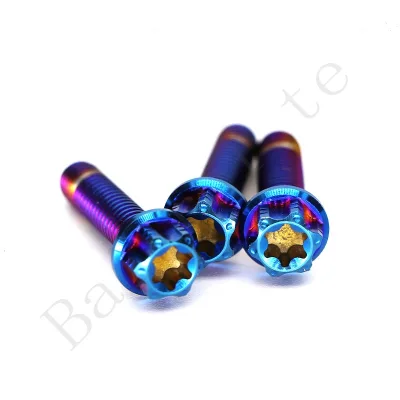
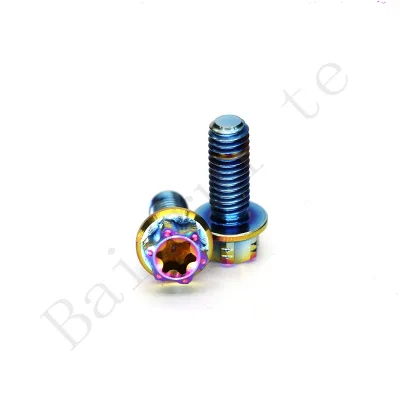
The biggest risk in this category is alloy substitution. Listings may advertise "titanium" while the actual material is a lower grade, or commercially pure titanium (GR1/GR2) where the application needs GR5/Ti6Al4V for tensile strength. One listing explicitly covers GR1, GR2, and GR5 options, so grade must be confirmed per order, not assumed. Require a material certificate with each batch and, for critical race parts, independent composition or mechanical testing on received samples. A second risk is surface-treatment inconsistency: anodized colors such as gold, blue, black, and rainbow are decorative oxide finishes, and color or coating thickness can vary between batches without a defined process specification.
Thread and dimensional risk follows closely. Titanium fasteners in results reference multiple thread systems — UNC, UNF, and metric sizes from M2 to M20, with some listings noting "requested threads" — so a mismatch between drawing and production is easy to incur. Confirm the standard (DIN, GB, ANSI, or ISO as applicable) and inspect first-article parts with gauges. Commercial risks include misleading lead times: displayed figures around 20–23 days typically cover production, not transit, sampling, or anodizing for custom colors. Also beware of trading companies presenting factory capabilities they subcontract, and of MOQ figures that refer only to stock sizes while custom sizes carry higher minimums. Finally, small listed package sizes and low unit weights mean freight costs can exceed product cost on small orders — model this before committing.
Titanium Hex Head Race Flange Regional Sourcing and Logistics
Current evidence places several titanium fastener suppliers in Shaanxi, China, a region associated with titanium melting, forging, and machining. Sourcing from a supplier located within a titanium cluster can reduce material lead time and improve access to grade-specific stock, but it also concentrates your supply chain geographically, so consider qualifying at least one alternate supplier in a different region before locking annual volume. If evidence about a supplier's location is missing or generic, treat that as a verification gap: ask for the registered address, cross-check it against the verification report, and confirm whether the production site differs from the sales office.
Logistically, titanium bolts are light and compact — one listing cites a single gross weight of 0.014–0.05 kg per unit and small individual package dimensions — so air freight is economically viable for urgent race-program needs, while sea freight suits bulk replenishment. Confirm packing format (small packs plus cartons is cited in one listing) and whether export documentation, including material certificates, ships with the goods. Displayed production lead times of roughly 20–23 days should be supplemented with your own estimates for sampling, custom anodizing, quality inspection, and port transit, especially ahead of a race season with fixed deadlines. Ask each supplier to confirm current capacity during peak months, and build buffer time into any order tied to a competition calendar rather than accepting the platform's stated lead time at face value.
Titanium Hex Head Race Flange Commercial Terms and Order Planning
Structure commercial terms around the product's low unit value and high specification sensitivity. With per-piece prices in the roughly USD 0.60–1.60 range shown on current listings and a typical 100-piece MOQ, sample and pilot orders are inexpensive; use them to validate grade, threads, head dimensions, and anodized color before negotiating volume pricing. Request tiered quotations by quantity, and specify in writing which price applies to which size, thread, and finish, since listings quote ranges across many size combinations. Confirm who pays for samples, tooling for custom heads or threads, and any first-article inspection, and put payment terms — deposit balance split, currency, and validity of quoted prices — in a purchase order rather than relying on chat messages.
For order planning, align quantities with the supplier's stated capabilities: customization is explicitly supported on several listings, including OEM options and sample availability, so plan a sample batch, then a pilot batch, then production. Use escrow or platform-protected payment where available to reduce pre-shipment risk, and define acceptance criteria — material certificate, dimensional report, and finish photos — as conditions of final payment. Track stated response times (roughly three to five hours in current results) as an early indicator of communication quality during production. Finally, schedule reorders against your race calendar: with production lead times near three weeks plus transit, anodizing variation, and possible re-inspection, begin repeat orders at least eight weeks before parts are needed on the vehicle.
FAQs
What is the minimum order quantity for titanium hex flange bolts?
The minimum order quantity is 100 pieces for most titanium hex flange bolt listings. Some suppliers offer samples upon request to verify quality before bulk purchase. Buyers should confirm specific MOQ requirements with the manufacturer to ensure alignment with their project needs.
How long does it take to receive titanium hex flange fasteners?
Lead times for titanium hex flange fasteners typically range from 20 to 23 days depending on the supplier. Customized orders may require additional processing time for specific thread types or surface treatments. Buyers should verify current production schedules before placing large orders.
Which titanium grades are available for hex flange head screws?
Available grades include GR5 Titanium Alloy and Grade 5 Ti6Al4V for high-strength applications. Pure titanium grades like GR1 and GR2 are also offered for corrosion resistance. Select the grade based on specific mechanical requirements and environmental conditions for the intended use.
What surface treatments are offered for titanium hex flange bolts?
Surface treatments include anodized colored finishes, natural titanium, and various plating options. Colors such as gold, blue, black, and rainbow are available for aesthetic customization. Buyers can request specific finishes to match design specifications or enhance corrosion protection for industrial environments.
Are suppliers verified for quality and safety standards?
Suppliers hold certifications including ISO 9001, ISO 14001, and BSCI for quality management. Many are verified by TÜV Rheinland to ensure compliance with international standards. Buyers should request specific certification documents to confirm adherence to required safety and quality protocols for their projects.
What is the price range for titanium hex flange fasteners?
Prices for titanium hex flange fasteners range from 0.60 to 2.90 per unit depending on size and specifications. Larger dimensions and specialized coatings may increase the cost per piece. Buyers should compare unit prices against minimum order quantities to determine the most cost-effective option.
Can suppliers provide customized titanium hex flange bolts?
Yes, suppliers offer customized support for thread types, sizes, and head styles. Customization includes specific lengths from 6mm to 300mm and various thread standards like DIN or ANSI. Buyers can request tailored solutions to meet unique engineering requirements for machinery or automotive applications.