Source 150gsm Flocking Fabric for Shoes, Bags, and Upholstery
Compare 30 listings of 150gsm Flocking Fabric suitable for footwear, bags, and home textiles. Buyers can review specifications like material composition, weight, and customization options from verified suppliers in China; compare the available evidence and request quotations based on your requirements.
Updated
Key considerations
Products List


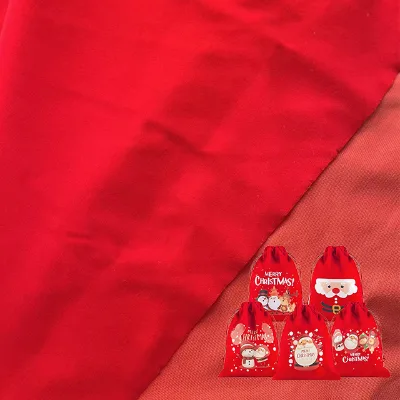
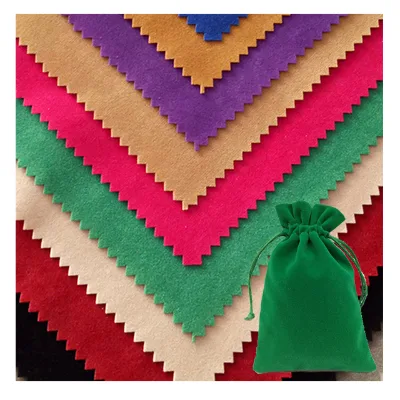
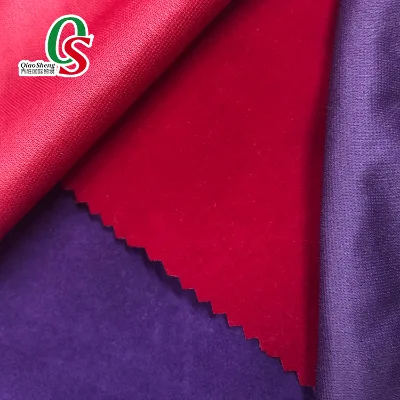
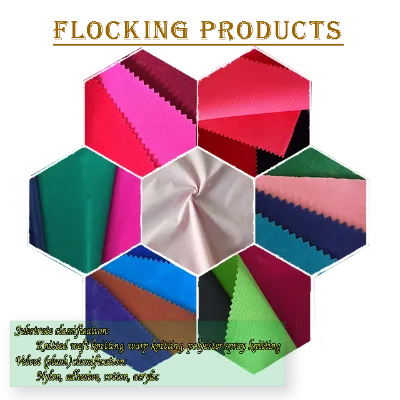
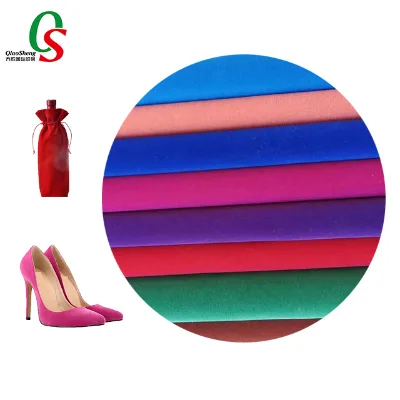
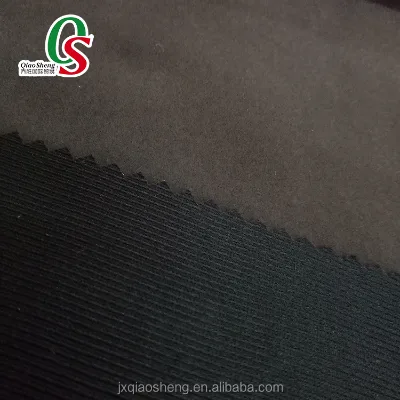
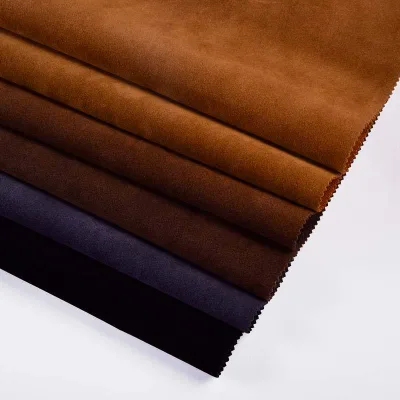
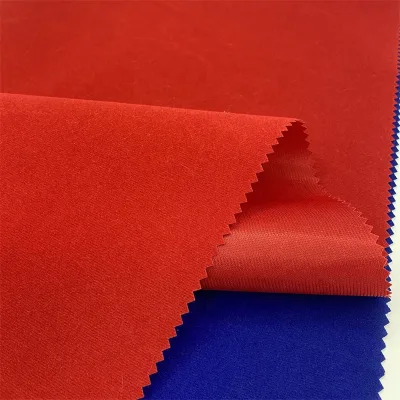
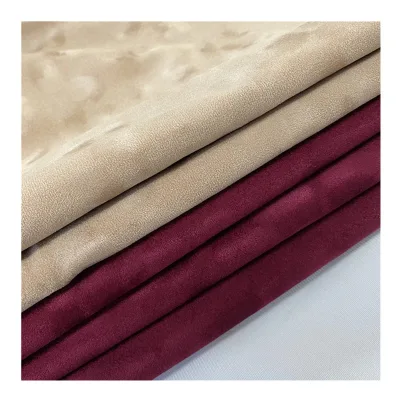
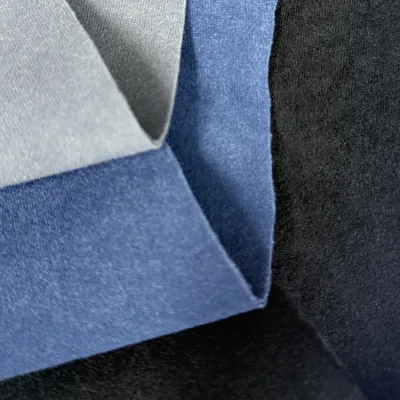
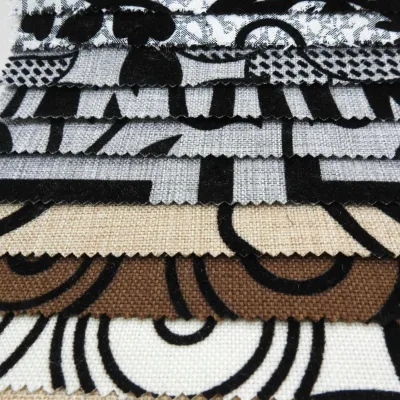
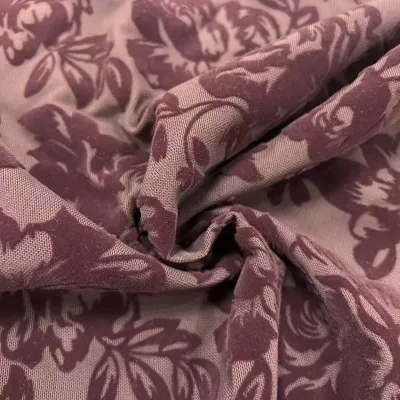
Wholesale Custom Printed Flocking Fabric Flock Furniture Fabric Flocked Linen Fabric
$1.1257 - $1.2277
MOQ: 1 meters
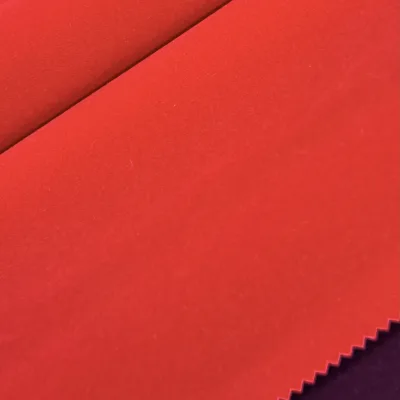


Customized Flocking Stretch Linen Sofa Fabric Flocked Linen Fabric Flock Fabric
$0.97 - $1.00
MOQ: 1000 Meters




Comprehensive Sourcing Guide
150gsm Flocking Fabric Sourcing Guide
Buyers evaluating 150gsm Flocking Fabric must first distinguish between specific product models like ZY-038 and ZY-158, as these identifiers often dictate the exact fiber composition and physical performance characteristics available in the market. While some listings explicitly state a weight of 120-130g/m2, which aligns closely with the 150gsm target, others may vary significantly in density depending on the specific flocking technique and backing material used. Procurement teams should verify the actual gram weight of the sample against the 150gsm requirement before committing to a bulk order, as the term "medium weight" is subjective and may not guarantee the specific mass per square meter needed for high-end footwear or upholstery applications.
The observed product attributes reveal a diverse range of customization options, including color availability according to customer specifications and yarn counts that can be tailored to specific project needs. However, the supply type is frequently listed as Make-To-Order, which implies that standard inventory may not be readily available for immediate shipment. Buyers must account for this production model when planning their procurement timeline, as the lead time for delivery typically ranges from 25 to 30 days after the order is confirmed. This delay is critical for supply chain planning, especially when sourcing for seasonal garment collections or urgent footwear manufacturing schedules.
Product Scope and Observed Listing Signals
The product scope for 150gsm Flocking Fabric encompasses a wide array of applications, ranging from footwear and bags to home textiles, curtains, and sofa upholstery. Specific listings highlight the material's suitability for items such as purses, totes, and toys, indicating its versatility across both fashion and industrial sectors. The physical features observed include low strength in certain configurations, which suggests that this fabric may be better suited for decorative or light-duty applications rather than heavy-duty structural uses. Buyers should carefully match the fabric's physical properties to the intended end-use to ensure durability and performance meet the final product requirements.
Listing signals indicate that the fabric is available in various patterns, including flocked and plain dyed options, with specific models like QSF2 offering a width of 58/60 inches. The fiber cross-section is noted as goat in some contexts, while the material composition is predominantly 100% polyester or a blend of polyester and viscose. These variations in fiber type and cross-section can significantly impact the hand feel, drape, and aesthetic finish of the final product. Procurement teams must request detailed material data sheets to confirm the exact fiber blend and cross-section before finalizing a purchase, as these factors directly influence the quality and marketability of the finished goods.
Technical Specifications to Verify
Technical verification for 150gsm Flocking Fabric requires a rigorous check of the knitting type, with weft knitting being a common specification observed in the market. The yarn count is another critical parameter, often listed as 75D or customizable, which directly affects the fabric's density and texture. Buyers should confirm the single package size, which can vary from 15x15x150 cm to 150x35x150 cm, as this impacts logistics and storage requirements. Ensuring that the technical specifications align with the production machinery and design intent is essential to avoid compatibility issues during the manufacturing process.
Thickness and weight are primary technical indicators, with some listings specifying a medium weight and a precise range of 120-130g/m2. While this is close to the 150gsm target, buyers must verify if the actual weight meets the strict 150gsm requirement, as deviations can affect the fabric's performance in applications like blackout curtains or shrink-resistant garments. The packing method, typically roll packing with 25-30 meters per roll, also needs to be confirmed to ensure it matches the production line's feeding capabilities. Discrepancies in these technical details can lead to production delays or substandard finished products, making precise verification a non-negotiable step in the sourcing process.
Compliance and Safety Documentation
Compliance and safety documentation for 150gsm Flocking Fabric should focus on verifying the material's adherence to relevant safety standards, particularly regarding chemical usage and fiber safety. Although OEKO-TEX is mentioned in the background context, buyers must explicitly request certification documents to confirm that the fabric is free from harmful substances, as this is a critical requirement for products intended for children, such as toys, or for direct skin contact in garments. The absence of explicit certification claims in the provided facts means that buyers cannot assume compliance and must actively seek proof of safety from the supplier.
Safety verification also extends to the physical properties of the fabric, such as its tear-resistant and shrink-resistant features, which are listed as key attributes. These features are essential for ensuring the longevity and safety of the final product, particularly in applications like shoes and bags that undergo significant wear and tear. Buyers should request test reports that validate these claims, ensuring that the fabric meets the necessary performance standards for its intended use. Without documented evidence of these safety and performance attributes, the risk of product failure or customer dissatisfaction increases significantly.
Cost Drivers and Commercial Terms
Cost drivers for 150gsm Flocking Fabric are heavily influenced by the level of customization required, including specific colors, yarn counts, and pattern designs. The observed price range of 0.75 to 3.9 USD per unit suggests that factors such as material composition, flocking density, and order volume play a significant role in determining the final cost. Buyers should anticipate that higher customization levels, such as unique color matching or specialized fiber blends, will likely push the price toward the upper end of this range. Understanding these cost drivers is essential for budgeting and negotiating effectively with suppliers.
Commercial terms, including the minimum order quantity (MOQ) and delivery time, are critical factors that impact the overall cost and feasibility of the procurement. The observed MOQ ranges from 1 to 2000 units, with a specific listing indicating an MOQ of 1000 meters per color, which can be a significant barrier for smaller buyers. Additionally, the lead time of 25-30 days must be factored into the production schedule to avoid delays. Buyers should negotiate flexible terms where possible, such as lower MOQs for initial trials or expedited shipping options, to mitigate the financial and operational risks associated with these commercial constraints.
Supplier Qualification and Quality Control
Supplier qualification for 150gsm Flocking Fabric requires a thorough assessment of the manufacturer's production capabilities and quality control systems. Given that the supply type is often Make-To-Order, buyers should verify the supplier's ability to maintain consistent quality across different production batches. The origin of the product, typically Zhejiang, China, indicates a concentration of manufacturing expertise, but buyers must still conduct on-site audits or request third-party inspection reports to ensure that the supplier adheres to strict quality standards. This due diligence is crucial to prevent issues related to inconsistent flocking density or color variations.
Quality control measures should include regular sampling and testing of the fabric's physical properties, such as weight, thickness, and tear resistance. Buyers should establish clear acceptance criteria based on the observed specifications, such as the 120-130g/m2 weight range and the 58/60 inch width. Implementing a robust quality control protocol, including pre-shipment inspections and post-production testing, helps to identify and rectify any defects before the goods are delivered. This proactive approach ensures that the final product meets the buyer's expectations and reduces the risk of returns or customer complaints.
Long-Term Procurement Checks
Long-term procurement checks for 150gsm Flocking Fabric involve establishing a framework for continuous monitoring of supplier performance and product consistency. Buyers should implement a system for tracking key performance indicators, such as delivery times, defect rates, and compliance with safety standards, to ensure that the supplier maintains high standards over time. Regular reviews of these metrics allow for early identification of potential issues and facilitate timely corrective actions. This ongoing evaluation is essential for building a reliable and sustainable supply chain that can adapt to changing market demands.
Additionally, buyers should foster a collaborative relationship with suppliers to drive continuous improvement in product quality and cost efficiency. This can involve sharing feedback on product performance, discussing potential design improvements, and exploring opportunities for cost reduction through volume consolidation or material optimization. By maintaining open communication and a shared commitment to quality, buyers can ensure that the 150gsm Flocking Fabric remains a reliable and competitive component of their product portfolio. This strategic approach not only enhances the value of the procurement but also strengthens the long-term partnership between the buyer and the supplier.
FAQs
What is the material composition of the 150gsm Flocking Fabric?
The fabric is primarily made of 100% polyester, with some variants blending 100% polyester and 100% viscose. This composition ensures durability and a soft texture suitable for various applications. The material is designed to meet specific weight requirements, typically around 120-130g/m2, providing a medium weight that balances strength and flexibility for end-use products.
Can the 150gsm Flocking Fabric be customized for specific colors?
Yes, customization is available for color selection according to customer requirements. Buyers can specify their preferred shades to match brand identities or design needs. This flexibility allows for tailored solutions in garment, dress, bag, and shoe applications, ensuring the final product aligns precisely with aesthetic preferences and market demands without compromising on quality or consistency.
What is the minimum order quantity for this flocking fabric?
The minimum order quantity is typically 1000 meters per color. This standard MOQ ensures efficient production runs while allowing buyers to secure sufficient stock for their projects. For smaller needs, some suppliers may offer lower MOQs starting from 1 unit, though bulk orders are recommended to optimize costs and streamline the manufacturing process for consistent quality delivery.
How long is the delivery time for customized orders?
The standard delivery time for customized orders is 25-30 days. This timeframe accounts for production, quality control, and packaging processes. Buyers should plan their inventory accordingly to ensure timely receipt of goods. Expedited options may be available depending on supplier capacity, but the standard window ensures thorough processing and maintains the high standards expected for flocking fabric applications.
Which applications are suitable for this 150gsm Flocking Fabric?
This fabric is suitable for garments, dresses, bags, shoes, curtains, home textiles, sofas, toys, and upholstery. Its versatile nature allows it to be used in both fashion and home decor sectors. The material's properties, including heat insulation and low strength, make it ideal for items requiring softness and durability, catering to a wide range of consumer needs and industrial applications.
What is the packing format for the flocking fabric rolls?
The fabric is packed in rolls, typically measuring 25-30 meters per roll. This packaging format facilitates easy handling and storage for buyers. The rolls are designed to protect the material during transit, ensuring it arrives in optimal condition. This standard packing method supports efficient inventory management and allows for straightforward integration into various manufacturing workflows for diverse end products.