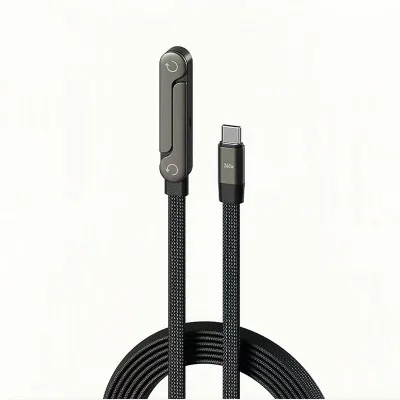
Source 240W Braid USB 4 Cable for Mobile Phones, Computers, and Tablets
Compare 30 listings for the 240W Braid USB 4 Cable from suppliers in Guangdong, China. Buyers can evaluate options featuring pure copper conductors, nylon jackets, and USB4 connectivity for mobile phones, computers, and tablets; compare the available evidence and request quotations based on your requirements.
Updated
Key considerations
Products List
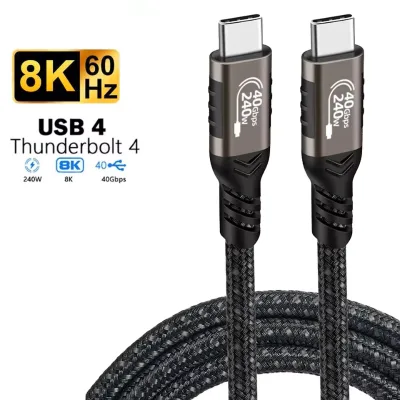


$1.00 - $1.50
MOQ: 1000 Pieces


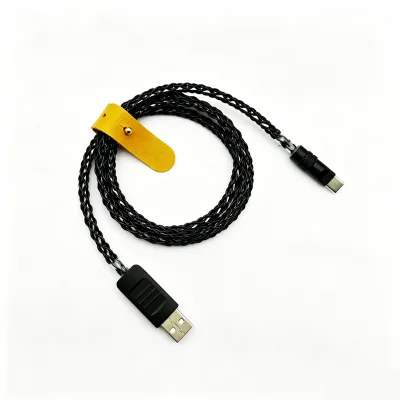
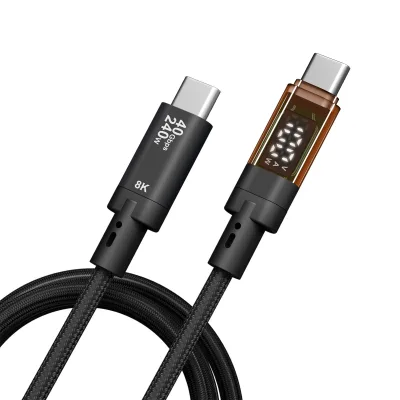
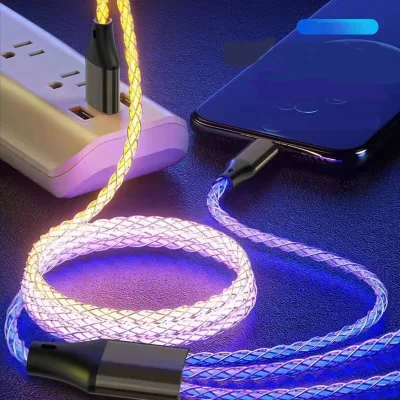
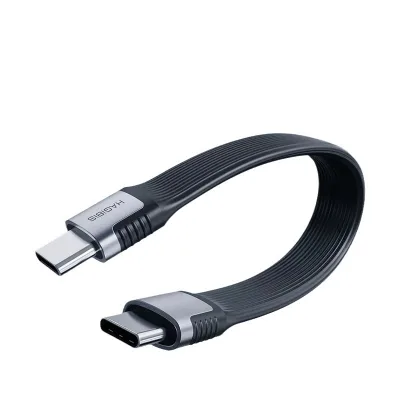
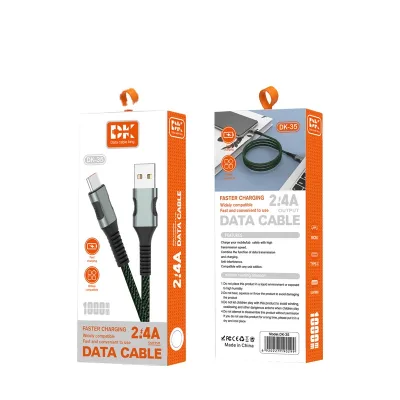


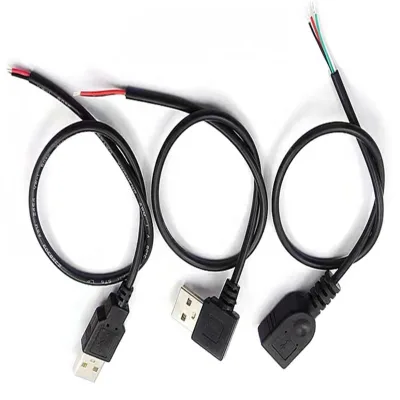
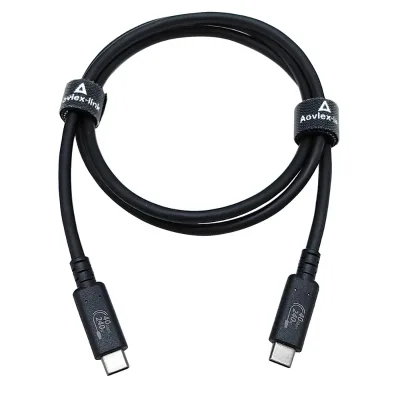
40Gbps Fast Charging Usb C to Usb C Cable Support Dual 4K 60Hz 240W USB4 Cable
$10.00 - $12.00
MOQ: 100 pieces
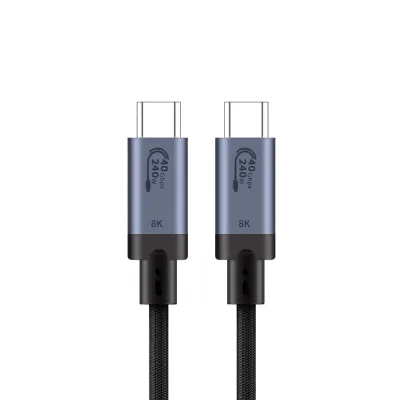


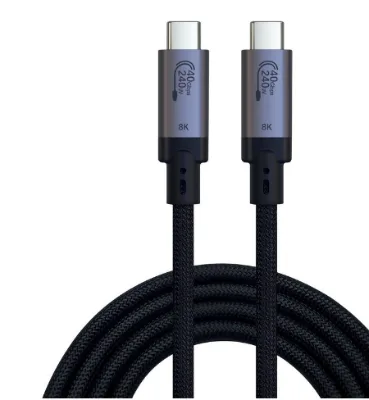


Comprehensive Sourcing Guide
240W Braid USB 4 Cable Sourcing Guide
Procuring high-performance interconnects requires precise alignment between technical requirements and supplier capabilities. The market for 240W braided USB4 cables presents distinct opportunities for buyers seeking robust power delivery and high-speed data transfer in a single solution. These cables are engineered to support modern electronic devices, including mobile phones, tablets, computers, and power banks, ensuring compatibility across Android, iOS, and general USB interfaces. Buyers must navigate a landscape where specifications vary significantly between manufacturers, making detailed verification essential before committing to volume orders.
The core keyword highlights specific material and functional attributes that define quality in this segment. Observed listings frequently emphasize pure copper conductors, nylon jackets, and braided shielding to enhance durability and signal integrity. With origins predominantly in Guangdong, China, suppliers offer extensive customization options, including private molds and logo printing. Understanding these baseline attributes allows procurement teams to filter out low-quality alternatives and focus on vendors who can deliver consistent performance, reliable charging speeds, and professional quality control standards for enterprise or retail distribution.
Product Scope and Observed Listing Signals
The product scope encompasses a variety of form factors, including standard straight connectors and retractable designs, though retractable options are noted as non-scalable in some listings. Buyers will encounter cables with Type-C to Type-C interfaces, often marketed under model numbers such as PQ001, HITEK-1024, or HITEK-1038. The observed price range spans from $0.10 to $12.00 USD, reflecting significant variation in build quality, certification depth, and order volume. Minimum order quantities typically range from one unit for samples to 3,000 units for bulk production, allowing flexibility for both prototyping and large-scale deployment.
Listing signals indicate a strong emphasis on customization and branding. Suppliers welcome private mold development and offer customized packaging options, including OPP, PE bags, blister packs, and retail boxes. The cables are described as having a single gross weight of 0.100 kg and a single package size of 12.0x4.0x2.5 cm, which aids in logistics planning. While some listings claim universal compatibility, others specify non-universal traits, requiring buyers to verify interface types carefully. The presence of keywords like "USB4 Cable" and "240W" suggests high-power capabilities, but buyers must confirm these claims against actual technical datasheets to avoid misalignment with device requirements.
Technical Specifications to Verify
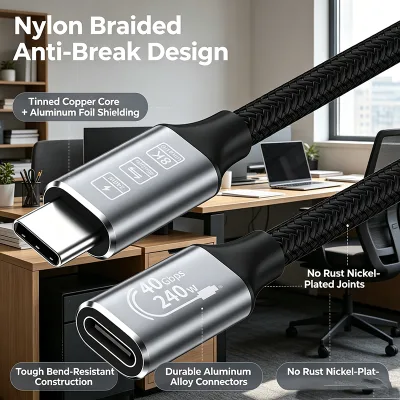
Verification of conductor material and shielding is critical for ensuring signal integrity and power efficiency. Sourced cables typically utilize pure copper conductors, often combined with silver-clad copper and tinned copper for enhanced conductivity and corrosion resistance. The jacket material is predominantly nylon, providing flexibility and abrasion resistance, while braided shielding protects against electromagnetic interference. Buyers should confirm the presence of an IC chip, as some listings specify "with IC chip" while others state "without IC chip," which directly impacts charging safety and data transmission stability for connected devices.
Data transmission and charging functions must be explicitly validated against the intended application. The cables are designed for 5A fast charging and general data transfer, with a stated usage count of 10,000 times to indicate durability. Cable lengths are commonly available in 1m, 1.5m, and 2m variants, with some specifications noting lengths under four feet. Buyers must verify the interface type, ensuring it matches USB or USB3 standards as required. Additionally, the absence of switches or retractable scalability in certain models should be noted to prevent mismatches with physical deployment environments where fixed-length cables are preferred for reliability.
Compliance and Safety Documentation
Compliance documentation serves as a primary indicator of manufacturing rigor and market readiness. Suppliers frequently list certifications such as CE, RoHS, IEC, and CB, which are essential for selling in regulated markets like Europe and North America. Additional standards mentioned include Rohs, PAHs, and ISO9001, suggesting adherence to environmental and quality management protocols. Buyers must request valid certificates and verify their authenticity with issuing bodies, as the presence of a logo does not guarantee current validity or scope coverage for the specific product batch being ordered.
Safety features related to charging and data integrity are equally important for risk mitigation. The cables are marketed with a 12-month warranty, indicating supplier confidence in product longevity. However, buyers should inquire about specific test results for over-current protection, especially given the high-power claims associated with 240W capabilities. While listings mention professional QC passed status, independent third-party testing reports provide stronger assurance. Ensuring that all compliance documents are up-to-date and applicable to the specific model number helps prevent customs delays and ensures that the products meet local safety regulations upon import.
Cost Drivers and Commercial Terms
Cost structures in this category are influenced by material choices, certification levels, and order volume. The wide price range from $0.10 to $12.00 USD reflects differences in conductor purity, jacket thickness, and connector plating quality. Higher-priced items likely include comprehensive certification packages and stricter quality control processes. Buyers should analyze the cost per unit against the minimum order quantity, which can range from 1 to 3,000 units. Bulk orders typically yield better unit economics, but the initial investment in tooling for private molds may offset these savings for smaller volumes.
Commercial terms also encompass packaging and logistics considerations. Products are shipped in PE bags, blister packs, or customized boxes, each affecting packaging costs and retail readiness. The single gross weight of 0.100 kg per unit simplifies freight calculations, but buyers must account for the volume of the single package size of 12.0x4.0x2.5 cm when planning container loads. Lead times are not explicitly defined in the provided facts, so buyers must negotiate clear delivery schedules. Understanding the total landed cost, including tariffs and shipping, is essential for accurate margin calculation, especially when sourcing from Guangdong, China, where logistics efficiency can significantly impact overall profitability.
Supplier Qualification and Quality Control
Supplier qualification begins with verifying manufacturing capabilities and customization readiness. Many suppliers offer OEM services and welcome customized logos, indicating flexibility in meeting brand-specific requirements. The mention of private molds suggests that suppliers have the engineering capacity to produce unique connector designs or cable geometries. Buyers should assess the supplier’s history with similar projects and their ability to maintain consistency across large production runs. A strong track record in producing cables for mobile phones, computers, and other electronic products is a positive indicator of technical competence.
Quality control processes are a critical differentiator among suppliers. Listings often highlight "100% Professional QC Passed" as a standard practice, but buyers must define specific acceptance criteria. This includes visual inspections for jacket defects, continuity tests for conductors, and performance tests for charging and data speeds. Suppliers should provide detailed QC reports for each batch, including sample testing results. Establishing a clear quality agreement that defines defect rates and remediation procedures is essential. Regular audits or third-party inspections can further ensure that the supplier maintains the promised standards throughout the production cycle, reducing the risk of receiving substandard goods.
Long-Term Procurement Checks
Long-term procurement success depends on establishing robust supply chain resilience and continuous performance monitoring. Buyers should implement a system for tracking supplier performance metrics, including on-time delivery rates, defect rates, and responsiveness to issues. Regular communication with suppliers is vital to address any changes in material availability or production capacity. Given the rapid evolution of USB standards and power delivery technologies, staying informed about industry trends ensures that the procured cables remain relevant and compatible with future device releases.
Contractual agreements should include clauses for price stability, quality guarantees, and intellectual property protection, especially when using private molds. Buyers must ensure that customization rights are clearly defined to prevent unauthorized use of proprietary designs. Additionally, maintaining a diversified supplier base can mitigate risks associated with single-source dependencies. Periodic reviews of compliance documentation are necessary to ensure that certifications remain valid and that suppliers adhere to evolving environmental and safety regulations. By focusing on these long-term checks, buyers can build a reliable and efficient sourcing strategy for high-performance USB4 cables.
FAQs
What is the maximum charging power of this cable?
The cable supports up to 240W fast charging for compatible devices. It utilizes pure copper conductors and a nylon jacket to ensure efficient power delivery. This high wattage capability allows for rapid charging of laptops and high-capacity power banks, making it suitable for demanding mobile electronics and computer peripherals.
Which certifications does the product hold?
The product holds CE, RoHS, IEC, and CB certifications. These standards ensure compliance with international safety and environmental regulations. The manufacturer also adheres to ISO9001 quality management systems. These credentials provide assurance for B2B buyers regarding product safety, material purity, and consistent manufacturing quality across different production batches.
Can I customize the logo and packaging?
Yes, customized logos and packaging are available for this cable. The supplier welcomes private molds and offers options like PE bags, blister packs, or retail boxes. Buyers can request specific branding to match their corporate identity. This flexibility supports OEM projects and allows retailers to present the product with their own unique visual identity.
What materials are used in the construction?
The cable features a nylon jacket, aluminum alloy connectors, and silver-clad copper plus tinned copper conductors. This combination provides durability and efficient data transmission. The braided shielding protects against interference, while the robust materials ensure longevity. These components work together to support high-speed data transfer and reliable fast charging performance.
What is the typical warranty period?
The standard warranty period is 12 months. This coverage protects against manufacturing defects and ensures product reliability for the buyer. The manufacturer guarantees that each unit passes professional quality control checks before shipment. This warranty term provides confidence for bulk purchasers regarding the long-term performance and durability of the supplied cables.
Where is the product manufactured?
The product is manufactured in Guangdong, China. This region is a major hub for electronics manufacturing, offering efficient supply chains and production capabilities. The origin ensures access to high-quality components and skilled labor. Buyers can rely on this location for consistent production volumes and adherence to international shipping and quality standards.