Video Speaker Cable Suppliers and Manufacturers
Source Video Speaker Cable from 24 verified suppliers in China. Compare ISO 9001 certifications, lead times, and MOQs to find the right factory. Review product specs and request quotes today; review the available evidence before requesting comparable quotations from suitable candidates.
Updated
Suppliers List

- Verified by SGS
- Manufacturer/Factory
- China Zhejiang
- Lead time30 days
- Avg. response≤ 6h
Main productsNetwork Cable, Telephone Cable, Coaxial Cable, Alarm Cable, Speaker Wire, Microphone Cable, Power Cable, Electric Wire, Patch Cord, Non Woven
Main marketsSouth America,Eastern Europe,Mid East,North America,Southeast Asia,Eastern Asia,Oceania,Western Europe,Africa
Guangzhou Jinyuanhua Trading Co., Ltd.
- Manufacturer, Buying Office, Distributor/Wholesaler
- Guangdong, China
- Lead time15 days
- Avg. response≤ 8h
Main productsAudio cable,wire rod,alligator clip,video line,Microphone
Main marketsAfrica(0.30%)

Hangzhou Risun Cable Co., Ltd.
- Verified by TUVRHEINLAND
- Combined
- China Zhejiang
- Lead time30 days
- Avg. response≤ 8h
Main productsLAN Cable, Network Cable, Telephone Cable, UTP, FTP, Cat5e&6, Coaxial Cable, Alarm Cable
Main marketsEurope
Shenzhen Brother Young Development Co., Ltd.
- Manufacturer, Trading Company
- Guangdong, China
- Lead time20 days
- Avg. response≤ 7h
Main productsNetwork Cable,Coaxial Cable,Electrical Wire,Patch Cord Cable,Fiber Optic Cable
Main marketsSouth America(18.00%), Eastern Europe(15.00%), Southeast Asia(10.00%), Mid East(10.00%), Africa(8.00%), North America(7.00%), South Asia(7.00%), Central America(5.00%), Western Europe(5.00%), Southern Europe(5.00%), Eastern Asia(3.00%), Northern Europe(3.00%), Domestic Market(2.00%), Oceania(2.00%)
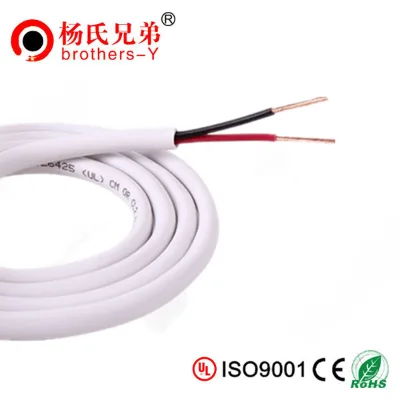
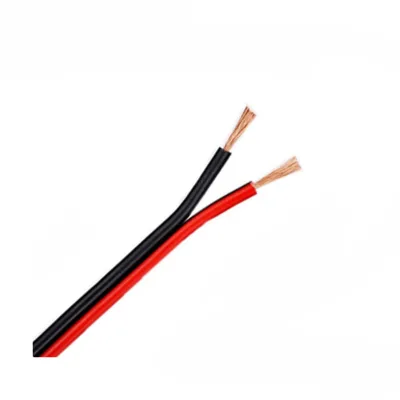
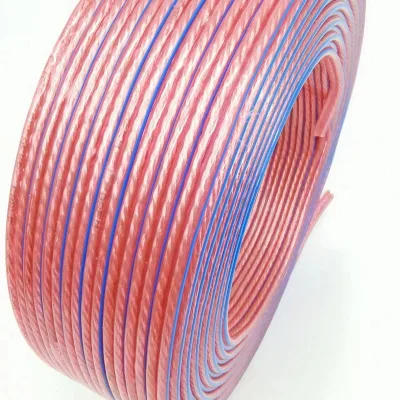
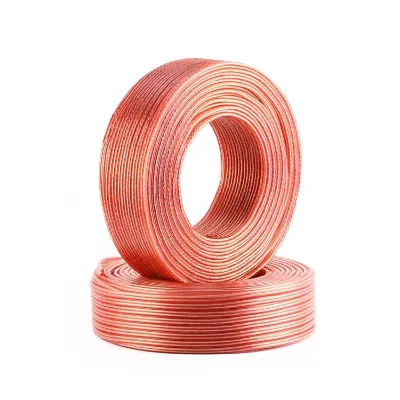
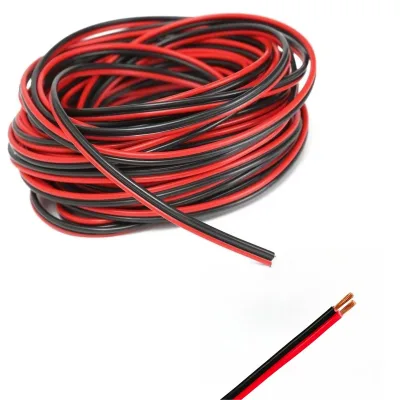
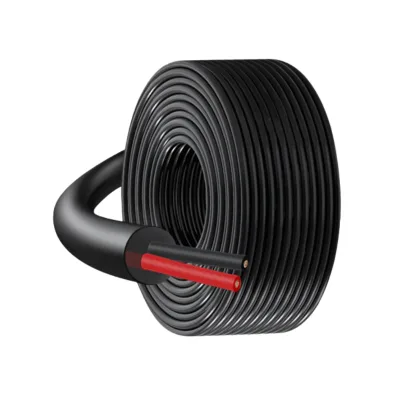
black and red speaker cable silver speaker cable for Hi-Fi AV audio player CCA/OFC stranded copper
$3.70 - $7.50
MOQ: 100 Minimum
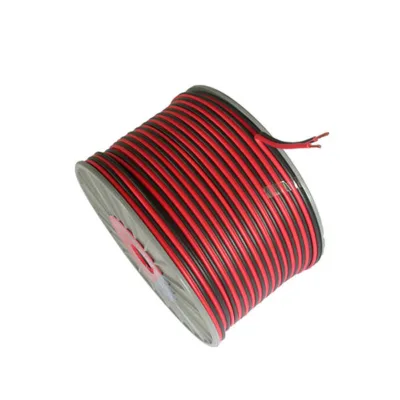
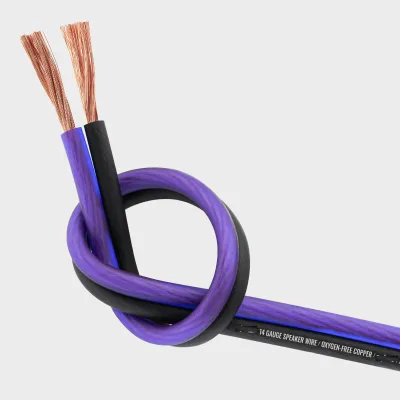
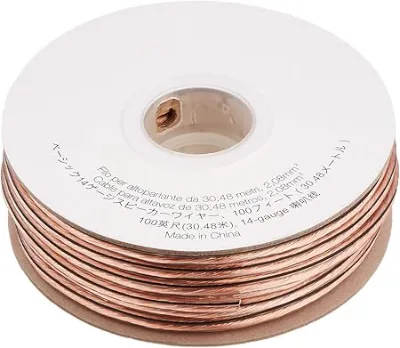
Audio Cable Speaker Wire with 2C 14AWG Stranded Oxygen Free Copper Conductor Unshielded
$11.2724 - $30.7398
MOQ: 200 meters

Ningbo Yinzhou Join Industry Co., Ltd.
- Trading Company
- China Zhejiang
- Lead time30 days
- Avg. response≤ 4h
Main productsSpeaker Cable, Alarm Cable, Connector, Power Cable, RCA Cable, HDMI Cable, LAN Cable, Optic Filer Cable, Audio Cable, Telephone Cable
Main marketsSouth America,Africa,Southeast Asia/ Mideast,East Asia(Japan/ South Korea),Europe,Australia,North America
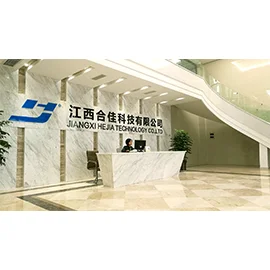
Zhongshan Hejia Electrical Industrial Co., Ltd.
- Manufacturer, Trading Company
- Guangdong, China
- Lead time20 days
- Avg. response≤ 3h
Main productsHIFI Banana Cable; Speaker Cable; HDMI Cable; Solar Cable; Satellite Multiswitch
Main marketsNorth America(50.00%), South America(12.00%), Eastern Europe(8.00%), Africa(6.00%), Southeast Asia(5.00%), Central America(4.00%), Eastern Asia(3.00%), Western Europe(3.00%), Southern Europe(2.00%), Mid East(2.00%), Northern Europe(2.00%), Oceania(2.00%), South Asia(1.00%)

TAIWAN MASTER HILL TECHNOLOGY CO., LTD.
- Manufacturer, Trading Company
- Taiwan, China
- Lead time60 days
- Avg. response≤ 4h
Main productsCable,Charger,Power Bank,Bluetooth Earphone,Cables and plugs
Main marketsNorth America(56.00%), Western Europe(25.00%), Mid East(19.00%)

- Verified by SGS
- Combined
- China Zhejiang
- Lead time30 days
- Avg. response≤ 1h
Main productsFire Resistant Cable, Fire Alarm Cable, Solar Cable, Security Alarm Cable, Speaker Cable
Main marketsNorth America

- Trading Company,Manufacturer/Factory
- China Henan
- Lead time23 days
- Avg. response≤ 10h
Main productsControl Cable, XLPE Cable, Flexible Cable, PVC Cable, Siliicone Cable, Rubber Cable, Building Wire, Thhn, Teflon Wire, ACSR AAAC
Main marketsSouth America,Eastern Europe,Mid East,North America,Southeast Asia,Eastern Asia,Oceania,Western Europe,Africa

Ningbo Fulsan Technology Co., Ltd.
- Trading Company
- Zhejiang, China
- Lead time30 days
- Avg. response≤ 3h
Main productsType c hub&docking,cat8 cable,USB Cable,Displayport Cable,Optical Fiber Cable
Main marketsWestern Europe(20.00%), Eastern Europe(15.00%), Northern Europe(12.90%), South America(12.00%), Central America(11.00%), Southern Europe(8.00%), North America(6.00%), Eastern Asia(4.00%), Oceania(3.00%), Mid East(3.00%), Southeast Asia(2.00%), South Asia(1.50%), Africa(1.50%), Domestic Market(0.10%)
Hangzhou Aston Cable Co., Ltd.
- Manufacturer, Trading Company
- Zhejiang, China
- Lead time20 days
- Avg. response≤ 2h
Main productsCoaxial cables, Lan cable
Main marketsAfrica(30.00%), Mid East(30.00%), North America(20.00%), Southeast Asia(20.00%)
Hongliyuan Technology (Zhongshan) Co., Ltd.
- Trading Company
- Guangdong, China
- Lead time20 days
- Avg. response≤ 1h
Main productsSpeaker Cable,AOC Cable,Power Cable,olar PV Cable,Satellite Multiswitch
Main marketsNorth America(60.00%), Western Europe(10.00%), Southern Europe(5.00%), Northern Europe(5.00%), Mid East(5.00%), Southeast Asia(5.00%), Eastern Europe(5.00%), Domestic Market(1.00%), South Asia(1.00%), Eastern Asia(1.00%), Africa(1.00%), South America(1.00%)
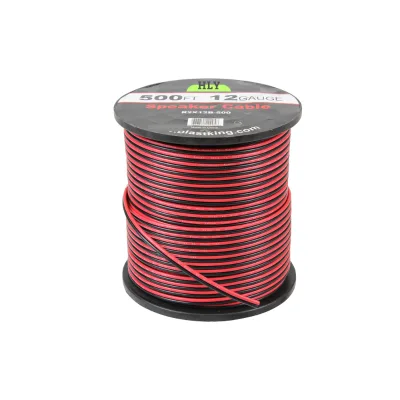
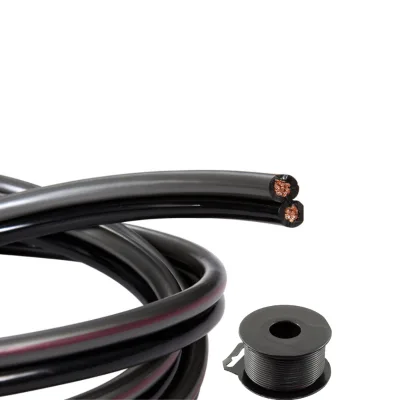
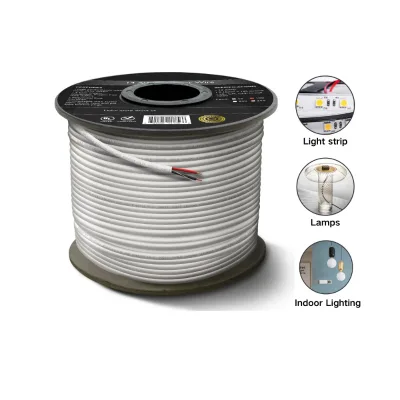
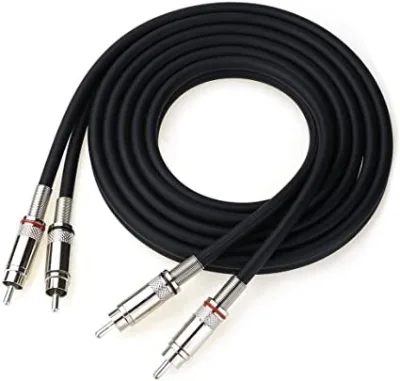
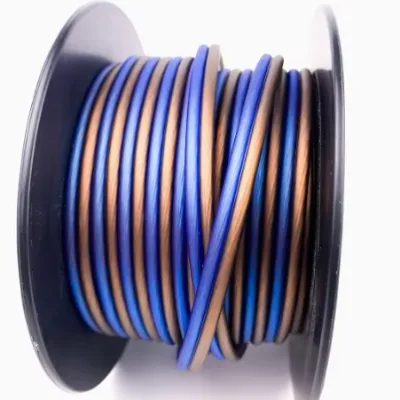
$0.3097 - $0.4114
MOQ: 5 meters
Dongguan Kuncan Electronics Co., Ltd.
- Verified by SGS Group
- Manufacturer, Trading Company
- Lead time15 days
- Avg. response≤ 2h
Main productsPower Cords & Extension Cords, AC/DC Adapters, DC Converter Cable, Solar Cable, Network Cable
Main marketsNorth America(70%), Western Europe(9%), Eastern Europe(7%)

Changzhou Traful Electronic Co., Ltd.
- Combined
- China Jiangsu
- Lead time30 days
- Avg. response≤ 14h
Main productsCharger, HDMI/DVI/VGA Cable, Mobile-Phone Accessories, Adaptor, USB/Video Cable, Patch Cable, Telephone Cable
Main marketsSouth America,Southeast Asia/ Mideast,East Asia(Japan/ South Korea),Domestic,Europe,Australia,North America
Guangzhou Kuer Automotive Supplies Co., Ltd.
- Verified by Intertek
- Trading Company
- Lead time35 days
- Avg. response≤ 2h
Main productsCar Subwoofer, Car Amplifier, Car Audio Speaker, Car Audio Cable, Car Audio Equipment
Main marketsSouth America(22%), Southeast Asia(18%), Central America(13%)

Changzhou HITEK Electronics Co., Ltd.
- Combined
- China Jiangsu
- Lead time30 days
- Avg. response≤ 24h
Main productsHDMI Cable, Connector, Antenna, RCA Cable, DVI Cable, AV Cable, Vedio Cable, Audio Cable, USB Cable, Network Cable
Main marketsDomestic

Wiring Harness USB Audio Extension Interconnect PVC Speaker Link Video Flat Cable
$0.50 - $1.00
MOQ: 1000 Pieces

USB Audio Extension Interconnect PVC Speaker Link Video Flat Cable CH42122
$0.50 - $1.00
MOQ: 1000 Pieces

DVI USB Audio Extension Interconnect PVC Speaker Link Video Flat Cable CH40012
$0.50 - $1.00
MOQ: 1000 Pieces

Displayport USB Audio Extension Interconnect PVC Speaker Link Video Flat Cable CH40062
$0.50 - $1.00
MOQ: 1000 Pieces

Changzhou Wistar Electronics Co., Ltd.
- Verified by SGS Group
- Manufacturer, Trading Company
- Lead time30 days
- Avg. response≤ 7h
Main productsHDMI Cable, Smart Phone Cable, Audio Video Cable, Wall Charger, Car Charger
Main marketsEastern Europe(20%), Northern Europe(15%), Eastern Asia(10%)

Zhongshan Xinwotong Electronic Co., Ltd.
- Combined
- China Guangdong
- Lead time30 days
- Avg. response≤ 11h
Main productsConnector, Waterproof Connector, IP67 Power Connector, IP68 Power Connector, Aviation Connector, HiFi Connector RCA Banana, Plastic Parts, Nylon Threaded Connector, Waterproof Plug Socket, Waterproof Male Female
Main marketsDomestic,Europe,North America
Abccabls Technology Ningbo Co., Ltd.
- Manufacturer, Trading Company
- Zhejiang, China
- Lead time0 days
- Avg. response≤ 4h
Main productsStage sound system,Audio frequency cable,LED lamp cable
Main marketsWestern Europe(40.00%), South America(30.00%), Northern Europe(10.00%), North America(10.00%), Southeast Asia(10.00%)
Karve Electronics Enterprise Co., Limited
- Verified by TüVRheinland
- Trading Company
- Lead time15 days
- Avg. response≤ 1h
Main productsCable Assembly, Wire Harness, Power Adapter, Connector, Consumer Electronic Accessories
Main marketsOceania(30%), Southeast Asia(20%), North America(10%)
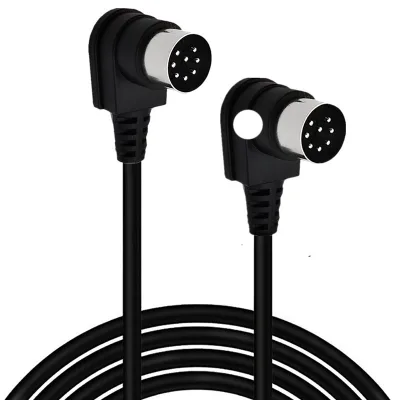
$2.2844 - $4.7947
MOQ: 100 Minimum
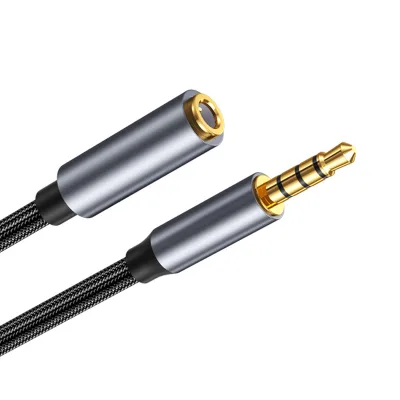
$1.1998 - $3.5036
MOQ: 50 Minimum

Jiangsu Shuangma Cable Technology Co., Ltd
- Verified by BV
- Combined
- China Jiangsu
- Lead time30 days
- Avg. response≤ 2h
Main productsCable
Main marketsDomestic
Dongguan Bofan Technology Co., Ltd.
- Verified by TüVRheinland
- Manufacturer, Trading Company
- Lead time15 days
- Avg. response≤ 2h
Main productsSerial Cable, Industrial Cables, Computer Cables, Wire Harness, Ethernet Cable
Main marketsNorth America(40%), Western Europe(20%), Northern Europe(10%)

Changzhou Eagle International Trade Corp.
- Trading Company
- China Jiangsu
- Lead time30 days
- Avg. response≤ 17h
Main productsRemote Control, Speaker, Multimeter, Connector, Megphone, Soldering Iron, CCAM Wire, LED Screen, LED TV Light Bar, TV Stand
Main marketsSouth America,Africa,Southeast Asia/ Mideast

High Quality Standard Audio Video Cable Speaker Cable 12AWG 14AWG 16AWG 18AWG 20AWG
$1.10 - $23.00
MOQ: 1 Rolls

Guangzhou Feiyue Car Audio Co., Ltd.
- Verified by SGS Group
- Manufacturer, Trading Company
- Lead time0 days
- Avg. response≤ 5h
Main productsSpeaker & Horn, Car Amplifiers, Subwoofers, Electrical Wires
Main marketsEastern Europe(20%), Domestic Market(20%), North America(10%)






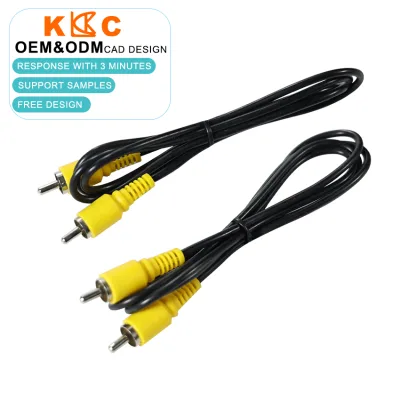
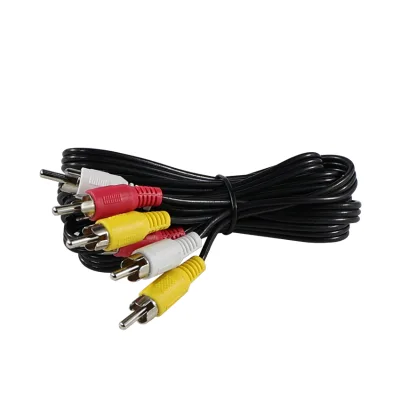




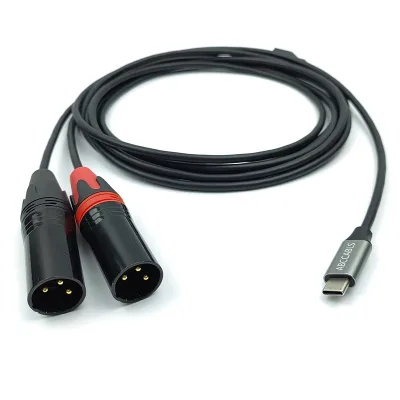
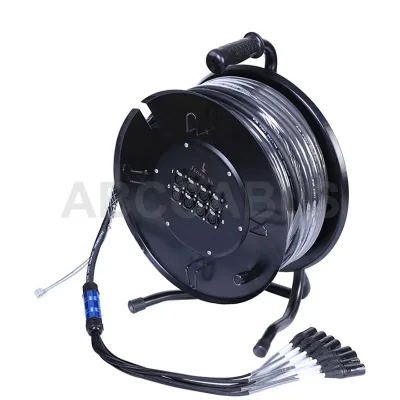
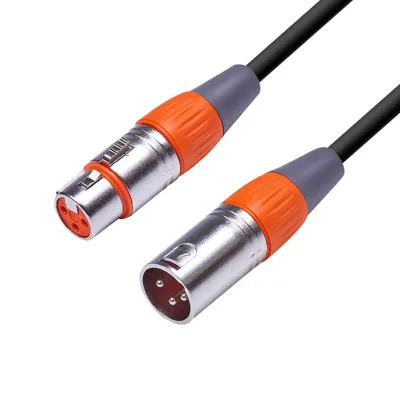
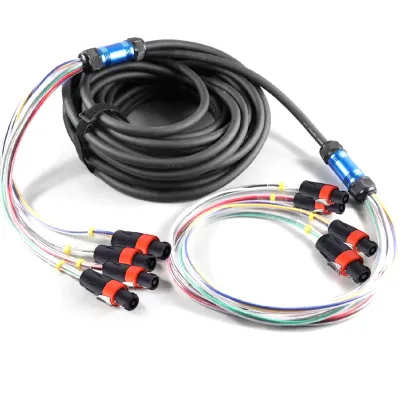


Comprehensive Sourcing Guide
Video Speaker Cable Supplier Concentration and Factory Types
The current supplier landscape for video speaker cables reveals a distinct concentration of manufacturing capabilities within specific Chinese provinces, primarily Zhejiang and Guangdong. Factories located in Zhejiang, such as those identified in the Zhejiang region, often operate as dedicated manufacturers or factories with established system certifications like ISO 9001. These entities frequently emphasize their ability to handle OEM and ODM projects, indicating a robust internal engineering capacity for custom cable specifications. In contrast, suppliers based in Guangdong, China, present a more diversified operational model, including manufacturers, buying offices, and distributors. This structural difference suggests that buyers seeking direct factory pricing and deep customization might find stronger alignment with Zhejiang-based entities, while those requiring broader product assortments or trading flexibility may encounter more suitable partners in Guangdong. The presence of verified status from agencies like SGS or TÜV Rheinland in these regions adds a layer of credibility to the manufacturing claims, though the specific verification scope varies by supplier.
Understanding these factory types is crucial for aligning procurement strategy with operational needs. A supplier labeled as a "Manufacturer/Factory" typically implies direct control over the production line, which can facilitate tighter quality control and more flexible minimum order quantities for custom runs. Conversely, entities described as "Combined" or including "Distributor/Wholesaler" in their company type may offer a wider range of finished goods, such as LAN cables, coaxial cables, and alarm cables, alongside speaker wires. This diversification can be advantageous for buyers consolidating multiple cable types into a single shipment. However, it is essential to verify whether the distributor aspect involves actual manufacturing or merely sourcing from third parties. The main products listed by these suppliers, ranging from bare copper wire speaker cables to flat wire configurations, indicate that the market is segmented by technical specification rather than just geographic location. Buyers should scrutinize the company type to ensure the supplier’s operational model matches their volume requirements and customization expectations, avoiding mismatches that could lead to delays or quality inconsistencies.
How to Verify Video Speaker Cable Suppliers
Verification of Video Speaker Cable suppliers requires a multi-layered approach that goes beyond basic company profiles, focusing on tangible evidence of quality and compliance. Buyers should prioritize suppliers who display specific system certifications, such as ISO 9001 or ISO9001:2015, which indicate a standardized quality management system. Additionally, product-level certifications like RoHS, CE, and ISO are frequently listed in product attributes, signaling adherence to environmental and safety standards for materials like PVC jackets and copper conductors. The presence of third-party verification badges, such as SGS or TÜV Rheinland, provides an external audit of the supplier’s claims, though buyers must confirm the scope of these verifications to ensure they cover the specific Video Speaker Cable products of interest. It is also critical to examine the product evidence for detailed attributes, such as conductor material (bare copper vs. CCA), wire core material, and jacket composition, as these details are often the first indicators of a supplier’s technical transparency and honesty.
Beyond certifications, buyers should assess the supplier’s responsiveness and verification history to gauge reliability. Response times, such as the 5.21-hour average observed in some Zhejiang suppliers, can serve as a proxy for operational efficiency and customer service dedication, although this metric should be weighed against the complexity of the inquiry. Suppliers with longer response times, such as those averaging eight hours, may still be viable but require more proactive follow-up. Buyers should also look for consistency in product origins, ensuring that the stated place of origin, such as Hangzhou, Zhejiang, or Guangdong, matches the supplier’s declared location. Discrepancies between the supplier’s profile and the product’s origin can signal a trading company rather than a factory, which impacts pricing and control. Furthermore, examining the product packing and standard details, such as ETL, CE, RoHS, and SGS standards listed in product attributes, offers concrete proof of the supplier’s commitment to international compliance. By cross-referencing these technical details with the supplier’s verification status, buyers can build a more accurate risk profile before initiating any commercial engagement.
What to Compare Across Video Speaker Cable Suppliers
When evaluating multiple suppliers for video speaker cables, buyers must systematically compare key operational dimensions to identify the most suitable partner for their specific needs. Lead time is a critical factor, with observed ranges varying significantly from 15 days to 30 days, or even 3-4 weeks for certain specifications. This variance often correlates with the supplier’s location and production capacity, with Guangdong-based suppliers sometimes offering faster turnaround times compared to their Zhejiang counterparts. Minimum Order Quantity (MOQ) is another pivotal comparison point, ranging from as low as 30 units for certain transparent speaker cables to 10,000 units for bulk audio speaker wire cables. Buyers with smaller initial orders or those testing new markets should prioritize suppliers with lower MOQs, while those planning large-scale deployments may leverage higher volume commitments to negotiate better pricing. Response time also plays a role in the comparison, as faster replies can indicate a more agile supply chain capable of handling urgent requests or changes in order specifications.
Price and customization capabilities further differentiate suppliers in this competitive market. Unit prices for video speaker cables can vary widely, with some products listed at $0.10 per unit, while others, such as high-quality 18AWG red and black speaker cables, may command prices up to $75.00 per unit, depending on the measurement unit and specification. Buyers must ensure they are comparing equivalent units, such as per meter, per roll, or per kilometer, to avoid misleading cost assessments. Customization availability is another key differentiator, with many suppliers explicitly stating that customization is available for materials, colors, and packaging. However, the extent of this customization, such as the ability to produce flat wire versus round wire, or specific conductor types like stranded bare copper, should be verified through direct inquiry. Additionally, comparing the main products offered by each supplier can reveal their core competencies; a supplier specializing in network and coaxial cables may have less expertise in audio-specific speaker cables compared to a dedicated audio cable manufacturer. By meticulously comparing these dimensions, buyers can construct a balanced scorecard that weighs cost, speed, and quality to select the optimal supplier.
Common Video Speaker Cable Sourcing Risks
One of the primary risks in sourcing video speaker cables is the discrepancy between advertised specifications and actual product quality, particularly regarding conductor materials. Suppliers may list products with "Bare Copper Wire" cores, but without rigorous verification, there is a risk of receiving cables with Copper-Clad Aluminum (CCA) conductors, which offer lower conductivity and durability. This risk is exacerbated when suppliers do not provide detailed product attributes or when the price point seems unusually low for the claimed material. Buyers must be vigilant in requesting material test reports or certificates of analysis to confirm the conductor composition, especially for applications requiring high signal integrity. Additionally, the risk of inconsistent packaging and labeling exists, as suppliers may use varying standards such as 100m rolls, 200m rolls, or 305m drums. Misalignment in packaging expectations can lead to logistical challenges and inventory management issues, particularly if the buyer’s distribution channels require specific roll lengths or carton configurations.
Another significant risk involves the reliability of certifications and compliance claims. While many suppliers display RoHS, CE, and ISO certifications, the validity and scope of these certifications can vary. Some products may list certifications that do not apply to the specific Video Speaker Cable variant being ordered, or the certifications may be outdated. Buyers should verify the current status of these certifications directly with the issuing bodies or through the supplier’s verification badges, such as SGS or TÜV Rheinland. Furthermore, the risk of lead time delays is heightened when suppliers operate as combined entities or distributors rather than direct manufacturers. In such cases, the supplier may be dependent on third-party factories, introducing additional layers of communication and potential bottlenecks. This is particularly relevant for suppliers with longer response times or those located in regions with complex logistics networks. Buyers should also be aware of the risk associated with custom orders, where the lack of clear specifications can lead to production errors. Ensuring that all customization details, including jacket colors, wire gauges, and connector types, are explicitly documented in the purchase order is essential to mitigate these risks and ensure the final product meets the buyer’s requirements.
Video Speaker Cable Regional Sourcing and Logistics
Sourcing video speaker cables from China involves navigating distinct regional logistics advantages and challenges, primarily centered around the provinces of Zhejiang and Guangdong. Suppliers in Zhejiang, such as those in Hangzhou, often benefit from proximity to major ports like Ningbo-Zhoushan, which can facilitate efficient export logistics for bulk shipments. This region’s concentration of manufacturers specializing in network and communication cables may also offer synergies in supply chain management, potentially reducing lead times for related components. However, buyers must account for the specific lead times associated with these regions, which can range from 15 to 30 days depending on the supplier’s current production load and order volume. The logistical efficiency in Zhejiang is often complemented by a strong manufacturing infrastructure, allowing for consistent production quality and adherence to international standards. Buyers sourcing from this region should plan their inventory accordingly, considering the potential for longer transit times if shipping via sea freight, and ensure that packaging is robust enough to withstand long-distance transportation.
In contrast, suppliers based in Guangdong, China, often leverage the extensive logistics network of the Pearl River Delta, including ports like Shenzhen and Guangzhou. This region’s reputation for rapid manufacturing and flexible production lines can be advantageous for buyers requiring quicker turnaround times or smaller, more frequent orders. The presence of buying offices and distributors in Guangdong adds another layer of logistical complexity, as goods may be consolidated from multiple sources before export. Buyers should be aware that while response times in this region may be slightly longer, the overall supply chain agility can be higher due to the density of supporting industries. Logistics planning for Guangdong-sourced cables should include considerations for potential customs clearance delays and the need for accurate documentation, especially when dealing with mixed product orders. Additionally, the regional focus on diverse cable types, from audio to video and network cables, may offer opportunities for consolidated shipping, reducing overall freight costs. However, buyers must coordinate closely with their suppliers to ensure that all products meet the necessary export standards and that packaging is optimized for combined shipments, minimizing the risk of damage during transit.
Video Speaker Cable Commercial Terms and Order Planning
Effective order planning for video speaker cables requires a thorough understanding of the commercial terms offered by suppliers, particularly regarding pricing structures and payment conditions. Prices for these cables can vary significantly, with some products listed at as low as $0.10 per unit and others reaching up to $75.00 per unit, depending on the specification, material, and quantity. Buyers must clarify whether these prices are based on per-meter, per-roll, or per-kilometer measurements to avoid cost miscalculations. Minimum Order Quantities (MOQs) also play a crucial role in order planning, ranging from 30 units for specialized items to 10,000 units for bulk audio speaker wires. For buyers with limited initial demand, negotiating lower MOQs or participating in group buying arrangements may be necessary. It is also essential to confirm the payment terms, such as the availability of escrow services, which provide a layer of financial security by holding funds until the goods are received and verified. This is particularly important for new supplier relationships or large orders where the risk of non-delivery or quality issues is higher.
Beyond pricing and MOQs, buyers should carefully review the supplier’s return and warranty policies, as well as their capacity for handling changes or cancellations. Suppliers with
FAQs
What certifications do video speaker cables typically hold?
Most available video speaker cables hold RoHS, CE, and ISO certifications. These standards ensure the materials are safe and the manufacturing processes meet quality benchmarks. Buyers should verify specific certificates like ISO 9001 or ISO 9001:2015 with the supplier to confirm compliance with international safety and quality management requirements.
What is the typical lead time for speaker cables?
Lead times for speaker cables generally range from 15 to 30 days depending on the manufacturer. Some suppliers offer faster turnaround times of around 15 days, while others may require up to 30 days for production. Buyers should confirm the exact lead time with the supplier before placing an order.
What are the common minimum order quantities for speaker cables?
Minimum order quantities vary significantly, ranging from 30 units to 10,000 units. Some suppliers accept orders as low as 30 or 4 pieces, while others require bulk purchases of 10 kilometers or 10,000 meters. Buyers should check the specific MOQ requirements for each product listing to ensure it fits their volume needs.
What materials are used in speaker cable conductors?
Speaker cables commonly use bare copper wire or copper-clad aluminum conductors. The wire core material is often specified as bare copper for better conductivity. Some products also offer CCA options. The jacket material is typically PVC, available in various colors like red, black, white, or transparent finishes.
Where are these speaker cable manufacturers located?
Manufacturers of video speaker cables are primarily located in China, specifically in Zhejiang and Guangdong provinces. Some suppliers are based in Hangzhou, Zhejiang, while others operate in Guangdong. Buyers can filter results by these locations to find suppliers closer to their preferred shipping routes or logistics hubs.
What is the price range for speaker cables?
Prices for speaker cables vary widely based on specifications and quantity. Costs can range from as low as $0.10 to $14.50 per unit or roll. Higher-end or bulk items may cost between $3.50 and $75.00. Buyers should request quotes for specific models to get accurate pricing for their requirements.