Source Dynamic Gaming Microphone with Shock Mount for Meetings, Recording, Streaming
Explore 30 Dynamic Gaming Microphone with Shock Mount options from verified suppliers. Compare specifications like sensitivity, frequency response, and connectivity to find the best fit for your broadcasting or gaming needs; compare the available evidence and request quotations based on your requirements.
Updated
Key considerations
Products List


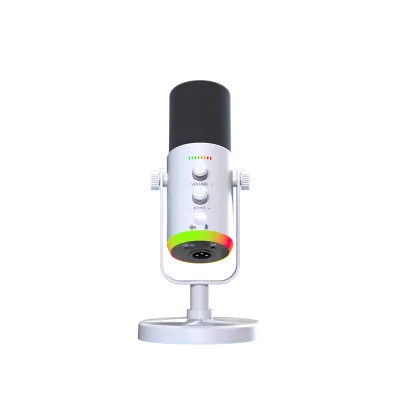
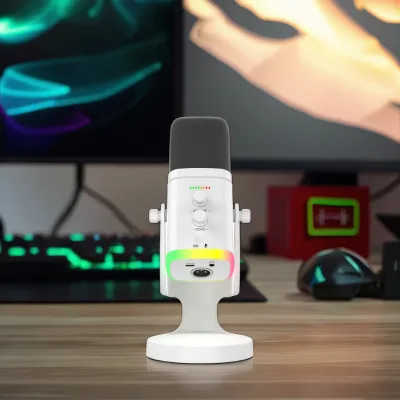
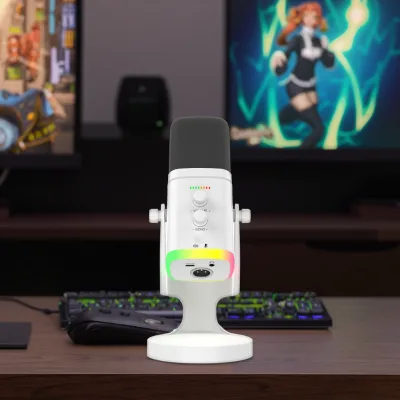
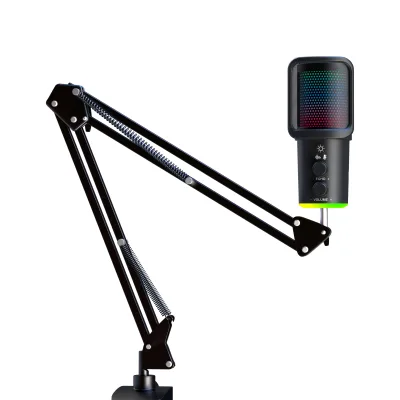
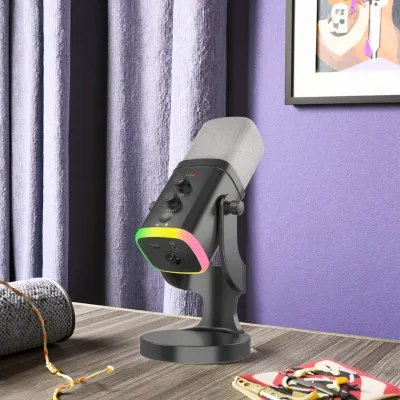
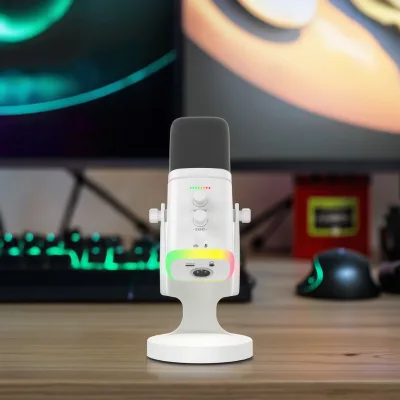
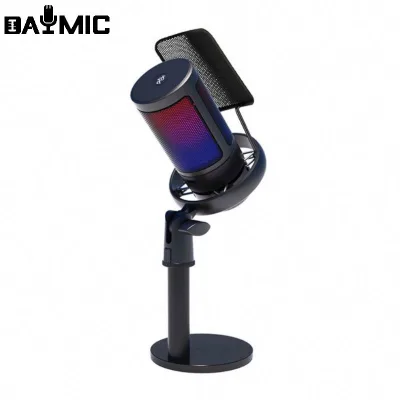
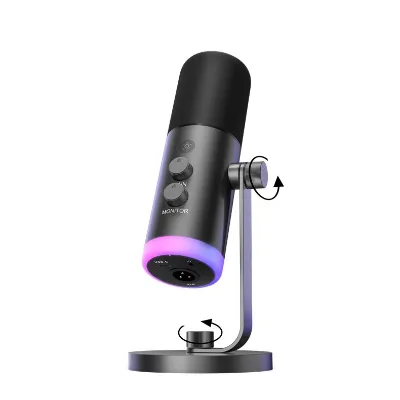
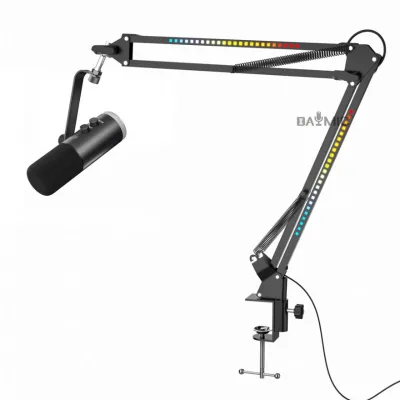
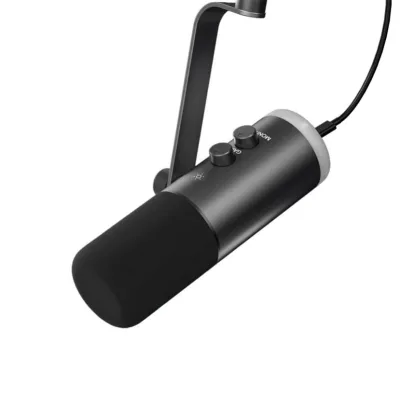
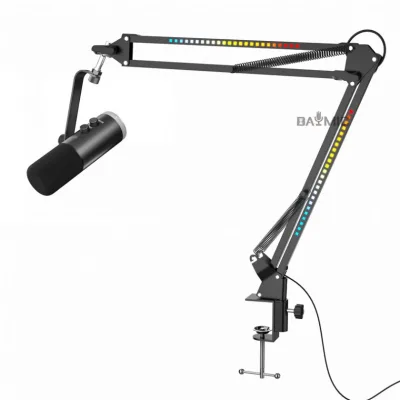
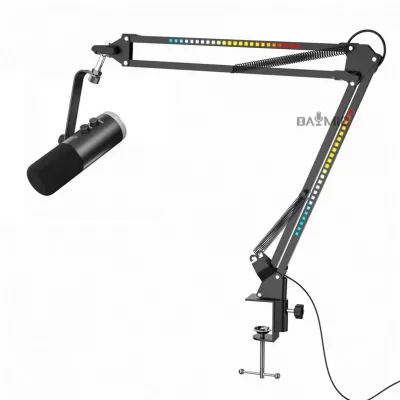
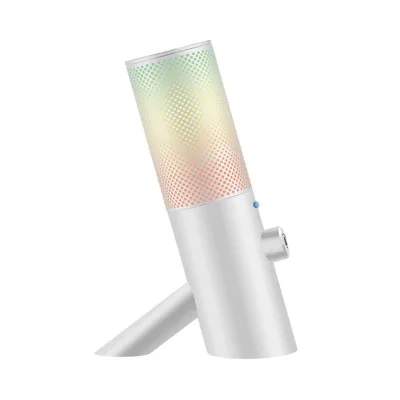
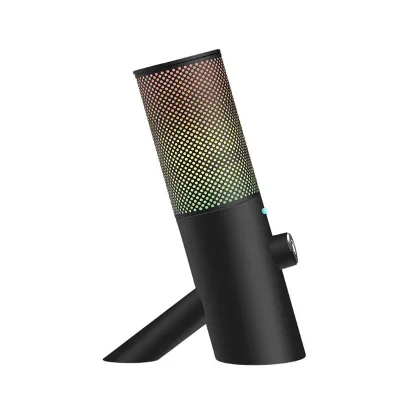

USB Gaming Microphone with RGB LED Light Headphone, RGB Gaming Microphone
$17.20 - $18.75
MOQ: 1 Pieces
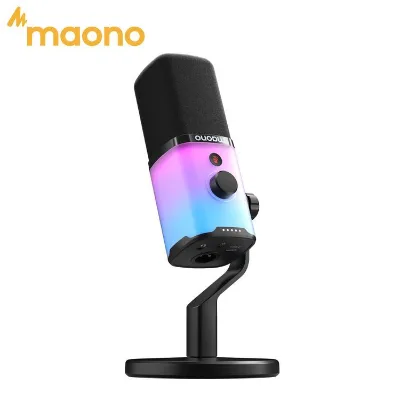
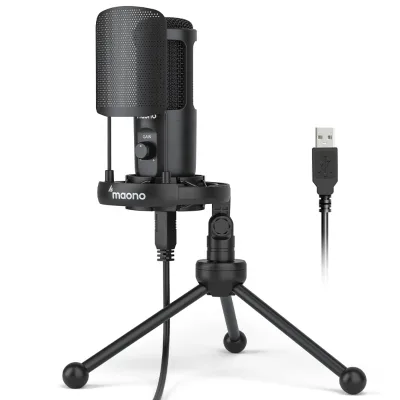
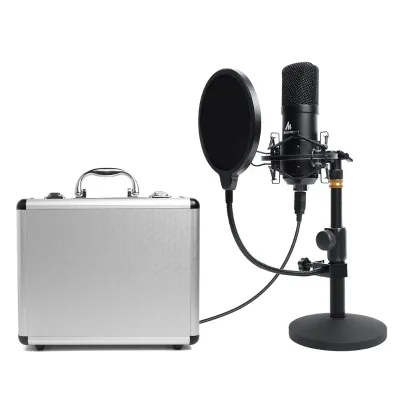
Portable Easy to Adjust Broadcasting or Microphone Gaming Studio Microphone
$32.00 - $38.50
MOQ: 2 pieces
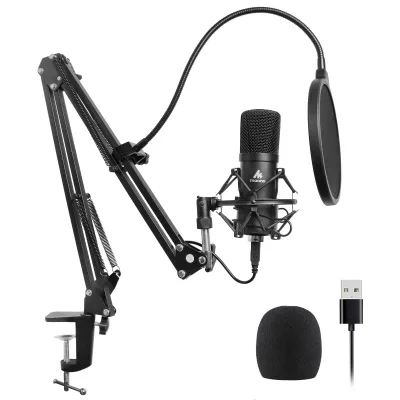
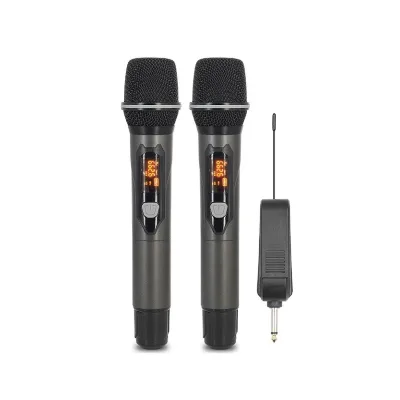
Wireless Microphone Stage Performance Microphone for Gaming Online Streaming
$39.098 - $41.1565
MOQ: 20 pieces


Comprehensive Sourcing Guide
Dynamic Gaming Microphone with Shock Mount Sourcing Guide
Procuring dynamic gaming microphones equipped with shock mounts requires a strategic balance between acoustic performance, durability, and cost-efficiency. This guide synthesizes observed market signals and technical attributes to help buyers navigate the complex landscape of audio equipment sourcing. By focusing on verified specifications and commercial realities, procurement teams can mitigate risks associated with inconsistent product quality and supply chain disruptions. The following sections provide a structured approach to evaluating suppliers, validating technical claims, and establishing robust long-term partnerships.
The dynamic microphone segment offers distinct advantages for gaming environments, particularly in noisy settings where rejecting background interference is critical. Unlike condenser variants, dynamic transducers are generally more robust and less sensitive to ambient room acoustics, making them ideal for uncontrolled recording spaces. However, the inclusion of a shock mount adds significant value by isolating the microphone from desk vibrations and mechanical noise, ensuring cleaner audio capture during intense gaming sessions. Buyers must carefully distinguish between true dynamic designs and other transducer types to align product capabilities with end-user expectations.
Product Scope and Observed Listing Signals
Market analysis reveals a diverse range of microphone configurations, with observed price points spanning from five to fifty US dollars. This wide variance suggests significant differences in component quality, branding, and included accessories. Buyers should note that while some listings highlight premium features, others may offer basic functionality at lower price tiers. The minimum order quantity (MOQ) ranges from one to one thousand units, indicating flexibility for both small-scale retailers and large distributors. Understanding these commercial boundaries is essential for negotiating favorable terms and managing inventory levels effectively.
Observed product attributes indicate a mix of wired and wireless signal transmission methods, with USB connectivity being a prominent feature. Some models are explicitly described as USB gaming condenser microphones, which contrasts with the core keyword of dynamic microphones. This discrepancy highlights the importance of verifying the transducer principle before placing orders. Additionally, packaging standards vary, with color boxes being a common presentation method. Buyers must ensure that the shock mount and other accessories are included in the standard packaging to meet customer expectations and avoid additional logistics costs.
Technical Specifications to Verify
Transducer principle is the most critical technical differentiator, with observed data listing both condenser and capacitive types. Buyers seeking dynamic microphones must explicitly confirm this specification, as condenser models require phantom power and are more sensitive to environmental noise. Frequency response ranges observed include 20Hz-20kHz and 50Hz-16kHz, indicating varying capabilities for capturing low-frequency bass or high-frequency clarity. Sensitivity levels also vary significantly, with values such as -45dB±3dB and -30±3dB observed. These parameters directly impact the microphone’s ability to capture voice clearly without excessive gain, which is vital for gaming communication.
Impedance and signal-to-noise ratio (SNR) are key indicators of electrical performance and audio clarity. Observed impedance values range from 50-1000Ω to ≤2.2kΩ, affecting compatibility with various audio interfaces and sound cards. SNR figures such as ≥66dB and >36dB suggest different levels of background noise rejection. Additionally, bit depth and sampling rate specifications, including 16bits/48kHz and 24bit/192kHz, define the digital resolution of the audio signal. Buyers should verify that these digital specifications align with the capabilities of the target gaming platforms to ensure seamless integration and optimal audio quality.
Compliance and Safety Documentation
Electrical safety is paramount for USB-powered devices, requiring compliance with regional standards for low-voltage electronics. Buyers must verify that suppliers provide necessary certifications for electrical safety, electromagnetic compatibility (EMC), and radio frequency interference (RFI) if wireless features are present. Although specific certification names are not listed in the observed data, standard compliance documents such as CE, FCC, and RoHS are typically expected for products originating from China. These certifications ensure that the microphones do not pose electrical hazards and meet environmental regulations regarding hazardous substances.
Data privacy and software security are increasingly important for USB peripherals that may include onboard drivers or software suites. Buyers should inquire about the security of any accompanying software and ensure that it does not collect unnecessary user data. Additionally, physical safety standards for the shock mount and housing materials must be verified to prevent breakage or injury during use. Suppliers should provide material safety data sheets (MSDS) for plastics and metals used in construction. Clear labeling and user manuals in the target market’s language are also essential for consumer safety and regulatory compliance.
Cost Drivers and Commercial Terms
The cost of dynamic gaming microphones is influenced by several factors, including the transducer type, build quality, and included accessories. The presence of a shock mount adds material and assembly costs, which can impact the final unit price. Observed price ranges suggest that budget-friendly options may compromise on durability or acoustic performance, while premium models offer superior materials and engineering. Buyers should analyze the total cost of ownership, including shipping, tariffs, and potential returns due to quality issues, rather than focusing solely on the unit price.
Minimum order quantities (MOQs) and payment terms significantly affect cash flow and inventory management. Flexible MOQs allow for smaller test orders, reducing risk for new product introductions. However, larger orders often secure better pricing and priority production slots. Buyers should negotiate clear terms regarding lead times, especially during peak seasons, to avoid stockouts. Additionally, warranty policies and after-sales support should be clearly defined in the contract. Understanding these commercial dynamics helps in building a sustainable supply chain that balances cost efficiency with service reliability.
Supplier Qualification and Quality Control
Supplier qualification begins with verifying manufacturing capabilities and quality management systems. Buyers should request evidence of ISO certifications and conduct factory audits to assess production standards. The observed origin locations, including Shenzhen and Guangdong, indicate established manufacturing hubs with mature supply chains. However, buyers must ensure that suppliers have dedicated lines for dynamic microphones to avoid cross-contamination with condenser models. Quality control processes should include incoming material inspections, in-process checks, and final random inspections (FRI) before shipment.
Testing protocols are essential to verify that products meet specified technical parameters. Buyers should require test reports for frequency response, sensitivity, impedance, and SNR from independent laboratories or in-house quality teams. Visual inspections should check for defects in the shock mount, housing, and connectors. Additionally, durability testing, such as drop tests and cable bend tests, ensures long-term reliability. Establishing a clear acceptance quality limit (AQL) for defects helps in maintaining consistent product quality across batches. Regular communication with suppliers regarding quality issues fosters continuous improvement and reduces the risk of defective shipments.
Long-Term Procurement Checks
Long-term success in sourcing dynamic gaming microphones requires ongoing monitoring of supplier performance and market trends. Buyers should track key performance indicators (KPIs) such as on-time delivery, defect rates, and responsiveness to issues. Regular supplier reviews help identify potential risks and opportunities for improvement. Additionally, staying informed about technological advancements in microphone technology ensures that the product portfolio remains competitive. Buyers should periodically reassess specifications to align with evolving consumer preferences and gaming platform requirements.
Sustainability and ethical sourcing are becoming increasingly important in global procurement. Buyers should verify that suppliers adhere to labor standards and environmental regulations. Implementing a code of conduct for suppliers helps ensure ethical practices throughout the supply chain. Furthermore, diversifying the supplier base reduces dependency on single sources and mitigates supply chain disruptions. Building strong relationships with qualified suppliers fosters collaboration and innovation, leading to better product offerings and competitive advantages in the dynamic gaming microphone market.
FAQs
What is the sensitivity of the Q1 dynamic gaming microphone?
The Q1 model features a sensitivity of -45db±3db. This condenser microphone utilizes a pressure type sound field force and omni-directional directivity. It supports wired USB transmission with a 16bits, 48kHz bit depth. The frequency response ranges from 20Hz to 20kHz, making it suitable for voice, music, and recording applications in meeting or measurement scenarios.
Can I customize the packaging for the SF-970 handheld microphone?
Customization is available for the SF-970 handheld microphone. This uni-directional device offers a sensitivity of -30±3db and a frequency response of 50Hz-16kHz. It connects via a 3.5mm plug and originates from Shenzhen. Buyers can request specific packaging solutions to meet their branding needs while maintaining the standard product performance for professional audio capture.
Which microphone model supports 192kHz sampling rate for gaming?
The USB Gaming Condenser Microphone supports a 192kHz/24bit sampling rate. This desktop wired unit features a shock mount style and operates on 5V working voltage. It delivers a signal-to-noise ratio of -50dB and handles up to 120dB S.P.L. The OEM/livestudiomaker brand ensures high-fidelity audio capture for gaming and broadcasting applications.
What is the output impedance range for these condenser microphones?
The output impedance ranges from 50-1000Ω across the product line. Specific models like the T3 have an impedance of ≤2.2kΩ. These condenser microphones use a capacitive core type and offer all-directional pickup patterns. The T3 model provides a sensitivity of -38+3dB and a signal-to-noise ratio greater than 36dB for clear audio transmission.
How does the SF-777R microphone perform in broadcasting environments?
The SF-777R is designed specifically for broadcasting use. It features a sensitivity of -52dB±2dB and a frequency response rate of 50-12KHz. This wired USB microphone originates from Guangdong, China. Its compact standard size of 22.5X13.1X7CM makes it ideal for desktop setups. The device ensures reliable signal transmission for professional voice recording and live broadcasting tasks.