Source 4 Stroke 2400hp Outboard Motor for fishing, transport, and rescue
Compare 30 listings for the 4 Stroke 2400hp Outboard Motor from verified suppliers. Buyers can review specifications like engine type, fuel consumption, and dimensions to find the right unit for marine applications; compare the available evidence and request quotations based on your requirements.
Updated
Key considerations
Products List


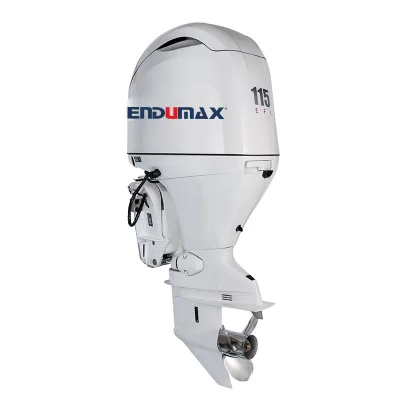
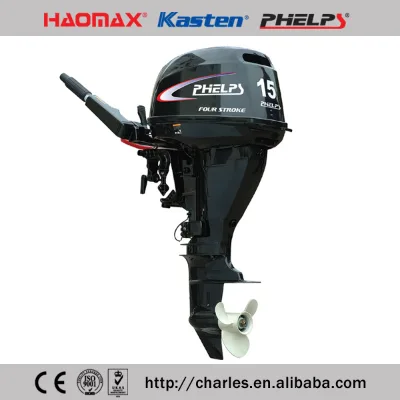


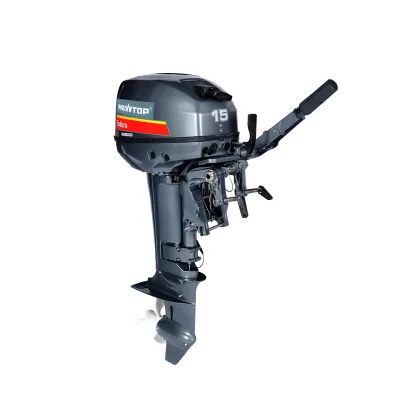
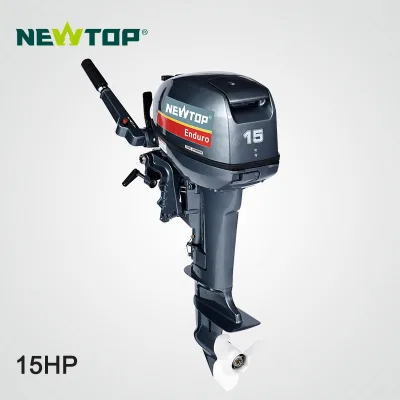





Comprehensive Sourcing Guide
4 Stroke 2400hp Outboard Motor Sourcing Guide
Procuring high-horsepower marine propulsion systems requires a rigorous evaluation of engineering capabilities and supply chain reliability. Buyers must distinguish between generic listings and specialized manufacturers capable of delivering complex, high-output engines. The market contains various configurations, including two-stroke and four-stroke options, with displacement ranging from small utility units to large industrial capacities. Understanding these distinctions is critical for aligning procurement with specific vessel requirements and operational environments.
This guide focuses on the technical and commercial realities of sourcing advanced outboard motors. It emphasizes verification of engine architecture, such as cylinder count and cooling systems, which directly impact performance and maintenance cycles. Buyers should prioritize suppliers who provide transparent documentation regarding engine position, shifting gears, and fuel consumption rates. Establishing clear technical baselines early in the sourcing process helps mitigate risks associated with mismatched specifications and ensures long-term operational efficiency.
Product Scope and Observed Listing Signals
The current market landscape for outboard motors includes a diverse array of products, ranging from compact 246cc units to larger engines with capacities exceeding 1.8 liters. Listings often highlight specific attributes such as water-cooled systems, manual steering, and various color options like black, grey, or silver. Buyers should note that while some products are marketed with high horsepower ratings, the actual observed specifications may vary significantly, requiring careful cross-referencing of model numbers and displacement data.
Observed product origins indicate a global supply chain, with notable manufacturing hubs in China and Japan. Packaging methods vary from foam and steel enclosures to wooden boxes and original packages, reflecting different shipping and handling requirements. The presence of customization options suggests that suppliers may offer tailored solutions for specific vessel types, such as sea boats. However, buyers must verify that these customization capabilities extend to high-power applications and are not limited to smaller, entry-level models.
Technical Specifications to Verify
Engine architecture is the primary determinant of performance and suitability for high-power applications. Buyers must verify whether the motor utilizes a two-stroke or four-stroke cycle, as this affects fuel efficiency, emissions, and maintenance intervals. Key technical parameters include the number of cylinders, gear ratios, and full throttle RPM ranges, which typically fall between 4500 and 5500 RPM for certain models. Confirming the engine position as outboard and the shifting gear mechanism as forward-neutral-reverse is essential for proper integration with vessel drivetrains.
Displacement and fuel system details are critical for calculating operational costs and range. Specifications such as 246cc or 1832cc displacement indicate vastly different power outputs and fuel consumption rates, with some models consuming up to 7.9 liters per hour. Buyers should also verify the oil mixing ratio, such as 50:1 for two-stroke engines, and gear oil capacity, which may be around 250cc. Ensuring that the cooling system is water-controlled and the steering system is manual or hydraulic as required prevents operational failures in demanding marine environments.
Compliance and Safety Documentation
Regulatory compliance is non-negotiable for marine propulsion systems, particularly those intended for international waters or commercial use. Buyers must request valid certification documents, such as CE marks, which indicate adherence to European safety and environmental standards. It is crucial to verify that these certifications apply specifically to the high-horsepower models being procured and are not merely generic claims for the supplier’s entire product line. Documentation should include test reports and conformity assessments that validate the engine’s performance and safety features.
Warranty terms and after-sales support structures are equally important components of the compliance framework. A standard warranty period of three years may be offered, but buyers must clarify the scope of coverage, including parts, labor, and travel expenses. Understanding the supplier’s commitment to providing spare parts and technical support over the engine’s lifecycle is vital for minimizing downtime. Buyers should also inquire about any additional safety features, such as emergency shut-off mechanisms or overload protection, which are often required by maritime regulations.
Cost Drivers and Commercial Terms
The price range for outboard motors is extensive, spanning from low-cost entry-level units to high-end, custom-engineered systems. Buyers should anticipate significant variations in pricing based on horsepower, displacement, and the complexity of the engine architecture. While some listings may show low prices, these often correspond to smaller, less powerful engines. For high-horsepower applications, costs are driven by advanced materials, precision manufacturing, and the inclusion of sophisticated control systems, which justify higher price points.
Minimum order quantities (MOQ) and delivery times are key commercial factors that influence procurement strategy. MOQs can range from single units to larger batches, depending on the supplier’s production capacity and customization requirements. Delivery times, such as 30 days for standard orders, must be factored into project timelines, especially for custom-built engines. Buyers should negotiate clear terms regarding payment schedules, shipping responsibilities, and penalties for delays to protect their investment and ensure timely vessel deployment.
Supplier Qualification and Quality Control
Supplier qualification involves assessing manufacturing capabilities, quality management systems, and past performance in the marine industry. Buyers should verify the supplier’s ability to produce high-quality engines with consistent performance, as evidenced by their production standards and testing procedures. Suppliers originating from established manufacturing regions like Suzhou or Japan may offer different advantages in terms of precision engineering and supply chain stability. Due diligence should include reviewing the supplier’s track record with similar high-power outboard motors.
Quality control processes must be transparent and rigorous, covering everything from raw material inspection to final assembly and testing. Buyers should request information on the supplier’s quality assurance protocols, including dimensional checks, performance testing, and durability assessments. The use of standardized sizes and original packaging can indicate a commitment to consistency and protection during transit. Establishing a clear communication channel for addressing quality issues and requesting third-party inspections can further mitigate risks associated with large-scale procurement.
Long-Term Procurement Checks
Long-term success in sourcing outboard motors depends on the supplier’s ability to provide sustained support and product evolution. Buyers should evaluate the supplier’s commitment to continuous improvement, including updates to engine designs, fuel efficiency enhancements, and compliance with evolving environmental regulations. The availability of replacement parts and technical documentation over the engine’s lifespan is critical for maintaining operational readiness. Suppliers who invest in R&D and customer support are more likely to deliver reliable, long-lasting propulsion solutions.
Strategic partnerships with suppliers who offer customization and flexible production capabilities can provide a competitive advantage. Buyers should consider the supplier’s ability to adapt to changing market demands and vessel specifications. Regular performance reviews and feedback loops can help identify areas for improvement and ensure that the procurement strategy remains aligned with operational goals. By focusing on long-term relationships rather than transactional purchases, buyers can secure better pricing, priority service, and access to the latest technological advancements in marine propulsion.
FAQs
What customization options are available for 4 stroke outboard motors?
Customization is available for these outboard motors, allowing buyers to tailor specifications to specific vessel requirements. The product page confirms that customization services are offered, enabling adjustments to power output, color, and other functional attributes to ensure optimal performance for diverse marine applications and user preferences.
Which certifications are provided for these outboard engines?
The outboard motors come with CE certification, ensuring compliance with relevant safety and quality standards for the European market. This certification indicates that the manufacturing process and final product meet strict regulatory requirements, providing buyers with confidence in the product's reliability and adherence to international industry norms.
How long is the delivery time for these engines?
The standard delivery time for these outboard motors is 30 days from order confirmation. This lead time allows for proper manufacturing, quality control, and logistics planning, ensuring that buyers receive their equipment within a predictable timeframe suitable for commercial and recreational marine project scheduling.
What is the warranty period for the outboard motor?
The outboard motor is backed by a 3-year warranty, providing long-term protection for the buyer. This warranty covers manufacturing defects and ensures that the engine maintains its performance standards, offering peace of mind and reducing the total cost of ownership for commercial and private vessel operators.
Can the engine capacity be customized for specific needs?
Yes, the engine power and capacity can be customized to meet specific vessel requirements. The product specifications indicate that power is customizable, allowing buyers to select appropriate displacement and horsepower ratings that align with their boat size and intended marine application, ensuring optimal efficiency and performance.
What packaging methods are used for shipping these motors?
The outboard motors are packaged using various methods including foam plus steel, carton with foam, wooden boxes, and original packages. These robust packaging solutions protect the engines during transit, ensuring they arrive in pristine condition regardless of the shipping route or handling conditions encountered during global logistics operations.