Source 6 String Electric Guitar Nuts for Fender, Gibson, and Ibanez
Compare 30 listings for 6 String Electric Guitar Nuts featuring cow bone, stainless steel, and plastic materials. Buyers can review specifications like 42mm and 43mm lengths, OEM options, and package details from Guangdong, China suppliers.
Key considerations
Products List
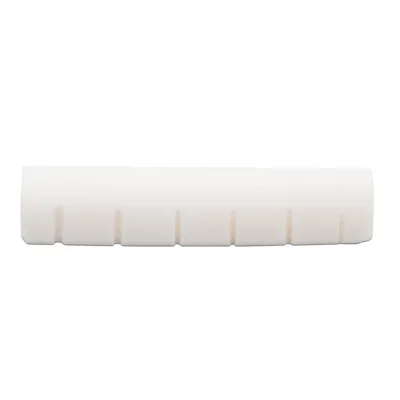

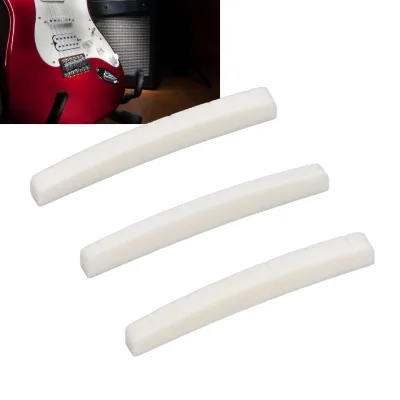
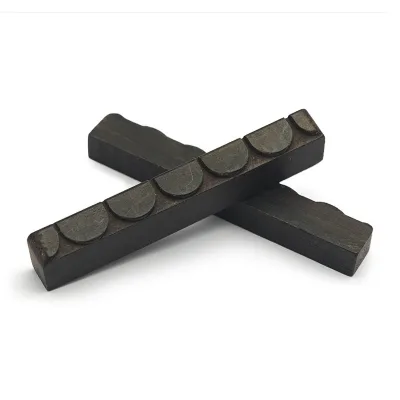
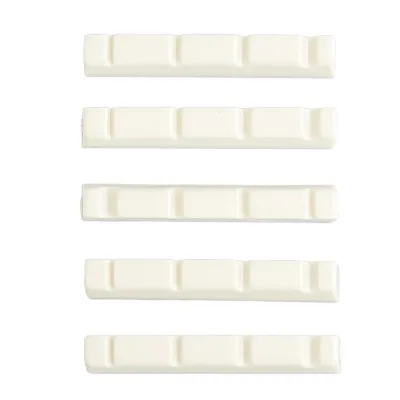
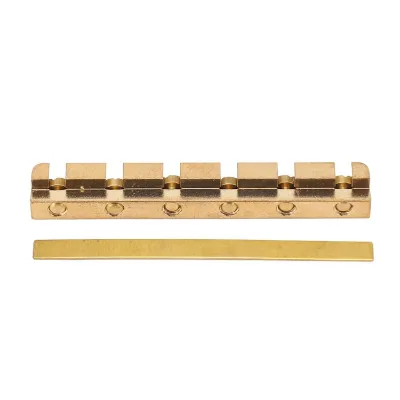
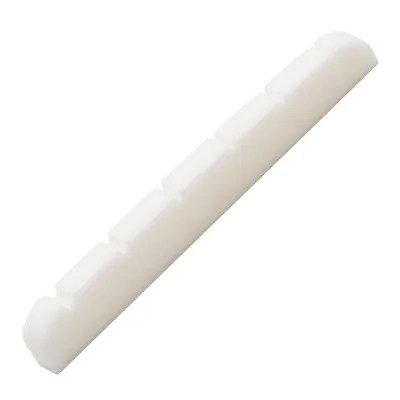


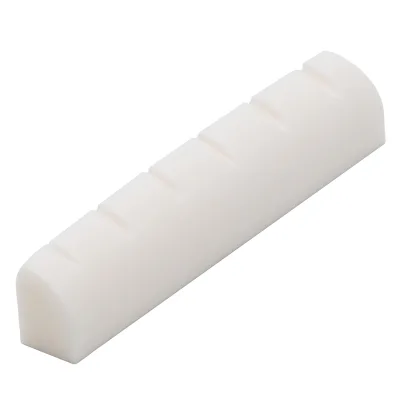


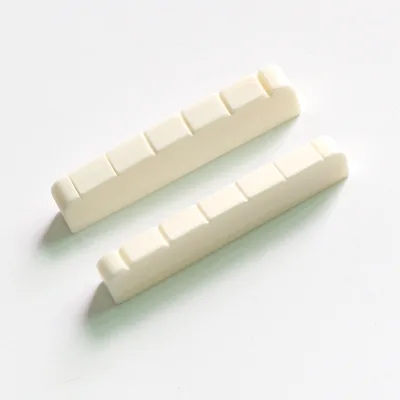
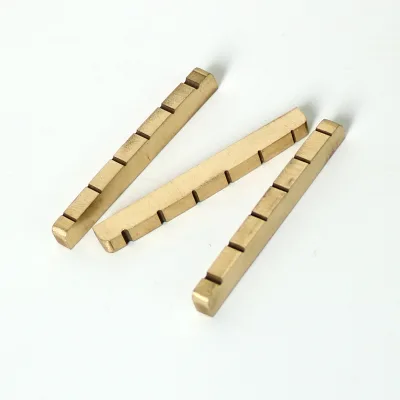


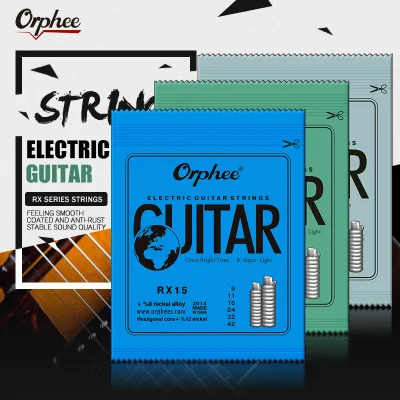

Comprehensive Sourcing Guide
Strategic Sourcing Guide for 6 String Electric Guitar Nuts
Understanding Product Variants and Core Specifications
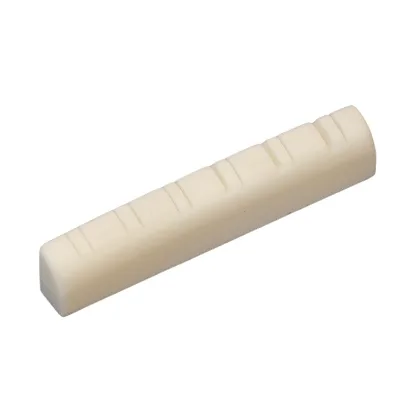
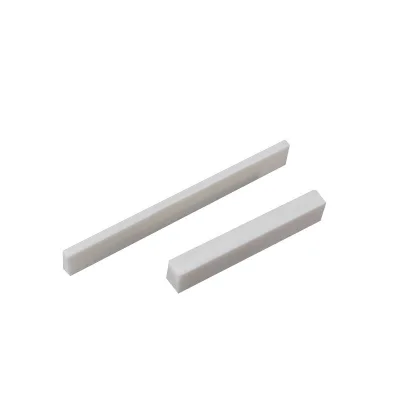
The market for 6 String Electric Guitar Nuts presents a diverse array of options, primarily distinguished by material composition, dimensional tolerances, and intended application. Based on current market observations, the core product category includes components designed specifically for 6-string electric guitars, with specific models such as the GN11, GN01, and GN02 frequently appearing in supplier catalogs. These components are critical for maintaining string spacing and action height, making precise engineering essential for their function.
The material spectrum for these nuts is broad, ranging from traditional cow bone to modern synthetic alternatives like plastic and stainless steel. Cow bone nuts are often highlighted for their tonal transfer properties, while plastic variants offer cost-effective durability, and stainless steel options provide extreme longevity. The observed product attributes indicate that color is a significant differentiator, with listings showing options in white, silver, and multi-color configurations. For instance, specific model numbers like 1023 and 1310240030211 are associated with stainless steel materials, whereas other entries explicitly list cow bone or plastic as the primary material.
Dimensional precision is paramount in this category. The supplied data reveals specific length standards, with common measurements including 42mm and 43mm. Width and height specifications are equally critical, with observed values such as 3.5mm width and 4.5mm height for certain models. The "Style" attribute often categorizes these items as "Electric Guitar Nut" or generic "St" types, indicating their specific application within the electric guitar ecosystem. Buyers must verify that the selected nut matches the specific string spacing and slot depth required by their instrument's neck profile, as the "Used for" attribute explicitly notes compatibility with 6-string configurations.
Material Science and Performance Characteristics
Selecting the correct material is the first step in ensuring the longevity and tonal quality of the instrument. The observed market data highlights three primary material categories: cow bone, plastic, and stainless steel. Cow bone is traditionally valued in high-end instrument building for its density and ability to transmit vibration efficiently, resulting in a warm, clear tone. The "Quality" attribute in supplier listings often emphasizes "High Quality" for these natural materials, suggesting a focus on density and lack of internal defects.
Plastic nuts, often cited in the context of models like G193 or G232, offer a practical alternative for entry-level or mass-produced instruments. These materials are generally more resistant to environmental changes and wear, though they may not offer the same sonic characteristics as bone. Stainless steel nuts, identified by model numbers such as 1023, provide a different set of advantages, primarily regarding durability and resistance to string wear. These metal nuts are often used in specific applications where string longevity is a priority, though they may alter the instrument's tone compared to traditional materials.
The "Brand Name" attribute in the data shows a mix of OEM (Original Equipment Manufacturer) options and specific brand names like "yindu" and "Donlis." This indicates that buyers can source either branded components or generic OEM parts. When evaluating material performance, it is essential to consider the "Customization" attribute, which is listed as "Available" for some suppliers but "Non-Customized" for others. This distinction affects the ability to tailor the nut's dimensions or material properties to specific guitar models. Buyers should verify that the material selected aligns with the desired tonal profile and the mechanical stress the nut will endure during regular play.
Dimensional Standards and Customization Requirements
Precision in manufacturing is non-negotiable for guitar nuts, as even minor deviations can affect playability and intonation. The observed data provides specific standard measurements, with "prod_standard" values explicitly listed as 42mm and 43mm. These dimensions correspond to the length of the nut, which must match the width of the guitar neck. Additionally, width and height specifications, such as 3.5mm and 4.5mm respectively, are critical for ensuring the correct string height and slot depth.
The "Model Number" field contains a wide variety of identifiers, including YD-, 1023, 1310240030211, G193, and GN01 through GN02. These codes often correlate with specific dimensional profiles or material types. For example, the GN series appears to be associated with specific standard lengths, while other alphanumeric codes may denote custom or specialized configurations. Buyers must cross-reference these model numbers with the physical requirements of their guitar necks to ensure a proper fit.
Customization is a significant factor in the procurement process. The data indicates that "Customized Logo" and "Customization" are available attributes for certain suppliers, allowing for branding and specific dimensional adjustments. However, other listings specify "Non-Customized" options, which may be more suitable for standard replacement parts. The "Single package size" varies significantly, ranging from 5x1x1 cm to 7x5x1 cm, reflecting the different packaging needs for bulk versus single-unit sales. The "Single gross weight" is also listed, with values such as 0.010 kg, 0.014 kg, and 0.020 kg, which can influence shipping costs and logistics planning.
Cost Drivers and Pricing Dynamics
The pricing for 6 String Electric Guitar Nuts is influenced by a complex interplay of factors, including material cost, manufacturing complexity, and order volume. The observed price range in the market spans from $0.07 to $300.68 USD, a wide disparity that reflects the difference between basic plastic components and high-end, custom-engineered bone or metal nuts. The "Selling Units" attribute indicates that products are often sold as single items, but bulk purchasing is available, with some listings specifying a "prod_packing" of 500 pieces per carton.
The "MOQ" (Minimum Order Quantity) range observed is from 1 to 300 units. This flexibility allows buyers to test small batches or place large orders for mass production. The lower end of the price spectrum is typically associated with plastic materials and standard dimensions, while the higher end often involves cow bone, stainless steel, or custom specifications. The "Brand Name" also plays a role, with branded items potentially commanding a premium over generic OEM equivalents.
Buyers should be aware that the "Single package size" and "Single gross weight" directly impact logistics costs. Smaller packages with lower weights, such as those weighing 0.010 kg, are more economical to ship in large quantities compared to bulkier or heavier items. The "Type" attribute, listed as "Other" or "Guitar String" in some contexts, suggests that some listings may bundle nuts with related accessories, which can affect the overall unit cost. Understanding these cost drivers is essential for budgeting and negotiating effectively with suppliers.
Supplier Evaluation and Compliance Verification
Evaluating suppliers for guitar nuts requires a rigorous approach to ensure product consistency and reliability. The "Place of Origin" is consistently listed as China, with specific regions like Guangdong identified. This concentration of manufacturing hubs suggests a mature supply chain, but it also necessitates careful vetting of individual suppliers. The "Brand Name" attribute shows a mix of OEM and branded options, indicating that buyers can choose between generic components or those with established brand recognition.
Compliance and certification checks are critical, although specific certification data is not explicitly detailed in the provided product attributes. Buyers should verify that suppliers adhere to relevant international standards for musical instrument components. The "Quality" attribute, often described as "High Quality," should be validated through sample testing rather than relying solely on marketing claims. Suppliers offering "Customized Logo" services demonstrate a level of flexibility and professionalism, but buyers must ensure that the customization process does not compromise the structural integrity of the nut.
The "Model Number" and "prod_model" fields serve as unique identifiers for product verification. Buyers should request detailed technical drawings or specifications for each model number to confirm that the dimensions and materials match their requirements. The "Used for" attribute, which specifies "6 String Electric Guitars," confirms the intended application, but buyers must still verify compatibility with their specific guitar models. Supplier evaluation should also include an assessment of their "Single package size" and "prod_packing" capabilities to ensure they can meet the buyer's volume and packaging requirements.
Quality Control and Long-Term Procurement Strategy
Implementing a robust quality control (QC) strategy is essential for maintaining product consistency in the guitar nut market. Given the wide range of materials and dimensions, QC protocols should focus on dimensional accuracy, material integrity, and surface finish. The observed "Single gross weight" variations, such as 0.010 kg to 0.020 kg, can indicate inconsistencies in manufacturing that may affect the final product's performance. Buyers should establish clear acceptance criteria for weight, dimensions, and material composition.
Long-term procurement considerations involve building a sustainable relationship with suppliers who can consistently deliver high-quality products. The "Customization" attribute suggests that suppliers are willing to adapt to specific needs, which is beneficial for long-term partnerships. However, buyers must ensure that the customization process is well-documented and that changes are communicated clearly to avoid errors. The "prod_packing" of 500 pieces per carton indicates that bulk ordering is a viable strategy for reducing per-unit costs, but it requires careful inventory management to avoid overstocking.
The "Style" and "Color" attributes highlight the aesthetic and functional diversity of the market. Buyers should consider the long-term availability of specific colors and styles to ensure that replacement parts remain consistent over time. The "Brand" attribute, with names like "Donlis" and "yindu," suggests that established brands may offer better support and consistency. Ultimately, a successful procurement strategy for 6 String Electric Guitar Nuts relies on a balance of technical precision, material selection, and supplier reliability. By focusing on these key areas, buyers can ensure a steady supply of high-quality components that meet the demanding standards of the musical instrument industry.
Comparative Analysis of Product Attributes
To facilitate decision-making, the following table summarizes key attributes observed in the market for 6 String Electric Guitar Nuts. This comparison highlights the diversity in materials, dimensions, and packaging options available to buyers.
| Attribute | Observed Values | Relevance to Procurement |
|---|---|---|
| Material | Cow Bone, Plastic, Stainless Steel | Determines tonal quality and durability. |
| Length Standard | 42mm, 43mm | Critical for neck width compatibility. |
| Width/Height | 3.5mm Width, 4.5mm Height | Affects string spacing and action height. |
| Model Numbers | GN01, GN02, G193, 1023, YD- | Unique identifiers for specific profiles. |
| Color | White, Silver, Multi | Aesthetic matching for instrument finish. |
| MOQ Range | 1 to 300 Units | Flexibility for small or large orders. |
| Packaging | 500PCS/Carton, Single Item | Impacts logistics and storage efficiency. |
| Origin | China (Guangdong) | Indicates manufacturing hub and potential lead times. |
| Customization | Available, Non-Customized | Determines ability to tailor specs or branding. |
This table underscores the importance of verifying specific model numbers and dimensions before placing an order. The diversity in materials and styles allows buyers to select the optimal solution for their specific needs, but it also requires careful attention to detail to ensure compatibility and quality. By leveraging this data, buyers can make informed decisions that align with their technical requirements and budget constraints.
FAQs
What materials are available for 6 String Electric Guitar Nuts?
Available materials include cow bone, plastic, and stainless steel. Cow bone offers high tonal transfer, while plastic provides cost-effective durability and stainless steel ensures extreme longevity for specific applications.
Which dimensions are standard for 6 String Electric Guitar Nuts?
Standard lengths are typically 42mm or 43mm. Width and height specifications often measure 3.5mm and 4.5mm respectively to ensure correct string spacing and slot depth for 6-string electric guitars.
Can I customize the logo on 6 String Electric Guitar Nuts?
Customized logos are available for some suppliers offering OEM services. However, other listings specify non-customized options, so buyers must verify customization availability before placing orders for branded components.
How does the price range vary for 6 String Electric Guitar Nuts?
Prices range from 0.07 to 300.68 USD depending on material and customization. Basic plastic nuts are at the lower end, while high-quality cow bone or stainless steel options command higher prices.
What is the minimum order quantity for 6 String Electric Guitar Nuts?
The minimum order quantity ranges from 1 to 300 units. This flexibility allows buyers to test small batches or place large orders for mass production depending on their specific inventory needs.
Where are 6 String Electric Guitar Nuts typically manufactured?
Products are primarily manufactured in China, with specific origins in Guangdong. This region hosts a mature supply chain, though buyers should verify individual supplier compliance and quality standards.