Source 60V Programmable DC Power Supply for Testing, Charging, R&D
Compare 30 verified listings for the 60V Programmable DC Power Supply featuring adjustable voltage and current. Buyers can evaluate specifications like 0-60VDC output, PWM modulation, and CE certification from Chinese manufacturers; compare the available evidence and request quotations based on your requirements.
Updated
Key considerations
Products List


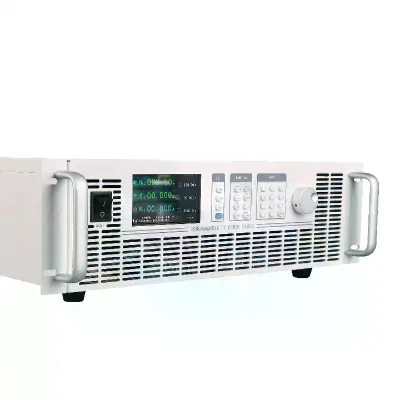
Factory Price 600V 15A High Power Density Programmable DC Power Supply 9kw
$1698.68 - $1738.68
MOQ: 1 Pieces


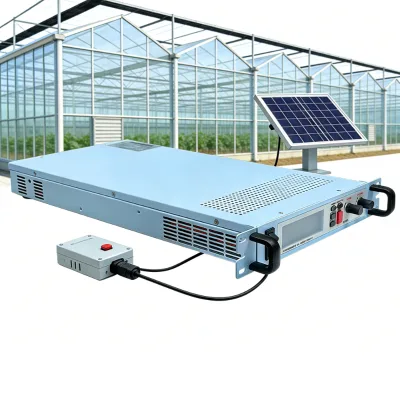
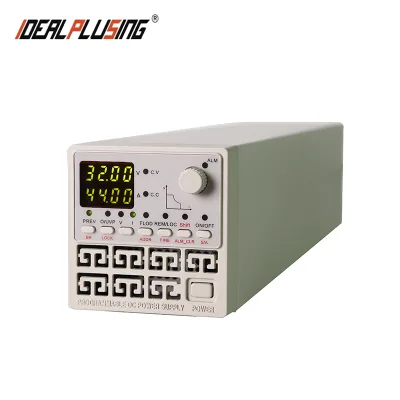
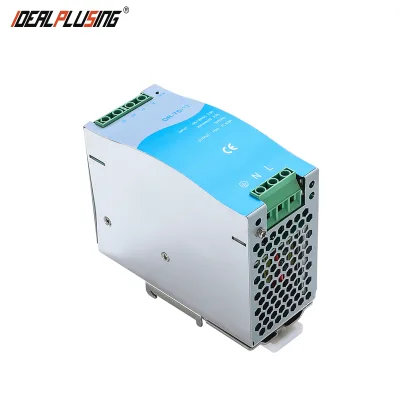
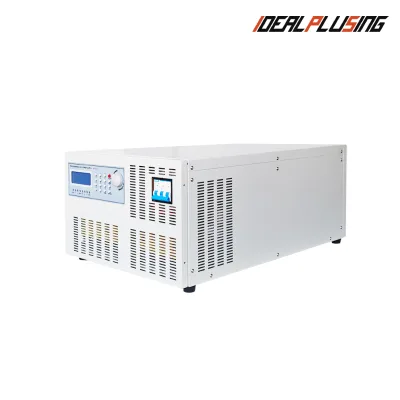
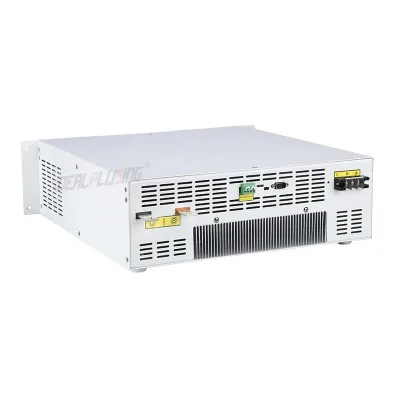
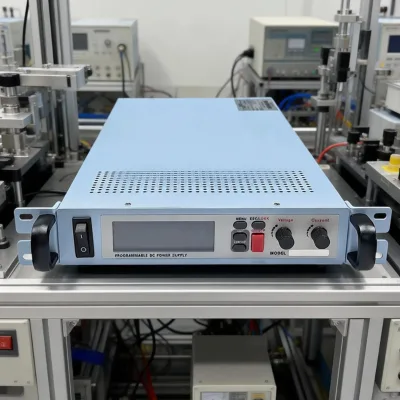

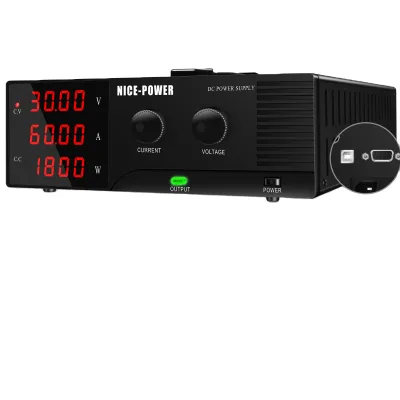
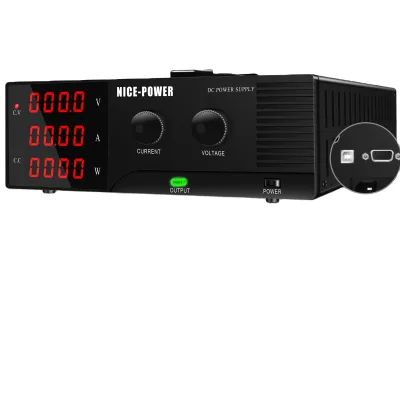


Comprehensive Sourcing Guide
60V Programmable DC Power Supply Sourcing Guide
Procuring a 60V Programmable DC Power Supply requires careful alignment of electrical parameters with your specific load requirements. The market offers a diverse range of units, from compact 1200W models to high-power 60kW industrial systems. Buyers must first determine if their application demands a single output or multiple channels, as this significantly impacts the physical footprint and wiring complexity of the installation. Understanding the precise voltage and current ranges is critical, as observed listings show outputs ranging from 0-12VDC up to 0-60VDC, with currents varying from 80A to 1000A.
The control architecture also plays a pivotal role in system integration. Most modern units utilize Pulse Width Modulation (PWM) for width modulation type regulation, ensuring stable output under varying load conditions. Buyers should verify whether the device supports bi-directional power flow, which is essential for applications involving energy regeneration or battery testing. Additionally, the input voltage compatibility must match your facility’s infrastructure, with common options including 220VAC and 380VAC configurations. Selecting the wrong input specification can lead to operational failures or require expensive auxiliary transformers.
Product Scope and Observed Listing Signals
The current market landscape for 60V programmable DC power supplies reveals a wide spectrum of capabilities and form factors. Listings indicate that manufacturers produce units with power ratings spanning from 960W to 60kW, catering to both laboratory benchtop needs and heavy-duty industrial testing environments. The observed price range of $6.5 to $20,000 USD reflects this disparity, driven by factors such as output power, precision, and additional features like LED voltmeter and ammeter displays. Buyers should note that minimum order quantities (MOQ) typically range from 1 to 100 units, allowing for flexible procurement strategies for both prototype development and mass production.
Customization is a prevalent feature among suppliers, with many offering adjustable output parameters and tailored packaging solutions. Standard packing often involves plywood cases for larger industrial units, while smaller devices may use standard protective packaging. The origin of these products is predominantly China, with specific manufacturing hubs like Shandong noted for producing hybrid and off-grid inverter systems that may incorporate DC converter technologies. Buyers should carefully review the product type, as some listings classify devices as DC/DC inverters or frequency converters, which may have different operational characteristics than pure programmable power supplies.
Technical Specifications to Verify
When evaluating technical specifications, the output voltage and current ranges are the primary determinants of suitability. For a 60V target, buyers must confirm if the unit provides a 0-60VDC range or if it offers a broader range like 0-80VDC, which might affect resolution and control precision. The output current capacity, ranging from 60A to 1000A in observed listings, must be matched to the maximum load demand with an appropriate safety margin. It is also crucial to verify the input voltage range, especially for units designed for DC input, which may specify ranges like 450VDC to 800VDC, indicating compatibility with high-voltage bus systems rather than standard AC mains.
The modulation system and control structure are equally important for performance stability. PWM modulation is standard, but buyers should inquire about the response time and ripple specifications, which are not always explicitly listed. The structure of the control loop, whether open-loop or closed-loop, affects how the unit handles transient loads. Additionally, the working frequency of 50/60Hz is typical for AC-input models, but DC-input models may operate at higher switching frequencies. Buyers should also check the IP rating, with IP20 being common for indoor use, ensuring the unit is protected against solid objects but not water ingress, which is suitable for controlled laboratory environments.
Compliance and Safety Documentation
Safety certifications are non-negotiable for industrial and laboratory equipment. The most frequently observed certifications for these power supplies are CE and ISO, indicating compliance with European safety standards and international quality management systems. Buyers must request valid certificates and verify their authenticity, as counterfeit documentation is a risk in global sourcing. The presence of CE marking suggests adherence to essential health and safety requirements, while ISO certification implies a structured manufacturing process. However, buyers should not assume that all listed products hold these certifications without explicit verification from the supplier.
Beyond basic certifications, specific safety standards may apply depending on the application environment. While some background contexts mention IEC61010-1 or EN61010-1, these should be treated as potential references rather than guaranteed inclusions. Buyers should explicitly ask if the unit complies with relevant low-voltage directives or specific industrial safety norms. The warranty period, commonly listed as 2 years, provides a baseline for support, but buyers should clarify what is covered, including labor and parts. Understanding the warranty terms helps in calculating the total cost of ownership and mitigating risks associated with early-life failures.
Cost Drivers and Commercial Terms
The cost of a 60V Programmable DC Power Supply is influenced by several key factors, with output power being the most significant. Units ranging from 1.2kW to 28.8kW offer different value propositions, with higher power densities often commanding a premium. The inclusion of advanced features like LED displays, bi-directional capabilities, and custom programming interfaces can also increase the price. Buyers should compare the cost per watt across different suppliers to ensure they are getting competitive pricing, while also considering the total cost of shipping and import duties, which can vary significantly based on the packaging and weight of the unit.
Commercial terms such as MOQ and lead times are critical for supply chain planning. While MOQs can be as low as 1 unit, bulk orders may offer better pricing but require longer lead times. Buyers should negotiate clear delivery schedules and payment terms, especially for large orders exceeding 100 units. The origin of the product, primarily China, may involve longer shipping times compared to domestic suppliers. It is advisable to factor in potential customs delays and ensure that the supplier has a reliable logistics network. Clear communication regarding Incoterms can help avoid unexpected costs and ensure smooth delivery to the final destination.
Supplier Qualification and Quality Control
Selecting a qualified supplier is essential for ensuring the reliability and longevity of the power supply. Buyers should prioritize suppliers who provide detailed technical documentation and responsive customer support. The presence of customization options indicates a supplier’s flexibility and ability to meet specific project requirements. However, buyers must verify the supplier’s manufacturing capabilities and quality control processes. Requesting samples or conducting factory audits can provide valuable insights into the production standards and consistency of the products. Suppliers with a strong track record in producing hybrid or off-grid systems may have more robust engineering practices.
Quality control should extend beyond the initial purchase to include ongoing performance monitoring. Buyers should establish clear acceptance criteria for delivered units, including visual inspection and functional testing. The use of materials like aluminum alloy for the chassis can indicate good heat dissipation properties, but buyers should verify the build quality and finish. It is also important to assess the supplier’s after-sales service, including the availability of spare parts and technical assistance. A supplier that offers comprehensive support can help minimize downtime and extend the operational life of the power supply, providing better long-term value for the investment.
Long-Term Procurement Checks
Long-term procurement success depends on establishing a sustainable relationship with the supplier and maintaining rigorous quality standards. Buyers should regularly review the performance of the power supplies in their applications, tracking metrics such as uptime, efficiency, and failure rates. This data can be used to negotiate better terms or identify areas for improvement in the product design. It is also important to stay updated on any changes in regulatory requirements or industry standards that may affect the use of the equipment. Proactive engagement with the supplier can help ensure that the products remain compliant and competitive over time.
Supply chain resilience is another critical aspect of long-term procurement. Buyers should diversify their supplier base to mitigate risks associated with single-source dependencies. Maintaining a buffer stock of critical components or spare units can help prevent production disruptions. Regular communication with the supplier regarding market trends and technological advancements can help buyers stay ahead of the curve. By focusing on continuous improvement and strategic partnership, buyers can ensure that their 60V Programmable DC Power Supply investments deliver consistent value and support their operational goals for years to come.
FAQs
What certifications do these power supplies hold?
These units hold ISO and CE certifications as documented in the product specifications. The listed items explicitly state compliance with these standards to ensure safety and quality for industrial applications requiring verified regulatory adherence.
Can I customize the output voltage range?
Yes, customization is available for the output voltage range on these programmable units. The product attributes confirm that the standard models offer ranges like 0-60VDC or 0-12VDC, and the customization option allows for tailored specifications to meet specific project needs.
What is the maximum output current capacity?
The maximum observed output current capacity reaches 1000A for high-power models in this category. Lower capacity units are also available with ranges such as 0-80A or 0-600A, depending on the specific power rating and configuration selected for your application.
How is the modulation system controlled?
The modulation system utilizes PWM technology for precise control of the power output. This Width Modulation Type ensures stable regulation and efficient performance across the varying input voltages and load conditions specified for these industrial-grade programmable power supplies.
What warranty period is provided for the units?
A standard warranty period of 2 years is provided for these power supply units. This coverage applies to the listed products to ensure reliability and support for industrial operations, covering potential defects or performance issues within the specified timeframe.
Which input voltage options are supported?
Supported input voltage options include 220V, 380V, and a DC range of 450VDC to 800VDC. These diverse input capabilities allow the units to operate in various electrical environments, ensuring compatibility with different regional power standards and industrial grid configurations.
What packaging is used for shipping?
The units are shipped in plywood cases or standard packing depending on the specific model. This robust packaging ensures protection during transit, safeguarding the sensitive electronic components and ensuring the equipment arrives in optimal condition for immediate installation and use.