Source CE Certified Three Phase Stabilizer for Industry, Commercial, and Residential
Find 30 CE Certified Three Phase Stabilizer options from verified Chinese manufacturers. Compare models like SBW and ADR with features including IP54 protection, copper windings, and automatic voltage regulation for diverse industrial and commercial applications; compare the available evidence and request quotations based on your requirements.
Updated
Key considerations
Products List


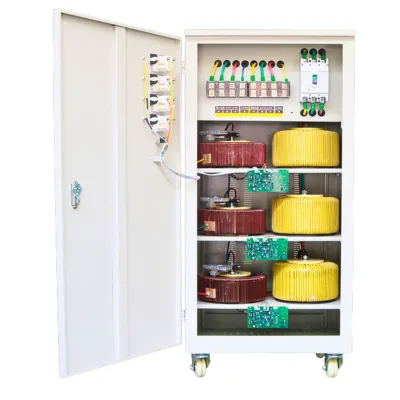
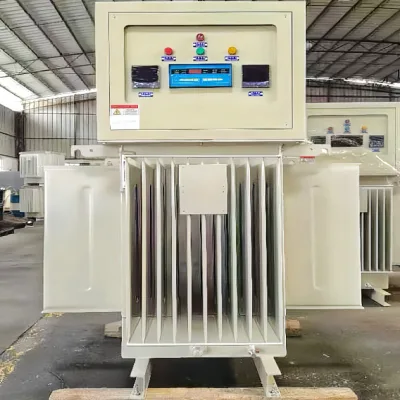
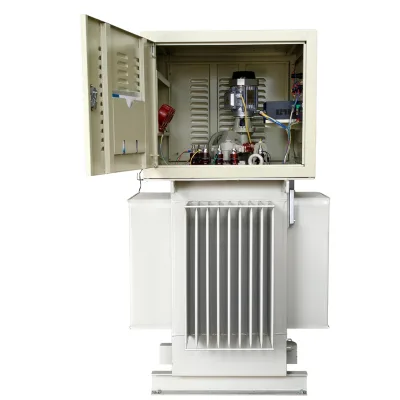
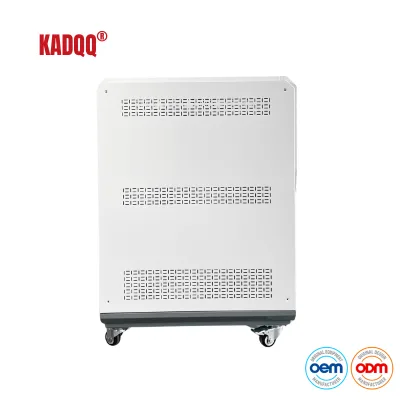
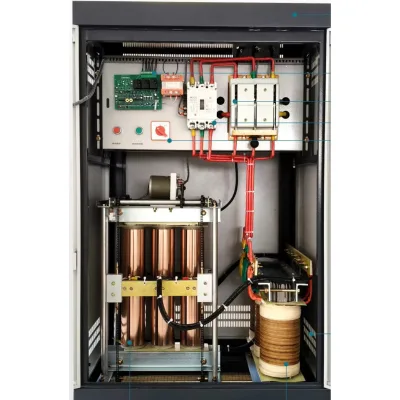
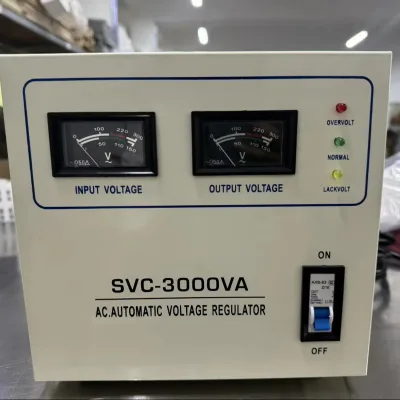


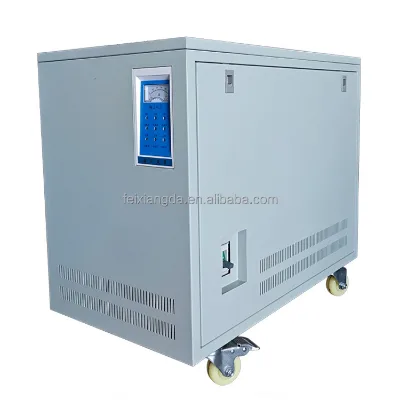
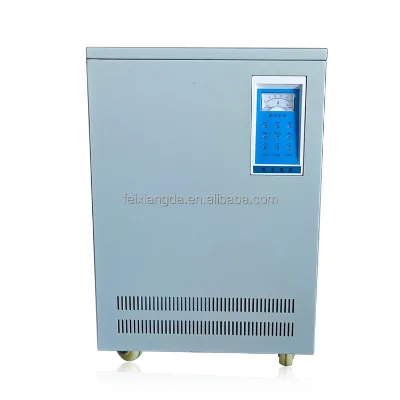
Fast Response <100ms Three Phase AC Voltage Stabilizer (SVC) for Industrial Automation
$347.9809 - $362.3952
MOQ: 1 sets
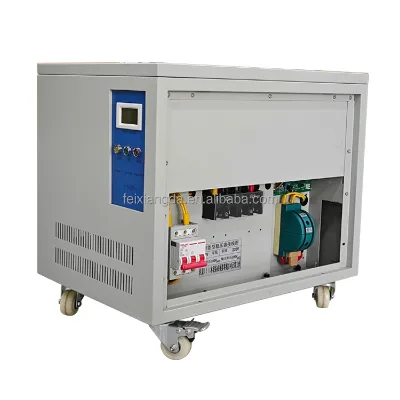
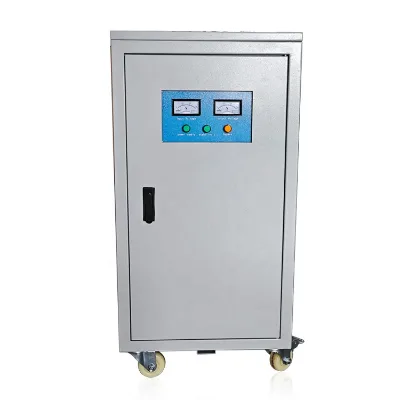

Three-Phases Voltage Regulator Digital Control Three Phase High Efficiency Voltage Stabilizer
$825.00 - $45500.00
MOQ: 1 Pieces

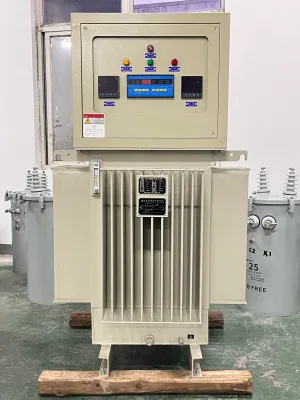
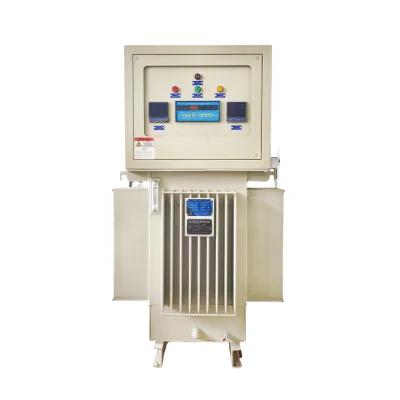
Automatic Voltage Stabilizer Three Phase High Efficiency Voltage Stabilizer Regulator
$825.00 - $45500.00
MOQ: 1 Pieces

Comprehensive Sourcing Guide
CE Certified Three Phase Stabilizer Sourcing Guide
Procuring a CE certified three-phase stabilizer requires careful evaluation of technical specifications and supplier credentials to ensure operational reliability in industrial environments. Buyers must prioritize devices that offer robust voltage regulation capabilities, particularly those capable of handling significant input voltage fluctuations. The observed market data indicates a wide range of capacities, from smaller units to high-power regulators exceeding 600 kVA, necessitating precise alignment with facility load requirements. Understanding the distinction between servo-type and relay-type mechanisms is crucial for selecting the appropriate technology for specific sensitivity and response time needs.
Verification of certification status is paramount, as the CE mark signifies compliance with European health, safety, and environmental protection standards. However, buyers should not assume that all listed products automatically meet these rigorous criteria without explicit documentation. The presence of additional certifications such as ISO 9001 or SGS can further validate the manufacturer’s quality management systems. It is essential to request valid test reports and certificates directly from the supplier to confirm that the specific model being purchased has undergone the necessary conformity assessments for the target market.
Product Scope and Observed Listing Signals
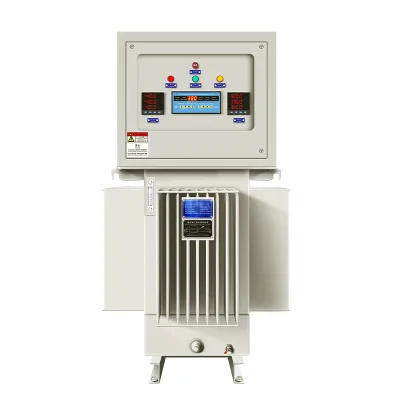
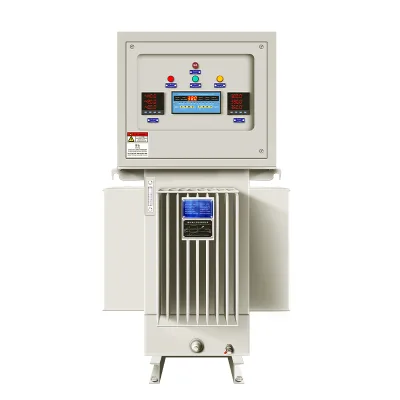
The current market landscape for three-phase stabilizers reveals a diverse array of product types, including servo-type regulators and relay-type units, each suited for different operational demands. Servo-type models, such as the SBW series, are often preferred for their high precision and continuous adjustment capabilities, making them ideal for sensitive industrial equipment. In contrast, relay-type stabilizers, like the ADR series, offer a cost-effective solution for applications where rapid switching is acceptable. The observed listings also highlight variations in core design, with ring iron cores being a common feature, which contributes to efficient magnetic flux distribution and reduced energy loss.
Capacity ranges observed in listings span from modest outputs to substantial high-power regulators, with some units capable of delivering up to 600 kVA. This wide spectrum allows buyers to select stabilizers that precisely match their facility’s power consumption profiles. Additionally, features such as LCD displays and adjustable frequency characteristics, including ranges from 0-400Hz, provide enhanced monitoring and control options. Buyers should pay close attention to these specific attributes, as they directly impact the ease of maintenance and the ability to integrate the stabilizer into complex power distribution systems without compromising performance.
Technical Specifications to Verify
When evaluating technical specifications, input and output voltage ranges are critical parameters that must align with the local power grid conditions and the requirements of connected loads. Observed data shows input voltages ranging from 200V to 450V, indicating the stabilizer’s ability to handle significant voltage sags and surges. Output voltages are typically standardized at 380V for three-phase systems, ensuring compatibility with most industrial machinery. Buyers should verify that the selected unit can maintain stable output within the specified tolerance levels, even under extreme input variations, to prevent damage to sensitive equipment.
Efficiency and protection features are equally important considerations for long-term operational cost and safety. High-efficiency models, such as those claiming 98% efficiency, can significantly reduce energy consumption and heat generation, leading to lower operating costs. Protection mechanisms, including over-voltage, over-current, phase loss, and short-circuit protection, are essential for safeguarding both the stabilizer and the connected loads. Additionally, the protection grade, such as IP54, indicates the level of ingress protection against dust and water, which is vital for installations in harsh industrial environments. Buyers must ensure that these specifications are clearly documented and verified by the supplier.
Compliance and Safety Documentation
Compliance with international standards is a non-negotiable aspect of sourcing electrical equipment, particularly for export to regions with strict regulatory frameworks. The CE certification is a primary requirement, indicating that the product meets EU safety, health, and environmental protection standards. Buyers should request the full technical file and the Declaration of Conformity to verify that the specific model has been assessed against relevant directives. This documentation should include details of the risk assessment, electromagnetic compatibility tests, and low voltage directive compliance, providing a comprehensive overview of the product’s safety profile.
Beyond CE certification, additional standards such as ISO 9001 for quality management and SGS for inspection services can provide further assurance of product quality and manufacturing consistency. These certifications indicate that the supplier adheres to rigorous quality control processes throughout the production cycle. Buyers should also inquire about any regional-specific certifications required for their target market, as these may vary depending on the destination country. Ensuring that all necessary documentation is available and up-to-date is crucial for avoiding customs delays and ensuring smooth market entry.
Cost Drivers and Commercial Terms
Several factors influence the total cost of ownership for three-phase stabilizers, including capacity, technology type, and additional features. High-capacity units, such as those exceeding 100 kVA, typically command higher prices due to the increased material and manufacturing costs associated with larger transformers and control systems. The choice between servo-type and relay-type mechanisms also impacts pricing, with servo-type units generally being more expensive due to their complex mechanical components and higher precision. Buyers should evaluate the total cost of ownership, considering energy efficiency and maintenance requirements, rather than focusing solely on the initial purchase price.
Commercial terms, including minimum order quantities (MOQ) and payment terms, can significantly affect procurement strategy. Observed MOQs range from single units to larger batches, offering flexibility for both small-scale and large-scale projects. Buyers should negotiate favorable payment terms, such as letters of credit or installment payments, to mitigate financial risk. Additionally, packaging and shipping costs should be considered, as stabilizers are often bulky and heavy, requiring specialized handling and transportation. Understanding these commercial dynamics allows buyers to optimize their procurement budget and ensure timely delivery of equipment.
Supplier Qualification and Quality Control
Supplier qualification is a critical step in ensuring the reliability and quality of the procured stabilizers. Buyers should conduct thorough due diligence on potential suppliers, verifying their business licenses, manufacturing capabilities, and past performance records. Suppliers with established quality management systems, such as ISO 9001 certification, are more likely to deliver consistent product quality. It is also advisable to request references from previous clients and, if possible, conduct factory audits to assess the supplier’s production processes and quality control measures firsthand.
Quality control procedures should be clearly defined and agreed upon before placing orders. This includes specifying inspection points, acceptance criteria, and testing protocols for the stabilizers. Buyers should insist on pre-shipment inspections conducted by third-party agencies to verify that the products meet the agreed-upon specifications and quality standards. Additionally, establishing a clear warranty and after-sales support policy is essential for addressing any potential issues that may arise after installation. A robust supplier qualification and quality control process minimizes the risk of receiving defective or non-compliant equipment.
Long-Term Procurement Checks
Long-term procurement success depends on establishing a sustainable relationship with suppliers and implementing continuous improvement strategies. Buyers should regularly review supplier performance metrics, including delivery times, product quality, and responsiveness to issues. Constructive feedback and open communication channels can help identify areas for improvement and foster a collaborative partnership. Additionally, staying informed about technological advancements and industry trends can help buyers make informed decisions about future upgrades or replacements, ensuring that their power infrastructure remains efficient and reliable.
Regular maintenance and monitoring of the installed stabilizers are also crucial for long-term performance. Buyers should develop a comprehensive maintenance plan that includes routine inspections, cleaning, and testing of protective features. Training operational staff on proper usage and troubleshooting techniques can help prevent premature failures and extend the lifespan of the equipment. By proactively managing the procurement and maintenance processes, buyers can ensure that their three-phase stabilizers continue to provide stable and efficient power regulation, supporting the uninterrupted operation of their industrial facilities.
FAQs
What is the input voltage range for these stabilizers?
The input voltage range is 140-260V for single-phase models and 200V or 260-450V for three-phase units. This wide range ensures compatibility with various power grids. The output voltage is typically 220V/110V or 380V, providing stable power for sensitive equipment regardless of input fluctuations.
Can I customize the packaging for bulk orders?
Yes, customization is available for packaging needs. Standard options include carton packing, wooden packing, and vacuum packaging to ensure safe transit. Buyers can specify requirements based on logistics preferences. This flexibility helps protect the copper-wound internal components during international shipping and storage.
What certifications do these voltage regulators hold?
These regulators hold CE, ISO 9001, and SGS certifications. These standards verify quality and safety compliance for international markets. The products originate from China, specifically Shanghai and Guangdong. Buyers can trust these certifications for regulatory approval and quality assurance in global trade transactions.
What protection features are included in the design?
The design includes over-voltage, over-current, and phase loss protection. Short circuit protection is also integrated to safeguard connected loads. These features ensure durable and safe operation in demanding environments. The IP54 protection grade adds further reliability against dust and water ingress for industrial applications.
What is the efficiency rating of the stabilizer?
The efficiency rating is 98%, ensuring minimal energy loss during voltage regulation. This high efficiency reduces operational costs for continuous use. The servo type and relay type models both deliver reliable performance. The wide working environment range of -20 to 40 degrees Celsius supports diverse industrial settings.
What output power capacities are available?
Available capacities range from 50 kVA to 600 kVA, including 100 kVA and 150 kVA options. This variety suits different industrial loads. The high-power regulator type handles significant demands. Buyers can select the exact capacity needed for their specific machinery and operational requirements.