Source 86 Type 3 Ports Faceplate for Telephone, Computer, and Network
Find 30 listings for the 86 Type 3 Ports Faceplate, featuring models like ST-FP02-P1 and GL-1018. Compare options with CE and RoHS certifications, ABS material, and competitive pricing for telephone and computer applications; compare the available evidence and request quotations based on your requirements.
Updated
Key considerations
Products List


$0.23 - $0.25
MOQ: 500 Pieces
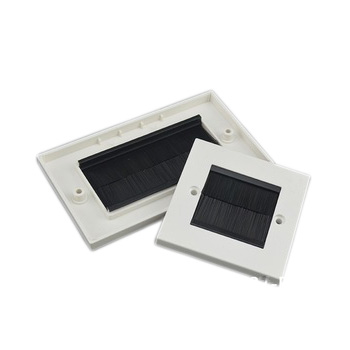
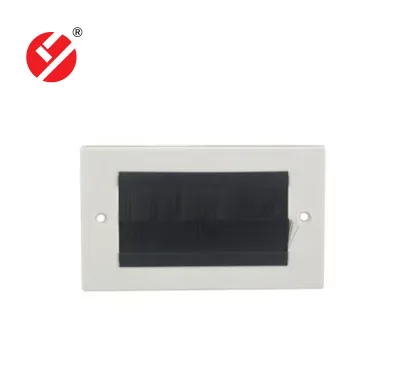
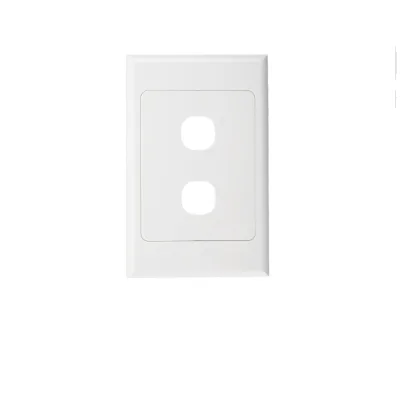
LiYuan Free Sample factory customized LOGO printed 1/2/3/4/6 port socket wall face plate
$0.409 - $0.4299
MOQ: 1000 Minimum


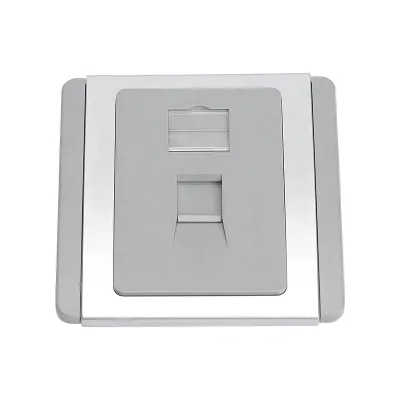
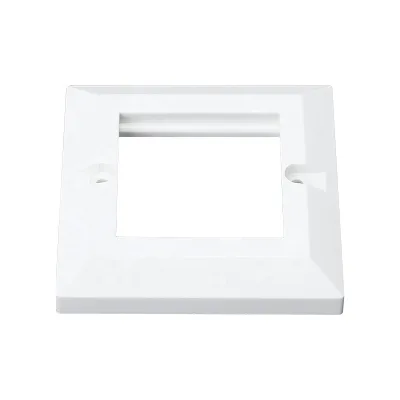
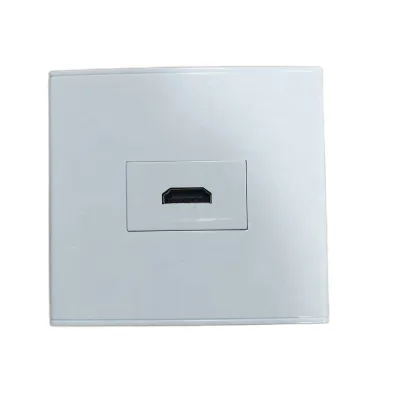
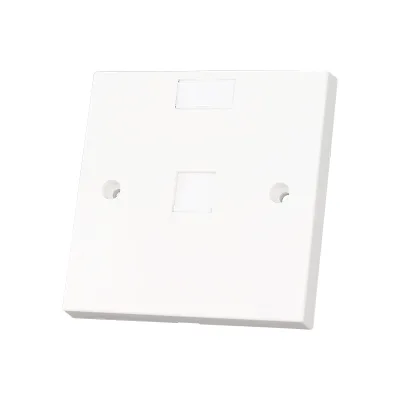
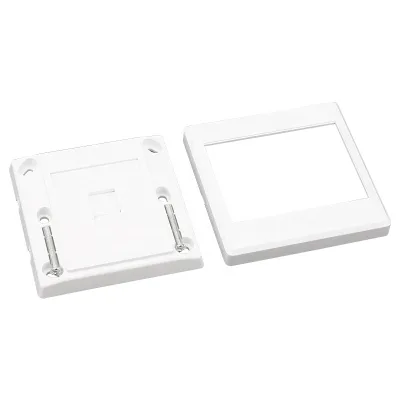
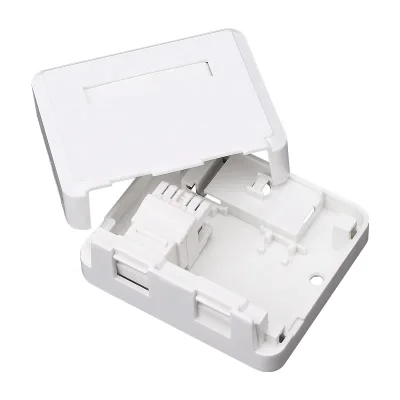
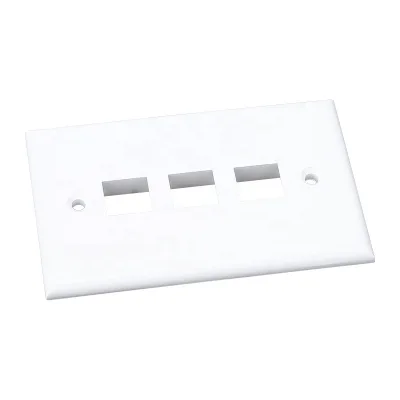
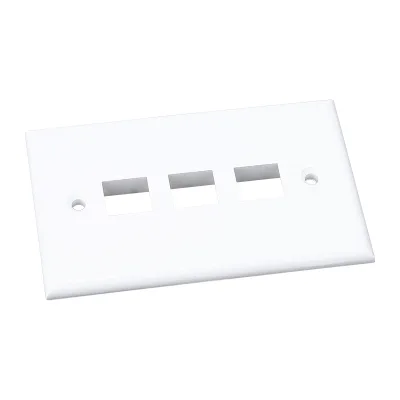
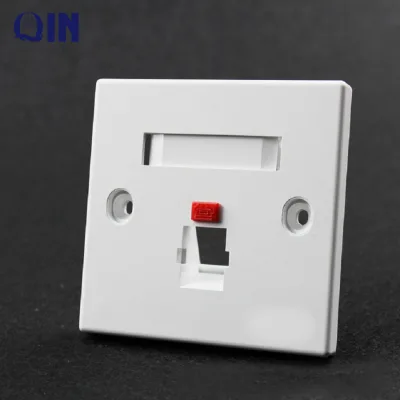
4 Port rj45 faceplate 86 faceplate 86X86mm 1Port- 4 Port RJ45 ABS material FacePlate
$0.20 - $0.40
MOQ: 1000 Minimum
86 Type New Network Faceplate US Type EU Type 1 2 3 4 Port Hot Sale Single Port Network Faceplate
$0.1543 - $0.4629
MOQ: 100 Minimum
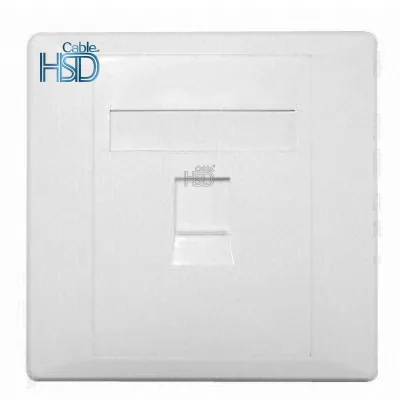


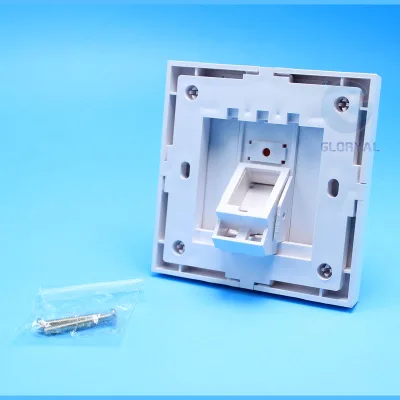
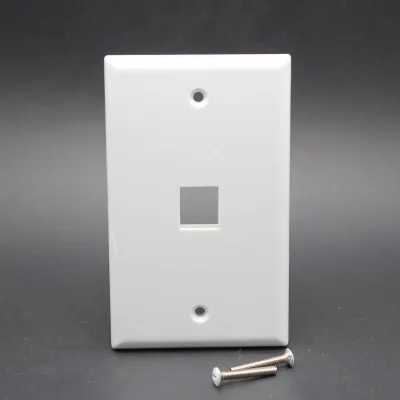
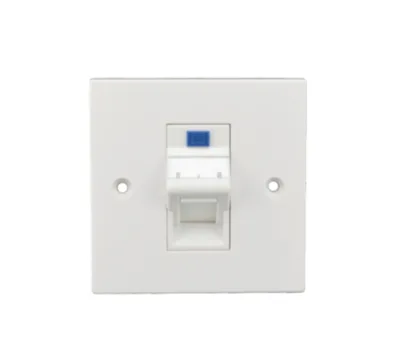
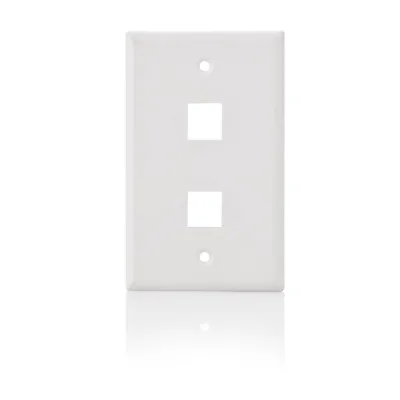
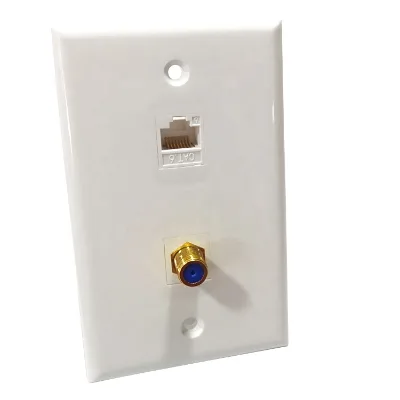
USA Type F-81 Connector Cat6 Coaxial Wall Outlet RJ45 FacePlate Price
$0.2052 - $2.0523
MOQ: 1 Minimum
Comprehensive Sourcing Guide
86 Type 3 Ports Faceplate Sourcing Guide
Sourcing an 86 Type 3 Ports Faceplate requires careful evaluation of physical dimensions, port configuration, and material durability. The 86 standard, measuring 86 x 86 mm, is prevalent in many global markets, though buyers must confirm if their project requires the US standard variant or a specific regional adaptation. This guide focuses on identifying reliable suppliers who can provide high-quality faceplates that meet both aesthetic and functional requirements for modern telecommunications and data installations.
Buyers should prioritize suppliers who offer customization options, as many projects demand specific branding or logo integration. The availability of customized faceplates allows for better identity management in corporate or institutional settings. Additionally, verifying the condition of the product as new and ensuring the use of durable materials like ABS plastic is essential for long-term performance. These factors collectively influence the suitability of the faceplate for high-traffic environments where frequent use and potential impact resistance are critical.
Product Scope and Observed Listing Signals
The observed market for 86 type faceplates includes a variety of configurations, ranging from single-port to multi-port designs. While the core keyword specifies three ports, the available data highlights models with one, two, or four ports, indicating that buyers must carefully filter listings to find the exact 3-port configuration. The price range observed is competitive, typically between $0.01 and $2.05 USD, which suggests a highly commoditized market where volume discounts and supplier efficiency play significant roles in final pricing.
Listing signals also reveal important details about packaging and minimum order quantities. Some suppliers offer flexible packing options, such as individual plastic bags or bulk carton packaging, which can impact logistics costs. Minimum order quantities vary widely, from as low as one piece to ten thousand pieces, allowing buyers to scale their orders based on project size. Understanding these signals helps buyers anticipate lead times and inventory management needs, ensuring they select a supplier whose commercial terms align with their procurement strategy.
Technical Specifications to Verify
When evaluating technical specifications, buyers must verify the port type and compatibility. The available data indicates support for Ethernet, telephone, and computer connections, with some models featuring specific logos for telephonic or computer ports. It is crucial to confirm whether the faceplate supports RJ11, RJ12, RJ45, or USB interfaces, as these determine the connectivity options available to end-users. Additionally, checking the port count and layout ensures that the faceplate meets the specific cabling requirements of the installation site.
Material quality and design features are equally important for technical verification. The use of ABS material is common, offering a balance of durability and cost-effectiveness. Buyers should also inspect design elements such as shutter mechanisms for fiber-optic ports or combined double-plate designs for enhanced stability. Verifying the inclusion of accessories like screws and ensuring the faceplate is compatible with standard 86 bottom boxes is essential for seamless installation. These technical details directly impact the ease of installation and the long-term reliability of the network infrastructure.
Compliance and Safety Documentation
Compliance with international standards is a non-negotiable aspect of sourcing faceplates. The observed data confirms that many suppliers provide products certified under CE and RoHS standards, which are critical for market access in Europe and other regions adhering to similar regulations. Buyers must request valid certification documents to verify that the products meet safety and environmental requirements. This documentation ensures that the materials used are free from hazardous substances and that the product design adheres to electrical safety norms.
Beyond certifications, buyers should inquire about the supplier’s quality assurance processes. While specific test results are not provided in the observed data, reputable suppliers should be able to demonstrate their commitment to quality through internal testing protocols. Verifying that the products are labeled as "Top Quality" and checking for any additional industry-specific certifications can provide further assurance. Ensuring compliance not only mitigates legal risks but also enhances the credibility of the final installation, particularly in regulated environments such as healthcare or government facilities.
Cost Drivers and Commercial Terms
Several factors influence the cost of 86 type faceplates, including material costs, manufacturing complexity, and order volume. The competitive pricing observed in the market suggests that economies of scale are significant, with larger orders yielding better unit prices. Buyers should negotiate based on their projected volume, leveraging the wide range of MOQs available to secure favorable terms. Additionally, customization options, such as embedded logos or specific color requirements, may incur additional costs that should be factored into the total procurement budget.
Commercial terms also encompass packaging and shipping considerations. Suppliers offering flexible packaging solutions, such as polybags or carton packing, can help reduce shipping costs and minimize damage during transit. Buyers should clarify who bears the responsibility for shipping and insurance, as well as the expected lead times for production and delivery. Understanding these commercial terms allows for accurate cost forecasting and helps avoid unexpected expenses that could impact the overall project budget.
Supplier Qualification and Quality Control
Supplier qualification is critical to ensuring consistent product quality and reliable service. Buyers should verify the supplier’s place of origin, with many listings indicating production in Zhejiang, China, a hub for electrical components. Assessing the supplier’s production capacity, quality control processes, and customer service responsiveness is essential. Requesting samples before placing bulk orders allows buyers to physically inspect the product for build quality, finish, and port functionality, ensuring it meets their specifications.
Quality control measures should be clearly defined in the purchase agreement. Buyers should inquire about the supplier’s defect rate and their policy for handling non-conforming products. Establishing clear communication channels and requiring pre-shipment inspections can help mitigate risks associated with large orders. Additionally, verifying the supplier’s ability to provide customized packaging and branding services ensures that the final product aligns with the buyer’s brand identity and project requirements.
Long-Term Procurement Checks
Long-term procurement success depends on establishing a sustainable relationship with reliable suppliers. Buyers should monitor supplier performance over time, tracking metrics such as on-time delivery, product consistency, and responsiveness to issues. Regular audits or periodic quality checks can help maintain high standards and identify potential problems early. Building a diversified supplier base can also reduce dependency on a single source, providing flexibility in case of supply chain disruptions.
Continuous improvement and adaptation to market changes are vital for long-term procurement strategies. Buyers should stay informed about emerging technologies and standards that may impact the relevance of current faceplate designs. Engaging in regular feedback loops with suppliers can drive innovation and ensure that the products remain competitive. By focusing on these long-term checks, buyers can secure a stable supply of high-quality faceplates that support their ongoing infrastructure needs.
FAQs
What is the standard size for an 86 type faceplate?
The standard size for an 86 type faceplate is 86 by 86 millimeters. This dimension aligns with common wall box requirements in many regions. Buyers should verify that the bottom box matches this specific size to ensure proper installation and fit within the wall structure.
Can I customize the logo on the faceplate?
Yes, customization is available for these faceplates. Manufacturers offer options to embed logos for easier identity and branding purposes. This service allows businesses to tailor the product appearance to their specific corporate identity needs while maintaining the functional integrity of the faceplate design.
What certifications do these faceplates typically hold?
These faceplates typically hold CE and RoHS certifications. These standards ensure compliance with safety and environmental regulations in various markets. Buyers should request documentation to verify that the specific batch meets these requirements before placing large orders for international distribution.
What material is used for the faceplate construction?
The faceplate is constructed from ABS material. This plastic offers durability and stability for daily use in telephone and computer applications. The material choice ensures the faceplate remains robust while providing a clean white finish that suits most interior design preferences.
What is the minimum order quantity for these products?
The minimum order quantity varies by supplier but can start as low as one piece. Some suppliers may require higher volumes, such as one thousand pieces, for specific customizations. Buyers should check individual listings to confirm the exact MOQ applicable to their order size.
How are these faceplates packaged for shipping?
Packaging options include individual plastic bags or bulk carton configurations. Some suppliers pack five to ten bags in one box, while others use larger cartons containing ten to twenty boxes. Custom packing requests are also available to meet specific logistics requirements for different shipping methods.