FTTX Epoxy Suppliers and Manufacturers in China
Explore 21 verified suppliers offering FTTX Epoxy with details on lead times, response times, and product specifications. Buyers can compare locations, certifications, and pricing to source reliable partners for construction and flooring applications; review the available evidence before requesting comparable quotations from suitable candidates.
Updated
Suppliers List

SHENZHEN MEITAIBANG CHEMICAL CO., LTD.
- Verified by SGS
- Combined
- China Guangdong
- Lead time15 days
- Avg. response≤ 14h
Main productsEpoxy Resin, Epoxy Floor Coating System, Epoxy Casting Resin, Epoxy Top Coating, Epoxy Resin Ab Glue, Water Premeable Epoxy Resin Bond, Epoxy Doming Resin, PU Doming Resin, Epoxy Art Resin, Color Pigments and Aggregates
Main marketsEast Asia(Japan/ South Korea)
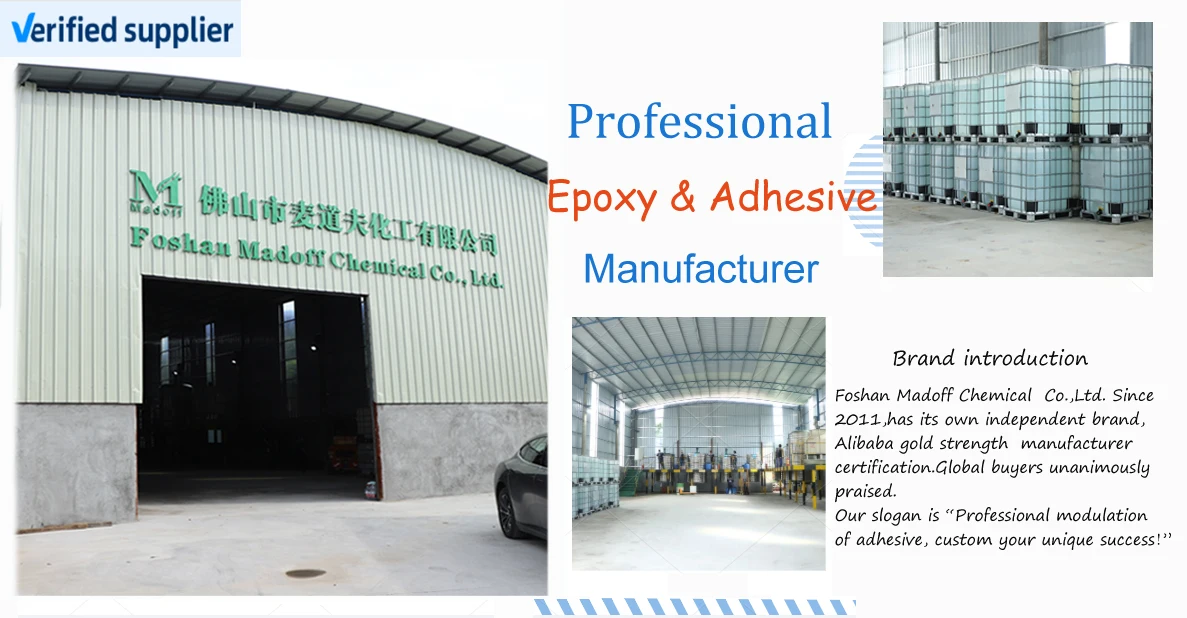
Foshan Madoff Chemical Co., Ltd.
- Manufacturer
- Guangdong, China
- Lead time0 days
- Avg. response≤ 2h
Main productsWashed Stone Paint,Color Sand Flooring,Roof Waterproof Coating,Colored Floor Paint,Repair Mortar
Main marketsNorth America(25.00%), Domestic Market(20.00%), Southeast Asia(20.00%), Eastern Asia(9.00%), Africa(8.00%), Northern Europe(5.00%), Southern Europe(3.00%), Eastern Europe(3.00%), Western Europe(3.00%), Central America(2.00%), Mid East(1.00%), South America(1.00%)
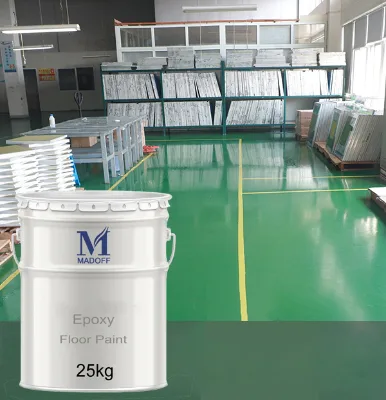
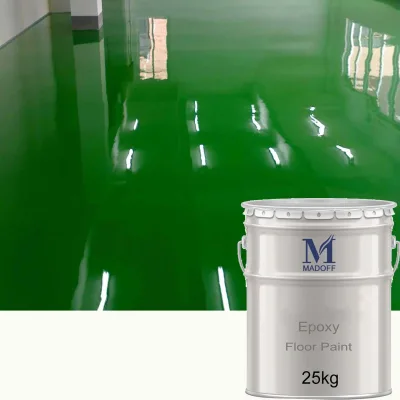
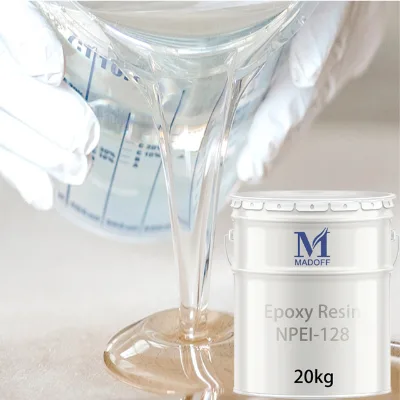
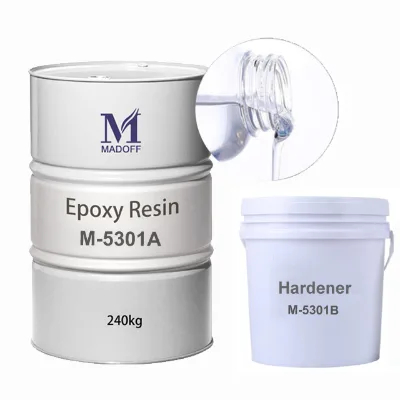
$2.80 - $3.59
MOQ: 1000 Minimum
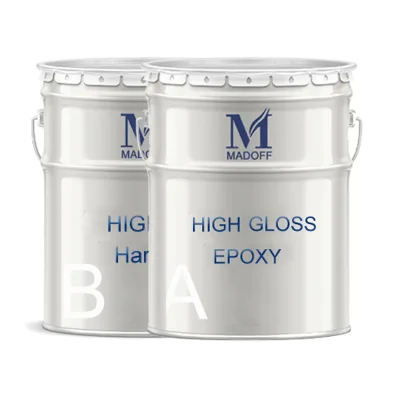
High Hardness Clear Epoxy Resin Flooring 2:1 Primer and Top Coat Wholesale Epoxy Resin for Floor
$2.8753 - $3.6861
MOQ: 1 Minimum
Guangzhou Top-Bond Environmental Technology Co., Ltd.
- Manufacturer, Trading Company, Business Service (Transportation, finance, travel, Ads, etc)
- Guangdong, China
- Lead time15 days
- Avg. response≤ 2h
Main productsuv gel,UV glue,UV resin,epoxy resin,Organic silica gel
Main marketsNorth America(40.00%), South America(20.00%), South Asia(10.00%), Eastern Asia(10.00%), Mid East(10.00%), Oceania(10.00%)

SHENZHEN TIANMAXUN TECHNOLOGY CO., LTD.
- Verified by SGS
- Combined
- China Guangdong
- Lead time15 days
- Avg. response≤ 12h
Main productsEpoxy Resin
Main marketsNorth America

Shengli Oil Field Delly New Materials Co., Ltd.
- Verified by SGS
- Combined
- China Shandong
- Lead time15 days
- Avg. response≤ 1h
Main productsPaint, Coating, Varnish
Main marketsDomestic

SHANDONG RUISAN CHEMICAL TECHNOLOGY CO., LTD.
- Trading Company,Manufacturer/Factory
- China Shandong
- Lead time15 days
- Avg. response≤ 10h
Main productsPaint, Coating, Floor Paint, Floor Coating, Anti-Corrosion Paint, Anti-Corrosion Coating, 3D Epoxy Floor Paint, Epoxy Resin, Epoxy Curing Agent, Epoxy Hardener
Main marketsSouth America,Eastern Europe,Mid East,North America,Southeast Asia,Eastern Asia,Oceania,Western Europe,Africa
Guangdong Kafuter New Materials Technology Co., Ltd.
- Manufacturer
- Guangdong, China
- Lead time7 days
- Avg. response≤ 10h
Main productsLED Adhesive,Silicone Rubber,Super AB glue,Thread locker,Instant Glue
Main marketsDomestic Market(89.00%), Southeast Asia(3.67%), North America(1.80%), South America(1.67%), Eastern Asia(1.50%), Mid East(0.67%), Africa(0.60%), Northern Europe(0.50%), Western Europe(0.20%), Central America(0.20%), Oceania(0.08%), South Asia(0.02%)
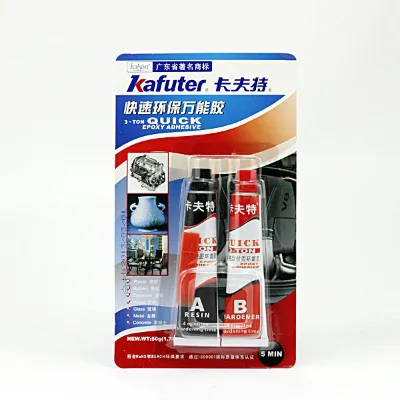
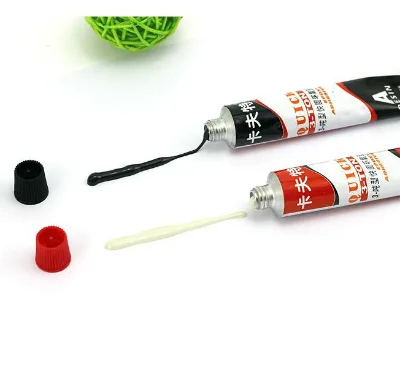
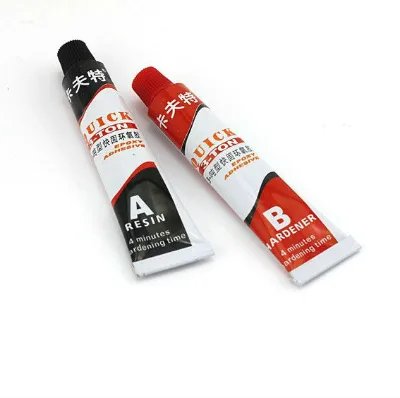
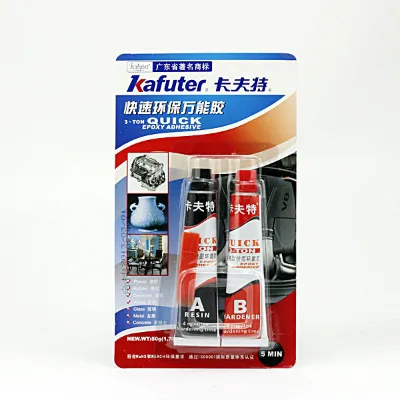
Kafuter Two Part Quick Fix Glue Concrete Block Glue Epoxy Concrete Glue
$1.0218 - $1.5319
MOQ: 10 Minimum

Xuzhou Huide New Material Technology Co., Ltd.
- Verified by BV
- Trading Company
- China Jiangsu
- Lead time30 days
- Avg. response≤ 9h
Main productsAcrylic Polymer Emulsion, Waterborne Acrylic Polymer Resin, Textile Printing Binder, Waterroofing Coating, Dispersant, Thickening Agent, Defoamer, Industrial Paint, Silicone Sealant, Adhesives
Main marketsOthers(foreignTradeCapacity.exportBusinessCapacityMarketOther)
Guangdong Jinhua New Materials Technology Co., Ltd.
- Verified by Intertek
- Manufacturer, Trading Company
- Lead time0 days
- Avg. response≤ 1h
Main productsEpoxy Resin, UV Resin, Epoxy AB Glue, Epoxy 128, Silicone Resin
Main marketsDomestic Market(45%), North America(10%), South Asia(10%)
Chengdu Dongsheng Shengkai Flooring Materials Co., Ltd.
- Verified by SGS Group
- Trading Company
- Lead time0 days
- Avg. response≤ 2h
Main productsEpoxy Floor Coating, Anti-static Flat Coating, Water-based Epoxy Coating, Solvent-free Coating, Anti-corrosion Coating
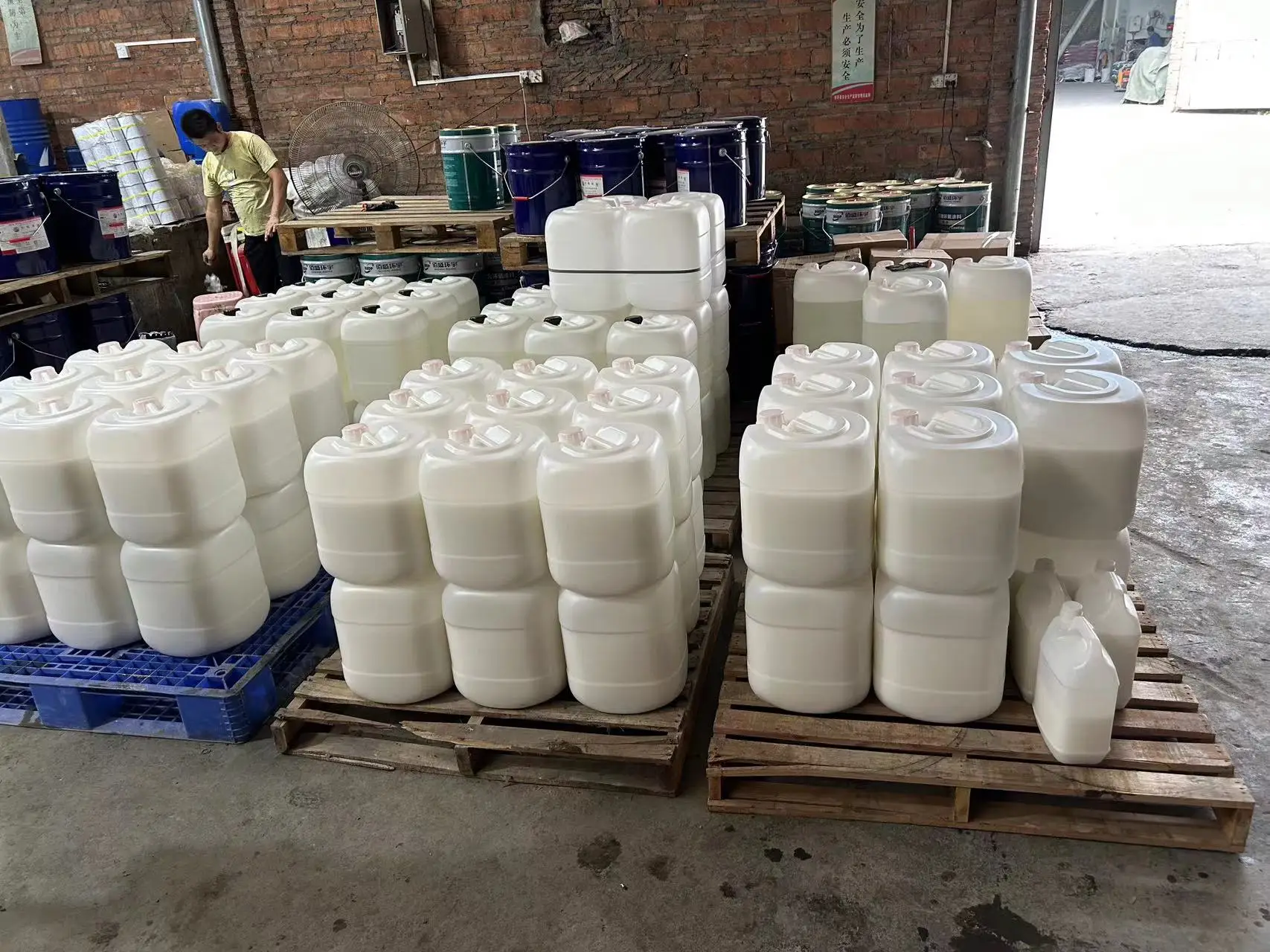
Shenzhen Shengying Technology Co., Ltd.
- Manufacturer
- Guangdong, China
- Lead time3 days
- Avg. response≤ 3h
Main productsEpoxy Resin,Hardener,Polyurethane Resin,Urethane Resin,Polyaspartic
Main marketsNorth America(35.00%), Northern Europe(20.00%), South America(10.00%), Mid East(10.00%), Southeast Asia(10.00%), Domestic Market(5.00%), South Asia(5.00%), Central America(5.00%)
- Verified by SGS Group
- Trading Company
- Lead time30 days
- Avg. response≤ 3h
Main productsBearing, Adhesive & Sealant
Main marketsSouth Asia(27%), North America(11%), South America(10%)
Guangdong Dessini Building Materials Co., Ltd.
- Trading Company
- Guangdong, China
- Lead time0 days
- Avg. response≤ 1h
Main productsBuilding waterproof material,waterproof coating,Metallic paint,Ceramic tile supplementary material,Rust conversion agent
Main marketsNorth America(30.00%), Southeast Asia(15.00%), South America(15.00%), Western Europe(10.00%), Africa(10.00%), Mid East(8.00%), Southern Europe(5.00%), Eastern Asia(4.00%), Eastern Europe(3.00%)
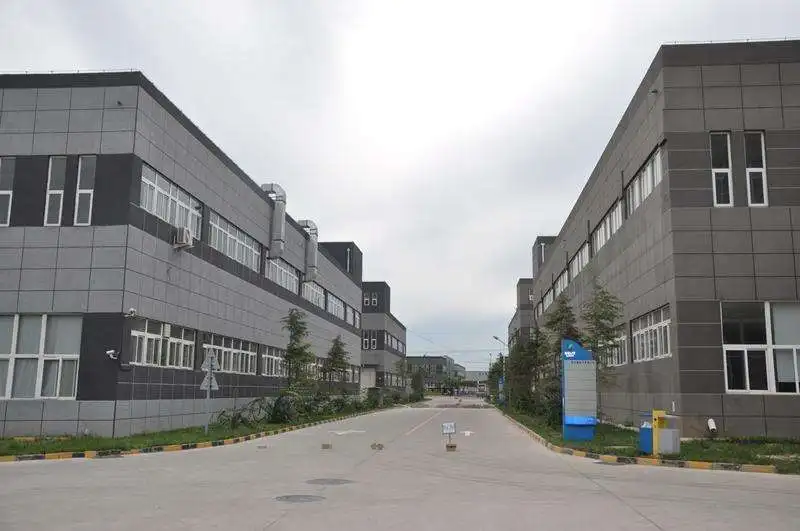
Jiangyin Desay Chemical Trade Co.,ltd
- Trading Company
- Jiangsu, China
- Lead time15 days
- Avg. response≤ 4h
Main productsglue,pva glue,white latex glue,pu glue,lamination glue
Main marketsEastern Europe(35.00%), North America(35.00%), Oceania(15.00%), Mid East(5.00%), Southeast Asia(5.00%), Africa(5.00%)
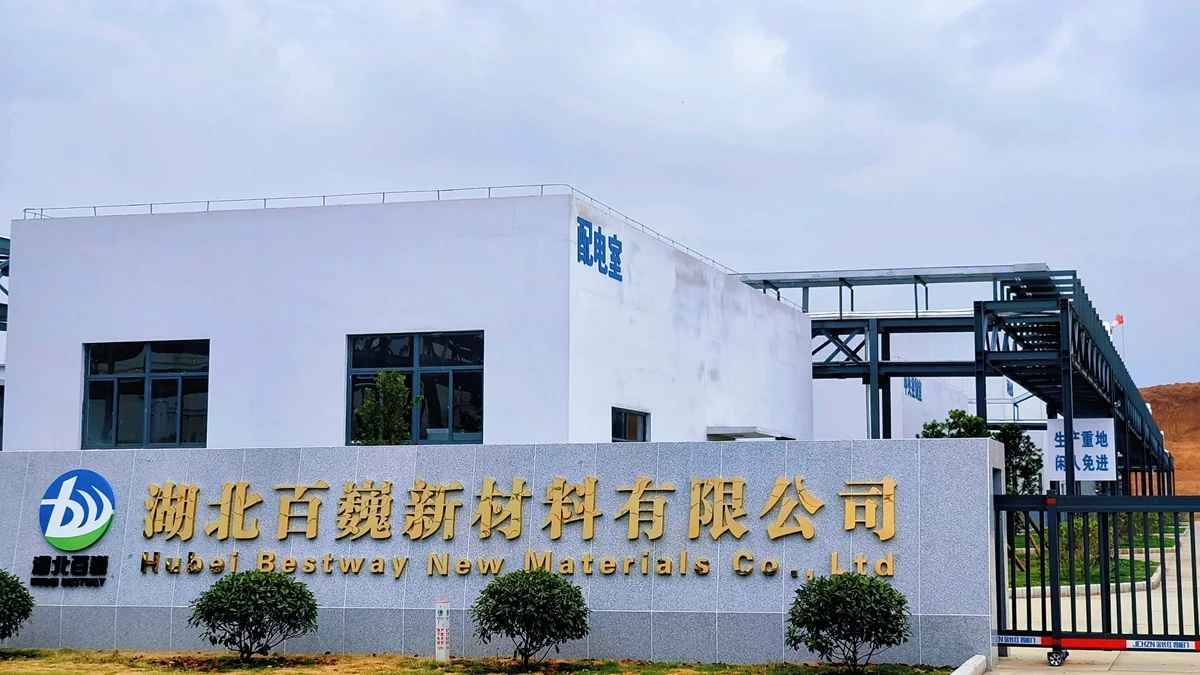
Hubei Bestway Technology Co., Ltd.
- Manufacturer, Trading Company
- Hubei, China
- Lead time15 days
- Avg. response≤ 4h
Main productsEpoxy Curing Agents, Epoxy Resin, Raw Amine Materials
Main marketsSoutheast Asia(50.00%), Domestic Market(20.00%), North America(20.00%), Mid East(10.00%)
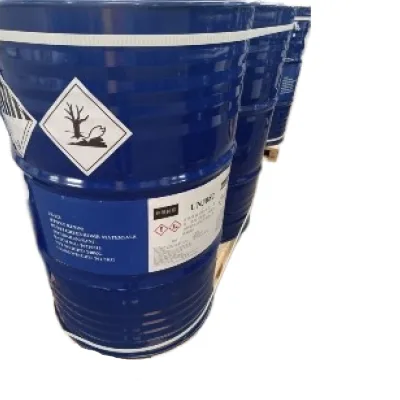
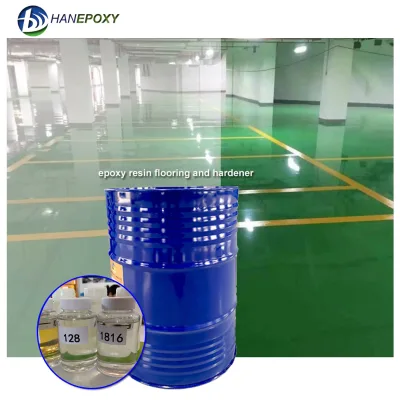
$1.7324 - $2.3472
MOQ: 2 Minimum

Zhongshan Cashleton Building Materials Co., Ltd
- Verified by CTI
- Combined
- China Guangdong
- Lead time23 days
- Avg. response≤ 5h
Main productsTile Grout, Adhesive, Sealant, Gap Filler, Joint Filler, Epoxy Tile Grout, Epoxy Grout, Ms Adhesive, Marble Adhesive, Polyurea Grout
Main marketsSouth America,Africa,Southeast Asia/ Mideast,Domestic,Europe,Australia,North America
Foshan Brightsun Environmental Protection Coatings Co., Ltd.
- Manufacturer
- Guangdong, China
- Lead time0 days
- Avg. response≤ 1h
Main productsFloor coating,Metallic paint,Machine paint,Industrial coating
Main marketsNorthern Europe(25.00%), Africa(20.00%), North America(10.00%), Central America(10.00%), South Asia(10.00%), South America(10.00%), Southeast Asia(10.00%), Mid East(5.00%)

$1.5514 - $4.5284
MOQ: 100 pieces

$1.5424 - $4.5045
MOQ: 100 pieces
Tianjin Jinhai Special Coatings & Decoration Co., Ltd.
- Manufacturer, Trading Company
- Tianjin, China
- Lead time7 days
- Avg. response≤ 2h
Main productsPaint
Main marketsDomestic Market(80.00%), Africa(12.00%), Eastern Asia(5.00%), South America(3.00%)
Hunan Baxiongdi New Material Co., Ltd.
- Manufacturer, Trading Company
- Hunan, China
- Lead time35 days
- Avg. response≤ 12h
Main productsAB Glue,Epoxy Resin,Super Glue,Threadlocker
Main marketsDomestic Market(65.00%), Southeast Asia(10.00%), Africa(10.00%), Mid East(6.00%), South Asia(3.00%), Oceania(3.00%), South America(3.00%)
Shijiazhuang Zhujiang New Material Technology Co., Ltd.
- Trading Company
- Hebei, China
- Lead time20 days
- Avg. response≤ 2h
Main productsTitanium Dioxide,PVA,HPMC,SLES,STPP
Main marketsMid East(30.00%), Southeast Asia(15.00%), Southern Europe(10.00%), Western Europe(10.00%), Northern Europe(10.00%), Central America(5.00%), South Asia(5.00%), Eastern Asia(5.00%), North America(5.00%), Eastern Europe(5.00%), Africa(3.00%), Oceania(3.00%), Domestic Market(2.00%), South America(2.00%)

Shandong Jiurunfa Chemical Technology Co., Ltd
- Verified by CTI
- Trading Company
- China Shandong
- Lead time15 days
- Avg. response≤ 6h
Main marketsDomestic


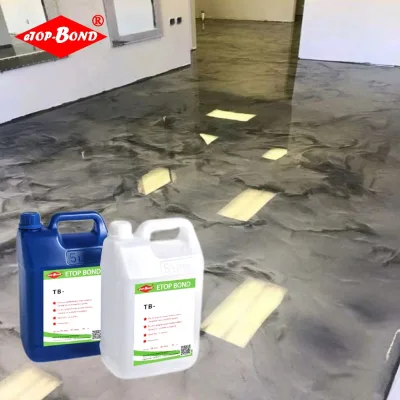
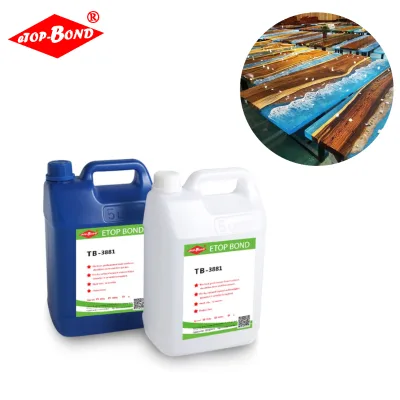







Comprehensive Sourcing Guide
FTTX Epoxy Supplier Concentration and Factory Types
The current supplier landscape for epoxy resin products shows a distinct concentration in the Guangdong province of China, where multiple manufacturers and trading entities operate. This region serves as a primary hub for chemical production, offering a dense network of facilities capable of supplying epoxy resins, floor coating systems, and casting materials. Buyers observing this data should note that the majority of verified suppliers in this cluster are classified as combined entities or manufacturers, indicating a mix of production capabilities and direct sales channels. The presence of these combined types suggests that some suppliers may handle their own manufacturing while also managing distribution for other brands, which can influence lead times and customization flexibility.
When evaluating the factory types within this cluster, it is essential to distinguish between pure manufacturers and combined entities based on the specific product requirements. The available data indicates that some suppliers possess ODM and OEM capabilities alongside their own brands, allowing for significant customization in resin formulations and packaging. However, not all suppliers in the region may offer the same level of in-house research and development capacity. Buyers should verify whether a specific supplier's "combined" status implies full control over the production line or if they rely on third-party manufacturing for certain product lines. This distinction is critical for ensuring quality consistency and meeting specific technical specifications for FTTx applications.
How to Verify FTTX Epoxy Suppliers
Verification of suppliers in the epoxy sector requires a rigorous check of their certification status and operational credentials. While some suppliers in the current results display SGS verification, others may show a system certification status of NIL, which necessitates a deeper inquiry into their quality management processes. Buyers must not assume that a lack of displayed certification implies a lack of quality, but rather that specific documentation, such as MSDS or ISO standards, needs to be requested directly. The presence of an SGS badge is a strong indicator of third-party validation, yet it should be cross-referenced with the supplier's ability to provide recent test reports for the specific epoxy resin grades intended for FTTx use.
Beyond certification, the response time and verification status of a supplier provide immediate insights into their operational reliability. Data shows response times varying significantly, with some suppliers responding within two hours while others may take over thirteen hours. A faster response time often correlates with a more active sales team and better communication channels, which is vital for resolving technical queries regarding resin viscosity or curing agents. Buyers should prioritize suppliers who demonstrate quick engagement and have a verified status, as these factors often predict a smoother procurement experience. However, a slow response does not automatically disqualify a supplier, but it warrants a follow-up to ensure they can meet urgent project timelines.
What to Compare Across FTTX Epoxy Suppliers
Comparing suppliers requires a systematic analysis of key operational metrics such as lead time, minimum order quantity, and pricing structures. The current data reveals lead times ranging from zero to fifteen days, with some suppliers offering immediate availability while others require a standard production window. Buyers must align these lead times with their project schedules, noting that a zero-day lead time might indicate stock availability rather than immediate production capacity. Additionally, minimum order quantities vary, with some suppliers setting thresholds at thirty units, which can impact the cost-effectiveness for smaller orders. Understanding these constraints helps in selecting a supplier that matches the volume requirements of the specific FTTx deployment.
Pricing and product attributes also form a critical comparison point across different suppliers. The observed price ranges for epoxy resins span from approximately two dollars to four dollars per unit, depending on the specific formulation and packaging. Buyers should compare not just the base price but also the included features such as customization availability, shelf life, and specific performance characteristics like low viscosity or heat resistance. Some suppliers offer products with a shelf life of twelve months, while others may have different storage requirements. Evaluating these product attributes alongside the price ensures that the selected epoxy resin meets the technical demands of the application without incurring hidden costs related to storage or premature degradation.
Common FTTX Epoxy Sourcing Risks
One significant risk in sourcing epoxy resins is the variability in product specifications and the potential for mismatched technical requirements. While many suppliers list features such as non-VOC, solvent-free, and low odor, the actual performance in an FTTx environment depends on precise curing conditions and compatibility with existing infrastructure. Buyers must be cautious of generic product descriptions that do not explicitly confirm suitability for fiber optic applications. The absence of specific industry certifications or detailed test results for FTTx use cases can lead to installation failures or long-term reliability issues. It is essential to request detailed technical data sheets that confirm the resin's performance under the specific environmental conditions of the deployment site.
Another risk involves the inconsistency in packaging and shipping standards, which can affect the integrity of the epoxy resin during transit. The data indicates various packaging options, including cartons, wooden boxes, and barrels, but the suitability of these packages for international shipping varies. Improper packaging can lead to leakage, contamination, or degradation of the resin before it reaches the destination. Buyers should verify that the supplier's packaging standards align with the fragility of the chemical contents and the logistics route. Furthermore, the lack of standardized shipping protocols across different suppliers can result in delays or damage, making it crucial to discuss packaging requirements explicitly before placing an order to mitigate these logistical risks.
FTTX Epoxy Regional Sourcing and Logistics
The primary sourcing region for epoxy resins is identified as Guangdong, China, which offers a strategic advantage due to its established chemical manufacturing infrastructure. This region hosts a high concentration of suppliers capable of producing a wide range of epoxy products, from floor coatings to casting resins. Buyers sourcing from this area benefit from proximity to major ports and logistics hubs, which can streamline the shipping process and reduce transit times. However, the specific location within Guangdong, such as Shenzhen, may influence the final delivery schedule and customs clearance procedures. Understanding the specific origin of the product helps in planning the logistics chain more effectively and anticipating potential regional delays.
Logistics planning must also account for the varying lead times and shipping methods offered by different suppliers. While some suppliers in the region may offer rapid dispatch with a lead time of zero days, others might require up to fifteen days for production and packaging. Buyers should coordinate with their logistics partners to ensure that the chosen shipping method aligns with the supplier's lead time and the urgency of the project. Additionally, the type of packaging, whether it is a barrel, carton, or pallet, will impact the shipping volume and cost. Evaluating these factors allows buyers to optimize their supply chain, ensuring that the epoxy resin arrives on time and in the correct condition for immediate use in FTTx installations.
FTTX Epoxy Commercial Terms and Order Planning
Commercial terms for epoxy resin orders often include specific requirements regarding customization, payment, and delivery conditions. Many suppliers in the current results indicate that customization is available, allowing buyers to tailor the resin formulation to their specific needs. However, this customization may come with additional costs or extended lead times, which must be factored into the order planning process. Buyers should clarify the scope of customization, including any changes to the curing agent ratio or color, to ensure that the final product meets the project specifications. Understanding these terms helps in negotiating favorable conditions and avoiding unexpected expenses during the procurement phase.
Order planning also requires careful consideration of the minimum order quantities and pricing tiers to optimize budget allocation. With MOQs starting at thirty units and price ranges varying based on volume and specifications, buyers can leverage bulk purchasing to secure better rates. However, ordering in excess of the required amount may lead to storage challenges or product expiration, especially given the twelve-month shelf life noted for some products. Buyers should balance the cost benefits of bulk orders with their storage capacity and project timeline. By aligning the order quantity with the actual demand and lead time, buyers can maintain a lean inventory while ensuring a steady supply of high-quality epoxy resin for their FTTx projects.
FAQs
What is the typical lead time for epoxy resin orders?
The typical lead time for epoxy resin orders is 15 days. This duration allows for production scheduling and quality checks before shipment. Buyers should confirm specific timelines with suppliers, as rush orders may incur additional fees or require alternative logistics arrangements to meet tight project deadlines.
What is the minimum order quantity for epoxy products?
The minimum order quantity for epoxy products is generally 30 units. This threshold ensures efficient production runs and cost-effective shipping. Buyers seeking smaller quantities should verify if suppliers offer sample packs or adjusted MOQs for initial testing, as standard bulk pricing often applies only above this limit.
What certifications are available for epoxy resin suppliers?
Suppliers often provide MSDS certificates for their epoxy resin products. Some suppliers also hold SGS verification for their operational standards. Buyers should request these documents to ensure compliance with safety and quality regulations. Specific system certifications may vary, so direct verification with the supplier is recommended for precise requirements.
What is the price range for epoxy floor coating?
The price range for epoxy floor coating typically falls between $3.00 and $4.50 per unit. This variation depends on the specific product type, such as casting resin or floor paint, and the order volume. Buyers should compare quotes from multiple suppliers to find the best value for their specific application needs.
Where are epoxy resin suppliers primarily located?
Epoxy resin suppliers are primarily located in Guangdong, China. This region is a major hub for chemical manufacturing and export. Buyers can expect efficient logistics and a wide variety of product options from these suppliers. Verifying the exact city, such as Shenzhen, helps in assessing shipping costs and delivery times.
What response time can buyers expect from suppliers?
Buyers can expect response times ranging from 2 to 13.40 hours. Faster response times indicate active customer service teams ready to address inquiries promptly. This efficiency helps in resolving technical questions and negotiating terms quickly. Buyers should prioritize suppliers with shorter response times for smoother communication throughout the sourcing process.