Source ABS Car Fender Trim for F80 M3, M2 F87, and General Car Use
Source ABS Car Fender Trim for BMW M3 F80, M2 F87, and general automotive applications. Compare 30 listings featuring ISO-certified parts in black ABS or carbon fiber. Options include front and rear fender trims with OEM standard sizes and customization available for bulk procurement.
Updated
Key considerations
Products List


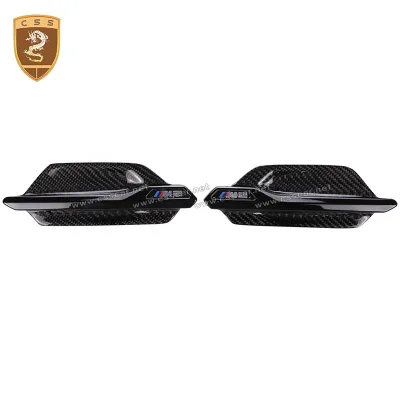
Wholesale Carbon Car Accessories M2 Front Fender Carbon Side Fender Trim
$410.00 - $460.00
MOQ: 1 sets
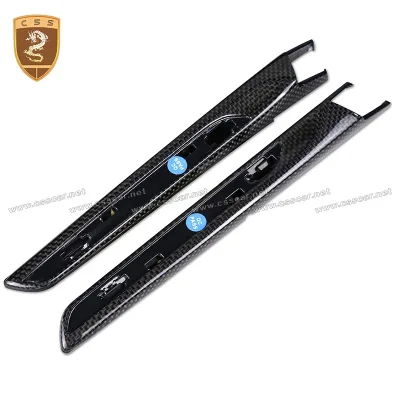
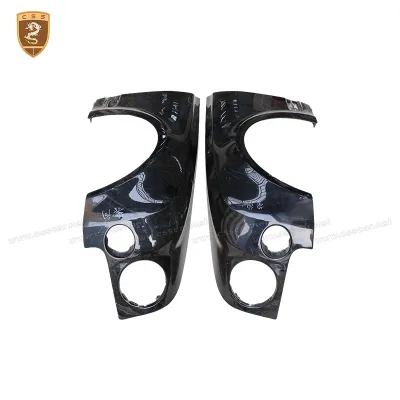
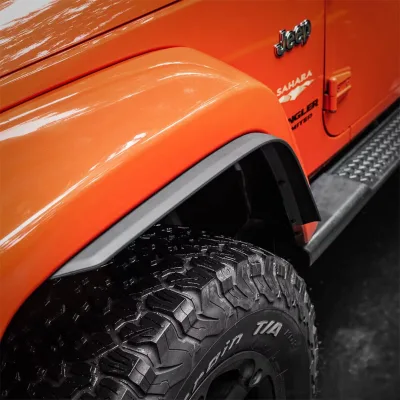
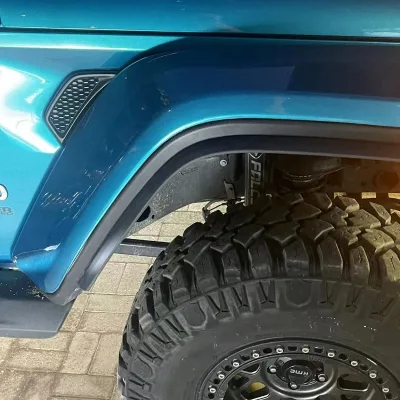
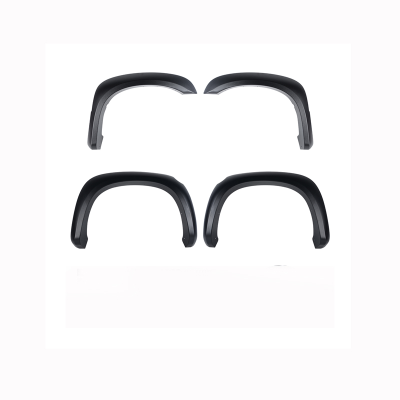


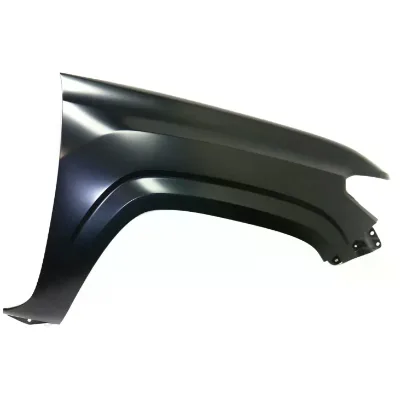
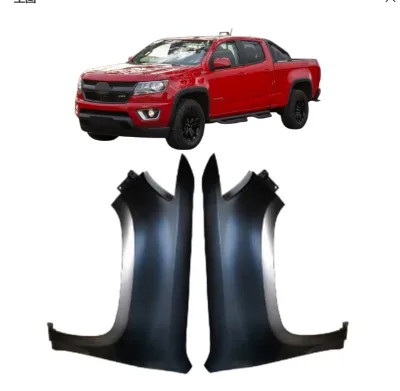
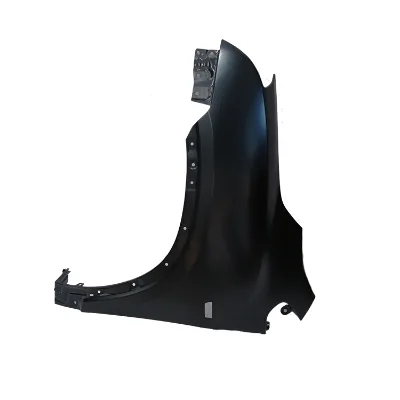
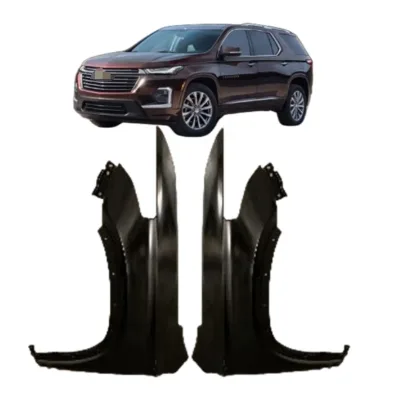
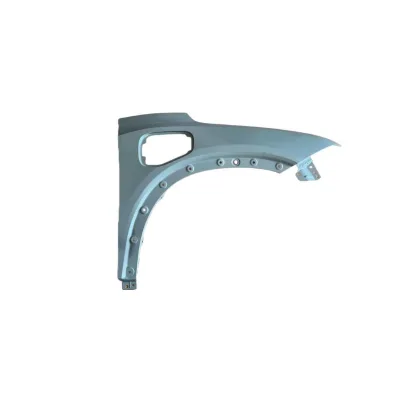


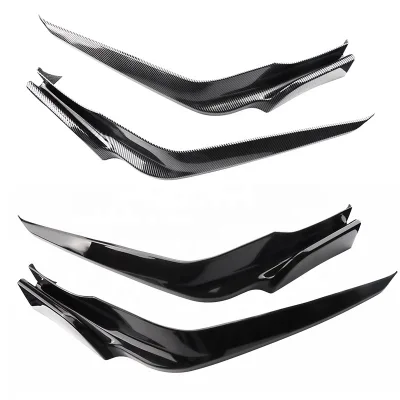
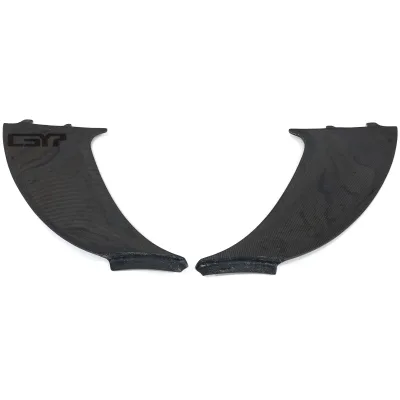

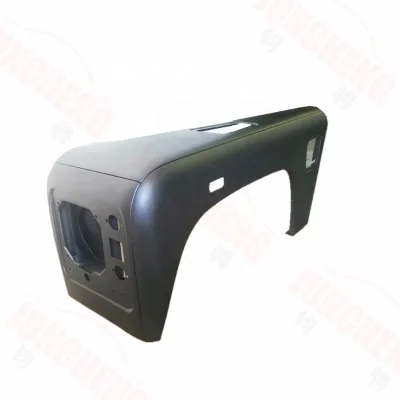
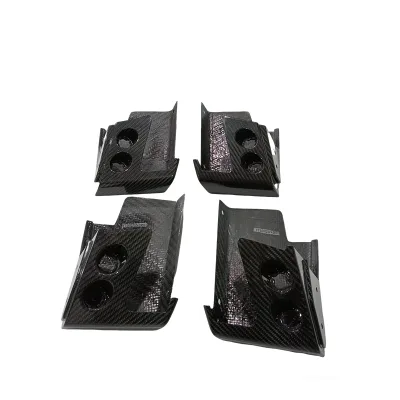
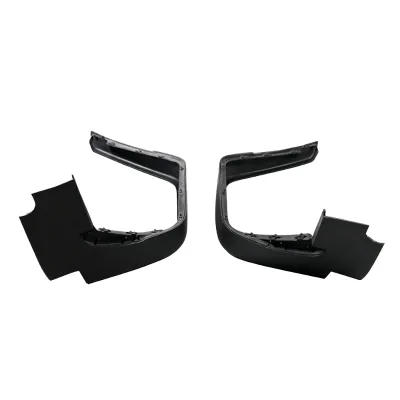
Comprehensive Sourcing Guide
ABS Car Fender Trim Sourcing Guide
Procurement of ABS Car Fender Trim requires careful evaluation of material integrity and fitment precision for automotive applications. The observed product data confirms that ABS is a primary material used for these components, specifically designed for front and rear fender positions on various car makes. Buyers must verify that the selected trim matches the specific vehicle model, such as the M3 F80 or f87 m2, to ensure proper alignment and aesthetic consistency.
Commercial listings indicate a wide range of customization options and finishing processes, including black spraying or retaining the original alloy color. Sourcing strategies should prioritize suppliers who offer OEM standard sizing and can accommodate specific customer standards for production. It is essential to confirm that the product condition is listed as new and that the finishing process aligns with the desired visual outcome before finalizing any purchase order.
Product Scope and Observed Listing Signals
The market for ABS fender trims displays significant variation in model numbers, ranging from MC039 to MMT009, which suggests a broad inventory of compatible parts. Buyers should scrutinize the product name and model number to ensure the item corresponds to the specific vehicle make, such as the M3 F80 or f87 m2, rather than assuming universal compatibility. The observed data highlights that these parts are often marketed with a specific function of decoration, yet they must also meet structural requirements for fender body parts.
Listing signals reveal diverse packaging details, from simple bags to safe carton boxes with bubble inserts, which directly impacts shipping safety and product arrival condition. The supply ability varies significantly, with some suppliers offering one set per month while others may have higher capacities, necessitating early communication regarding volume needs. Procurement teams must verify the single package size and gross weight to accurately calculate logistics costs and ensure the packaging is robust enough to prevent damage during transit.
Technical Specifications to Verify
Technical verification begins with confirming the material composition, as the data explicitly lists ABS, PE, and Carbon Fiber as available options for fender trims. Buyers must ensure the selected material matches the performance requirements of the specific application, noting that ABS is a common choice for its balance of durability and weight. It is critical to validate that the product size adheres to OEM standards or specific customer requirements, as deviations can lead to installation failures or aesthetic mismatches on the vehicle.
Further technical checks involve the finishing process, which includes black spraying plastics or maintaining the original alloy color, depending on the buyer's preference. The fitting position is a crucial specification, with products designated for either the front fender or rear fender, and some listings specify fender front fittment exclusively. Procurement specialists should request detailed dimensional drawings to confirm that the model number, such as MC039 or MCW003, aligns with the physical dimensions required for the target vehicle assembly.
Compliance and Safety Documentation
While the observed data mentions ISO certification, buyers must request specific documentation to confirm the validity of any quality management system claims. The presence of an ISO reference suggests a baseline for process control, but it does not automatically guarantee compliance with automotive safety standards without further verification. Sourcing teams should ask for test reports or quality certificates that explicitly validate the material properties and finishing durability for automotive exterior applications.
Safety and compliance also extend to the product condition and warranty terms, which are listed as 100% guaranteed or offering a six-month warranty in some listings. Buyers should ensure that the warranty covers defects in material or workmanship, particularly given the exposure of fender trims to environmental elements. It is advisable to verify that the supplier provides clear documentation regarding the 100% test claim to ensure every unit meets the required quality standards before shipment.
Cost Drivers and Commercial Terms
Cost structures for ABS fender trims are influenced by material type, customization levels, and the complexity of the finishing process. The observed price range spans from 1 to 737.75 USD, reflecting differences in model complexity, material quality, and order volume. Buyers must analyze the total cost of ownership, including shipping fees via DHL, FedEx, or sea freight, as the port of dispatch and destination can significantly impact the final landed cost.
Commercial terms vary widely, with payment options including TT and Western Union, and minimum order quantities ranging from one set to 1000 units. Lead times are another critical cost driver, with delivery windows ranging from 7 to 30 days depending on the supplier's production capacity and current order backlog. Procurement managers should negotiate clear terms regarding the supply ability, ensuring that the supplier can meet volume requirements without incurring excessive rush fees or delays.
Supplier Qualification and Quality Control
Supplier qualification requires a thorough review of their production capabilities and quality assurance protocols, particularly regarding the 100% test claim observed in listings. Buyers should verify that the supplier has a robust system for inspecting each unit for defects in the black spraying or original color finishing processes. It is essential to confirm that the supplier operates from a verified location, such as Guangdong, China, and can provide references for previous automotive component deliveries.
Quality control measures must be explicitly defined in the purchase agreement, covering aspects like the single gross weight and packaging integrity. The data indicates that some items are packed in wooden cases or standard cartons, which must be sufficient to protect the trim during the 7-15 day delivery window. Procurement teams should establish clear acceptance criteria for the product condition and ensure that the supplier adheres to the agreed-upon standards for the fender body parts before releasing any payments.
Long-Term Procurement Checks
Establishing a long-term procurement relationship involves regular audits of the supplier's ability to maintain consistent quality and delivery timelines. Buyers should monitor the supplier's performance against the stated lead time of 7 to 30 days and verify that the supply ability remains stable over time. Continuous communication is necessary to address any changes in material availability or production standards that could affect the fender trim specifications.
Future procurement strategies should include periodic re-verification of certifications and compliance documentation to ensure ongoing adherence to industry standards. As the automotive market evolves, buyers must remain vigilant regarding updates to vehicle models and corresponding fender trim requirements. Maintaining a detailed record of product performance and supplier reliability will help mitigate risks and ensure a steady supply of high-quality ABS car fender trims for ongoing production needs.
FAQs
What materials are used for ABS Car Fender Trim?
The products are manufactured using ABS, PE, and Carbon Fiber materials. These options provide durability and aesthetic appeal for vehicle customization. Buyers can select the material that best suits their specific application needs and design preferences for their automotive parts.
Can I customize the ABS Car Fender Trim specifications?
Yes, customization is available for these automotive parts. The production standard is according to customer requirements, allowing for tailored solutions. This flexibility ensures that the final product meets specific design or functional needs for various car makes and models.
What is the minimum order quantity for these trims?
The minimum order quantity is 1 Set. This low MOQ allows buyers to test the product quality before placing larger orders. It provides flexibility for small-scale procurement needs while maintaining the option to scale up production as business requirements grow.
How long does delivery take for these parts?
The leading time is typically 7 to 30 Days. Specific delivery times may vary based on order volume and customization requirements. Buyers should plan their procurement schedule accordingly to ensure timely receipt of the automotive parts for their specific vehicle applications.
What certifications do these fender trims have?
The products hold ISO certification, indicating adherence to quality management standards. This certification ensures that the manufacturing processes meet recognized international benchmarks. Buyers can rely on this quality assurance for consistent product performance and reliability in automotive applications.
Where are these abs car fender trims shipped from?
The products originate from Guangdong, China, with a seaport of Shanghai. Shipping options include DHL, FedEx, TNT, Air, and Sea freight. This logistics network supports efficient global distribution, ensuring timely delivery to international buyers for their automotive customization projects.