Source 3K Twill Carbon Rear Spoiler for Trunk, Roof, Bonnet
Find 30 listings for the 3K Twill Carbon Rear Spoiler, featuring options for trunk, roof, and bonnet applications. Compare specifications from Guangdong suppliers offering OEM/ODM services, with materials including carbon fiber and ABS, and delivery times of 7-10 working days.
Updated
Key considerations
Products List




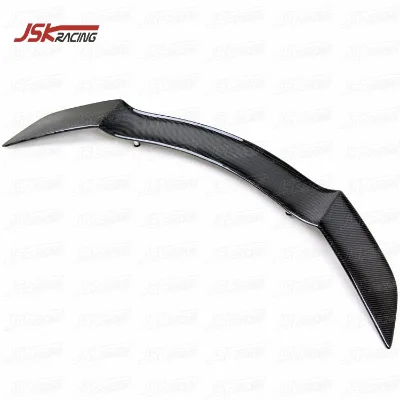
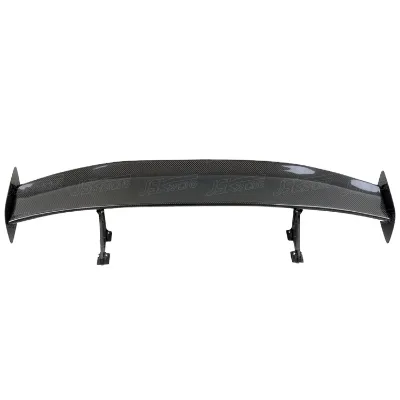
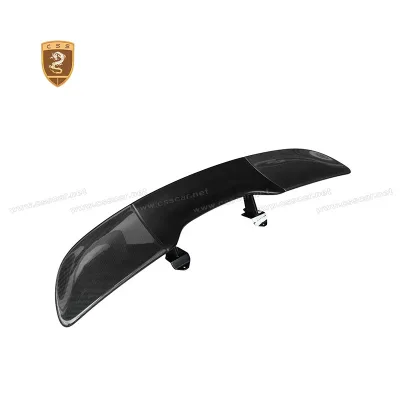
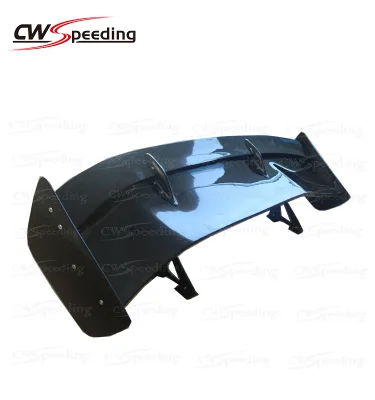
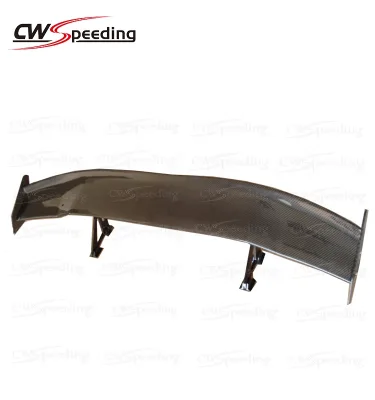
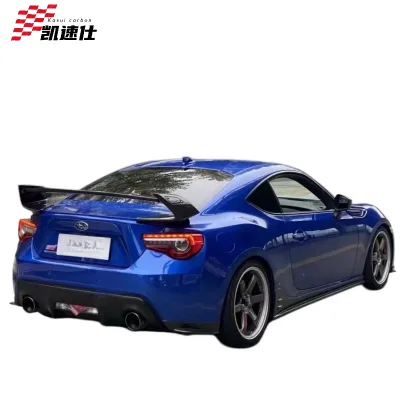
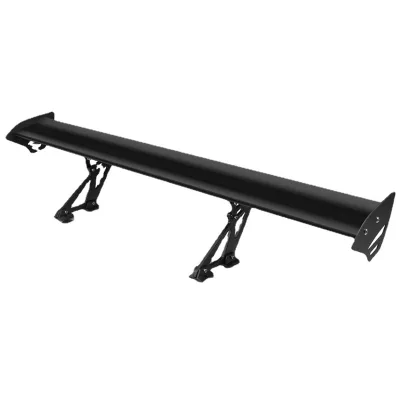
Comprehensive Sourcing Guide
3K Twill Carbon Rear Spoiler Sourcing Guide
Product Scope and Observed Listing Signals
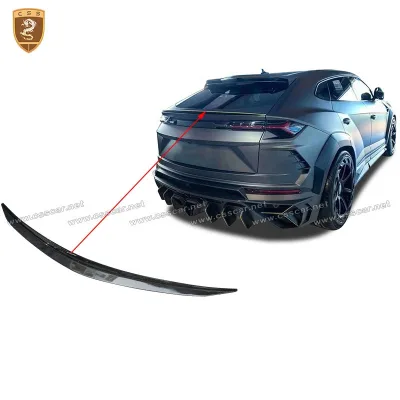
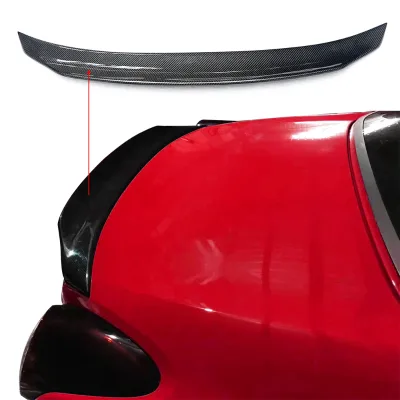
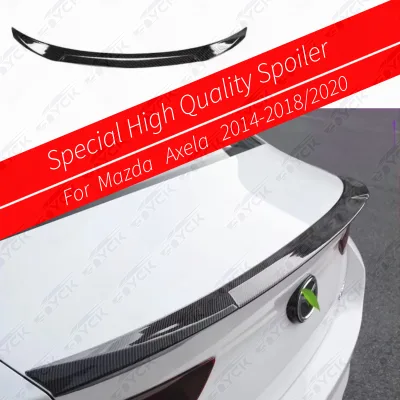
Buyers evaluating 3k twill carbon rear spoilers will encounter a diverse range of listings that emphasize both aesthetic appeal and functional integration. The observed product attributes indicate a strong focus on customization, with many suppliers offering tailored solutions for specific vehicle models such as the Soul 2015+. The material composition is predominantly carbon fiber, often paired with self-adhesive backing tape for simplified installation, although some listings also feature ABS materials for different performance tiers. This variation suggests that procurement teams must clearly define whether their priority lies in lightweight structural integrity or cost-effective aesthetic enhancement.
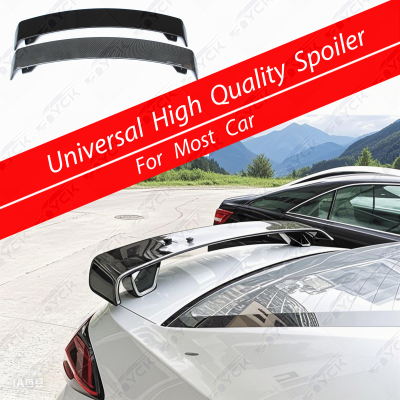
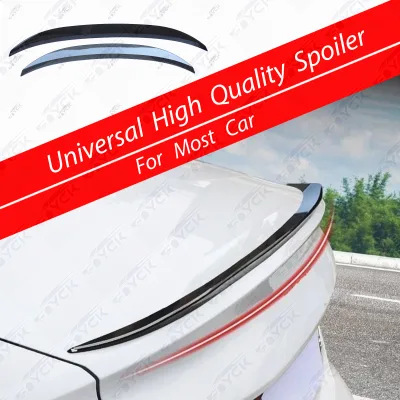
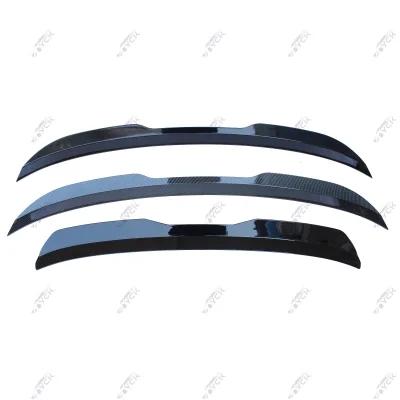
The visual presentation of these components frequently highlights a black or carbon fiber black finish, with some suppliers offering additional color options like silver, yellow, blue, orange, and red. The application scope extends beyond simple rear spoilers to include trunk, roof, bonnet, and hatch gate modifications, indicating a versatile product category. Listings often specify the type as a rear roof spoiler or universal side skirt, suggesting that buyers should verify the exact fitment for their target vehicle platform. The presence of customized options implies that off-the-shelf solutions may not always meet precise engineering or branding requirements.
Technical Specifications to Verify
When assessing technical specifications, the weave pattern is a critical differentiator, with many products boasting high-quality 3k plain or twill fabric construction. The manufacturing technology often involves autoclave processes, which are essential for ensuring structural integrity and eliminating voids in the carbon fiber layup. Buyers should verify the standard dimensions provided, such as 1.5m lengths or specific sizes like 123cm, to ensure compatibility with their vehicle’s rear deck. The backing material is frequently noted as self-adhesive tape, which simplifies installation but requires careful surface preparation to ensure long-term adhesion and durability under varying weather conditions.
Positioning is another key technical factor, with products designed for the front bumper, rear bumper, or rear roof applications. The model numbers, such as JSKUNCFSP001 or JSKTYSP93002, serve as unique identifiers that help in tracking specific design iterations and compatibility lists. Packaging details vary, ranging from individual rolls in small boxes to more robust foam and bubble paper protection inside wooden crates. These packaging methods are crucial for preventing damage during transit, especially given the brittle nature of carbon fiber components. Buyers must confirm that the packaging standards align with their logistics capabilities to minimize breakage rates.
Compliance and Safety Documentation
Compliance documentation is a vital aspect of sourcing automotive accessories, particularly when dealing with components that may affect vehicle aerodynamics or safety. The observed listings mention certifications such as ISO and CE, which indicate adherence to international quality management and European conformity standards. Some suppliers also reference CCC certification, which is relevant for products intended for the Chinese market. Buyers should request valid certificates for each batch to ensure that the manufacturing processes meet regulatory requirements. It is important to verify that these certifications are current and cover the specific materials and processes used in the production of the carbon fiber spoilers.
Safety considerations extend beyond certification to include the structural reliability of the spoiler under dynamic driving conditions. While the listings do not provide specific test results, buyers should inquire about impact resistance and wind load testing data. The use of high-quality 3k twill fabric and autoclave technology suggests a focus on durability, but independent verification is recommended. Additionally, the self-adhesive tape used for installation should be evaluated for its resistance to heat, moisture, and UV exposure. Ensuring that the adhesive meets automotive-grade standards is essential to prevent premature failure of the spoiler attachment, which could pose a safety risk to other road users.
Cost Drivers and Commercial Terms
Cost drivers for 3k twill carbon rear spoilers include the raw material quality, manufacturing complexity, and customization level. The use of autoclave technology and high-grade carbon fiber fabric typically commands a premium price compared to standard ABS alternatives. Observed price ranges vary significantly, from as low as $3.5 to as high as $3000, reflecting differences in material thickness, weave density, and brand positioning. Buyers should analyze the cost breakdown to understand the value proposition of each supplier. Customization options, such as specific colors or tailored dimensions, often incur additional charges, which should be factored into the total cost of ownership.
Commercial terms also play a significant role in the procurement process, with minimum order quantities (MOQ) ranging from 1 to 300 units. Lead times are commonly cited as 7-10 working days, which allows for relatively quick turnaround but requires careful inventory planning. The delivery port is often specified as Huangpu, Guangzhou, indicating the primary shipping hub for these products. Buyers should negotiate clear terms regarding payment methods, shipping responsibilities, and return policies. Understanding the total landed cost, including freight and duties, is essential for accurate budgeting and competitive pricing strategies in the final market.
Supplier Qualification and Quality Control
Supplier qualification is critical when sourcing carbon fiber components, given the technical expertise required for proper manufacturing. Buyers should prioritize suppliers located in established industrial hubs like Guangdong, China, which are known for their automotive parts manufacturing capabilities. The presence of OEM and ODM services indicates that suppliers are equipped to handle custom design requests and private labeling. It is advisable to request samples to evaluate the finish quality, weave consistency, and adhesive strength before committing to larger orders. Verifying the supplier’s production capacity and quality control processes can help mitigate the risk of receiving defective or inconsistent products.
Quality control measures should include visual inspections for surface defects, dimensional accuracy checks, and adhesion tests for the backing tape. Suppliers that provide detailed packaging instructions, such as using foam and bubble paper, demonstrate a commitment to protecting their products during transit. Buyers should also assess the supplier’s responsiveness to technical queries and their ability to provide support after the sale. Establishing a clear communication channel for addressing any quality issues is essential for maintaining a smooth procurement process. Regular audits or third-party inspections may be necessary for high-volume orders to ensure consistent quality standards are met.
Long-Term Procurement Checks
Long-term procurement success depends on establishing a reliable supply chain that can adapt to changing market demands and vehicle models. Buyers should monitor supplier performance metrics, such as on-time delivery rates and defect percentages, to identify potential issues early. Building a relationship with suppliers who offer flexible customization options can provide a competitive advantage in the aftermarket sector. It is also important to stay informed about advancements in carbon fiber technology and manufacturing processes that could offer cost savings or performance improvements. Regularly reviewing product specifications and certifications ensures that the sourced components remain compliant with evolving industry standards.
Sustainability and ethical sourcing practices are increasingly important considerations for modern procurement teams. Buyers should inquire about the environmental impact of the manufacturing processes and the recyclability of the carbon fiber materials. Suppliers that demonstrate a commitment to sustainable practices may offer better long-term partnership opportunities. Additionally, diversifying the supplier base can reduce dependency on a single source and mitigate supply chain risks. By maintaining a proactive approach to supplier management and quality assurance, buyers can ensure a steady supply of high-quality 3k twill carbon rear spoilers that meet their customers’ expectations.
FAQs
What materials are used for 3k twill carbon rear spoilers?
The spoilers are primarily constructed from carbon fiber with a high-quality 3K plain or twill fabric finish. Some variants utilize ABS material for specific applications. The backing often includes self-adhesive tape for secure installation. These materials ensure durability and a premium aesthetic suitable for various car models and customization needs.
Can I customize the color of the carbon rear spoiler?
Yes, customization is available for the carbon rear spoiler. Standard colors include black, carbon fiber black, silver, yellow, blue, orange, and red. Buyers can request specific color combinations to match their vehicle's exterior. The supplier supports OEM and ODM services to accommodate unique design requirements and branding preferences for bulk orders.
What certifications do the carbon fiber spoilers hold?
The products hold ISO and CE certifications, ensuring compliance with international quality and safety standards. Some specific models also carry CCC certification. These credentials verify the manufacturing quality and material safety. Buyers can rely on these documented standards when sourcing parts for markets requiring strict regulatory adherence and quality assurance protocols.
What is the typical lead time for delivery?
The standard delivery time is 7-10 working days after order confirmation. This timeframe applies to most customized and standard orders. The delivery port is Huangpu, Guangzhou. Buyers should account for this lead time when planning inventory. Expedited options may vary based on order quantity and specific production schedules at the Guangdong, China facility.
How are the carbon spoilers packaged for shipping?
Packaging varies by product type. Some items are packed in one roll per small box, with 30 boxes per carton. Others use foam inside and bubble paper outside, secured in wooden crates. Certain variants are bundled with dull film in poly bags. This protective packaging ensures the carbon fiber surface remains scratch-free during transit.
What is the MOQ for ordering carbon rear spoilers?
The observed MOQ range is 1 to 300 units, depending on the specific product model and customization level. Standard items may have lower minimums, while fully customized orders might require higher quantities. Buyers should verify the exact MOQ for their desired specification, as it directly impacts pricing tiers and production scheduling at the factory.