Source lightweight carbon engine cover for racing, F12, and G-Class
Find a lightweight carbon engine cover from 30 verified listings. Compare specifications, materials, and fitment for models like the F12 Berlinetta and G-Class. Evaluate options for replacement or upgrade purposes; compare the available evidence and request quotations based on your requirements.
Updated
Key considerations
Products List
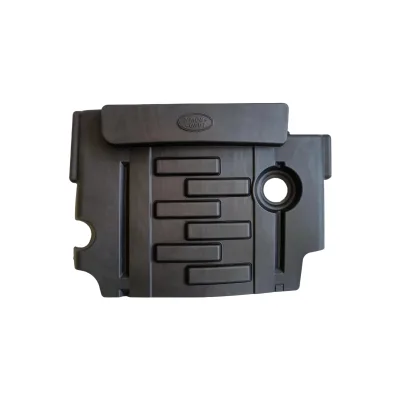
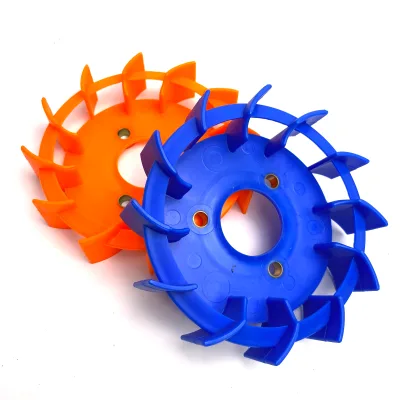


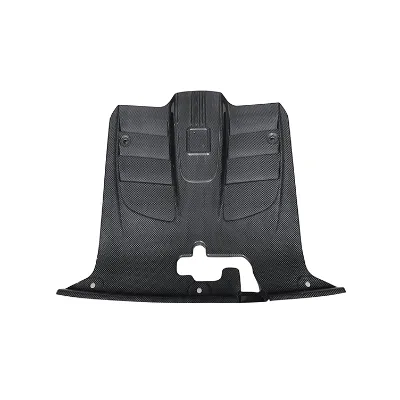
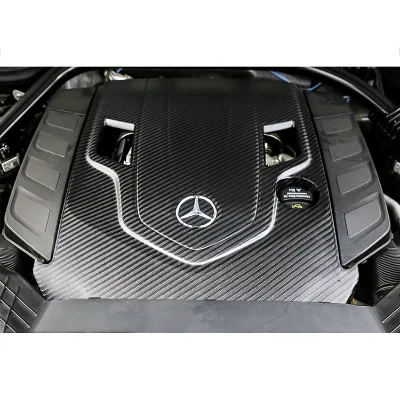
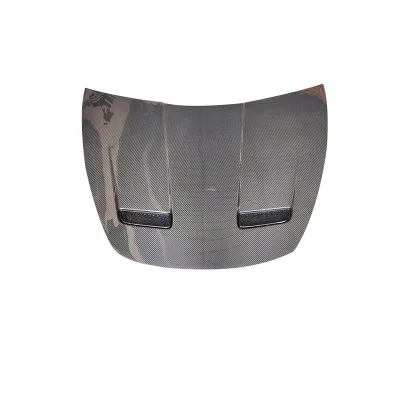
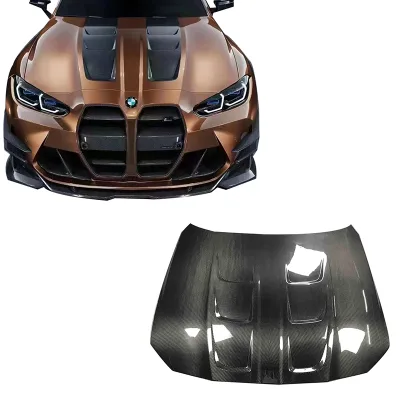
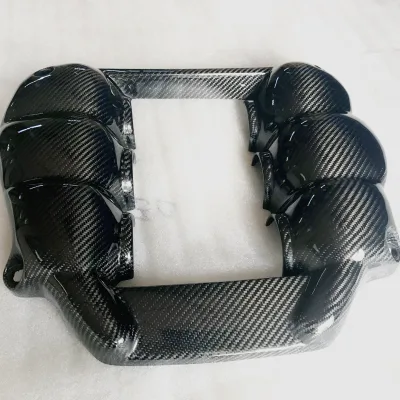
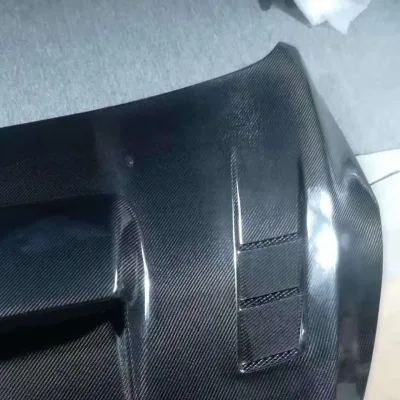
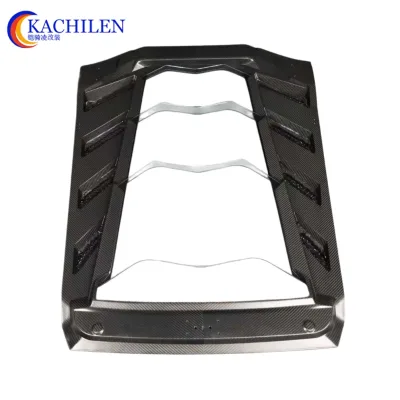
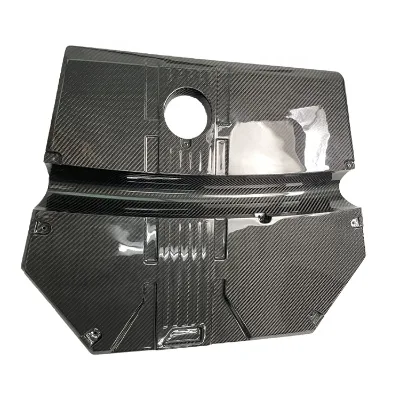
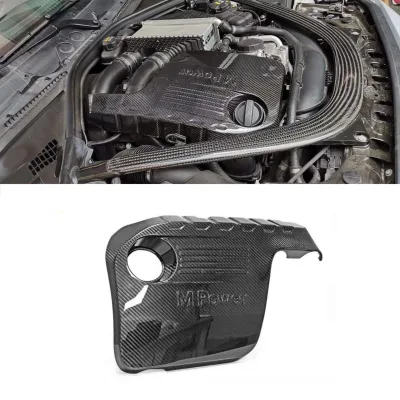
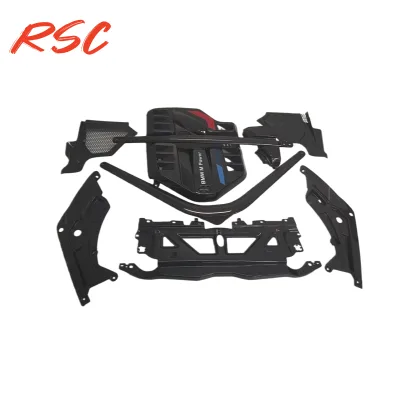
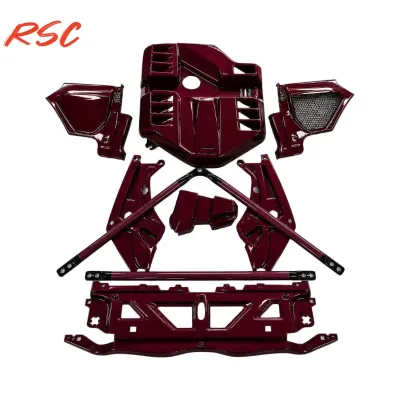


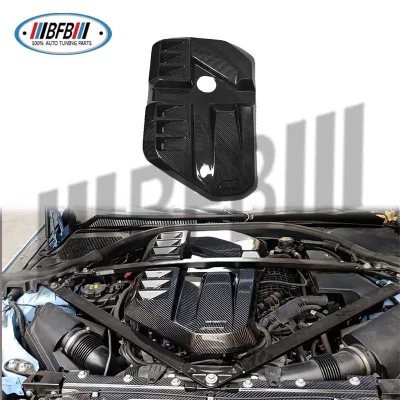
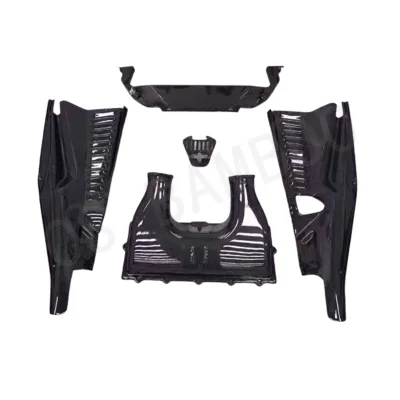
Hot-selling Engine Compartment Covers for ferrari 458 Speciale Carbon Engine Cover
$821.4117 - $2053.5293
MOQ: 2 pieces
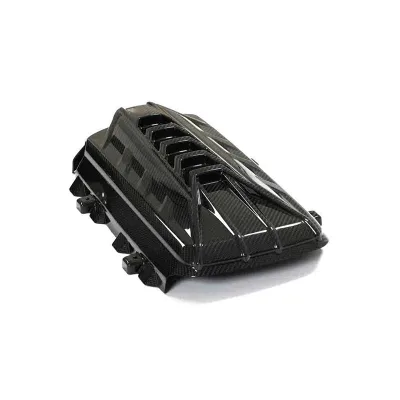
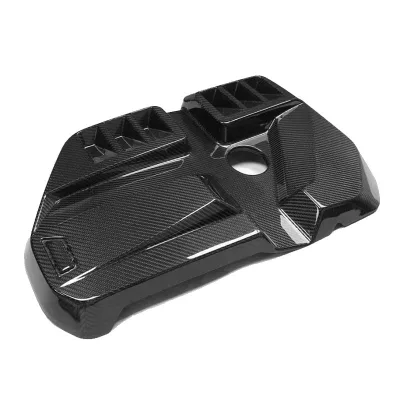
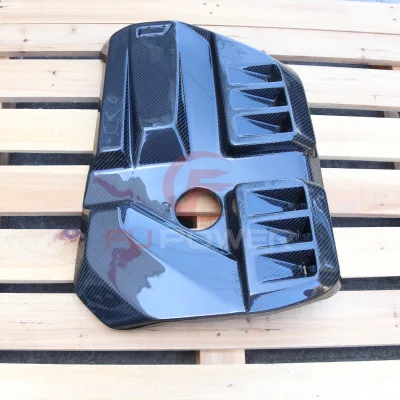
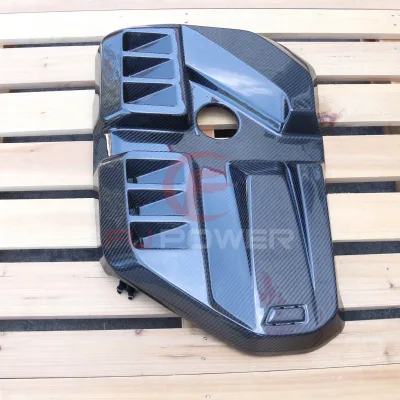
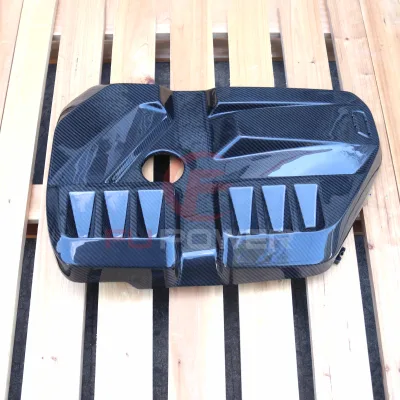
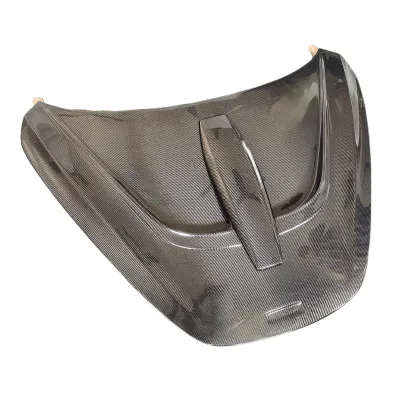
High Quality 720S Bonnet Carbon Fiber Hood Conversion Carbon Engine Cover
$550.00 - $555.00
MOQ: 1 pieces

Comprehensive Sourcing Guide
Light Weight Carbon Engine Cover Sourcing Guide
Sourcing a Light Weight Carbon Engine Cover requires balancing aesthetic appeal with functional thermal and structural performance. Buyers must recognize that these components serve dual purposes: enhancing visual appeal through high-gloss finishes and protecting internal engine bay components from heat, debris, and minor impacts. The market offers various configurations, ranging from simple replacement units to complex aerodynamic upgrades, each demanding specific verification steps to ensure compatibility and durability.
Procurement teams should approach this category with a focus on material integrity and fitment precision. Carbon fiber components are often marketed for their weight reduction benefits, but the actual mass savings depend on the layup schedule and resin content. Understanding the distinction between dry carbon, wet carbon, and pre-preg materials is essential for evaluating claims of lightweight performance. Buyers must verify that the supplier provides transparent data on material composition rather than relying solely on marketing terminology.
Product Scope and Observed Listing Signals
Market listings for engine covers reveal a diverse range of product attributes, including specific model numbers like GY6, GP125, and various BMW chassis codes such as F12 Berlinetta and W464 G-Class. These identifiers indicate that the scope spans from small engine replacements to high-performance automotive aerodynamic parts. Observations show that products are frequently described with specific weave patterns, such as twill or plain weaves, and finishes ranging from black to orange, suggesting a high degree of customization is available in the supply chain.
The observed data highlights significant variations in packaging and shipping metrics, with single gross weights ranging from 0.18 kg to 10.0 kg. This disparity suggests that the product scope includes both small, lightweight plastic or composite inserts and larger, heavier carbon fiber panels. Listings often mention "100% fitment" and "new condition," which are critical signals for buyers seeking direct replacements. However, the presence of terms like "B Grade Available" indicates that buyers must carefully inspect quality tiers to avoid receiving components with cosmetic defects that may not meet strict aesthetic standards.
Technical Specifications to Verify
Technical verification must begin with dimensional accuracy and material composition. Buyers should request detailed CAD drawings or physical samples to confirm that the cover matches the original equipment manufacturer (OEM) specifications for mounting points and clearances. The observed mention of "dry carbon fiber" and specific weave types like "3K twill" requires validation through material certificates or microscopic inspection. It is crucial to verify that the carbon fiber layers are properly impregnated with resin to ensure structural integrity under thermal stress.
Installation methods and hardware compatibility are equally critical technical factors. Listings indicate that installation may involve screws or adhesive bonding, which dictates the required preparation of the engine bay surface. Buyers must verify the inclusion of necessary hardware, such as stainless steel screws or high-temperature adhesives, to prevent corrosion or failure over time. Additionally, the thermal resistance of the resin system must be confirmed, as engine bays experience extreme heat that can degrade standard epoxy resins, leading to delamination or discoloration.
Compliance and Safety Documentation
While specific safety certifications are not universally listed, buyers must ensure that the engine cover does not interfere with vehicle safety systems or regulatory compliance. In automotive applications, components near the engine must meet flammability standards to prevent fire hazards. Buyers should request material safety data sheets (MSDS) to verify the chemical composition of the resin and hardener used in the manufacturing process. This documentation is essential for assessing workplace safety during installation and long-term environmental impact.
Documentation regarding fitment accuracy and warranty terms serves as a proxy for quality assurance. Buyers should verify that the supplier provides a guarantee of fitment, as indicated in some listings, to mitigate the risk of costly modifications or returns. It is advisable to request test reports or quality control records that demonstrate the component’s ability to withstand vibration and thermal cycling. Without such documentation, buyers assume the risk of premature failure, which can lead to engine damage or safety incidents.
Cost Drivers and Commercial Terms
The cost of light weight carbon engine covers is influenced by several factors, including the type of carbon fiber used, the complexity of the mold, and the finish quality. Dry carbon and pre-preg materials typically command higher prices due to their superior strength-to-weight ratio and aesthetic consistency. Buyers should analyze the price range, which can vary significantly based on these material choices and the level of customization required, such as logo laser engraving or specific color matching.
Commercial terms, including minimum order quantities (MOQ) and lead times, play a crucial role in procurement planning. Observed MOQs vary, with some suppliers requiring as few as five pieces, while others may have higher thresholds. Buyers must negotiate clear terms regarding shipping methods, such as EMS, UPS, or DHL, and clarify who bears the risk of loss during transit. Understanding the payment structure and return policies is essential to manage cash flow and mitigate financial risks associated with defective or non-conforming goods.
Supplier Qualification and Quality Control
Supplier qualification requires a thorough assessment of manufacturing capabilities and quality control processes. Buyers should verify that the supplier has experience in producing carbon fiber components for automotive applications, as this expertise directly impacts fitment and durability. Requesting references or case studies from previous clients can provide insight into the supplier’s reliability and consistency. It is also important to assess the supplier’s ability to handle custom orders, as indicated by the availability of customization services in the market.
Quality control measures should include rigorous inspection protocols for both raw materials and finished products. Buyers should inquire about the supplier’s process for detecting defects such as voids, wrinkles, or resin-rich areas in the carbon fiber layup. Implementing a pre-shipment inspection protocol can help identify issues before the goods are dispatched. Establishing a clear communication channel for addressing quality concerns is vital for maintaining a productive relationship and ensuring that any deviations from specifications are promptly resolved.
Long-Term Procurement Checks
Long-term procurement success depends on establishing a robust framework for continuous evaluation and improvement. Buyers should regularly review supplier performance metrics, including on-time delivery rates, defect rates, and responsiveness to issues. This data-driven approach allows for the identification of trends and the proactive management of potential supply chain disruptions. Maintaining a diversified supplier base can also mitigate risks associated with single-source dependencies, ensuring continuity of supply.
Building a strong relationship with suppliers through regular communication and feedback loops fosters collaboration and innovation. Buyers should engage in periodic reviews to discuss new product developments, material advancements, and potential cost-saving opportunities. This collaborative approach can lead to improved product quality and more favorable commercial terms over time. By prioritizing long-term partnerships over transactional relationships, buyers can secure a competitive advantage in sourcing high-quality light weight carbon engine covers.
FAQs
What materials are used for lightweight carbon engine covers?
Lightweight carbon engine covers are typically constructed from plastics or carbon fiber composites. Some products utilize 3K plain or twill dry carbon for aesthetic appeal and structural integrity. Other variants may be made from standard plastics to reduce costs while maintaining a lightweight profile suitable for racing or replacement applications.
Can these engine covers be customized with logos?
Yes, customization is available for many lightweight carbon engine covers. Buyers can request logo laser engraving or other branding options to suit their specific needs. This service allows for personalization while maintaining the high-quality finish and precise fitment required for automotive replacement or upgrade purposes.
What is the typical packaging for carbon engine covers?
Products are usually packed in exquisite packaging cartons and outer boxes to ensure safety during transit. Some items are specifically packed in carton boxes with foam protection to prevent damage. This careful packaging ensures that the delicate carbon fiber or plastic components arrive in pristine condition ready for installation.
Which shipping methods are available for these parts?
Shipping options include EMS, UPS, DHL, FedEx, and sea freight. These methods provide flexibility for both urgent small orders and larger bulk shipments. Buyers can select the most appropriate logistics channel based on their timeline requirements and the total weight of the order to ensure efficient delivery.
What is the minimum order quantity for these covers?
The minimum order quantity varies by supplier but is often set at 5 pieces. Some listings may accept orders as low as 1 piece, while others might require up to 300 pieces. Buyers should check specific supplier requirements to determine the exact MOQ applicable to their desired product model and specifications.
Are these engine covers compatible with specific car models?
Yes, many covers are designed for specific fitment such as the F12 Berlinetta or W464 G500 G Class. Others are compatible with general models like GY6 or GP125 engines. Buyers must verify the model number and car model compatibility to ensure a 100% fitment and proper installation using screws or other methods.