Source ADF Hinge for Furniture, Doors, and Cabinets
Compare 30 ADF Hinge options from verified suppliers. Explore stainless steel and alloy models with varying angles, thicknesses, and load capacities for furniture, doors, and cabinets. These products feature custom sizes, OEM services, and different hinge types including 180, 270, and 360 degrees to meet diverse needs.
Updated
Key considerations
Products List


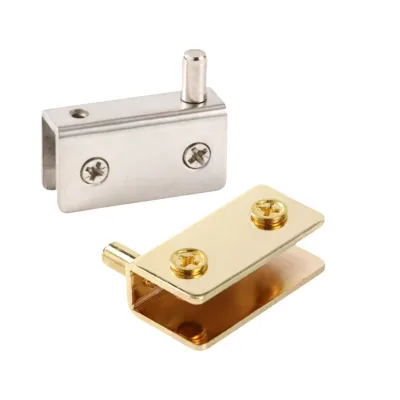


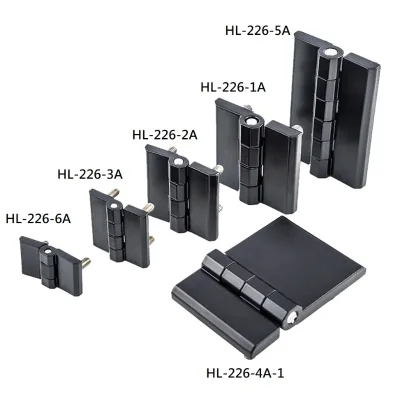
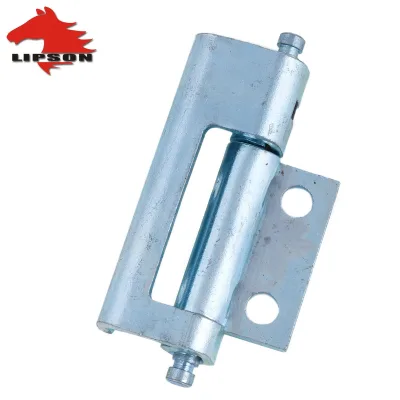
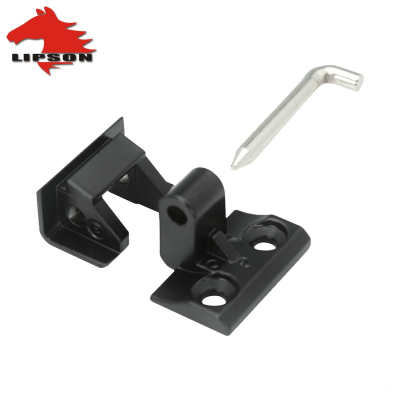
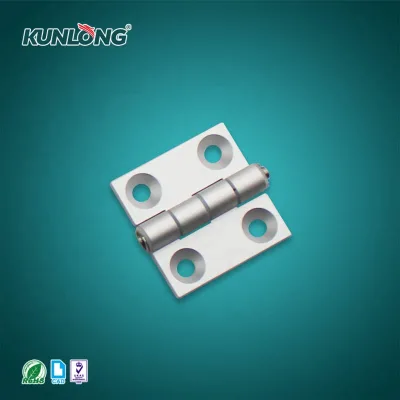
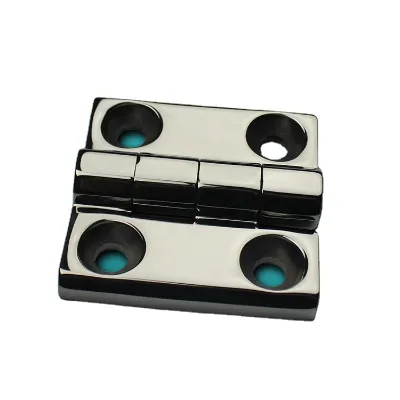
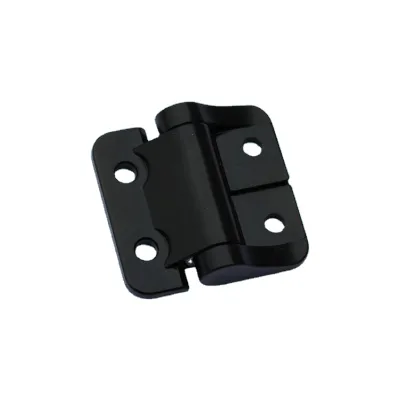
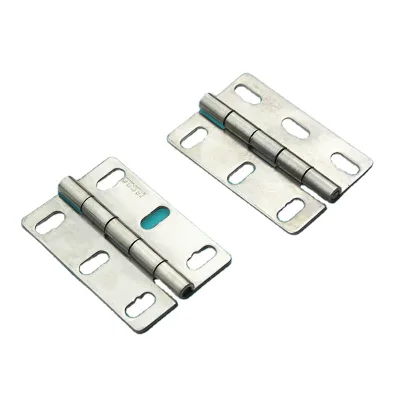


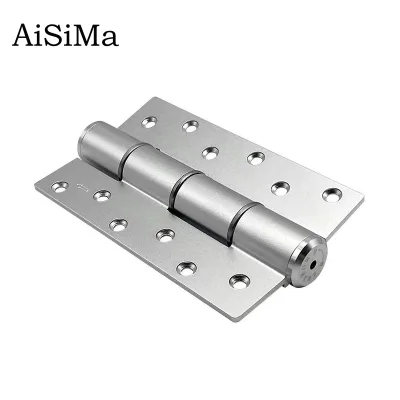
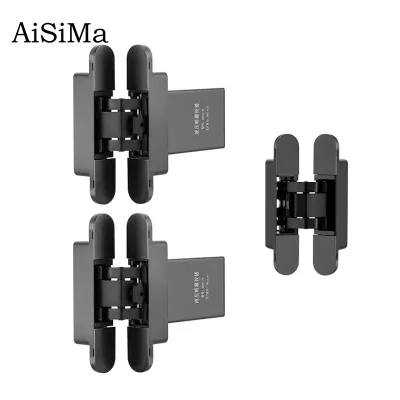
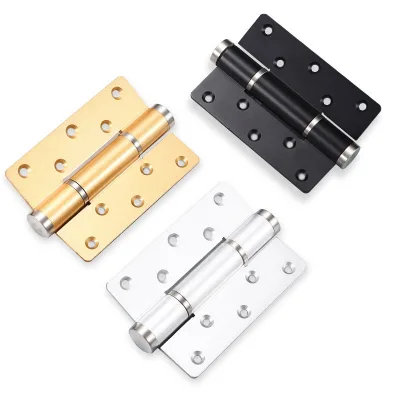
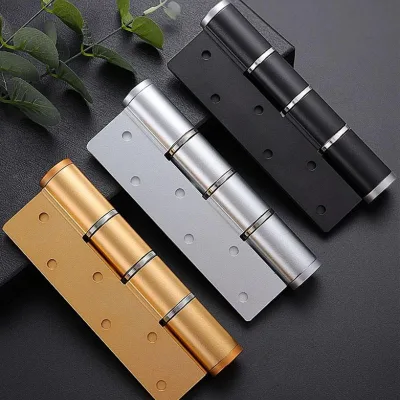


Comprehensive Sourcing Guide
ADF Hinge Sourcing Guide
Sourcing high-quality hinges requires a disciplined approach to verifying material integrity and mechanical performance. Buyers must distinguish between generic hardware and specialized components designed for specific load-bearing applications. The market offers a wide array of options, ranging from standard cabinet hinges to heavy-duty door connectors. Understanding the specific operational environment is the first step in narrowing down the vast selection of available products. This guide focuses on the critical attributes that define a reliable hinge, ensuring that procurement decisions are based on tangible evidence rather than marketing claims.
Procurement teams should prioritize suppliers who provide transparent technical data and clear customization options. The ability to tailor dimensions, finishes, and load capacities is often a decisive factor in successful sourcing projects. By focusing on verified specifications and established manufacturing practices, buyers can mitigate the risk of receiving substandard components. This guide outlines the essential steps for evaluating potential suppliers, ensuring that the final selection aligns with both functional requirements and long-term durability expectations.
Product Scope and Observed Listing Signals
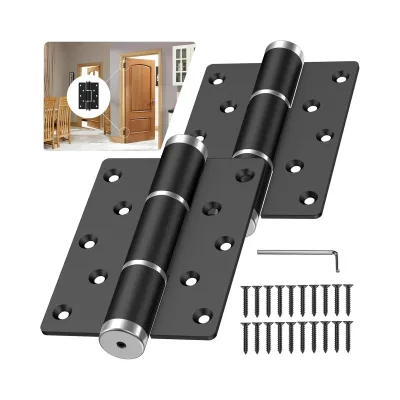
The current market landscape for hinges includes a diverse range of products, from standard 180-degree and 270-degree hinges to specialized 360-degree rotating models. Listings frequently highlight stainless steel and alloy constructions, with finishes ranging from silver and grey to champagne and black. These variations cater to different aesthetic and functional needs, such as those found in home furniture or hotel installations. Buyers should note that product attributes like thickness, typically observed between 1-3 mm, and specific model numbers like L0013 or WSX001, serve as key identifiers for quality assessment.
Observed listing signals also reveal important commercial details, such as minimum order quantities (MOQ) that can range from 1 to 5000 pieces. Pricing structures vary significantly, with some items listed at very low unit costs while others command higher prices due to heavy-duty capabilities. For instance, certain hinges are marketed with an 80kg load capacity per two pieces, indicating their suitability for wooden doors. These signals help buyers gauge the scale of production and the potential for customization, including OEM services and disassembly features, which are critical for large-scale procurement projects.
Technical Specifications to Verify
Verifying technical specifications is paramount to ensuring that the selected hinges meet the intended mechanical demands. Buyers must confirm the material composition, whether it is stainless steel or alloy, as this directly impacts corrosion resistance and longevity. The thickness of the hinge leaf, often specified around 2.5 mm or within a 1-3 mm range, is a critical factor in determining structural integrity. Additionally, the opening angle, which can be 95-100 degrees, 180 degrees, or 360 degrees, must align with the spatial constraints and functional requirements of the installation.
Load capacity and weight are other essential parameters that require strict verification. Some heavy-duty hinges are rated for up to 80kg per two pieces, making them suitable for substantial wooden doors. Buyers should also check the single package size and item weight, such as 12x8x6 cm and 0.75kg per piece, to calculate shipping costs and storage requirements. Confirming these details ensures that the hinges will perform reliably under stress and fit within the logistical framework of the supply chain.
Compliance and Safety Documentation
While specific certification statuses are not always explicitly listed in general product descriptions, buyers must insist on documentation that verifies compliance with relevant safety and quality standards. In the context of hardware, this often involves adherence to international standards such as DIN 7991, which governs the dimensions and performance of hinges. Procurement teams should request test reports that demonstrate the hinge's ability to withstand repeated cycles and load tests without failure. These documents provide objective evidence of the product's durability and safety, reducing the risk of field failures.
Buyers should also verify that the supplier provides clear after-sale support, such as online technical assistance, to address any installation or performance issues. This support is crucial for maintaining operational continuity and resolving disputes efficiently. Additionally, confirming the origin of the product, often from regions like Shanghai, China, can help in assessing the reliability of the manufacturing base. Ensuring that all compliance and safety documentation is readily available and verifiable is a key step in mitigating procurement risks and ensuring long-term satisfaction.
Cost Drivers and Commercial Terms
Several factors influence the final cost of hinges, including material type, thickness, and customization requirements. Stainless steel hinges, particularly those with heavy-duty load capacities, tend to be more expensive than standard alloy alternatives. The MOQ also plays a significant role in pricing, with larger orders often benefiting from economies of scale. Buyers should negotiate terms that reflect the volume of their purchase, keeping in mind that lead times can range from 7 to 15 days, which may impact inventory planning and cash flow.
Packaging and logistics are additional cost drivers that should be carefully evaluated. Products are typically packed in cartons, with specific dimensions that affect shipping efficiency. Buyers should clarify whether packaging costs are included in the unit price and inquire about bulk shipping discounts. Understanding these commercial terms helps in creating an accurate total cost of ownership model. It is also important to confirm the currency of pricing, as observed ranges in USD can vary, ensuring that budget forecasts are realistic and aligned with market conditions.
Supplier Qualification and Quality Control
Evaluating supplier qualifications is essential for ensuring consistent product quality and reliable delivery. Buyers should assess the supplier's production capabilities, including their ability to handle customized orders and provide OEM services. A robust quality control process should be in place, with clear protocols for inspecting materials, dimensions, and finishes. Suppliers who offer disassembly features and various sizes should demonstrate a flexible manufacturing process that maintains high standards across different product lines.
Verification of the supplier's track record is also crucial. Buyers should look for evidence of successful exports to overseas markets, as indicated by specific user attributes. Requesting samples before placing large orders allows for hands-on inspection of the hinge's build quality and functionality. Additionally, confirming the supplier's commitment to after-sale service ensures that any issues can be resolved promptly. A qualified supplier will provide transparent communication and support throughout the procurement process, fostering a long-term partnership based on trust and reliability.
Long-Term Procurement Checks
Establishing long-term procurement checks ensures that the quality and performance of hinges remain consistent over time. Regular audits of supplier processes and product samples can help identify any deviations from agreed-upon specifications. Buyers should monitor key performance indicators, such as defect rates and delivery times, to assess the supplier's reliability. Continuous feedback loops between the procurement team and the supplier can facilitate improvements and address emerging issues proactively.
It is also important to stay updated on any changes in industry standards or material regulations that may affect the product. Buyers should periodically review the technical specifications and compliance documentation to ensure ongoing alignment with current requirements. Maintaining a diverse supplier base can mitigate risks associated with single-source dependencies. By implementing these long-term checks, buyers can secure a stable supply of high-quality hinges, supporting the durability and safety of their final products.
FAQs
What materials are used for adf hinges?
The adf hinges are primarily manufactured from stainless steel or alloy materials. Some heavy-duty variants feature stainless steel construction with black finishes. These materials ensure durability and resistance to corrosion, making them suitable for both home and hotel door applications where long-term performance is required.
Can adf hinges be customized for specific projects?
Yes, customization is available for these hinges. Buyers can request specific sizes, colors like silver or grey, and customized OEM services. The products support various specifications, allowing for tailored solutions to meet unique furniture or door requirements while maintaining high-quality standards and functional reliability.
What is the typical lead time for delivery?
The standard delivery time for these hinges is 7-15 days. This timeframe applies to most orders, ensuring relatively quick turnaround for procurement needs. Buyers should confirm specific timelines with suppliers, as lead times may vary slightly based on order volume and customization requirements during the production process.
What is the minimum order quantity for these hinges?
The minimum order quantity varies, with observed values ranging from 1 to 5000 pieces. Specific listings indicate MOQs such as 3000 pieces for certain models. Buyers should verify the exact MOQ with the supplier, as it depends on the specific hinge model, customization needs, and current inventory status.
Where are these adf hinges manufactured?
These hinges are manufactured in China, with specific origins noted in Shanghai. The products are exported to overseas markets, indicating established supply chains. Buyers can expect consistent quality and competitive pricing from these Chinese manufacturers, who specialize in producing durable hinges for various industrial and residential applications.
What is the load capacity of heavy-duty hinges?
Heavy-duty stainless steel hinges for wooden doors have a load capacity of 80kg per two pieces. This specification ensures stability for heavier doors. The design supports significant weight while maintaining smooth operation, making them ideal for applications requiring robust support and reliable performance in high-traffic environments.