Source Inkjet Ink Cartridges for Labeling, Printing, and Packaging
Source 30 Inkjet Ink Cartridges for labeling, printing, and packaging applications. Compare options featuring TIJ 2.5 compatibility, water-based and solvent inks, and RFID chip integration from suppliers in China; compare the available evidence and request quotations based on your requirements.
Updated
Key considerations
Products List
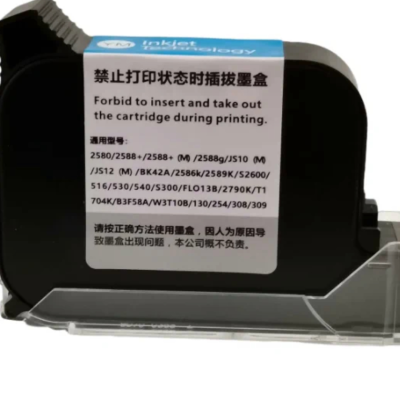
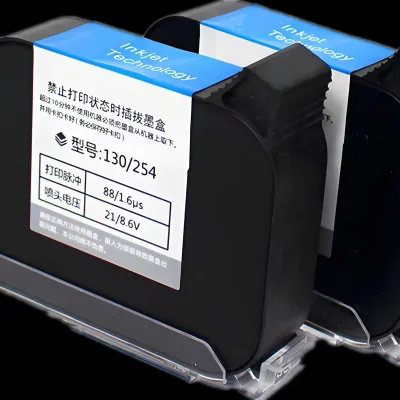
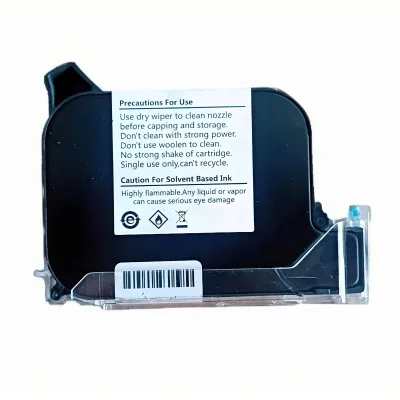
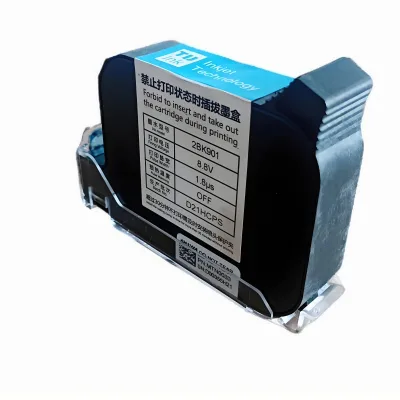


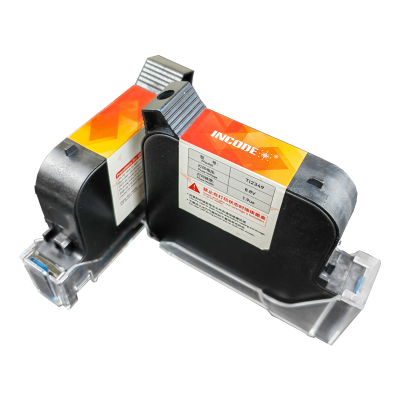
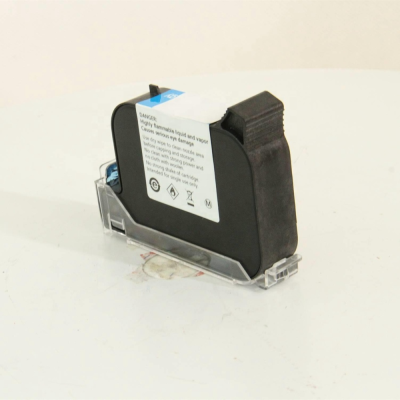
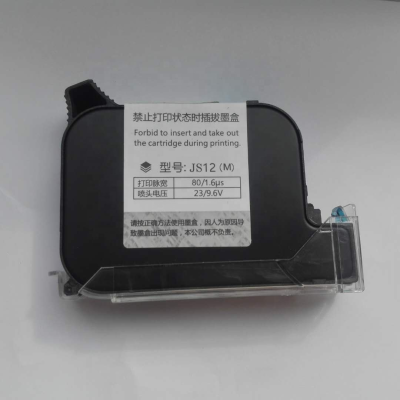
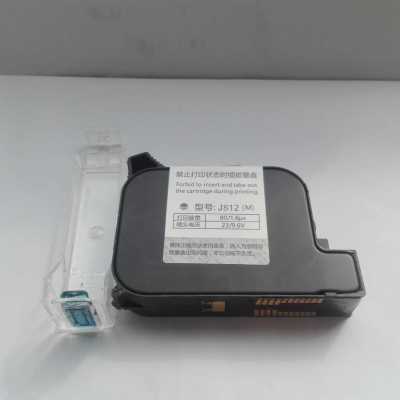
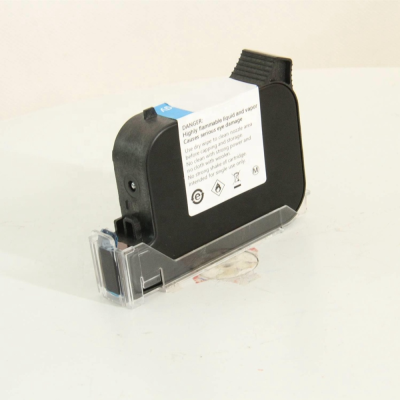
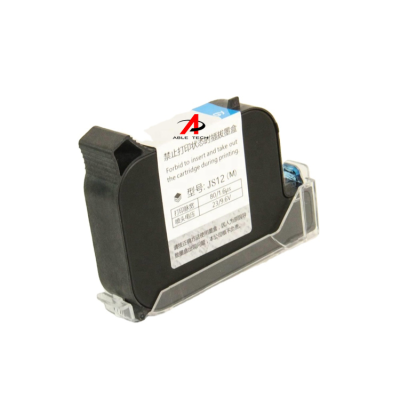
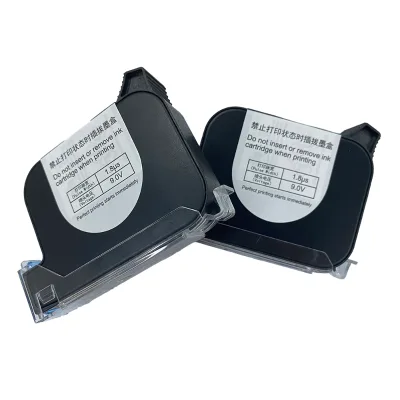
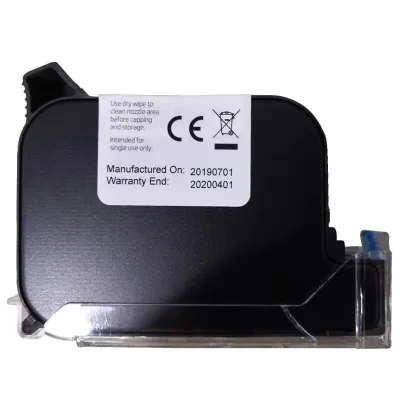
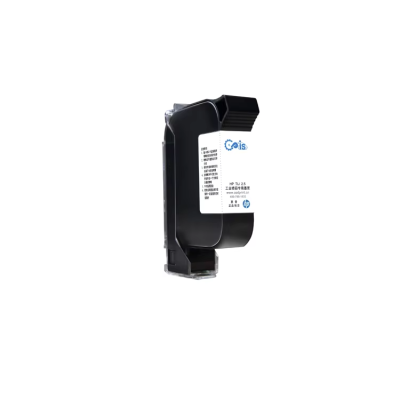
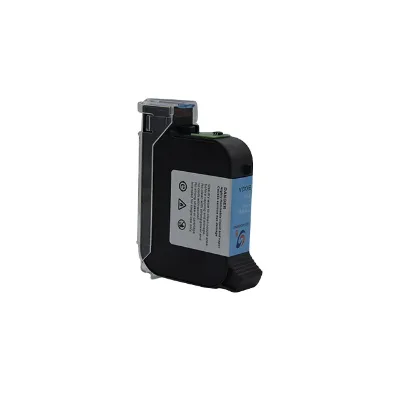
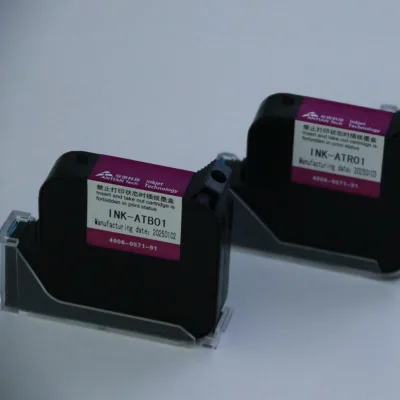
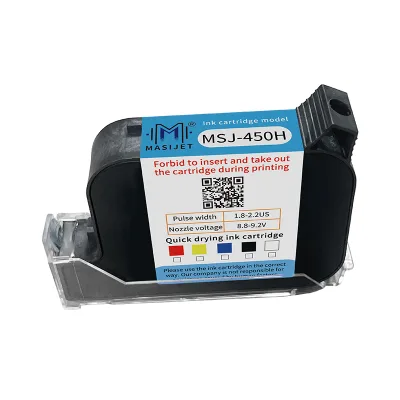
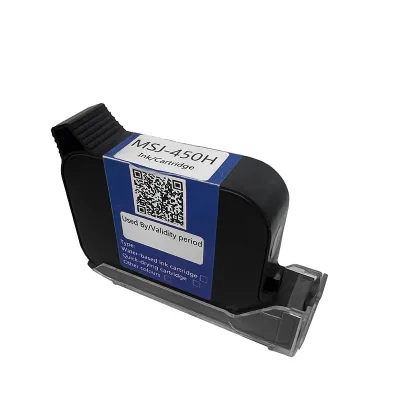
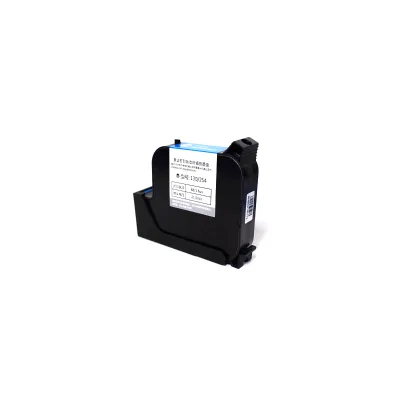
Refillable Ink Cartridge Original New Replacement Solvent Color Ink Cartridge for Handheld Printer
$129.21 - $147.0691
MOQ: 10 pieces


Comprehensive Sourcing Guide
Inkjet Ink Cartridges Sourcing Guide
Sourcing Inkjet Ink Cartridges requires a clear understanding of the specific printing technology and substrate compatibility to ensure operational continuity. Buyers must first identify whether their equipment utilizes thermal inkjet (TIJ) systems, such as the TIJ 2.5 hot-melt spray head, or other digital printing architectures. The supplied data indicates that cartridges are often designed for handheld or online inkjet printers, with specific models like 130/254 and 2BK901 serving distinct hardware requirements. Selecting the wrong cartridge type can lead to nozzle clogging, poor print quality, or hardware damage, making precise model matching the foundational step in the procurement process.
Beyond hardware compatibility, the chemical composition and drying mechanism of the ink are critical decision factors. Available options include water-based inks, quick-drying inks, and solvent-based variants, each offering different performance characteristics such as penetration drying or rapid surface setting. Buyers should evaluate the "Easy To Operate" nature of the system alongside the ink's physical properties, ensuring the fluid aligns with the production environment's speed and safety needs. Verifying that the ink type matches the printer's driver technology is essential for maintaining consistent print heights, such as the observed 12.7mm specification, and achieving reliable adhesion on various packaging materials.
Product Scope and Observed Listing Signals
The current market landscape for Inkjet Ink Cartridges reveals a diverse range of product attributes, with prices observed between $19 and $147.07 USD. This wide variance suggests significant differences in ink volume, chemical formulation, and included technological features, such as RFID chips for tracking and authentication. Buyers should note that minimum order quantities (MOQ) typically range from 1 to 50 units, indicating flexibility for both trial orders and bulk procurement. Understanding these commercial signals helps in budgeting accurately and negotiating terms that align with inventory turnover rates and cash flow constraints.
Product listings also highlight specific packaging and logistical details that impact handling and storage. Items are commonly shipped in cartons, with single package sizes varying from compact dimensions like 17x10x10 cm to larger boxes measuring 20x15x12 cm. The weight of individual units is generally low, ranging from 0.25 kg to 1.0 kg, which simplifies shipping logistics but requires careful attention to packaging integrity to prevent leaks. Additionally, some products are marketed with specific keywords like "Tij 2.5 Ink Cartridge," which serves as a crucial identifier for buyers seeking replacements for existing hardware, ensuring that the purchased item is functionally interchangeable with current stock.
Technical Specifications to Verify
Verifying the model number and applicable printing type is the most critical technical step in the sourcing process. Listings specify models such as ph, 130/254, 2BK901, and 2BK120, each corresponding to distinct printer architectures. Buyers must cross-reference these identifiers with their equipment manuals to ensure compatibility, particularly for TIJ 2.5 hot-melt spray heads. Mismatching the model number can result in physical incompatibility or electronic communication failures, especially if the cartridge includes an RFID chip that authenticates the ink to the printer's firmware.
Ink formulation details, including type and drying performance, must be rigorously checked against production requirements. Available specifications include water-based, quick-drying, and solvent-based inks, with some products emphasizing penetration drying for better substrate adhesion. The pigment component and dry performance characteristics influence the longevity and resistance of the printed label. Buyers should also confirm the print height, such as the 12.7mm specification observed, to ensure the ink flow rate and nozzle design support the desired line width and resolution for their specific labeling applications.
Compliance and Safety Documentation
While specific certification statuses are not universally confirmed in the provided data, buyers must proactively request safety data sheets (SDS) and compliance certificates for all ink products. The presence of solvent-based or quick-drying inks may necessitate adherence to specific chemical handling regulations, depending on the destination market. Buyers should verify if the supplier provides documentation related to IEC 19752 or UL 2801 standards, as these may be relevant for electrical components or safety testing in certain regions. Ensuring that the ink meets local environmental and occupational health standards is essential for avoiding regulatory penalties and ensuring workplace safety.
Documentation should also cover the ink's compatibility with various packaging materials, particularly plastics, which are commonly used in labeling applications. Buyers need to confirm that the ink does not degrade the substrate or cause delamination over time. Requesting test results or case studies that demonstrate the ink's performance on specific materials can provide valuable insights into its durability and resistance to environmental factors. This due diligence helps in selecting an ink that not only prints well initially but also maintains legibility and adhesion throughout the product's lifecycle.
Cost Drivers and Commercial Terms
The cost of Inkjet Ink Cartridges is influenced by several factors, including ink volume, chemical complexity, and technological features like RFID chips. Prices ranging from $19 to $147.07 USD reflect these variations, with higher costs typically associated with specialized formulations or integrated tracking systems. Buyers should analyze the cost per print rather than just the unit price to determine the true economic impact. Understanding the relationship between ink consumption and print volume helps in forecasting operational expenses and identifying opportunities for cost savings through bulk purchasing or alternative supplier negotiations.
Commercial terms, such as MOQ and lead times, also play a significant role in the total cost of ownership. With MOQs ranging from 1 to 50 units, buyers have flexibility to manage inventory levels without excessive capital tie-up. However, lead times and shipping costs can vary based on the supplier's location, with origins noted in Henan and Guangdong, China. Buyers should factor in these logistical elements when evaluating supplier quotes, ensuring that the total landed cost aligns with their budget. Negotiating favorable payment terms and shipping arrangements can further optimize the procurement process and improve overall supply chain efficiency.
Supplier Qualification and Quality Control
Evaluating supplier qualifications is essential to ensure consistent product quality and reliable after-sales support. Buyers should verify the supplier's production capacity, with some listings indicating a capacity of 10 bags per minute, which suggests a focus on efficient manufacturing processes. Additionally, the provision of video technical support and video outgoing-inspection services indicates a commitment to quality assurance and customer assistance. These services can be invaluable in troubleshooting issues and ensuring that the ink cartridges meet specified performance standards before shipment.
Quality control measures should be a key criterion in supplier selection, with an emphasis on consistency and reliability. Buyers should inquire about the supplier's quality management systems and their ability to maintain consistent ink viscosity, pigment concentration, and drying times. The "New" condition of the products and the availability of customization options also suggest a flexible and responsive supply chain. By prioritizing suppliers with robust quality control processes and strong technical support capabilities, buyers can minimize the risk of production disruptions and ensure long-term operational stability.
Long-Term Procurement Checks
Establishing long-term procurement checks involves regular monitoring of ink performance and supplier reliability. Buyers should track key performance indicators such as print quality consistency, nozzle clogging frequency, and substrate adhesion over time. This data can help identify potential issues early and facilitate proactive maintenance or supplier discussions. Additionally, staying informed about updates in ink technology and printer firmware can help buyers anticipate compatibility issues and plan for necessary upgrades or replacements.
Continuous engagement with suppliers is also crucial for maintaining a resilient supply chain. Buyers should schedule regular reviews to discuss performance feedback, pricing trends, and potential improvements in product offerings. Leveraging the supplier's customization capabilities can help tailor solutions to evolving production needs. By maintaining open communication and a collaborative relationship with suppliers, buyers can ensure a steady supply of high-quality ink cartridges and adapt to changing market conditions effectively.
FAQs
What ink types are available for these cartridges?
Water-based and quick-drying inks are available for these cartridges. Some options include solvent-based ink with penetration drying performance. Pigment components are used in specific models. These formulations support TIJ 2.5 hot-melt spray heads and handheld online printers. Buyers can select based on drying speed and substrate compatibility needs.
Can I get custom Inkjet Ink Cartridges?
Customization is available for these Inkjet Ink Cartridges. Buyers can request specific modifications to meet unique production requirements. The products are designed for flexible application in labeling and printing tasks. This service allows for tailored solutions without compromising the core functionality of the TIJ inkjet printer compatibility.
What is the warranty period for these products?
The warranty period is one year for these products. This coverage applies to the core components including bearings, motors, and engines. Video technical support is provided as an after-sales service. Buyers receive assurance for the electric driven type machinery. This standard warranty helps mitigate operational risks during the initial usage phase.
Where are these Inkjet Ink Cartridges manufactured?
These products are manufactured in Henan and Guangdong, China. The place of origin varies by specific model and supplier. Buyers can identify the exact location based on the product listing. This geographic distribution supports the supply chain for global sourcing. The manufacturing base ensures consistent quality for the electric driven printing equipment.
What is the minimum order quantity for these items?
The minimum order quantity ranges from one to fifty units. This flexibility allows buyers to test products before larger purchases. The selling unit is typically a single item. This low MOQ supports small-scale operations and trial orders. Buyers can adjust quantities based on their immediate production needs and budget constraints.
How are these cartridges packaged for shipping?
These cartridges are packaged in cartons for shipping. The packaging material is plastic to ensure protection. Single package sizes vary, such as 17x10x10 cm or 20x15x12 cm. The gross weight is approximately one kilogram per unit. This secure packaging prevents damage during transit and handling.