Source Adjustable Lamp Suspension Wire for Lighting and Cables
Compare 30 Adjustable Lamp Suspension Wire options from verified factories in Dongguan. Buyers can review specifications, materials like brass and copper, and customization details for household and automotive wiring harness applications; compare the available evidence and request quotations based on your requirements.
Key considerations
Products List


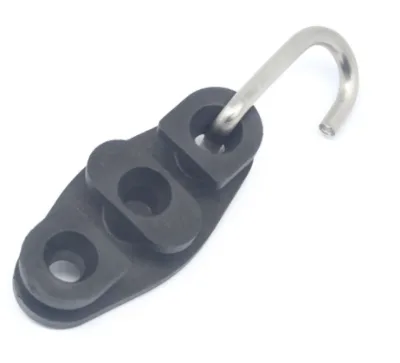
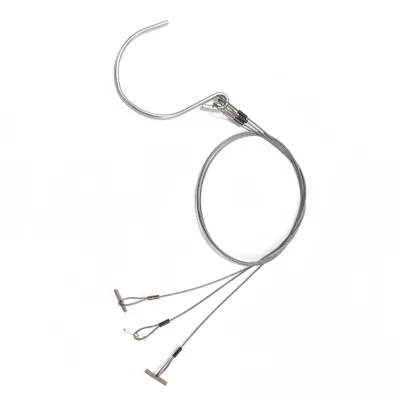
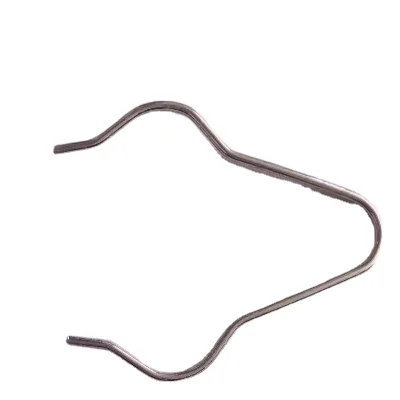
Adjustable Hook Cable Grippers - Ideal for Lighting Cable Suspension Systems
$0.40 - $0.60
MOQ: 500 Pieces


Adjustable Hook Design Lighting Cable Suspension Grippers for Secure Hanging
$0.40 - $0.60
MOQ: 500 Pieces




Comprehensive Sourcing Guide
Adjustable Lamp Suspension Wire Sourcing Guide
Procuring Adjustable Lamp Suspension Wire requires a nuanced understanding of both mechanical integrity and aesthetic integration. Buyers must recognize that these components serve as critical load-bearing elements in lighting installations, where failure is not an option. The market offers a variety of solutions, ranging from simple single hooks to complex cable grippers, each designed for specific suspension needs. Understanding the distinction between standard household fixtures and specialized automotive or industrial wiring harnesses is the first step in defining your procurement strategy.
This guide focuses on the technical and commercial realities of sourcing these components, particularly those originating from manufacturing hubs like Dongguan, China. We will examine the observed product signals, verify technical specifications, and assess compliance requirements. By adhering to the evidence-based facts provided, buyers can navigate the complexities of OEM customization, material selection, and quality control without relying on unverified marketing claims. This approach ensures that the final selection aligns with both functional requirements and long-term reliability goals.
Product Scope and Observed Listing Signals
The current market landscape for adjustable lamp suspension components reveals a diverse range of product types, including single hooks, cable suspension grippers, and lighting cable suspension kits. Observed listings indicate that these items are often categorized under household usage, yet the technical specifications suggest broader industrial applications, such as automotive wiring harnesses. Buyers should note that the term "adjustable" often refers to the mechanical adaptability of the gripper or hook mechanism rather than just the wire length, allowing for precise positioning of lighting fixtures.
Material composition is a primary differentiator in these listings, with brass and copper being frequently cited options. The presence of CNC machining and turning methods in production modes highlights the precision engineering involved in creating these small but critical components. Listings also show a variety of model numbers, such as PT-GSX-008-02 and YX-100001-0240, which often correspond to specific dimensional standards or custom processing requirements. This variety underscores the importance of matching the exact model code to your design specifications to ensure compatibility.
Technical Specifications to Verify
Dimensional accuracy is paramount when sourcing suspension components, as even minor deviations can affect the stability of the installed lighting. Buyers must verify specific dimensions, such as the 9x26mm and 16x17mm configurations observed in several models, along with thread sizes like M4 and M6. The tolerance levels are critical, with some specifications indicating tight tolerances of +/-0.01mm to +/-0.05mm. These precise measurements ensure that the suspension wire fits securely into mounting points and handles the intended load without slippage or structural failure.
The manufacturing method, primarily CNC machining and turning, directly influences the surface finish and mechanical strength of the components. Buyers should confirm whether the parts are produced as new condition items and whether they undergo 100% inspection before packaging. Additionally, the customization options available, such as custom processing and tailored dimensions, allow for unique design requirements. It is essential to communicate these specific technical needs clearly to the supplier to avoid receiving generic parts that do not meet the exact engineering constraints of your project.
Compliance and Safety Documentation
Safety certifications are a non-negotiable aspect of sourcing electrical and structural components, even for lighting suspensions. Some observed listings mention certifications such as CCC, ISO, RoHS, and VDE, which indicate adherence to specific regional and international safety standards. Buyers must verify the validity and scope of these certifications, ensuring they apply to the specific materials and manufacturing processes used. For instance, RoHS compliance is crucial if the components contain metals that may come into contact with regulated substances, while VDE certification is relevant for electrical safety in certain markets.
Documentation should also cover the material composition and its suitability for the intended environment. Brass and copper components must be verified for corrosion resistance and durability, especially if used in humid or outdoor settings. Buyers should request material test reports or certificates of analysis to confirm that the metals meet the specified standards. This due diligence helps mitigate risks associated with material failure and ensures that the suspension system remains safe and reliable over its operational lifespan, protecting both the installation and the end-users.
Cost Drivers and Commercial Terms
The cost of Adjustable Lamp Suspension Wire is influenced by several factors, including material type, customization level, and order volume. Observed price ranges vary significantly, reflecting the differences between standard off-the-shelf items and custom-processed components. Buyers should consider the trade-off between unit price and minimum order quantity (MOQ), which can range from 1 to 10,000 units. Higher customization, such as specific dimensional adjustments or unique packaging requirements, typically increases the unit cost but may reduce overall assembly expenses by providing a perfect fit.
Commercial terms also play a significant role in the total cost of ownership. Delivery times are often cited as 10-15 days after a 30% payment, with shipping options available by sea, air, or express. Buyers must factor in these lead times and shipping costs when planning their inventory and production schedules. Additionally, packaging methods, such as cartons, pallets, or specialized protective bags, can affect handling costs and the risk of damage during transit. Understanding these commercial dynamics allows for more accurate budgeting and smoother supply chain management.
Supplier Qualification and Quality Control
Supplier qualification is critical to ensuring consistent quality and reliable delivery of suspension components. Buyers should prioritize suppliers that offer factory-direct sales and emphasize quality control measures, such as 100% inspection of finished goods. The location of the supplier, often in Dongguan, Guangdong, indicates access to a robust manufacturing ecosystem, but it is essential to verify the supplier's production capabilities and quality management systems. OEM and customization capabilities suggest that the supplier can adapt to specific design requirements, but this must be backed by a proven track record of precision manufacturing.
Quality control should extend beyond final inspection to include process validation and material verification. Buyers should inquire about the supplier's procedures for maintaining tolerances and ensuring the integrity of the CNC machining process. Packaging quality is also a key indicator of supplier professionalism, with options ranging from simple cartons to detailed protective packaging like pearl cotton and bubble bags. Establishing a clear quality agreement with the supplier, including acceptance criteria and defect resolution procedures, helps maintain high standards and minimizes the risk of receiving substandard components.
Long-Term Procurement Checks
Long-term procurement success depends on establishing a sustainable relationship with suppliers who can scale with your business needs. Buyers should regularly review supplier performance metrics, including on-time delivery rates, defect rates, and responsiveness to customization requests. The ability of the supplier to maintain consistent quality over time is crucial, especially for high-volume orders or projects with strict timeline requirements. Regular audits or sample testing can help verify that the supplier's processes remain stable and compliant with agreed-upon standards.
Additionally, buyers should stay informed about changes in material availability and regulatory requirements that may impact the sourcing of suspension components. As technology and design trends evolve, the demand for more sophisticated or aesthetically pleasing suspension solutions may increase. Maintaining open communication with suppliers about future needs and potential design changes ensures that they can prepare for upcoming requirements. This proactive approach helps mitigate supply chain risks and ensures that your lighting installations remain supported by reliable, high-quality components.
FAQs
Can I customize the specifications for Adjustable Lamp Suspension Wire?
Yes, customization is available for these products. The standard processing allows for specific dimensions like 9x26mm or 16x17mm plus M4 or M6 fittings. You can also request custom processing to meet unique project requirements while maintaining quality standards.
What is the delivery time for factory direct Adjustable Lamp Suspension Wire?
The delivery time is typically 10 to 15 days after receiving a 30% payment. Products are shipped via sea, air, or express freight depending on your needs. This timeline applies to new condition items sourced directly from the Dongguan factory.
Which certifications are available for Adjustable Lamp Suspension Wire products?
Available certifications include CCC, ISO, RoHS, and VDE. These ensure the products meet international safety and quality standards for automotive wiring harnesses and high voltage applications. Verify specific certification documents with the supplier before finalizing your order.
How are Adjustable Lamp Suspension Wire products packed for shipping?
Products are packed in cartons and pallets or trays with carton boxes. Some items use pearl cotton and bubble bags for extra protection. Shipping options include air or sea freight to ensure safe delivery to your location.
What materials are used to manufacture Adjustable Lamp Suspension Wire?
Brass and copper are the primary materials used for these components. The manufacturing process involves CNC machining and turning centers to achieve precise tolerances. This ensures durability and reliability for household and automotive wiring harness applications.
Can I find Adjustable Lamp Suspension Wire with specific tolerances?
Yes, important tolerances range from plus or minus 0.01mm to plus or minus 0.05mm. These precise measurements are achieved through advanced machining methods. Such accuracy is critical for ensuring proper fit and function in suspension kits.
What is the minimum order quantity for Adjustable Lamp Suspension Wire?
The minimum order quantity ranges from 1 to 10,000 units depending on the specific model. This flexibility allows buyers to order small batches for testing or large volumes for production. Contact the factory directly to confirm the MOQ for your selected model.
Where are Adjustable Lamp Suspension Wire products manufactured?
These products originate from Dongguan, Guangdong, China. The factory offers direct sourcing with a focus on quality inspection. All items undergo 100% inspection before being packed and shipped to international buyers via various freight methods.