Source Adjustable Leather Car Seat Massager for Office, Home, and Travel
Find 30 listings for the Adjustable Leather Car Seat Massager featuring mechanical controls and heating options. Buyers can compare models like CV-440 and CP-950A for specific fitment and massage functions.
Key considerations
Products List


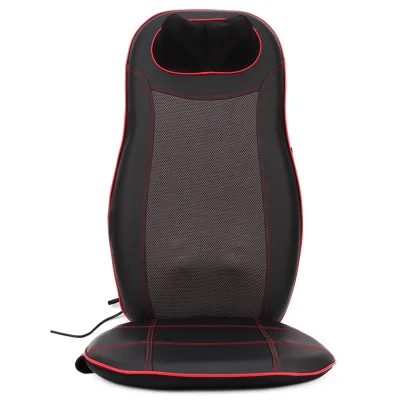
Wood Car Seat Massage Chairs Seat Cushion Four Seasons Car Seat Cushion
$4.40 - $4.52
MOQ: 1200 Pieces

Wood Car Seat Massage Chairs Seat Cushion Four Seasons Car Seat Cushion
$4.40 - $4.52
MOQ: 1200 Pieces

Car Seat Massage Linen Embossed Chairs Seat Cushion Four Seasons Car Seat Cushion
$4.45 - $4.54
MOQ: 1200 Pieces




Comprehensive Sourcing Guide
Strategic Sourcing Guide for Adjustable Leather Car Seat Massagers
Navigating the global market for adjustable leather car seat massagers requires a disciplined approach that distinguishes between generic automotive accessories and specialized therapeutic equipment. Buyers in the B2B sector must prioritize product attributes that align with specific vehicle fitments and user comfort requirements. The current landscape features a diverse array of offerings, ranging from simple mechanical tools to complex electronic systems with multi-motor configurations. This guide outlines the critical factors for sourcing these products, focusing on verified specifications, compliance standards, and operational realities derived from current market data.
Technical Specifications and Functional Attributes
The core functionality of an Adjustable Leather Car Seat Massager is defined by its power source, control mechanism, and physical design. Market observations indicate a split between mechanical and electronic control methods. Products utilizing mechanical control often rely on manual adjustments, whereas advanced units employ micro-control systems to manage intensity and movement. A critical technical distinction lies in the power source; while some units are designed for direct vehicle integration, others operate via AC power supply, requiring specific adapters for automotive use.
The physical configuration of these massagers varies significantly. Common shapes include rectangular forms, with specific dimensions such as 78.52745 cm or 6614.344 cm observed in standard listings. The internal mechanics often feature multiple massage heads, with some models boasting 180-degree tilt adjustments for neck support. The "Car Fitment" designation is a recurring specification, indicating that these products are engineered to adapt to various vehicle seat geometries rather than being universal. Furthermore, the material composition often involves leather or leather-like synthetics, with some units described as "handmade" to ensure durability and aesthetic appeal. Buyers must verify if the product includes specific features like heated functions or multi-motor setups, as these significantly impact the complexity of the supply chain.
Compliance and Certification Verification
Ensuring that imported massagers meet safety and environmental standards is paramount for B2B procurement. The supply chain data highlights the presence of CE and RoHS certifications as key compliance markers. These certifications suggest that the products adhere to specific European safety and environmental directives regarding electrical safety and the restriction of hazardous substances. However, buyers must treat these as observed attributes of specific listings rather than universal guarantees for all products in the category.
Beyond the listed certifications, the automotive industry often expects adherence to broader quality management systems. While ISO 16949 is a recognized standard for automotive quality management, its presence in the general market data is noted as a background fact rather than a confirmed attribute for every unit. Consequently, procurement teams should request explicit documentation from suppliers to confirm whether a specific batch of massagers meets ISO 16949 requirements or equivalent regional standards. The absence of a specific brand name on some products, often labeled as "No" or "Customize," implies that the compliance burden falls heavily on the buyer to verify that the private-label product meets the necessary regulatory thresholds for the target market.
Cost Drivers and Pricing Dynamics
The pricing structure for adjustable leather car seat massagers is highly variable, reflecting differences in complexity, materials, and customization levels. Market data reveals a price range spanning from $1.37 to $60,000 USD. This vast disparity is not indicative of a single product line but rather a spectrum of goods ranging from basic components to fully integrated, high-end therapeutic systems. The lower end of the spectrum likely corresponds to simple cushions or basic tools, while the upper end may involve complex, multi-motor systems with advanced heating and massage technologies.
Several factors drive these costs. The number of motors is a primary cost driver; models described as "3 Motor Massage Heated Seat Cushion" command higher prices than single-motor variants. Additionally, the inclusion of features such as AC power supply, micro-control interfaces, and specialized leather finishes adds to the manufacturing cost. Customization is another significant variable. The availability of OEM support and the ability to customize branding or specific dimensions can increase the unit cost, particularly when dealing with lower volume orders. Buyers should analyze the total cost of ownership, including shipping and potential tariffs, rather than focusing solely on the unit price, as the wide price range suggests that "cheap" options may lack the necessary durability or safety certifications for professional use.
Typical Applications and Use Cases
The application of adjustable leather car seat massagers extends beyond simple comfort enhancement. The primary use case is car seat modification, where these products are integrated into existing vehicle interiors to provide therapeutic benefits. Specific applications include adult and elderly care, where the emphasis is on pain relief and improved circulation. The "Multi Function" attribute suggests that these units are designed to serve multiple purposes, such as heating, massaging, and posture support, making them suitable for long-distance drivers or individuals with mobility issues.
The seasonal classification of "for Four Seasons" indicates that these products are designed for year-round use, likely incorporating heating elements for colder months and breathable materials for warmer periods. The "Office Heated Foldable Therapeutic Car Seat Cushion" designation points to a dual-use scenario where the product can be utilized in both automotive and office environments. This versatility is a key selling point for B2B buyers targeting corporate fleets or healthcare facilities. However, the "Car Fitment" specification necessitates that buyers verify the compatibility of the massager with the specific vehicle models they intend to equip, as the product is not universally interchangeable without modification.
Supplier Evaluation and Sourcing Parameters
When evaluating potential suppliers, buyers must scrutinize the origin and production capabilities of the manufacturer. The data indicates that the primary place of origin for these products is China, with specific manufacturing hubs identified in Fujian and Ningde. These regions are known for their expertise in textile and automotive accessory production. A critical factor in supplier selection is the Minimum Order Quantity (MOQ). The observed MOQ range spans from 1 piece to 1,500 pieces, offering flexibility for both small-scale testers and large-volume distributors.
Suppliers offering OEM support and customization options are preferable for buyers seeking to build a branded product line. The "Customize" attribute suggests that many manufacturers are willing to adapt product specifications, such as dimensions or branding, to meet buyer requirements. However, the "No" brand name on some listings indicates that many suppliers operate as white-label manufacturers. Buyers should verify the supplier's capacity to handle the required volume, as the standard container quantities (20', 40' Qty.: 210, 462, 546 pieces) provide a benchmark for logistical planning. Additionally, the selling unit is typically a single item, which simplifies inventory management but requires careful aggregation for large orders.
Quality Control and Long-Term Procurement
Maintaining product quality in the massager category requires rigorous inspection protocols. Given the mechanical and electrical nature of the products, quality control must focus on the integrity of the massage heads, the reliability of the control systems, and the durability of the leather or synthetic materials. The "Handmade" attribute suggests that some products rely on artisanal techniques, which can introduce variability in quality. Buyers should implement strict acceptance criteria, including functional tests for the 180-degree tilt adjustments and the performance of the heating elements.
Long-term procurement considerations involve the stability of the supply chain and the availability of spare parts. The "Product Name" variations, such as "Electric seat tool" versus "Leather Car Seat Massage Cushion," highlight the need for clear communication to ensure the correct product is sourced. The "Rectangular Laddwe" shape description, while specific, underscores the importance of verifying dimensional accuracy against the buyer's requirements. Furthermore, the presence of certifications like CE and RoHS should be re-verified with each new production run to ensure continued compliance. Buyers should also consider the lead times associated with customization and the potential for supply chain disruptions, particularly when sourcing from specific regions like Fujian and Ningde.
Comparative Analysis of Product Variants
To assist in decision-making, the following table summarizes key attributes observed across different product listings, highlighting the diversity in the market.
| Attribute | Variant A (Basic Tool) | Variant B (Massage Cushion) | Variant C (Heated Therapeutic) |
|---|---|---|---|
| Product Name | Electric seat tool | Leather Car Seat Massage Cushion | Heated Foldable Therapeutic Cushion |
| Control Method | Mechanical | Micro Control | Micro Control |
| Power Source | Yes (AC implied) | AC | AC |
| Key Features | Modified, Car Fitment | 180 Degree Tilt, Multi Function | Heated, 3 Motor, Foldable |
| Certifications | CE, RoHS | CE, RoHS | CE, RoHS |
| MOQ Range | 1 pcs | 1 pcs | 1 pcs |
| Origin | China | Fujian, Ningde | Fujian, Ningde |
| Packing | PVC Bag + Color Card | PVC Bag | PVC Bag |
This comparison illustrates that while the core function remains consistent, the level of sophistication varies. Variant A focuses on basic modification, Variant B adds therapeutic features like tilt adjustment, and Variant C offers the most comprehensive solution with heating and multiple motors. Buyers should align their procurement strategy with the specific needs of their end-users, ensuring that the selected variant meets both functional and regulatory requirements.
Conclusion
Sourcing adjustable leather car seat massagers requires a balanced approach that weighs technical specifications against compliance and cost factors. The market offers a wide range of options, from simple mechanical tools to advanced therapeutic systems, each with distinct advantages and requirements. By focusing on verified attributes such as power sources, control methods, and certifications, buyers can mitigate risks and ensure the procurement of high-quality products. The flexibility in MOQ and the availability of OEM support provide opportunities for customization, but the wide price range necessitates careful budgeting and supplier evaluation. Ultimately, successful procurement depends on a clear understanding of the product's intended application and the rigorous verification of all technical and regulatory claims.
FAQs
Can I customize the brand name on these massagers?
Yes, customization is available for the brand name. Many listings show options to customize branding, and OEM support is explicitly offered. This allows buyers to create private-label products without relying on existing brand names.
What certifications do these products typically have?
The products typically hold CE and RoHS certifications. These are observed attributes on specific listings indicating compliance with European safety and environmental directives. Buyers should verify these for each batch to ensure regulatory adherence.
How does the power source affect usage?
The power source is often AC, requiring adapters for vehicle use. Some units are designed for direct integration while others need specific power supplies. This distinction impacts installation complexity and where the product can be effectively used.
What is the minimum order quantity for these items?
The minimum order quantity can be as low as one piece. The observed range spans from 1 to 1500 pieces, offering flexibility for small testers and large distributors. This allows buyers to start with minimal risk before scaling orders.
Where are these massagers manufactured?
The primary place of origin is China, specifically Fujian and Ningde. These regions are known for textile and automotive accessory production. Buyers should consider these locations when planning logistics and evaluating supplier capabilities.
Which control methods are available for these units?
Control methods include both mechanical and micro-control systems. Mechanical units rely on manual adjustments, while advanced models use micro-control for intensity management. The choice depends on the desired level of automation and user interface complexity.
What is the price range for these products?
The price range spans from 1.37 to 60,000 USD. This vast disparity reflects differences in complexity, materials, and customization levels. Basic tools cost less, while complex multi-motor systems command higher prices.