Source Aftermarket Motorcycle Fairing for Racing, Daily, and Custom Builds
Source Aftermarket Motorcycle Fairing from 30 verified listings. Compare ABS plastic body covers, windshields, and replacement parts for models like PCX, NMAX, and Yamaha. Evaluate fitment, material quality, and supplier options for your specific bike needs; compare the available evidence and request quotations based on your requirements.
Updated
Key considerations
Products List
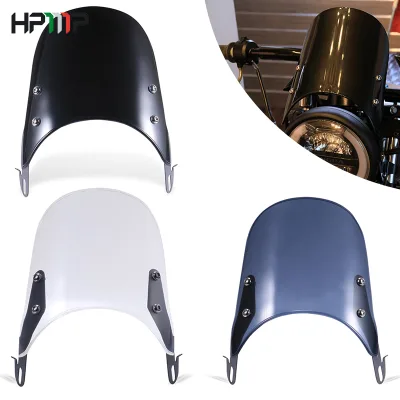


Wholesale Motorcycle Plastic Body Parts Motorcycle Fairing for YAMAHA Nmax
$93.00 - $100.00
MOQ: 10 Sets

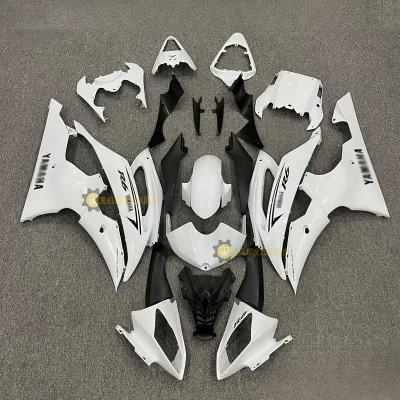
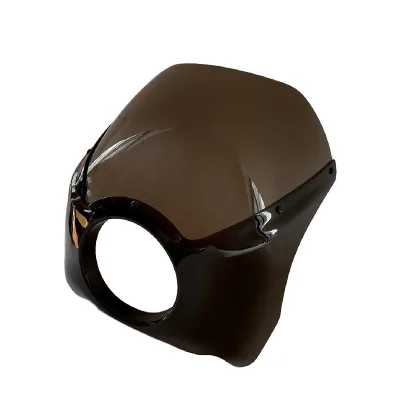
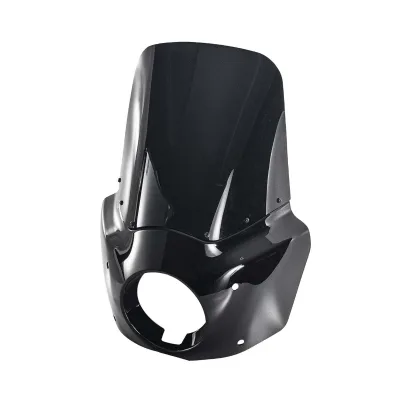
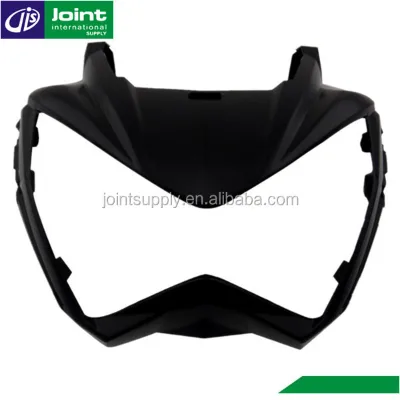
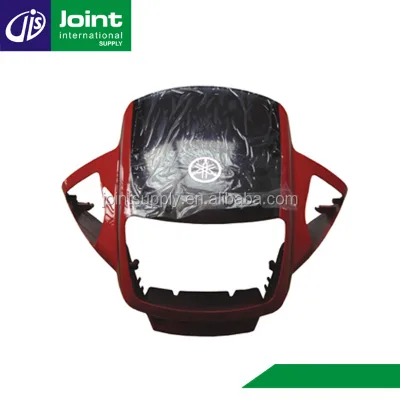
For YBR125 Motorcycle Fairing Carbon Fiber Motorcycle Fairings Motorcycle Headlight Cover
$2.2081 - $6.8696
MOQ: 300 Minimum
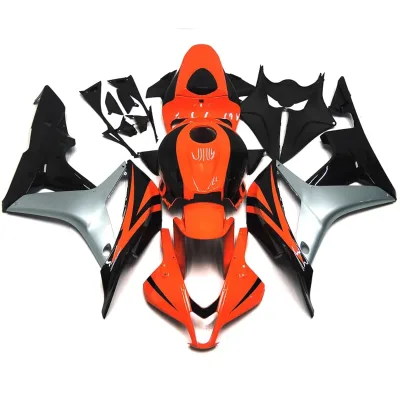
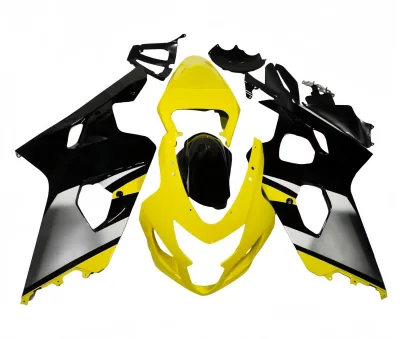
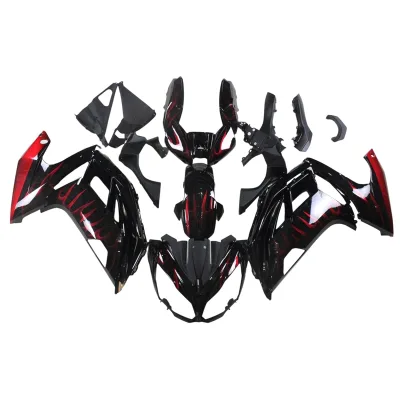
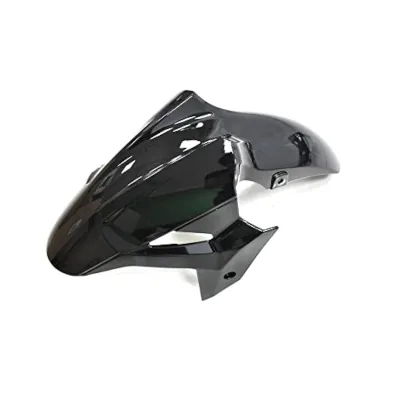
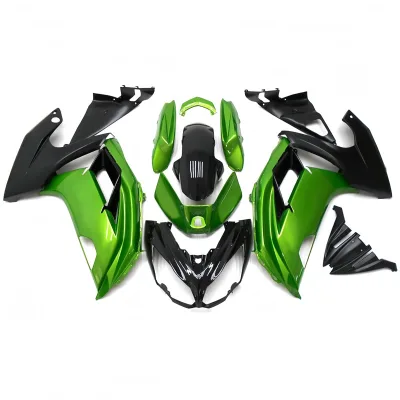


Carbon Fiber Motorcycle Tail Fairing Underside for Kawasaki Z1000 Glossy
$80.00 - $250.00
MOQ: 2 Pieces
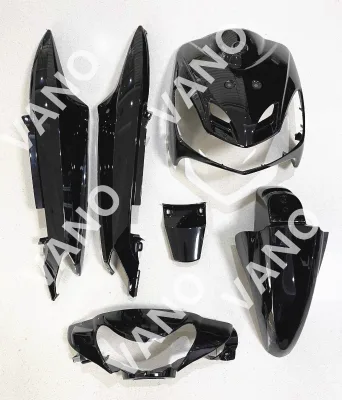

Wholesale Motorcycle Racing Headlight Upper Fairing Lampshade Spare Parts Motorcycle Fairing
$12.63 - $14.11
MOQ: 100 pieces

Hot Selling New Motorcycle Accessories Modified Side Fairings Protector Parts Motorcycle Fairing
$9.47 - $10.59
MOQ: 100 pieces

Wholesale High Quality Motorcycle Fairing Parts Ktm 125 250 300 Motorcycle Fairing
$3.64 - $4.07
MOQ: 250 pieces

Factory Price Motorcycle ABS Side Shield Cover Guard Fairing Protector Motorcycle Fairing
$18.82 - $21.04
MOQ: 50 pieces


Wholesale Carbon Fiber Fender Motobike Spare Parts Plastic Body Parts Motorcycle Fairing
$33.39 - $37.32
MOQ: 50 pieces
Comprehensive Sourcing Guide
Aftermarket Motorcycle Fairing Sourcing Guide
Sourcing aftermarket motorcycle fairings requires a disciplined approach to aligning component aesthetics with structural integrity and fitment precision. Buyers must navigate a market where visual appeal often overshadows material durability, making it essential to distinguish between cosmetic replacements and functional bodywork. The primary objective is to secure parts that restore the original equipment manufacturer (OEM) appearance while withstanding road debris, UV exposure, and thermal cycling. This guide provides a structured framework for evaluating listings, verifying technical specifications, and managing commercial risks associated with plastic body components.
Procurement decisions should be grounded in observable listing signals rather than marketing claims. Current market data indicates a wide price range, reflecting variations in material quality, mold complexity, and brand reputation. Buyers should prioritize suppliers who provide clear fitment data, such as specific model compatibility or universal fitment criteria, to minimize return rates. Understanding the distinction between full fairing kits and individual components like windshields or headlight covers is crucial for accurate budgeting and inventory planning.
Product Scope and Observed Listing Signals
The observed market for aftermarket fairings encompasses a diverse array of components, including full body kits, headlight fairings, and windshields. Listings frequently highlight specific motorcycle models, such as the Honda PCX, Yamaha NMAX, and Suzuki SH series, indicating a strong demand for scooter and commuter bike replacements. Additionally, sportbike components for models like the Yamaha YZF-R6 and generic smoke windshields are prevalent, suggesting a bifurcated market serving both urban commuters and performance enthusiasts. Buyers should note that fitment claims vary, with some products asserting "100% fit" while others require verification against specific year and model variants.
Material composition is a critical differentiator in product listings, with ABS plastic and ABS+PC blends being the most common observations. These materials are selected for their balance of impact resistance, weight, and ease of molding into complex aerodynamic shapes. Color options typically include black, clear, blue, and gloss or matte finishes, allowing for customization and repair matching. Packaging standards also vary, ranging from standard carton boxes to PVC bags, which directly influences shipping costs and protection against transit damage. Buyers must carefully review single package dimensions and gross weight to calculate accurate landed costs.
Technical Specifications to Verify
Verifying technical specifications is paramount to ensuring that purchased fairings integrate seamlessly with the motorcycle’s existing frame and electrical systems. Buyers should confirm the placement and mounting points, particularly for headlight fairings which often serve as the primary interface for lighting and aerodynamic flow. Specifications such as single package size and gross weight provide indirect insights into the part’s volume and material density, helping to assess potential shipping inefficiencies. It is essential to cross-reference model numbers, such as HP-DF001 or FTC-6005, with the motorcycle’s VIN or part catalog to avoid compatibility errors.
Fitment accuracy is another critical technical parameter that requires rigorous verification. Listings may claim universal fitment for round headlights or specific binding for scooter bodies, but these assertions must be validated against physical measurements. Buyers should request detailed dimension drawings or installation guides to ensure that mounting holes align with the chassis. Additionally, the condition of the parts, typically listed as "New," should be confirmed to exclude refurbished or damaged inventory. Understanding the customization options available, such as color matching or logo placement, can also influence the technical feasibility of the procurement.
Compliance and Safety Documentation
Compliance and safety documentation for aftermarket fairings often focus on material safety and manufacturing standards rather than vehicle-level certification. Buyers should inquire about ISO9001 certification, which indicates a quality management system in place, although this does not guarantee product-specific safety. The presence of certifications like "ISO9001:Color:Black" suggests that color consistency and material purity are monitored, but buyers must verify if these standards apply to the specific batch ordered. It is crucial to understand that aftermarket parts may not carry the same regulatory approvals as OEM components, particularly regarding road legality and impact resistance.
Safety considerations extend to the material’s behavior under stress and environmental exposure. ABS and PC blends are generally chosen for their durability, but buyers should assess the supplier’s ability to provide material safety data sheets (MSDSDs) if required by their local regulations. The term "working on it" for certifications highlights the variability in supplier readiness, urging buyers to prioritize those with established compliance records. Additionally, the warranty terms, often listed as "1" year, provide a baseline for post-purchase support, but buyers should clarify the scope of coverage for defects in material or workmanship.
Cost Drivers and Commercial Terms
Cost drivers for aftermarket fairings are influenced by material costs, mold complexity, and order volume. The observed price range of $2.03 to $400 USD reflects the disparity between simple components like windshields and complex full-body kits. Buyers should analyze the minimum order quantity (MOQ) requirements, which range from 1 to 300 units, to determine the most cost-effective purchasing strategy. Higher MOQs often yield better unit prices but increase inventory holding costs and risk, particularly for models with lower turnover rates. Shipping methods, such as sea freight, also impact the total landed cost, especially for bulky items like full fairing sets.
Commercial terms must be negotiated with clarity to avoid hidden costs. Buyers should confirm whether prices include packaging, labeling, and any customization fees. The "Standard Packing" or "Carton" options should be evaluated for their protective capabilities to minimize damage-related losses. Additionally, lead times and production schedules should be aligned with inventory needs to prevent stockouts or overstock situations. Understanding the payment terms and return policies for defective items is essential for mitigating financial risk, particularly when sourcing from international suppliers with varying quality control standards.
Supplier Qualification and Quality Control
Supplier qualification begins with verifying the place of origin and manufacturing capabilities. Guangdong and Jiangsu in China are noted as common production hubs, indicating a concentration of specialized plastic molding expertise. Buyers should assess the supplier’s production capacity and consistency, particularly for high-volume orders. The availability of customization services suggests flexibility, but buyers must ensure that the supplier has the technical infrastructure to maintain quality across different color and material specifications. Requesting samples before bulk ordering is a critical step to evaluate fitment, finish, and material integrity.
Quality control processes should be explicitly defined in the procurement agreement. Buyers should inquire about inspection protocols, including visual checks for surface defects and dimensional verification for fitment accuracy. The "Genuine" quality claim requires substantiation through consistent product performance and adherence to specified tolerances. Establishing a clear communication channel for addressing defects or discrepancies is essential for maintaining supply chain reliability. Additionally, suppliers with a history of positive feedback and repeat business are often more reliable partners for long-term procurement needs.
Long-Term Procurement Checks
Long-term procurement success depends on continuous monitoring of supplier performance and market trends. Buyers should regularly review product listings for updates in model compatibility, material innovations, and pricing shifts. The dynamic nature of motorcycle models necessitates periodic reassessment of inventory to ensure alignment with current demand. Tracking supplier responsiveness and issue resolution times can provide valuable insights into their reliability as a long-term partner. Maintaining a diverse supplier base can mitigate risks associated with single-source dependencies and supply chain disruptions.
Strategic relationship management is key to securing favorable terms and priority service. Buyers should engage in regular performance reviews, assessing factors such as on-time delivery, product quality, and customer support. Building a collaborative partnership with suppliers can lead to early access to new products and exclusive customization options. Additionally, staying informed about regulatory changes and safety standards in key markets ensures that procurement strategies remain compliant and competitive. By adopting a proactive approach to supplier management, buyers can optimize their aftermarket fairing sourcing operations for sustained efficiency and profitability.
FAQs
What materials are used for Aftermarket Motorcycle Fairing?
Aftermarket motorcycle fairings are primarily constructed from ABS plastic or a combination of ABS and PC materials. These durable polymers ensure the body covers maintain structural integrity while resisting impact. The specific material choice depends on the model, such as the HP-DF001 or PCX-KWN variants, providing reliable protection for the motorcycle's front end.
Which motorcycle models fit these aftermarket fairings?
These fairings are designed to fit most bikes equipped with 7-inch round headlights, measuring between 16.5 and 18 cm. Specific models include PCX125/150, NMAX, YAMAHA-NAMX, SH 125/150, and YZF R6. The fitment is generally described as original binding or 100% fit for compatible units, ensuring seamless integration with the existing motorcycle frame.
Can I customize the color of the fairing?
Yes, customization is available for these aftermarket motorcycle fairings. Standard color options include black, blue, clear, gloss black, and matte black. Some models offer smoke windshield variations like light smoke or dark smoke. Buyers can select specific shell colors to match their aesthetic preferences or replace damaged parts with the desired finish.
What certifications do these fairings have?
Certification status varies by product listing. Some items are associated with ISO9001 standards, while others indicate certification is currently being processed. Buyers should verify specific documentation for their chosen model, as not all listings explicitly confirm active certification status. The quality is generally described as genuine or new condition, ensuring reliable performance for repair or replacement purposes.
Where are these fairings manufactured?
These aftermarket motorcycle fairings are manufactured in China, with specific origins noted in Guangdong and Jiangsu provinces. The products are shipped via sea freight and packed in standard cartons or PVC bags. Each item is sold as a single unit with a warranty of one year, ensuring quality control from the production facility to the final delivery.
What is the packaging for these fairings?
Packaging typically includes standard cartons, PVC bags, or individual boxes depending on the specific model. For instance, some items use box packing while others utilize PVC bags for protection. The single package size is approximately 26x23x7 cm, with a gross weight of 0.4 kg. This ensures safe transit and minimal damage during shipping to international buyers.