Find Taiwan Motorcycle Engine Parts for Street Bikes, Scooters, and Repair Shops
SourcingX lists 30 Taiwan Motorcycle Engine Parts for buyers to compare side by side. Review specifications, model references such as YAMAHA250 and GS125, materials, packaging options, and MOQ ranges, then connect with suppliers offering customization and OEM packaging from China.
Updated
Key considerations
Products List


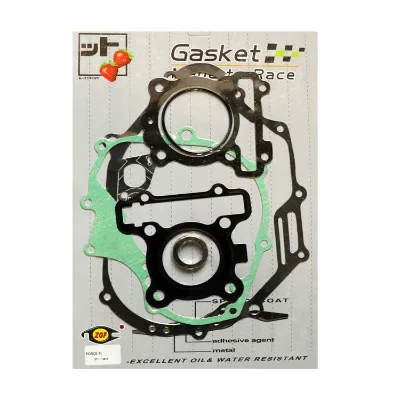
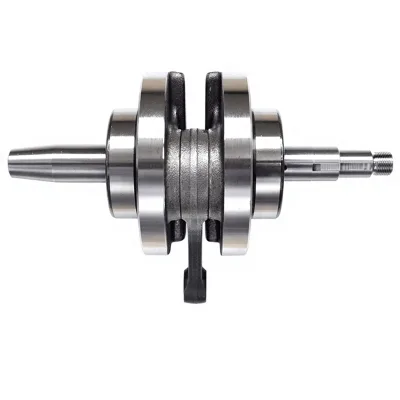

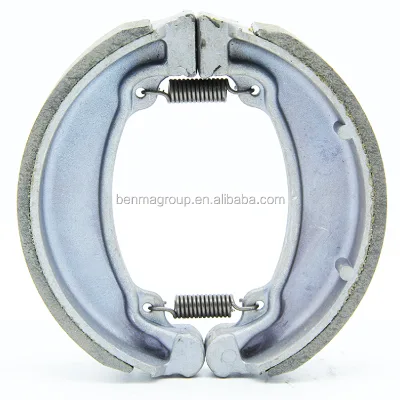
$15.00 - $20.00
MOQ: 100 Pieces
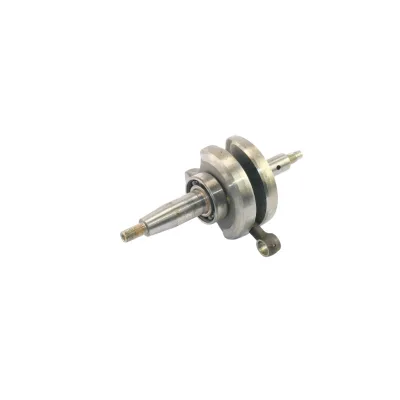


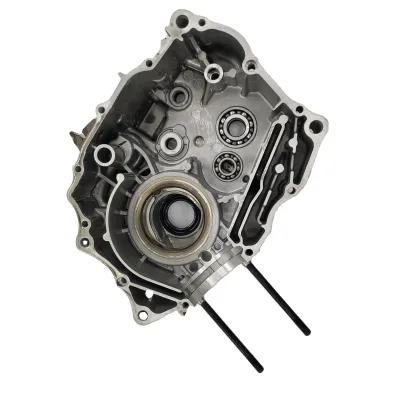
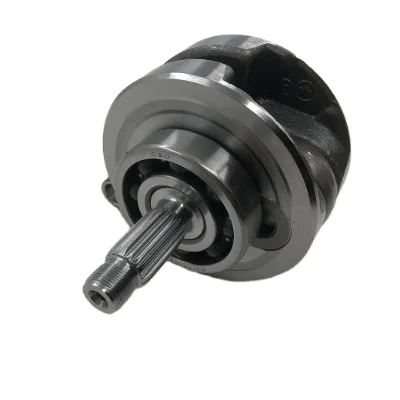
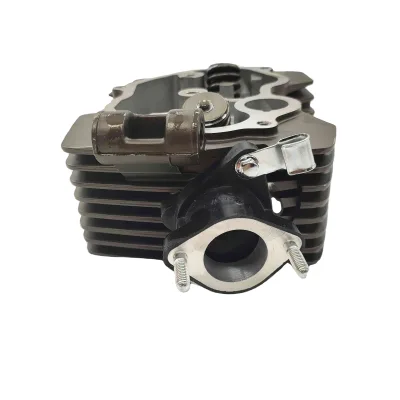

Comprehensive Sourcing Guide
Taiwan Motorcycle Engine Parts Sourcing Guide
Taiwan Motorcycle Engine Parts occupy a distinctive position in the global aftermarket: buyers associate the region with precision machining and stable quality, yet the actual supply base spans Taiwan proper and mainland Chinese manufacturing hubs such as Chongqing and Hebei. This guide helps procurement teams evaluate listings for engine components — including complete engines, pistons, valves, gasket sets, cylinder assemblies, and related hardware — with a disciplined evidence-first approach. Because many listings blend regional branding with mainland production, your verification checklist matters more than the label on the storefront.
A useful starting point is separating what a listing claims from what it documents. Observed product pages in this category commonly advertise customization options, OEM or neutral packaging, and quality language such as "High Quality" or "High Quality Performance." None of these phrases substitute for drawings, material certificates, or test reports. Treat every listing attribute as an observation to confirm during sampling, and structure your sourcing process around documented specifications, verified compliance, and staged commercial commitments rather than marketing copy.
Product Scope and Observed Listing Signals
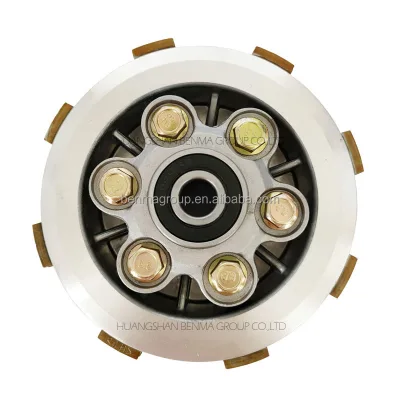
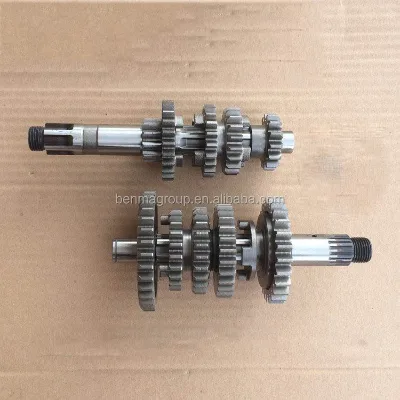
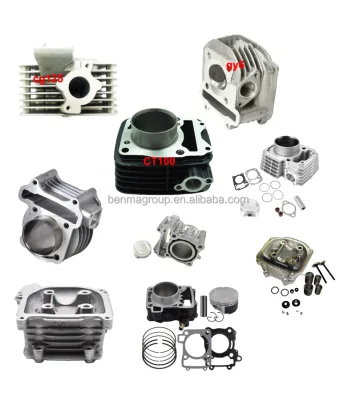
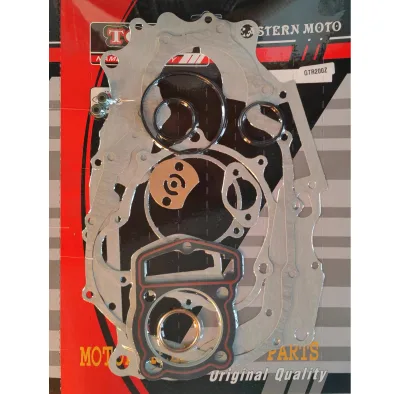
Listings under this keyword typically cover complete motorcycle engines and individual engine parts. Observed product pages reference models such as YAMAHA250, GS125, KCW, and 172MN, along with "various models" offerings where suppliers match parts to customer specifications. Product types include four-stroke, single-cylinder, air-cooled engines with electric and kick start options, plus component categories like pistons, intake and exhaust valves, and gaskets made from paper and rubber materials. Fitment is consistently described as motorcycle applications, with Southeast Asia cited as a main market.
Pricing signals in the observed listings range roughly from USD 0.50 to USD 51.41 per unit, reflecting the mix of small components and larger assemblies. Minimum order quantities span from 1 to 500 pieces, and one listing explicitly states an MOQ of 300 pieces. Packaging descriptions vary between paper cartons, neutral blister packs or bags, and branded (LPI) or OEM packaging. Supply ability figures — such as 500 sets per day on one listing — should be treated as unverified capacity claims until confirmed through references or an audit.
Technical Specifications to Verify
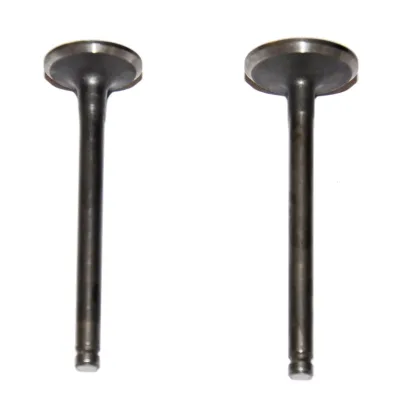
Begin with the engine architecture itself, since observed listings specify four-stroke operation, air cooling, a single cylinder, and dual starting (electric/kick). Confirm that these attributes match your vehicle platform, and request displacement, bore and stroke, compression ratio, and mounting dimensions in written form. For component-level parts, material callouts deserve close scrutiny: one listing specifies alloy construction, intake valves in 40Cr10Si2Mo, and exhaust valves in 53Cr21Mn9Ni4N. Ask suppliers to confirm heat treatment, hardness, and coating specifications for wear-critical components.
Model matching is the second verification layer. Where a listing cites YAMAHA250, GS125, KCW, or 172MN, request a fitment cross-reference showing which vehicle or engine variants the part actually serves, and confirm that "various models" offers are built to the customer's specification rather than generic approximations. For gaskets, verify material composition (paper and rubber in observed listings), thickness tolerances, and sealing performance requirements. Always align the supplier's stated standard — one listing references "as your request," another "LPI," another simply "Standard" — with your own drawing requirements before ordering samples.
Compliance and Safety Documentation
Certification claims in observed listings include CCC, ISO9001, and CE on one product, and ISO9001:2000 on another. Verify each claim by requesting the actual certificate documents, checking the certificate number against the issuing body's registry, and confirming that the certified scope covers the specific product category you are buying — a quality-management certificate does not automatically validate product-level compliance for engine components. Ask when certificates expire and whether they are held by the manufacturer or a trading intermediary.
Beyond certificates, request material test reports for critical components, dimensional inspection records against agreed drawings, and any engine performance or durability test documentation the factory can produce. For destination markets in Southeast Asia and elsewhere, confirm which import regulations, emissions-related requirements, or conformity assessments apply to engine parts in your jurisdiction before shipping. Record-keeping matters: build a documentation file per part number containing certificates, material reports, and inspection records so you can demonstrate product safety provenance if a downstream customer or regulator requests it.
Cost Drivers and Commercial Terms
Price in this category is driven by part complexity, material grade, and order volume. Observed listings range from roughly USD 0.50 for small components to USD 51.41 for larger assemblies, with MOQs between 1 and 500 pieces — one supplier explicitly quoting 300 pieces. Treat list prices as negotiation openings rather than firm quotes; ask for tiered pricing at multiple volume levels and clarify what is included, such as packaging type (neutral, branded, or OEM), labeling, and carton specifications. Customization availability, confirmed on observed pages, may carry tooling or setup costs worth itemizing.
Lead time and logistics terms shape total landed cost. Observed pages state a 30-day delivery window and dispatch through ports including Tianjin or customer-specified ports. Confirm Incoterms, payment terms, and who bears freight and insurance risk at each stage. Compare total cost across suppliers using a consistent template: unit price, packaging, inland freight to port, ocean freight to your destination, duties, and inspection costs. For high-volume programs, one listing's 500-sets-per-day supply ability suggests scale is available, but capacity claims should be validated before you commit delivery dates to your own customers.
Supplier Qualification and Quality Control
Qualify suppliers through a structured review rather than storefront signals. Request company registration documents, factory photos or a video walkthrough, and — for significant volumes — an on-site or third-party audit covering machining capability, heat treatment processes, assembly lines, and in-process inspection. Observed origin data points to Chongqing and Hebei, China as production locations for some listings; confirm where your goods will actually be made, since production location affects logistics, audit cost, and possibly your market's labeling expectations.
Quality control should be contractually anchored. Agree on an inspection standard, sampling plan (for example, AQL-based acceptance), and critical-to-quality characteristics per part: dimensions, surface finish, hardness, and sealing performance for gaskets. Use pre-shipment inspection for initial orders, then transition to skip-lot inspection as performance stabilizes. Build a corrective-action process with defined response times, and require the supplier to notify you of process or material changes. One observed listing offers a one-year warranty — capture warranty scope, claim procedures, and remedies in writing rather than relying on a listing-level statement.
Long-Term Procurement Checks
Sustained sourcing success depends on monitoring, not just initial qualification. Track per-supplier metrics across order cycles: on-time delivery against the stated 30-day benchmark, defect rates from incoming inspection, documentation completeness, and responsiveness to engineering queries. Review these metrics quarterly with key suppliers and use the data to decide which relationships deserve volume consolidation and which need dual sourcing. Keep an approved backup source for every critical part number so a single factory disruption does not halt your aftermarket program.
Plan for product continuity as well. Motorcycle platforms evolve, and "various models" suppliers should demonstrate they can follow drawing revisions, maintain tooling, and support you with consistent material batches over years. Reconfirm certifications before they lapse, refresh material certificates with each production batch, and periodically re-audit factories even when performance is stable — quality drift in machining or heat treatment often appears gradually. Finally, revisit commercial terms annually: packaging arrangements (paper carton, neutral bag, or OEM branding), freight costs, and payment terms all shift with market conditions, and proactive renegotiation protects margin better than accepting rollover terms by default.
FAQs
How long does delivery take for Taiwan Motorcycle Engine Parts orders?
Listed delivery time is 30 days after order confirmation. Actual timelines can vary depending on order quantity, customization requirements, and shipping arrangements. Some suppliers offer production capacity of 500 sets per day, which may support faster turnaround for standard items. Confirm the exact schedule with each supplier before placing your order, especially for customized specifications or OEM packaging requirements.
What certifications do listed Taiwan Motorcycle Engine Parts suppliers hold?
Listed products reference certifications including CCC, ISO9001, and CE, with some listings citing ISO9001:2000 quality management systems. Certification coverage varies by product and supplier, so verify current certificates directly with each supplier before committing. Request the specific certificate numbers and scope applicable to the engine parts you intend to source to confirm compliance with your market requirements.
Can I order Taiwan Motorcycle Engine Parts with custom branding and packaging?
Yes, customization is listed as available, with LPI brand or OEM packaging offered and paper box carton packing. Suppliers can typically apply your brand, adjust packaging materials, and modify product specifications to match your requirements. Provide your branding artwork and packaging preferences during quotation, and note that custom orders may require higher minimum order quantities or extended lead times.
What is the typical minimum order quantity for these engine parts?
Observed MOQ values range from 1 to 500 pieces, with a commonly listed MOQ of 300 pieces. The exact MOQ depends on the specific part, model, and supplier policy, and trial orders at lower quantities may be negotiable. Always confirm the MOQ for your target model before requesting a formal quotation, since customized items usually carry stricter minimums.
Which engine types are covered by the listed motorcycle engine parts?
Listed parts support four stroke, air cooled, single cylinder internal combustion engines with electric or kick starting. Referenced model specifications include YAMAHA250, GS125, KCW, and 172MN, and some listings cover various models per customer specification. Share your engine model and part numbers with suppliers to confirm fitment before ordering, as availability differs across each listing.
What materials are used in the listed engine valves and components?
Listed specifications identify intake valves made from 40cr10si2mo and exhaust valves made from 53cr21mn9ni4n, with some alloy components also referenced. These material grades are typical for withstanding the different thermal loads of intake and exhaust positions. Request material certificates or composition documentation from suppliers when material traceability matters for your application or local compliance requirements.
Do Taiwan Motorcycle Engine Parts come with any warranty?
A 1 year warranty is listed on relevant product pages, though warranty terms can differ by supplier, product category, and destination market. Confirm in writing what the warranty covers, such as manufacturing defects versus wear items, and how claims are handled. Keep purchase documentation and inspection records to support any warranty claims during the coverage period.
Can I visit or verify suppliers before ordering engine parts?
Many Chinese suppliers, including those in Chongqing and Hebei, welcome factory visits or third party inspections before order confirmation. Arrange verification through an inspection agency or direct visit to review production lines, quality processes, and ISO9001 documentation. For smaller purchases, request product samples first to evaluate quality and fitment before committing to a full production order.