Source Airtight Glass Coffee Canister for Kitchen, Home, and Presents
Compare 30 Airtight Glass Coffee Canister options from verified Chinese manufacturers. These multifunctional containers feature tempered or melt glass with various lid materials, offering freshness preservation for daily use in kitchens and as gifts; compare the available evidence and request quotations based on your requirements.
Key considerations
Products List
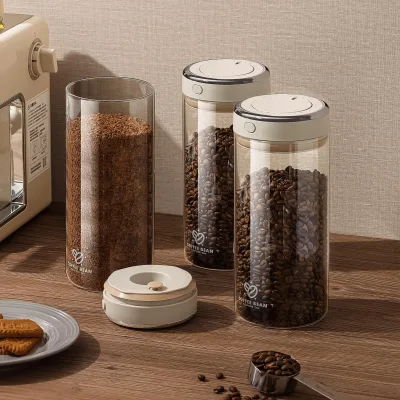


Glass Coffee Jar 200ml 400ml 800ml 900ml Airtight Coffee Storage Canister Clear
$0.20 - $0.26
MOQ: 3000 Pieces

Glass Coffee Sealed Storage Jar Coffee Bean Cans Household Milk Powder Tea
$0.20 - $0.39
MOQ: 500 Pieces


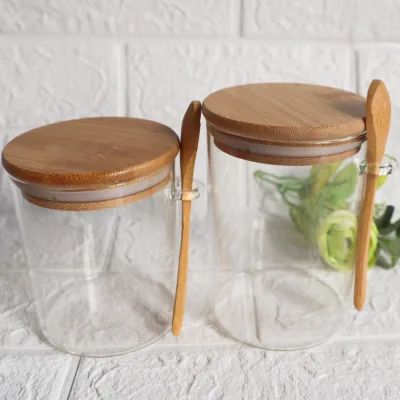
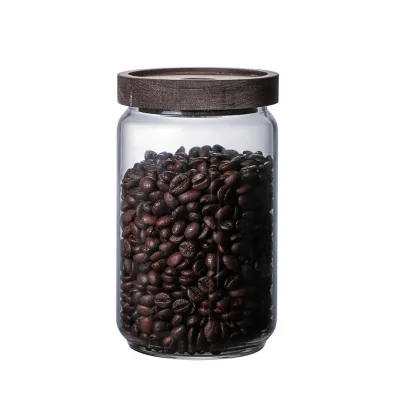


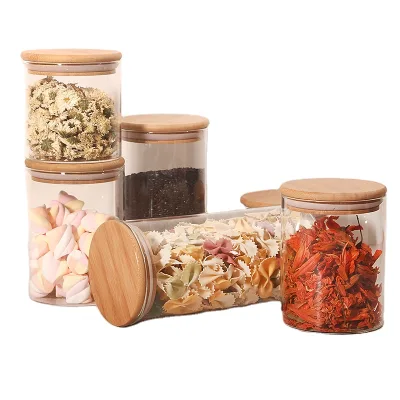
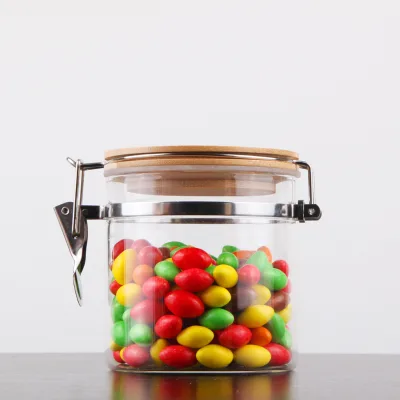

Vacuum Airtight Coffee Bean Container Jar Food Coffee Kitchen Storage Canister
$0.21 - $0.42
MOQ: 10000 Pieces


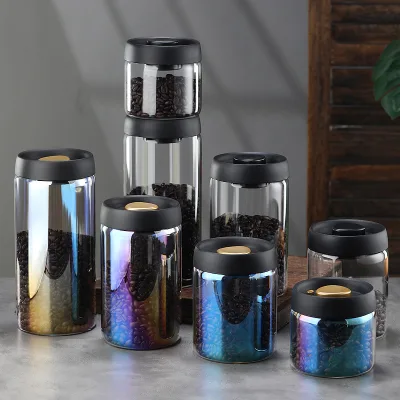


Comprehensive Sourcing Guide
Airtight Glass Coffee Canister Sourcing Guide
Procuring airtight glass coffee canisters requires a disciplined approach to verifying material integrity and functional performance. Buyers must prioritize suppliers who can demonstrate consistent manufacturing capabilities for tempered or melt glass, ensuring the vessels withstand daily handling without cracking. The primary objective is to secure products that maintain freshness preservation for coffee, tea, or sugar, which are common applications for these square or round containers.
Focus on the specific design features that define the product's utility, such as the lid material and sealing mechanism. Listings indicate options for glass, plastic, stainless steel, or resin lids, each offering different aesthetic and functional benefits. Verify that the "airtight" claim is supported by a reliable sealing technology, such as a rotary design or specific gasket integration, to prevent moisture ingress. This ensures the canister serves its intended purpose in kitchen or home settings effectively.
Product Scope and Observed Listing Signals
The observed market data reveals a diverse range of product configurations, primarily categorized by shape and capacity. Square-shaped canisters are frequently listed for kitchen use, with capacities spanning from 800ml to 2000ml, while round options often target larger volumes up to 4700ml. These variations allow buyers to tailor their inventory to specific retail needs, whether for individual household use or bulk commercial applications. Understanding these scope distinctions helps in aligning product selection with target market preferences.
Listing signals also highlight specific branding and customization opportunities, such as the "HC" brand and available customization services. Features like "Multifunction" and "Eco-Friendly" characteristics are prominent, suggesting a market trend toward sustainable and versatile storage solutions. Buyers should note that packaging options vary between bulk packs and color box packs, which directly impacts presentation and logistics. Recognizing these signals aids in negotiating terms that reflect the specific value proposition of the selected canister model.
Technical Specifications to Verify
Technical verification must begin with the glass type, as listings specify both tempered and melt glass options. Tempered glass offers enhanced durability and safety, making it suitable for high-traffic environments, while melt glass may offer different aesthetic qualities. Buyers should request detailed specifications on the glass thickness and manufacturing process to ensure the product meets durability standards. This step is critical for preventing breakage during shipping and daily use, which can lead to significant waste and customer dissatisfaction.
Lid material and sealing mechanism are equally critical technical aspects to scrutinize. Options include glass, plastic, stainless steel, and resin lids, each with distinct thermal and chemical properties. Verify the compatibility of the lid material with the glass body and the specific sealing technology used, such as rotary designs or leakproof features. Ensuring these components work in harmony guarantees the airtight performance required for preserving the freshness of coffee, tea, or other dry goods stored within the canister.
Compliance and Safety Documentation
Compliance documentation is a non-negotiable aspect of sourcing food-grade glass containers. Suppliers should provide evidence of adherence to recognized safety standards, with SGS, FDA, and ISO9001 certifications frequently cited in product listings. These certifications verify that the materials used are safe for food contact and that the manufacturing process meets international quality benchmarks. Buyers must insist on current, valid certificates to mitigate legal risks and ensure product safety for end consumers.
Beyond general certifications, specific test reports for the airtightness and durability of the canisters should be requested. While the listings mention "Leakproof" as a feature, buyers need independent verification through standardized testing protocols. This includes checking for any potential chemical leaching from the lid materials, particularly if plastic or resin is used. Maintaining a robust compliance file protects the buyer from liability and ensures that the product meets the regulatory requirements of the target market.
Cost Drivers and Commercial Terms
Cost structures for airtight glass canisters are influenced by several key factors, including glass type, lid material, and packaging options. Tempered glass and stainless steel lids typically command higher prices due to their superior durability and premium appearance. Buyers should analyze the total cost of ownership, considering not just the unit price but also the potential for breakage and the cost of replacement. Understanding these drivers allows for more accurate budgeting and negotiation with suppliers.
Commercial terms, such as Minimum Order Quantity (MOQ) and lead times, significantly impact procurement strategy. Observed MOQs range from 10 to 20,000 units, with specific listings indicating 2,000 sets for certain models. Lead times are often cited as 3 to 4 weeks, but this can vary based on customization and production schedules. Buyers should negotiate flexible terms that align with their inventory needs, ensuring that the supplier can meet demand without excessive stockpiling or supply disruptions.
Supplier Qualification and Quality Control
Qualifying suppliers involves assessing their manufacturing capabilities and quality control processes. Look for suppliers with established facilities in regions known for glass manufacturing, such as Zhejiang or Shandong in China, which are frequently cited as places of origin. Evaluate their production capacity, technical expertise, and ability to handle custom orders. A supplier's track record in producing high-quality glass containers is a strong indicator of their reliability and commitment to excellence.
Implementing a robust quality control plan is essential for maintaining product consistency. This includes pre-shipment inspections to verify that the canisters meet the specified technical requirements and aesthetic standards. Buyers should define clear acceptance criteria for defects, such as cracks, chips, or sealing failures. Regular audits and feedback loops with the supplier help in identifying and addressing potential issues early, ensuring that the final product meets the expected quality level.
Long-Term Procurement Checks
Long-term procurement success depends on establishing a stable and mutually beneficial relationship with the supplier. Regularly review the supplier's performance metrics, including on-time delivery rates, defect rates, and responsiveness to inquiries. This ongoing assessment helps in identifying trends and areas for improvement. Building a strong partnership ensures that the supplier remains committed to meeting your evolving needs and maintaining high-quality standards.
Monitor market trends and technological advancements in glass container manufacturing to stay competitive. Innovations in sealing technology, sustainable materials, and design aesthetics can offer new opportunities for product differentiation. Engage with the supplier in collaborative development projects to explore these possibilities. By staying informed and proactive, buyers can secure a competitive advantage and ensure that their product offerings remain relevant and appealing to consumers.
FAQs
What glass types are available for airtight coffee canisters?
Tempered glass and melt glass are the primary options for these containers. Tempered glass offers enhanced durability for daily kitchen use, while melt glass provides a distinct aesthetic finish. Buyers can select based on their specific strength requirements or design preferences for their storage needs.
Can I customize the lid material for my order?
Yes, customization is available for lid materials including glass, plastic, and stainless steel. This flexibility allows you to match the canister to your brand identity or functional requirements. You can choose the most suitable option for preserving freshness while maintaining an attractive appearance for your products.
What certifications do these glass canisters hold?
These products hold SGS, FDA, and ISO9001 certifications. These standards ensure the materials are safe for food contact and meet international quality requirements. This documentation supports compliance for global distribution and assures buyers of the product's safety and manufacturing quality throughout the supply chain.
What are the typical capacity options for these jars?
Capacities range from 800ml to 4700ml, including 1200ml, 1500ml, and 2000ml square jars. Larger options like 2700ml and 3600ml are also available. This variety allows you to select the precise volume needed for different storage applications, from small kitchen counters to bulk commercial use.
How long is the lead time for production?
The standard lead time is approximately three to four weeks. This timeframe accounts for manufacturing, quality control, and preparation for shipment. Buyers should plan their inventory orders accordingly to ensure timely delivery, especially when coordinating with specific packaging or customization requirements for their market launch.
What packaging methods are used for shipping?
Products are packed in bulk cartons or color boxes, with six pieces per carton. Shipping is arranged via carton, pallet, or cases plus pallets. This flexible packaging ensures safe transit and allows for efficient loading, whether you require individual retail-ready boxes or standard bulk protection for large orders.