Source al-7075-t6 bike crankset for Mountain, Road, and Folding Bikes
Source al-7075-t6 bike crankset options from 30 listings. Compare steel and aluminum alloy models with varying chainring teeth, crank lengths, and speeds for mountain, road, and folding bike applications; compare the available evidence and request quotations based on your requirements.
Updated
Key considerations
Products List
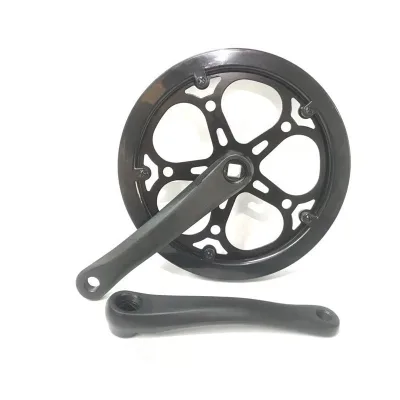
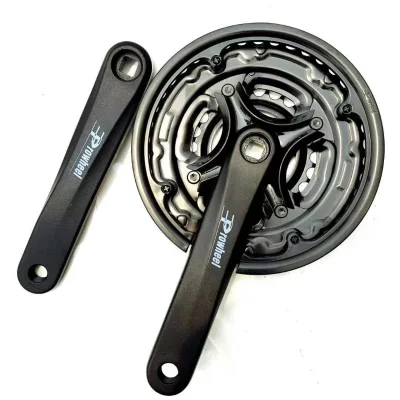
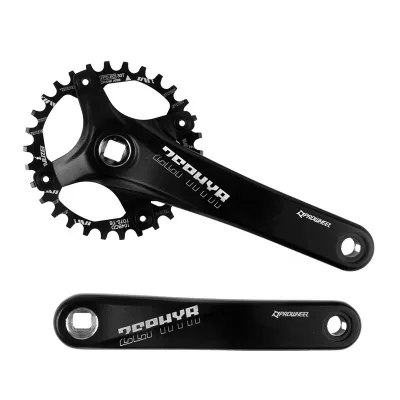
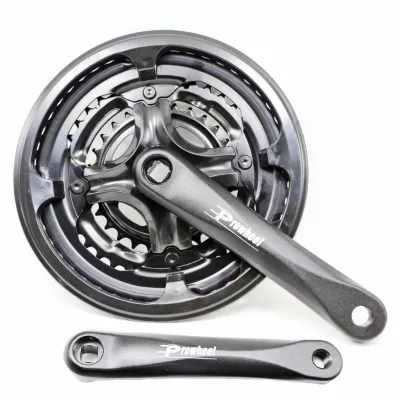


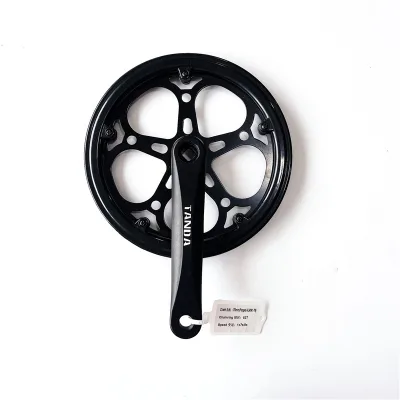
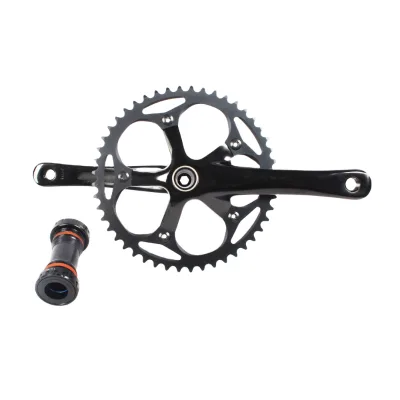
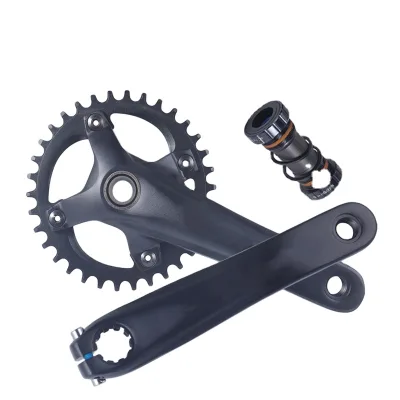
Bicycle Crankset 170mm 48/52t Crankset With Plastic Protection Alloy Fatbike Crankset
$3.8941 - $4.7139
MOQ: 30 pieces
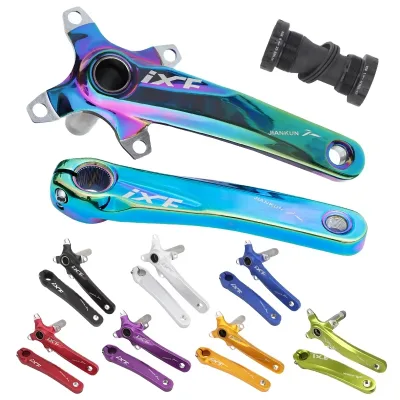

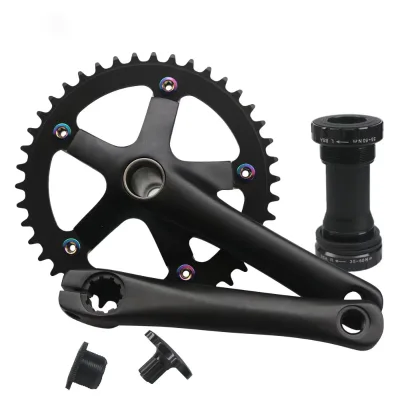
Bicycle Crank Disc with Central Axle for Road Bike Hollow Integrated Crank
$22.00 - $30.00
MOQ: 20 sets

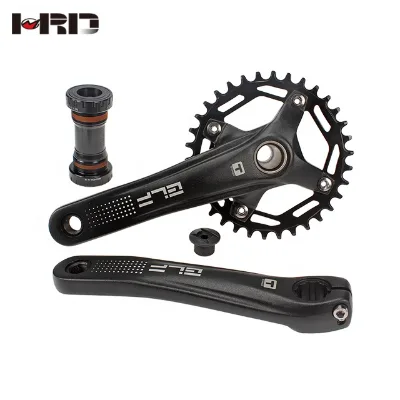
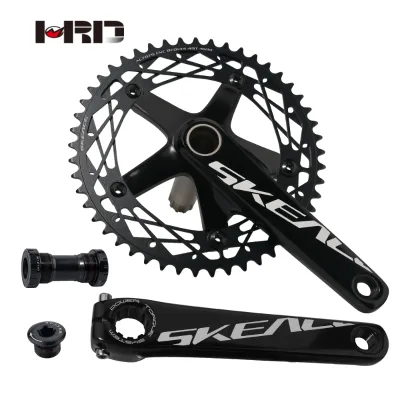

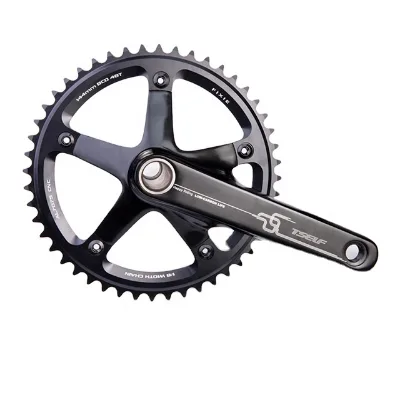
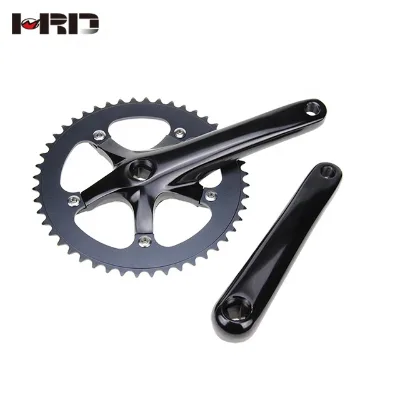
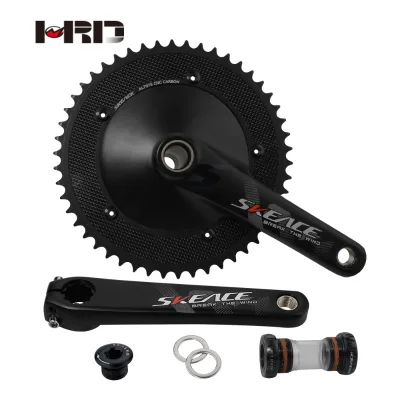


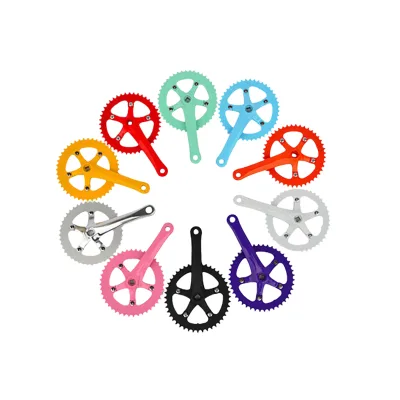
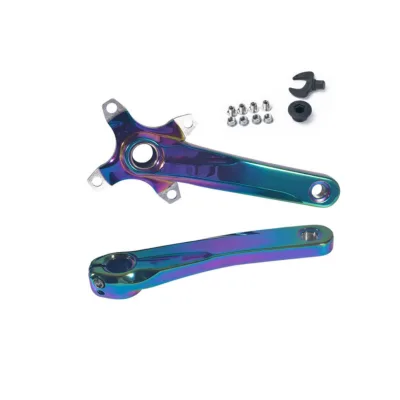
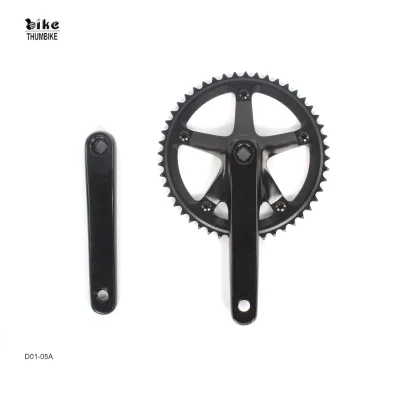
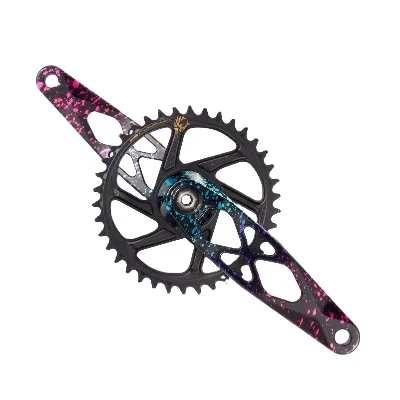
Comprehensive Sourcing Guide
al-7075-t6 Bike Crankset Sourcing Guide
Procuring cranksets constructed from 7075-T6 aluminum alloy requires a disciplined approach to material verification and supplier transparency. This specific aluminum grade offers a superior strength-to-weight ratio compared to standard 6061 alloys, making it ideal for high-performance mountain and road bicycles where durability under heavy load is critical. Buyers must ensure that the supplier explicitly confirms the heat treatment process, as the T6 temper is essential for achieving the claimed mechanical properties. Without proper verification, components may fail prematurely under the stress of aggressive riding conditions or heavy cargo loads.
The market landscape for these components is diverse, with manufacturers often listing compatible bike types such as folding bikes, mountain bikes, and road bicycles. Sourcing teams should cross-reference the advertised material claims with actual product specifications, noting that some listings may mix steel and aluminum components. It is vital to distinguish between the crank arm material and the chainring material, as suppliers may use aluminum for the arms while offering various chainring options. Clear communication with the supplier regarding the exact alloy composition prevents costly mismatches between procurement expectations and delivered goods.
Product Scope and Observed Listing Signals
Current market listings reveal a wide range of crankset configurations, with chainwheel teeth counts varying significantly from 24T to 52T. Buyers will encounter models designed for specific speeds, including 6/7 speed and 8/24 speed systems, which dictates the compatibility with existing drivetrain components. The observed product scope includes single items and bulk packages, with some suppliers offering customization options for branding and packaging. This variability requires buyers to carefully map their technical requirements against the available options to ensure seamless integration with their bicycle assembly lines.
Weight and dimensions are critical factors in these listings, with observed weights ranging from approximately 760g to over 1000g depending on the configuration. Crank lengths are typically standardized at 170mm or 175mm, while cover diameters may be specified around 22.5cm for certain models. Suppliers often list multiple brand names, such as KEPIN and PROWHEEL, indicating a competitive market with various OEM and ODM capabilities. Buyers should pay close attention to the BCD (Bolt Circle Diameter), with 104mm being a common specification for chainring attachment, to ensure compatibility with their chosen chainrings.
Technical Specifications to Verify
Verifying the technical integrity of 7075-T6 cranksets involves checking the BCD and chainring compatibility. The 104mm BCD is a standard metric that must align with the buyer’s chainring selection, whether they are using alloy or steel outer chainrings. Buyers should confirm the exact teeth count options available, such as 30T through 52T, to match their desired gear ratios for mountain or road applications. Additionally, the crank arm length, typically 170mm or 175mm, must be verified to ensure it meets the ergonomic requirements of the target bicycle models.
Material composition is another critical verification point, as some listings may mention steel or carbon steel components alongside aluminum. Buyers must ensure that the crank arms are indeed made from 7075-T6 aluminum alloy and not a lower-grade alternative. The condition of the product should be confirmed as new, and any customizations, such as specific colors or branding, must be clearly documented in the purchase order. It is also important to verify the packaging details, as some suppliers use boxes while others use cartons, which can impact shipping costs and product protection during transit.
Compliance and Safety Documentation
While specific certification standards are not explicitly detailed in the provided context, buyers should request documentation that verifies the material grade and manufacturing processes. Suppliers should be able to provide mill certificates for the 7075-T6 aluminum to confirm the alloy composition and heat treatment status. This documentation is crucial for ensuring that the cranksets meet the safety and performance expectations for high-stress bicycle applications. Buyers should also inquire about any internal quality control tests performed on the cranksets, such as fatigue testing or load bearing assessments.
Compliance with international trade regulations is another important aspect of sourcing these components. Buyers should ensure that the suppliers adhere to the export regulations of their place of origin, whether it is Hebei, Taiwan, or Xingtai in China. This includes proper labeling and packaging that complies with the destination country’s import requirements. Additionally, buyers should verify that the suppliers have the necessary business licenses and export credentials to facilitate smooth transactions and avoid potential legal or logistical issues during the shipping process.
Cost Drivers and Commercial Terms
The cost of 7075-T6 cranksets is influenced by several factors, including the material grade, manufacturing complexity, and order volume. The observed MOQ ranges from 20 sets to 1000 sets, with lower MOQs often commanding higher per-unit prices. Buyers should negotiate based on their expected annual volume to secure better pricing tiers. The customization options, such as specific branding or packaging, may also add to the overall cost, so these requirements should be clearly defined early in the procurement process to avoid unexpected charges.
Shipping and logistics costs are significant considerations, especially when sourcing from international suppliers in China. The place of origin, whether it is Hebei, Taiwan, or Xingtai, can impact the shipping route and associated fees. Buyers should work with their freight forwarders to estimate the total landed cost, including duties and taxes. Additionally, the packaging method, whether box or carton, can affect the volume and weight of the shipment, influencing the overall logistics cost. Clear communication with the supplier regarding Incoterms is essential to define responsibility for shipping and insurance.
Supplier Qualification and Quality Control
Evaluating supplier qualifications is a critical step in ensuring the reliability of the crankset supply chain. Buyers should assess the supplier’s production capacity, quality management systems, and track record in the bicycle component industry. Suppliers with a main market presence in Asia, Europe, America, Africa, and Oceania likely have experience in meeting diverse international standards. Buyers should request references or case studies from previous clients to verify the supplier’s ability to deliver consistent quality and meet delivery schedules.
Quality control measures should be established before placing large orders, including pre-production samples and in-process inspections. Buyers should define clear acceptance criteria for the cranksets, including dimensional tolerances, surface finish, and material properties. Regular audits of the supplier’s facility can help identify potential issues early and ensure ongoing compliance with quality standards. Establishing a strong relationship with the supplier through regular communication and feedback can also help improve product quality and address any issues promptly.
Long-Term Procurement Checks
Long-term procurement success depends on continuous monitoring of supplier performance and market trends. Buyers should regularly review the supplier’s delivery times, product quality, and responsiveness to issues. Any deviations from the agreed-upon standards should be addressed immediately to prevent disruptions in the supply chain. Additionally, buyers should stay informed about changes in the bicycle industry, such as new technologies or shifting consumer preferences, to ensure that the cranksets remain relevant and competitive.
Building a diversified supplier base can mitigate risks associated with single-source dependencies. Buyers should identify alternative suppliers who can provide similar 7075-T6 cranksets in case of supply chain disruptions. Regularly updating the supplier qualification criteria and conducting periodic performance reviews can help maintain a high standard of supply chain management. By proactively managing these long-term checks, buyers can ensure a stable and reliable supply of high-quality cranksets for their bicycle manufacturing operations.
FAQs
What materials are used for the bike crankset?
The crankset is constructed from steel and aluminum alloy materials. Some variants specifically utilize carbon steel or aluminum for the chainwheel. These materials ensure durability while maintaining a lightweight profile suitable for various bicycle types including mountain and road bikes.
Which compatible bike types support this crankset?
This crankset is compatible with folding bikes, mountain bikes, and road bicycles. It also supports lady bikes and various other models depending on the specific configuration. The design accommodates different gear speeds ranging from 6 to 24 speeds for versatile usage.
How many teeth does the chainwheel have?
Chainwheel teeth options range from 24 to 52 teeth depending on the specific model selected. Available configurations include single sizes like 52T or multiple options such as 30 through 52T. This variety allows buyers to choose the exact gearing ratio required for their specific riding conditions.
Can I customize the crankset specifications?
Customization is available for this crankset product line. Buyers can request specific modifications to meet their unique requirements. The product listing explicitly states that customized options are offered to accommodate diverse buyer needs and specific application scenarios.
What is the minimum order quantity for purchase?
The minimum order quantity varies between 20 sets and 100 sets depending on the specific supplier or product variant. Some listings indicate an MOQ of 20 sets while others require 100 sets. Buyers should verify the exact requirement with the specific vendor before placing an order.
Where are these cranksets manufactured?
These cranksets originate from manufacturing locations in Hebei, China, and Xingtai. Some products are also noted to come from Taiwan, China. The place of origin is clearly stated in the product specifications to inform buyers about the manufacturing source.
What is the weight of the crankset?
The weight of the crankset varies by model, with options ranging from approximately 760 grams to 1086 grams. Specific listings report weights around 985 grams or 1060 grams. The exact weight depends on the material composition and the specific configuration of the crankset purchased.