Source AL Ac Condenser for Commercial Refrigerators, Freezers, and Water Dispensers
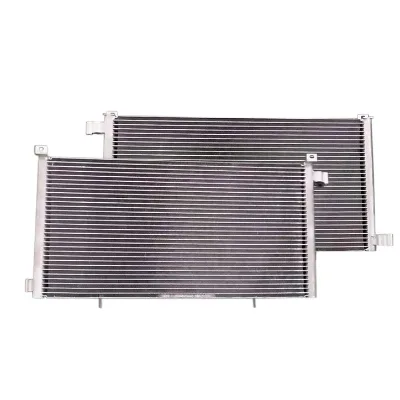
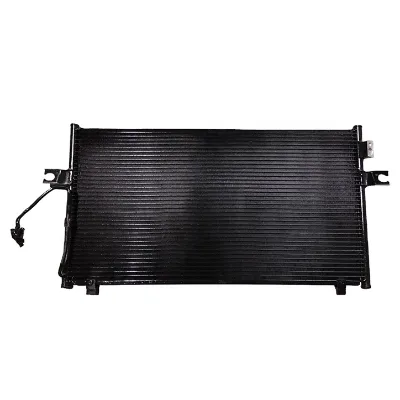
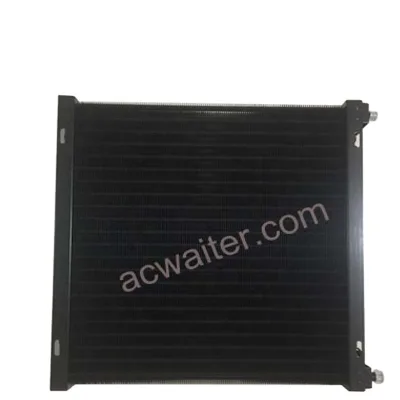
Compare 30 AL Ac Condenser options from verified Chinese suppliers. Buyers can evaluate specifications like core size, voltage, and certifications for commercial refrigerators, freezers, and water dispensers. These units support various applications including universal condensers and specific car models like Nissan Maxima and Mercedes Benz with new condition availability.
Updated
Key considerations
Products List





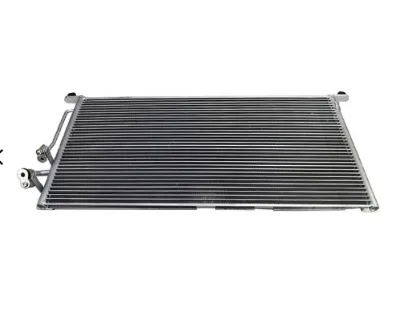
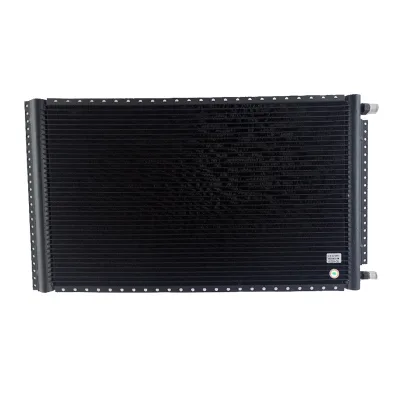
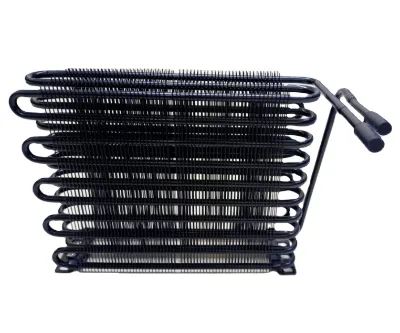
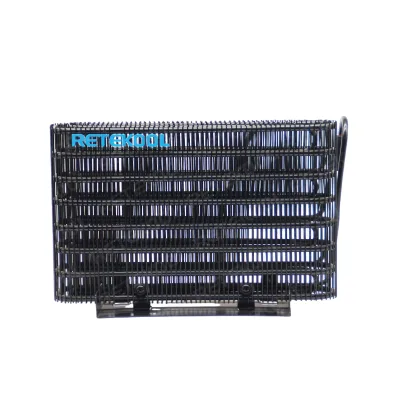
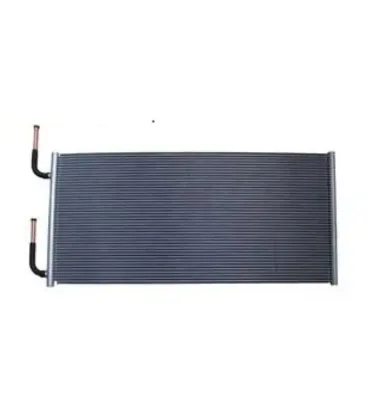
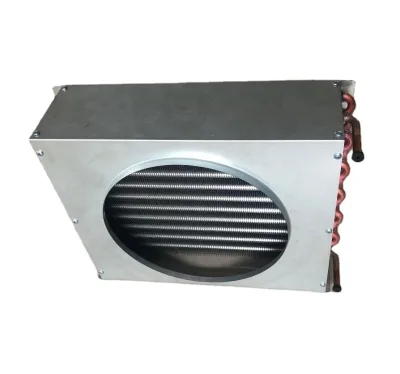
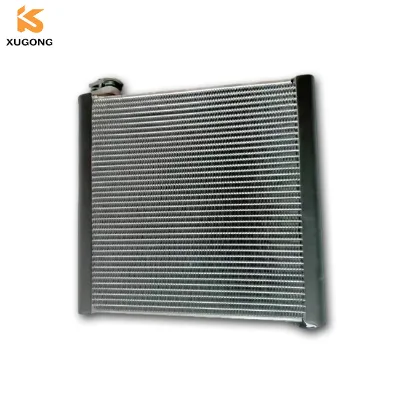


Comprehensive Sourcing Guide
AL Ac Condenser Sourcing Guide
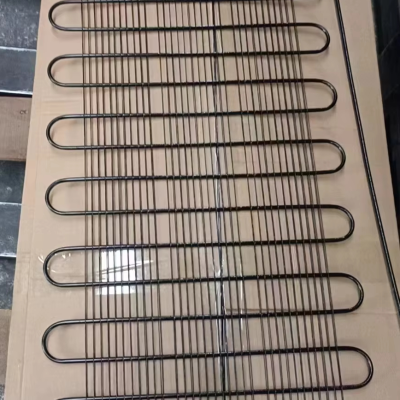
Sourcing aluminum-aluminum (Al Ac) condensers requires a disciplined approach to material verification and thermal performance validation. These components are critical for heat rejection in various refrigeration and automotive systems, where the efficiency of the aluminum fins and copper or aluminum tubes directly impacts system longevity. Buyers must prioritize suppliers who provide transparent material certifications, as the integrity of the aluminum alloy determines resistance to corrosion and mechanical stress. The observed market signals indicate a wide range of product types, from serpentine designs to universal condensers, each serving distinct thermal management needs.
Procurement teams should focus on verifying the specific construction details, such as core dimensions and tube layout, which vary significantly across listings. The presence of OEM references and custom packaging options suggests that many manufacturers cater to specific vehicle or appliance models. It is essential to cross-reference part numbers like 88-77022 or 88-73050 with original equipment specifications to ensure compatibility. Understanding the physical footprint and connection points is vital for integration into existing assemblies, preventing costly redesigns or fitment issues during the manufacturing phase.
Product Scope and Observed Listing Signals
The current market landscape for Al Ac condensers reveals a diverse array of applications, ranging from automotive radiators to commercial refrigeration units. Listings indicate compatibility with major brands such as Mercedes-Benz and Nissan Maxima, highlighting the importance of precise model matching. Additionally, the presence of products designated for universal condensers and commercial freezers suggests a bifurcated market serving both specialized OEM needs and general repair sectors. Buyers must carefully distinguish between these categories, as the engineering tolerances and pressure ratings differ substantially between automotive and stationary refrigeration applications.
Observed listing attributes provide valuable insights into product variability, including core sizes ranging from 60730820 mm to 71436816 mm. These dimensional differences directly influence thermal capacity and airflow requirements, making accurate specification verification crucial. The availability of customization options and OEM part numbers like Dz11241845501 indicates that manufacturers are equipped to handle bespoke orders. However, buyers should be cautious of generic descriptions and insist on detailed technical drawings to confirm that the physical dimensions and port locations align with their specific design constraints.
Technical Specifications to Verify
Technical verification begins with confirming the core size and single package dimensions, which are critical for logistics and assembly planning. Listings show varying carton sizes, such as 890135455 mm or 89X13.5X45.5 cm, which impact storage and handling requirements. Buyers must ensure that the core dimensions, including width, height, and depth, match the thermal design calculations for their specific application. Discrepancies in these measurements can lead to inadequate cooling performance or physical interference within the equipment housing, necessitating rigorous pre-production sample approvals.
Voltage and refrigerant compatibility are equally important technical parameters, particularly for integrated compressor-condenser assemblies. Some listings specify voltages of 12V/24V and refrigerants like CF2Cl2, indicating suitability for specific commercial refrigerator and freezer models. Procurement teams must verify that the condenser’s pressure rating and material compatibility align with the system’s operating conditions. Additionally, checking the condition of the product, whether new or refurbished, and confirming the presence of reference numbers like 814245 or TO5197 ensures traceability and quality assurance throughout the supply chain.
Compliance and Safety Documentation
Compliance with international standards is non-negotiable for Al Ac condensers, especially those destined for regulated markets. Certifications such as IATF16949, ISO, CE, CCC, and RoHS are frequently cited, indicating adherence to quality management and environmental directives. Buyers must request valid certification documents and verify their authenticity with the issuing bodies. The presence of these certifications suggests that the manufacturer has established processes for consistent quality control, which is essential for maintaining product reliability and meeting regulatory requirements in both automotive and industrial sectors.
Safety documentation should also include machinery test reports and material safety data sheets, although some listings indicate these are unavailable. Procurement teams should insist on comprehensive testing data, including pressure hold tests and leak detection results, to ensure the condenser can withstand operational stresses. Warranty terms, often listed as one year or unavailable, provide additional insight into the manufacturer’s confidence in their product. Clear warranty policies and accessible after-sales support are critical for mitigating risks associated with potential field failures or premature degradation of the aluminum fins and tubes.
Cost Drivers and Commercial Terms
Cost structures for Al Ac condensers are influenced by material prices, manufacturing complexity, and order volume. The observed price range of 0.9 to 7000 USD reflects the vast difference between small components and large, complex assemblies. Minimum order quantities (MOQ) typically range from 1 to 100 pieces, with some suppliers requiring higher volumes for specialized items. Buyers should negotiate pricing based on total volume commitments and consider the cost implications of custom packaging or specific labeling requirements, which may incur additional fees.
Commercial terms also encompass shipping logistics and payment conditions, which vary by supplier location. Origins in Hangzhou, Guangdong, and Zhejiang suggest a concentration of manufacturing capabilities in China, with ports like Ningbo facilitating export. Lead times and port of loading details should be clarified early in the negotiation process to avoid supply chain disruptions. Additionally, buyers should evaluate the total landed cost, including duties and insurance, to make accurate comparisons between different suppliers. Transparent pricing structures and clear Incoterms definitions are essential for effective budget management and risk mitigation.
Supplier Qualification and Quality Control
Supplier qualification requires a thorough assessment of manufacturing capabilities and quality management systems. Buyers should verify the supplier’s production capacity, equipment modernity, and experience with similar products. The presence of brand names like Tongshi and Bowente indicates established players in the market, but due diligence is necessary to confirm their current operational status. Requesting factory audits or third-party inspection reports can provide valuable insights into the supplier’s ability to maintain consistent quality and meet delivery schedules.
Quality control processes should include incoming material inspections, in-process checks, and final product testing. Buyers must ensure that the supplier has robust procedures for detecting defects such as leaks, corrosion, or dimensional inaccuracies. The availability of machinery test reports and detailed product specifications is a strong indicator of a supplier’s commitment to quality. Establishing clear acceptance criteria and implementing a rigorous inspection protocol upon receipt of goods can help prevent the integration of substandard components into the final product, protecting brand reputation and customer satisfaction.
Long-Term Procurement Checks
Long-term procurement success depends on continuous monitoring of supplier performance and market trends. Buyers should establish key performance indicators (KPIs) for delivery reliability, product quality, and responsiveness to issues. Regular reviews of supplier performance data can help identify potential risks and opportunities for improvement. Additionally, staying informed about changes in material costs, regulatory requirements, and technological advancements in condenser design is essential for maintaining a competitive supply chain.
Building strong relationships with suppliers through open communication and collaborative problem-solving can enhance supply chain resilience. Buyers should encourage suppliers to provide feedback on design feasibility and suggest improvements that could reduce costs or enhance performance. Regularly updating technical specifications and revisiting commercial terms ensures that the procurement strategy remains aligned with business objectives. By maintaining a proactive approach to supplier management, buyers can secure a stable supply of high-quality Al Ac condensers that meet their evolving needs.
FAQs
What certifications do these AL Ac Condenser products hold?
These products hold IATF16949, RoHS, UR, ISO, CE, and CCC certifications. This ensures compliance with international quality and safety standards for automotive and refrigeration applications. Buyers can verify these credentials to ensure regulatory adherence in their respective markets.
Can I customize the packaging for bulk orders?
Yes, customization is available for packaging requirements. Standard packing includes cartons with specific dimensions like 890*135*455 mm or 89X13.5X45.5 cm. Buyers can request tailored packaging solutions to meet logistical needs or branding preferences during the procurement process.
What is the warranty period for these condensers?
The warranty period is typically one year for new condition units. Some specific compressor models may have unavailable warranty terms. Buyers should confirm the specific warranty details for their selected model number to ensure adequate after-sales support coverage.
Which car models are compatible with these condensers?
These condensers are compatible with Mercedes BENZ and NISSAN MAXIMA models. Specific model numbers like 88-77022 and 88-73050 correspond to these vehicles. Buyers should verify the core size and reference numbers to ensure proper fitment for their specific vehicle.
What is the minimum order quantity for these items?
The minimum order quantity ranges from 1 to 100 units depending on the supplier. Some specific compressor listings require a MOQ of 50 pieces. Buyers should check individual product listings to determine the exact MOQ applicable to their desired quantity and model.
Where are these AL Ac Condenser products manufactured?
These products originate from China, specifically from Hangzhou, Guangdong, and Zhejiang provinces. Buyers can identify the specific place of origin for each supplier to assess logistics costs and supply chain reliability based on the regional manufacturing capabilities.