Source All Weather Wear-Resistant Car Mats for seats, drawers, and floors
Compare 30 listings of All Weather Wear-Resistant Car Mats featuring PVC, rubber, and PU materials with customizable sizes and logos. Buyers can evaluate options for car seats, drawer anti-slip applications, and floor protection with machine-woven or embossed designs.
Key considerations
Products List


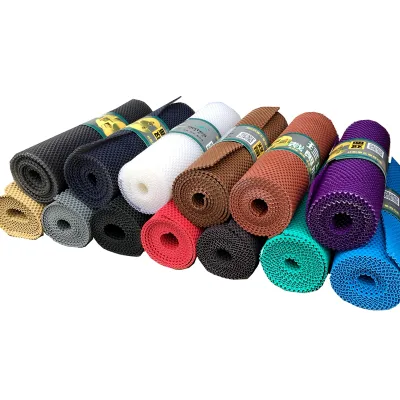
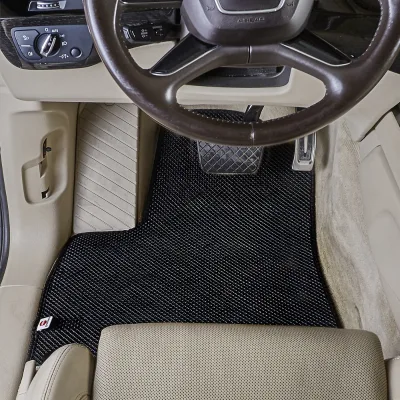
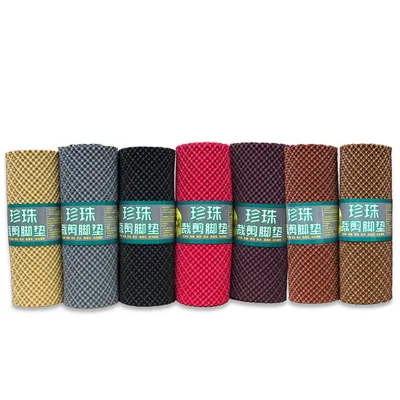
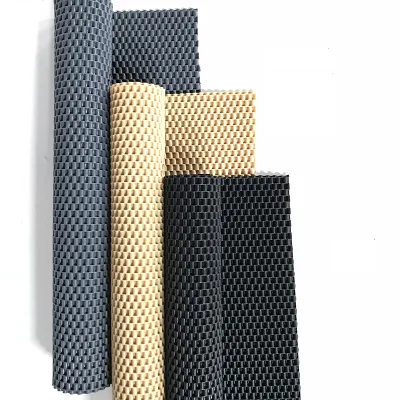


All Weather Car Mats Waterproof Non-Slip Foot Mat Auto Interior Accessories
$9.50 - $15.00
MOQ: 10 Pieces


All-Weather Waterproof and Durable Car Floor Mats Non-Slip Cargo Rubber Mats C
$14.00 - $16.00
MOQ: 100 Pieces

All-Weather Waterproof and Durable Car Floor Mats Non-Slip Cargo Rubber Mats a
$14.00 - $16.00
MOQ: 100 Pieces

All-Weather Waterproof and Durable Car Floor Mats Non-Slip Cargo Rubber Mats D
$14.00 - $16.00
MOQ: 100 Pieces

All-Weather Waterproof and Durable Car Floor Mats Non-Slip Cargo Rubber Mats B
$14.00 - $16.00
MOQ: 100 Pieces


Comprehensive Sourcing Guide
Strategic Sourcing Guide for All-Weather Wear-Resistant Car Mats
Understanding Product Definitions and Material Variants
When sourcing all-weather wear-resistant car mats, buyers must first navigate the diverse terminology and material compositions available in the global marketplace. The core keyword implies a product designed to withstand harsh conditions, yet the specific construction varies significantly based on the intended application and regional standards. In the current supply landscape, products are frequently categorized under various appellations, including "Car Mats PVC," "Anime Car Mats," "Carpet Car Mats," and "Car Mats 3D." These labels often reflect design aesthetics or specific customization options rather than a unified technical standard.
The material composition is a primary differentiator. High-performance all-weather mats are predominantly constructed from Polyurethane (PU), Rubber, or Polyvinyl Chloride (PVC). Each material offers distinct advantages regarding durability and environmental resistance. Rubber variants are often highlighted for their heavy-duty nature, while PVC options are frequently marketed with features such as being waterproof, soft, and abrasion-resistant. Some listings also describe materials with an "Imitate Velveteen" backing, which suggests a focus on interior aesthetics alongside functional protection.
Buyers should recognize that the term "All-Weather" is a functional descriptor rather than a singular certified standard. The observed market data indicates that products are often engineered with specific features like "Non Slip Waterproof" capabilities or "Easy Cleaned" surfaces. The manufacturing technique also plays a crucial role; "Machine Woven Mat" techniques are common, producing mats with specific texture profiles that aid in dirt retention and cleaning. Understanding these material and technical distinctions is essential before engaging with suppliers, as the choice between a woven PVC mat and a molded rubber mat will dictate the final product's performance in wet, muddy, or sandy environments.
Technical Specifications and Customization Capabilities
The technical specifications of car mats are highly variable, reflecting the "Make-to-Order" nature of much of the supply chain. A critical observation in the current market is the prevalence of "Custom Size" standards. Unlike universal fit mats that rely on pre-defined dimensions, many suppliers operate on a model where the "Car Model" is provided by the client, and the mat is manufactured to fit specific vehicle contours. This customization extends to the physical dimensions, with some standard specifications listed as 807535 cm, while others offer widths of 54/55 inches or are produced in rolls with variable lengths.
Shape and profile are equally important technical factors. The market shows a strong trend toward "Three-Dimensional" shapes, which are designed to contour to the floor of the vehicle, offering superior coverage and preventing debris from shifting to the pedals. This 3D structure is often paired with an "Embossed" pattern, which can be either plain or intricately designed to enhance grip and aesthetic appeal. The "Position" of the mat is typically designated as "Floor," but some specialized variants are noted for use as "Drawer Anti-Slip Mat" or for "Car Seat" applications, indicating a broader utility for the same material technology.
Customization is a dominant feature across the supply base. Suppliers frequently accept "Custom Logo" requests, allowing brands to imprint their identity directly onto the mat surface. Color options are similarly flexible, with "Black" being a common standard, yet "Customizable" color requests are widely accepted. The production model numbers, such as "LWCM-100-1," "SG CAR MAT," or "JY5006," serve as internal references for these custom configurations. Buyers must verify that the supplier can accommodate specific width, length, and shape requirements to ensure a precise fit for the target vehicle models. The "Supply Type" is explicitly "Make-to-Order," meaning that inventory levels are often low, and production lead times are dictated by the specific customization needs of the order.
Compliance, Certification, and Quality Assurance
Navigating the compliance landscape for automotive accessories requires careful verification of management certifications and material safety standards. While specific product-level test results are not universally guaranteed in the provided data, the supply chain demonstrates a focus on management system certifications. Several suppliers list "ISO" and "ISO/TS" (ISO/TS 16949) as their management certifications. These certifications indicate that the manufacturing facility adheres to international quality management standards, which is a critical baseline for ensuring consistent production quality.
However, buyers must distinguish between management certifications and product-specific compliance. The term "REACH" appears in background data, suggesting a potential focus on chemical compliance, particularly for PVC and rubber products. Yet, without explicit product test reports confirming REACH compliance for every batch, buyers should not assume automatic adherence. Instead, the procurement strategy should involve requesting specific material safety data sheets (MSDS) and third-party test reports for volatile organic compounds (VOCs) and heavy metals, especially since these mats are used in enclosed vehicle environments.
Quality assurance also hinges on the physical attributes of the product. Features such as "Abrasion Resistant" and "Waterproof" are claimed by suppliers, but these should be verified through sample testing. The "Backing" material, described as "Imitate Velveteen" or customizable, is a critical point of failure if not properly bonded to the top layer. A robust quality control process should include pull-tests to ensure the backing does not separate from the mat surface during use. Furthermore, the "Machine Woven" or embossed construction must be inspected for consistency in density and pattern depth to ensure long-term wear resistance.
Cost Drivers and Minimum Order Quantities
The economics of sourcing all-weather car mats are heavily influenced by customization levels, material selection, and order volume. The observed Minimum Order Quantity (MOQ) ranges widely, from as low as 1 set to as high as 1000 meters or rolls. This variance suggests a bifurcated market serving both small-scale custom orders and large-scale industrial procurement. For buyers seeking standard sizes, the MOQ may be lower, but for fully custom 3D molds and specific car model fits, the MOQ often rises to 50 sets or more, with some suppliers requiring 1000 meters for material-based orders.
Price is another significant variable, with observed ranges spanning from $2.53 to $55.80 USD. This wide disparity is not necessarily indicative of quality differences alone but reflects the complexity of the product. A basic, flat rubber mat will sit at the lower end of the spectrum, while a fully custom 3D molded mat with embossed patterns, custom logos, and specialized backing will command a premium price. The "Make-to-Order" nature of the supply chain also impacts cost; the setup costs for custom molds and the labor intensity of machine weaving or embossing contribute to the final unit price.
Buyers should be aware that "Custom Size" and "Custom Logo" services often incur additional tooling or setup fees, which may not be reflected in the per-unit price initially. Additionally, the origin of the product, primarily from China with specific hubs in Jiangsu and Fujian, influences logistics costs. While the base manufacturing cost may be competitive, the total landed cost must account for packaging requirements, which range from "Carton" and "Carton Box" to "Transparent, Kraft Paper, or Woven Bag." The choice of packaging can affect the final cost and the condition of the goods upon arrival, particularly for fragile 3D mats that require rigid protection.
Typical Applications and Market Distribution
The application of all-weather wear-resistant car mats extends beyond the standard floor covering, though the primary use case remains vehicle interior protection. The data indicates a strong focus on the "North America" market, suggesting that these products are specifically engineered to meet the demands of consumers in regions with diverse weather conditions, including snow, rain, and mud. The "Three-Dimensional" shape is particularly suited for this application, as it prevents water and debris from spreading across the footwell, protecting the vehicle's original carpeting.
Beyond standard floor mats, the versatility of the material allows for alternative applications. Some listings explicitly mention "Drawer Anti-Slip Mat" usage, indicating that the same non-slip, durable materials can be repurposed for organizing drawers in vehicles or other storage spaces. The "Car Seat" usage mentioned in the data suggests that the material technology is also being adapted for seat covers or seat protectors, expanding the product line's utility. The "Anime Car Mats" and "Car Mats 3D" appellations highlight a niche market for aesthetic customization, where the mats serve as a personalization tool for vehicle owners.
The market distribution is heavily concentrated in regions with established manufacturing capabilities, such as Jiangsu and Fujian in China. These locations provide the necessary infrastructure for "Machine Woven" and embossing processes. The "Universal Type" and "Special Type" classifications suggest that suppliers cater to both generic vehicle models and specific, high-demand car models. Buyers targeting the North American market should prioritize suppliers who have experience with the specific climate challenges of that region, ensuring that the "Waterproof" and "Non Slip" features are robust enough to handle heavy precipitation and road salt.
Supplier Evaluation and Long-Term Procurement Strategy
Selecting a reliable supplier for all-weather car mats requires a rigorous evaluation process that goes beyond price comparison. Given the "Make-to-Order" nature of the industry, the supplier's ability to manage lead times and maintain consistent quality is paramount. Buyers should verify the supplier's "Mgnt Certification" status, specifically looking for ISO and ISO/TS certifications, as these indicate a commitment to quality management systems. However, these certifications should be treated as a baseline requirement rather than a guarantee of product performance.
When evaluating suppliers, buyers must assess their customization capabilities. The ability to provide "Custom Size" and "Custom Logo" services is a key differentiator. Suppliers should be able to demonstrate their capacity to handle the "Client Provide" car model specifications accurately. This includes verifying their technical team's ability to create 3D molds and their production line's flexibility to switch between different materials like PU, Rubber, and PVC. The "Product Name" variations, such as "Durable All-Weather Car Leather Floor Mats," suggest that some suppliers may have specialized lines for premium materials, which buyers should investigate if high-end finishes are required.
Long-term procurement considerations should focus on the supplier's scalability and consistency. The wide range of MOQs (1 to 1000) implies that suppliers may have different capacity levels. For buyers planning to scale their operations, it is essential to confirm that the supplier can handle increased volumes without compromising on the "Embossed" pattern quality or the "Backing" adhesion. Additionally, the "Place of Origin" should be considered in the context of supply chain resilience. Suppliers located in Jiangsu and Fujian are well-established, but buyers should assess their logistics capabilities to ensure timely delivery to the North American market.
Finally, buyers should establish a clear quality control protocol that includes pre-production sample approval and random inspection during production. The "Feature" list, including "Easy Cleaned" and "Abrasion Resistant," should be validated through physical testing of the samples. By maintaining a disciplined approach to supplier evaluation and quality assurance, buyers can secure a reliable supply of all-weather wear-resistant car mats that meet the specific demands of their target market.
Comparative Analysis of Product Attributes
To facilitate a clearer understanding of the market offerings, the following table summarizes the key attributes observed across the supply base. This comparison highlights the diversity in materials, specifications, and customization options available to buyers.
| Attribute Category | Observed Variants | Key Considerations for Buyers |
|---|---|---|
| Material Composition | PU, Rubber, PVC | Verify material safety and durability claims; PVC is common for waterproofing. |
| Shape & Profile | Three-Dimensional, Flat | 3D shapes offer better coverage; verify fit for specific car models. |
| Surface Pattern | Embossed (Plain or Custom), Machine Woven | Embossing aids grip; check for consistency in pattern depth. |
| Customization | Custom Size, Custom Logo, Custom Color | Essential for brand alignment; confirm MOQs for custom runs. |
| Certifications | ISO, ISO/TS (Management) | Verify validity; request product-specific test reports for safety. |
| Packaging | Carton, Carton Box, Kraft Paper, Woven Bag | Ensure packaging protects 3D mats during transit. |
| Origin Locations | China (Jiangsu, Fujian) | Consider logistics and lead times for North American delivery. |
| MOQ Range | 1 Set to 1000 Meters/Rolls | Align order volume with supplier capacity and cost structure. |
This comparative overview underscores the need for buyers to be specific in their requirements. The market offers a wide array of options, but the "All-Weather" and "Wear-Resistant" claims must be backed by rigorous verification of the specific material and construction details provided by the supplier. By leveraging these insights, buyers can make informed decisions that balance cost, quality, and customization needs.
FAQs
What materials are used for All Weather Wear-Resistant Car Mats?
These mats are primarily constructed from PU, Rubber, or PVC materials. Each material offers distinct advantages, with PVC often featuring waterproof and abrasion-resistant properties suitable for harsh conditions.
Can I request custom sizes and logos for these car mats?
Yes, customization is widely available for both size and branding. Suppliers accept custom logo requests and produce mats to client-provided car model specifications, often offering customizable colors and dimensions.
What certifications do manufacturers of these mats typically hold?
Many suppliers hold ISO and ISO/TS management certifications to ensure quality standards. While these indicate robust management systems, buyers should verify specific product safety data for chemical compliance like REACH.
How do I determine the minimum order quantity for custom mats?
MOQs vary significantly based on the product type and customization level. Orders can start as low as 1 set, while specific custom configurations or material rolls may require 50 sets or 1000 meters.
Which features make these mats suitable for all-weather conditions?
Key features include non-slip waterproof backing, three-dimensional shapes, and easy-clean surfaces. These attributes prevent debris and water from spreading, protecting the vehicle interior from mud, snow, and rain.
Where are the main manufacturing hubs for these car mats located?
Production is concentrated in China, with specific origins in Jiangsu and Fujian provinces. These regions provide the infrastructure for machine weaving and embossing processes required for high-quality 3D mats.
What is the typical price range for sourcing these mats?
Prices range from approximately 2.53 to 55.8 USD per unit depending on complexity. Basic flat mats cost less, while custom 3D molded options with embossed patterns and logos command higher prices.