Source Aluminum Foil Thermal Lunch Box for Takeaway, Kitchen, Food
Find 30 Aluminum Foil Thermal Lunch Box options from China. Compare customizable, disposable containers with FDA and CE certifications. View specs for 700ml and 1616 style models, including thickness and packing details for food use; compare the available evidence and request quotations based on your requirements.
Updated
Key considerations
Products List









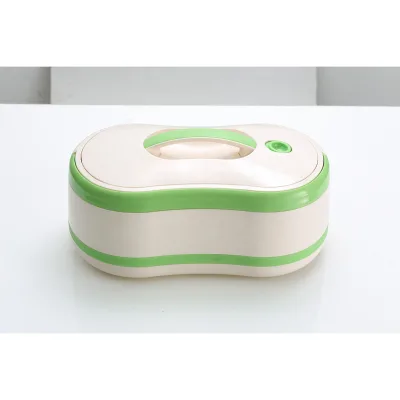
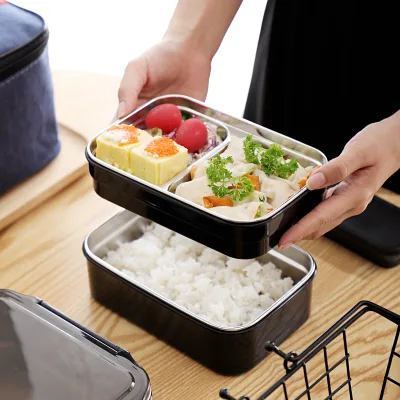
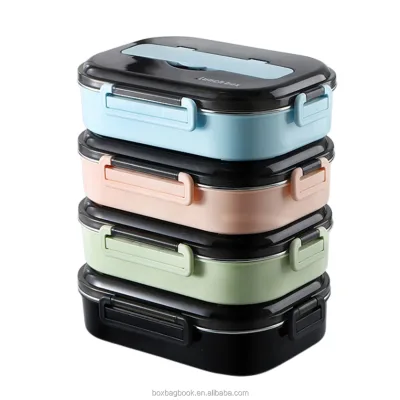
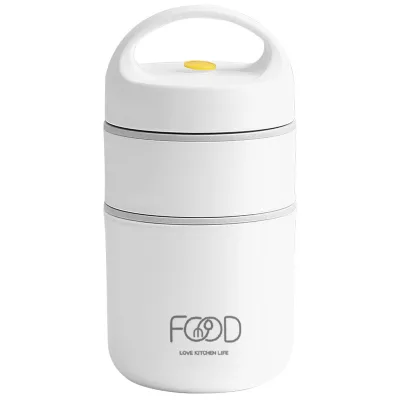
Comprehensive Sourcing Guide
Aluminum Foil Thermal Lunch Box Sourcing Guide
Procuring aluminum foil thermal lunch boxes requires a nuanced understanding of material properties, thermal performance, and regulatory compliance. These containers are designed to maintain food temperature while offering lightweight, disposable convenience for take-away and catering sectors. Buyers must distinguish between standard disposable trays and specialized thermal solutions that may include additional insulation or sealing features. The core value proposition lies in the balance between cost-efficiency and functional integrity during transport and storage.
This guide focuses on evidence-based sourcing strategies for aluminum foil-based food containers. It addresses critical verification steps for material thickness, alloy composition, and surface treatments that impact thermal retention and safety. By adhering to observed market signals and technical specifications, procurement teams can mitigate risks associated with product failure, regulatory non-compliance, and supply chain disruptions. The following sections provide a structured approach to evaluating suppliers and products in this specialized category.
Product Scope and Observed Listing Signals
Market listings for aluminum foil thermal lunch boxes reveal a diverse range of product models, including specific identifiers like "food container aluminium," "color tray-45," and various style codes such as "1582" and "148." These models often correspond to distinct dimensional profiles and capacity ratings, with observed standard sizes ranging from 700ml to larger volumes like 6370 ml. Buyers should note that "thermal" capabilities may vary significantly between products, with some listings emphasizing "Heatable" features while others focus on general food containment. The presence of "Double light Aluminum Foil" surface states suggests variations in reflectivity and heat distribution properties that warrant careful examination.
Observed attributes indicate a strong emphasis on customization and versatility. Many suppliers offer "Customizable" colors and "Eco-Friendly" positioning, catering to brands seeking sustainable packaging solutions. The "Disposable Lunch Box" type is prevalent, often paired with "Stocked" availability for immediate deployment. However, buyers must verify whether "Heatable" claims apply to direct microwave use or merely indicate suitability for hot food transfer. The distinction between "Non-Customized" and "Customized" options also impacts lead times and minimum order quantities, influencing inventory planning and brand differentiation strategies.
Technical Specifications to Verify
Material composition is a primary technical consideration, with observed alloys including 8001, 3003, and 8006. These alloys offer different balances of strength, formability, and thermal conductivity, directly affecting the container's durability and heat retention. Thickness is another critical variable, with listings showing ranges from "Thick Foil" to specific measurements like "9Mic -30Mic" or "1.8MM/3MM." Buyers must clarify whether these measurements refer to the foil gauge or the overall container wall thickness, as this distinction impacts both cost and performance. The "Soft" temper designation suggests ease of forming but may require verification of structural integrity under thermal stress.
Dimensional accuracy and packaging details are equally important for logistics and end-user experience. Observed dimensions include specific metrics like "1611.23cm" and "1309042," alongside larger formats such as "320 round 6370 ml." Packaging configurations vary from simple "Carton Box" to complex "Box+Carton+Pallet" arrangements, which influence storage efficiency and handling costs. The "Printed" surface treatment indicates potential for branding but requires verification of ink safety and adhesion durability. Buyers should request detailed technical datasheets to confirm that observed specifications align with actual product performance under real-world thermal conditions.
Compliance and Safety Documentation
Regulatory compliance is non-negotiable for food-contact materials, with observed certifications including FDA, CE/EU, and CIQ. These certifications indicate adherence to specific regional safety standards for food packaging, ensuring that the aluminum foil and any coatings do not leach harmful substances into food. Buyers must verify the validity and scope of these certifications, confirming that they cover the specific alloy and thickness being procured. The "100% Inspection" quality claim suggests a rigorous internal quality control process, but independent audit reports or third-party test results provide stronger assurance of consistent compliance.
Food safety documentation should also address migration limits for heavy metals and other contaminants. While "Eco-Friendly" attributes are highlighted, buyers should request evidence of recyclability or biodegradability claims to support sustainability marketing. The "Food Use" and "Kitchen Use" designations imply suitability for direct contact, but specific temperature resistance limits must be confirmed. Documentation should clearly state any restrictions on heating methods, such as microwave or oven use, to prevent misuse-related safety incidents. Ensuring that all safety data sheets (SDS) and compliance certificates are up-to-date and region-specific is essential for global supply chain operations.
Cost Drivers and Commercial Terms
Pricing in the aluminum foil lunch box market is influenced by raw material costs, thickness, and customization levels. Observed price ranges span from $0.01 to $100, reflecting the vast diversity in product complexity and volume. Thicker foils and specialized alloys like 8001 or 3003 typically command higher prices due to increased material usage and processing requirements. Customization options, such as specific colors or printed designs, add to the unit cost but can enhance brand value. Buyers should analyze cost structures to identify opportunities for optimization without compromising quality or compliance.
Minimum order quantities (MOQs) and lead times are significant commercial factors, with observed MOQs ranging from 1 to 100,000 units and delivery times around 15 days. Higher customization levels often result in longer lead times and higher MOQs, impacting cash flow and inventory management. Packaging efficiency, indicated by dimensions like "53.32434cm," affects shipping costs and storage space utilization. Buyers should negotiate flexible terms that balance cost efficiency with supply chain resilience, considering volume discounts and tiered pricing structures. Clear communication regarding payment terms and incoterms is essential to avoid hidden costs and logistical delays.
Supplier Qualification and Quality Control
Supplier qualification requires a thorough assessment of manufacturing capabilities and quality management systems. Observed origins in China and Henan suggest a concentration of manufacturing hubs, but buyers should verify factory audits and production capacity. The "New" condition of machinery and equipment indicates modern production lines, which can enhance consistency and efficiency. Suppliers claiming "100% Inspection" should provide detailed quality control protocols, including in-process checks and final product testing. Buyers should request samples to evaluate physical properties, such as seal integrity, thermal resistance, and print quality, before committing to large orders.
Quality control extends to raw material sourcing and traceability. Suppliers should demonstrate control over alloy composition and foil thickness consistency, which are critical for product performance. The "Rolling" process and "Surface State" specifications should be verified through technical documentation and batch testing. Buyers should establish clear acceptance criteria for defects, such as tears, leaks, or print misalignment, and define remediation procedures. Regular supplier performance reviews and periodic re-audits help maintain quality standards and ensure long-term reliability. Building a strong partnership with suppliers based on transparency and mutual accountability is key to successful procurement.
Long-Term Procurement Checks
Sustainable sourcing practices are increasingly important for long-term procurement success. Buyers should evaluate suppliers' environmental policies, including waste management, energy efficiency, and recyclability initiatives. The "Eco-Friendly" attribute should be supported by verifiable data, such as recycled content percentages or carbon footprint assessments. Aligning procurement strategies with corporate sustainability goals can enhance brand reputation and meet evolving consumer expectations. Regularly reviewing supplier performance against sustainability metrics helps identify areas for improvement and drives continuous innovation in packaging solutions.
Market dynamics and regulatory changes require ongoing monitoring to mitigate risks. Buyers should stay informed about updates to food safety regulations, trade policies, and raw material price trends. Diversifying the supplier base and maintaining safety stock can enhance supply chain resilience against disruptions. Regularly updating technical specifications and compliance requirements ensures that products remain relevant and compliant. Engaging in strategic supplier development programs fosters collaboration and innovation, leading to better product offerings and cost efficiencies. Long-term procurement success depends on proactive management and adaptability to changing market conditions.
FAQs
What certifications do the aluminum foil thermal lunch boxes have?
The products hold FDA, CE EU, and CIQ certifications to ensure safety and compliance. These certifications apply to the food-grade aluminum foil containers designed for heating and kitchen use. Buyers can rely on these standards for international trade requirements and food safety regulations.
Can I customize the size and color of the lunch boxes?
Yes, customization is available for both size and color options. The product line offers various sizes ranging from 6 inches to 18 inches with customizable color choices. This flexibility allows buyers to tailor the disposable lunch boxes to specific branding or functional needs.
What is the lead time for ordering these aluminum foil containers?
The standard delivery time for these orders is 15 days. This lead time applies to the production and shipping of the stocked food containers. Buyers should plan their procurement schedule accordingly to ensure timely receipt of the customized or standard aluminum foil products.
Which materials are used to manufacture these thermal lunch boxes?
These containers are manufactured using high-quality aluminum foil alloys including 8001, 3003, and 8006. The material ensures durability and heat resistance for food use. The thick foil construction supports the heating feature required for safe and effective meal storage and transport.
What packaging options are available for the aluminum foil lunch boxes?
Packaging options include carton boxes, plastic boxes, and combinations with pallets. Specific dimensions vary by model, such as 53.3 by 24 by 34 cm or 415 by 295 by 290 cm. These secure packaging methods protect the disposable lunch boxes during transit and storage.
Are these aluminum foil containers suitable for heating food?
Yes, the containers are specifically designed with a heatable feature for food use. They are suitable for kitchen applications and take-away services requiring thermal retention. The double light aluminum foil surface ensures safe heating without compromising the structural integrity of the disposable lunch box.
What is the minimum order quantity for these aluminum foil products?
The minimum order quantity ranges from 1 to 100,000 units depending on the specific product model. This wide range accommodates both small trial orders and large bulk procurement needs. Buyers can select quantities that fit their inventory requirements while maintaining cost efficiency.