Source Ambient Light Trim for Cars, Homes, and Events
Find 30 Ambient Light Trim options with features like APP control, flexible design, and 64 color modes. Buyers can compare specifications, certifications, and pricing for automotive and decorative applications.
Key considerations
Products List


Ambient Light, Light String, Colored Light, Colorful String Lights, Night Light
$1.20 - $2.40
MOQ: 500 Pieces

Ambient Light, Colorful String Lights, Night Light, Decorative Light Romantic
$0.45 - $1.30
MOQ: 500 Pieces


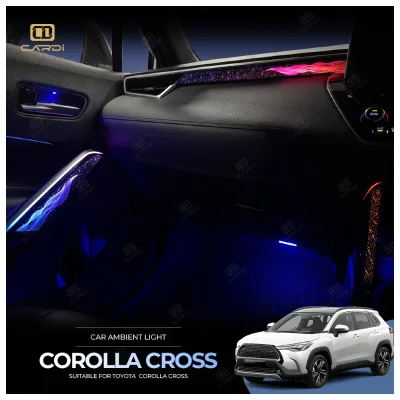
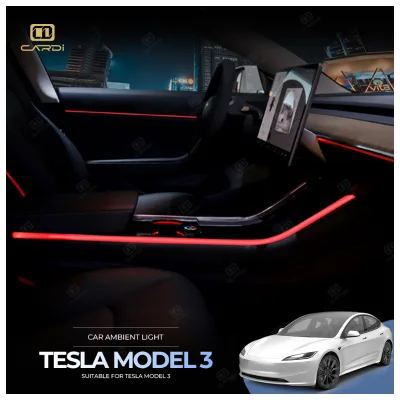
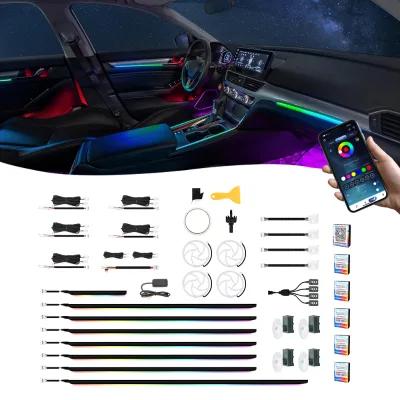
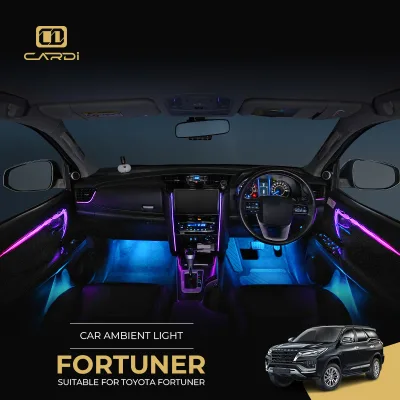
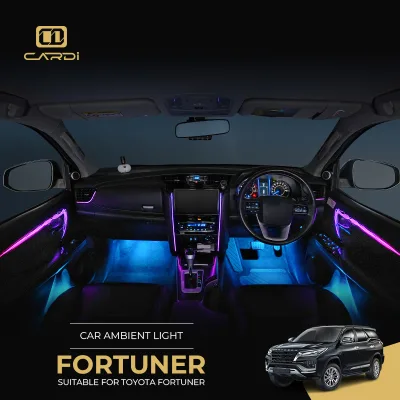
Car Ambient Light 18 in 1 Acrylic Ambient Light Car Symphony Ambient LED Light
$19.30 - $23.70
MOQ: 1 Pieces




Comprehensive Sourcing Guide
Strategic Sourcing Guide for Ambient Light Trim Solutions
The global automotive aftermarket and OEM integration sectors are witnessing a surge in demand for ambient lighting systems that enhance interior aesthetics while maintaining functional safety. For procurement professionals targeting the core keyword "Ambient Light Trim," the market presents a diverse array of products ranging from simple decorative strips to complex, app-controlled atmospheric systems. This guide synthesizes available product attributes and industry standards to provide a disciplined framework for sourcing, evaluating, and integrating these components into vehicle fleets or aftermarket upgrades. Buyers must navigate a landscape where product specifications vary significantly between general decorative items and specialized automotive retrofit solutions.
Technical Specifications and Component Architecture
Understanding the physical and electrical architecture of Ambient Light Trim is the first step in any procurement process. The supplied data indicates a clear divergence in product types, with some units designed as general-purpose LED lights and others specifically engineered for automotive applications. A critical observation in the current market is the variation in material composition. High-quality automotive ambient lights typically utilize Acrylic ABS combined with LED components to ensure durability and light diffusion. In contrast, other listings suggest plastic-based constructions, which may be suitable for lower-cost, non-automotive applications but require careful vetting for heat resistance and UV stability in vehicle interiors.
Electrical specifications are equally critical. The observed data points to a standard operating voltage of 12V, which aligns with standard automotive electrical systems. However, buyers must verify the rated power consumption, as observed ranges indicate units operating between 3-5W. This low power draw is beneficial for vehicle battery health but requires precise calculation when scaling for full interior integration. The lifespan of these components is a key performance indicator, with documented data suggesting a rated lifespan of 50,000 hours. This metric should be treated as a baseline observation rather than a universal guarantee, as actual longevity depends heavily on thermal management and installation quality.
The physical dimensions of the trim also vary. Specific product attributes list dimensions such as 852510, likely representing millimeters for a specific strip or module. Buyers must cross-reference these dimensions with their vehicle's interior geometry to ensure a proper fit. Furthermore, the light guide type is a significant differentiator. The market offers Optical Fiber, Acrylic Strip, and LED Strip options. Optical fiber systems often provide a more uniform glow with less heat, while LED strips offer higher brightness and flexibility. The choice between these depends on the desired aesthetic outcome and the specific vehicle model constraints.
Compliance and Certification Verification
In the automotive sector, regulatory compliance is not merely a formality but a prerequisite for market entry and safety. The supplied product data reveals a complex matrix of certifications, including CCC (China Compulsory Certification), E-mark, DOT (Department of Transportation), GOST, NRCS, GCC, ARAI, SONCAP, and PVOC. These certifications indicate that certain products are designed to meet specific regional and international safety standards. For instance, E-mark and DOT are essential for vehicles operating in Europe and North America, respectively, ensuring that the lighting does not interfere with driver visibility or vehicle safety systems.
Buyers must exercise extreme caution when interpreting these certifications. The presence of a certification label on a product listing does not automatically validate the entire supply chain or every unit in a batch. It is imperative to request valid certification documents and verify their authenticity with the issuing bodies. The data also lists "Uninversal" as a car model, suggesting a generic fit, but this contradicts the specific "19-22 Q8" applicability found in other listings. This discrepancy highlights the need for rigorous verification of compatibility claims. Procurement teams should demand proof that the specific batch of Ambient Light Trim being purchased holds the necessary certifications for the target market, particularly if the vehicles are being exported or sold in regulated jurisdictions.
Cost Drivers and Pricing Dynamics
The pricing landscape for Ambient Light Trim is characterized by a wide variance, with observed ranges spanning from $0.45 to $500,000. This extreme spread suggests that the keyword "Ambient Light Trim" encompasses everything from single decorative bulbs to complete, high-end retrofit kits for luxury vehicles. The lower end of the spectrum likely represents individual components or generic LED strips, while the higher end may include full system integration, custom molding, or specialized OEM-grade hardware.
Several factors drive these costs. Material quality is a primary driver; Acrylic ABS+LED combinations generally command a higher price than basic plastic alternatives due to superior light diffusion and durability. The complexity of the control system also impacts cost. Products featuring APP control and multicolor capabilities (such as the 64-color ambient lights mentioned) involve more sophisticated electronics and software integration, increasing the unit price. Additionally, the scale of customization plays a role. While customization is listed as available, the degree of customization required—whether it is a simple color change or a full custom-molded trim piece—will significantly alter the final cost.
Buyers should be wary of pricing anomalies. A price point near the lower limit may indicate a product intended for non-automotive use, such as home decoration or event lighting, which lacks the necessary shock resistance and voltage stability for vehicle environments. Conversely, prices at the higher end must be scrutinized to ensure they reflect genuine value in terms of certification, material quality, and warranty support.
Typical Applications and Use Cases
The versatility of Ambient Light Trim allows for a broad range of applications, though the automotive sector remains the dominant use case. The data explicitly lists applications such as "Auto Car," "Car," and "Lighting," confirming the primary focus on vehicle interiors. Specific use cases include retrofitting and upgrading existing vehicles, as indicated by the "Purpose: for Retrofit/Upgrade" attribute. This is particularly relevant for older models where manufacturers did not include factory-installed ambient lighting, allowing owners to enhance the interior atmosphere without replacing the entire dashboard.
Beyond automotive applications, the data also lists broader categories such as "Anniversary, New Year, Baby Shower, Wedding, Birthday, Halloween, Christmas, Carnival, Luau." This suggests that some products in this category are multi-purpose, designed for both vehicle interiors and general event decoration. However, for B2B procurement focused on automotive solutions, the distinction is vital. A product suitable for a carnival may not possess the shock resistance or vibration tolerance required for a vehicle in motion. Buyers must clearly define the end-use scenario to avoid purchasing mismatched products. The "Funny Toys" and "Style: Funny Toys" attributes further indicate that some listings are not intended for serious automotive integration but rather for novelty or toy applications.
Supplier Evaluation and Selection Criteria
Selecting the right supplier requires a disciplined approach to due diligence, focusing on their ability to meet technical and regulatory requirements. The "Place of Origin: China" is a common attribute in the data, reflecting the region's dominance in manufacturing LED components and automotive accessories. However, the origin alone does not guarantee quality. Buyers should evaluate suppliers based on their certification portfolio, specifically looking for those that can provide valid E-mark, DOT, or CCC documentation for the specific product batch.
The "Customization: Available" attribute is a significant advantage for buyers with specific vehicle requirements. However, suppliers offering customization must demonstrate a robust quality control process to ensure that custom molds or designs do not compromise the structural integrity or electrical safety of the product. The "Scale: Medium" attribute suggests that many suppliers operate at a mid-range production capacity, which can be beneficial for balancing lead times and cost. Buyers should assess whether the supplier's capacity aligns with their projected order volumes, especially given the observed MOQ range of 1 to 2000 units.
Quality Control and Performance Verification
Quality control is paramount when sourcing Ambient Light Trim, particularly given the safety implications of automotive electrical components. The data highlights several quality attributes, including "Shock-Resistant" and "Easy Installation." These features are critical for ensuring that the lights remain functional under the vibration and temperature fluctuations typical of vehicle operation. Buyers should verify these claims through independent testing or by requesting detailed test reports from the supplier.
The "Lifespan: 50000hours" claim requires verification. In a B2B context, this should be treated as a design target rather than a guaranteed performance metric. Procurement teams should implement a sampling protocol to test a random selection of units from a batch for light output consistency, color accuracy, and thermal performance. The "Light Color: Multicolor" and "64 Colors Ambient Lights" attributes suggest complex control systems that must be tested for responsiveness and stability. Additionally, the "Dust Cap: Without Dust Cap" attribute indicates that some products may require additional sealing measures during installation to prevent moisture ingress, which could lead to premature failure.
Long-Term Procurement Considerations
Sourcing Ambient Light Trim is not a one-time transaction but a strategic relationship that impacts long-term vehicle maintenance and customer satisfaction. The "Installation: Easy Installation" attribute is a key factor in reducing labor costs and minimizing the risk of installation errors. However, buyers must consider the long-term availability of spare parts and the compatibility of the control systems with future vehicle updates. The "Control Mode: APP Control" feature implies a reliance on software that may require updates or compatibility with newer smartphone operating systems.
Furthermore, the "Product Name: Rainbow Atmosphere LED Strip Light" and similar generic naming conventions suggest that product identification can be inconsistent. Buyers should establish clear internal specifications and part numbers to ensure traceability and consistency across orders. The "Package: a Set in a Colorful Cardboard Box" and "prod_packing: CTN" details indicate that packaging standards vary, which can affect logistics and storage costs. Standardizing packaging requirements can help streamline the supply chain and reduce damage during transit.
| Feature Category | Observation from Data | Procurement Action Required |
|---|---|---|
| Material | Plastic, Acrylic ABS+LED | Verify material safety data sheets (MSDS) and UV resistance. |
| Voltage | 12V | Confirm compatibility with specific vehicle electrical systems. |
| Certification | CCC, E-mark, DOT, GOST, etc. | Request valid certificates for the specific batch and region. |
| Lifespan | 50,000 hours | Conduct independent longevity testing on sample units. |
| Control | APP Control, Multicolor | Test app compatibility and latency with target devices. |
| Fitment | 19-22 Q8, Universal | Verify physical dimensions against target vehicle models. |
In conclusion, sourcing Ambient Light Trim requires a nuanced understanding of the diverse product landscape. By rigorously evaluating technical specifications, verifying certifications, and implementing robust quality control measures, buyers can secure high-quality components that enhance vehicle interiors while maintaining safety and compliance standards. The wide range of observed prices and applications necessitates a clear definition of requirements to avoid procurement errors and ensure long-term value.
FAQs
What certifications are available for Ambient Light Trim?
Available certifications include CCC, E-mark, DOT, GOST, NRCS, GCC, ARAI, SONCAP, and PVOC. Buyers must verify that specific batches hold valid documentation for their target market, as these standards ensure safety and regulatory compliance for automotive use.
Which materials are used for Ambient Light Trim construction?
Common materials include Acrylic ABS combined with LED components for durability, as well as basic plastic options. Acrylic ABS provides superior light diffusion and heat resistance, while plastic variants may suit lower-cost applications but require vetting for vehicle environments.
Can Ambient Light Trim be customized for specific vehicles?
Customization is available for various product attributes and specifications. Buyers should confirm the degree of customization required, such as specific dimensions like 85*25*10 or model compatibility like 19-22 Q8, to ensure the trim fits the intended vehicle geometry.
What is the typical lifespan of Ambient Light Trim units?
The rated lifespan is documented as 50,000 hours under standard operating conditions. This metric serves as a baseline observation, and actual longevity depends on thermal management, installation quality, and whether the unit is shock-resistant for vehicle vibration.
How is the voltage and power consumption defined for these lights?
The standard operating voltage is 12V, aligning with automotive electrical systems. Rated power consumption typically ranges between 3-5W, which is beneficial for vehicle battery health but requires precise calculation when scaling for full interior integration across multiple units.
What control modes are supported for Ambient Light Trim systems?
Systems support APP Control for managing features like 64 colors and multicolor options. This control mode implies reliance on software that may require updates, so buyers should verify compatibility with current smartphone operating systems for long-term functionality.
Which packaging types are used for Ambient Light Trim shipments?
Packaging options include CTN (Carton) and individual sets in colorful cardboard boxes. Specific dimensions like Cm are noted for packing, and buyers should ensure the packaging protects the optical fiber or LED strip components during transit to prevent damage.