Source Ambulatory EEG Brain Sensor for Hospital, Clinic, and Home Monitoring
Explore 30 listings of Ambulatory EEG Brain Sensor devices suitable for hospital, clinic, and home monitoring applications. Buyers can compare channel counts, recording durations, and certification standards like CE and FDA to find the right physiological monitoring equipment.
Key considerations
Products List


EEG (Routine EEG System & Ambulatory EEG System) Electroencephalograph
$2000.00 - $4000.00
MOQ: 1 Sets


Advanced EEG Device for Brain Function Monitoring and Sleep Analysis
$10000.00 - $11000.00
MOQ: 1 Sets


Medical Equipment Hospital Device Dynamic Electroencephalogram Portable EEG
$800.00 - $1000.00
MOQ: 1 Sets

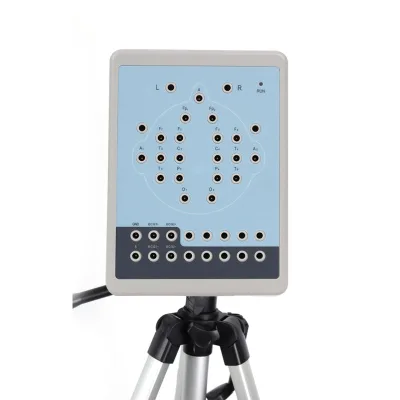
CONTEC KT88 16 Channel Digital Electroencephalographambulatory Eeg Equipment
$511.39 - $716.36
MOQ: 1 units
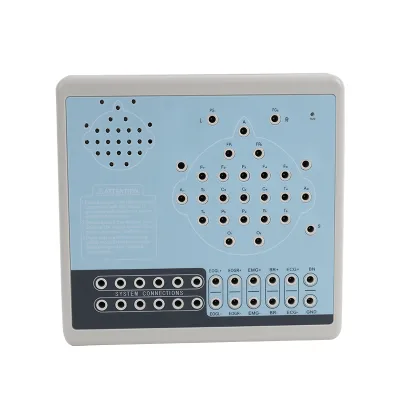
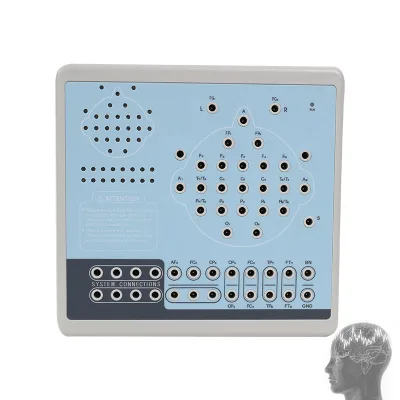
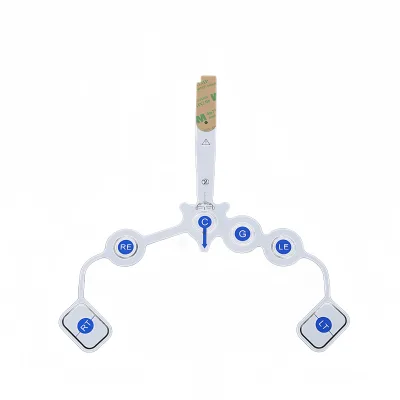


Factory Supply ECG Aeeg Multi Parameter EEG Monitor Machine Neonate EEG Monitor
$1830.00 - $30513.00
MOQ: 1 set


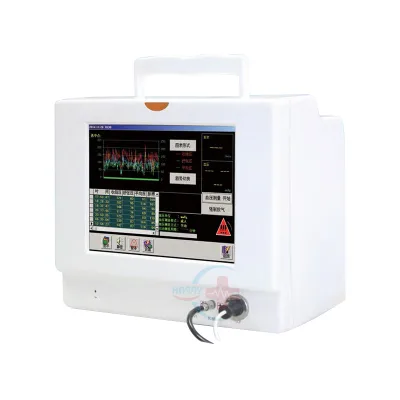


Medical Equipments Digital EEG Emg System for Europe Brain Activity (THR-EEG-3200)
$1000.00 - $1100.00
MOQ: 1 Pieces

Comprehensive Sourcing Guide
Strategic Sourcing Guide for Ambulatory EEG Brain Sensors
Procuring ambulatory EEG brain sensors requires a disciplined approach that balances clinical precision with supply chain reliability. The market offers a diverse array of devices, ranging from portable single-channel monitors to complex multi-channel systems designed for extended recording periods. Buyers must navigate a landscape where product attributes often vary significantly between listings, necessitating a rigorous verification process before finalizing any procurement contract. This guide outlines the critical factors for sourcing these diagnostic tools, focusing on technical specifications, regulatory compliance, cost structures, and supplier evaluation based on verified market data.
Technical Specifications and Channel Architecture
The core functionality of an ambulatory EEG system is defined by its channel architecture and recording capabilities. In the current market, products are frequently categorized by their channel count, which directly correlates with the depth of diagnostic data captured. Available configurations include systems with 16 channels, 20 channels, and multi-channel arrays offering 24, 32, or even 64 channels. For instance, specific models are identified as having 16 channels of EEG Holter capability, while other listings describe units capable of 24 or 32 channels. The selection of channel count should align with the specific clinical requirements of the intended application; higher channel counts provide more granular spatial resolution but may increase the complexity of data analysis and the physical footprint of the device.
Recording duration is another pivotal specification. Ambulatory devices are designed for continuous monitoring outside of a clinical setting, often requiring extended battery life. Verified product data indicates recording capabilities of up to 24 hours for certain models, a standard benchmark for overnight sleep studies or seizure monitoring. However, buyers must verify if the specific unit supports longer durations or if the 24-hour limit is a hard constraint of the hardware design. Additionally, the physical form factor varies; some units are described as portable with dimensions around 390310640mm, while others are compact, measuring approximately 127(L) * 80.5(W) * 35.6(H) mm. The choice between a compact, wearable Holter-style unit and a larger portable station depends on the mobility requirements of the patient and the monitoring environment.
Regulatory Compliance and Certification Verification
Navigating the regulatory landscape is essential for ensuring that purchased equipment meets international safety and performance standards. The market data highlights a variety of certifications, including FDA, ISO, MSDS, EEC, and CE. It is crucial to understand that the presence of a certification claim in a product listing does not automatically guarantee that every unit in that batch holds valid, current certification status. Buyers must request specific certification documents for the exact model number being purchased. For example, while some listings mention "ISOCE" or "FDA" alongside "EEC," the validity of these certifications for a specific medical device class must be confirmed with the supplier.
The regulatory type of the device is also a key differentiator. Some products are classified under "Physiological Functions of Diagnosis and Monitoring Equipment," while others fall under "Imaging Diagnostic Equipment" or are categorized as "Type ECG" devices, despite being EEG machines. This inconsistency in classification terminology suggests that buyers must carefully review the regulatory classification of the specific model to ensure it aligns with local medical device regulations. Furthermore, the "Medical Device Regulatory Type" field often contains generic descriptors like "Type Type:ECG," which may be a data entry artifact rather than a precise regulatory classification. Procurement teams should verify the actual regulatory clearance status in the target market to avoid compliance risks.
Cost Drivers and Pricing Structures
The pricing for ambulatory EEG sensors exhibits a wide variance, with observed ranges spanning from approximately $3.30 to over $30,000 USD. This broad spectrum reflects differences in channel count, technological sophistication, brand reputation, and included accessories. Lower-priced items in the market often correspond to basic components, such as electrode sets or single-channel sensors, whereas higher-priced units likely represent complete systems with advanced recording capabilities, software suites, and extended warranty periods. The "Two Years" quality guarantee period mentioned in some listings is a significant value driver that can influence the total cost of ownership.
When evaluating cost, buyers must look beyond the unit price to consider the total procurement cost. This includes the Minimum Order Quantity (MOQ), which ranges from 1 to 100 units. High MOQs can significantly impact cash flow and inventory management, particularly for smaller clinics or research institutions. Additionally, the packaging type, whether "Carton," "Package," or "OEM," can affect shipping costs and the ease of handling. Buyers should also account for potential customization costs, as "Customization: Available" is a noted attribute for many products. Customization may involve branding, specific cable lengths, or software configurations, all of which can add to the base price.
Typical Applications and Clinical Use Cases
Ambulatory EEG brain sensors are primarily utilized for diagnosing and monitoring neurological conditions in settings where patients are not confined to a hospital bed. The target demographic for these devices includes both "Middle-aged and Old" populations and "Adult" patients. The specific applications often revolve around detecting seizure disorders, sleep disorders, and other episodic neurological events. The ability to record for up to 24 hours makes these devices particularly suitable for capturing events that may not occur during a standard, shorter clinical EEG session.
The classification of these devices as "Physiological Functions of Diagnosis and Monitoring Equipment" underscores their role in continuous patient monitoring. Some systems are also described as having "Video" capabilities, though many listings specify "Without" video, indicating that the core EEG sensor may be a standalone audio-visual recording unit or part of a larger system. The "Function: Diagnose" attribute confirms the primary intent of these tools. For surgical or procedural contexts, some products are categorized under "Surgical Supplies Materials," suggesting a niche application where EEG monitoring is integrated into surgical workflows. Buyers should match the device's specific attributes, such as channel count and recording time, to the specific clinical protocols they intend to support.
Supplier Evaluation and Operational Capabilities
Evaluating a supplier for ambulatory EEG sensors requires a deep dive into their operational capabilities and product consistency. The origin of the products is a critical factor, with listings indicating origins in "China," "Guangdong, China," and "Suzhou." While these locations are major manufacturing hubs, buyers must verify the specific factory standards and quality control processes employed at these facilities. The "After-Sales Service: Yes" attribute is a positive indicator, but the scope of this service—whether it includes technical support, software updates, or hardware repairs—must be clearly defined in the contract.
Lead times are another operational metric that varies in the market. A standard delivery time of "30 Days After Payment" is observed, but this can fluctuate based on order volume and customization requirements. Buyers should also consider the "Ethylene Oxide Sterilization" attribute, which is relevant for certain medical supplies. If the EEG sensors are intended for direct patient contact in sterile environments, verifying the sterilization process is mandatory. The "Quality Guarantee Period" of two years is a strong selling point, but the terms of this guarantee, including what is covered and the process for claims, must be scrutinized.
Quality Control and Long-Term Procurement Considerations
Ensuring long-term reliability involves rigorous quality control measures. Buyers should verify the "Power Spectrum Frequency" accuracy, with some specifications noting a deviation range of ±5%. This metric is critical for the accuracy of the diagnostic data; a higher deviation could lead to misdiagnosis. The "Standard" field in product listings often contains dimensional data or certification names, which can be confusing. For instance, a standard might be listed as "CE" or "127(L) * 80.5(W) * 35.6(H) mm." Buyers must distinguish between physical dimensions and regulatory standards to avoid confusion during the procurement process.
Long-term procurement strategies should also consider the availability of consumables, such as electrodes. Some listings mention "4 electrodes" as a standard, while others describe models with "8/16/24/32 /64 channels," implying different electrode configurations. Ensuring a consistent supply of compatible consumables is vital for maintaining uninterrupted service. Furthermore, the "Brand" attribute, with mentions of "Solar," suggests that established brands may offer better support networks and spare parts availability. However, buyers should not rely solely on brand reputation; they must validate the specific model's performance through sample testing or reference checks.
Comparative Analysis of Product Attributes
To facilitate decision-making, the following table summarizes key attributes observed in the market for ambulatory EEG sensors. This comparison highlights the diversity in specifications and helps buyers identify the features most relevant to their needs.
| Attribute | Observed Range/Options | Critical Verification Point |
|---|---|---|
| Channel Count | 16, 20, 24, 32, 64 | Verify actual channel count vs. marketing claims. |
| Recording Time | Up to 24 Hours | Confirm battery life and storage capacity limits. |
| Certifications | FDA, ISO, MSDS, EEC, CE | Request valid certificates for the specific model. |
| Target Group | Middle-aged and Old, Adult | Ensure device suitability for the patient demographic. |
| Origin | China, Guangdong, Suzhou | Verify factory location and quality control standards. |
| Lead Time | 30 Days After Payment | Confirm if this applies to customized orders. |
| Warranty | Two Years | Clarify scope of coverage and claim process. |
| Sterilization | Ethylene Oxide Sterilization | Confirm if required for the specific application. |
In conclusion, sourcing ambulatory EEG brain sensors demands a meticulous approach to verifying technical specifications, regulatory compliance, and supplier reliability. The market offers a wide array of options, from compact 16-channel Holter devices to extensive 64-channel systems. By focusing on the verified attributes provided in product listings and avoiding assumptions about unverified claims, buyers can make informed decisions that ensure clinical efficacy and operational stability. The key lies in rigorous due diligence, particularly regarding certification validity, channel accuracy, and the long-term support infrastructure provided by the supplier.
FAQs
How long can ambulatory eeg brain sensors record data continuously?
Some models record up to 24 hours continuously, which is standard for overnight monitoring. Buyers must verify if specific units support longer durations or if the 24-hour limit is a hardware constraint.
Which channel configurations are available for these EEG devices?
Available configurations include 16, 20, 24, 32, and 64 channels depending on the model. Higher channel counts provide more spatial resolution but may increase device complexity and physical footprint.
Can buyers request customization for these diagnostic monitoring equipment units?
Yes, customization is available for many listed products to meet specific clinical needs. This may involve branding, cable lengths, or software configurations, which can affect the base price and lead time.
What certifications do these medical devices typically hold?
Common certifications include FDA, ISO, MSDS, EEC, and CE for various models. Buyers must request valid certificates for the exact model number to ensure regulatory compliance in their target market.
How long is the typical delivery time after payment is made?
The standard delivery time is 30 days after payment for most orders. This timeline may fluctuate based on order volume, customization requirements, and the specific factory location in China.
What is the minimum order quantity for purchasing these sensors?
The minimum order quantity ranges from 1 to 100 units depending on the supplier. High MOQs can impact cash flow, so buyers should verify the specific requirement before finalizing the procurement contract.
Which target patient groups are these EEG devices designed for?
These devices are designed for adult, middle-aged, and elderly patient populations. The selection should align with the specific clinical requirements and the demographic of the intended users.