Source Whitening Moisturizing Coconut Essential Oil for cosmetics, detergents, and hair care
Compare 30 listings for Whitening Moisturizing Coconut Essential Oil suitable for cosmetic raw materials, detergent formulations, and hair care chemicals. Buyers can evaluate suppliers offering OEM services, various packaging options, and certifications like GMP and FDA.
Key considerations
Products List


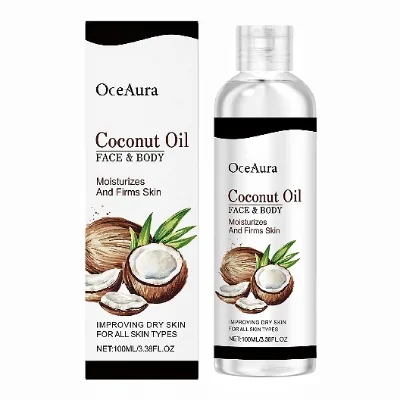
100% Pure Natural Organic Coconut Oil Whitening Nourishing and Moisturizing
$3.75 - $4.50
MOQ: 1000 Pieces







Comprehensive Sourcing Guide
Strategic Sourcing Guide for Whitening Moisturizing Coconut Essential Oil
Understanding Product Specifications and Raw Material Variability
When sourcing a product described as Whitening Moisturizing Coconut Essential Oil, buyers must first navigate the complex reality that "essential oil" and "coconut oil" represent distinct chemical categories, yet market listings often conflate them. The supplied data indicates a product count of 30 items with a price range of 0.62 to 10 USD, suggesting a wide variance in product quality and concentration. A critical observation from the raw data is the presence of conflicting raw material definitions. Some entries explicitly list "Coconut" as the ingredient, while others cite "Seed Extraction" or "Leaves" (such as Lavender) as the source. This inconsistency necessitates a rigorous verification process where the buyer must confirm whether the product is a pure coconut oil, a coconut-derived essential oil, or a blend containing other active ingredients like Tranexamic Acid or Ha (Hyaluronic Acid) as noted in specific listings.
The grade separation further complicates the selection process. The data reveals products classified as "Pure Essential Oil Grade A" alongside items labeled "Food Grade B" or "Pure Grade." For cosmetic applications, the distinction between food-grade and cosmetic-grade is paramount, as it dictates the purity standards and the absence of heavy metals or pesticides. Furthermore, the extraction method is listed simply as "Extraction," but the specific technique (e.g., cold-pressing, steam distillation, or CO2 extraction) significantly impacts the retention of active whitening and moisturizing compounds. Buyers should not assume that all listed "Coconut" products share the same chemical profile. The presence of "Seed Extraction" alongside "Coconut" suggests that some listings may refer to coconut kernel oil rather than a volatile essential oil, which has different application properties for skin hydration versus aromatic therapy.
Compliance, Certification, and Regulatory Standards
Navigating the regulatory landscape is the most critical step in sourcing high-quality coconut-based oils for cosmetic and personal care applications. The provided data highlights a diverse array of certifications, including MSDS, GMP, FDA, CE, EEC, and CE / EU. While the presence of these certifications is a positive indicator, buyers must verify the specific scope of each certificate. For instance, FDA certification often relates to the facility's registration or specific ingredient approval in the United States, whereas CE marking indicates conformity with health, safety, and environmental protection standards for products sold within the European Economic Area.
The data also lists "Food Grade" separation for some items, which implies a higher purity standard suitable for ingestion, but this does not automatically guarantee compliance with cosmetic regulations in all jurisdictions. Conversely, other entries list "Food Grade B," which may indicate a lower tier of purity. For a product marketed with "Whitening" and "Moisturizing" claims, the regulatory burden is higher. In the EU, whitening claims are scrutinized under the Cosmetic Regulation (EC) No 1223/2009, requiring robust safety assessments. The presence of Tranexamic Acid in some ingredient lists suggests that the product may be a functional blend rather than a single-ingredient oil, which requires separate verification of the acid's concentration and stability.
Buyers must also scrutinize the "Standard" field, which varies from "drum" to "99%" to "30ml." A standard of "99%" likely refers to purity percentage, a critical metric for essential oils, whereas "drum" refers to packaging. The "EEC" and "CE / EU" certifications listed in the data are particularly relevant for European buyers, ensuring that the product meets the stringent safety and labeling requirements of the region. However, the absence of a specific ISO standard number in the provided text means buyers must explicitly request ISO 9001 or ISO 22716 (Cosmetic GMP) documentation from the supplier to ensure consistent quality control.
Cost Drivers and Pricing Structure Analysis
The observed price range of 0.62 to 10 USD per unit indicates significant variability in cost drivers, which buyers must analyze to avoid overpaying for low-quality goods or underestimating the cost of premium, certified products. The primary cost driver is the raw material source and grade. Products listed as "Pure Essential Oil Grade A" or those containing specialized actives like Tranexamic Acid will naturally command a higher price point compared to generic "Food Grade B" oils. The extraction method also plays a pivotal role; cold-pressed coconut oil retains more beneficial fatty acids and nutrients than chemically extracted variants, justifying a higher price.
Packaging and customization are secondary but significant cost factors. The data shows packaging options ranging from small units like "30ml" to bulk industrial containers such as "160kg" or "180kg in Galvanized Steel Drum." The choice of packaging directly impacts the unit price; smaller, customized packaging (e.g., "OEM" or "Customers Requirements") incurs higher per-unit costs due to setup fees and lower economies of scale. Conversely, bulk purchases in standard drums reduce the cost per kilogram. The MOQ (Minimum Order Quantity) range of 1 to 3000 units further influences the final price. Suppliers offering an MOQ of 1 are likely targeting small businesses or sample buyers, often at a premium price, while those with an MOQ of 500 or 3000 are geared toward large-scale manufacturers, offering lower unit costs.
Additionally, the "Sample" policy noted in the data ("Free, But We Charged Freight") is a common cost driver. While the product itself may be free, the logistics cost for shipping samples can be substantial, especially for heavy bulk items. Buyers should factor this into their initial budget. The "Supply Type" being OEM/ODM suggests that custom formulation and branding will add to the overall cost. If a buyer requires a specific "Whitening" formulation with a defined percentage of active ingredients, the R&D and testing costs will be reflected in the final price, moving the product toward the higher end of the 0.62-10 USD range.
Typical Applications and Functional Claims Verification
The functional claims associated with coconut essential oil in this dataset are extensive, ranging from "Moisturizing Brightening" to "Whitening," "Anti-Aging," and "Acne Treatment." The data explicitly links the product to "Cosmetic Raw Materials," "Hair Care Chemicals," "Detergent Raw Materials," and "Oral Care Chemicals." However, buyers must be cautious about the scope of these applications. While coconut oil is naturally moisturizing and beneficial for dry skin, the "Whitening" claim often requires specific active ingredients or a specific formulation to be effective and compliant. The presence of "Tranexamic Acid" in the ingredient list for some products supports the whitening claim, as this is a known depigmenting agent.
The "Application" field lists "Face," "Body," and "General," indicating versatility. However, the "Skin Type" is specified as "Dry Skin," suggesting that the primary formulation is designed for hydration. For buyers targeting the "Whitening" market, it is essential to verify if the product is a standalone oil or a blend. A pure coconut oil may moisturize but may not inherently whiten without the addition of other actives. The "Feature" list includes "Firming," "Anti-Wrinkle," and "Callus Remover," which are typical benefits of coconut oil due to its fatty acid content, but "Face-lift" and "Whitening" are more aggressive claims that require clinical validation.
The "Function" listed as "Nervous System" appears to be an outlier or a specific marketing angle related to aromatherapy, which may not be relevant for a topical whitening moisturizer. Buyers should prioritize products where the "Ingredient" and "Feature" lists align logically. For example, a product with "Coconut" as the ingredient and "Moisturizing Brightening" as the effect is a logical pairing, whereas a product with "Lavender" as the ingredient and "Whitening" as the feature may require a blend to achieve the desired result. The "Usage" in "Detergent Raw Materials" also suggests that some listed products may be industrial grade, unsuitable for direct cosmetic application without further processing.
Supplier Evaluation and Quality Control Protocols
Evaluating suppliers for coconut essential oil requires a multi-faceted approach, focusing on their ability to meet the diverse requirements of the market. The data indicates a "Supply Type" of OEM/ODM, meaning suppliers are expected to offer customization. Buyers should verify the supplier's capacity for "Customization" and "Package: OEM" to ensure they can meet specific branding and formulation needs. The "Location" data points to "China" and "Guangdong," a major hub for cosmetic manufacturing. While this offers competitive pricing, it also necessitates rigorous due diligence regarding the supplier's track record and export history.
Quality control is paramount, especially given the conflicting "Grade" and "Standard" information in the data. Buyers must request a Certificate of Analysis (CoA) for every batch, verifying the purity level (e.g., the "99%" standard mentioned) and the absence of contaminants. The "Expiry Date" of "3 Years" is a critical parameter; buyers should confirm the shelf life of the specific batch they are purchasing, as essential oils can degrade over time. The "Method" of extraction should be clearly defined in the CoA to ensure the active compounds are preserved.
The "Certification" list includes MSDS, GMP, FDA, and CE, but buyers must ensure these are current and valid for the specific product line. A supplier with "MSDS" and "GMP" is a baseline requirement, but "FDA" and "CE" should be verified against the specific product model (e.g., "YZY" or "AFCARE"). The "MOQ" varies significantly, from 10 to 3000, so buyers should assess whether the supplier can accommodate their volume needs without compromising quality. For smaller orders, the supplier's ability to provide "Free" samples (with freight charges) is a good test of their responsiveness and product quality.
Long-Term Procurement and Supply Chain Considerations
Sourcing coconut essential oil for long-term use involves more than just securing a single batch; it requires establishing a stable supply chain that can adapt to market demands. The "prod_packing" options, ranging from 1kg to 160kg, offer flexibility for different stages of business growth. However, the "Standard" of "drum" for bulk items implies that storage and handling infrastructure must be in place to manage large quantities safely. The "Galvanized Steel Drum" specification for 180kg packages suggests a need for corrosion-resistant storage, which is crucial for maintaining the integrity of the oil over its 3-year expiry period.
The "Ingredient" variability, including "Seed Extraction," "Ha," and "Tranexamic Acid," indicates that the supply chain must be robust enough to handle multiple raw material sources. Buyers should establish a relationship with suppliers who can consistently source high-quality raw materials, especially if the formulation includes specialized actives. The "Service" of "ODM/OEM" suggests that the supplier should be capable of scaling production as the buyer's demand grows, from small batches of 10 units to large orders of 3000 units.
Long-term procurement also involves monitoring market trends and regulatory changes. The "Whitening" and "Moisturizing" claims are subject to evolving regulations in major markets like the EU and the US. Buyers should maintain open communication with their suppliers to stay informed about any changes in certification requirements or ingredient restrictions. The "Location" of the supplier in Guangdong, China, offers logistical advantages for shipping to Asia and potentially other regions, but buyers should also consider the impact of geopolitical factors on lead times and shipping costs. Finally, the "Sample" policy of "Free, But We Charged Freight" should be factored into the long-term cost model, as repeated sampling for quality assurance can accumulate significant expenses.
Comparative Analysis of Product Attributes
To facilitate a clear decision-making process, the following table summarizes the key attributes observed in the product data, highlighting the critical differences buyers must consider.
| Attribute Category | Observation A (Coconut Focus) | Observation B (Blend/Active Focus) | Observation C (Industrial/Bulk) |
|---|---|---|---|
| Primary Ingredient | Coconut | Seed Extraction, Ha, Tranexamic Acid | Lavender, Seed Extraction |
| Grade Classification | Pure Essential Oil Grade A | Food Grade B | Pure Grade |
| Key Application | Cosmetic Raw Materials, Hair Care | Face, Whitening, Anti-Aging | Detergent, General |
| Packaging Standard | 1kg - 25kg, 160kg | 30ml, Customized | 180kg Galvanized Steel Drum |
| Certifications | MSDS, GMP, FDA | MSDS, CE, GMP, EEC | MSDS, CE, GMP, EU |
| MOQ Range | 10 - 500 | 10 | 500 - 3000 |
| Function Claim | Moisturizing, Brightening | Whitening, Anti-Wrinkle, Firming | Nervous System, General |
This comparison underscores the necessity of precise specification matching. A buyer seeking a "Whitening" product for the face should prioritize Observation B, which explicitly lists "Whitening" and "Anti-Aging" features alongside actives like Tranexamic Acid. Conversely, a buyer looking for a base moisturizer for hair care might find Observation A more suitable due to its "Coconut" focus and "Pure Essential Oil Grade A" status. Observation C, with its "Lavender" ingredient and "Nervous System" function, appears to be an aromatherapy product rather than a cosmetic whitening agent, making it less relevant for the core keyword unless used as a blend component.
In conclusion, sourcing a Whitening Moisturizing Coconut Essential Oil requires a meticulous approach to verifying specifications, certifications, and supplier capabilities. The wide range of product attributes in the market necessitates a clear understanding of the buyer's specific needs to avoid mismatches in grade, application, and regulatory compliance. By rigorously evaluating the data points provided and maintaining a focus on quality control and long-term supply stability, buyers can secure products that meet both their functional requirements and market expectations.
FAQs
What certifications are available for Whitening Moisturizing Coconut Essential Oil?
Available certifications include MSDS, GMP, FDA, CE, and EEC. Buyers must verify the specific scope of each certificate to ensure compliance with regional regulations for cosmetic and food-grade applications.
Which raw materials are used in these coconut essential oil products?
Products primarily use coconut, seed extraction, or leaves as raw materials. Some listings also include additives like Tranexamic Acid or Hyaluronic Acid, requiring verification of the exact ingredient composition before purchase.
Can I request custom packaging for Whitening Moisturizing Coconut Essential Oil?
Custom packaging is available with options ranging from 1kg to 180kg in galvanized steel drums. Suppliers also offer OEM services for specific customer requirements, though setup fees may apply for smaller quantities.
What is the minimum order quantity for these essential oil products?
Minimum order quantities range from 1 to 3000 units depending on the supplier and product grade. Smaller MOQs like 10 or 500 are common for samples or trial orders, while bulk purchases often require higher volumes.
How long is the shelf life of Whitening Moisturizing Coconut Essential Oil?
The standard expiry date is typically 3 years from the manufacturing date. Buyers should request a Certificate of Analysis to confirm the specific batch shelf life and ensure the product remains stable for use.
What extraction methods are used for these coconut essential oils?
The listed extraction method is simply extraction, but specific techniques like cold-pressing or steam distillation impact purity. Buyers should request detailed CoA data to confirm the method used for retaining active whitening and moisturizing compounds.