Source anti-pilling rhinestone transfers for Garment, Bags, Shoes
Find 30 anti-pilling rhinestone transfers from China suppliers. Compare crystal hot-fix motifs in sizes 2mm-7mm, available in black and white. These OEM/ODM iron-on patches support custom designs for apparel and accessories; compare the available evidence and request quotations based on your requirements.
Updated
Key considerations
Products List


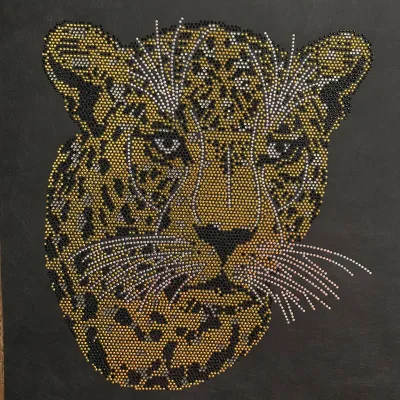
Factory Direct Animal Rhinestone Transfer Rhinestone Heat Transfers Rhinestones Transfer
$0.2603 - $0.6029
MOQ: 200 Minimum


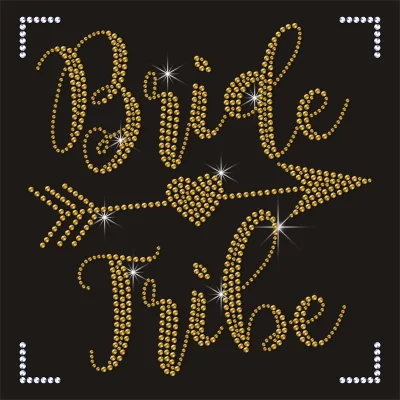
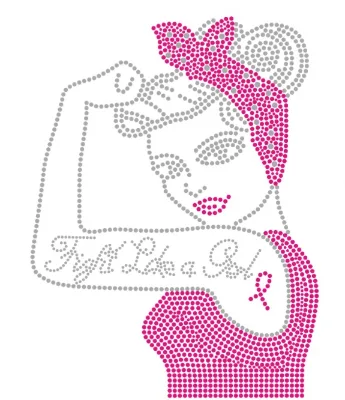
Fearfully and Wonderfully Made Rhinestone Transfer Custom Bling Transfer
$1.3868 - $1.7982
MOQ: 50 pieces











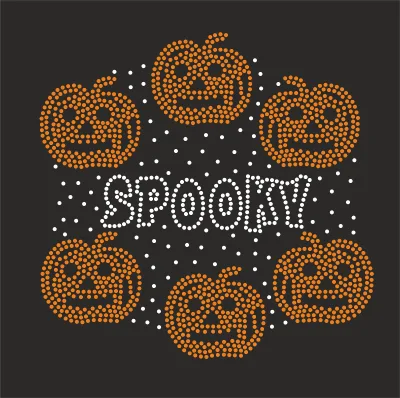
Custom Bling Pumpkin Halloween Motifs Rhinestone Transfer for Clothing
$1.6396 - $2.2545
MOQ: 30 pieces


Comprehensive Sourcing Guide
Anti-Pilling Rhinestone Transfers Sourcing Guide
Procuring anti-pilling rhinestone transfers requires a nuanced understanding of the underlying materials and application methods, as the term "anti-pilling" is not a standard industry specification for crystal-based embellishments. The supplied product data indicates that the primary material is crystal, with specific mentions of crystal rhinestones and steel sheet components, suggesting a composite structure rather than a fabric-based transfer. Buyers must recognize that pilling is typically a concern for textile fibers, whereas rhinestone transfers rely on adhesive backing and mechanical durability. Therefore, the focus should shift toward washability, heat resistance, and the integrity of the hot-fix application process to ensure the embellishments remain secure and visually intact after repeated laundering.
The observed market signals highlight a diverse range of product types, including motif rhinestones, western rhinestone transfers, and iron-on TPU heat transfer patches. These variations imply that the "anti-pilling" claim may refer to the durability of the TPU backing or the adhesive layer rather than the crystals themselves. Sourcing guides must emphasize the importance of verifying the specific construction of the transfer, including the shape, size, and facet count, to ensure compatibility with the intended garment or accessory. Buyers should prioritize suppliers who offer OEM and ODM support, allowing for customized designs that meet specific aesthetic and functional requirements while maintaining high-quality standards.
Product Scope and Observed Listing Signals
The current market landscape for rhinestone transfers is characterized by a wide variety of specifications, including sizes ranging from 1.5mm to 7mm and shapes such as square motifs. The observed listings indicate a strong emphasis on customization, with many suppliers offering designs according to buyer requests and accepting OEM orders. This flexibility is crucial for brands seeking unique embellishments for garments, bags, shoes, and caps. The presence of both black and white color options, along with various model numbers like SR0015 and SR0037, suggests a mature supply chain capable of producing diverse aesthetic outcomes. Buyers should leverage this variety to find transfers that align with their specific design needs, ensuring that the chosen product meets both visual and functional criteria.
Shipping and packaging details further define the scope of available products, with options for express, air, and sea freight, as well as customized or standard transportation packaging. The single package size of 2X5X8 cm and a gross weight of 0.001 kg per item indicate lightweight, efficient packaging solutions that minimize logistics costs. Additionally, the supply ability of 20,000 pieces per day demonstrates the capacity of suppliers to handle large orders, which is essential for bulk procurement. Buyers should consider these logistical factors when planning their supply chain, ensuring that the chosen supplier can meet delivery timelines and volume requirements without compromising on quality or customization options.
Technical Specifications to Verify
When evaluating rhinestone transfers, buyers must verify critical technical specifications such as the hot-fix technique, which ensures secure attachment to fabrics through heat application. The presence of 12 facets on some products indicates a high level of craftsmanship, enhancing the sparkle and visual appeal of the embellishments. It is essential to confirm the compatibility of the transfer with the intended fabric type, as different materials may require specific heat settings and pressure levels. Buyers should also inquire about the adhesive quality and durability, ensuring that the transfer can withstand washing and wear without peeling or losing its crystals. This verification process helps prevent post-production issues and ensures customer satisfaction with the final product.
Size and model number variations, such as 2mm, 3mm, 4mm, and 5mm options, allow for precise design integration, but buyers must ensure consistency across orders. The model numbers SR0015, SR0037, and A-001 serve as unique identifiers for quality control and reordering purposes. Buyers should request detailed technical datasheets that outline the heat application parameters, adhesive composition, and crystal durability tests. Additionally, verifying the single gross weight and package contents, such as 100 pieces per pack, helps in accurate inventory management and cost calculation. By focusing on these technical details, buyers can make informed decisions that align with their production capabilities and quality standards.
Compliance and Safety Documentation
Compliance and safety are paramount when sourcing rhinestone transfers, particularly for products intended for children's clothing or items requiring strict regulatory adherence. Buyers should request documentation confirming that the materials used, including the crystal rhinestones and TPU backing, are free from harmful substances such as lead, cadmium, and phthalates. The eco-friendly and washable features mentioned in the listings suggest a commitment to sustainable practices, but buyers must verify these claims through independent testing or certification. Ensuring that the transfers meet international safety standards, such as REACH or CPSIA, is crucial for market access and brand reputation. This due diligence protects both the buyer and the end consumer from potential health risks associated with non-compliant materials.
In addition to material safety, buyers should inquire about the manufacturing processes and quality control measures implemented by the supplier. Documentation should include evidence of regular inspections, batch testing, and adherence to good manufacturing practices. The ability to provide a 7-day sample order lead time allows buyers to test the product's performance and compliance before committing to large orders. Buyers should also verify the supplier's track record in meeting regulatory requirements, as this indicates a reliable and responsible partner. By prioritizing compliance and safety, buyers can mitigate risks and ensure that their products meet all necessary legal and ethical standards.
Cost Drivers and Commercial Terms
Cost drivers for rhinestone transfers include the complexity of the design, the size and number of crystals, and the customization level required. The observed price range of 0.03 to 6.1 USD reflects these variations, with higher prices typically associated with intricate motifs or larger sizes. Buyers should analyze the cost structure to understand the value proposition of each product, considering factors such as supply ability, packaging, and shipping options. The MOQ range of 10 to 1000 pieces offers flexibility for different order sizes, allowing buyers to start with smaller quantities for testing and scale up as needed. Understanding these cost drivers helps buyers negotiate better terms and optimize their procurement strategy.
Commercial terms such as payment methods, delivery timelines, and return policies also impact the overall cost of procurement. Buyers should clarify these terms with suppliers to avoid unexpected expenses or delays. The port of dispatch in Shanghai and the various shipping options provide logistical flexibility, but buyers must factor in transit times and customs clearance costs. Additionally, the customized design support and OEM capabilities may incur additional fees, which should be discussed upfront. By carefully evaluating these commercial terms, buyers can ensure a transparent and fair procurement process, minimizing risks and maximizing value for their investment.
Supplier Qualification and Quality Control
Supplier qualification is a critical step in ensuring the reliability and consistency of rhinestone transfers. Buyers should assess the supplier's production capacity, quality control systems, and customer service capabilities. The observed supply ability of 20,000 pieces per day indicates a robust production infrastructure, but buyers must verify this through site audits or third-party inspections. Quality control measures should include rigorous testing of adhesive strength, crystal durability, and heat resistance. Buyers should also evaluate the supplier's responsiveness to custom requests and their ability to maintain consistent quality across batches. This thorough evaluation helps identify suppliers who can meet the buyer's specific requirements and deliver high-quality products consistently.
In addition to production capabilities, buyers should consider the supplier's reputation and track record in the industry. References from previous clients, case studies, and online reviews can provide valuable insights into the supplier's performance and reliability. Buyers should also inquire about the supplier's commitment to continuous improvement and innovation, as this indicates a forward-thinking partner who can adapt to changing market demands. By prioritizing supplier qualification and quality control, buyers can build a strong supply chain that supports their business goals and ensures customer satisfaction. This proactive approach minimizes risks and enhances the overall procurement experience.
Long-Term Procurement Checks
Long-term procurement checks involve ongoing monitoring of supplier performance, product quality, and market trends. Buyers should establish key performance indicators (KPIs) to track metrics such as delivery times, defect rates, and customer feedback. Regular audits and reviews help identify areas for improvement and ensure that the supplier continues to meet the buyer's expectations. Buyers should also stay informed about industry developments, such as new materials or technologies, to remain competitive and innovative. By maintaining a proactive approach to supplier management, buyers can build a resilient supply chain that adapts to changing conditions and supports long-term growth.
Additionally, buyers should foster strong relationships with their suppliers through open communication and collaboration. Regular meetings and feedback sessions can help address issues promptly and strengthen the partnership. Buyers should also explore opportunities for joint development and innovation, leveraging the supplier's expertise to create unique and high-quality products. By investing in long-term supplier relationships, buyers can secure a competitive advantage and ensure the sustained success of their procurement efforts. This strategic approach not only enhances product quality but also drives business value and customer loyalty.
FAQs
What materials are used in these rhinestone transfers?
The rhinestone transfers are crafted from high-quality crystal rhinestones. These motifs are designed for durability and aesthetic appeal, ensuring they maintain their brilliance after application. The crystal material provides a premium look suitable for various fashion applications, offering a reliable and long-lasting decorative solution for your products.
Can I customize the design of the rhinestone transfers?
Yes, customization is available for these transfers. You can request specific designs according to your requirements, with OEM and ODM support provided. This flexibility allows you to create unique motifs that align with your brand identity, ensuring the final product meets your exact aesthetic and functional needs for garments or accessories.
What is the lead time for sample orders?
Sample orders are supported with a lead time of 7 days. This quick turnaround allows you to evaluate the quality and fit of the rhinestone transfers before committing to larger production runs. The efficient sample process ensures you can make informed decisions promptly, streamlining your sourcing workflow and reducing overall project timelines.
What sizes are available for the crystal rhinestones?
Available sizes include 2mm, 3mm, 3.5mm, 4mm, 5mm, 6mm, and 7mm. These varied dimensions allow for precise detailing in your designs. Whether you need small accents or larger motifs, the range of sizes ensures you can achieve the desired visual impact on garments, bags, or shoes with optimal precision and style.
Where are these rhinestone transfers manufactured?
These transfers are manufactured in China, with origins in Zhejiang and Guangdong provinces. This location supports a robust supply chain and efficient production capabilities. Sourcing from these regions ensures access to experienced manufacturers who specialize in hot-fix rhinestone transfers, providing reliable quality and consistent supply for your international business needs.
What is the minimum order quantity for these items?
The minimum order quantity ranges from 10 to 1000 pieces. This flexible MOQ allows businesses of various sizes to place orders that suit their inventory needs. Whether you require a small batch for testing or a larger volume for production, the adaptable ordering structure supports efficient procurement and reduces initial investment risks.