Source Anti-Slip Breathable Floor Socks for Yoga, Walking, and Daily Use
Source anti-slip breathable floor socks from 30 verified suppliers in China. Compare OEM services, knitting techniques, and customization options for yoga, walking, and daily indoor comfort with thick or normal thickness options; compare the available evidence and request quotations based on your requirements.
Updated
Key considerations
Products List
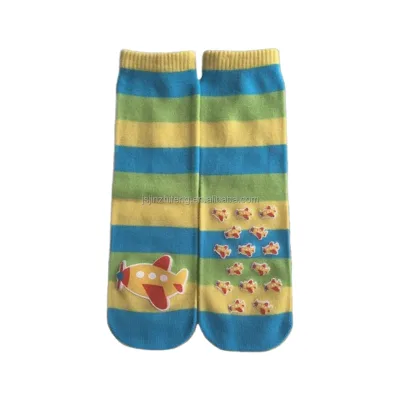


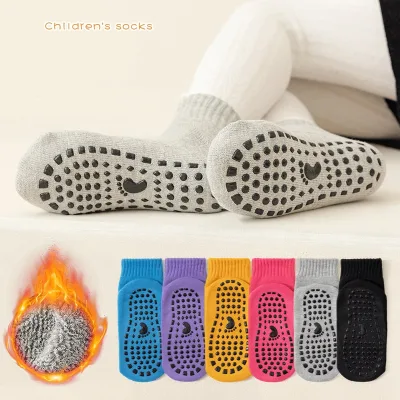
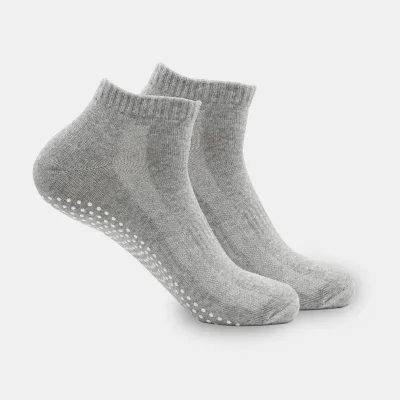
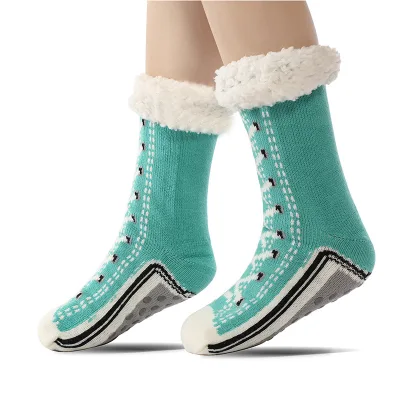
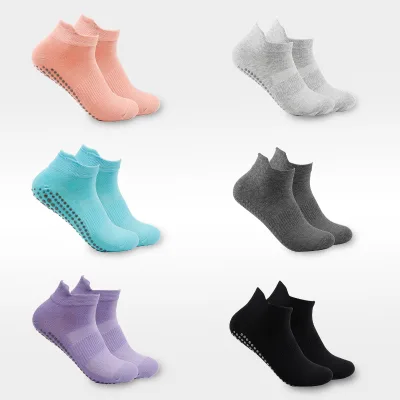
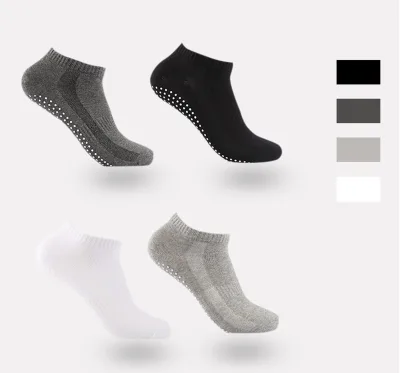

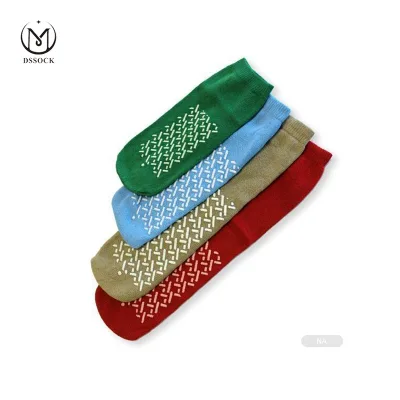
Custom Hospital Socks Disposable Slipper Socks Custom Design Anti slip Socks
$0.39 - $1.99
MOQ: 3000 pairs


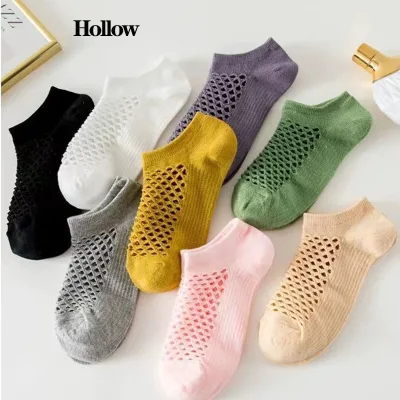


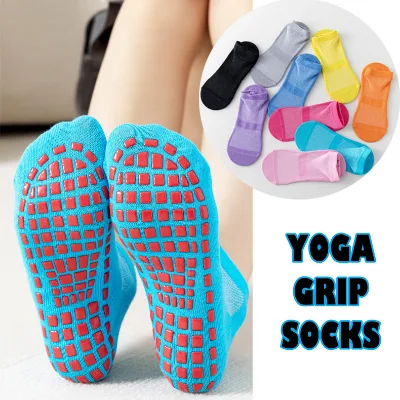


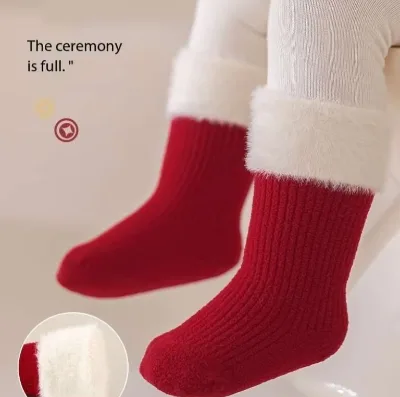
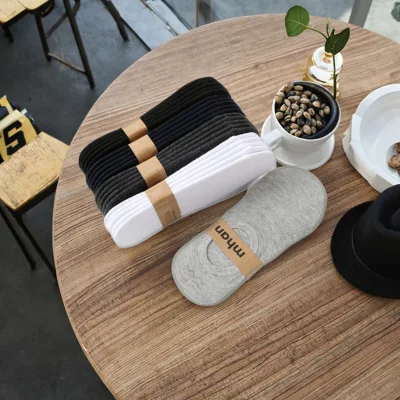


Comprehensive Sourcing Guide
Anti-Slip Breathable Floor Socks Sourcing Guide
Procuring anti-slip breathable floor socks requires a nuanced understanding of material composition and functional design, as these items serve distinct purposes ranging from athletic performance to indoor comfort. The observed market data indicates a diverse product landscape, with suppliers offering variations in thickness, style, and specific feature sets such as sweat-absorbency and anti-bacterial properties. Buyers must carefully distinguish between socks designed for high-intensity sports like yoga and those intended for casual daily wear or home decoration, as the technical requirements for each use case differ significantly.
The supply chain for these products is primarily anchored in China, with notable manufacturing hubs in Jiangsu and Zhejiang provinces. This geographic concentration suggests a mature ecosystem for textile production, offering buyers access to a wide range of customization options, including OEM services and custom packaging. However, the variability in product attributes, such as the presence of glitter prints versus solid patterns, or the use of wool/acrylic blends versus pure polyester, necessitates rigorous specification alignment to ensure the final product meets the intended performance criteria for breathability and grip.
Product Scope and Observed Listing Signals
The current market listings reveal a broad spectrum of sock types, categorized by season, style, and specific functional features. Observed attributes include winter-weight thick socks, spring/autumn normal thickness variants, and summer-specific designs tailored for occasions like yoga. The product scope extends beyond traditional footwear to include applications for floor walking and indoor comfort, with some listings explicitly targeting gift markets. This diversity highlights the importance of defining the end-use scenario early in the sourcing process to filter out irrelevant product variations and focus on suppliers who specialize in the desired niche.
Key visual and functional signals in the listings include the use of glitter print and heat-transfer printing techniques, alongside animal and solid pattern types. Features such as anti-slip, breathable, and sweat-absorbent properties are frequently highlighted, indicating a strong market demand for performance-oriented floor socks. Additionally, the presence of eco-friendly claims and anti-bacterial treatments suggests a growing consumer preference for health-conscious and sustainable products. Buyers should verify these claims through direct supplier communication, as these attributes may not be uniformly applied across all listed items.
Technical Specifications to Verify
Technical verification begins with material composition, as the choice between wool/acrylic blends and polyester directly impacts breathability, warmth, and durability. Listings indicate a range of thicknesses, from thickening options for winter to normal thickness for everyday use, requiring buyers to specify their preferred thermal regulation needs. The height and style of the sock, whether ankle, low, or stocking, must also be aligned with the intended application, particularly for activities like yoga where secure fit and non-slip performance are critical.
Size specifications observed in the market include ranges such as 9-11 and 10-13, which should be cross-referenced with target demographic data to ensure appropriate inventory planning. The knitting technics and needle detection processes are essential quality indicators, with some suppliers explicitly confirming needle detection for safety. Buyers should request detailed technical sheets that outline the exact stitch density, elastic content, and sole grip material composition to ensure the socks meet the required anti-slip and durability standards for their specific use case.
Compliance and Safety Documentation
Safety and compliance are paramount, especially for products intended for direct skin contact and activities like yoga or floor walking. The presence of needle detection in some listings suggests a baseline commitment to product safety, but buyers must verify that all suppliers adhere to relevant textile safety standards. This includes ensuring that materials are free from harmful substances and that any anti-bacterial or anti-foul treatments used are compliant with local regulations. Documentation should clearly state the origin of materials and the manufacturing processes to facilitate traceability and risk management.
Eco-friendly claims, if present, require substantiation through recognized certifications or transparent supply chain disclosures. Buyers should inquire about the specific standards these claims are based on, as the term "eco-friendly" can be vague without supporting evidence. Additionally, the product code and standard references provided in listings, such as 659990000 and 6115950000, should be verified for accuracy and relevance to the specific product type. Ensuring that all compliance documentation is up-to-date and verifiable is crucial for maintaining brand integrity and avoiding regulatory issues in target markets.
Cost Drivers and Commercial Terms
Cost structures for anti-slip breathable floor socks are influenced by material selection, customization complexity, and order volume. The observed price range of 0.21 to 4 USD reflects significant variation based on factors such as the use of premium materials like wool, intricate printing methods like glitter print, and the level of customization required. Buyers should analyze the cost breakdown to understand how different features, such as anti-bacterial treatments or custom packaging, impact the final unit price, allowing for more accurate budgeting and margin planning.
Minimum Order Quantities (MOQs) vary widely, from as low as 2 units to 3000 units, offering flexibility for both small-scale testing and large-volume production. Lead times for samples are supported by many suppliers, facilitating rapid prototyping and quality assessment before committing to bulk orders. Buyers should negotiate clear terms regarding sample costs, production lead times, and payment schedules, ensuring that commercial agreements align with their inventory management strategies and cash flow requirements.
Supplier Qualification and Quality Control
Supplier qualification involves assessing manufacturing capabilities, quality control processes, and customization flexibility. Given the OEM service availability, buyers should evaluate suppliers' ability to handle custom designs, including logo placement on cuffs, bodies, or bottom sections, and custom packaging solutions. The presence of multiple production locations in Jiangsu and Zhejiang suggests a competitive market, but buyers must verify each supplier's specific strengths, such as expertise in knitting technics or experience with specific material blends.
Quality control measures should include regular inspections of stitching, material consistency, and anti-slip performance. Buyers should request detailed quality assurance protocols, including how suppliers handle defects and ensure consistency across production batches. The availability of 7-day sample order lead times is a positive indicator of operational efficiency, but buyers should also assess the supplier's responsiveness to feedback and their ability to implement corrective actions quickly. Establishing a robust quality control framework is essential for maintaining product standards and customer satisfaction.
Long-Term Procurement Checks
Long-term procurement success depends on continuous monitoring of supplier performance, market trends, and product innovation. Buyers should regularly review supplier metrics, including on-time delivery rates, quality defect rates, and responsiveness to issues. The dynamic nature of the sock market, with evolving trends in styles, materials, and features, requires buyers to stay informed about new developments and adjust their sourcing strategies accordingly. Building strong relationships with reliable suppliers can provide access to early insights and innovative product offerings.
Sustainability and ethical sourcing practices are increasingly important considerations for long-term procurement. Buyers should periodically assess suppliers' commitment to eco-friendly practices and labor standards, ensuring alignment with corporate social responsibility goals. Additionally, monitoring changes in trade regulations and tariffs affecting imports from China can help mitigate risks and optimize cost structures. By maintaining a proactive approach to supplier management and market analysis, buyers can secure a competitive advantage and ensure the long-term viability of their anti-slip breathable floor socks procurement strategy.
FAQs
What materials are used for anti-slip breathable floor socks?
These socks are typically made from wool, acrylic, or polyester blends to ensure durability and comfort. The knitted construction provides a thick or normal thickness suitable for winter or summer use. This material selection supports breathability and sweat absorption while maintaining an anti-slip feature for safe indoor walking.
Can I customize the logo position on these socks?
Yes, customization is available for the logo position on the cuff, body, bottom, or header card. Buyers can request specific designs to match their brand identity. The product supports OEM services, allowing for tailored patterns like animals or solids depending on the order requirements and supplier capabilities.
Which features make these socks suitable for sports and daily use?
The socks feature breathable, sweat-absorbent, and anti-slip properties ideal for yoga, walking, or sports. They are designed to be quick-drying and anti-bacterial for enhanced hygiene. This combination of features ensures comfort during indoor activities while providing the necessary grip and support for active movement.
How long is the lead time for sample orders?
Support for seven-day sample order lead time is available for these products. This allows buyers to evaluate quality before placing larger orders. The production process includes needle detection to ensure safety, and the origin is typically in Jiangsu or Zhejiang, China, facilitating efficient logistics for international buyers.
What is the minimum order quantity for these socks?
The minimum order quantity ranges from 2 to 3000 units depending on the specific supplier and customization needs. Buyers can find options for small batches or large volume purchases. The packaging is usually provided in cartons or custom packaging to meet various shipping and storage requirements effectively.
Are these socks suitable for adults and unisex use?
Yes, these socks are designed for adults and are available in unisex styles. They come in various sizes such as 9-11 or 10-13 to fit different foot dimensions. The ankle or stocking styles cater to casual wear, making them versatile for daily use, home decoration, or specific occasions like yoga.