Source Anti-Vandal Illuminated Push Button Switch for Home, Industrial, and Lighting
Find and compare 30 anti-vandal illuminated push button switch options from China. Evaluate models like MP19S1 and EPS7 for features including IP67 waterproofing, various LED colors, and certifications such as CE and UL to match your specific application needs; compare the available evidence and request quotations based on your requirements.
Updated
Key considerations
Products List


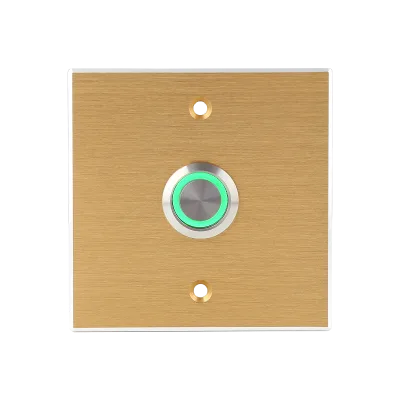
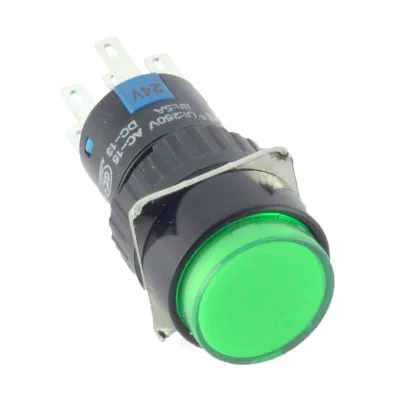
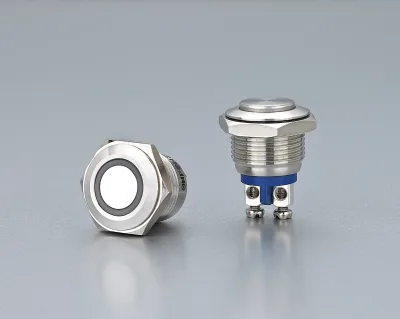

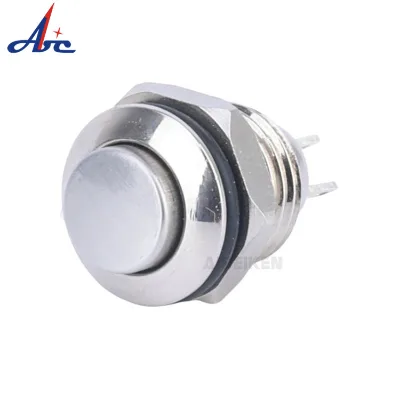


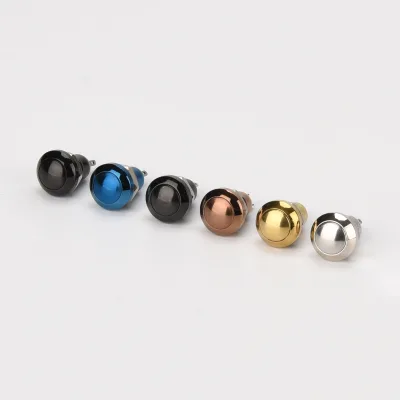
HS Vandal Resistant Momentary Push Button Switch With Plat With Power LED
$0.99 - $1.26
MOQ: 100 pieces




Comprehensive Sourcing Guide
Anti-Vandal Illuminated Push Button Switch Sourcing Guide
Procuring anti-vandal illuminated push button switches requires a disciplined approach to technical verification and supplier qualification. These components serve as critical interface points in industrial, commercial, and home appliance environments, where durability and electrical reliability are paramount. Buyers must navigate a complex landscape of certifications, material standards, and operational principles to ensure the selected switches meet specific environmental and functional demands.
This guide provides evidence-based procurement strategies for sourcing these specialized switches. By focusing on observed listing signals, technical specifications, and compliance documentation, buyers can mitigate risk and secure high-quality components. The following sections detail the essential verification steps and commercial considerations necessary for successful procurement, ensuring that the final selection aligns with both engineering requirements and supply chain stability.
Product Scope and Observed Listing Signals
The market for anti-vandal illuminated push button switches encompasses a diverse range of models, including the MP19S1/F11-D and PBM16-M11-FS-U1-R3-S8S, each tailored to distinct operational needs. Listings indicate a wide price range from $0.03 to $6, reflecting variations in LED voltage, contact type, and material construction. Minimum order quantities typically span from 1 to 2000 units, allowing for flexible procurement strategies ranging from prototyping to mass production. Buyers should carefully evaluate these signals to align inventory costs with project scale.
Observed attributes reveal significant diversity in switch functionality, including single-pole on-off configurations and multi-control switches. Features such as waterproof protection, IP67 ratings, and flat designs are common, catering to harsh industrial environments. Additionally, the availability of customization options and various LED colors—red, yellow, blue, green, white, and orange—enables precise aesthetic and functional integration. Understanding these listing signals helps buyers identify products that match their specific application requirements without over-specifying or under-provisioning.
Technical Specifications to Verify
Technical verification must begin with the switch principle and contact type, which dictate electrical performance. Products may utilize resistive or capacitive principles, with contact types ranging from Type b to Type c. The structure, whether power built-in or 1-point contact, influences installation and reliability. Buyers should verify the detection method, such as retro-reflective mode, and ensure the switch type aligns with the circuit design, whether normal open or normal close. Misalignment in these core specifications can lead to system failures or inefficient operation.
LED specifications are equally critical, with voltages ranging from 3V to 250V AC, supporting various power systems. The shrapnel material, often gold-plated, affects contact resistance and longevity. Installation forms, including insert welding and SMT chip packages, determine manufacturing compatibility. Additionally, the shape, such as square designs, and the presence of illumination with different LEDs must be confirmed. Buyers must ensure that all technical parameters, from wiring configurations to protection levels, are explicitly stated and verified against their engineering drawings.
Compliance and Safety Documentation
Compliance with international standards is non-negotiable for industrial and commercial applications. Certifications such as CE, ISO, CCC, UL, GS, and RoHS are frequently listed, indicating adherence to safety and environmental regulations. Buyers must verify the specific certification status for each model, as not all products may hold every listed credential. Documentation should clearly state the applicable standards, ensuring that the switches meet the regulatory requirements of the target market, whether in Europe, North America, or Asia.
Material standards also play a crucial role in compliance and durability. Stainless steel construction is a common standard, providing robustness against physical damage and corrosion. Additional standards like ROHS and SGS further validate the environmental safety of the components. Buyers should request certified test reports and material certificates to confirm that the switches meet these standards. Ensuring comprehensive compliance documentation protects against regulatory penalties and enhances the credibility of the final product in regulated industries.
Cost Drivers and Commercial Terms
Cost drivers for anti-vandal illuminated push button switches include material quality, LED complexity, and certification levels. Stainless steel construction and gold-plated contacts typically command higher prices due to their durability and conductivity. The variety of LED voltages and colors also influences cost, with custom options potentially increasing unit prices. Buyers should analyze the price range of $0.03 to $6 to understand the value proposition of different models, balancing cost against performance requirements and expected lifespan.
Commercial terms, including minimum order quantities and packaging, significantly impact procurement logistics. MOQs ranging from 1 to 2000 units allow for flexible ordering, while packaging methods like EMS, UPS, DHL, Polly Bag, and Tape Reel affect handling and storage. Buyers should negotiate terms that align with their production schedule and inventory capacity. Clear communication regarding packing specifications and shipping methods ensures that components arrive in optimal condition, reducing the risk of damage and associated costs during transit.
Supplier Qualification and Quality Control
Supplier qualification is essential for ensuring consistent quality and reliable supply. Buyers should verify the supplier’s origin, with many products originating from Zhejiang, China, a hub for electronic components. Assessing the supplier’s production capabilities, including their ability to handle customization and various installation forms, is crucial. Suppliers offering a wide range of certifications and standards demonstrate a commitment to quality and regulatory compliance, which is vital for long-term procurement success.
Quality control measures must be rigorously evaluated, including inspection of contact types, protection levels, and structural integrity. Buyers should request samples to test the switches in real-world conditions, verifying attributes like waterproofing, dust-proofing, and explosion-proof capabilities. Additionally, assessing the supplier’s response to customization requests and their ability to provide detailed technical documentation is important. Establishing a robust quality control process ensures that the switches meet the required performance standards and reduces the risk of defects in the final assembly.
Long-Term Procurement Checks
Long-term procurement success depends on continuous monitoring of supplier performance and product reliability. Buyers should track key performance indicators such as defect rates, delivery times, and responsiveness to technical queries. Regular audits of the supplier’s quality management systems and certification status help maintain high standards. Additionally, staying informed about updates in industry standards and regulations ensures that the procured switches remain compliant and suitable for evolving market requirements.
Building a strong relationship with suppliers facilitates better communication and collaboration on future projects. Buyers should engage in regular reviews to discuss potential improvements, customization needs, and cost optimization strategies. By maintaining a detailed record of product specifications and performance data, buyers can make informed decisions about future sourcing. This proactive approach ensures a stable supply chain and supports the long-term success of products that rely on high-quality anti-vandal illuminated push button switches.
FAQs
What certifications are available for these switches?
Available certifications include CE, ISO, CCC, UL, GS, and RoHS. These switches meet international safety standards for industrial and commercial applications. Buyers can verify specific compliance based on the product model and intended usage environment.
Which LED colors can be selected for illumination?
LED options include Red, Yellow, Blue, Green, White, and Orange. Voltage ratings range from 3V to 250VAC depending on the specific model. This variety allows customization to match different control panel designs and visibility requirements.
Can the switches be customized for specific needs?
Yes, customization is available for these anti-vandal switches. Buyers can request specific wiring configurations, contact types, or installation forms. This flexibility supports unique application requirements in home, commercial, and industrial settings.
What is the minimum order quantity for these products?
The minimum order quantity ranges from 1 to 2000 units. This wide range accommodates both small prototype orders and large-scale industrial procurement. Buyers should check specific supplier listings for exact MOQ requirements per model.
How are these switches protected against environmental damage?
These switches feature IP67 waterproof ratings and are designed to be dust-proof and explosion-proof. They also offer insulation and durable construction. This protection ensures reliable operation in harsh industrial and outdoor environments.
What materials are used for the switch housing?
Stainless steel material is used for the housing to ensure durability. Some models also feature gold-plated contacts for better conductivity. This construction supports long-term performance in demanding commercial and industrial applications.
Which installation forms are supported for these switches?
Supported installation forms include insert welding and power built-in types. The switches are available in square shapes and standard configurations. This variety allows integration into various electronic and home appliance control panels.