Source Wireless Monitor Transmitter and Receiver for Car, Ship, Video
Browse 30 Wireless Monitor Transmitter and Receiver products for video, audio, and optical signal transmission. Compare specifications such as frequency, working voltage, power output, encryption, and customization options, then request quotes from suppliers in China; compare the available evidence and request quotations based on your requirements.
Updated
Key considerations
Products List


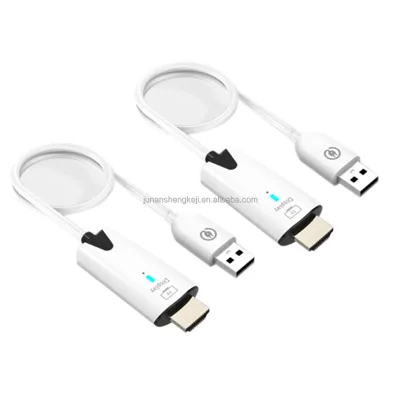
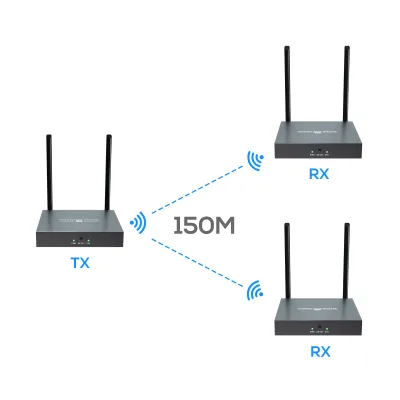
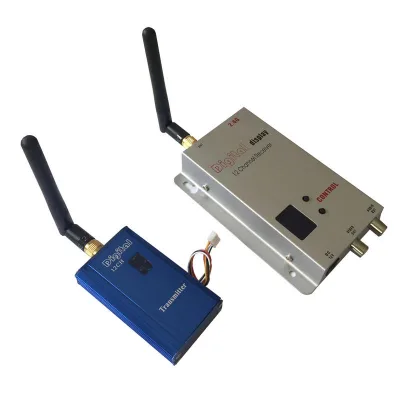
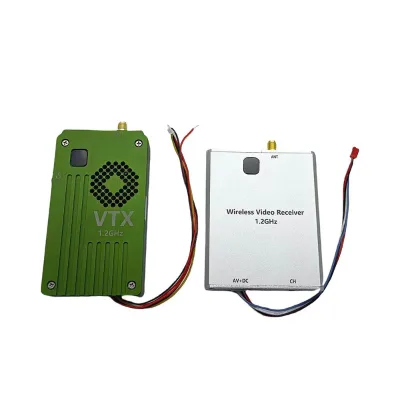
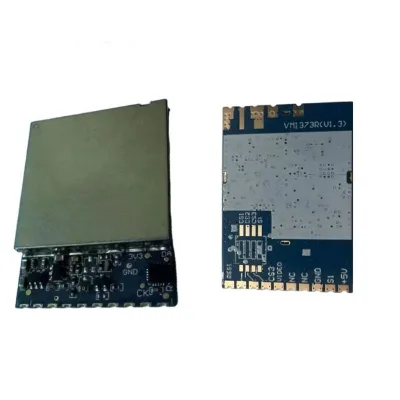
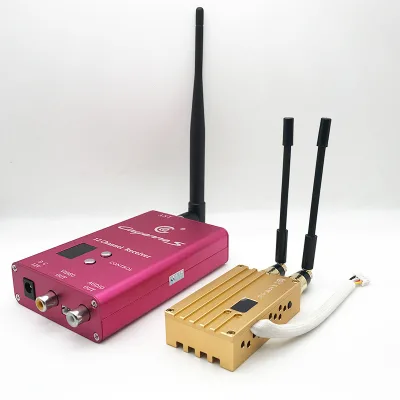
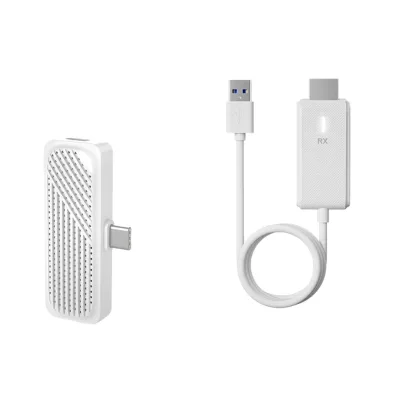
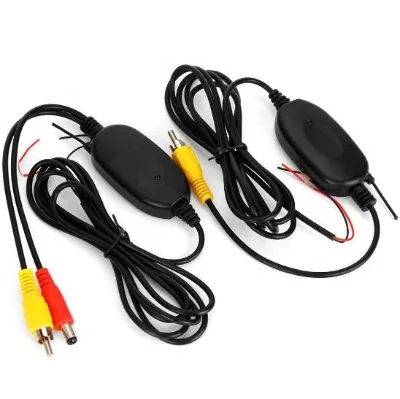
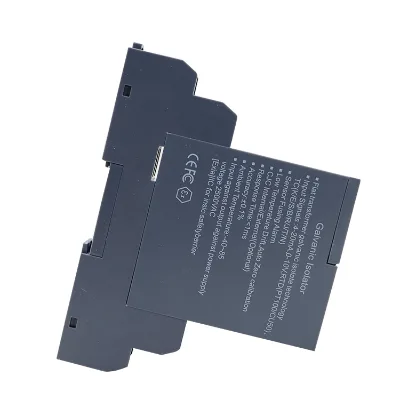
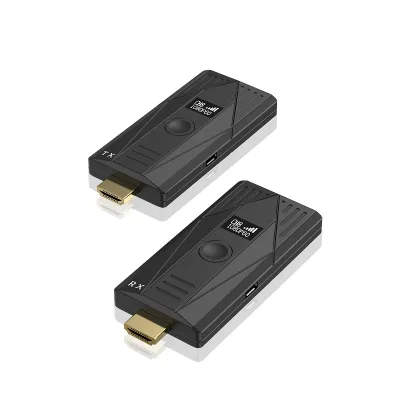
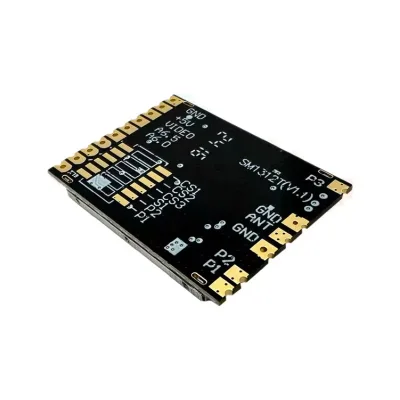
1.2G 1.3G SM1312T 800MW Wireless Audio and Video Transmission and Receiver
$15.6078 - $15.9159
MOQ: 5 Minimum

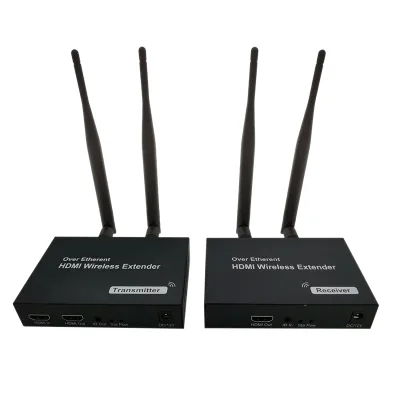
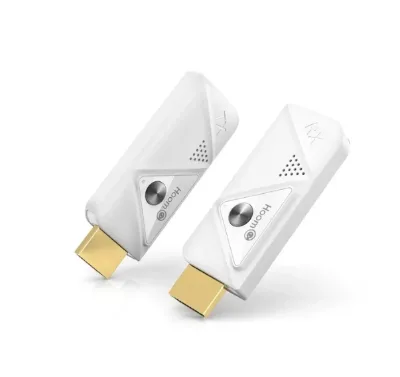
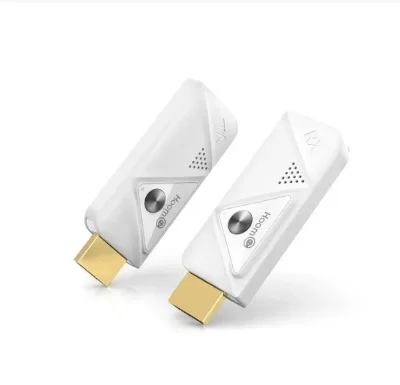
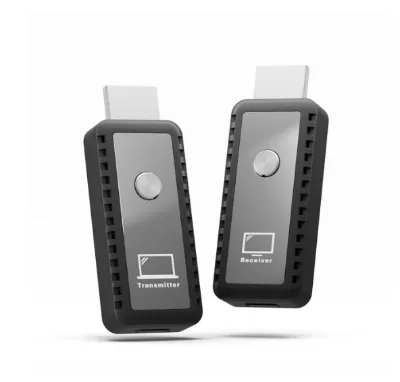
Wireless HDMI Transmitter and Receiver Small Portable Plug and Play 1080P
$42.9187 - $50.0711
MOQ: 5 Minimum
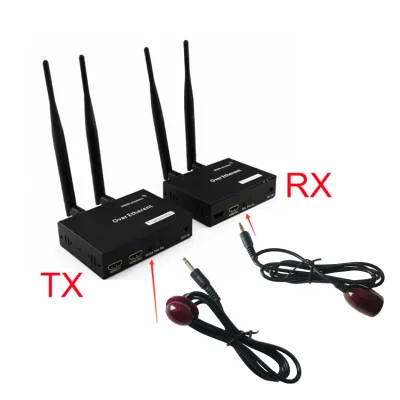

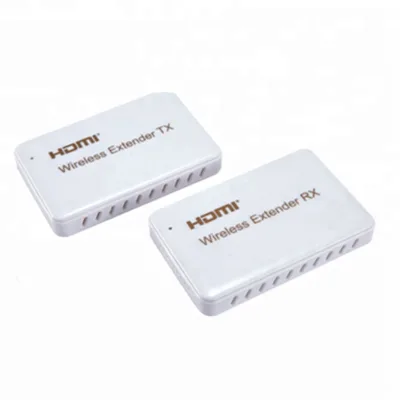
Comprehensive Sourcing Guide
Wireless Monitor Transmitter and Receiver Sourcing Guide
Wireless Monitor Transmitter and Receiver kits allow video, audio, and data signals to travel between devices without cabling, making them attractive for buyers integrating displays into vehicles, ships, aircraft, broadcast, and surveillance environments. Listings observed under this category include transmitter and receiver kits, wireless HDMI extenders, USB-C wireless transmitter and receiver pairs, and 4K HDMI transmitter dongles, with 1080P customization also advertised. Understanding how these product families differ is the first step in narrowing a shortlist.
This guide walks procurement teams through the decisions that matter most when sourcing these devices: scoping the right product type, verifying technical parameters against the application, checking compliance paperwork, understanding what drives landed cost, qualifying suppliers, and setting up long-term quality controls. All guidance here is based on signals visible in the product listings themselves, such as stated models, origins in Shenzhen and China, customization availability, and RoHS and FCC certification claims, so buyers can treat each point as a checklist item to confirm directly with the supplier before committing to an order.
Product Scope and Observed Listing Signals
The category spans several distinct product types. Some listings describe general transmitter and receiver kits with a working voltage of 6-24V and 433.92MHz frequency, suited to control and data signaling. Others are clearly video-focused: wireless HDMI video extenders, USB-C wireless transmitter and receiver sets, and 4K HDMI transmitter dongles with 1080P customization options. There are also MDS data transceiver listings, such as model MV2025TXME, and COFDM-based units like KWT-UVT-H2 intended for remote surveillance transmission. Buyers should first decide whether the need is video transmission, data transmission, image transmission, or optical signal transmission, since the listings advertise all four applications.
Several listing attributes help segment suppliers quickly. Brand association with "Giant," OEM acceptance, customization availability, and a stated MOQ of 1 all appear in the observed data, which is useful for buyers testing samples before volume commitments. Packing is described variously as carton, box, paper carton, or factory standard, and delivery dates of 25 days are stated on some listings. Origin is consistently China, with Shenzhen specifically named for several models. Treat these attributes as observations about individual listings rather than category-wide guarantees, and confirm each on a per-model basis.
Technical Specifications to Verify
Frequency and power output should be at the top of the verification list. The listings show 433.92MHz for some kits and "UHF Band or Customized" for others, with power outputs stated in ranges such as 100-200MW and 100MW-500MW. Buyers must match frequency and output to their regulatory environment and link-budget needs, since stated transmission ranges such as 20km line-of-sight depend heavily on terrain, antenna, and interference conditions. Also confirm the modulation approach; COFDM modulation is cited in the listings as supporting stable transmission, which matters for mobile or non-line-of-sight video links.
For video products, compression and content handling are decisive. H.264 video compression and AES encryption are named in the observed specifications, and information content spans audio and video. Verify resolution support (1080P versus 4K), latency figures, and whether the link carries HDMI, USB-C, or other interfaces end to end. Physical integration parameters also need confirmation: stated dimensions include 15510021.5, 115mm93.5mm17.5mm, and 112.28527.3mm, with weights from 0.2-0.49kg with battery up to 0.83kg without battery. Power supply ranges of 6-24V and battery type claims, such as high-capacity lithium batteries, should be validated against the intended platform.
Compliance and Safety Documentation
Certification claims in the observed listings include RoHS and FCC, which address hazardous-substance restrictions and radio-frequency compliance in the United States respectively. Buyers shipping to the EU, UK, Canada, or other regions should ask which additional radio equipment and electromagnetic compatibility approvals apply to the specific model and frequency variant, since a certificate claimed on one listing does not automatically cover a customized frequency or power configuration. Request the actual certificate documents, including the certificate number, the accredited body, and the tested model designation, rather than relying on a certification badge on a product page.
Radio products sold with customized UHF frequencies deserve particular scrutiny. If the supplier programs a frequency outside the standard certified configuration, the original approval may no longer be valid, and the buyer may bear responsibility for re-certification or market-access risk. For lithium battery-equipped units, ask for the battery's transport and safety documentation to confirm it can be shipped by the intended mode. Buyers should also verify that encryption claims, such as AES128 cited in the listings, are documented at the level needed for their sector, especially for surveillance, broadcast, observatory, television, or radio applications where content protection may be contractually required.
Cost Drivers and Commercial Terms
Observed listing prices span an extremely wide range from roughly one dollar to ten thousand dollars, which reflects the diversity of the category: a simple 433.92MHz transmitter pair sits at one end, while professional long-range COFDM video transmission systems sit at the other. Cost is therefore driven less by negotiation and more by correct scoping. Key drivers to model include frequency band and power output, compression and encryption capability, resolution class, housing and connector customization, battery inclusion, and quantity. A customized 4K dongle and a ruggedized 20km-class data link are not price-comparable products, so build the cost model after locking the specification.
On commercial terms, the observed listings state customization availability, OEM acceptance, MOQ of 1, a 25-day delivery date, T/T, W/U, and PayPal as payment methods, and carton or box packing from Shenzhen, China. Buyers should confirm which of these terms apply to the specific model quoted, not the category generally, since terms often change with customization level. For first orders, a low or sample-friendly MOQ reduces exposure; for repeat orders, negotiate tooling amortization, packaging specifications, and delivery schedules against forecast volumes. Clarify Incoterms, freight responsibility, and whether the quoted price includes batteries and accessories before comparing supplier quotes.
Supplier Qualification and Quality Control
Qualify suppliers on evidence tied to the specific product model rather than general company claims. Useful verification steps include confirming the stated origin facility (Shenzhen and China appear across the listings), checking how long the exact model such as JJ-JS-091, MV2025TXME, or KWT-UVT-H2 has been listed and shipped, and requesting references from buyers in comparable applications such as vehicles, ships, planes, or broadcast environments. Because OEM and customization are advertised, ask for examples of previous custom projects and the engineering support available for frequency, housing, or interface modifications, which reveals real development capability behind the customization claim.
Quality control should be anchored to the observed product attributes. Ask how the supplier verifies each shipped unit against the published specifications: frequency accuracy at 433.92MHz or the customized UHF band, output power within the stated 100MW-500MW class, AES encryption function, and video link stability under the COFDM modulation claim. Request a pre-shipment inspection protocol, sample retention, and clear acceptance criteria in the purchase contract. For battery-equipped units, confirm incoming battery inspection and aging tests. Documenting these checks before the first production order creates a baseline for comparing batches later.
Long-Term Procurement Checks
Sustained supply of wireless transmission products depends on managing change. Establish a notification requirement for any modification to frequency, power output, compression, encryption, housing dimensions, or component sourcing, since even small changes can affect regulatory approval and interoperability with installed receivers. Keep archived reference samples from each accepted batch, and use them for periodic comparison testing. Because the listings show customization as a standard offering, track the exact configuration of each order, including firmware versions, so that replacement units ordered years later match the deployed fleet rather than the supplier's current default build.
Plan continuity around the lifecycle of each model. Confirm minimum support periods, spare-part availability, and repair or exchange terms for units such as the 15510021.5mm extender or the 112.28527.3mm battery-powered transceiver. Review compliance documents periodically, as radio regulations and certification requirements evolve and a once-valid FCC or RoHS position may need updating for continued sale. Finally, schedule annual supplier reviews covering delivery performance against the stated 25-day baseline, defect rates from your incoming inspection, responsiveness on engineering changes, and consistency of packing quality across carton, box, and factory-standard shipments, so the relationship strengthens with each reorder.
FAQs
What frequency do these Wireless Monitor Transmitter and Receiver kits use?
The listed kits operate at 433.92MHz, and some models support the UHF band or a customized frequency option. Buyers who need a specific band for their region should confirm compatibility before ordering. Customization is available, so manufacturers can adjust frequency settings to match local regulations or project requirements when requested in advance.
Can I order a Wireless Monitor Transmitter and Receiver with a low MOQ?
Yes, some listed products have an MOQ of 1, which suits sampling and small pilot orders. Larger quantities typically unlock better unit pricing. Before placing a bulk order, buyers should confirm the exact MOQ per model, since requirements can vary between the transmitter, receiver, and full kit configurations offered by different suppliers.
How long is the typical delivery time for these products?
The listed delivery date is 25 days, which covers production and preparation before shipment. Actual lead times can vary with order volume, customization level, and factory scheduling. Buyers with fixed project deadlines should confirm the current lead time in writing and account for additional transit time to their destination port or warehouse.
What certifications do these wireless transmitter and receiver products have?
Listed products carry RoHS and FCC certifications, which support compliance for markets that recognize these standards. Buyers exporting to other regions should verify whether additional local certifications are required for their specific models. Always request valid certificate copies from the supplier and check that they match the exact product model being ordered.
Which video formats do these transmitters support?
The listed products use H.264 video compression and support audio and video content transmission, with some models handling 4K HDMI and 1080P wireless output. Buyers should confirm resolution, latency, and compression settings for their intended application, since specifications differ between HDMI extender, USB-C dongle, and COFDM data transceiver models in this category.
Can I customize the Wireless Monitor Transmitter and Receiver for my application?
Yes, customization is available and OEM service is offered, covering options such as working voltage between 6-24V, frequency settings, and packaging in cartons or boxes. Applications listed include car, ship, plane, satellite, observatory, television, and radio use. Provide your technical requirements early so manufacturers can confirm feasibility, sampling cost, and the adjusted delivery schedule.