Source Antiperspirant Deodorant for Body Care, Travel, and Daily Use
Compare 30 Antiperspirant Deodorant options from Chinese manufacturers offering stick, spray, and wax forms. Buyers can review features like mineral ingredients, OEM services, and certifications including GMP and ISO for bulk sourcing needs.
Key considerations
Products List






Comprehensive Sourcing Guide
Strategic Sourcing Guide for Antiperspirant and Deodorant Products
The global market for personal hygiene products, specifically antiperspirant and deodorant formulations, presents a complex landscape for B2B procurement professionals. Sourcing these items requires a nuanced understanding of formulation differences, regulatory compliance, and supply chain logistics. Buyers must navigate a wide array of product types, from solid sticks to aerosol sprays, each governed by distinct manufacturing standards and consumer expectations. This guide provides a disciplined approach to evaluating suppliers and products based on verified market data and technical requirements, ensuring that procurement decisions are grounded in factual evidence rather than marketing assertions.
Understanding Product Formulations and Technical Specifications
The first critical step in sourcing Antiperspirant Deodorant products is distinguishing between the primary functional categories: antiperspirants and deodorants. While often used interchangeably in casual conversation, they serve different physiological purposes. Antiperspirants are designed to reduce sweat production, typically utilizing active ingredients that temporarily block sweat ducts. Deodorants, conversely, focus on masking body odor and controlling bacterial growth without necessarily stopping perspiration. Market observations indicate that products frequently combine these functions, offering "Anti-perspiring" capabilities alongside "Deodorant" features.
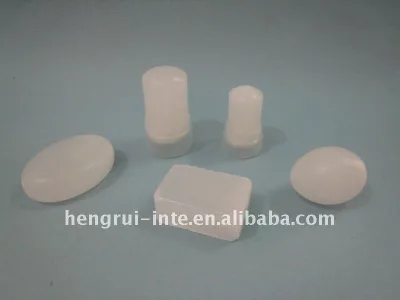
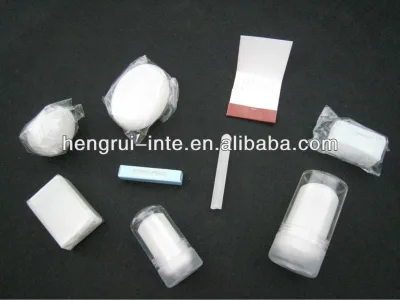
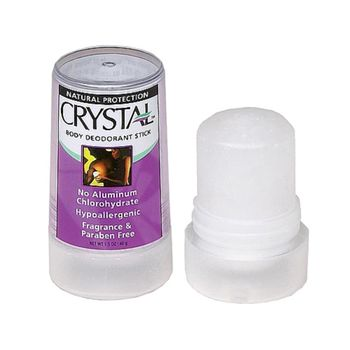
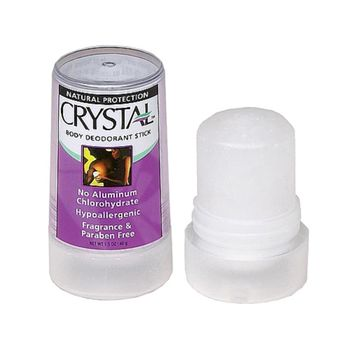
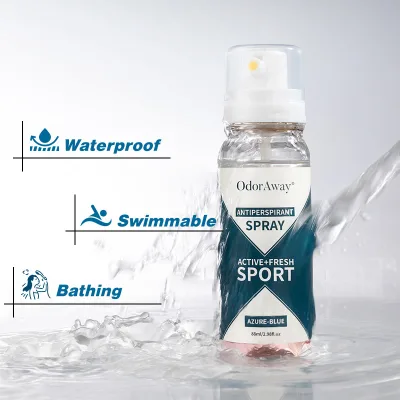
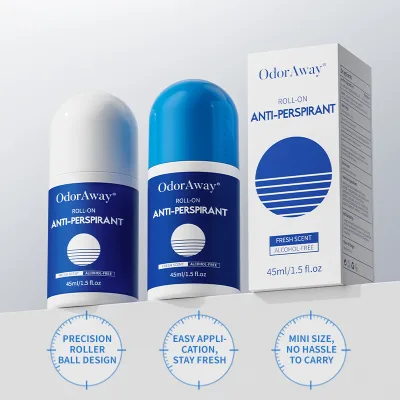
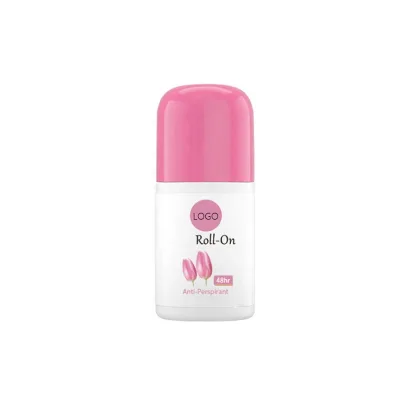
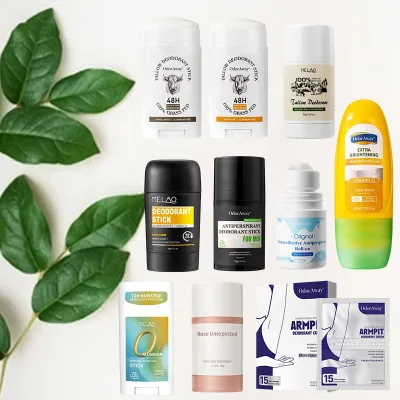
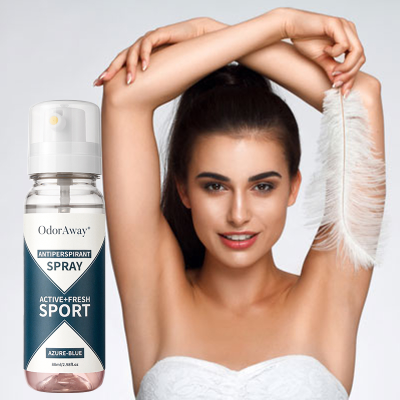
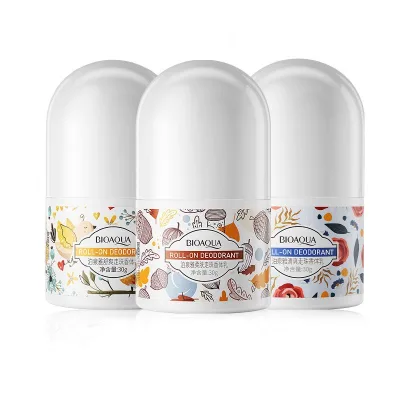
Formulation is another vital technical differentiator. Suppliers in the Chinese manufacturing sector, particularly those originating from regions like Zhejiang, Anhui, and Guangdong, offer diverse physical forms. The most common configurations include solid sticks, which are often wax-based, and spray formulations. Solid sticks are characterized by their portability and ease of application, with volumes typically ranging from 20g to 120g. In contrast, spray products, such as those labeled as "Deodorant Spray," offer broader coverage and are often preferred for their quick-drying properties. The volume of these products varies significantly, with options ranging from compact 20g units to larger 120g containers, and specific spray volumes like 45ml or 88ml.
When evaluating technical specifications, buyers should pay close attention to the ingredient profile. Some products utilize mineral-based ingredients, which are often marketed for their natural properties, while others may list "Other" ingredients, necessitating a deeper review of the Safety Data Sheet (SDS) or Material Safety Data Sheet (MSDS). The physical state of the product, whether "Wax" or "Solid," directly impacts the manufacturing process and the required packaging materials. For instance, wax-based sticks require specific molding equipment, whereas sprays demand pressurized canning capabilities.
Regulatory Compliance and Certification Verification
Compliance with international safety and quality standards is non-negotiable in the personal care industry. When sourcing from manufacturers in China, buyers must verify that the supplier holds valid certifications that align with the target market's regulations. A robust supplier portfolio often includes certifications such as GMP (Good Manufacturing Practice), ISO standards, COA (Certificate of Analysis), and MSDS. These documents are not merely administrative; they provide evidence that the facility adheres to strict hygiene protocols and that the product composition has been rigorously tested.
The presence of an MSDS is particularly critical for antiperspirant and deodorant products, as these items often contain chemical compounds that require specific handling and storage instructions. The MSDS details the chemical composition, potential hazards, and emergency procedures, ensuring that the product can be safely transported and used. Similarly, a Certificate of Analysis (COA) confirms that the batch produced matches the specified formulation, ensuring consistency in active ingredient concentration and absence of contaminants.
Buyers should also verify the "Place of Origin" listed on product documentation. While many suppliers operate out of Zhejiang, Anhui, and Guangdong provinces, the specific location can influence logistics costs and lead times. For example, a product dispatched from Ningbo port may have different shipping dynamics compared to one originating from a different coastal city. Furthermore, the "Supply Ability" of the manufacturer, whether stated as 5,000 pieces per day or 50,000 pieces per month, serves as a proxy for their production capacity and ability to handle large-scale orders without compromising quality.
Cost Drivers and Pricing Structures
The pricing of antiperspirant and deodorant products is influenced by a complex interplay of factors, including formulation complexity, packaging materials, order volume, and certification requirements. Market data indicates a wide price range, with observed unit costs spanning from $0.15 to $3.80 USD. This variance is not arbitrary; it reflects differences in the product's value proposition. A basic deodorant stick with minimal packaging and standard ingredients will naturally fall on the lower end of the spectrum, while a premium spray with custom fragrances, specialized packaging, and extensive certifications will command a higher price.
Minimum Order Quantity (MOQ) is another significant cost driver. Suppliers often set MOQs to ensure production efficiency, with observed ranges spanning from 50 pieces to 20,000 pieces. A lower MOQ, such as 50 pieces, is advantageous for buyers testing the market or launching small private label lines, but it often comes with a higher per-unit cost. Conversely, larger orders of 10,000 or 20,000 pieces typically unlock economies of scale, reducing the per-unit price. Buyers must balance their inventory needs with their budget constraints, understanding that the "Selling Unit" is often defined as a single item, which can complicate bulk pricing calculations if not standardized.
Additionally, the "Service" offered by the supplier, such as OEM (Original Equipment Manufacturer) and ODM (Original Design Manufacturer) capabilities, impacts the overall cost. Customized labels, private labeling, and tailored fragrance profiles add value but also increase the manufacturing complexity and cost. Buyers should request detailed quotations that break down the base product cost from the customization fees to ensure transparency in the final price.
Typical Applications and Target Demographics
Antiperspirant and deodorant products are designed for daily personal care, specifically targeting the underarm area to manage sweat and odor. The primary application is "Body Underarm Armpit Refresh," making these products essential for hygiene routines across various demographics. The target audience is broad, encompassing "Adults, Teens, and Children," which necessitates that formulations be safe and effective for a wide age range. Some products are explicitly marketed as "Unisex," while others may be tailored specifically for "Female" consumers, though the functional benefits often apply universally.
The usage context is predominantly "Daily Care," implying that the product must be gentle enough for frequent application while delivering long-lasting results. Features such as "Anti Sweat Long Lasting Fragrance" and "Underarm Sweat Remover" are key selling points that address consumer pain points. Buyers should consider the specific needs of their target market when selecting products. For instance, a brand targeting teenagers might prioritize strong odor control and appealing fragrances, while a brand for adults might focus on skin sensitivity and long-lasting protection.
The "Advantages" of a product, such as "20 Years Experience" of the manufacturer, can also influence its suitability for specific applications. Experienced manufacturers are more likely to have refined their formulations to address common issues like skin irritation or staining on clothing. When evaluating products for specific applications, buyers should review the "Function" and "Usage" descriptions to ensure alignment with the intended consumer experience.
Supplier Evaluation and Operational Capabilities
Evaluating a potential supplier requires a holistic view of their operational capabilities, beyond just the product specifications. Key indicators of a reliable supplier include their "Supply Ability," "Lead Time," and "Sample" availability. A supplier offering samples allows buyers to physically inspect the product quality, test the fragrance, and verify the packaging integrity before committing to a large order. The availability of samples is a standard practice, with many suppliers indicating that samples are "Provided" or "Available."
The "Model Number" assigned to each product, such as HR00246 or CHK001, serves as a unique identifier for tracking and inventory management. Buyers should ensure that the model numbers provided in the quotation match the physical samples and the final production run to avoid confusion. Additionally, the "Brand Name" associated with the product, whether it is a well-known entity like CHK or MELAO, or a generic label, can influence the perceived value and marketability of the product.
Buyers should also assess the supplier's willingness to accept "Customized Label" requests and their experience with "OEM & ODM" services. A supplier that is flexible and experienced in customizing products can help buyers differentiate their offerings in a crowded market. The "Port of Dispatch," such as Ningbo, is another critical factor for logistics planning. Knowing the departure point allows buyers to calculate shipping costs and transit times accurately, ensuring that the supply chain remains efficient and cost-effective.
Quality Control and Long-Term Procurement Considerations
Maintaining product quality over time is essential for building a sustainable brand. Buyers must implement rigorous quality control measures, starting with the verification of the "Shelf Life." Products typically have a shelf life of "3 Years" or "3 Yeras" (noting the common typo in some listings), which is a critical factor for inventory management and sales planning. Products with a shorter shelf life may require faster turnover, increasing the risk of obsolescence.
Long-term procurement considerations also involve the stability of the supply chain. Buyers should evaluate the supplier's ability to maintain consistent quality across different production batches. The "Certification" status, including GMP and ISO, should be reviewed periodically to ensure that the supplier continues to meet regulatory requirements. Furthermore, the "Ingredient" profile should remain consistent to avoid unexpected changes in product performance or safety.
Buyers should also consider the "Advantages" of the supplier, such as their years of experience, as an indicator of their ability to navigate supply chain disruptions. A supplier with "20 Years Experience" is likely to have established relationships with raw material providers and a robust contingency plan for potential issues. Finally, the "Service" aspect, including after-sales support and responsiveness to quality issues, is crucial for long-term partnerships. Buyers should establish clear communication channels and define expectations regarding quality assurance and dispute resolution before finalizing any procurement agreement.
Comparative Analysis of Product Attributes
To facilitate decision-making, buyers can utilize the following table to compare key attributes of different product types observed in the market. This comparison highlights the diversity in specifications, certifications, and operational parameters available to procurement professionals.
| Attribute | Solid Stick Formulation | Spray Formulation |
|---|---|---|
| Primary Feature | Antiperspirant, Deodorant | Anti Sweat, Long Lasting Fragrance |
| Form | Wax, Solid | Spray |
| Typical Volume | 20g, 60g, 90g, 120g | 45ml, 88ml, Customized Size |
| Common Certification | GMP, MSDS, ISO, COA | MSDS, ISO |
| Target Gender | Female, Unisex | Unisex |
| MOQ Range | 50 pcs - 20,000 pcs | 10,000 pcs - 20,000 pcs |
| Shelf Life | 3 Years | 3 Years |
| Origin Regions | Zhejiang, Anhui, Guangdong | Guangdong, Zhejiang |
| Customization | Acceptable Customized Label | Customized Fragrance, Private Label |
This table underscores the importance of aligning product specifications with specific business needs. While solid sticks offer versatility in volume and a lower entry MOQ, sprays provide a different user experience with a focus on fragrance and coverage. The certification requirements remain consistent across both types, emphasizing the need for rigorous safety verification regardless of the product form.
In conclusion, sourcing antiperspirant and deodorant products requires a methodical approach that balances technical specifications, regulatory compliance, and supply chain logistics. By carefully evaluating the factors outlined in this guide, buyers can make informed decisions that ensure product quality, market competitiveness, and long-term supply chain stability. The diversity of options available in the market, from different formulations to varying certification levels, provides ample opportunity for strategic procurement that meets the unique needs of any business.
FAQs
What certifications do Antiperspirant Deodorant suppliers provide?
Suppliers typically provide GMP, MSDS, ISO, and COA certifications. These documents verify that manufacturing adheres to hygiene protocols and that product composition has been rigorously tested for safety and consistency before distribution.
How much is the minimum order quantity for these products?
The minimum order quantity ranges from 50 pieces to 20,000 pieces depending on the supplier. Lower MOQs like 50 pieces suit market testing, while larger orders of 10,000 pieces unlock better economies of scale.
Which product forms are available for Antiperspirant Deodorant?
Available forms include solid sticks and spray formulations. Solid sticks often use wax-based ingredients with volumes from 20g to 120g, while sprays offer broader coverage with specific volumes like 45ml or 88ml.
Can suppliers offer customized labels and private labeling?
Yes, most suppliers accept customized labels and offer OEM and ODM services. This allows buyers to create private label lines with tailored fragrances and branding to differentiate their offerings in the crowded market.
What is the typical shelf life of these deodorant products?
The typical shelf life is three years for most listed products. This duration is critical for inventory management and sales planning to ensure products remain effective and safe for consumers before expiration.
From which locations do these manufacturers ship their goods?
Manufacturers primarily ship from Zhejiang, Anhui, and Guangdong provinces in China. Goods are often dispatched from the Ningbo port, which influences logistics costs and transit times for international buyers.