Source Antique 2 Persons Bumper Cars for Parks, Events, and Venues
Explore 30 listings for Antique 2 Persons Bumper Cars suitable for amusement parks, indoor events, and outdoor venues. Buyers can compare specifications like capacity, power, and certifications to find the right equipment for their needs.
Key considerations
Products List


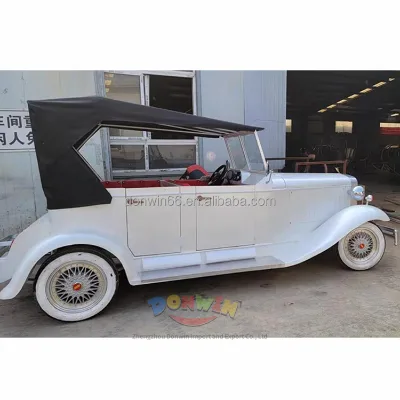
Unique Limousine Car for Theme Party Antique Classic Car for President Vintage
$1798.00 - $3898.00
MOQ: 1 pieces
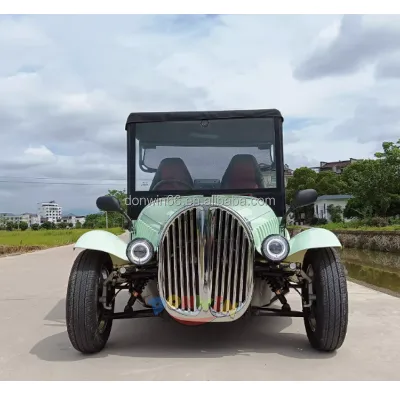
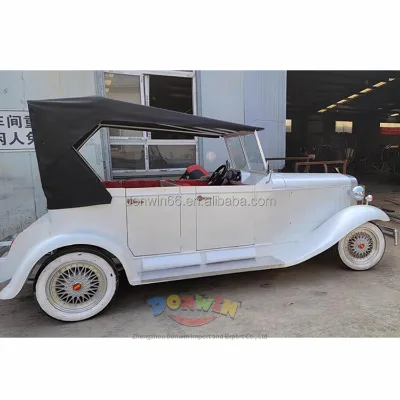
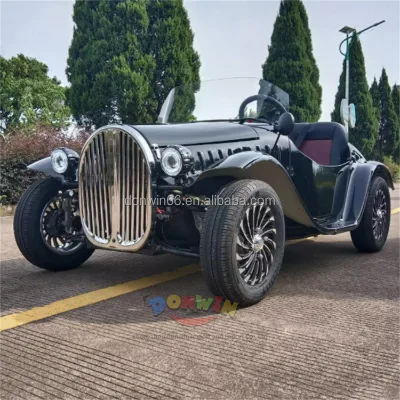
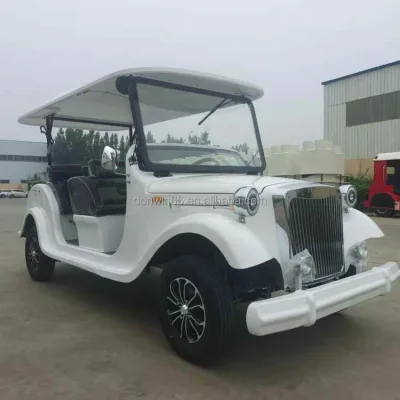
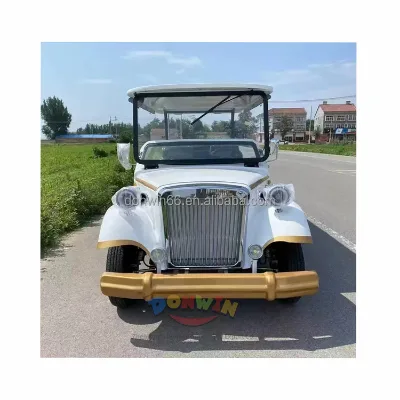


Comprehensive Sourcing Guide
Sourcing Guide for Antique-Style Two-Person Bumper Cars
The procurement of antique-style two-person bumper cars requires a nuanced approach that balances aesthetic authenticity with modern safety and operational standards. Buyers entering this market must navigate a landscape where visual appeal is paramount, yet the underlying engineering must meet rigorous industrial requirements for amusement parks and commercial venues. This guide synthesizes available product data and industry best practices to provide a structured framework for sourcing these specialized vehicles. The focus remains on verifying technical specifications, ensuring regulatory compliance, and evaluating supplier capabilities without relying on unverified claims.
Technical Specifications and Performance Metrics
When evaluating antique-style bumper cars, the technical specifications often diverge significantly from traditional amusement rides due to the integration of electric propulsion systems. The observed product data indicates a clear distinction between standard bumper car models and electric vintage-style vehicles. For instance, specific models identified in the market, such as the BL-PPC01, are classified explicitly as Bumper Cars, while others like the GMDL08 and GMDL05 are categorized as Buggy/Golf Carts with a "Vintage Classic Car" product name. This classification is critical for buyers, as the operational dynamics, safety features, and maintenance requirements differ between a traditional bumper car and an electric vintage buggy.
The powertrain specifications for these electric vintage vehicles are substantial. Data points reveal a motor configuration of 48V/5kw AC, paired with a battery system consisting of 6V * 8PCS units, totaling a 48V voltage system. This electrical architecture supports an endurance mileage of approximately 100 km, which is a significant operational range for indoor or outdoor amusement applications. The maximum speed is observed to be around 30 km/h, with a gradeability of over 30%, suggesting these vehicles can handle moderate inclines often found in amusement park terrain.
Physical dimensions and weight are equally critical for venue planning. The standard size for certain models is listed as 1925mm1080mm850mm, while vintage-style electric models like the GMDL08 measure 402015201950mm. The curb weight varies significantly, with some models weighing 830kg and others 770kg. Buyers must verify the Max Loading capacity, which ranges from 400kg to 640kg depending on the specific model. This variation directly impacts the seating arrangement and the number of passengers allowed per unit. While some data points suggest a capacity of 2 persons, other specifications list a Max Capacity of 100-500kg, which implies a potential for higher passenger loads in specific configurations. The minimum turning radius is another vital metric, with observed values of 5.5m and 4.1m, influencing the layout and spacing required within the ride arena.
Compliance and Certification Verification
In the amusement ride industry, compliance is not merely a formality but a fundamental requirement for liability and operational safety. The provided product data highlights several certifications, including CE, ISO, EEC, DOT, CCC, and EPA. The presence of CE certification is frequently observed, indicating adherence to European safety standards for machinery. However, buyers must exercise caution and verify that the specific unit they are purchasing carries valid, current certification documents rather than relying on general marketing statements.
The standard "Allowable Passenger" is noted in the context of CE certification, suggesting that passenger limits are legally tied to these safety approvals. For electric vintage cars intended for international markets, the presence of EEC and EPA certifications is particularly relevant, as these denote compliance with environmental and emission standards, even for electric vehicles which may have specific battery disposal and energy efficiency requirements. The DOT (Department of Transportation) certification implies roadworthiness, which may be necessary if the vehicles are intended for use on public roads or mixed-traffic areas within a resort.
Buyers should request the specific test reports associated with these certifications. The data mentions a braking distance of less than 5 meters and less than 4.5 meters for different models. These figures are critical for safety assessments. A braking distance under 5 meters is a strong performance indicator, but it must be validated under the specific load conditions of the venue. The verification process should include checking the validity of the ISO and CCC certifications, which are essential for manufacturing quality and domestic Chinese market compliance, respectively.
Cost Drivers and Pricing Structures
The pricing for antique-style two-person bumper cars is influenced by a complex interplay of factors, including customization, material quality, and certification scope. The observed listed price range in the market spans from 400 to 9800 USD. This wide disparity suggests that the base cost of a simple bumper car unit is significantly lower than that of a fully customized, certified electric vintage vehicle with advanced battery systems and safety features.
The primary cost driver is the level of customization. The product data confirms that customization is available, and many units are listed as "Customized." This can include bespoke paint jobs to achieve the "Vintage Classic" aesthetic, custom seating arrangements, and tailored dimensions to fit specific venue constraints. The "Plastic Bubble Cloths and Steel Frame" packing for standard models versus the "Steel Frame Covered by Carton" for others indicates that packaging complexity and material costs vary, affecting the final price.
Another significant cost factor is the power system. Models with 48V/5kw AC motors and 8-battery configurations (6V * 8PCS) represent a higher investment than simpler electric drives. The recharge time of 8-10 hours also impacts operational efficiency and potential energy costs, which buyers should factor into the total cost of ownership. The MOQ (Minimum Order Quantity) is observed to range from 1 to 4 sets, with a specific mention of 1 Set as a standard MOQ. This flexibility allows for smaller procurement runs, which can be advantageous for testing the market or fitting smaller venues, though it may impact the per-unit price compared to bulk orders.
Typical Applications and Venue Integration
Antique-style bumper cars are versatile and can be deployed in a variety of settings, ranging from dedicated amusement parks to indoor entertainment centers. The product attributes explicitly state suitability for "Amusement Park" usage, as well as "Outdoor Rides" and "Indoor Rides." This dual capability is a key selling point, allowing operators to utilize these vehicles in seasonal outdoor events or year-round indoor facilities.
The physical dimensions of the vehicles dictate the space requirements. With a minimum turning radius of 4.1m to 5.5m, the ride arena must be designed with ample clearance to prevent collisions and ensure smooth maneuvering. The maximum capacity of 100-500kg suggests that these vehicles can accommodate multiple passengers or heavy loads, making them suitable for family groups. The "Vintage Classic Car" aesthetic makes them particularly attractive for themed parks, historical districts, or events that aim to evoke a sense of nostalgia.
The power requirements for these electric vehicles must be integrated into the venue's electrical infrastructure. With a voltage of 48V and a recharge time of 8-10 hours, venues need to plan for charging stations that can accommodate the fleet size. The gradeability of over 30% allows for the installation of these rides on uneven terrain, provided the ground is stable enough to support the vehicle's weight, which can be up to 830kg.
Supplier Evaluation and Production Capabilities
Selecting the right supplier is crucial for ensuring product quality and long-term support. The product data indicates that the origin of these vehicles is primarily China, with specific mentions of Guangzhou as a production hub. This regional concentration suggests a mature supply chain with access to specialized manufacturing expertise in electric vehicles and amusement rides.
Buyers should evaluate suppliers based on their ability to provide the observed customization options. The fact that customization is available and that units are often listed as "Customized" implies that suppliers have flexible production lines capable of adapting designs to client specifications. The "New" condition of the products is a standard expectation, but buyers should verify the manufacturing date and storage conditions to ensure the batteries and electronics have not degraded during transit or storage.
The warranty period is a key indicator of supplier confidence. The observed data specifies a "Quality Warranty Period" of 12 Months. This standard warranty should cover major components such as the motor, battery, and control systems. Buyers should clarify the scope of this warranty, including what constitutes a defect versus normal wear and tear, and the process for claiming repairs or replacements.
Quality Control and Long-Term Procurement Considerations
Maintaining the quality of antique-style bumper cars requires a proactive approach to maintenance and quality control. The "12 Months" warranty period sets a baseline for expected reliability, but long-term operational success depends on regular inspections and preventative maintenance. The battery system, consisting of 6V * 8PCS units, requires specific care to ensure longevity. Buyers should establish a maintenance schedule that includes checking battery charge levels, inspecting connections, and monitoring the recharge time to detect any degradation in performance.
The packaging methods, such as "Plastic Bubble Cloths and Steel Frame" or "Steel Frame Covered by Carton," are designed to protect the vehicles during shipping. However, upon arrival, a thorough inspection is necessary to check for any damage to the steel frame, the vintage paintwork, or the electrical components. The "Gradeability" and "Braking Distance" specifications must be re-verified after installation to ensure that the vehicle performs as expected in the specific venue environment.
For long-term procurement, buyers should consider the availability of spare parts. The specific models like BL-PPC01, GMDL08, and GMDL05 have distinct specifications, and compatibility of parts between models may be limited. Establishing a relationship with a supplier who can provide a steady supply of spare parts, including batteries, motors, and body panels, is essential for minimizing downtime. The "Customized" nature of many units means that standard off-the-shelf parts may not fit, making a reliable supply chain for custom components even more critical.
In conclusion, sourcing antique-style two-person bumper cars involves a careful balance of aesthetic desires and technical realities. By focusing on verified specifications, robust certification checks, and clear supplier evaluation criteria, buyers can secure high-quality vehicles that meet the demands of modern amusement venues while preserving the charm of the vintage design. The wide price range and customization options offer flexibility, but they also require diligent due diligence to ensure that the final product aligns with safety standards and operational expectations.
FAQs
What certifications do Antique 2 Persons Bumper Cars have?
These vehicles typically hold CE, ISO, EEC, DOT, CCC, and EPA certifications. Buyers must verify specific test reports for each unit to ensure compliance with European and international safety standards before purchase.
How much does an antique 2 persons bumper car cost?
The listed price range spans from 400 to 9800 USD depending on customization and specifications. Higher prices often reflect advanced electric power systems, vintage styling, and comprehensive safety certifications.
Can these bumper cars be customized for specific venues?
Yes, customization is available for paint, dimensions, and seating arrangements. Suppliers offer tailored options to fit specific venue constraints while maintaining the vintage classic aesthetic required for amusement parks.
What is the minimum order quantity for these vehicles?
The minimum order quantity ranges from 1 to 4 sets, with 1 set often accepted as a standard MOQ. This flexibility allows smaller venues to test the market without committing to bulk orders.
Where are these antique bumper cars manufactured?
The products originate primarily from China, with specific production hubs noted in Guangzhou. Buyers should verify the exact factory location to assess shipping logistics and supply chain reliability.
What is the warranty period for these electric bumper cars?
The standard quality warranty period is 12 months covering major components like motors and batteries. Buyers should clarify the scope to ensure coverage for defects versus normal wear and tear.