Source Antique Brass Wind Gong for performances, healing, and meditation
Compare 30 listings for Antique Brass Wind Gong options featuring professional sound and handmade production. Buyers can evaluate specifications like diameter, material composition, and customization availability from verified suppliers.
Key considerations
Products List


French Antique Style Retro Brass Handle
$0.82 - $1.03
MOQ: 100 Pieces
Jinhua Hengyang Cross-Border Trade Limited Liability Company


Outdoor Bamboo Wind Chimes, Yard Antique Amazing Garden Tubes Bells Copper Yard Windchime
$1.00 - $10.00
MOQ: 300 Pieces

Natural Wind Chime Bamboo Wind Chime Outdoor Wooden Music Wind Chimes for Garden Windchime
$1.00 - $10.00
MOQ: 300 Pieces



Comprehensive Sourcing Guide
Sourcing Strategy for Antique Brass Wind Gongs
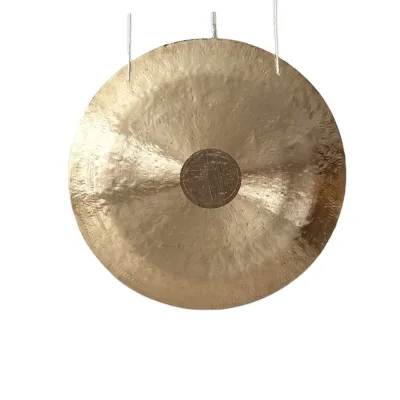
The procurement of antique brass wind gongs requires a nuanced understanding of material composition, acoustic engineering, and supplier capabilities that extend beyond simple transactional exchanges. These instruments, often categorized under percussion or sound healing equipment, serve diverse functions ranging from professional performance to therapeutic meditation. Buyers must navigate a market where "antique brass" may refer to specific alloy compositions, surface treatments, or stylistic finishes rather than a single universal standard. The following guide outlines the critical factors for sourcing these instruments, grounded in observed market data and technical specifications relevant to high-grade percussion equipment.
Material Composition and Alloy Specifications
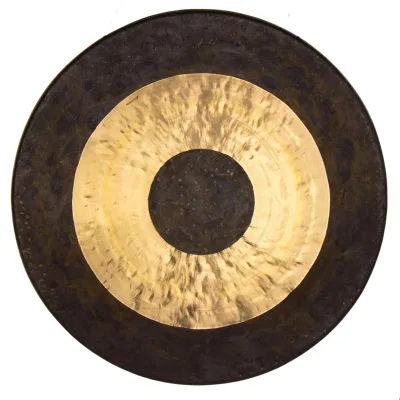
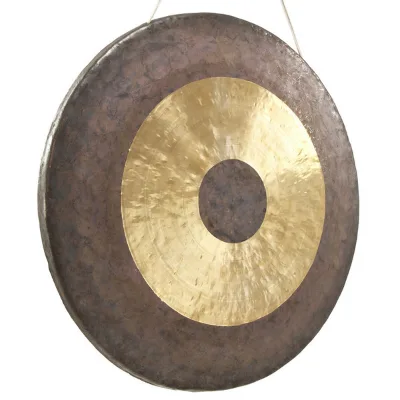
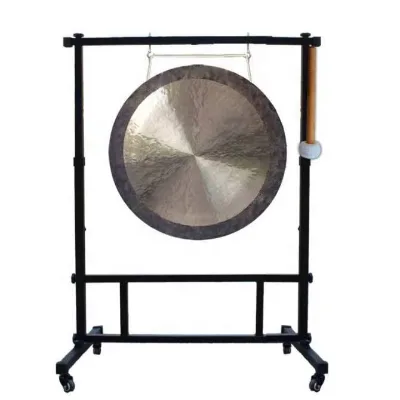
The foundational element of any wind gong is its material composition, which directly dictates acoustic properties, durability, and aesthetic finish. In the current market, observations indicate a variety of materials used for gong construction, including B20 bronze, standard bronze, bronze-tin alloys, and brass. The term "antique brass" in a procurement context often implies a specific surface treatment applied to brass or bronze bodies to achieve a darkened, aged appearance. Data from available listings shows products utilizing "B20" material, which is a high-grade bronze alloy typically containing 88% copper and 12% tin, known for its superior tonal quality and resonance. Other listings specify "Bronze+tin" or "Yellow Brass" as body materials, while some feature a "Gold Lacquer" surface finish.
When sourcing antique brass wind gongs, buyers must verify the exact alloy percentage. B20 bronze is generally preferred for professional applications due to its complex harmonic series, whereas standard brass may offer a different tonal character. The surface material is equally critical; a "black bronze" finish or a "traditional" color often results from chemical patination or specific lacquer applications. Buyers should request material certification or mill test reports to confirm the presence of tin in the alloy, as this distinguishes true bronze from brass. The distinction between "Bronze" and "Brass" is not merely semantic but defines the instrument's vibration characteristics and longevity.
Technical Specifications and Dimensional Standards
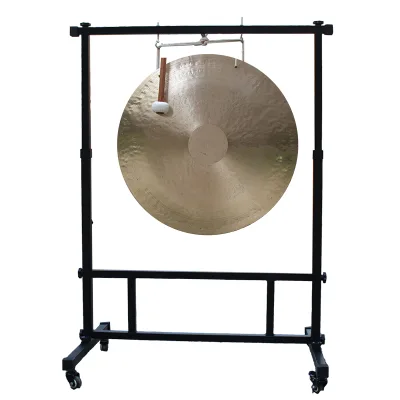
Precision in physical dimensions is paramount for wind gongs, as size influences pitch, volume, and sustain. Market observations reveal a significant variance in diameter, with specific models listed at 30 inches (75 cm), 32 inches, and 55 cm. The diameter is a primary specification, often correlating with the model number, such as "30"" or "V-22". For wind gongs, the diameter determines the surface area available for vibration, which in turn affects the sound projection. A 75 cm diameter gong will produce a fundamentally different acoustic profile compared to a 55 cm unit.
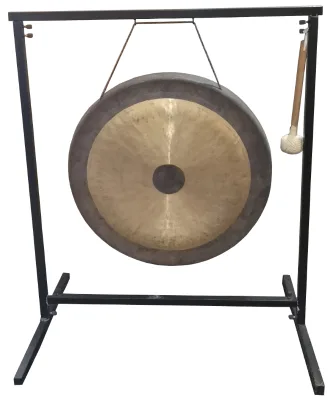
Weight is another critical technical parameter. Observed weights range from 1 kg to 2.8 kg for the instrument itself, with single gross weights reaching up to 4.0 kg when including packaging. This weight variance suggests differences in thickness and density, which are essential for achieving the desired "professional sound" or specific tones like "Eb" or "Bb". Buyers must ensure that the weight-to-diameter ratio aligns with their acoustic requirements. Additionally, the single package size, observed at 63x63x10 cm for certain models, provides insight into the necessary storage and shipping logistics. The presence of a "strap" in some listings indicates that these gongs are designed for handheld or wearable performance, necessitating specific structural reinforcements to support the weight during movement.
Acoustic Performance and Application Context
The intended application of the wind gong dictates the necessary acoustic specifications. Listings categorize these instruments for "Professional Performance," "Sound Healing," and "Meditation." A gong designed for a concert hall requires a different tonal profile than one intended for a therapeutic session. The "Sound" attribute is frequently described as "professional," implying a rich, sustained resonance with minimal unwanted overtones. The "Tone" specifications, such as "Eb" or "Bb," suggest that some manufacturers produce gongs tuned to specific musical keys, which is a specialized feature not found in all percussion instruments.
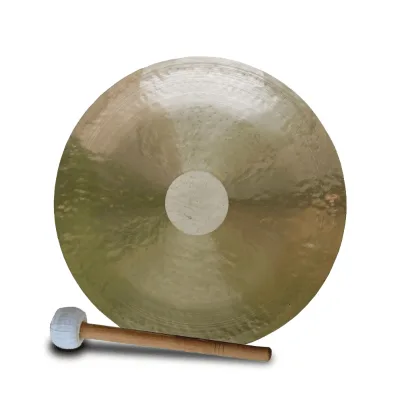
The production method also influences acoustic output. "Handhammered" production is a noted attribute, indicating that the gong is shaped manually rather than through mass-produced stamping. This method allows for greater control over the metal's grain structure, potentially enhancing the complexity of the sound. For sound healing applications, the "Traditional" color and specific alloy composition are often preferred to ensure a deep, grounding frequency. Buyers should evaluate whether the gong's acoustic profile matches the specific frequency requirements of their target audience, whether that be a musical ensemble or a wellness center.
Supplier Capabilities and Customization Options
Evaluating a supplier's ability to meet specific procurement needs is essential for long-term success. The market data indicates that "OEM" (Original Equipment Manufacturer) services and "Custom Design" options are available. This suggests that suppliers can accommodate requests for specific diameters, material compositions, or surface finishes. The "Customize" attribute is marked as available, allowing buyers to request bespoke solutions, such as specific tuning or unique patination effects to achieve an "antique" look.
However, buyers must verify the supplier's actual capacity. Observed supply abilities range from 1000 pieces per month, while Minimum Order Quantities (MOQ) vary significantly, from 5 pieces to 500 pieces. This wide range implies that some suppliers cater to small boutique orders, while others focus on bulk distribution. The "Production" method being "Handhammered" may inherently limit the volume a supplier can produce, potentially leading to longer lead times for large orders. Buyers should confirm the supplier's ability to maintain consistent quality across batches, especially when customizing dimensions or materials. The "Place of Origin" is consistently noted as Shandong, China, a region known for its manufacturing base, but buyers should still verify the specific factory's quality control protocols.
Packaging, Logistics, and Shipping Parameters
Proper packaging is critical for protecting delicate percussion instruments during transit. Observed packaging details include "paper box and wooden case" or "Reinforce Carton Box." The choice of packaging often correlates with the value and fragility of the instrument. For a 75 cm gong weighing nearly 3 kg, a wooden case is likely necessary to prevent damage to the rim or surface finish. The "Single package size" of 63x63x10 cm provides a baseline for logistics planning, but larger gongs will require custom crating.
The "Port of dispatch" is identified as Qingdao, a major shipping hub in China. Buyers should factor in the logistics from this port to their destination, considering that heavy items like gongs may incur higher freight costs. The "Selling Units" are listed as "Single item," indicating that these are typically sold individually rather than in sets, which simplifies inventory management but requires careful calculation of shipping costs per unit. Buyers must ensure that the packaging details explicitly state protection for the surface finish, particularly for "black bronze" or "Gold Lacquer" finishes that could be scratched during transit.
Quality Control and Compliance Verification
Quality assurance in the gong market relies on verifying material authenticity and acoustic consistency. While specific certification standards are not universally listed in the provided data, buyers should demand evidence of quality for the "High Grade" claims often associated with these products. The "Quality" attribute is frequently listed as "High Grade," but this is a subjective claim that requires objective verification. Buyers should request third-party test results or acoustic analysis reports to confirm the tonal stability and structural integrity of the gongs.
Compliance checks should focus on material safety, especially if the gongs are intended for direct contact or therapeutic use. The "Surface Material" of "Gold Lacquer" or "Black Bronze" should be verified for non-toxicity. For professional performance instruments, adherence to international acoustic standards is implied but should be explicitly confirmed. Buyers should also verify the "Type" classification, ensuring the product is correctly categorized as a "Gong" or "Percussion" instrument with the specific attributes like "Alto Saxophone" (which appears in the data but is likely a data entry error for a different product line) being excluded from the gong procurement scope.
Long-Term Procurement and Maintenance Considerations
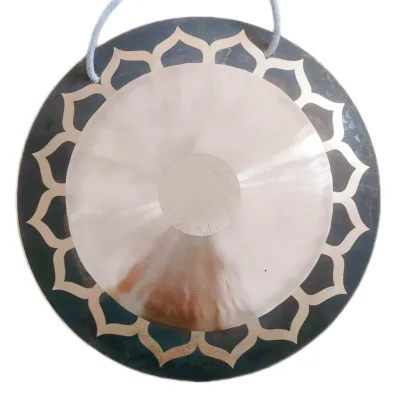
Sourcing antique brass wind gongs is not a one-time transaction but a relationship that requires ongoing maintenance and support. The "Customized" nature of these instruments means that spare parts or replacement components may not be readily available from third parties. Buyers should establish a direct line of communication with the supplier for future needs, such as re-tuning or surface restoration. The "More types" attribute, listing "Wind Gong, Lotus Gong, Bao Gong," suggests that suppliers often have a diverse catalog, which can be beneficial for expanding a product line.
Buyers should also consider the longevity of the "antique" finish. Patinas and lacquers can degrade over time, especially with frequent handling. Suppliers offering "Service" options like OEM may also provide maintenance guidelines or restoration services. The "Age" specification of "Adults" indicates that these instruments are designed for mature users, implying a need for durability and robust construction. Long-term procurement strategies should include regular quality audits of the supplier's output to ensure that the "Handhammered" quality remains consistent over time. By focusing on these comprehensive factors, buyers can secure a reliable supply of high-quality antique brass wind gongs that meet both acoustic and operational requirements.
FAQs
What materials are used for antique brass wind gongs?
Materials include B20 bronze, standard bronze, bronze-tin alloys, and brass. Some products feature yellow brass bodies with gold lacquer surfaces, while others use black bronze finishes for an aged appearance.
Which dimensions are available for these percussion instruments?
Available diameters include 75 cm, 55 cm, and 30 inches. Specific model numbers like V-22 correspond to 55 cm sizes, while larger units reach 75 cm to accommodate different acoustic profiles.
Can suppliers customize the gong specifications and finish?
Yes, customization is available for dimensions, materials, and surface finishes. Buyers can request specific tones like Eb or Bb, and suppliers accept custom designs for unique patination effects.
How is the packaging designed for shipping protection?
Packaging typically includes paper boxes, wooden cases, or reinforced carton boxes. Single package sizes vary, with some models measuring 63x63x10 cm to ensure safe transit of the heavy instruments.
What is the minimum order quantity for these gongs?
Minimum order quantities range from 5 pieces to 500 pieces depending on the supplier. Some vendors cater to small boutique orders while others focus on bulk distribution with higher thresholds.
Where are these instruments manufactured and shipped from?
Products originate from Shandong, China, and are dispatched from the Qingdao port. This location supports the manufacturing of high-grade percussion instruments for both domestic and international markets.
What production methods ensure professional sound quality?
Many gongs are handhammered to control the metal grain structure and enhance resonance. This method produces a professional sound with complex harmonic series suitable for performance and sound healing applications.