Source apple scented environment-friendly cat litter for homes, shelters, and catteries
Compare 30 listings of apple scented environment-friendly cat litter from verified Chinese manufacturers. Buyers can evaluate clumping speed, dust levels, and mineral content to find the right bulk option for pet care facilities.
Key considerations
Products List
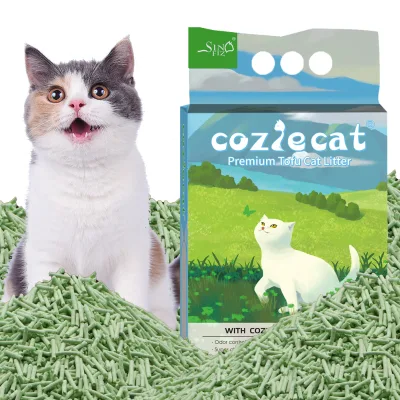
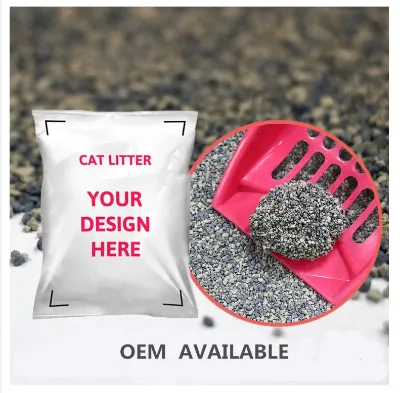
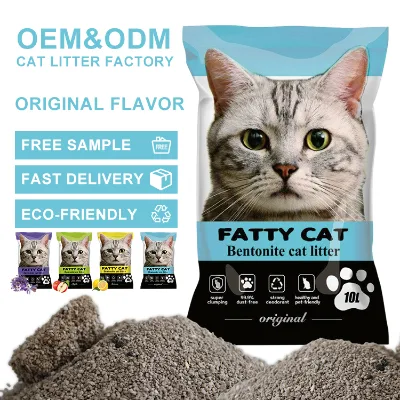


Comprehensive Sourcing Guide
Strategic Sourcing Guide for Apple Scented Environment-Friendly Cat Litter
Understanding Product Composition and Core Attributes
When sourcing apple-scented, environment-friendly cat litter, buyers must first distinguish between the base material and the functional additives. The supplied product data indicates that the primary material for this category is natural mineral bentonite, often referred to as montmorillonite. This material forms the structural integrity of the litter, providing the necessary absorbency and clumping capabilities required for effective waste management. The data specifies that high-quality bentonite cat litter should contain a montmorillonite content of greater than or equal to 65%, which is a critical threshold for ensuring the product performs as a natural mineral absorbent rather than a synthetic filler.
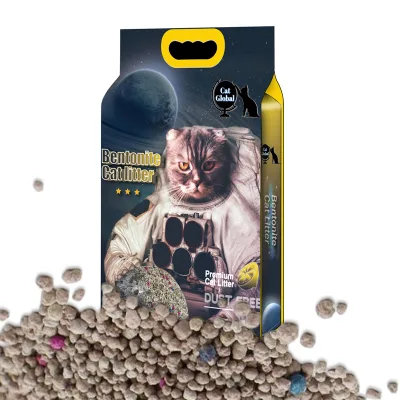
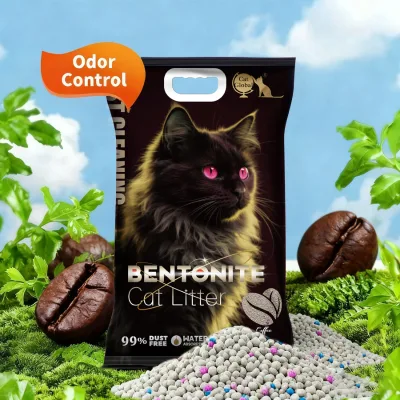
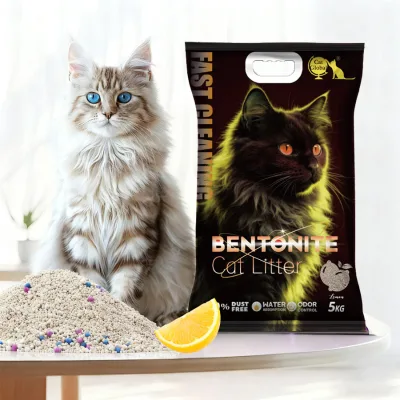
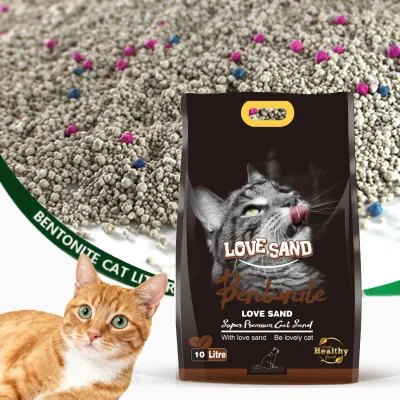
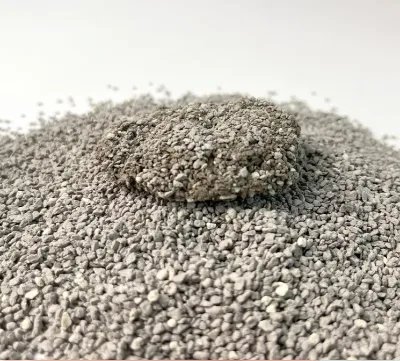
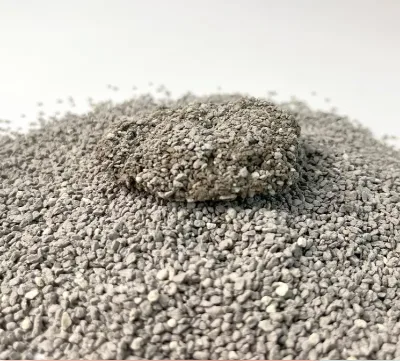
The physical form of the litter is another essential attribute to verify. While some listings describe the shape as irregular, others specify a spherical style. The standard particle size for these products typically ranges from 1mm to 3.5mm. This specific size range is engineered to balance dust generation with clumping efficiency; particles that are too fine may create excessive dust, while those that are too large may fail to form tight clumps around waste. The color of the raw material is generally observed as greyish-white or pure white, depending on the purity of the bentonite source.
A key differentiator in this specific search query is the scent profile. The supplied facts explicitly mention "Fruit Scent" and "fruit" as available attributes, aligning with the "apple scented" requirement. Buyers should verify that the scent is derived from safe, non-toxic sources suitable for feline respiratory systems. Additionally, the "environment-friendly" claim in the keyword suggests a focus on natural materials. The data confirms the material is "Natural mineral bentonite," which supports the eco-friendly narrative, provided the manufacturing process does not introduce harmful chemicals. The absence of electrical components is confirmed by the "Power Source: no" and "Voltage: Not Applicable" attributes, indicating these are passive, natural products rather than electronic devices.
Technical Specifications and Performance Metrics
Evaluating the technical performance of cat litter requires a close examination of moisture management, dust levels, and clumping speed. The supplied data provides specific numerical ranges that serve as benchmarks for quality verification. Moisture content is a critical indicator of product stability during storage and transport; the observed data lists moisture levels at less than 8%. Exceeding this threshold could lead to premature clumping or mold growth within the packaging before the product reaches the end consumer.
Dust generation is perhaps the most significant health and cleanliness concern for both pets and owners. The provided facts indicate a dust content of less than 1% for certain listings, while other attributes highlight "dust-free" as a primary feature. In a B2B context, buyers should demand third-party test results confirming dust levels are below 1% to ensure the product meets high standards for respiratory safety. The clumping mechanism is described as "fast clumping," a feature that is essential for easy waste removal. This performance is directly linked to the montmorillonite content, which swells upon contact with moisture.
Absorbency is another vital metric. The data notes an absorbency rate of approximately 350%, meaning the litter can absorb 3.5 times its own weight in liquid. This figure is a strong indicator of the product's efficiency and longevity in the litter box. Furthermore, odor control is listed as "Strong" in the specifications, which is a necessary attribute for any cat litter, especially those with added scents. The scent must be potent enough to mask odors but not so overpowering that it irritates the cat's sensitive nose.
The following table summarizes the key technical specifications observed in the supplied product data, serving as a reference for buyer verification:
| Attribute | Observed Value/Range | Significance for Procurement |
|---|---|---|
| Material | Natural mineral bentonite | Ensures natural, eco-friendly base composition. |
| Montmorillonite Content | >= 65% | Critical for high absorbency and clumping strength. |
| Particle Size | 1-3.5mm | Optimizes dust control and clumping efficiency. |
| Moisture Content | < 8% | Prevents premature degradation during storage. |
| Dust Level | < 1% | Ensures respiratory safety and cleanliness. |
| Absorbency | ~350% | Indicates high liquid retention capacity. |
| Scent Profile | Fruit / Apple | Matches specific buyer keyword requirements. |
| Clumping Speed | Fast | Essential for user convenience and waste removal. |
Compliance, Certification, and Safety Verification
While the supplied facts mention "Eco-Friendly" as a feature, they do not list specific certification bodies or standard numbers beyond the "Standard Size" for the product dimensions. In the B2B procurement of pet products, especially those involving scents and mineral additives, relying solely on marketing claims is insufficient. Buyers must verify that the product complies with the safety regulations of the target export market. For instance, if the product is intended for the European Union, it must meet specific REACH regulations regarding chemical substances. If targeting North America, compliance with ASTM or CPSC standards for pet safety is essential.
The "environment-friendly" claim requires substantiation. Buyers should request documentation proving that the bentonite is mined sustainably and that the fruit scent additives are non-toxic and biodegradable. The data mentions "Natural material" and "Bentonite cat litter bulk," which supports the eco-friendly narrative, but the sourcing guide must emphasize that "natural" does not automatically equate to "certified organic" or "compostable" without further evidence.
Regarding the scent, the presence of "Fruit Scent" necessitates a review of the ingredients list. Buyers must ensure that the fragrance oils used do not contain phenols or other compounds known to be toxic to cats. The "Odor Control: Strong" attribute suggests the product is effective, but the safety of the odor-masking agents is paramount. Procurement teams should require a Safety Data Sheet (SDS) for the finished product and the raw scent materials to confirm the absence of hazardous substances.
Additionally, the packaging specifications, such as the "Package size per batch: 100X100X100 cm" and "Single package size: 40X25X15 cm," indicate the logistical requirements for storage and shipping. While not a safety certification, proper packaging is part of the compliance chain, ensuring the product remains sealed and dust-free until it reaches the consumer. The "Gross weight per batch" of 1000.000 kg highlights the scale of bulk shipments, which may require specific handling certifications for heavy industrial loads.
Cost Drivers and Pricing Structure Analysis
The observed price range for these products in the market spans from $0.33 to $890 USD. This wide variance is not indicative of a single product type but rather reflects differences in packaging, volume, and brand positioning. The lower end of the spectrum likely corresponds to bulk raw materials or smaller unit prices for high-volume orders, while the higher end may include premium branding, specialized packaging, or smaller retail-ready units.
Several factors drive the cost of apple-scented, environment-friendly cat litter. First, the purity of the bentonite is a major cost driver. Bentonite with a montmorillonite content of >= 65% commands a higher price than lower-grade alternatives. Second, the addition of fruit scents, particularly those derived from natural sources rather than synthetic chemicals, adds to the production cost. Third, the "dust-free" processing required to achieve < 1% dust levels involves additional manufacturing steps and quality control measures, which increase the unit cost.
The Minimum Order Quantity (MOQ) also significantly impacts the effective cost per unit. The observed MOQ range is 1 to 3150 units. Buyers purchasing at the lower end of the MOQ range will likely face a higher per-unit cost due to the fixed costs of production and logistics being spread over fewer units. Conversely, buyers able to commit to the higher end of the MOQ range can negotiate better pricing, potentially accessing the lower end of the observed price spectrum.
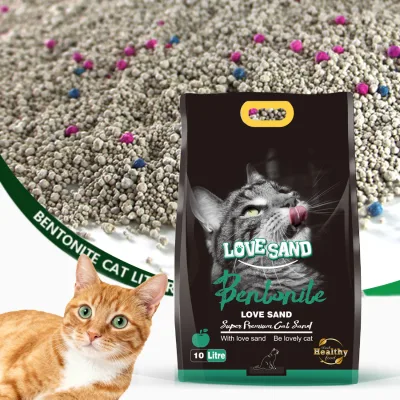
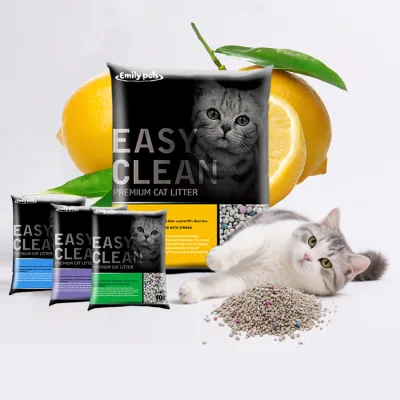
Packaging costs are another variable. The data shows varying package sizes, from single items to bulk batches. Custom branding, such as the "Emilypets" or "lovesand" brands mentioned in the data, adds value but also cost. Buyers must weigh the cost of custom packaging against the potential for higher retail margins. The "Selling Units" attribute, listed as "Multiple of 1" or "Single item," suggests flexibility in ordering, but bulk purchasing remains the most cost-effective strategy for B2B buyers.
Supplier Evaluation and Quality Control Protocols
When evaluating potential suppliers for apple-scented bentonite cat litter, buyers should look beyond the basic product attributes. The supplied data lists several brand names, including "Emilypets," "cat global," "lovesand," and "Whisperpet," as well as a model number "10940" and "Bentonite Cat Litter009." However, the guide must not recommend specific suppliers. Instead, buyers should use these identifiers as examples of the variety available and focus on the supplier's ability to maintain consistency across these models.
Quality control should begin with the raw material source. The "Place of Origin" is consistently listed as "Liaoning, China" or generally "China." Liaoning is known for its mineral resources, but buyers should verify the specific mine source to ensure the quality of the bentonite. Consistency in the montmorillonite content is crucial; a batch-to-batch variance could lead to performance issues.
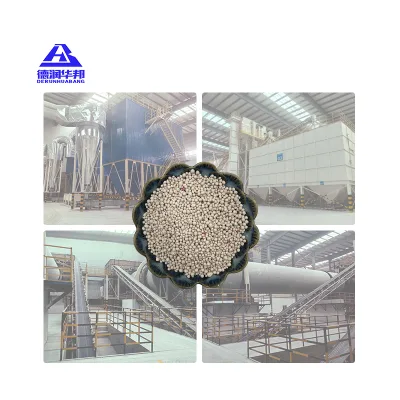
The manufacturing process must be audited for dust control. Since "dust-free" is a key feature, the factory should have dedicated dust extraction systems and air filtration. Buyers should request photos or videos of the production line to verify these capabilities. Additionally, the scenting process must be controlled to ensure uniform distribution. Inconsistent scenting can lead to areas of the litter that are odorless and others that are overpowering.
Inspection protocols should include random sampling from different batches to test for moisture content, dust levels, and absorbency. The "Moisture: <8%" and "Dust: <1%" specifications should be the baseline for acceptance. Any batch failing to meet these criteria should be rejected. Furthermore, the physical appearance, such as the "Greyish white" or "White" color and "Irregular" or "Spherical" shape, should be consistent with the ordered specifications.
Typical Applications and Market Segmentation
The primary application for this product is domestic feline waste management. The "Applicable Pet" is listed as "Cats," "Pet," "Cat," and "Kitty," confirming its use in household litter boxes. However, the "Environment-Friendly" and "Eco-Friendly" attributes also make this product suitable for eco-conscious pet owners who prioritize sustainability. The "Apple Scent" appeals to consumers looking for a pleasant home environment, distinguishing the product from unscented or chemically scented alternatives.
In the B2B sector, this product is likely targeted at pet supply retailers, online marketplaces, and pet care subscription services. The "Bulk" nature of the material ("Bentonite cat litter bulk") suggests that large-scale distributors may be the primary customers. The "Single package size" of 40X25X15 cm and "Gross weight" of 1.000 kg indicate that retail-ready packaging is also a viable application, allowing for direct sales to end consumers.
The "Model Number" variations, such as "10940" and "Bentonite Cat Litter009," suggest that suppliers may offer different product lines tailored to different market segments. For example, a "Simple" style might target budget-conscious consumers, while a "Spherical" style with "Strong" odor control might target premium markets. Understanding these segmentation nuances helps buyers align their procurement strategy with their specific target audience.
Long-Term Procurement and Supply Chain Considerations
Sourcing apple-scented, environment-friendly cat litter is not just a one-time transaction but a long-term partnership. Buyers should consider the stability of the supply chain, particularly regarding the "Place of Origin" in Liaoning, China. Geopolitical factors, shipping logistics, and seasonal variations can impact lead times and availability. The "Lead Time" is not explicitly provided in the data, but buyers should negotiate clear timelines to avoid stockouts.
Sustainability is a growing concern in the pet industry. Buyers should prioritize suppliers who demonstrate a commitment to sustainable mining practices and eco-friendly packaging. The "Eco-Friendly" claim should be backed by verifiable practices, such as the use of recyclable packaging materials or energy-efficient manufacturing processes.
Inventory management is another critical factor. With a "Gross weight per batch" of 1000.000 kg, storage capacity becomes a significant consideration. Buyers must ensure they have adequate warehousing to handle bulk shipments. The "Package size per batch" of 100X100X100 cm also requires careful planning for container loading and storage.
Finally, buyers should maintain open communication with suppliers regarding product updates and improvements. As the market evolves, new scents, improved clumping technologies, or enhanced eco-friendly features may become available. A proactive approach to supplier relationships ensures that buyers can adapt to market changes and maintain a competitive edge in the pet care sector. By focusing on the technical specifications, compliance, and long-term stability outlined in this guide, buyers can make informed decisions that align with their business goals and customer expectations.
FAQs
What material is used for apple scented environment-friendly cat litter?
The primary material is natural mineral bentonite, often containing at least 65% montmorillonite. This composition ensures high absorbency and effective clumping while maintaining an eco-friendly profile suitable for cats.
How much dust does this litter generate during use?
High-quality versions contain less than 1% dust to ensure respiratory safety. Some listings explicitly state the product is dust-free, which helps maintain a clean litter box environment for both pets and owners.
Which particle size is standard for this type of cat litter?
The standard particle size ranges from 1mm to 3.5mm. This specific dimension balances dust control with clumping efficiency, preventing particles from being too fine or too large for effective waste management.
Can the litter absorb a significant amount of liquid?
Yes, the litter can absorb approximately 350% of its own weight in liquid. This high absorbency rate indicates strong performance in managing moisture and maintaining dry conditions within the litter box.
What is the typical moisture content of the raw material?
The moisture content is typically less than 8% to ensure product stability. Keeping moisture below this threshold prevents premature clumping or mold growth during storage and transport before the product reaches the consumer.
How does the scent profile affect odor control capabilities?
The fruit scent, including apple varieties, provides strong odor control while masking waste smells. This scent is designed to be potent enough to be effective without being overpowering or irritating to a cat's sensitive nose.