Source Stainless Steel Pizza Press for Bakery, Restaurant, and Catering
Source 30 Stainless Steel Pizza Press options for bakery, restaurant, and catering use. Compare models like BM-40 and HT-DR3V with features such as 304 stainless steel construction, 110V/220V voltage, and capacities up to 720 pcs/h. Evaluate specs including dough weight, thickness settings, and warranty terms to find the right equipment.
Updated
Key considerations
Products List


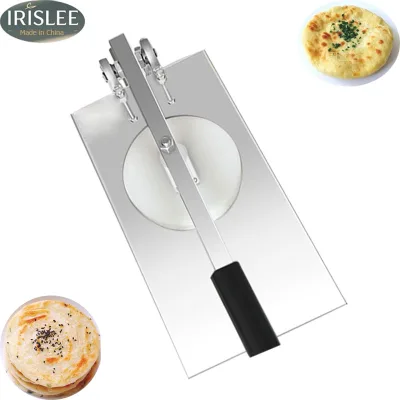
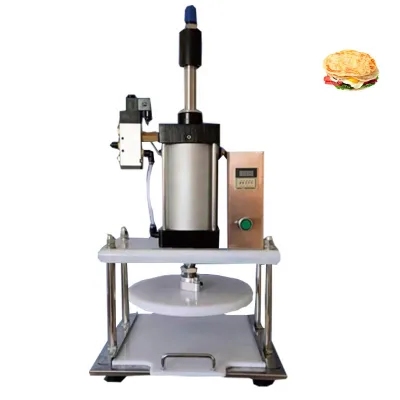
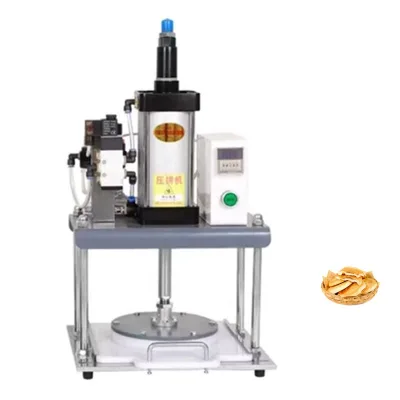


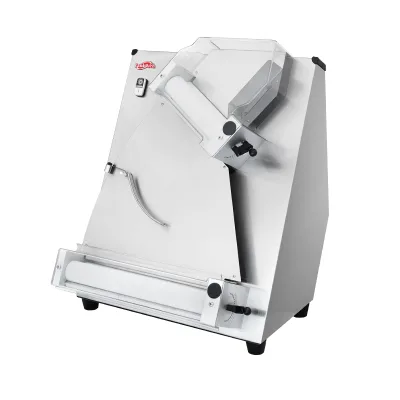


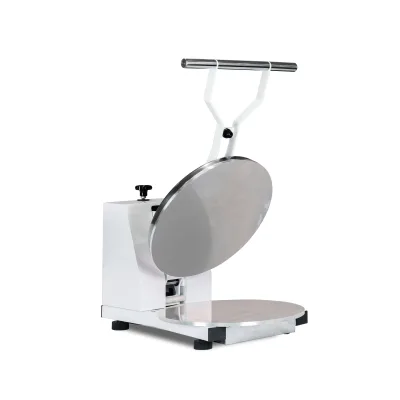
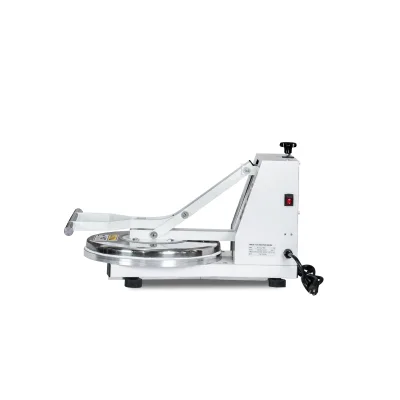


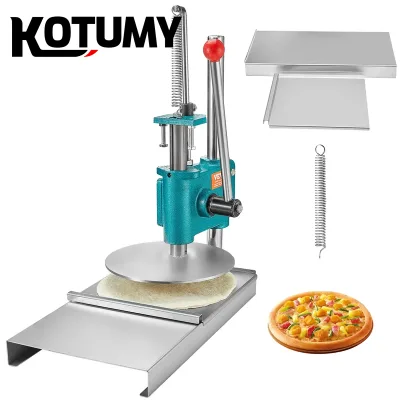
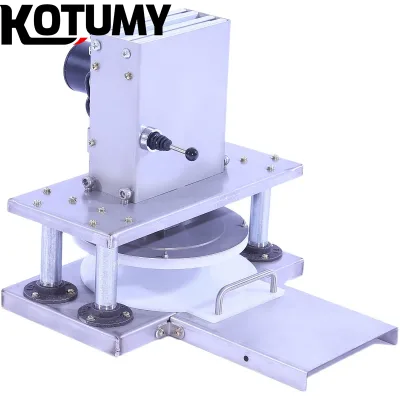
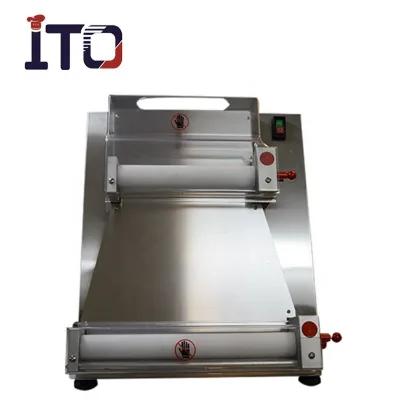
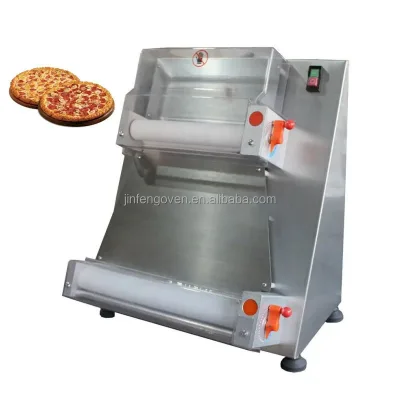
Comprehensive Sourcing Guide
Stainless Steel Pizza Press Sourcing Guide
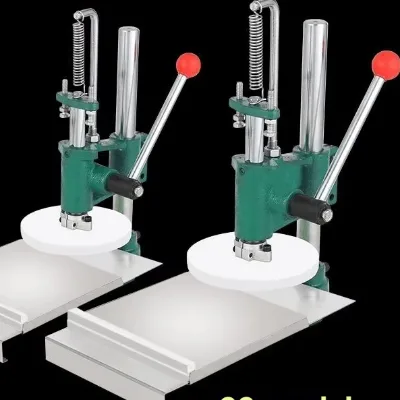
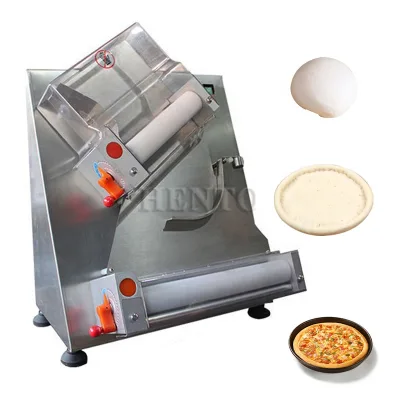
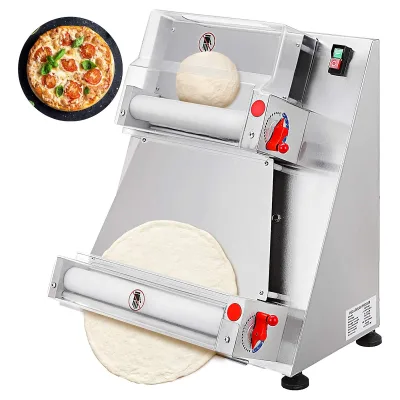
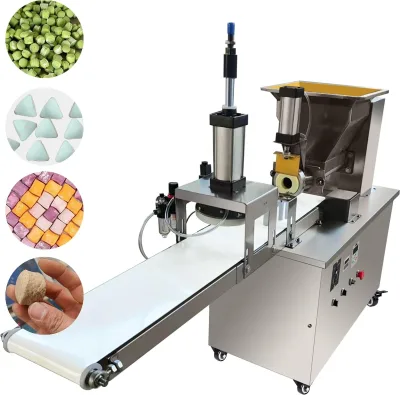
Sourcing a Stainless Steel Pizza Press requires careful evaluation of material integrity, mechanical precision, and operational efficiency to ensure consistent dough handling in commercial environments. Buyers must prioritize equipment constructed from food-grade materials that resist corrosion and facilitate rigorous sanitation protocols essential for high-volume kitchens. The decision to invest in automated versus manual systems hinges on throughput requirements, labor constraints, and the desired thickness uniformity of the final product. Understanding these foundational elements allows procurement teams to align equipment capabilities with specific production goals, minimizing downtime and maximizing output quality.
This guide outlines critical verification steps for technical specifications, compliance documentation, and supplier qualifications to mitigate procurement risks. By focusing on observable listing signals and verifiable performance metrics, buyers can navigate the complex landscape of industrial food machinery with confidence. The following sections provide structured advice on evaluating voltage compatibility, power consumption, and dimensional standards, ensuring that selected machines integrate seamlessly into existing workflows. Adhering to these evidence-based criteria helps secure reliable equipment that meets stringent hygiene and safety standards while delivering the durability required for continuous commercial use.
Product Scope and Observed Listing Signals
The market for pizza dough pressing equipment displays a wide variance in capabilities, with observed prices ranging from approximately $61.51 to $3,850.52 USD, reflecting differences in automation levels and build quality. Minimum order quantities typically span from one to five units, offering flexibility for both small bakeries and large-scale production facilities. Listings frequently highlight customization options, allowing buyers to tailor machine dimensions or functional features to specific operational needs. This variability necessitates a thorough review of individual product attributes to distinguish between basic manual presses and advanced electric models capable of high-speed throughput.
Key selling points often emphasize ease of operation and high productivity, indicating a focus on user-friendly interfaces and efficient dough processing. Some models are explicitly designed for both bread and pizza applications, showcasing versatility in handling various dough types and sizes. Buyers should note that while some listings claim automatic grades, others describe manual cake presses, requiring careful distinction between fully automated systems and semi-automatic or manual devices. Verifying the actual power source and voltage requirements is crucial, as discrepancies between listed specifications and actual machine capabilities can lead to operational inefficiencies or compatibility issues with existing kitchen infrastructure.
Technical Specifications to Verify
Voltage compatibility is a primary technical consideration, with observed specifications including 110V, 220V, and dual-voltage options to accommodate diverse electrical standards across different regions. Power consumption varies significantly, ranging from low-wattage manual or semi-automatic units to electric models with power ratings around 120W or 370W. Buyers must verify the machine size and footprint, as observed dimensions include configurations such as 34x30x56cm and larger industrial units measuring up to 550x550x710mm. Ensuring that the equipment fits within the designated kitchen space while allowing adequate clearance for maintenance and operation is essential for smooth workflow integration.
Dough handling capabilities are defined by parameters such as dough weight capacity, ranging from 50g to 500g per unit, and pizza size compatibility, which can accommodate diameters from 10cm to 40cm. Pizza thickness settings are often adjustable, with observed ranges spanning from 1mm to 5.5mm, allowing for precise control over the final product texture. Capacity metrics vary widely, with some units rated at 5kg/h and others achieving up to 720 pieces per hour, directly impacting production planning and labor allocation. Verifying these specifications against actual production requirements ensures that the selected press meets the necessary throughput and quality standards without causing bottlenecks in the preparation line.
Compliance and Safety Documentation
Certification status is a critical factor in ensuring that equipment meets international safety and hygiene standards, with some listings explicitly mentioning CE and ISO certifications. Buyers should request valid certification documents to verify that the manufacturer has undergone rigorous testing for electrical safety, mechanical integrity, and material compliance. The presence of these certifications indicates a commitment to quality control and regulatory adherence, reducing the risk of non-compliance in target markets. It is essential to confirm that the certifications are current and applicable to the specific model being purchased, as standards can vary by region and product type.
Material composition is another vital aspect of compliance, with many high-quality presses constructed from 304 stainless steel to ensure food safety and durability. This material choice resists corrosion and simplifies cleaning, which is crucial for maintaining hygiene in commercial food preparation environments. Buyers should verify that all components coming into contact with dough are made from food-grade materials and are free from harmful substances. Additionally, checking for warranty provisions, such as a one-year warranty, and after-sales support options, including online support, provides assurance of long-term reliability and access to technical assistance when needed.
Cost Drivers and Commercial Terms
The total cost of ownership is influenced by several factors, including the machine's power consumption, material quality, and level of automation. Higher-priced units often feature advanced electrical components, robust stainless steel construction, and higher throughput capacities, justifying the investment through increased efficiency and reduced labor costs. Buyers should evaluate the price range of $61.51 to $3,850.52 in the context of expected production volume and operational demands. Investing in a more capable machine may yield long-term savings by minimizing downtime and improving product consistency, whereas lower-cost options may require more manual intervention and frequent maintenance.
Commercial terms such as packaging and shipping logistics also impact the overall procurement cost. Observed packaging methods include neutral packing and fumigation-free wooden boxes or cases, which are designed to protect the equipment during transit while complying with international shipping regulations. Buyers should clarify who bears the responsibility for shipping costs and insurance, as these can vary significantly depending on the supplier's location and the destination. Understanding the lead times and production capacity, such as manual cake press capabilities or specific hourly outputs, helps in planning inventory and ensuring timely delivery to meet production schedules.
Supplier Qualification and Quality Control
Supplier verification is essential to ensure that the manufacturer has the capability to produce high-quality equipment consistently. Buyers should assess the supplier's production capacity and facility standards, noting that origins such as Guangzhou and Hebei in China are common sources for this type of machinery. Checking for video outgoing inspections, which are provided by some suppliers, offers valuable insight into the final quality of the product before shipment. This visual verification can help identify potential defects or inconsistencies in assembly, ensuring that the delivered machine meets the specified technical requirements.
Core components and key machines used in the production process, such as gearboxes and dough sheeters, are critical indicators of the press's durability and performance. Buyers should inquire about the quality and sourcing of these components to ensure they are reliable and replaceable. Additionally, verifying the supplier's after-sales service capabilities, including online support, is crucial for resolving any technical issues that may arise during operation. A supplier with a strong track record of quality control and customer support provides greater assurance of long-term satisfaction and minimal operational disruption.
Long-Term Procurement Checks
Regular maintenance and component replacement are vital for extending the lifespan of a pizza press and maintaining optimal performance. Buyers should establish a preventive maintenance schedule that includes cleaning, lubrication, and inspection of critical parts such as the gearbox and motor. Understanding the availability and cost of spare parts is essential to minimize downtime in case of unexpected failures. Suppliers that provide comprehensive maintenance guidelines and readily available components enable buyers to keep their equipment in peak condition, ensuring consistent dough pressing quality and operational efficiency.
Continuous evaluation of the equipment's performance against initial expectations helps identify any deviations in throughput, thickness consistency, or ease of operation. Buyers should monitor key performance indicators, such as the number of pieces processed per hour and the uniformity of pizza thickness, to assess whether the machine continues to meet production goals. If discrepancies arise, engaging with the supplier's online support team can facilitate troubleshooting and resolution. Regularly reviewing these metrics ensures that the investment continues to deliver value and supports the long-term success of the food production operation.
FAQs
What is the voltage requirement for electric pizza dough press machines?
Electric pizza dough press machines typically operate on 220V power sources, with some models supporting 110V/220V dual voltage options. This flexibility allows for use in various regional electrical standards. Buyers should verify the specific voltage rating of the selected model, such as the BM-40 or HT-DR3V, to ensure compatibility with their facility's power supply before installation and operation.
Can stainless steel pizza presses be customized for specific dough sizes?
Yes, customization is available for many Stainless Steel Pizza Press models. These machines can handle various cake and pizza sizes, including 22cm, 25cm, 30cm, and 40cm options. The adjustable design allows for dough thickness settings ranging from 1mm to 5.5mm. Buyers seeking specific dimensions should confirm customization availability with the supplier to ensure the machine meets their exact production requirements.
What is the production capacity of automatic pizza dough pressing machines?
Automatic pizza dough pressing machines generally offer a production capacity of 500 to 720 pieces per hour. Some manual or semi-automatic variants may have lower capacities, such as 5kg/h. The actual output depends on the dough weight, which can range from 50g to 500g per piece. High-productivity models are designed to streamline bulk pizza preparation in commercial kitchens.
Which certifications are provided for industrial pizza dough press equipment?
Industrial pizza dough press equipment often comes with CE and ISO certifications, ensuring compliance with international safety and quality standards. These certifications are critical for buyers in regulated markets. The machines are typically constructed from 304 stainless steel for hygiene and durability. Buyers should request certification documents from suppliers to verify that the specific model meets their local regulatory requirements.
What are the key selling points of manual cake press machines?
Key selling points for manual cake press machines include ease of operation and compact design. These units often feature a gearbox core component for reliable mechanical action. They are lightweight, with some models weighing around 4kg, making them portable. The neutral packing ensures safe transport. These machines are ideal for small-scale bakeries or businesses requiring simple, low-maintenance dough pressing solutions.
How is the warranty structured for pizza dough press machines?
Most pizza dough press machines come with a 1-year warranty covering core components and general functionality. After-sales service typically includes online support to assist with operational issues. Buyers should review the warranty terms carefully, as coverage may vary by supplier. The warranty ensures protection against manufacturing defects, providing peace of mind for commercial investments in dough processing equipment.