Source ATV Motorcycle Steering Knuckle for Cars, Trucks, and Bikes
Compare 30 verified listings for the ATV Motorcycle Steering Knuckle from Chinese manufacturers offering CNC machining and die casting. Buyers can review specifications like material, tolerance grade, and customization options to find durable auto parts for various vehicle types.
Key considerations
Products List




Comprehensive Sourcing Guide
Strategic Sourcing Guide for ATV Motorcycle Steering Knuckles
Understanding Technical Specifications and Material Composition
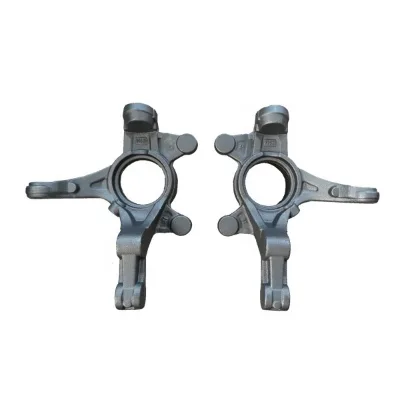
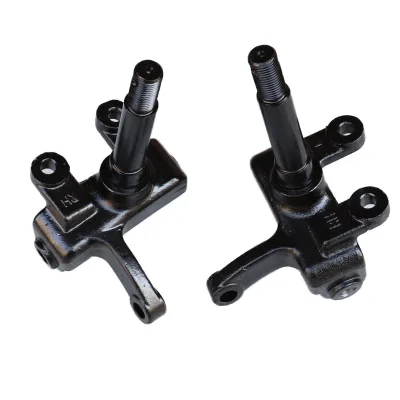
When sourcing steering knuckles for All-Terrain Vehicles (ATVs), the primary objective is to identify components that balance structural integrity with weight efficiency. The steering knuckle serves as the critical pivot point connecting the wheel assembly to the suspension system, enduring significant dynamic loads during off-road operation. Based on available market data, the most prevalent material specification for these components is Aluminum Alloy, specifically adhering to the A356.2 standard. This alloy is favored for its excellent castability and high strength-to-weight ratio, which is essential for maintaining vehicle agility.
However, buyers must exercise caution as the market also lists Steel as a material option for similar applications. The selection between Aluminum Alloy and Steel depends heavily on the specific performance requirements of the ATV model. Aluminum Alloy parts, particularly those utilizing the A356.2 standard, are often associated with precision die casting processes. In contrast, steel components may be found in applications requiring higher tensile strength or specific non-standard geometries. The tolerance grade for these components is frequently cited as Grade 6, indicating a specific level of dimensional accuracy required for proper fitment within the suspension assembly.
The manufacturing process plays a pivotal role in the final product's quality. High-confidence data indicates that Cold Chamber Die Casting Machines are the standard equipment used for producing these aluminum components. This method, often referred to as Precision Die Casting, allows for the creation of complex shapes with tight tolerances. For alternative manufacturing routes, Powder Metallurgy is also observed in the market, particularly for non-standard parts or specific internal geometries. Additionally, Squeeze Casting is noted as a specific model or process variation, suggesting a method that applies high pressure during solidification to reduce porosity and enhance mechanical properties.
Compliance, Certification, and Surface Quality Standards
Navigating the compliance landscape for automotive components requires a rigorous verification of certifications and surface quality levels. The global automotive supply chain demands adherence to international management systems. Buyers should verify that suppliers hold ISO 9001 certification, which is a standard observation for manufacturers of die-cast auto parts. Beyond quality management, specific product certifications such as CE and RoHS are critical for ensuring the components meet environmental and safety regulations, particularly for markets in Europe and North America.
Surface preparation and finishing are equally vital for long-term durability. The steering knuckle must undergo specific surface treatments to resist corrosion and wear. Common observations include Deburring as a fundamental surface preparation step to remove sharp edges and excess material. For enhanced protection, Powder Coating is a frequently specified surface finish, offering a durable layer against the harsh conditions of off-road environments. The surface quality level is often tied to the die casting machine type, with Cold Chamber Die Casting Machines generally providing the consistency required for high-quality finishes.
Buyers must also scrutinize the certification claims against the actual product data. While some listings mention certifications like GB, DIN, AISI, and ISO, these represent a broad spectrum of standards. It is imperative to confirm which specific standards apply to the specific batch of steering knuckles being procured. For instance, the A356.2 standard is a specific material specification, whereas ISO 9001 is a management system certification. Confusing these can lead to procurement errors. Furthermore, the condition of the parts is typically listed as "New," but verifying the absence of defects through visual inspection or third-party testing remains a necessary step before final acceptance.
Cost Drivers and Pricing Dynamics
The pricing structure for ATV steering knuckles is influenced by a complex interplay of material costs, manufacturing complexity, and order volume. The observed price range in the market spans from $0.10 to $66.20 USD. This wide variance indicates that the cost is not uniform and is heavily dependent on the specific configuration, material choice, and customization level of the part. A basic, standard steel knuckle may fall at the lower end of this spectrum, while a precision-cast aluminum alloy component with custom surface treatments and tight tolerances will command a higher price.
Material selection is a primary cost driver. Aluminum Alloy, while generally more expensive per unit weight than steel, often results in lower overall part costs due to the efficiency of die casting and the reduction in vehicle weight, which improves fuel efficiency and handling. However, the cost of the raw alloy and the energy-intensive nature of the Cold Chamber Die Casting process contribute to the final price. Customization is a significant factor; the availability of custom design options allows for tailored solutions but inevitably increases the unit cost due to the need for custom tooling and setup.
Order Volume (MOQ) also dictates the price per unit. The market observes an MOQ range from 1 to 1000 units. Suppliers offering lower MOQs, such as 100 pieces or even single units, often charge a premium to cover the setup costs of the manufacturing line. Conversely, bulk orders can leverage economies of scale to reduce the per-unit cost. Buyers should note that while some suppliers list an MOQ of 100 pieces, others may have different thresholds. Understanding the relationship between volume and price is essential for budgeting, especially for small-scale aftermarket operations or prototyping phases.
Typical Applications and Functional Requirements
The primary application for these steering knuckles is clearly defined as Auto Parts, with a specific focus on the ATV and motorcycle sectors. The component is integral to the steering mechanism, often categorized under Steering Gears or Shafts in broader automotive classifications. The vertical pressure chamber structure and the use of precision die casting suggest that these parts are designed to handle the high-stress, high-vibration environment typical of off-road vehicles.
The functional requirements extend beyond simple structural support. The steering knuckle must facilitate smooth rotation of the wheel while maintaining precise alignment. The use of T6 heat treatment on aluminum components indicates a process aimed at maximizing strength and hardness, ensuring the part can withstand the impact forces encountered during rugged terrain navigation. The durability of the part is a key feature, often highlighted in product descriptions to assure buyers of its longevity.
In addition to standard applications, the market supports non-standard and custom requirements. The "Standard" and "Nonstandard" classifications suggest that buyers can source off-the-shelf components for common ATV models or request custom designs for specialized vehicles. The ability to accept OEM/ODM requests further expands the application scope, allowing manufacturers to integrate these knuckles into their specific vehicle designs. Whether for mass-produced ATVs or niche custom builds, the steering knuckle remains a critical safety and performance component.
Supplier Evaluation and Operational Capabilities
Selecting the right supplier requires a thorough evaluation of their operational capabilities and business nature. The market data indicates that many suppliers operate as both Manufacturers and Exporters, providing a direct link to the production facility. This structure can offer advantages in terms of quality control and communication, as the supplier has direct oversight of the manufacturing process. The location of production is predominantly in China, with specific mentions of Jiangsu as a manufacturing hub. This region is known for its robust manufacturing infrastructure, particularly in the automotive parts sector.
Buyers should verify the supplier's capacity for customization. The availability of "Custom" design options and "As Required" specifications suggests flexibility in meeting unique client needs. However, this flexibility must be balanced with the supplier's ability to maintain consistency. The "Automatic" nature of some production lines indicates a high level of mechanization, which can improve consistency and reduce human error. Additionally, the payment terms, including T/T, L/C, Western Union, and Paypal, offer various options for financial transactions, but buyers should ensure that the payment structure aligns with their risk management policies.
Lead time is another critical factor in supplier evaluation. A standard delivery time of 15 days is observed, which is relatively efficient for custom manufacturing. However, this timeline can vary based on the complexity of the order and the current production load. Buyers should confirm the lead time for their specific order size and customization requirements. The shipping methods, including Air, Sea, and Train, provide flexibility in logistics, allowing buyers to choose the most cost-effective or time-sensitive option based on their inventory needs.
Quality Control and Long-Term Procurement Considerations
Ensuring the quality of steering knuckles requires a multi-faceted approach to quality control. The manufacturing process includes specific steps such as Deburring and Powder Coating, which must be strictly monitored. The use of T6 heat treatment is a critical process parameter that must be verified to ensure the material properties meet the required specifications. Buyers should request test reports or quality certificates that confirm the adherence to the A356.2 standard and the effectiveness of the heat treatment process.
Packaging is also a vital aspect of quality control during transit. The observed packaging options include Cartons, Wooden Cases, and Pallets, with some suppliers offering custom packing as required. Proper packaging ensures that the components arrive without damage, which is crucial for maintaining the integrity of the precision-machined surfaces. The "Sea, Train, Air Freight" shipping options highlight the need for robust packaging that can withstand different modes of transport.
For long-term procurement, buyers should consider the scalability of the supplier. The ability to handle varying order volumes, from single units to 1000-piece batches, indicates a flexible production system. The acceptance of OEM/ODM requests suggests that the supplier is capable of growing with the buyer's business needs. Additionally, the availability of customization allows for continuous improvement of the product design based on field performance. Buyers should establish a clear communication channel with the supplier to address any quality issues promptly and to discuss potential design optimizations.
Summary of Key Procurement Parameters
To facilitate a structured comparison of potential sourcing options, the following table summarizes the key parameters observed in the market for ATV motorcycle steering knuckles. This summary serves as a checklist for buyers to verify against supplier proposals.
| Parameter | Observed Standard/Range | Verification Requirement |
|---|---|---|
| Material | Aluminum Alloy (A356.2), Steel | Confirm specific alloy grade and composition |
| Process | Cold Chamber Die Casting, Powder Metallurgy | Verify process suitability for part geometry |
| Tolerance | Grade 6 | Check dimensional inspection reports |
| Certification | ISO 9001, CE, RoHS, GB, DIN, AISI | Request valid certificates for current batch |
| Surface Finish | Deburring, Powder Coating | Inspect for coating uniformity and adhesion |
| Heat Treatment | T6 | Verify heat treatment logs and hardness tests |
| MOQ | 1 - 1000 Units | Confirm minimum order quantity for pricing |
| Lead Time | 15 Days (Standard) | Confirm actual lead time for custom orders |
| Origin | China (Jiangsu) | Verify factory location and export capabilities |
| Packaging | Cartons, Wooden Cases, Pallets | Ensure packaging meets shipping requirements |
By adhering to these guidelines and verifying the specific attributes against the supplied data, buyers can make informed decisions when sourcing steering knuckles for ATV applications. The focus on material standards, process verification, and supplier capabilities ensures that the procured components meet the rigorous demands of the automotive industry.
FAQs
What material is used for ATV steering knuckles?
Aluminum Alloy is the primary material, specifically adhering to the A356.2 standard. Steel is also available for applications requiring higher tensile strength or specific non-standard geometries.
Which manufacturing process is standard for these parts?
Cold Chamber Die Casting is the standard method used for producing these aluminum components. This precision process allows for complex shapes with tight tolerances and high structural integrity.
Can suppliers provide custom design options?
Yes, customization is available for design and specifications as required by the buyer. This flexibility supports OEM and ODM requests for tailored solutions to specific vehicle models.
What certifications do the products typically hold?
Products typically hold ISO 9001 certification for quality management. Additional product certifications often include CE, RoHS, GB, DIN, and AISI to meet international safety and environmental regulations.
How long is the standard delivery time?
The standard delivery time is 15 days from order confirmation. This timeline may vary based on order complexity, customization requirements, and current production capacity at the facility.
What is the minimum order quantity for purchase?
The minimum order quantity ranges from 1 to 1000 units depending on the supplier. Some vendors offer low MOQs for prototyping, while bulk orders may leverage different thresholds for pricing.
How are the parts packaged for shipping?
Parts are packaged in cartons, wooden cases, or on pallets. Custom packaging is available as required to ensure safe transit via air, sea, or train freight modes.