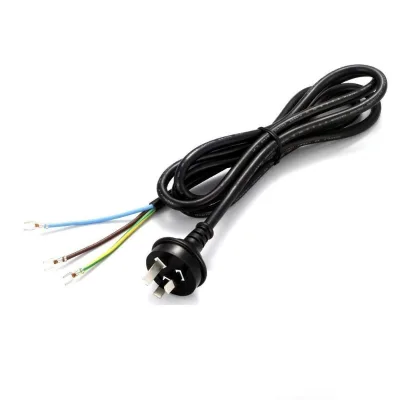
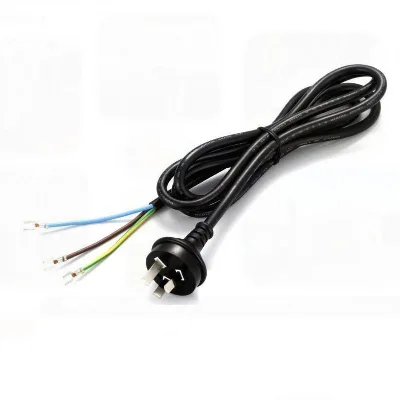
Source AU Standard Stripped and Tinned Power Cord for Computer Laptop Electronic Device
Compare 30 AU Standard Stripped and Tinned Power Cord options from verified suppliers. These cords feature Australian plugs, IEC C13 connectors, and PVC jackets suitable for industrial, commercial, and home use applications.
Key considerations
Products List


$0.50 - $1.00
MOQ: 1000 Minimum

Comprehensive Sourcing Guide
Strategic Sourcing Guide for Australian Standard Stripped and Tinned Power Cords
Understanding Technical Specifications and Configuration
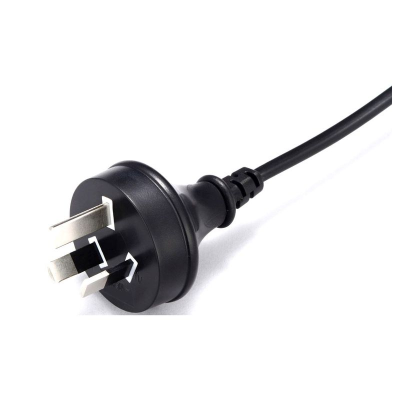
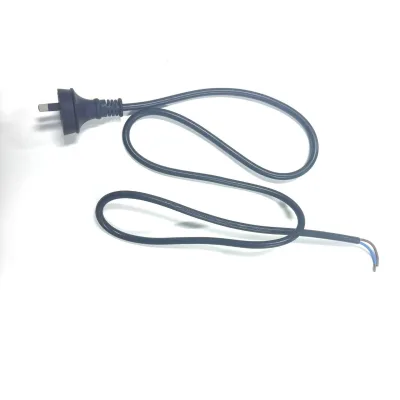
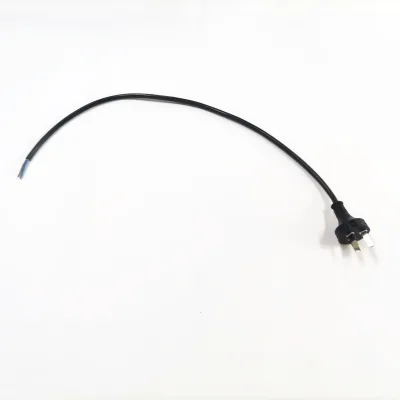
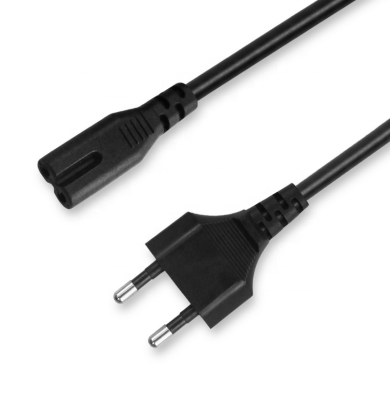
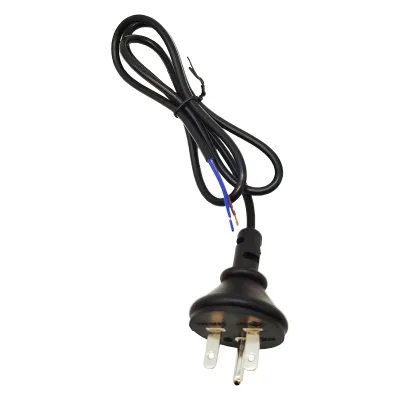
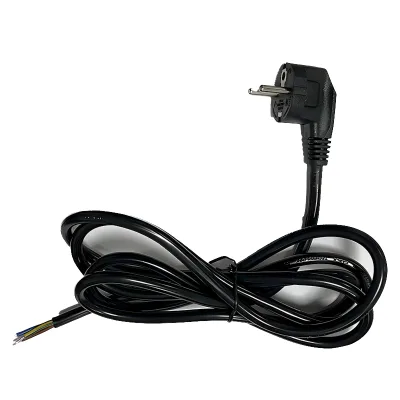
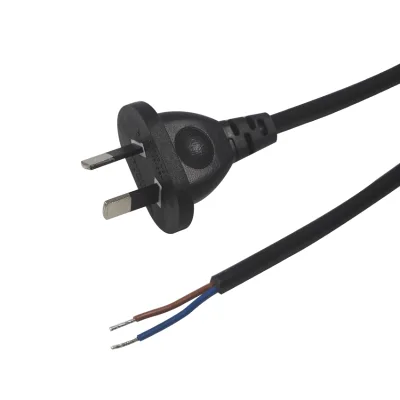
When sourcing an Australian standard stripped and tinned power cord, buyers must first establish a precise understanding of the technical architecture required for their specific industrial or commercial applications. The core product in this category is typically defined as an AC power cord designed to bridge the gap between a fixed power source and a device requiring a specific interface. Based on observed market data, the most prevalent configuration involves an Australian 3-pin plug on one end and an IEC C13 connector on the other, or alternatively, stripped and tinned wires for direct termination into equipment.
The electrical ratings are critical parameters that dictate the safety and longevity of the connection. The nominal voltage for these cords is frequently observed at 250V, with some variants rated for 300V or 500V depending on the specific application environment. The current rating is consistently noted at 15A, which aligns with standard Australian power requirements for general-purpose equipment. The conductor material is almost exclusively copper, ensuring optimal conductivity and durability. The cross-sectional area of the core is often specified as 3*0.75mm², a standard gauge suitable for the 15A rating.
The insulation and sheathing materials play a vital role in the cord's performance. The outer jacket is commonly made of PVC (Polyvinyl Chloride), providing flexibility and resistance to abrasion. However, buyers should also be aware of variations where insulating materials may include Polystyrene or Polypropylene, depending on the manufacturer's specific design choices. The color of the cord is typically black, though gray and customized color options are available to meet branding or safety-coding requirements. The physical form factor is generally round, and the packing can vary from standard export cartons to customized color boxes or blister packages.
Compliance, Certification, and Regulatory Standards
Navigating the regulatory landscape is essential when importing Australian standard power cords, particularly given the strict safety requirements of the Australian market and the export regulations of the manufacturing origin. The primary certifications observed in this product category include CCC (China Compulsory Certification) and ISO9001, which indicate adherence to quality management systems and basic safety standards. Additionally, RoHS (Restriction of Hazardous Substances) compliance is a frequently cited standard, ensuring that the materials used in the cord do not contain prohibited levels of hazardous substances.
Buyers must verify that the supplier can provide valid documentation for these certifications. The presence of ISO9001 suggests a commitment to consistent manufacturing processes, while CCC is a mandatory requirement for products sold within China and is often a baseline for export quality. RoHS compliance is crucial for electronic devices intended for the European and other global markets that restrict lead, mercury, and other toxic materials. It is important to note that while these certifications are listed as available attributes, buyers should not assume every unit in a batch possesses them without requesting specific test reports or certificates of conformity.
The standard for the physical dimensions and packaging is also a point of verification. Observed data indicates packing standards such as "Carton/Wooden" or "Export Carton," with specific dimensions like 60cm x 40cm x 30cm mentioned for certain bulk shipments. While these dimensions are observed, they should be treated as examples rather than universal standards. Buyers must confirm the exact packaging specifications with the supplier to ensure compatibility with their logistics and storage requirements. The origin of these products is predominantly Mainland China, with Shanghai being a noted hub for manufacturing. Understanding the origin helps in assessing the supply chain stability and potential logistical lead times.
Cost Drivers and Pricing Dynamics
The pricing of Australian standard stripped and tinned power cords is influenced by a complex interplay of material costs, manufacturing complexity, and order volume. The observed price range in the market spans from $0.08 to $10.25 USD. This wide variance is not arbitrary; it reflects differences in the quality of copper used, the thickness of the PVC jacket, the length of the cord, and the level of customization required. Lower-priced items typically represent basic configurations with standard lengths and minimal customization, while higher-priced units may include specialized tinning, longer lengths, or premium insulation materials.
Material costs are the most significant driver of price volatility. Since copper is the primary conductor material, fluctuations in the global copper market directly impact the final cost of the power cord. Buyers should be aware that a "stripped and tinned" finish adds a processing step that can increase the unit cost compared to a standard stripped cord. The tinning process ensures better solderability and corrosion resistance, which is a value-add for industrial applications.
Order volume is another critical factor. The Minimum Order Quantity (MOQ) observed in the market ranges from 1 to 2000 units. Smaller MOQs allow for flexibility in testing and prototyping but often come with a higher per-unit cost. Conversely, larger orders can leverage economies of scale to reduce the unit price significantly. Lead times, observed at approximately 2 weeks for standard orders, also influence the overall cost structure. Rush orders or custom configurations may incur additional charges or require longer lead times, which must be factored into the total cost of ownership.
Typical Applications and Usage Scenarios
Australian standard power cords are versatile and find application across a broad spectrum of industries. The primary usage categories include industrial, home, and commercial environments. In industrial settings, these cords are essential for powering machinery, control panels, and heavy-duty equipment that require a reliable connection to the mains supply. The 15A rating and 250V nominal voltage make them suitable for a wide range of industrial tools and devices.
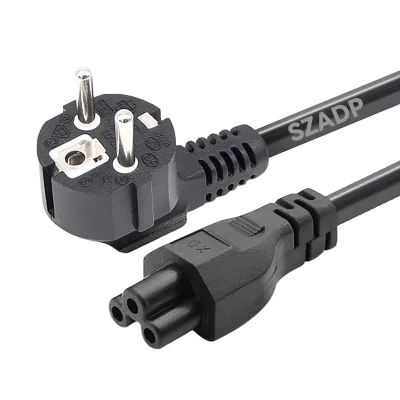
In commercial and office environments, the application often centers around computers, laptops, and other electronic devices. The IEC C13 connector is a standard interface for power supplies in desktop computers and servers, making these cords a staple in IT infrastructure. The stripped and tinned variant is particularly useful in custom installations where the cord needs to be hard-wired into a device or a junction box, eliminating the need for a standard plug.
The versatility of the product is further enhanced by the availability of customized colors and lengths. This allows for color-coding in complex industrial setups to distinguish between different power circuits or voltage levels. The "Low and Medium Voltage Cable" classification indicates that these cords are designed to handle varying electrical loads safely, making them suitable for both residential lighting and commercial data centers. Buyers should assess their specific load requirements to ensure the selected cord meets the necessary safety and performance criteria for their intended application.
Supplier Evaluation and Quality Control
Selecting the right supplier is paramount to ensuring the quality and reliability of the Australian standard power cords. Buyers should prioritize suppliers who demonstrate transparency in their manufacturing processes and provide clear documentation of their certifications. The presence of ISO9001 and CCC certifications should be verified through official channels, and buyers should request recent test reports to confirm compliance with safety standards.
Quality control measures should be a key part of the supplier evaluation process. Buyers should inquire about the supplier's internal testing protocols, including test voltage verification. Observed data mentions a test voltage of 2000V, which is a critical parameter for ensuring the insulation integrity of the cord. Suppliers should be able to provide evidence of this testing for every batch produced. Additionally, the consistency of the conductor material (copper) and the quality of the PVC jacket should be verified through sample inspections.
The supplier's ability to handle customization is another important factor. Given that attributes like color, packing, and specific model numbers (e.g., KA-AP-3Z, AL-103+AL-104) vary, the supplier must have the flexibility to accommodate specific buyer requirements. Buyers should assess the supplier's communication responsiveness and their track record for meeting lead times. A supplier with a consistent 2-week lead time for standard orders and the ability to manage custom orders efficiently is preferable.
Long-Term Procurement Considerations
Sourcing Australian standard stripped and tinned power cords is not just a one-time transaction but a long-term partnership that requires careful planning. Buyers should consider the scalability of their supply chain and the supplier's ability to meet increasing demand without compromising quality. The observed MOQ range of 1 to 2000 units suggests that suppliers can accommodate both small-scale testing and large-scale production runs, but buyers should negotiate terms that allow for flexibility as their needs evolve.
Sustainability and environmental compliance are becoming increasingly important in procurement strategies. The RoHS certification observed in the market aligns with global trends towards reducing hazardous substances. Buyers should ensure that their suppliers are committed to sustainable manufacturing practices and can provide updates on any changes in regulatory requirements that might affect the product.
Finally, buyers should plan for potential supply chain disruptions. The origin of these products in Mainland China, specifically Shanghai, means that geopolitical factors, logistics challenges, or regional events could impact delivery times. Establishing a relationship with a reliable supplier who has a robust logistics network and can provide alternative shipping options is a prudent strategy. Regular audits and performance reviews of the supplier can help maintain a high standard of quality and service over the long term, ensuring a steady supply of reliable power cords for critical operations.
Comparative Analysis of Product Attributes
To assist buyers in making informed decisions, the following table summarizes the key attributes observed in the market for Australian standard stripped and tinned power cords. This comparison highlights the variability in specifications and helps buyers identify the features most relevant to their needs.
| Attribute Category | Common Observation | Variations / Notes |
|---|---|---|
| Nominal Voltage | 250V | Some variants rated at 300V or 500V |
| Current Rating | 15A | Standard for most industrial/commercial use |
| Conductor Material | Copper | Pure copper is standard; tinning is an option |
| Insulation Material | PVC Jacket | Alternatives include Polystyrene or Polypropylene |
| Plug Type | Australian 3 Pin | Specific to AU standard; C13 for the other end |
| Connector End | IEC C13 or Stripped | Stripped for direct wiring; C13 for devices |
| Certifications | ISO9001, CCC, RoHS | Verify specific test reports for each batch |
| Lead Time | 2 Weeks | Subject to customization and order volume |
| MOQ | 1 - 2000 Units | Flexible based on supplier and product type |
| Origin | Shanghai, China | Mainland China is the primary manufacturing hub |
| Packing | Carton / Wooden | Export cartons or customized boxes/blister packs |
This table serves as a reference point for buyers to compare different offerings in the market. It is crucial to remember that while these attributes are commonly observed, they are not guaranteed for every product. Buyers must verify each specification with the supplier before placing an order to ensure the product meets their exact requirements. By carefully evaluating these factors, buyers can secure a reliable supply of high-quality Australian standard power cords that support their operational needs effectively.
FAQs
What certifications are available for these power cords?
Available certifications include ISO9001, CCC, and RoHS. These indicate adherence to quality management and safety standards, though buyers should verify specific test reports for each batch to ensure compliance with their target market regulations.
Can I customize the color of the power cord?
Yes, customization is available for colors such as black, gray, or specific custom requests. This allows for color-coding in industrial setups, but the final color options depend on the supplier's production capabilities and minimum order quantities.
What is the typical lead time for standard orders?
The standard lead time is approximately two weeks for most orders. Expedited or custom configurations may require longer durations, so buyers should confirm specific timelines with the supplier before finalizing the purchase agreement.
Which connector types are commonly used on these cords?
Common configurations feature an Australian 3-pin plug on one end and an IEC C13 connector on the other. Alternatively, stripped and tinned wires are available for direct termination into equipment, depending on the specific application requirements.
What is the nominal voltage rating for these cords?
The nominal voltage is frequently observed at 250V, with some variants rated for 300V or 500V. This rating ensures safety for general-purpose industrial and commercial equipment, aligning with standard Australian power requirements.
How is the product typically packed for export?
Products are typically packed in export cartons, wooden crates, or customized color boxes. Specific dimensions like 60cm x 40cm x 30cm may apply to bulk shipments, but exact packaging details should be confirmed with the supplier.