Source Auto Ignition Outdoor Mobile Grill for Camping, Backyard, Events
Compare 30 Auto Ignition Outdoor Mobile Grill options featuring folding designs, stainless steel construction, and piezo ignition systems. Buyers can evaluate specifications, customization, and pricing for portable cooking solutions; compare the available evidence and request quotations based on your requirements.
Updated
Key considerations
Products List

Stainless Steel Multi Function Outdoor Fire Grill
$25.90 - $35.90
MOQ: 50 Pieces
Suzhou Tuoshenghe Mechanical and Electrical Technology Co., Ltd.

Portable Stainless Steel Multi Fuel Outdoor Grill
$25.90 - $35.90
MOQ: 50 Pieces
Suzhou Tuoshenghe Mechanical and Electrical Technology Co., Ltd.

Inbestcamp Portable Outdoor Heating Grill
$25.90 - $35.90
MOQ: 50 Pieces
Suzhou Tuoshenghe Mechanical and Electrical Technology Co., Ltd.

Multi-Fuel Detachable Outdoor Camping Grill
$25.90 - $35.90
MOQ: 50 Pieces
Suzhou Tuoshenghe Mechanical and Electrical Technology Co., Ltd.

Wholesale Portable 3 Fuel Outdoor BBQ Grill
$25.90 - $35.90
MOQ: 50 Pieces
Suzhou Tuoshenghe Mechanical and Electrical Technology Co., Ltd.

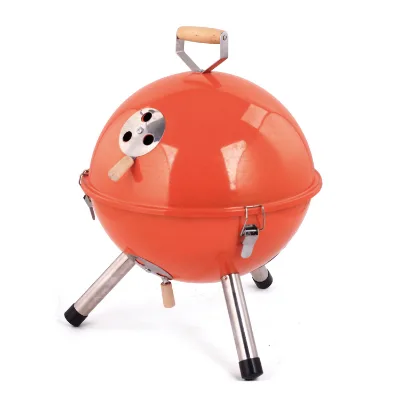


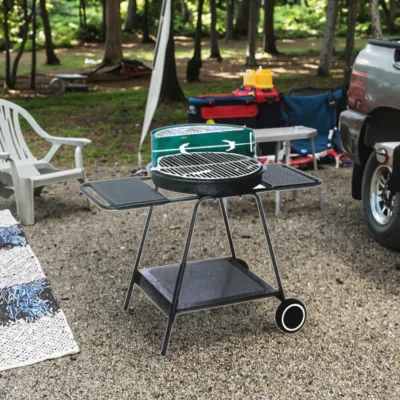


Mobile Stainless Steel Gas BBQ Grill with Wheels for Outdoor Camping Party
$1050.00 - $1250.00
MOQ: 1 Pieces


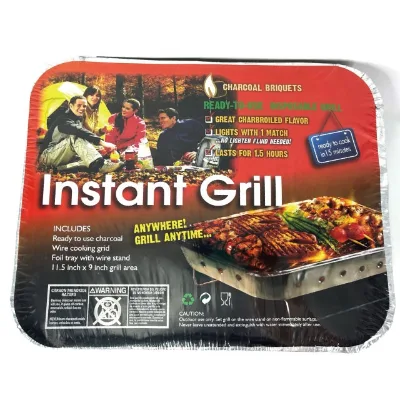
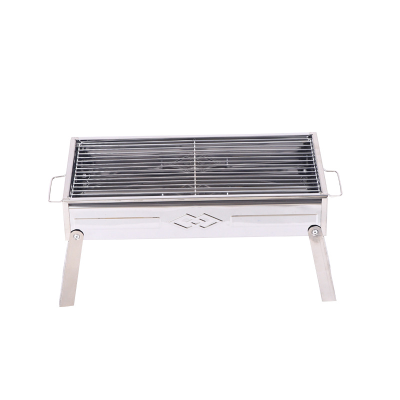
Stainless Steel Creative Folding Outdoor Grill Home BBQ Grill Portable Grill
$4.6122 - $4.9428
MOQ: 50 pieces
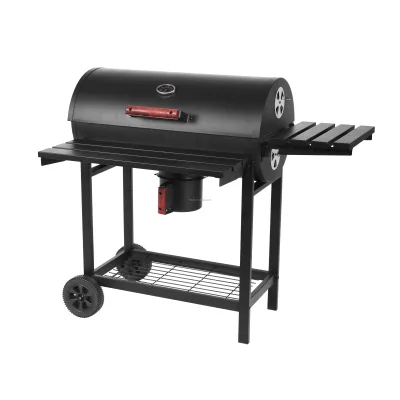
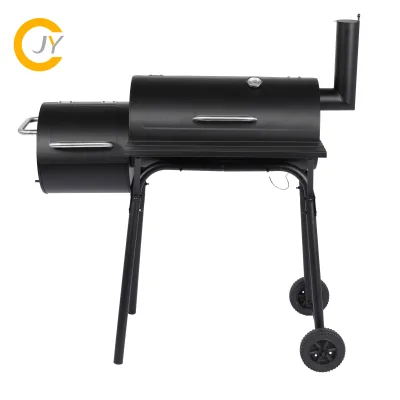


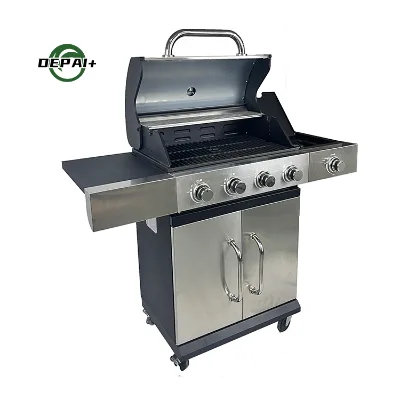


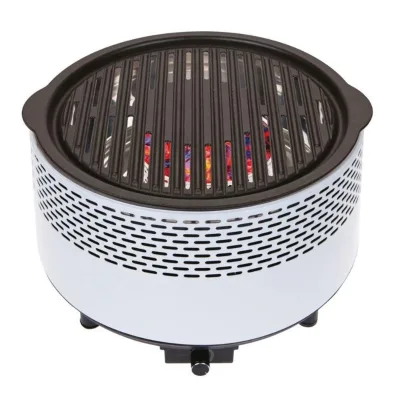
Hot Sale Portable Barbecue Grill New Design Indoor or Outdoor Smokeless BBQ Grill
$3.1087 - $4.1454
MOQ: 1000 pieces
Comprehensive Sourcing Guide
Auto Ignition Outdoor Mobile Grill Sourcing Guide
Procuring auto ignition outdoor mobile grills requires a careful balance between convenience features and robust construction standards. Buyers must distinguish between gas-powered units with electronic pulse ignition and charcoal variants that may rely on manual or piezoelectric starters. The market offers diverse configurations, including folding designs for portability and trolley-style units for stability. Understanding these mechanical differences is critical before initiating supplier negotiations, as the ignition mechanism directly impacts user experience and maintenance requirements.
This guide focuses on verifying technical specifications, compliance documentation, and commercial terms for these specialized cooking appliances. Sourcing decisions should prioritize suppliers who provide clear evidence of material quality, such as stainless steel or cast iron construction, and offer customizable options for branding. By adhering to structured verification steps, procurement teams can mitigate risks associated with product performance, safety certifications, and supply chain reliability in the competitive outdoor equipment sector.
Product Scope and Observed Listing Signals
The current market landscape for auto ignition outdoor mobile grills includes a variety of product types, primarily categorized by fuel source and structural design. Listings frequently highlight multifunctional foldable camping grills and stainless steel charcoal grills, with some units featuring gas grill capabilities. Key observed attributes include folding mechanisms for flat-pack storage, tool-free quick setup, and portability features like trolleys. These signals indicate a strong demand for versatile equipment suitable for outdoor activities, backyard BBQs, and camping scenarios, where ease of transport and assembly are paramount for end-users.
Material composition and finishing processes are prominent differentiators in product listings. Stainless steel, including grades 410 and 201, is commonly cited for durability, alongside cast iron and iron variants. Finishing options range from powder-coated surfaces to non-coated metal, with color customization available in shades like orange and black. Buyers should note that while some products claim high quality and adjustable features, specific performance claims must be validated through direct supplier inquiry. The presence of piezo ignition and electronic pulse ignition systems suggests a technological shift toward user-friendly lighting mechanisms in modern mobile grills.
Technical Specifications to Verify
Verification of ignition systems is the primary technical priority for buyers seeking auto ignition functionality. Suppliers may list piezo ignition, electronic pulse ignition, or touch control interfaces, each requiring distinct maintenance and reliability assessments. Buyers must confirm whether the ignition system is integrated with gas controls or designed for charcoal lighting assistance. Additionally, the presence of safety devices such as flame safety mechanisms, high-pressure protection, and oxygen depletion sensors should be explicitly verified for gas-powered units. These components are essential for preventing accidents and ensuring stable operation in varied outdoor environments.
Structural dimensions and weight specifications significantly impact logistics and user convenience. Observed product sizes vary, with some units measuring approximately 32x32x44 cm and others offering compact folded dimensions like 40x30x20 cm. Net weights range from 2.5 kg to 3.2 kg, influencing shipping costs and portability. Buyers should request detailed single-package dimensions and gross weights to accurately calculate freight expenses. Furthermore, verifying the assembly process, such as tool-free quick setup, ensures that the product meets expectations for ease of use. Confirming these physical attributes prevents discrepancies between marketing materials and delivered goods.
Compliance and Safety Documentation
Safety certifications are non-negotiable for outdoor grills, particularly those with gas ignition systems. Buyers must request valid certificates such as CE, GS, and CCC to ensure compliance with regional safety standards. These documents verify that the product has undergone rigorous testing for electrical safety, gas leakage prevention, and structural integrity. For markets with specific regulatory requirements, additional certifications may be necessary. Procurement teams should validate the authenticity of these certificates directly with issuing bodies and ensure they cover the specific model numbers being ordered, as certifications are often model-specific and not blanket approvals.
Beyond formal certifications, documentation regarding material safety and manufacturing processes is crucial. Buyers should inquire about the origin of raw materials, such as stainless steel or cast iron, and verify that they meet relevant food-contact safety standards. Although some listings mention powder coating or power coating, details about the chemical composition and toxicity of these finishes should be clarified. Ensuring that the finishing process does not release harmful substances during high-temperature cooking is vital for consumer health. Requesting material test reports or declarations of conformity helps mitigate liability risks and ensures long-term product safety.
Cost Drivers and Commercial Terms
Pricing for auto ignition outdoor mobile grills is influenced by material quality, ignition complexity, and customization levels. Observed price ranges vary widely, reflecting differences in stainless steel grades, coating types, and included safety features. Buyers should expect higher costs for units with advanced electronic ignition systems and premium finishes. Additionally, customization options, such as logo printing or color variations, may incur setup fees or minimum order quantity premiums. Understanding these cost drivers allows for more accurate budgeting and prevents unexpected expenses during the procurement process.
Minimum order quantities (MOQ) and production lead times are critical commercial terms that affect supply chain planning. MOQs can range from small trial orders to bulk purchases of 2000 units, depending on the supplier’s capacity and customization requirements. Lead times are typically influenced by production volume and the complexity of assembly processes. Buyers should negotiate clear terms regarding payment schedules, shipping responsibilities, and warranty coverage. Establishing a reliable supply agreement with defined productivity metrics, such as monthly output capacities, ensures consistent inventory levels and supports long-term business continuity.
Supplier Qualification and Quality Control
Supplier qualification begins with verifying manufacturing capabilities and quality management systems. Buyers should assess the supplier’s production facilities, focusing on their ability to maintain consistent quality across large batches. Factories located in regions like Jiangsu and Zhejiang, China, often have established supply chains for metalworking and assembly. Requesting evidence of ISO certification or similar quality management standards provides assurance of systematic quality control. Additionally, evaluating the supplier’s experience with OEM services indicates their flexibility in meeting specific branding and design requirements.
Quality control protocols must be explicitly defined before production begins. Buyers should implement pre-production sample approvals and in-process inspections to catch defects early. Final random inspections based on AQL standards are recommended to verify product conformity before shipment. Suppliers should provide detailed inspection reports covering ignition functionality, structural stability, and finish quality. Establishing a clear process for handling non-conforming products, including replacement or refund policies, protects the buyer from financial loss. Regular communication with the supplier during production ensures that any issues are addressed promptly and effectively.
Long-Term Procurement Checks
Long-term success in sourcing auto ignition outdoor mobile grills depends on continuous performance monitoring and supplier relationship management. Buyers should track product return rates and customer feedback to identify recurring issues with ignition systems or structural durability. Regular audits of supplier quality control processes help maintain high standards and prevent degradation over time. Building a collaborative relationship with the supplier facilitates better communication and quicker resolution of any emerging problems. This proactive approach ensures that the supply chain remains resilient and responsive to market changes.
Adapting to evolving market trends and regulatory requirements is essential for sustained procurement success. Buyers should stay informed about new safety standards and technological advancements in ignition systems. Periodically reviewing supplier capabilities and exploring alternative sources can mitigate risks associated with single-supplier dependency. Additionally, negotiating long-term contracts with favorable terms can secure better pricing and priority production slots. By maintaining a strategic focus on quality, compliance, and supplier performance, buyers can ensure a reliable supply of high-quality outdoor grills that meet customer expectations.
FAQs
Can auto ignition outdoor mobile grills be folded for storage?
Yes, many models feature folding designs for compact storage. The Multifunctional Foldable Camping Grill offers flat pack storage and tool-free quick setup. This portability allows users to easily transport the unit in a cardboard box, making it ideal for outdoor activities, backyard BBQs, and camping trips where space is limited.
What ignition systems are available for these grills?
Auto ignition outdoor mobile grills typically utilize piezo or electronic pulse ignition systems. Some units include piezoelectric ignition for reliable spark generation without external power. Advanced models may also feature safety devices like high-pressure protection and oxygen depletion sensors to ensure safe operation during outdoor cooking sessions and backyard gatherings.
Which certifications should I look for in grill manufacturers?
Look for manufacturers providing GS, CE, and CCC certifications. These standards indicate compliance with safety and quality requirements for electrical and mechanical components. Verified certifications ensure that the Auto Ignition Outdoor Mobile Grill meets international safety norms, providing peace of mind for buyers sourcing products for global distribution or local retail markets.
What materials are used in stainless steel charcoal grills?
Stainless steel charcoal grills often use 410 or 201 stainless steel grades. These materials offer durability and resistance to corrosion during outdoor use. The construction ensures the grill maintains structural integrity under high heat. Powder-coated finishes may also be applied to enhance aesthetic appeal and protect the metal surface from weather elements.
How is the productivity of these grills managed by suppliers?
Suppliers can manage high production volumes, with some factories achieving up to 10,000 pieces per month. This capacity supports bulk orders for auto ignition outdoor mobile grills. Buyers can request OEM services and custom packaging options. Efficient production lines ensure timely delivery while maintaining consistent quality standards for each unit shipped to international markets.
What are the typical packaging dimensions for these grills?
Packaging dimensions vary by model but often include standard sizes like 40x30x20 cm. Some units are packed in cartons with pallets for bulk shipping. The compact flat-pack design minimizes volume, reducing logistics costs. Buyers should verify specific single package sizes, such as 36x18x36 cm, to plan storage and transportation effectively.